
A Closer Look at the Tools That Built Andean Civilizations


Uncover the secrets of a lost world! Journey with us into the heart of the Andes, where ingenuity flourished amidst breathtaking landscapes. For centuries, the Incas, Moche, Nazca, and Tiahuanaco thrived, leaving behind a legacy of astonishing achievements. But what were the ingenious tools that shaped their empires? Prepare to be amazed as we delve into the fascinating world of Andean civilization tools – a testament to human resilience and innovation. Explore the intricate details and discover the secrets behind their remarkable technological prowess.
-
Andean Civilization Tools: An In-Depth Exploration
- Introduction to Ancient Andean Technology
- Essential Stone Tools of Andean Cultures
- Metalworking Tools and Techniques in Andean Societies
- Agricultural Implements of the Andean People
- Textile Tools and Weaving Technology in the Andes
- Ceramic Tools: Shaping Daily Life and Art
- Specialized Tools for Andean Engineering and Construction
- The Significance of Andean Tools in Their Society
- Conclusion: The Ingenuity of Andean Craftsmanship and Technology
- Frequently Asked Questions
- Final Reflection: Echoes of Ingenuity: The Enduring Legacy of Andean Technology
- Unveil the Secrets of Andean Civilization!
Andean Civilization Tools: An In-Depth Exploration
The remarkable achievements of the Andean civilizations—including the Incas, Moche, Nazca, and Tiahuanaco—were not solely the product of sophisticated social structures and advanced agricultural practices. These societies also possessed a remarkable understanding of toolmaking, developing a diverse range of implements crucial for their survival and prosperity. This article delves into the fascinating world of Andean civilization tools, exploring the materials, techniques, and ingenuity behind their creation, and demonstrating how these tools shaped the daily lives and monumental accomplishments of these ancient cultures.
We will examine the essential tools that facilitated everything from agriculture and construction to crafting intricate textiles and elaborate ceremonial objects. This exploration will uncover the ingenuity and resourcefulness that characterized Andean technology, highlighting the profound impact of these tools on the development and legacy of these impactful civilizations.
Understanding these tools provides a crucial window into the daily lives, societal structures, and technological advancements of these remarkable cultures. Prepare to be amazed by the sophistication and effectiveness of these ancient Andean inventions!
Introduction to Ancient Andean Technology
Andean technology was deeply intertwined with the environment. The availability of specific materials, such as obsidian, volcanic rock, and various types of wood, directly influenced tool design and functionality. The diverse geography of the Andes—from coastal deserts to high-altitude plains—necessitated the development of tools adapted to a wide range of environments and tasks.
Unlike many other ancient civilizations that relied heavily on metalworking, Andean societies initially relied predominantly on stone, bone, and wood to create their tools. However, the later development of metallurgy, particularly in the Andean highlands, marked a significant technological advancement, leading to the creation of tools with increased strength, durability, and specialized functionality. This transition reflects a complex interplay of environmental factors, cultural exchange, and technological innovation.
The ingenuity and adaptability displayed in Andean toolmaking highlight the resourcefulness and resilience of these ancient societies. The following sections will explore some of the most significant tool types employed across different Andean cultures.
Essential Stone Tools of Andean Cultures
Stone tools formed the backbone of Andean technology for millennia. The mastery of stoneworking techniques allowed Andean artisans to create a diverse array of tools, each meticulously crafted for a specific purpose. From the sharp edges of obsidian blades to the robust surfaces of grinding stones, these tools played a vital role in shaping the landscape and the lives of Andean peoples.
The quality and variety of stone tools found across different Andean regions provide valuable insights into the technological capabilities and cultural variations within these societies. The development and distribution of these tools also reveal intricate trade networks and patterns of cultural exchange that extended across vast geographical distances.
Obsidian Tools: Precision Cutting in the Andes
Obsidian, a volcanic glass, was highly prized by Andean cultures for its exceptional sharpness and ability to create incredibly fine edges. Obsidian tools, ranging from small blades used for surgery and woodworking to larger projectile points for hunting, demonstrate a sophisticated understanding of material properties and toolmaking techniques. The precision and craftsmanship evident in these artifacts highlight the advanced skills of Andean artisans. Archaeological evidence suggests that obsidian sources were carefully controlled and traded extensively across the Andes, indicating the importance of this material in Andean economies and social structures. The use of obsidian tools in both domestic and ceremonial contexts underscores their significance in the daily lives and religious practices of Andean societies.
The intricate detail and sharpness achieved with obsidian demonstrate a remarkable level of skill and precision in ancient Andean craftsmanship.
Andes Grinding Stones: Preparing Food and Materials
Grinding stones, or metates and manos, were indispensable tools for preparing food and processing various materials. These tools consisted of a stationary base (the metate) and a handheld grinding stone (the mano). The metates varied in size and shape depending on their intended use, ranging from small, portable versions used for individual households to larger, communal metates employed for processing larger quantities of grain or pigments. The manos were typically made from hard, durable stones, such as basalt or andesite, and their design often reflected the specific materials being processed.
The use of grinding stones reveals valuable information about the diets and agricultural practices of Andean cultures. The residue found on these tools can be analyzed to identify the types of plants and other materials that were processed, providing valuable insights into the subsistence strategies of these ancient societies. 👨🌾
Hammerstones and Their Versatile Uses
Hammerstones, simple yet versatile tools, were used for a wide range of tasks, including shaping stone tools, cracking nuts and seeds, and breaking bones for marrow extraction. These tools typically consisted of rounded or roughly shaped stones, selected for their weight and durability. The use of hammerstones demonstrates the practicality and adaptability of Andean technology. Their simple design allowed for a wide range of applications, reflecting the resourcefulness and ingenuity of Andean toolmakers.
The wear patterns observed on hammerstones provide valuable information about their use and the types of materials that were processed. Analysis of these wear patterns can help researchers reconstruct the daily activities and technological practices of Andean communities, shedding light on their resource management strategies and subsistence patterns. 🔨
Metalworking Tools and Techniques in Andean Societies
Andean societies displayed remarkable skill in metalworking, a testament to their advanced technological capabilities. Their mastery of metallurgy, particularly in copper, gold, silver, and bronze, allowed them to create a wide range of objects, from everyday tools to elaborate ceremonial items. The techniques employed reveal a deep understanding of material properties and sophisticated processes.
The availability of different ores and the development of innovative techniques led to a flourishing of metalwork throughout the various Andean cultures, influencing their social structures and artistic expressions. The prestige associated with metal objects solidified the power of elites and shaped trade networks across vast distances. The legacy of Andean metalworking continues to inspire awe and admiration, showcasing the ingenuity of these ancient civilizations.
Early Andean Metalworking: Copper and Gold
The earliest Andean metalworking involved the use of malleable metals like copper and gold. Copper, readily available in certain Andean regions, was hammered and shaped into tools, weapons, and ornaments. Gold, prized for its beauty and rarity, was similarly worked, often combined with copper to create alloys. These early techniques, primarily cold hammering and annealing (heating and cooling to soften the metal), demonstrate a fundamental understanding of metallurgical processes.
Archaeological evidence suggests that simple stone hammers and anvils were used in these early stages. The intricate detail found in some of the earliest gold artifacts points to a surprisingly high level of skill even in the initial phases of Andean metalworking. The development of these techniques laid the foundation for more complex metalworking practices that would emerge later.
The Development of Bronze Tools
The transition to bronze marked a significant technological advancement in Andean metalworking. Bronze, an alloy of copper and tin, is harder and more durable than copper, allowing for the creation of more sophisticated and resilient tools. The sourcing of tin, often from distant locations, highlights the sophisticated trade networks that existed within the Andes. The precise methods of bronze production varied across different Andean cultures, with variations in alloy composition reflecting regional differences.
The introduction of bronze tools significantly impacted agriculture, warfare, and the production of other artifacts. Bronze chisels, for instance, allowed for finer and more precise woodworking, while bronze weapons provided a decisive advantage in combat. The development of bronze technology represents a key step in the progress of Andean metallurgy.
Andean Goldsmithing Tools: Creating Intricate Designs
Andean goldsmiths were renowned for their ability to create incredibly intricate and delicate designs. Their mastery of techniques like hammering, repoussé (pushing metal from the back to create a design), and filigree (creating delicate patterns from thin wires) resulted in breathtakingly beautiful artifacts. The tools used in goldsmithing included specialized hammers with different shaped heads, punches for creating patterns, and crucibles for melting and refining gold. Evidence suggests the use of molds for casting more complex shapes.
The skill and precision involved in Andean goldsmithing are remarkable, demonstrating a high level of artistic and technical sophistication. The artistry of these pieces showcases both the technical skill and the cultural significance of gold in Andean societies. Many pieces survive to this day, testament to their quality and the enduring appeal of this craft.
Agricultural Implements of the Andean People
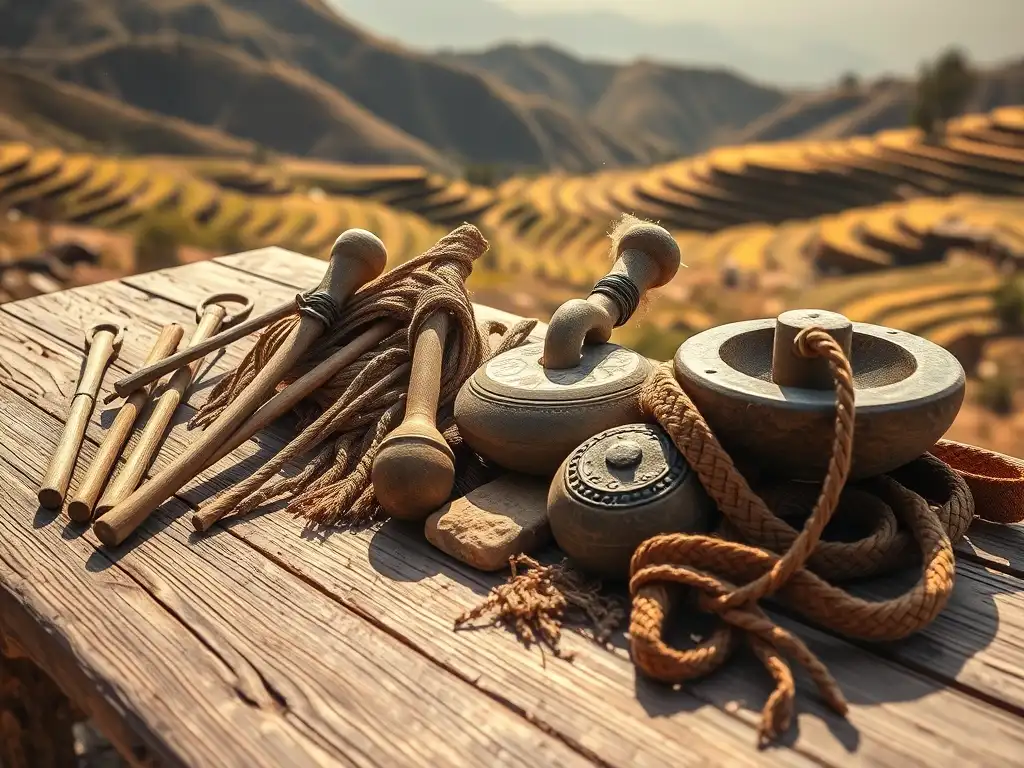
The agricultural practices of the Andean civilizations were closely tied to the development of specialized tools adapted to the challenging terrain and diverse climates. These tools, often simple in design but ingenious in their effectiveness, were essential to the success of Andean agriculture, which sustained large and complex societies. The ingenuity of these tools is a testament to the deep understanding of their environment and the resourcefulness of the Andean people. The development of these tools played a crucial role in the expansion of agriculture into diverse ecological niches.
The Chaquitaclla: Andean Foot Plow
The chaquitaclla, a foot-operated plow, is perhaps the most iconic agricultural tool of the Andean region. This ingenious device allowed farmers to cultivate the challenging Andean terrain, particularly the steep slopes where other plowing methods were impractical. Its simple design, consisting of a wooden frame with a sharp point, relied on the farmer's foot to push the plow into the soil.
The chaquitaclla was particularly effective in breaking up the hard-packed soil of the high Andes. Its continued use in some Andean communities today highlights its enduring effectiveness and adaptability. The efficiency of this simple tool allowed for increased agricultural productivity in an otherwise challenging environment.
Andean Digging Sticks: Preparing the Land
Digging sticks, also known as palas, were essential tools for preparing the land for planting in the Andes. These simple tools, typically made from wood or bone, were used to loosen the soil, create planting holes, and weed crops. Different types of digging sticks were used depending on the soil conditions and the type of crop being planted.
The effectiveness of the digging stick depended on the strength and skill of the user, making it a labor-intensive but vital tool for Andean farmers. The use of digging sticks, alongside other tools, enabled the cultivation of a wide variety of crops adapted to the diverse Andean ecosystems. The simple design of these tools belies their importance in shaping the agricultural landscape of the Andes.
Terracing Tools: Shaping the Andean Landscape
The construction of agricultural terraces was a remarkable feat of engineering and a testament to the ingenuity of Andean civilizations. Terracing transformed steep slopes into level fields, dramatically increasing arable land and preventing soil erosion. The tools used in terracing included stone picks, shovels, and carrying baskets.
The construction of these terraces required considerable labor and coordination, reflecting the sophisticated social organization of Andean societies. The enduring legacy of Andean terracing can still be seen today, a testament to the scale and sophistication of their agricultural practices. The careful planning and construction of these terraces demonstrate a deep understanding of both engineering principles and environmental sustainability.
Textile Tools and Weaving Technology in the Andes
The Andes Mountains were home to incredibly skilled weavers, producing textiles of remarkable quality and complexity. Their mastery wasn't just about artistic flair; it was deeply intertwined with their daily lives, social structures, and spiritual beliefs. Textiles served as clothing, blankets, ritual objects, and even forms of currency. Understanding their tools is key to appreciating the ingenuity and artistry involved.
The development of sophisticated textile production reflects the advanced understanding of materials and processes that characterized Andean civilizations. The intricate designs and vibrant colors seen in surviving textiles are a testament to both technical skill and artistic vision. These textiles weren't merely functional; they were powerful symbols of identity and status.
Spindles and Spinning Tools
Spindles, often made from wood, bone, or even clay, were crucial for transforming raw fibers into usable yarn. Archaeological finds reveal a wide variety of spindle whorls, differing in size, shape, and material depending on the region and time period. The design of these whorls, often intricately decorated, reflects the aesthetic sensibilities of the various Andean cultures.
Simple in their basic function, spindles represent a fundamental technology that underpinned the creation of all Andean textiles. The skill in spinning fine, even yarn was essential for creating the high-quality fabrics characteristic of Andean weaving. Evidence suggests that different types of fibers, like alpaca, llama, and cotton, required different techniques and potentially specialized spindles.
Andean Looms: Creating Complex Fabrics
Andean looms were remarkably sophisticated, capable of producing incredibly intricate and detailed textiles. While the exact construction varied across different regions and time periods, the basic principle remained consistent: a system of warp threads stretched taut, with weft threads interlaced to create the fabric. The backstrap loom, a portable and versatile type of loom, was widely used throughout the Andes.
Its portability allowed weavers to work virtually anywhere, integrating weaving into their daily routines. The use of different loom types, along with various weaving techniques, allowed Andean artisans to create an astonishing variety of textiles, from simple cloths to exquisitely decorated garments and tapestries. The complexity of some designs demonstrates an advanced understanding of mathematics and geometry inherent in the weaving process itself.
Dyeing Techniques and Tools
The vibrant colors of Andean textiles were achieved using a range of natural dyes derived from plants, minerals, and insects. Cochineal, a scale insect, produced a particularly prized crimson dye. Other sources included various plants like indigo for blues and various barks and roots for yellows, browns, and reds. The process involved careful preparation of the dyes and meticulous application to the yarn or fabric.
Tools used in dyeing would have included mortars and pestles for grinding the dye materials, as well as containers for mixing and soaking the fibers. The lasting vibrancy of many surviving textiles suggests a sophisticated understanding of mordants, substances that help the dye bind to the fibers and resist fading. This mastery of dyeing techniques added another layer of complexity and artistry to Andean textile production.
Ceramic Tools: Shaping Daily Life and Art
Ceramic technology was central to Andean civilizations, providing essential tools and vessels for daily life as well as stunning works of art. The development of sophisticated ceramic techniques reflects a deep understanding of materials science and firing processes, contributing significantly to their social and cultural development. The diversity in style and function of Andean ceramics showcases the ingenuity and adaptability of their artisans. From simple cooking pots to elaborate ceremonial vessels, ceramics played a vital role in the lives of Andean people.
Andean Pottery Molds and Shaping Tools
Creating ceramics involved a range of tools. Pottery molds, often made from clay or carved wood, allowed for the mass production of standardized shapes. These molds facilitated the creation of consistent forms for everyday use, improving efficiency in the production of utilitarian ceramics. Other tools used in shaping the clay included paddles, spoons, and various smoothing implements.
The skill in shaping the clay and achieving a smooth, even surface was crucial for creating both functional and aesthetically pleasing vessels. The techniques varied depending on the desired form and the specific clay used. The precision in some ceramic forms suggests a high level of skill and training among Andean potters.
Painting Tools for Ceramics
Once the ceramic pieces were shaped and dried, they were often decorated with intricate designs. Paints were made from natural pigments, similar to those used in textile dyeing. Brushes, likely made from plant fibers or animal hair, were used to apply the paint.
Other tools may have been used for finer details or specific effects, though precise examples remain a topic of ongoing research. The variety of painting techniques and styles across different Andean cultures reflects their unique artistic traditions and beliefs. The intricate designs and vibrant colors often had symbolic meaning, revealing insights into their cosmology and social organization.
Kilns and Firing Techniques
The final stage in ceramic production involved firing the pieces in kilns. Andean kilns varied in design and size, ranging from simple open-air pits to more sophisticated structures. The control of temperature and atmosphere during firing was crucial for achieving the desired result, strong, durable, and aesthetically pleasing ceramics.
The development of effective kilns allowed for the creation of high-quality ceramics and contributed significantly to the advancement of Andean technology. The ability to consistently produce strong, durable, and aesthetically pleasing ceramics was a testament to their understanding of material science and firing processes. The types of kilns used varied across regions and time periods, reflecting the adaptation of technology to local conditions and available resources.
Specialized Tools for Andean Engineering and Construction
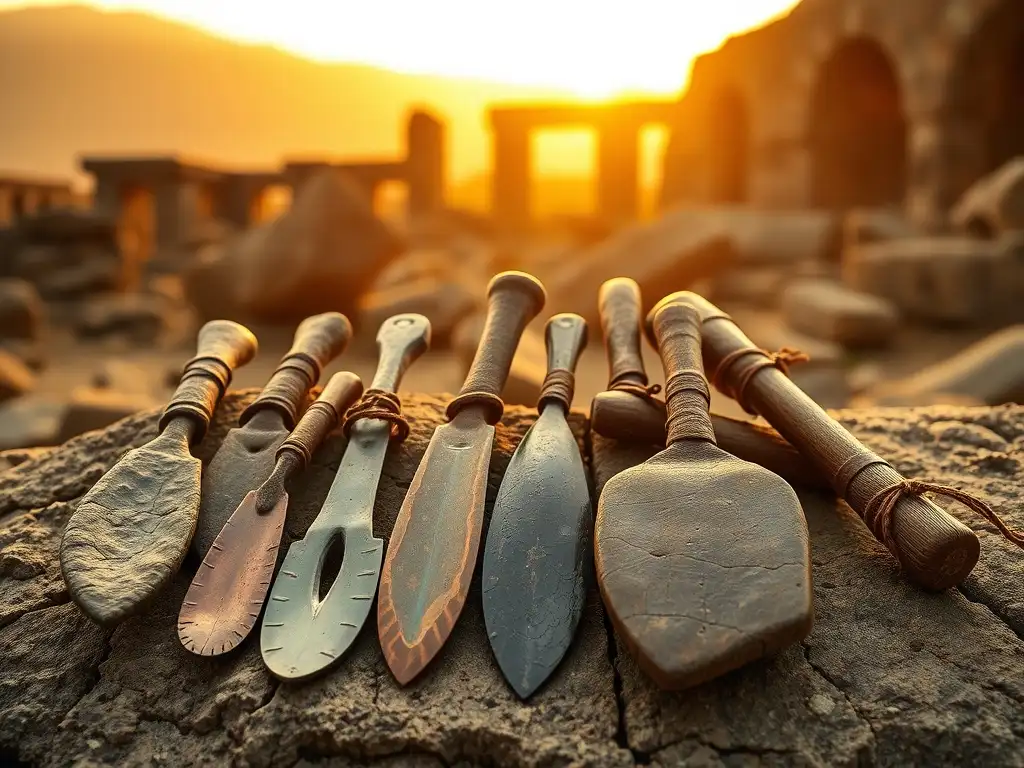
Andean civilizations, renowned for their impressive feats of engineering and construction, relied on a sophisticated array of specialized tools. These tools, often crafted from readily available materials like stone, copper, and wood, demonstrate a deep understanding of material properties and engineering principles. The precision and complexity evident in their structures—from intricate irrigation systems to massive stone fortifications—testify to the effectiveness of their toolset. The development and refinement of these tools were crucial in enabling the construction of monumental architecture and infrastructure that continues to amaze and inspire today.
Without these specialized tools, the scale and precision of Andean construction projects would have been impossible. This ingenuity speaks volumes about the advanced technological capabilities of these ancient societies. The mastery of these tools allowed for the creation of structures that have withstood the test of time, a testament to their skill and resourcefulness.
Measuring and Surveying Tools
Precise measurements were fundamental to Andean construction. While the exact tools used for surveying and measuring remain a topic of ongoing research, evidence suggests the use of sophisticated techniques. Researchers have found evidence of knotted ropes, potentially used for measuring distances and angles. Furthermore, the remarkably straight lines and precise angles observed in many Andean structures point towards the existence of advanced surveying instruments.
The intricate networks of canals and terraces, often built across challenging terrain, further highlight the importance of accurate measurement and planning. Imagine the level of expertise required to align structures across vast distances with the limited technology available to them! The precision achieved in these projects strongly suggests a high level of skill in surveying and measurement, surpassing many expectations for the time period. Further research is needed to fully understand the specific tools and techniques employed.
Stone Quarrying and Transportation Tools
The ability to quarry and transport massive stone blocks was a critical factor in Andean construction. The sheer size and weight of some of the stones used in structures like Machu Picchu are astounding. To extract these stones, Andean engineers likely employed tools such as copper chisels, stone hammers, and wooden wedges. The transportation of these enormous blocks across challenging terrain required equally impressive ingenuity.
Evidence suggests the use of ramps, rollers, and possibly even sledges pulled by teams of laborers. The organization and coordination necessary for such large-scale projects are equally remarkable, highlighting the advanced social and logistical capabilities of these societies. The detailed knowledge of stone properties and the development of effective quarrying and transport techniques were key to the success of their ambitious building projects. The remnants of these projects still stand as a testament to their remarkable engineering abilities.
Construction Tools: Building Fortresses and Cities
The construction of impressive fortresses and cities like Sacsayhuamán and Ollantaytambo required a diverse range of tools. Beyond the tools for quarrying and transport, the actual construction involved chisels for shaping stones, mallets for hammering them into place, and possibly even rudimentary levers and pulleys for lifting and positioning the heavier blocks. The precision of the stonework, with blocks fitting together seamlessly, points to the high level of skill of the Andean masons.
The use of sophisticated techniques, including the precise cutting and fitting of stones, demonstrates a high level of technical proficiency. These tools, combined with a deep understanding of engineering principles, allowed for the creation of structures that are both aesthetically pleasing and remarkably durable.
The Significance of Andean Tools in Their Society
Andean tools were not merely functional objects; they held significant social and cultural importance within their societies. Their creation, use, and ownership reflected the complex social structures and power dynamics of these ancient civilizations.
Tools as Symbols of Status and Power
The craftsmanship and materials used in the creation of certain tools could indicate the social status of their owner or creator. Elaborately crafted tools, perhaps adorned with precious metals or intricate designs, might have been symbols of power and prestige, possessed only by elites or members of the ruling class. The ownership of specialized tools, particularly those involved in large-scale construction projects, could have been a significant marker of social standing.
This hierarchical distribution of tools reflects the stratified social structures of Andean societies. The disparity in tool quality and design reveals much about the social stratification and power dynamics of the time.
Tools and their Role in Trade and Exchange
Tools also played a significant role in trade and exchange networks across the Andes. Specialized tools, or the materials used to create them, could have been valuable commodities, traded between different regions and communities. This trade network facilitated the exchange of knowledge and technology, contributing to the overall technological development of Andean civilizations. The distribution of specific tool types across different regions might reveal patterns of trade and interaction between various Andean societies. The study of trade routes and the exchange of tools offers valuable insights into the complex economic and social relationships within the Andean world.
The Legacy of Andean Tools and Their Influence Today
The legacy of Andean tools extends far beyond their historical significance. The ingenuity and technical skill demonstrated in their creation continue to inspire and inform modern engineering and construction practices. The principles of stonework, construction, and irrigation developed by Andean civilizations are still relevant today.
The study of Andean tools offers valuable lessons in sustainable resource management and innovative problem-solving. Their remarkable achievements serve as a reminder of human ingenuity and the enduring impact of technological innovation across cultures and time. The study of Andean tools provides a valuable window into the past and offers important lessons for the future.
Conclusion: The Ingenuity of Andean Craftsmanship and Technology
The study of Andean civilization tools reveals a remarkable level of ingenuity and adaptation to diverse environments. From the intricate weaving techniques using sophisticated looms to the precise stonework evident in monumental structures like Machu Picchu, the mastery of materials and tools speaks volumes about the advanced technological understanding of these societies. Their ability to harness natural resources, develop innovative techniques for agriculture and construction, and create tools for everyday life showcases a deep connection to their surroundings and a remarkable capacity for innovation. The sophistication of their tools, often crafted from readily available materials like obsidian, copper, and wood, underscores their resourcefulness and practical knowledge.
The enduring legacy of Andean craftsmanship is not just in the artifacts that survive but also in the ingenuity and skill that went into their creation—a testament to the advanced technological capabilities of these ancient civilizations. Understanding these tools provides a deeper appreciation for the complexity and sophistication of Andean societies and their lasting contributions to human history. The precision and artistry evident in many tools, from simple agricultural implements to elaborate ceremonial objects, highlight the high level of skill possessed by Andean artisans and engineers.
Further research into the specific techniques and materials used could unlock even more insights into their technological achievements and offer valuable lessons for modern-day engineering and design. The ingenuity displayed in the design and application of these tools serves as a powerful reminder of the remarkable achievements of Andean civilizations. 🌍
Frequently Asked Questions
What types of tools did Andean civilizations use?
Andean civilizations utilized a diverse range of tools, from simple stone tools for agriculture and hunting to sophisticated metalworking implements like chisels and hammers for construction and artistry. They also developed intricate textile tools for weaving.
How did Andean tools impact their society?
The technology behind their tools was crucial for their societal development. Advanced agricultural tools allowed for surplus food production, supporting larger populations and complex social structures. Metallurgical advancements fueled their artistic and architectural achievements.
Were Andean tools solely for practical purposes?
While many tools served practical functions, many also held symbolic and ritualistic significance. Certain tools were used in ceremonies or were crafted with intricate designs, reflecting their cultural and religious beliefs.
What materials were used to create Andean tools?
Andean civilizations used a variety of materials, including stone (obsidian, andesite), copper, bronze, gold, and silver. The selection of material often depended on the tool's purpose and the availability of resources in the specific region.
How did Andean toolmaking techniques evolve over time?
Toolmaking techniques evolved significantly over time, reflecting advancements in metallurgy and material science. Early civilizations relied heavily on stone tools, while later civilizations like the Incas mastered advanced metalworking techniques, creating more complex and durable tools.
Final Reflection: Echoes of Ingenuity: The Enduring Legacy of Andean Technology
The ingenious tools of the Andean civilizations, far from being relics of a distant past, offer crucial lessons in sustainable innovation and resourcefulness that remain strikingly relevant today. Our modern world, facing unprecedented environmental challenges and a growing need for sustainable practices, can learn immensely from the resourcefulness and adaptability demonstrated by these ancient cultures. Their ability to thrive in diverse and challenging environments, using readily available materials, provides a powerful counterpoint to our often wasteful and unsustainable practices.
The impact of Andean ingenuity extends far beyond the realm of archaeology; it resonates deeply within our understanding of human potential and adaptation. Their mastery of stonework, textile production, and agricultural techniques shaped not only their physical landscape but also their social structures and spiritual beliefs. The intricate details of their tools, from meticulously crafted agricultural implements to sophisticated astronomical instruments, speak volumes about their intellectual capacity and profound connection to their environment. Civilization is not inherited; it has to be learned and earned by each generation.
This quote, though not directly about the Andes, perfectly encapsulates the enduring relevance of their achievements. Their legacy challenges us to consider how we, too, can build sustainable and thriving societies through innovation and respect for the natural world.
Consider the ingenuity of their tools, the resilience of their communities, and the profound wisdom embedded within their practices. You, too, can harness the spirit of innovation and resourcefulness that characterized these ancient civilizations. Reflect on how you can apply principles of sustainability and resourcefulness in your own life, whether it's through mindful consumption, creative problem-solving, or simply appreciating the ingenuity of human adaptation across time and cultures. Let the echoes of their ingenuity inspire you to build a more sustainable and equitable future.
Unveil the Secrets of Andean Civilization!
Thank you for exploring the remarkable world of Andean civilizations with us! We hope you've discovered the ingenuity and innovation that fueled their advanced societies. To further your exploration of these fascinating cultures, we encourage you to continue your journey in the following ways:
- **Explore** our website's extensive resources to learn how Andean architectural and agricultural techniques continue to influence modern practices.
- **Share** this article with friends and on social media to spark engaging conversations about the rich history of the Andes.
- **Join our community** by subscribing to our newsletter for exclusive content and updates on Andean civilizations.
What aspects of Andean civilization most captivate you, and how do you believe these ancient innovations impact our lives today?