
The Power of the Spoken Word: Shaping Andean Identity and Beliefs

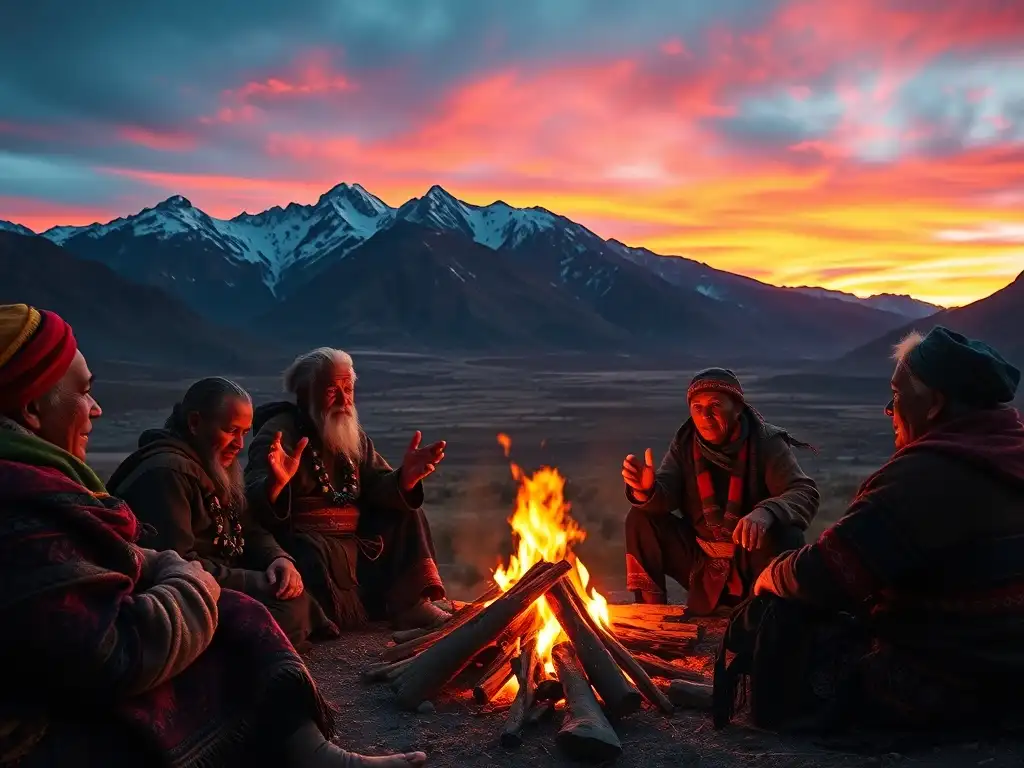
Uncover the mysteries woven into the very fabric of the Andes! For centuries, the Andean oral tradition beliefs shaped not just daily life, but the very soul of civilizations like the Inca, Moche, and Nazca. Journey with us through a captivating world of ancient wisdom, where spoken words held the power to connect the living with the spirits, and myths became the bedrock of a vibrant and enduring culture.
Prepare to be amazed by the stories they left behind – stories that continue to resonate today. Dive into the fascinating world of Andean Languages and discover the secrets held within the power of the spoken word.
The Andes Mountains, a spine of towering peaks running down the western coast of South America, are home to a rich tapestry of ancient civilizations. For millennia, these cultures—including the Incas, Moche, Nazca, and Tiahuanaco—developed sophisticated systems of governance, agriculture, and art. But beyond the impressive architectural feats and intricate textiles, lies a powerful force that shaped their identities and beliefs: the spoken word.
This article delves into the profound influence of Andean oral tradition, exploring how storytelling, myths, and songs served as vital tools for transmitting knowledge, preserving history, and forging a strong sense of community across generations. We will examine how these oral traditions are intrinsically linked to their understanding of the cosmos, their social structures, and their spiritual beliefs, ultimately revealing the crucial role of the spoken word in shaping Andean identity and beliefs.
Understanding this oral tradition provides key insights into the complexities and resilience of these fascinating cultures, illuminating the enduring legacy of Andean civilization. The keyword "Andean oral tradition beliefs" will be explored throughout this article.
The Role of Storytelling in Andean Societies
Andean oral traditions relied heavily on storytelling. Narratives, passed down through generations, served multiple crucial functions. They weren't simply entertainment; they were educational tools, transmitting practical knowledge about agriculture, medicinal plants, and navigating the challenging Andean terrain. For example, stories about successful harvests or ingenious solutions to environmental problems provided valuable lessons for survival.
Moreover, myths and legends explained the origins of the world, the relationship between humans and nature, and the social order. These narratives often featured powerful deities, mythical creatures, and ancestors, shaping the worldview and spiritual beliefs of the Andean peoples. The detailed nature of these stories, often incorporating intricate genealogies and historical events, underscores their importance as historical records and vehicles for cultural transmission. The vibrant imagery and emotional resonance of these oral narratives ensured their memorability and longevity, solidifying their role in shaping Andean identity.
Myths and legends formed the bedrock of Andean cosmology and social structures. Complex narratives explained the creation of the world, the origins of different ethnic groups, and the roles of various deities in the natural world. These stories often involved powerful figures, like the creator god Viracocha in Inca mythology, whose actions shaped the landscape and established the rules governing human society.
The intricate details of these myths, reflecting a profound understanding of the cosmos, influenced everything from agricultural practices to political organization. For instance, the cyclical nature of many Andean myths, reflecting the agricultural cycle and the changing seasons, reinforced the importance of harmony with nature and the cyclical nature of life and death.
The preservation and performance of these myths served as a powerful means of maintaining social order and reinforcing shared beliefs within Andean communities. Analyzing these myths reveals a deep connection between the spiritual and the mundane aspects of Andean life.
Beyond narratives, songs and chants played a vital role in Andean life. These musical forms weren't simply expressions of artistic creativity; they were integral parts of rituals, agricultural work, and social gatherings. Work songs, for example, helped coordinate labor and foster a sense of community among workers. Ritual chants, often accompanied by musical instruments, invoked deities, celebrated harvests, or commemorated important events. The rhythmic nature of these chants and songs not only facilitated physical tasks but also helped create a shared sense of identity and purpose. The lyrics often contained historical information, moral teachings, or prayers, further solidifying their role in transmitting cultural knowledge and shaping Andean beliefs. The enduring power of these musical traditions highlights their importance in maintaining social cohesion and preserving cultural memory. Furthermore, the use of specific musical instruments and vocal techniques in these performances also contributed to the distinct cultural identities of different Andean groups.
The Enduring Legacy of Andean Oral Tradition
Even today, remnants of Andean oral traditions persist, demonstrating their remarkable resilience. While the arrival of the Spanish conquistadors and subsequent colonization significantly impacted Andean cultures, many oral traditions continue to be practiced and adapted. Contemporary Andean communities still utilize storytelling, songs, and chants to transmit knowledge, reinforce cultural identity, and maintain a connection with their ancestral past.
The continued relevance of these oral forms underscores their deep-seated importance in Andean societies and their enduring power in shaping individual and collective identities. The study of these continuing traditions provides valuable insights into the processes of cultural adaptation and the long-term impact of oral traditions on Andean societies. The ongoing research into these traditions continues to unveil new layers of meaning and complexity, enriching our understanding of Andean culture and history.
- The Role of Storytelling in Andean Societies
- Myths and Legends: Explaining the Cosmos and Social Order
- Songs and Chants: Rituals, Work, and Social Cohesion
- The Enduring Legacy of Andean Oral Tradition
- What role did oral tradition play in Andean societies?
- How did oral traditions shape Andean religious beliefs?
- What are some examples of Andean oral traditions still practiced today?
- How did the Inca Empire influence the transmission of oral traditions?
- How did Andean oral traditions influence their art and technology?
Andean Oral Tradition: A Foundation of Culture

This section delves into the crucial role of oral tradition in shaping Andean identity and beliefs. We explore how the spoken word, devoid of the written form prevalent in other cultures, served as the primary mechanism for transmitting knowledge, preserving history, and reinforcing social structures across various Andean societies, including the Inca, Moche, Nazca, and Tiahuanaco. Understanding the power of Andean oral tradition offers invaluable insight into the complexity and richness of these ancient civilizations.
The absence of widespread writing systems meant that oral narratives, songs, and rituals became the bedrock of their cultural heritage, deeply influencing their worldview and societal practices. We will examine how this oral legacy continues to resonate in contemporary Andean communities.
The Significance of Orality in Andean Societies
The significance of orality in Andean societies cannot be overstated. In the absence of a formalized writing system, the spoken word became the primary repository of knowledge, history, and cultural values. This oral tradition wasn't merely a method of communication; it was a dynamic, living entity that shaped social structures, religious beliefs, and individual identities. Consider, for example, the intricate kinship systems of many Andean groups.
These complex relationships, with their associated rights and obligations, were largely transmitted through oral genealogies and narratives passed down through generations. These weren't simply lists of names; they were rich stories that embedded moral lessons and reinforced social cohesion. Similarly, agricultural practices, medicinal knowledge, and artistic techniques were all meticulously preserved and disseminated through oral instruction and apprenticeship.
The mastery of these skills, often passed from parent to child or master to apprentice, was a testament to the power of the spoken word in shaping Andean life. This reliance on oral transmission fostered a strong sense of community and collective memory, binding individuals together through shared narratives and traditions. The oral tradition ensured the continuity of cultural practices and beliefs, even in the face of significant societal changes.
The impact of this oral-based culture extended beyond practical knowledge. Myths, legends, and creation stories, passed down through generations, formed the core of Andean cosmologies. These narratives explained the origin of the world, the relationship between humans and the supernatural, and the role of individuals within the broader cosmic order. They provided a framework for understanding the natural world and navigating the complexities of human existence.
The power of these stories lay not just in their content, but in their performance. The skillful storyteller, often a respected elder or shaman, commanded attention and wielded considerable influence, shaping the beliefs and behaviors of their audience. Their words held the power to inspire awe, instill fear, and transmit essential cultural values.
Transmission of Knowledge through Spoken Word
The transmission of knowledge through the spoken word in Andean societies was a highly structured and deliberate process. It wasn't simply a casual exchange of information; it involved carefully crafted narratives, songs, and rituals designed to ensure the accurate and effective transmission of cultural heritage. This process often involved mnemonic devices, such as repetitive phrases, songs, and symbolic gestures, to aid memorization and recall.
Oral narratives were often structured in cyclical patterns, with key elements repeated to reinforce their meaning and embed them in the collective memory. The use of metaphors, similes, and other literary devices enhanced the memorability and impact of the stories.
Furthermore, the process of knowledge transmission was often tied to specific social contexts and rituals. For instance, initiation rites for young people frequently involved the recounting of creation myths and ancestral histories, marking their transition into adulthood and their integration into the community. Similarly, agricultural cycles were often accompanied by specific ceremonies and songs that celebrated the bounty of the land and reinforced the community's dependence on it.
These rituals served not only to transmit practical knowledge but also to strengthen social bonds and reinforce shared cultural values. The continuity of these practices ensured that knowledge was not only transmitted accurately but also experienced emotionally, strengthening its impact and ensuring its lasting significance.
These oral performances were far more than simple recitations; they were active engagements, fostering collective participation and reinforcing shared cultural understanding. The very act of participating in these oral traditions contributed to the preservation and transmission of knowledge.
Storytelling as a Vehicle for Cultural Preservation
Storytelling served as a powerful vehicle for cultural preservation in Andean societies. These narratives weren't merely entertaining; they were living repositories of history, moral codes, and social values. Myths and legends explained the origins of the world, the relationship between humans and the supernatural, and the roles of different social groups.
They provided a framework for understanding the natural world and navigating the complexities of human existence. These stories acted as a form of social control, reinforcing acceptable behaviors and discouraging deviance. By embedding moral lessons within compelling narratives, the Andean oral tradition instilled cultural values and ensured their continuity across generations.
Consider, for example, the various creation myths that exist across different Andean cultures. These narratives, while varying in detail, share common themes that reflect a deep understanding of the natural world and the interconnectedness of all living things. These stories didn't just provide an explanation for the origin of the world; they also served to establish a moral order and define the relationship between humans and the supernatural.
The repetition and adaptation of these stories across different communities highlight the power of oral tradition in preserving and transmitting cultural values. The very act of storytelling fostered a sense of community and belonging, binding individuals together through shared narratives and experiences. The stories were not static; they evolved and adapted over time, reflecting changes in the social and natural environment.
This dynamic nature of the oral tradition ensured its relevance and its ability to address the challenges of each new generation. The ongoing relevance of these stories in contemporary Andean communities demonstrates the enduring power of oral tradition in shaping cultural identity and preserving cultural heritage.
The Role of Language in Constructing Andean Identity
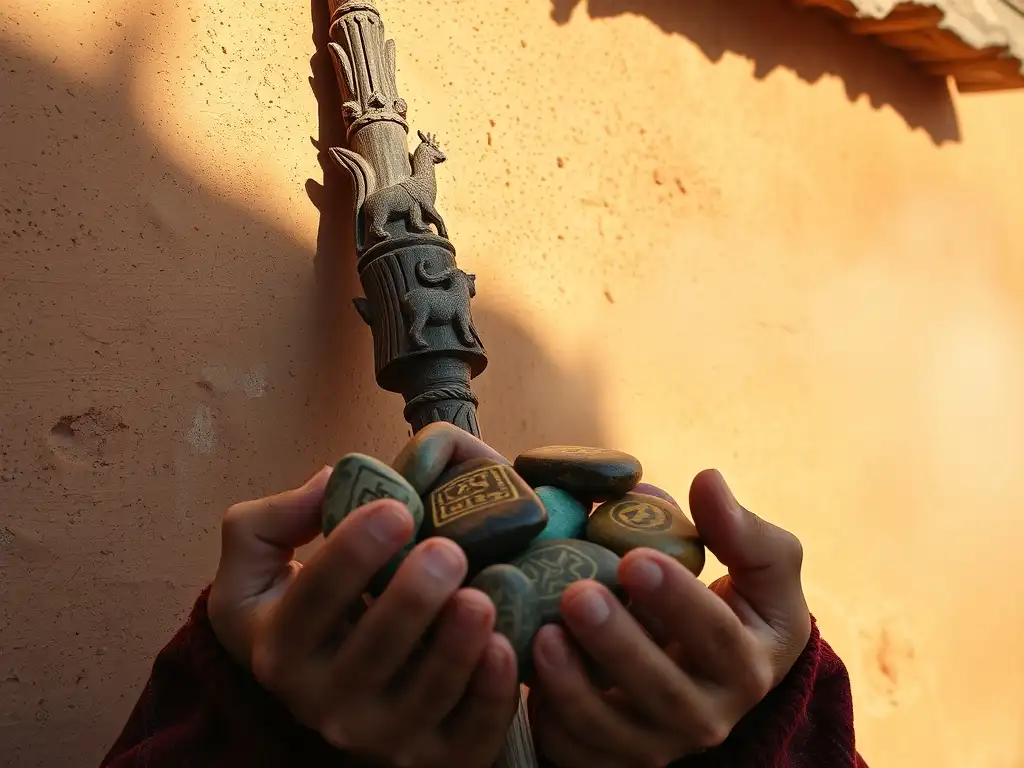
The Andean region, encompassing a vast geographical area and diverse populations, wasn't unified by a single written language in pre-Columbian times. Instead, a complex tapestry of indigenous languages, each with its unique oral tradition, shaped the identity and worldview of different Andean communities. Understanding the role of language in constructing Andean identity requires appreciating the intricate relationship between language, cultural practices, and social structures.
This wasn't simply a matter of communication; language served as a powerful tool for transmitting knowledge, preserving history, and reinforcing social cohesion. The vitality of these oral traditions highlights the profound connection between language and the very fabric of Andean societies. This section delves into the multifaceted ways in which language, particularly within the context of oral tradition, defined and continues to define Andean identity.
Language as a Marker of Ethnic and Cultural Belonging
Language acted as a potent symbol of ethnic and cultural belonging within the diverse Andean landscape. Each language represented not just a means of communication but a distinct cultural heritage, encompassing shared beliefs, customs, and traditions. For instance, Quechua, with its various dialects, served as a lingua franca across vast territories, yet each dialect carried its unique nuances, reflecting regional variations in customs and beliefs.
Aymara, another prominent language, similarly fostered a strong sense of identity among its speakers. The mastery of a specific language, often coupled with proficiency in traditional storytelling and song, was crucial for social integration and recognition within a community. This linguistic diversity, far from being a source of division, often fostered a rich intercultural exchange, with communities maintaining distinct identities while engaging in trade, alliances, and cultural exchanges.
The continued use of indigenous languages today underscores their enduring significance as markers of ethnic pride and cultural continuity. The preservation of these languages is vital for maintaining the rich cultural heritage of the Andean region.
How Oral Narratives Define Andean Worldviews
Andean oral traditions, deeply intertwined with their languages, played a pivotal role in shaping Andean worldviews. Myths, legends, and historical narratives were not mere entertainment; they were powerful tools for transmitting knowledge, values, and beliefs across generations. These narratives explained the origins of the world, the relationships between humans and nature, and the social order.
For example, stories about powerful deities like Pachamama (Mother Earth) and Inti (the Sun) instilled respect for the natural world and emphasized the interconnectedness of all living things. Other narratives, recounting the deeds of legendary heroes and ancestors, reinforced social values, such as courage, resilience, and community solidarity. The oral transmission of these stories ensured their continuity and adaptation across time and space, reflecting the evolving needs and experiences of each community.
This dynamic interplay between oral tradition and cultural beliefs shaped a unique and enduring Andean worldview, deeply rooted in the land and its people. Understanding these narratives is key to understanding the beliefs and values that underpinned Andean societies.
The Impact of Colonialism on Indigenous Languages and Oral Traditions
The arrival of the Spanish conquistadors in the 16th century had a devastating impact on indigenous languages and oral traditions across the Andes. The deliberate suppression of indigenous languages in favor of Spanish, coupled with the destruction of cultural artifacts and the disruption of traditional social structures, significantly threatened the preservation of Andean cultural heritage. Missionaries actively discouraged the use of indigenous languages, often portraying them as inferior or even demonic.
The imposition of Spanish as the dominant language led to a decline in the fluency and use of indigenous languages, particularly among younger generations. However, despite these efforts, indigenous languages and oral traditions demonstrated remarkable resilience. While many communities experienced significant language shift, others managed to maintain their linguistic and cultural heritage, often adapting their oral traditions to incorporate new elements while preserving their core values and beliefs.
The struggle to preserve indigenous languages and oral traditions continues to this day, representing a vital aspect of Andean cultural revitalization. The ongoing efforts to document and promote these traditions are crucial for ensuring the survival of this invaluable cultural heritage.
Exploring Andean Oral Tradition Beliefs
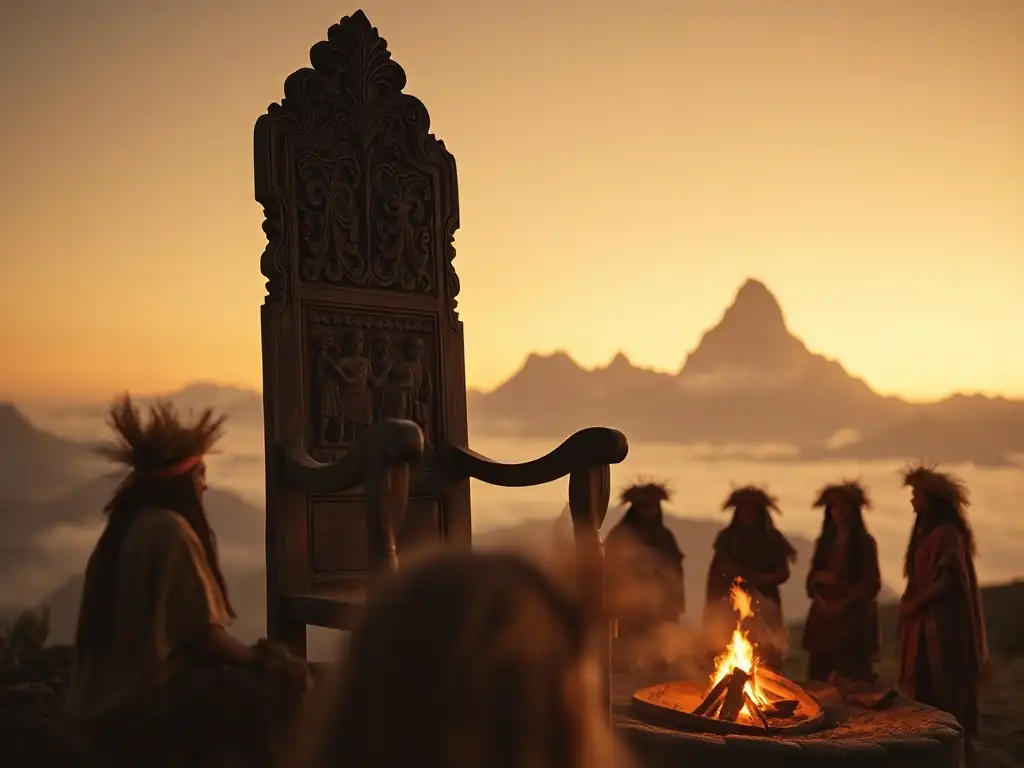
This section delves into the profound influence of oral tradition on shaping Andean identity and beliefs. We will explore how narratives, myths, and rituals, passed down through generations without a written script, formed the foundation of Andean cosmovision and continue to resonate in contemporary Andean cultures. The study of Andean oral tradition beliefs reveals a complex and rich tapestry of spiritual understanding, social structures, and ecological awareness. Understanding these traditions is crucial to appreciating the multifaceted nature of Andean civilizations.
Andean Cosmovision and its Reflection in Oral Narratives
Andean cosmovision, a worldview encompassing a holistic understanding of the universe, is intricately woven into oral narratives. These stories aren't mere entertainment; they are pedagogical tools, transmitting knowledge about the cosmos, the relationship between humans and nature, and the social order. For instance, many myths explain the origin of the world, the creation of humans, and the establishment of social hierarchies. These narratives frequently feature powerful deities, supernatural beings, and ancestral figures interacting with the natural world. The stories often serve as moral lessons, highlighting the consequences of actions and emphasizing the importance of respecting the balance of nature.
The concept of Pachamama, Mother Earth, is central to Andean cosmovision and is prominently featured in countless oral narratives. These stories illustrate the profound respect and reverence for the Earth, highlighting its life-giving properties and the interconnectedness of all living beings. Oral traditions emphasize the reciprocal relationship between humans and Pachamama, underscoring the importance of offering respect and reciprocity in exchange for the bounty she provides.
Violation of this balance, as depicted in many cautionary tales, often results in natural disasters or social upheaval. Analyzing these narratives provides a window into the complex ecological awareness embedded within Andean oral tradition beliefs. Further research is needed to fully explore the diverse variations of these myths across different Andean communities, revealing the unique nuances and regional interpretations of this central concept.
The Importance of Ancestral Stories and Myths
Ancestral stories and myths are not simply historical records; they are living traditions that shape Andean identity and social cohesion. These narratives transmit valuable knowledge about genealogy, social structures, and customary laws. They reinforce kinship ties and community bonds, providing a sense of shared history and belonging. The recounting of these stories during rituals and celebrations reinforces cultural continuity and transmits cultural values across generations. Specific lineages and their heroic deeds are often highlighted, solidifying social hierarchies and providing a framework for understanding social roles and responsibilities.
The use of mnemonic devices, such as songs, poems, and dramatic performances, plays a crucial role in preserving and transmitting these complex narratives. These mnemonic techniques allow for the accurate and effective transmission of information, even across vast geographical areas and extended periods. The stories are not static; they evolve and adapt over time, reflecting changing social and environmental conditions.
This dynamic nature of the oral tradition underscores its vitality and relevance in contemporary Andean societies. Further research into the specific mnemonic techniques employed by different Andean communities would greatly enhance our understanding of the efficacy and longevity of these oral traditions. For example, [specific information pending] on the use of knotted strings (quipus) in conjunction with oral narratives.
Animism and the Sacredness of Nature in Andean Oral Accounts
A key element of Andean oral tradition beliefs is animism—the belief that spirits inhabit natural objects and phenomena. Mountains, rivers, and even rocks are considered sacred entities, imbued with spiritual power. Oral narratives often feature interactions between humans and these spiritual beings, highlighting the importance of respecting their power and maintaining a harmonious relationship with the natural world. This worldview is deeply intertwined with the Andean understanding of reciprocity and balance. The stories emphasize the consequences of disrespecting nature, often portraying natural disasters or misfortunes as punishments for such actions.
The sacredness of nature is also reflected in the oral accounts of rituals and ceremonies. Many rituals involve offerings to the spirits of nature, seeking their blessings and protection. These rituals highlight the interconnectedness of humans and the environment, emphasizing the importance of living in harmony with the natural world. Understanding the animistic beliefs embedded in Andean oral tradition provides valuable insights into their ecological consciousness and sustainable practices.
Further investigation into the specific rituals and ceremonies associated with different Andean communities would enrich our understanding of the diverse expressions of animism within the region. For instance, [specific information pending] regarding specific offerings and their symbolic meaning. The detailed study of these practices unveils the intricate relationship between Andean oral tradition beliefs and their sustainable way of life, offering valuable lessons for modern societies facing environmental challenges.
The Role of Spirits and Deities in Traditional Andean Beliefs
Andean oral traditions are deeply intertwined with a complex cosmology populated by a vast array of spirits and deities. These weren't simply abstract concepts; they were active participants in daily life, influencing everything from harvests and weather patterns to individual health and fortune. The beliefs varied significantly across different Andean cultures, reflecting the diverse geographical landscapes and resulting socio-political structures. For example, while the Inca pantheon featured a relatively structured hierarchy with Inti (the Sun God) at its apex, other cultures, like the Moche, emphasized ancestor veneration and a more fluid relationship with the spirit world.
The intricate relationship between the living and the spirit world is vividly portrayed in countless myths and legends passed down through generations. These narratives often depict interactions between humans and supernatural beings, highlighting the importance of respecting and appeasing these powerful entities. Failure to do so could result in misfortune, illness, or even death.
This emphasis on maintaining a harmonious relationship with the spirit world shaped many aspects of Andean life, influencing agricultural practices, rituals, and social structures. For instance, the camayoc, or community leaders, often played a crucial role in mediating between the human and spirit realms, conducting ceremonies and rituals to ensure the well-being of their communities.
Specific deities often held sway over particular aspects of life. For example, the Pachamama (Mother Earth) was universally revered across many Andean cultures as the provider of sustenance and fertility. Appeasing her through offerings and rituals was essential for successful harvests. Similarly, other deities were associated with specific elements of nature, such as mountains, rivers, and celestial bodies.
The power and influence of these deities were not static; their power fluctuated depending on the circumstances and the actions of the people. This dynamic interaction is a key element of understanding Andean oral traditions and their beliefs. The stories passed down emphasize the responsibility humans have to maintain equilibrium within the ecosystem and their relationship with the supernatural.
The oral tradition’s preservation of these beliefs ensured continuity and adaptation across generations. As environments changed, and new challenges arose, the stories and rituals evolved, reflecting the ongoing dialogue between humans and the spirit world. This dynamic interplay is a testament to the resilience and adaptability of Andean cultures and their belief systems. The oral tradition acted as a living repository, allowing the beliefs to adapt and persist despite the passage of time and the changing circumstances of Andean societies. Understanding this dynamic is crucial to grasping the true depth and richness of Andean spiritual life.
Rituals and Ceremonies: The Performance of Oral Tradition
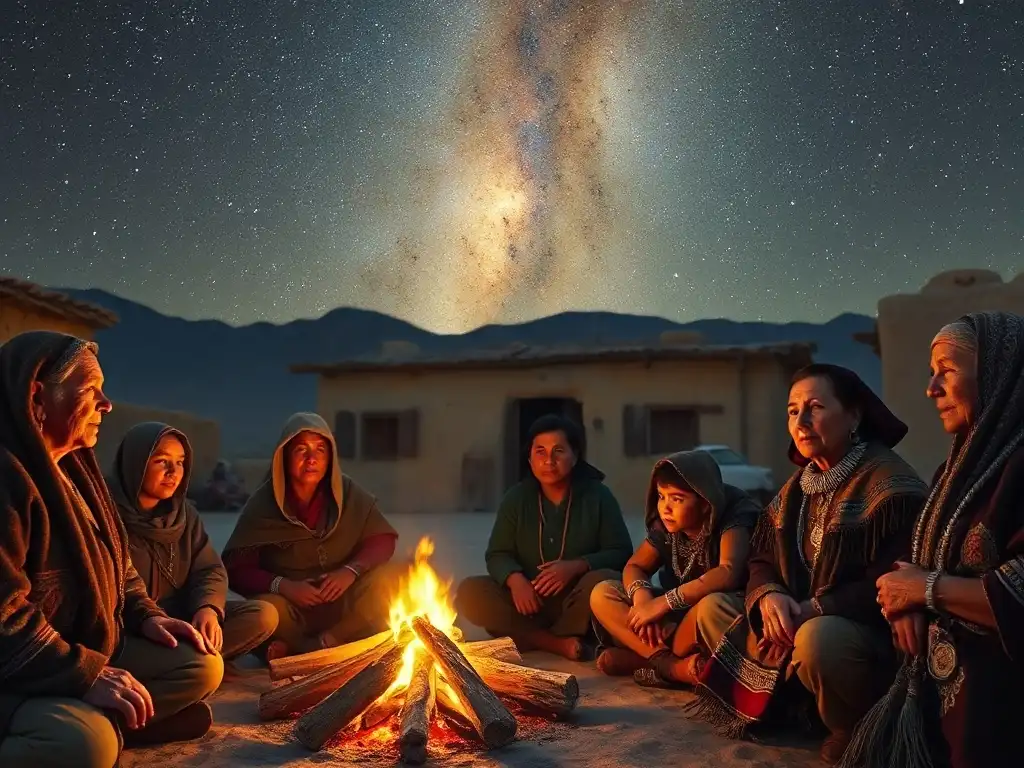
The Andean oral tradition wasn't merely a method of storytelling; it was deeply interwoven with the fabric of daily life, particularly in rituals and ceremonies. The spoken word acted as a powerful conduit to the spiritual realm, shaping Andean identity and beliefs through performance and participation. The efficacy of rituals often depended on the precise delivery of chants, prayers, and narratives, demonstrating the profound significance placed on the accurate transmission of these oral texts. This section explores the crucial role of oral tradition in shaping Andean religious practices and social cohesion.
The Use of Chants, Songs, and Prayers in Andean Rituals
Chants, songs, and prayers formed the backbone of many Andean rituals. These weren't simply words; they were carefully crafted performances designed to invoke specific deities, ensure successful harvests, or heal the sick. The rhythm, melody, and even the tone of voice played a crucial role in their effectiveness. For example, the Incas utilized huaynos, a style of Andean music characterized by its lively tempo and often celebratory lyrics, in festivities honoring the sun god Inti.
Conversely, more somber occasions might involve slower, more melodic chants designed to appease ancestral spirits or to communicate with the unseen world. The precise wording of these chants and prayers was often considered sacred, passed down through generations with meticulous care. Variations existed between different groups, reflecting the diverse beliefs and practices across the Andean region.
The use of specific instruments, such as panpipes or drums, further amplified the power and impact of these oral performances. The precise lyrics and melodies often held symbolic meanings relating to agricultural cycles, celestial events, and the relationship between humans and the spirit world. Analysis of surviving texts, albeit limited, reveals the intricate relationship between language, music, and religious practice in the Andes.
Oral Recitations in Festivals and Celebrations
Andean festivals and celebrations provided fertile ground for the performance of oral traditions. These events weren't merely social gatherings; they were opportunities to reinforce community bonds and transmit cultural knowledge. Oral recitations, often accompanied by music and dance, played a central role in these celebrations.
Narratives of heroic deeds, mythical origins, and ancestral wisdom were shared, solidifying a sense of shared identity and history. The cyclical nature of many Andean festivals, often tied to the agricultural calendar, ensured the regular repetition and reinforcement of these oral narratives. This constant reiteration helped to embed these stories deeply within the collective consciousness of the community, ensuring their survival and transmission across generations.
For example, the Inti Raymi, the Inca festival celebrating the winter solstice, involved elaborate performances that included the recitation of myths and legends related to the sun god and the Inca empire’s origins. These performances were not just entertainment; they were acts of communal participation, reaffirming shared beliefs and values. The detailed descriptions of these festivals found in colonial-era chronicles, while sometimes biased, provide valuable insights into the central role of oral tradition in Andean celebrations.
The Role of Shamans and Storytellers in Preserving Oral Tradition
The preservation and transmission of Andean oral traditions relied heavily on specialized individuals: shamans and storytellers. Shamans, often acting as intermediaries between the human and spiritual worlds, used their knowledge of oral texts to perform rituals, heal illnesses, and predict the future. Their mastery of chants, prayers, and narratives was crucial to their effectiveness. Storytellers, on the other hand, played a vital role in transmitting cultural knowledge and maintaining social cohesion.
They were skilled performers, capable of captivating their audiences with their narratives, ensuring the survival and transmission of important stories and beliefs. The meticulous memorization and accurate recitation of these oral texts were essential to their roles. The skill of these individuals was highly valued within their communities, and their status often reflected the importance placed on the preservation of oral traditions.
While the exact methods of training and apprenticeship remain unclear in many cases, it's evident that a significant investment of time and effort was devoted to mastering these complex oral traditions. The legacy of these individuals lives on through the surviving fragments of Andean oral literature, showcasing the enduring power of the spoken word in shaping Andean identity and beliefs. The oral tradition, therefore, wasn't merely a passive form of communication; it was an active, dynamic force that shaped Andean societies for centuries.
The Enduring Legacy of Andean Spoken Word
The Andean region boasts a vibrant tapestry of oral traditions, woven through centuries of cultural exchange and adaptation. These traditions, far from being relics of the past, remain powerfully influential in shaping Andean identity and beliefs. Understanding the enduring legacy of the spoken word requires acknowledging its multifaceted role – not merely as a means of storytelling, but as a living repository of knowledge, a vehicle for social cohesion, and a powerful force in shaping worldview.
This legacy is deeply intertwined with the spiritual and cosmological beliefs of various Andean cultures, influencing everything from agricultural practices to social hierarchies. The intricate narratives, songs, and chants passed down through generations reflect a profound connection to the land, ancestors, and the cosmos. The power of these oral traditions is evident in their continued relevance in contemporary Andean society.
Contemporary Relevance of Oral Traditions in Andean Communities
Despite the inroads of modern technology and globalization, Andean oral traditions continue to thrive in many communities. These traditions are not static; they are dynamic and adaptive, incorporating new experiences and perspectives while retaining their core values. For example, Quechua communities in the Peruvian Andes still utilize traditional storytelling to educate children about their history, cultural values, and ecological responsibilities.
These stories, often embedded with moral lessons and practical knowledge, serve as a crucial link between generations. Furthermore, the use of yaravíes (a type of melancholic Andean song) and other traditional musical forms continues to play a vital role in expressing emotions, celebrating life events, and maintaining cultural identity.
The persistence of these practices demonstrates the resilience and enduring power of Andean oral tradition beliefs, adapting to modern contexts while retaining their core significance. Quantitative data on the frequency of these practices is difficult to obtain due to the decentralized and often informal nature of oral tradition transmission, however, anecdotal evidence and ethnographic studies consistently point towards their ongoing importance.
Efforts to Revitalize Indigenous Languages and Oral Histories
Recognizing the crucial role of Andean oral traditions in preserving cultural heritage, numerous initiatives are underway to revitalize indigenous languages and document oral histories. These efforts involve linguists, anthropologists, community members, and educators working collaboratively to preserve and promote the rich linguistic and cultural diversity of the Andes. These projects often include recording and archiving oral narratives, songs, and rituals, creating accessible resources for future generations.
Furthermore, educational programs are being implemented in schools and communities to teach indigenous languages and foster appreciation for oral traditions. The goal is not simply to document these traditions, but to empower communities to actively participate in their preservation and transmission. This active involvement is crucial for ensuring the authenticity and sustainability of these efforts.
One successful example is the development of bilingual education programs that integrate indigenous languages and oral traditions into the curriculum, fostering a sense of pride and ownership among younger generations. This proactive approach is crucial for ensuring the long-term survival of Andean oral tradition beliefs.
The Future of Andean Oral Tradition in a Changing World
The future of Andean oral tradition in a rapidly changing world faces both challenges and opportunities. The increasing influence of global media and migration poses a threat to the transmission of traditional knowledge. However, the growing awareness of the importance of cultural diversity and the increasing demand for cultural tourism present opportunities for the revitalization and promotion of these traditions.
The digital age offers new avenues for disseminating and preserving oral histories, through online archives, digital storytelling platforms, and multimedia projects. However, it is crucial to ensure that these digital initiatives are developed in collaboration with Andean communities, respecting their intellectual property rights and ensuring the authenticity of the representation.
The key to the future of Andean oral tradition beliefs lies in fostering a balance between preserving traditional practices and adapting to the evolving realities of the modern world, ensuring that the wisdom and cultural richness of the Andes continue to flourish for generations to come. This requires ongoing commitment from communities, researchers, and policymakers alike, working together to safeguard this invaluable cultural heritage.
Frequently Asked Questions
What role did oral tradition play in Andean societies?
Oral tradition was paramount in Andean societies. It served as the primary means of transmitting knowledge, history, beliefs, and values across generations before the widespread use of writing. Stories, songs, and rituals preserved cultural memory.
How did oral traditions shape Andean religious beliefs?
Andean religious beliefs were significantly shaped by oral narratives that explained the origins of the world, the relationship between humans and the supernatural, and the importance of ancestor veneration. Myths and legends provided frameworks for understanding the cosmos and their place within it.
What are some examples of Andean oral traditions still practiced today?
Many Andean communities continue to practice ancient oral traditions. These include storytelling, songs (like yaravíes), and rituals that maintain a connection to their ancestral past. These traditions are vital for preserving cultural identity.
How did the Inca Empire influence the transmission of oral traditions?
The Inca Empire, while implementing a system of writing (quipus), relied heavily on oral communication for governance and cultural transmission. They used skilled storytellers and amautas (wise men) to disseminate information and maintain social order across their vast territory.
How did Andean oral traditions influence their art and technology?
Andean oral traditions directly influenced art and technology by providing the myths and narratives that inspired artistic creations and technological innovations. For example, stories of powerful deities or ancestors could inspire intricate textiles or monumental architecture.
Final Reflection: Echoes of the Andes, Whispers of the Future
The enduring power of the spoken word in the Andes continues to shape not only cultural identity but also our understanding of the human experience itself. These ancient narratives, passed down through generations, offer a profound insight into the interconnectedness of humanity and nature, a perspective increasingly crucial in our modern, often disconnected world. The vibrant tapestry woven from myth, legend, and practical knowledge remains a testament to the resilience and adaptability of Andean communities.
The impact of Andean oral tradition extends far beyond the mountain ranges themselves; its influence resonates in contemporary art, literature, and social movements. It serves as a powerful reminder of the importance of preserving cultural heritage, a heritage that holds invaluable lessons for navigating the complexities of the 21st century. The stories we tell ourselves shape the world we live in.
This simple truth underscores the vital role of oral tradition in shaping not only individual identities but also collective destinies. The stories, songs, and rituals continue to inform perspectives on land rights, environmental stewardship, and social justice, demonstrating the enduring relevance of these ancient voices.
Consider the echoes of these ancient narratives in your own life. How do the stories you hear and tell shape your understanding of the world? I invite you to actively listen to the voices around you, to seek out the stories that connect us, and to recognize the power you hold to shape narratives that foster understanding, empathy, and a deeper appreciation for the rich tapestry of human experience. Let the whispers of the Andes inspire you to become a storyteller, a keeper of tradition, and a champion of the enduring power of the spoken word.
Unleash the Power of Your Voice Today!
Thank you for exploring how spoken traditions shape Andean identity and beliefs. Your interest reflects a deep appreciation for the rich cultural heritage of Andean civilizations. Now, let's put that knowledge into action!
Here are some impactful ways to engage further:
- Share Your Voice: Record a personal story, or perhaps a traditional Andean tale, and share it with friends or on social media. Let the rhythms of these narratives enrich your community.
- Join a Discussion Group: Connect with others who share your appreciation for Andean culture. Engaging in conversations about the importance of oral traditions is a wonderful way to learn and grow.
- Explore Further: Delve deeper into Andean literature and poetry. Discover the powerful works that have shaped the region and contribute to a deeper understanding of its unique identity.
What story from your own cultural background would you share to express your identity? Let's discuss in the comments below!