
The Clash of Worlds: First Impressions of Andean Culture by the Spanish Conquistadors

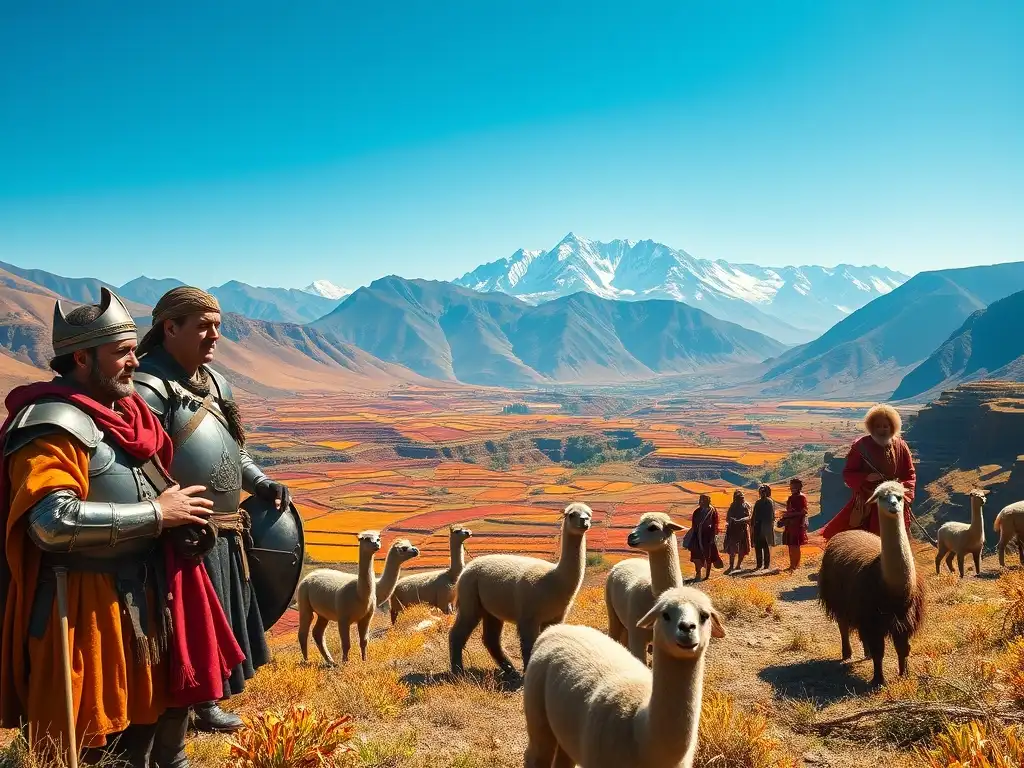
Step into a world lost to time, where the echoes of ancient empires still resonate. Imagine the astonishment and awe of the Spanish conquistadors as they first encountered the breathtaking landscapes and sophisticated cultures of the Andes. This website delves into the fascinating history of Andean civilizations, from the Incas to the Nazca. But what truly captivated—and perhaps terrified—these early European explorers? Discover their first impressions in our revealing exploration of the Spanish conquistadors' encounter with Andean culture, a clash of worlds that irrevocably altered the course of history. Prepare to be captivated.
- The Clash of Worlds: Spanish Conquistadors' Initial Encounters with Andean Culture
- Andean Cities and Infrastructure: A Shocking Revelation for the Spanish
- Andean Religious Beliefs and Rituals: A Source of Confusion and Fascination
- Andean Social Structures and Governance: Contrasts with European Systems
- The Impact of Andean Art and Craftsmanship on the Spanish Conquistadors
- The Conquistadors' Written Accounts: Primary Sources of Initial Impressions
- Consequences of First Impressions: Shaping the Conquest Narrative
-
Frequently Asked Questions
- What were the Spanish conquistadors' initial reactions to Andean civilizations?
- How did the Incas' social structure impact the conquistadors' perceptions?
- What role did gold and silver play in shaping the conquistadors' views of the Andes?
- Did the Spanish conquistadors understand the advanced technology of the Andean civilizations?
- How did religious differences influence the early interactions between the conquistadors and the Andean people?
- Final Reflection: Echoes of Conquest, Whispers of Resilience
- Unveil the Richness of Andean Heritage!
The Clash of Worlds: Spanish Conquistadors' Initial Encounters with Andean Culture
The arrival of the Spanish conquistadors in the Andes marked a pivotal moment in history, a dramatic collision between two vastly different worlds. This article delves into the initial impressions of Andean culture recorded by the Spanish conquistadors, revealing a fascinating blend of awe, misunderstanding, and exploitation. We will explore the stark contrasts between the Spanish worldview and the complex societies they encountered, examining the conquistadors' accounts to understand how their preconceived notions shaped their perceptions and ultimately, the course of the conquest.
Understanding these first impressions is crucial to grasping the complexities of the Spanish conquest and its lasting impact on Andean societies. By analyzing primary sources, we aim to paint a nuanced picture of this transformative historical encounter, shedding light on the perspectives of both the conquerors and the conquered.
This exploration will focus on the initial observations of the Spanish, their reactions to the unfamiliar, and the biases that colored their interpretations of Andean life, technology, and social structures. The keyword "Spanish conquistadors Andean first impressions" will be explored throughout this analysis.
Initial Perceptions of Andean Societies by the Conquistadors
The Spanish conquistadors, largely driven by the lust for gold and the zeal of religious conversion, arrived in the Andes with preconceived notions shaped by their European experiences. Their initial perceptions of Andean societies were often colored by these biases. They encountered sophisticated urban centers, intricate agricultural systems, and a hierarchical social structure vastly different from anything they had known. However, their interpretations were often skewed by their own cultural lens, leading to misunderstandings and misrepresentations.
For example, the impressive Inca road system, a marvel of engineering, was often overlooked in favor of a focus on readily available gold and silver. Similarly, the complex religious beliefs and practices of the Andean peoples were often dismissed as pagan idolatry. The conquistadors' accounts, while offering valuable insights, must be critically examined, considering the inherent biases and the limitations of their understanding.
Their descriptions often focused on aspects that confirmed their existing prejudices, while overlooking or misinterpreting elements that challenged their worldview. The lack of a common language further exacerbated communication barriers, leading to misinterpretations and the potential for conflict. This initial phase of misunderstanding laid the groundwork for the violent subjugation that would follow.
The First Glimpses: What Struck the Spanish Upon Arrival
The sheer scale and sophistication of Inca infrastructure immediately impressed some conquistadors. Accounts describe vast cities like Cusco, with its intricate stonework and meticulously planned layout, leaving a lasting impression. The Spanish were amazed by the Inca road network, spanning thousands of miles across challenging terrain – a feat of engineering unmatched in Europe at the time. Descriptions of terraced agriculture clinging to steep mountain slopes also highlight the advanced agricultural techniques employed by the Andean peoples.
However, the conquistadors’ focus was often primarily on the acquisition of wealth. The abundance of gold and silver, displayed prominently in religious ceremonies and royal palaces, fueled their avarice and shaped their perception of the Andean civilizations. Reports emphasized the presence of precious metals, often overshadowing descriptions of other aspects of Andean culture. This initial focus on material wealth, rather than a deeper understanding of the social and political structures, contributed to the exploitative nature of the conquest.
The Spanish also noted, with a mixture of fascination and fear, the Andean peoples’ unique religious beliefs and practices, interpreting them through the lens of their own Catholic faith. The complex cosmology, the reverence for nature, and the rituals involving human sacrifice were often misconstrued and demonized, justifying the conquistadors' actions in the name of religious conversion. The initial encounters, therefore, were a complex interplay of awe, greed, and cultural misunderstanding, setting the stage for the dramatic events that would unfold in the years to come.
Andean Cities and Infrastructure: A Shocking Revelation for the Spanish
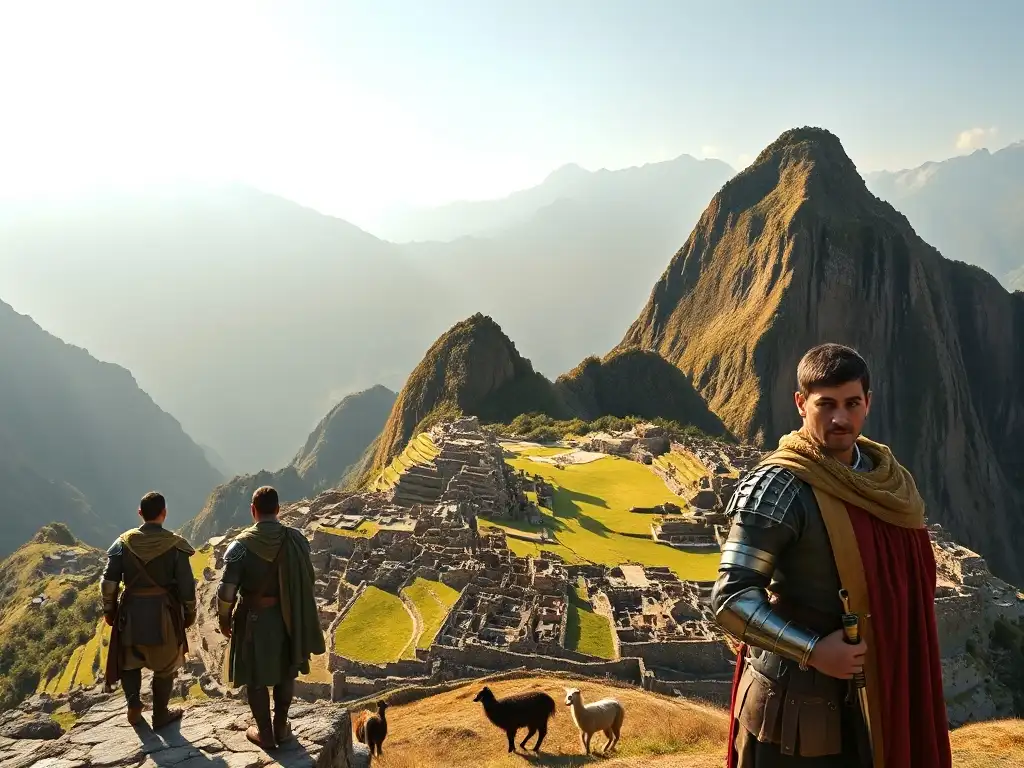
The Spanish conquistadors, accustomed to the relatively small, haphazardly planned towns of Europe, were utterly astounded by the scale and sophistication of Andean cities. Their initial impressions, documented in chronicles and letters, reveal a mixture of awe, disbelief, and ultimately, a desire to exploit the resources and labor that had created such impressive feats of engineering and urban planning. The sheer size of cities like Cusco, with its intricate network of streets and monumental structures, must have been overwhelming, a stark contrast to anything they had previously encountered.
The concept of a meticulously planned urban environment, with clearly defined zones for different activities, was a novel one for them. This section will delve into the specific reactions of the conquistadors to the urban planning and engineering marvels they found in the Andes.
Reactions to Andean Urban Planning and Architecture
The Spanish chroniclers often used superlatives to describe the Andean cities. Words like "magnificent," "immense," and "astonishing" pepper their accounts, highlighting the profound impact these urban landscapes had on them. However, their descriptions are not merely expressions of wonder.
They reveal a systematic attempt to understand and categorize what they saw through the lens of their own cultural biases. For instance, the precise alignment of buildings with the cardinal directions, a key feature of Inca urban planning, was often interpreted as evidence of a sophisticated, albeit "pagan," religious system. The use of stone, particularly in monumental architecture like the Sacsayhuamán fortress near Cusco, was noted for its quality and precision, though the techniques employed remained largely mysterious to them.
They struggled to comprehend the scale of the labor involved in constructing these cities, often attributing it to supernatural forces or a vast, ruthlessly efficient system of forced labor – a perception they would later exploit to their advantage. The initial reactions were a mixture of admiration and a drive to understand the power structures that enabled such remarkable achievements, ultimately leading to the systematic dismantling and appropriation of these urban spaces.
The Advanced Engineering and Road Systems of the Andes
Beyond the cities themselves, the Spanish conquistadors were equally impressed, and perhaps even more perplexed, by the extensive network of roads and bridges that crisscrossed the Andean landscape. These sophisticated infrastructure projects, far surpassing anything in Europe at the time, facilitated trade, communication, and military movements across challenging terrain. The Inca qhapaq ñan, or Royal Road, stretching thousands of kilometers, stands as a testament to their advanced engineering capabilities. The construction techniques employed, including sophisticated drainage systems and suspension bridges, were far beyond anything the Spanish had witnessed.
Their written accounts often express a sense of bewildered admiration, acknowledging the scale and logistical prowess necessary to create such a vast and complex network. The strategic importance of the road system was quickly recognized by the conquistadors, who immediately saw the potential for using it to consolidate their control over the conquered territory. This understanding fueled their efforts to maintain and adapt the existing infrastructure for their own purposes, highlighting the enduring impact of Andean engineering on the subsequent colonial period.
The sheer scale of the road system, its integration with the urban centers, and its sophisticated design presented a clear challenge to the European worldview, forcing them to confront the advanced capabilities of the Andean civilizations. The precision of stonework, the ingenuity of bridge construction, and the overall strategic planning required to construct and maintain this system left an undeniable impact on the Spanish, demonstrating the sophistication of Andean engineering and logistics in ways that were initially difficult to comprehend. Indeed, many aspects of Andean road construction remain a source of study and fascination for engineers even today.
Andean Religious Beliefs and Rituals: A Source of Confusion and Fascination
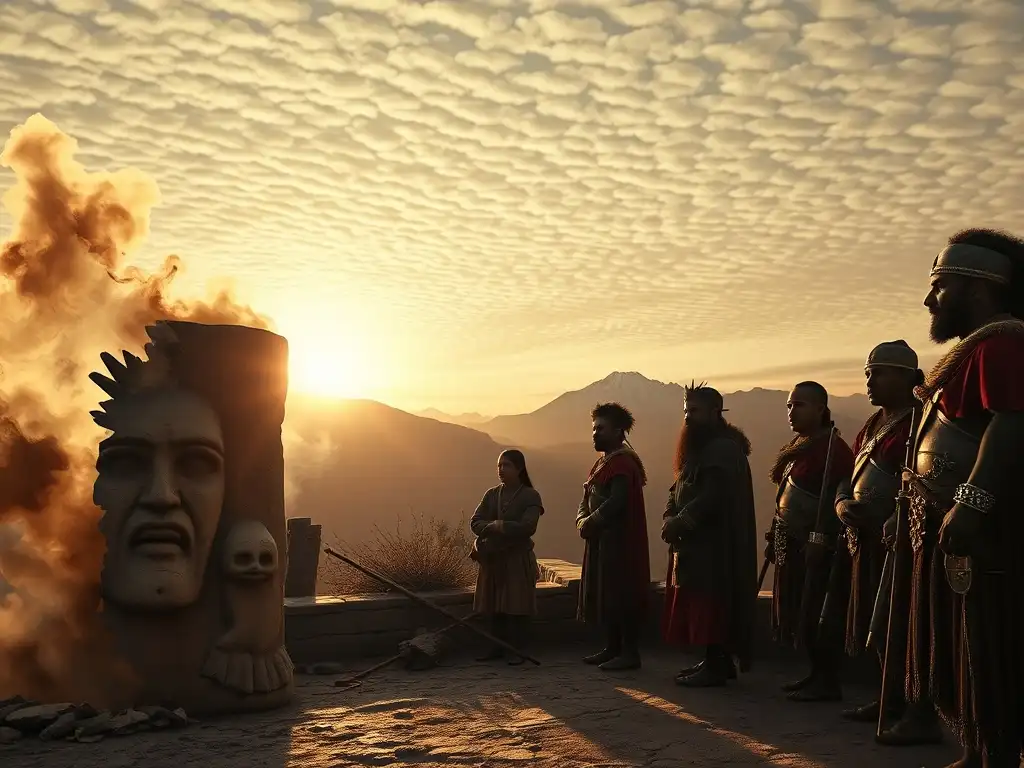
The Spanish conquistadors, accustomed to the monotheistic framework of Christianity, encountered a complex and multifaceted religious landscape in the Andes that challenged their worldview. The sheer number of deities, the elaborate rituals, and the integration of religion into daily life proved deeply perplexing, often leading to misinterpretations and a pervasive sense of the "other." Understanding the conquistadors' initial responses requires examining their observations through the lens of their own cultural biases and limited understanding of Andean cosmology.
The resulting accounts, while often biased, provide invaluable, albeit fragmented, glimpses into the sophisticated religious practices of Andean civilizations. The deeply ingrained polytheism of the Andes stood in stark contrast to the singular focus of Christianity, leading to initial attempts to categorize Andean deities within a familiar framework, often resulting in inaccurate comparisons and syncretism.
This section will explore the initial reactions of the Spanish conquistadors to Andean religious beliefs and rituals, highlighting both their fascination and their profound confusion. The subsequent attempt to impose Christianity often led to the destruction of sacred sites and the suppression of indigenous religious practices, a pivotal aspect of the colonial project.
Spanish Observations on Andean Gods and Deities
The Spanish chroniclers frequently described the Andean pantheon as a bewildering array of gods and goddesses, each with their own specific domains and attributes. While some attempts were made to equate certain Andean deities with Christian figures (a process known as syncretism), the inherent differences remained insurmountable. For example, the Inca sun god, Inti, was often compared to the Christian God, but the underlying concepts and associated rituals differed significantly. Inti's worship involved elaborate ceremonies, human sacrifice in certain cases, and a complex system of reciprocity between the Inca ruler and the divine realm.
This contrasted sharply with the Spanish understanding of God, leading to accusations of idolatry and paganism. Similarly, the veneration of Pachamama (Mother Earth) and other nature deities was seen as a form of primitive worship, far removed from the sophisticated theology of the Catholic Church. The Spanish accounts frequently emphasized the perceived barbarity of human sacrifice, failing to grasp the deeply symbolic and cosmological significance of these practices within Andean belief systems.
The sheer scale of the Inca empire and its intricate religious structure only served to amplify the Spanish sense of awe and confusion. The detailed descriptions of temples, shrines, and religious objects found in the chronicles highlight the sophisticated level of Andean religious organization and its deep integration into the social and political fabric of society. The conquistadors' initial observations, colored by their own religious beliefs and cultural predispositions, often lacked the nuance necessary to fully appreciate the complexity of Andean religious thought.
Initial Understanding and Misinterpretations of Andean Ceremonies
The Spanish conquistadors were equally bewildered by the elaborate ceremonies and rituals that formed an integral part of Andean religious life. From the capac hucha (the Inca royal feast) to the huacas (sacred places), the rituals were often misinterpreted as pagan rites, lacking the perceived solemnity and order of Christian worship. The use of coca leaves, chicha (fermented maize beer), and other substances within ritual contexts was viewed with suspicion, contributing to the broader narrative of Andean "barbarity." The vibrant textiles, intricate pottery, and gold artifacts associated with religious ceremonies were often plundered and melted down, reflecting a complete disregard for their cultural and religious significance.
The Spanish accounts frequently mention the presence of priests and priestesses, but their roles and functions were often misrepresented or misunderstood. The lack of a centralized, hierarchical religious structure comparable to the Catholic Church further contributed to the Spanish perception of Andean religion as disorganized and primitive. Detailed descriptions of specific ceremonies, such as the Inti Raymi (the Inca festival dedicated to the sun god), are scarce in many early chronicles, often overshadowed by accounts of military campaigns and the acquisition of wealth.
However, even these limited accounts reveal the grandeur and complexity of these events, underscoring the deep religious significance they held for the Andean peoples. The conquistadors' initial encounters with these ceremonies were largely shaped by their preconceived notions and their overarching goal of imposing their own religious beliefs on the conquered population. The subsequent suppression of Andean religious practices was a significant factor in the cultural devastation that followed the Spanish conquest.
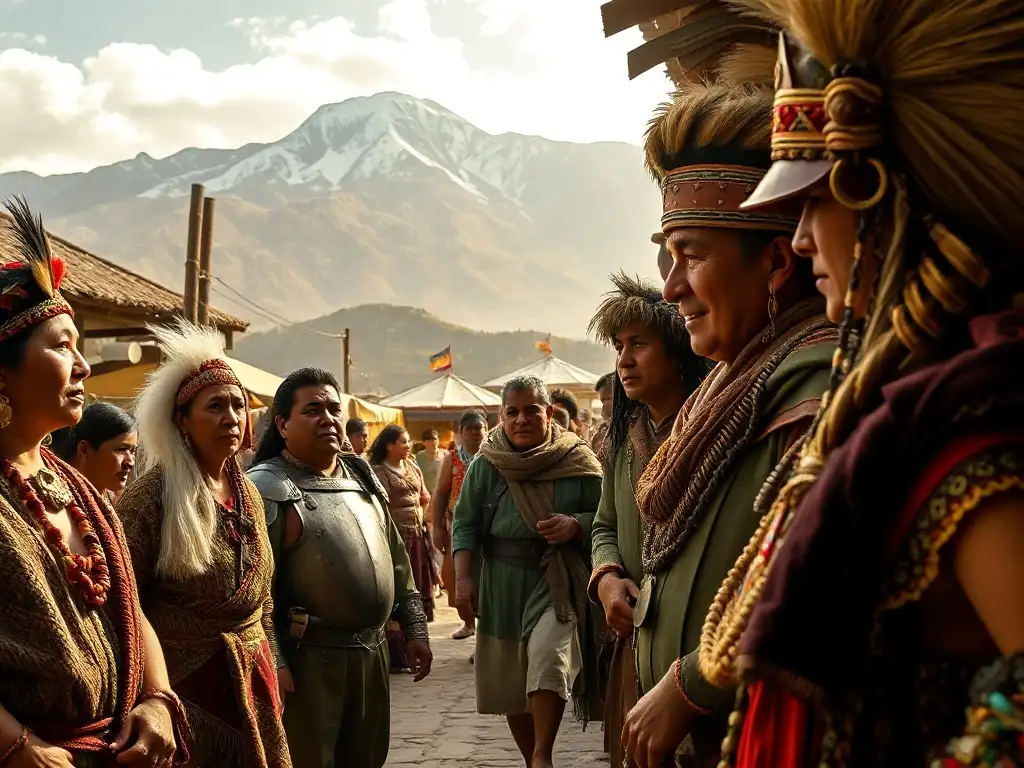
The Spanish conquistadors, accustomed to the rigidly hierarchical feudal systems of Europe, encountered a complex and, to them, often baffling system of governance and social organization in the Andes. Their initial impressions were heavily influenced by their own preconceived notions, leading to misunderstandings and misinterpretations that shaped their subsequent actions and the course of the conquest. Understanding these initial perceptions is crucial to comprehending the dynamics of the encounter.
The Conquistadors’ View of Andean Hierarchy and Leadership
The Inca Empire, at the time of the Spanish arrival, presented a highly centralized state with a clearly defined hierarchy. The Sapa Inca, the emperor, held absolute power, considered a divine figure, and his authority extended throughout the vast empire. However, the conquistadors, familiar with the decentralized power structures of many European kingdoms, often failed to grasp the true extent of the Inca emperor's authority.
They initially underestimated the Inca's capacity for mobilization and organization, mistaking regional variations in customs and practices for signs of weakness or disunity. Chroniclers frequently described the Inca system as despotic, comparing it unfavorably to their own models of governance, failing to recognize the sophisticated administrative and logistical systems that underpinned Inca rule. For instance, the mita system, a form of mandatory labor service, was viewed as forced servitude rather than a complex system of reciprocal obligations within a structured society.
The conquistadors' inability to fully comprehend the Inca's system of power contributed significantly to their initial successes in exploiting internal divisions and weaknesses, ultimately leading to the empire's downfall. Further research is needed to fully explore the nuances of how specific conquistadors interpreted and recorded their observations on Inca leadership, as their accounts often vary significantly. [Specific conquistador accounts and analyses pending].
Spanish Notions of Andean Labor and Economic Practices
The Spanish conquistadors were deeply impressed, and simultaneously perplexed, by the Andean economies. The highly organized agricultural systems, the intricate network of roads and storage facilities, and the sophisticated techniques of terracing and irrigation stood in stark contrast to the agricultural practices prevalent in many parts of Europe. However, their understanding was significantly shaped by their own economic biases. The ayllu, the communal system of land ownership and reciprocal labor, was misinterpreted as a form of primitive communism, lacking the individualistic drive that characterized European economic systems.
The conquistadors, driven by the desire for gold and other riches, focused on the readily apparent wealth of the Inca empire, overlooking the complex social and ecological underpinnings of the Andean economy. The mita system, already mentioned, was quickly exploited as a source of cheap labor for the Spanish, transforming it from a form of community service into a brutal system of forced labor in mines and other enterprises. This exploitation, fueled by the conquistadors' inability to fully comprehend the Andean economic model, had devastating consequences for the indigenous population, leading to widespread death and social disruption.
The initial Spanish assessments of Andean economic practices were largely shaped by their own materialistic values and a drive for immediate economic gain, rather than a genuine attempt to understand the intricacies of the Andean system. A more thorough analysis of primary sources is needed to clarify the extent to which specific conquistadors understood the subtleties of Andean economic structures. [Detailed economic analysis pending].
The initial encounters between the Spanish conquistadors and the Andean civilizations were marked by profound misunderstandings stemming from drastically different social, political, and economic systems. These misinterpretations, fueled by the conquistadors' preconceived notions and their desire for wealth and power, ultimately shaped the course of the conquest and had devastating consequences for the Andean peoples. Further research into primary source materials and comparative analyses of European and Andean social structures is vital for a more nuanced understanding of this pivotal historical period.
The Impact of Andean Art and Craftsmanship on the Spanish Conquistadors
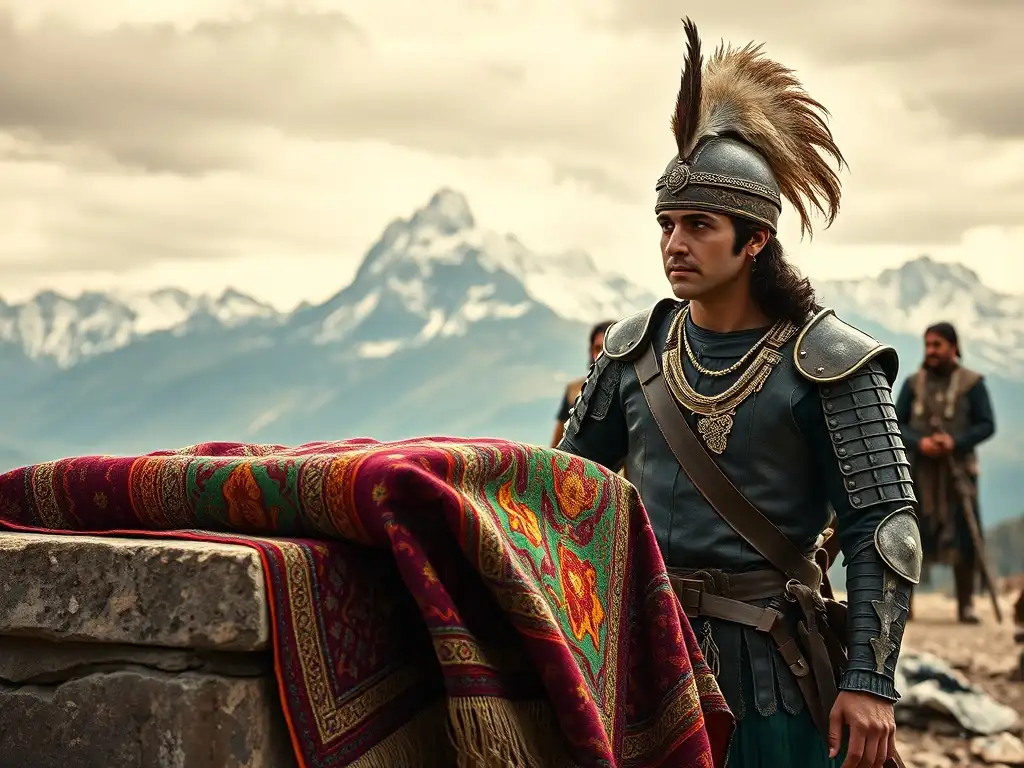
The arrival of the Spanish conquistadors in the Andes was a jarring collision of worlds, not least in the realm of art and craftsmanship. Accustomed to the artistic styles of Europe, the conquistadors encountered a level of artistry and technological sophistication in the Andes that profoundly impacted their perceptions of the indigenous populations. Far from viewing the Andean peoples as "uncivilized," many chroniclers expressed genuine awe and astonishment at the skill and ingenuity displayed in Andean textiles, pottery, and metallurgy.
This section explores the initial reactions of the Spanish to these remarkable artistic achievements, focusing on how these encounters shaped their understanding – and ultimately, their exploitation – of the Andean world. The sheer volume and quality of Andean artistry challenged preconceived notions and significantly influenced the subsequent narrative of the conquest. Understanding this initial impact is crucial to grasping the complexities of the colonial encounter.
Descriptions of Andean Textiles, Pottery, and Metallurgy
The Spanish conquistadors were immediately struck by the quality and variety of Andean textiles. Chronicles frequently mention the vibrant colors, intricate designs, and the use of fine materials like alpaca and vicuña wool. Descriptions often employed superlatives, highlighting the softness, durability, and artistry of the woven fabrics. These weren't simply utilitarian items; they were often imbued with symbolic meaning, reflecting the social status and religious beliefs of their creators.
The conquistadors, while perhaps not fully comprehending the deeper cultural significance, recognized the superior craftsmanship. For example, accounts detail the use of complex weaving techniques like tapestry and brocade, techniques unknown or underdeveloped in Europe at the time. This technological prowess, coupled with the aesthetic beauty, left a lasting impression.
Similarly, Andean pottery captivated the Spanish. The variety of forms, from simple utilitarian vessels to elaborate ceremonial pieces, impressed them. The detailed depictions of scenes from daily life, mythology, and religious rituals provided a window into Andean culture. The high-quality craftsmanship, including the use of sophisticated firing techniques and intricate painted designs, was often noted in conquistador accounts. The polychrome pottery of the Moche culture, for example, is frequently cited as a testament to the advanced skills of Andean artisans.
Andean metallurgy also elicited considerable admiration. The Spanish were amazed by the Inca's mastery of gold and silver working, particularly their ability to create intricate objects and jewelry. The precision of the metalwork, the use of sophisticated techniques like hammering, casting, and gilding, and the sheer quantity of precious metals were all factors that contributed to the Spanish fascination, and ultimately, their insatiable greed.
The sheer scale of the gold and silver objects found in Andean tombs and temples fuelled the insatiable appetite of the conquistadors, contributing significantly to the violence and plunder that characterized the conquest. The advanced metallurgical techniques, alongside the artistic merit, fueled both wonder and avarice.
The Spanish Conquistadors' Appraisals of Andean Artistic Expression
The Spanish conquistadors' appraisals of Andean art were complex and often contradictory. While acknowledging the technical skill and aesthetic beauty of Andean craftsmanship, they frequently interpreted it through a Eurocentric lens. The religious iconography, for example, was often dismissed as pagan or idolatrous, fueling the destruction of countless artifacts and the suppression of indigenous religious practices. This clash between cultural perspectives significantly shaped the Spanish response to Andean art.
Despite their biases, many conquistadors documented their observations with remarkable detail, providing invaluable insights into Andean artistic traditions. Their writings, although filtered through their own cultural frameworks, offer glimpses into the richness and diversity of Andean artistic expression. These accounts reveal a range of responses, from awe and admiration to suspicion and dismissal. The inherent value placed on the precious metals by the Spanish often overshadowed appreciation of the artistic skill involved in their creation. The sheer quantity of gold and silver objects discovered spurred the insatiable greed of the conquistadors, leading to widespread looting and destruction.
The initial impressions of the Spanish conquistadors, therefore, were a mixture of wonder and avarice. While acknowledging the artistry, their interpretation was inevitably shaped by their own cultural biases and economic interests. The artistic legacy of the Andes survived, despite the destructive impact of the conquest, serving as a powerful testament to the ingenuity and creativity of the Andean civilizations. The enduring quality of Andean art continues to fascinate and inspire, long after the initial shock of the encounter between two vastly different worlds.
The Conquistadors' Written Accounts: Primary Sources of Initial Impressions
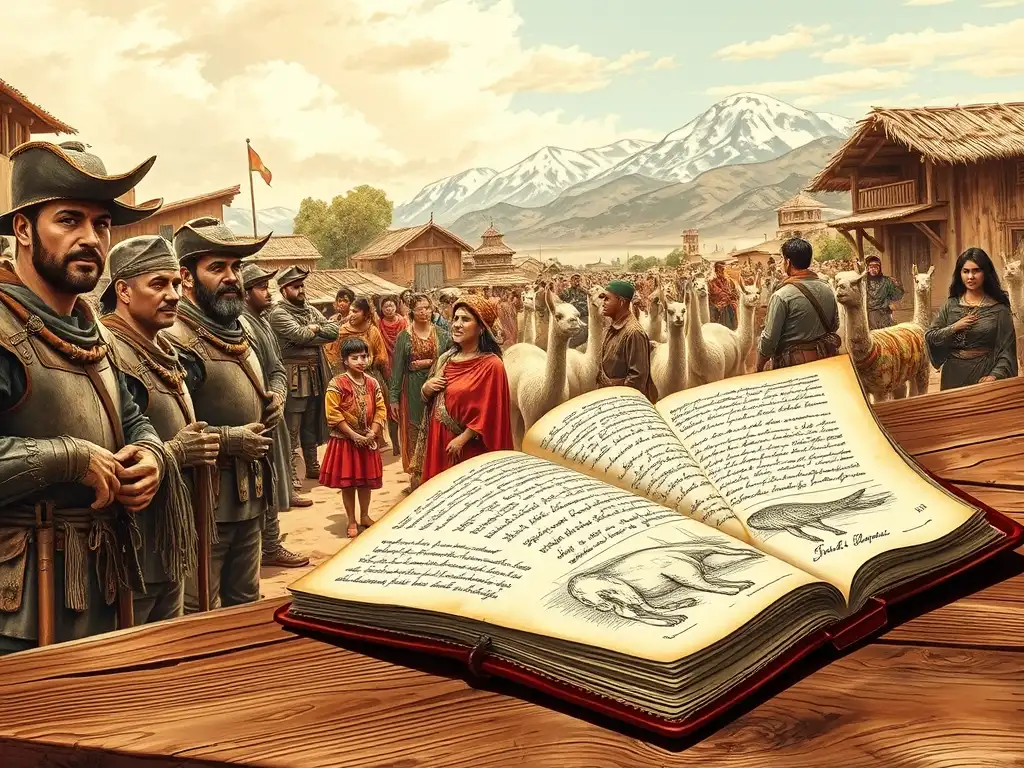
The initial shock and awe experienced by the Spanish conquistadors upon encountering Andean civilizations are best understood through their own words. Their chronicles and letters, though often biased and filtered through their European worldview, provide invaluable primary source material for understanding their "Spanish conquistadors Andean first impressions." These documents offer a glimpse into the immediate reactions of men thrust into a completely unfamiliar world, one vastly different from anything they had previously encountered.
Analyzing these accounts allows us to piece together a picture of their initial perceptions, albeit a fragmented and subjective one. The sheer volume of surviving documentation, although uneven in quality and detail, provides a rich tapestry from which to draw conclusions. We can trace the evolution of their understanding—or misunderstanding—of Andean culture as their exposure increased.
Analysis of Chronicles and Letters Detailing Early Encounters
Early chronicles frequently describe the Andes as a land of breathtaking beauty and unimaginable wealth. Descriptions of towering mountain ranges, fertile valleys, and intricate irrigation systems are common. However, these descriptions are often interwoven with accounts of astonishment at the scale of Inca infrastructure—the extensive road networks, the meticulously planned cities like Cusco, and the impressive stonework of Machu Picchu (though many conquistadors didn't reach Machu Picchu itself in the early years).
The sheer size and complexity of the Inca Empire, unknown to the Spanish before their arrival, left a profound impression. For example, Pedro Cieza de León's Crónica del Perú vividly portrays the awe-inspiring grandeur of the Inca capital. He details the impressive palaces, temples, and public squares, highlighting the sophisticated urban planning far exceeding anything seen in Europe at the time.
The conquistadors also noted the advanced agricultural techniques employed by the Inca, commenting on terracing, irrigation systems, and the cultivation of diverse crops. These observations reveal an early recognition of Inca technological prowess, although this understanding was often framed within a comparative lens, highlighting what the Inca lacked according to European standards (like metalworking techniques, for example, or wheeled vehicles). The initial encounters often focused on material wealth—the abundance of gold and silver, immediately sparking avarice and fueling further exploration and conquest.
The accounts often describe the Inca's use of these precious metals in religious ceremonies and adornment, which the Spanish interpreted as a sign of immense riches ripe for the taking. This initial focus on material wealth often overshadowed more subtle aspects of Andean culture.
Examining the Biases and Perspectives within Spanish Narratives
It's crucial to acknowledge the inherent biases present in these primary sources. The Spanish conquistadors viewed the Andean world through the lens of their own cultural and religious beliefs. Their accounts are often infused with ethnocentrism, reflecting their conviction of European superiority and their tendency to interpret Andean practices through a Christian framework. Indigenous Andean religious practices, for instance, were often dismissed as pagan idolatry, while the Inca social hierarchy was seen through the prism of European feudal structures—often leading to misinterpretations of social dynamics.
Furthermore, the accounts are often colored by the conquistadors' personal experiences and motivations. Some narratives highlight the brutality and violence encountered, while others emphasize the perceived wealth and opportunity. The inherent self-serving nature of many chronicles should be considered, as conquistadors sought to justify their actions and enhance their reputations back in Europe.
For example, the emphasis placed on the Inca's "submission" or "weakness" often served to legitimize the conquest in the eyes of the Spanish crown and the public. Therefore, a critical analysis is necessary to discern fact from propaganda and to understand the limitations of these accounts as objective representations of Andean culture. A balanced understanding requires comparing multiple accounts and considering the perspectives of both the conquerors and the conquered, whenever possible.
The challenge lies in carefully navigating the biases inherent in the primary sources to extract a reliable understanding of the Spanish conquistadors' initial impressions of Andean civilization. Further research incorporating secondary sources and archaeological evidence is essential for a comprehensive understanding.
Consequences of First Impressions: Shaping the Conquest Narrative
The initial encounters between Spanish conquistadors and Andean populations profoundly shaped the narrative of the conquest, influencing subsequent Spanish actions and policies, and leaving an indelible mark on Andean history. The Spanish, arriving with preconceived notions fueled by European narratives and a thirst for gold, often misinterpreted Andean customs and social structures. This misinterpretation, born from their first impressions, directly impacted the brutality and scope of the conquest.
How Initial Perceptions Influenced Spanish Actions and Policies
The Spanish conquistadors' first impressions of the Andes were largely shaped by their own cultural biases and the search for wealth. They saw a seemingly disorganized, albeit opulent, civilization. The absence of centralized, European-style governance structures, initially interpreted as weakness, was actually a complex system of interacting power centers and allegiances. This misunderstanding led to flawed strategies.
For example, the initial Spanish victories were often attributed to superior weaponry and tactics, but overlooked the internal conflicts and power struggles within the Andean societies that the conquistadors skillfully exploited. The Inca Empire, at the height of its power, was already facing internal rebellions and succession crises, a vulnerability the Spanish capitalized on. Their initial successes fueled a narrative of divine right and military superiority, justifying further aggression and the imposition of colonial rule.
The perception of Andean religion and spirituality also played a crucial role. The Spanish, deeply rooted in their Catholic faith, viewed the Andean pantheon and religious practices as idolatrous and heretical. This led to the systematic destruction of temples, the suppression of religious ceremonies, and the forced conversion of the native population.
The Inca's sophisticated astronomical knowledge and advanced agricultural techniques were often dismissed as superstitious practices or "primitive" technologies, instead of being recognized as signs of their advanced civilization. This dismissal further fueled the belief in the inherent inferiority of the Andean people, justifying their subjugation. The initial perception of the Andean people as "uncivilized" directly translated into policies of exploitation, forced labor ( mita), and the appropriation of land and resources.
The Lasting Legacy of These First Encounters on Andean History
The lasting impact of the Spanish conquistadors' first impressions extends far beyond the immediate consequences of the conquest. These initial perceptions shaped the historical narrative for centuries, often portraying the Andean civilizations as passive victims or savage heathens, obscuring the complexity and sophistication of their societies. The skewed perspective perpetuated by these early accounts continues to influence how Andean history is understood and interpreted.
The legacy of these initial encounters is evident in the cultural and linguistic landscape of the Andes today. While elements of Andean culture survived, they were often profoundly altered by the imposition of Spanish language, religion, and social structures. The Spanish conquest led to the displacement of indigenous languages, the destruction of traditional knowledge systems, and the erosion of social hierarchies.
The long-term effects of this cultural disruption are still being felt today. The ongoing struggle for recognition of Indigenous rights and the preservation of Andean cultural heritage is, in many ways, a direct consequence of the distorted narrative established by those initial encounters.
Understanding the impact of those first impressions is crucial for a more accurate and nuanced understanding of the complex history of the Andean region and its peoples. The lasting legacy of these early interactions serves as a cautionary tale about the dangers of cultural bias and the profound and enduring consequences of misinterpreting “first impressions.”
Frequently Asked Questions
What were the Spanish conquistadors' initial reactions to Andean civilizations?
The conquistadors were initially overwhelmed by the scale and sophistication of Andean cities and infrastructure, such as Machu Picchu. However, their first impressions were often clouded by a desire for gold and a belief in their own cultural superiority.
The hierarchical structure of Inca society, with its clear lines of authority, initially appeared organized and powerful to the Spanish. This perception later shifted as the conquistadors exploited internal divisions to conquer the empire.
What role did gold and silver play in shaping the conquistadors' views of the Andes?
The abundance of gold and silver in the Andes immediately captivated the conquistadors and fueled their ambition for conquest. This obsession overshadowed any appreciation for the region's complex culture and achievements.
Did the Spanish conquistadors understand the advanced technology of the Andean civilizations?
While the conquistadors recognized some aspects of Andean technology, such as irrigation systems and road networks, they often failed to fully grasp their complexity and ingenuity. Their focus remained primarily on extracting resources.
How did religious differences influence the early interactions between the conquistadors and the Andean people?
The conquistadors' Christian beliefs clashed directly with the indigenous Andean religions, leading to cultural misunderstandings and conflict. The Spanish viewed Andean religious practices as pagan and sought to suppress them.
Final Reflection: Echoes of Conquest, Whispers of Resilience
The brutal encounter between Spanish conquistadors and Andean civilizations remains a stark reminder of the devastating consequences of unchecked power and cultural misunderstanding. Its impact reverberates through the political, social, and economic landscapes of Latin America to this day, shaping identities and fueling ongoing debates about colonialism's legacy. The initial impressions, often shaped by prejudice and a thirst for gold, irrevocably altered the course of history, leaving an enduring scar on the human experience.
The clash of worlds described in this article wasn't simply a historical event; it was a seismic shift in the very fabric of Andean society, a trauma that continues to shape narratives and inform contemporary struggles for justice and recognition. To conquer a nation, it is necessary to destroy its culture.
This quote, though not directly from a conquistador, encapsulates the devastating impact of their actions, a systematic dismantling of indigenous ways of life that continues to resonate in the ongoing fight for cultural preservation and self-determination.
Consider the profound implications of these first impressions. How do we, as individuals, approach encounters with cultures different from our own? Are we actively seeking understanding, or are we allowing preconceived notions to cloud our judgment? The legacy of the Spanish conquest urges us to cultivate empathy, to challenge our biases, and to actively listen to the voices of those whose histories have been marginalized. Let the echoes of the past inspire a more just and equitable future, one built on mutual respect and a genuine appreciation for the diversity of human experience.
Unveil the Richness of Andean Heritage!
Thank you for exploring the fascinating intersection of Andean culture and the Spanish conquest. You've gained valuable insights into the complexities of these early encounters. Now, let's build on that knowledge and actively engage with this vibrant heritage.
Here's how you can continue your journey:
- Explore Andean history firsthand by visiting local museums and cultural centers. These hands-on experiences offer a deeper understanding.
- Share this article with friends and family, or post it on social media to spark conversations about the impact of cultural exchange throughout history.
- Join online forums or community groups dedicated to Andean studies. Connect with others passionate about this rich culture and expand your knowledge.
What questions or thoughts about Andean culture have you developed? Share them below!