
The Role of the Kurakas: Indigenous Leaders and Their Divided Loyalties

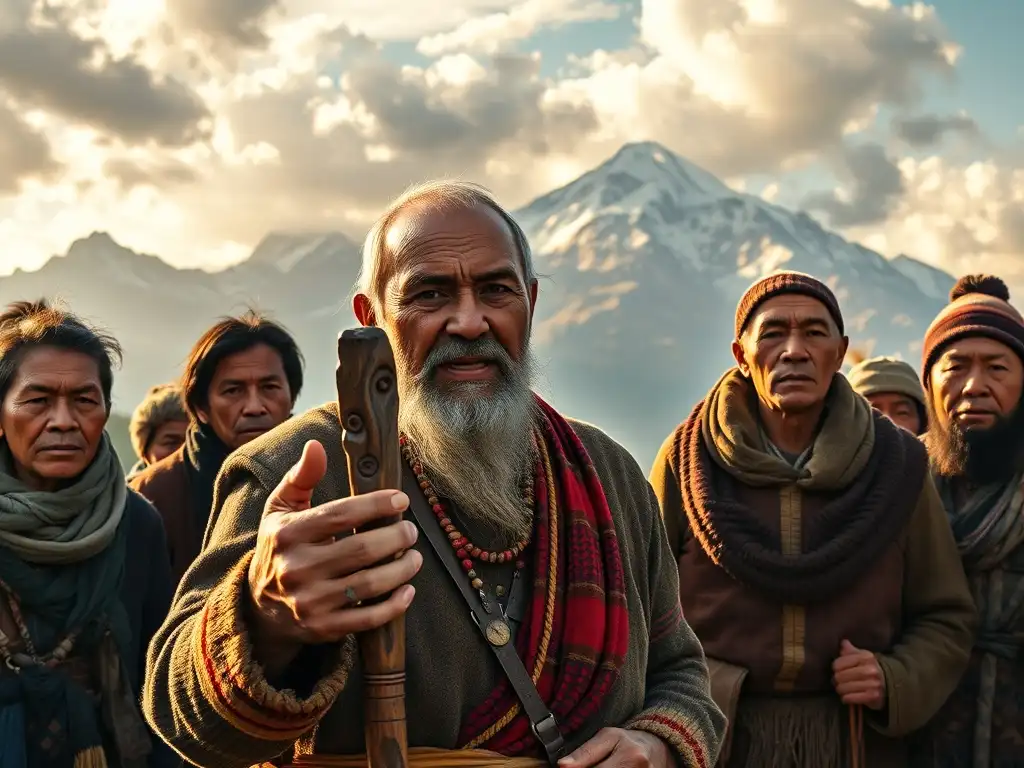
Unravel the mysteries of the Andes! Journey through a captivating tapestry of ancient empires, where intricate artistry met groundbreaking innovation. But what truly shaped the fate of these magnificent civilizations? Discover the complex and often divided roles of the Andean Kuraka leadership, and how their decisions influenced the course of the Spanish Conquest. Their stories—of power, loyalty, and ultimate betrayal—await you. Explore the untold narratives and hidden truths within.
- The Role of the Kurakas: Indigenous Leaders and Their Divided Loyalties in the Andes
- Understanding Andean Kuraka Leadership Before the Spanish Conquest
- The Impact of the Spanish Conquest on Andean Kuraka Power
- Divided Loyalties: The Dilemma of Andean Kurakas Under Spanish Rule
- The Kuraka's Role in Colonial Andean Resistance and Rebellions
- The Evolving Legacy of the Andean Kuraka
- Conclusion: The Complex and Enduring Influence of Kurakas
- Frequently Asked Questions
- Final Reflection: Echoes of the Kuraka: Navigating a Legacy of Divided Loyalties
- Embrace the Legacy of the Kurakas: Take Action Today!
The Role of the Kurakas: Indigenous Leaders and Their Divided Loyalties in the Andes
The Spanish conquest of the Andes was not a monolithic event, but a complex process shaped by the existing social and political structures of the indigenous populations. Understanding this process requires recognizing the crucial role played by the kurakas, the indigenous leaders who held significant power and influence within their respective communities. This article delves into the multifaceted nature of kuraka leadership during the conquest, exploring their often-divided loyalties and the impact their choices had on the trajectory of Andean resistance.
We will examine how the pre-existing power dynamics within Andean society, coupled with the strategic manipulations of the Spanish, profoundly impacted the decisions and actions of these influential figures, ultimately shaping the course of the conquest and its aftermath. The complexities of Andean kuraka leadership during this turbulent period are often overlooked, yet they are essential to a nuanced understanding of the resistance and rebellions that followed the arrival of the Spanish. This exploration will focus on how the kuraka system, with its inherent regional variations and internal power struggles, contributed to both collaboration and resistance against Spanish rule.
We will examine specific examples of kurakas who chose different paths, highlighting the factors that influenced their decisions. The analysis will focus on the keyword "Andean Kuraka leadership roles" to provide a comprehensive overview of this critical aspect of Andean history.
The Pre-Conquest Andean Power Structure and the Kuraka System
Before the arrival of the Spanish, the Andes were not a unified empire but a mosaic of diverse ethnic groups and political entities. The kuraka system varied considerably across these different regions. In some areas, kurakas held hereditary positions, inheriting their authority through lineage.
In others, their power stemmed from military prowess or religious authority. This decentralized power structure, characterized by a hierarchy of power within and between communities, played a crucial role in shaping the response to the Spanish conquest. The kurakas were not simply chiefs; they were often involved in complex networks of alliances, rivalries, and tributary relationships that influenced their decisions during the conquest.
The complex interplay of these factors made the Andean response to Spanish rule far from uniform. Some kurakas saw opportunities for advancement through collaboration with the Spanish, while others actively resisted, leading their people in rebellion. This internal diversity within the kuraka system is a critical factor in understanding the varied responses to the Spanish.
Collaboration and Accommodation: Kurakas who Sided with the Spanish
Many kurakas chose to collaborate with the Spanish, often motivated by a combination of factors. Some saw the opportunity to consolidate or expand their power by aligning themselves with the seemingly invincible Spanish forces. Others may have believed that collaboration was the best way to protect their communities from the devastating consequences of war. The Spanish, in turn, often exploited these internal divisions, strategically supporting some kurakas while suppressing others.
This strategy allowed them to effectively divide and conquer, weakening the overall resistance to their rule. The complex motivations behind these collaborations require careful consideration, moving beyond simple narratives of betrayal to understand the intricate web of political calculations and survival strategies. The long-term consequences of these alliances, both for the collaborating kurakas and their communities, were often far-reaching and complex.
Resistance and Rebellion: Kurakas Leading the Fight Against Spanish Rule
However, not all kurakas chose the path of collaboration. Many actively resisted Spanish rule, leading their people in armed rebellion. These rebellions were often fueled by a combination of factors, including resentment towards Spanish oppression, the desire to protect their land and culture, and the hope of restoring their pre-conquest autonomy. These kurakas played a vital role in organizing and leading resistance movements, demonstrating remarkable courage and resilience in the face of overwhelming odds.
Their strategies varied, ranging from open warfare to more subtle forms of resistance, reflecting the diverse landscapes and political contexts of the Andes. Detailed accounts of these rebellions, highlighting the leadership roles of specific kurakas, are essential for a comprehensive understanding of Andean resistance to Spanish rule. Analyzing the specific strategies employed and the outcomes of these rebellions provides invaluable insight into the dynamics of conflict during this period.
The Legacy of Divided Loyalties: Long-Term Impacts on Andean Society
The divided loyalties of the kurakas had a profound and lasting impact on Andean society. The choices made by these leaders shaped the trajectory of the conquest, influencing the extent and nature of Spanish control, as well as the forms of resistance that emerged. The legacy of these decisions continues to resonate in contemporary Andean societies, shaping the cultural memory and political landscape of the region.
Understanding the complexities of kuraka leadership during this period is crucial not only for understanding the historical process of the conquest but also for appreciating the enduring impact of this pivotal moment in Andean history. The enduring effects of this period on Andean identity and political structures should be considered when studying the long-term consequences of the Spanish conquest.
Understanding Andean Kuraka Leadership Before the Spanish Conquest
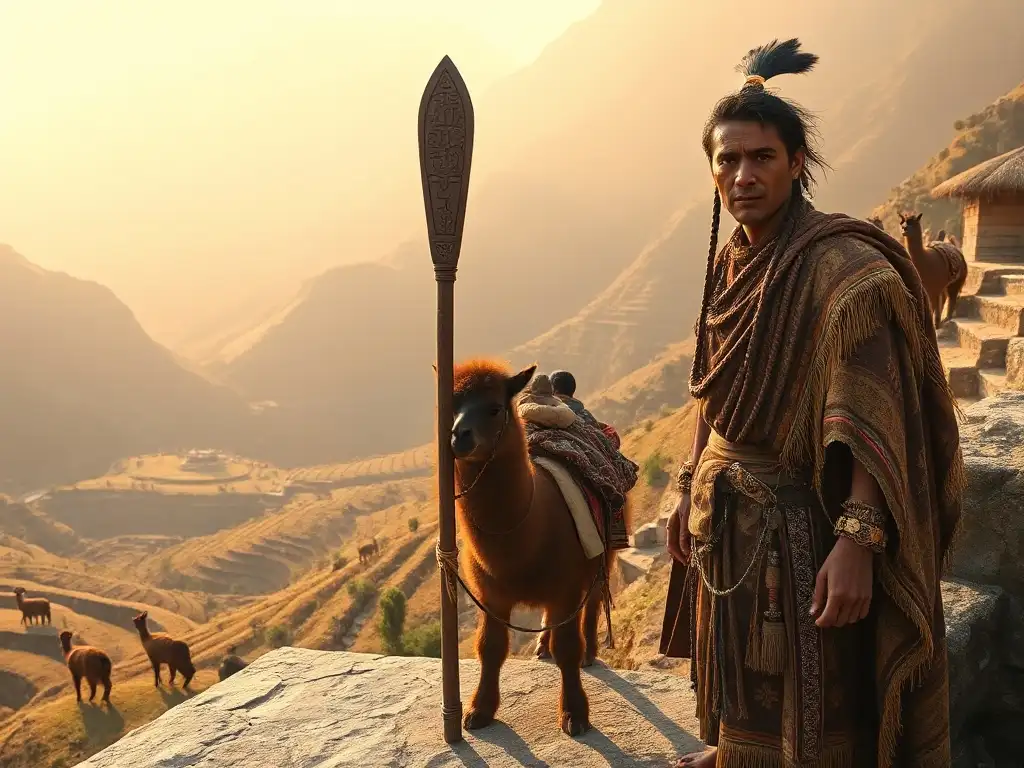
The Pre-Columbian Kuraka System of Governance
Before the Spanish conquest, the Andean region wasn't unified under a single empire. Instead, it was a patchwork of diverse societies, each with its own political structure. The kuraka system, however, offered a common thread.
Kurakas weren't simply chiefs; they were complex figures whose power varied significantly based on the specific society and its level of political organization. In smaller communities, a kuraka might oversee a relatively small population and territory, primarily focusing on local administration and resource management. Larger, more centralized states like the Inca Empire, however, saw kurakas integrated into a hierarchical system, subject to the ultimate authority of the Sapa Inca.
Even within this hierarchical structure, kurakas retained considerable local power, acting as intermediaries between the imperial administration and the populace. This dual role – local autonomy within a broader imperial structure – is key to understanding the complexities of Andean kuraka leadership roles and their subsequent responses to Spanish rule. Understanding this pre-Columbian context is crucial to analyzing the challenges kurakas faced during the conquest.
The authority of a kuraka stemmed from a combination of factors: hereditary lineage, religious legitimacy, and demonstrated competence in managing resources and people. They were often seen as intermediaries between the human and spiritual realms, possessing ritual authority and playing a crucial role in ceremonies and religious festivals. Their responsibilities encompassed a broad range of functions. They oversaw agricultural production, ensuring the equitable distribution of land and resources.
They organized labor for public works projects, such as irrigation systems and temple construction. They also acted as judges, resolving disputes and maintaining social order within their communities. Furthermore, they were responsible for collecting tribute, which could take the form of goods, labor, or agricultural produce.
The specific nature of these responsibilities varied across different Andean societies, reflecting the diversity of their political and economic systems. For instance, the responsibilities of a Kuraka in a smaller, less centralized society differed greatly from those of a Kuraka within the Inca Empire's highly structured bureaucracy. This diversity in responsibilities highlights the varied nature of Andean kuraka leadership roles.
Andean societies were characterized by a complex social hierarchy. The kuraka occupied a prominent position within this hierarchy, but their power wasn't absolute. Below the kuraka were various social strata, including nobles, commoners, and specialized artisans. The precise structure of this hierarchy varied across different groups, but the kuraka always occupied a position of authority and prestige.
Their status was often reinforced through elaborate ceremonies, distinctive clothing, and access to luxury goods. The kuraka's power was also tied to their control over resources and their ability to mobilize labor. However, they weren't isolated figures; their authority depended on the support of their community and their ability to navigate the complex web of social relationships within their society.
The balance of power within this hierarchical structure played a crucial role in shaping the kuraka's response to the Spanish conquest, as their actions were often influenced by the expectations and pressures exerted by the different social groups within their jurisdiction. The intricacies of this social structure are fundamental to understanding the varied nature of Andean kuraka leadership roles during the colonial period. Analyzing this social hierarchy provides a deeper understanding of the complex choices faced by Andean leaders during the Spanish conquest.
The Impact of the Spanish Conquest on Andean Kuraka Power
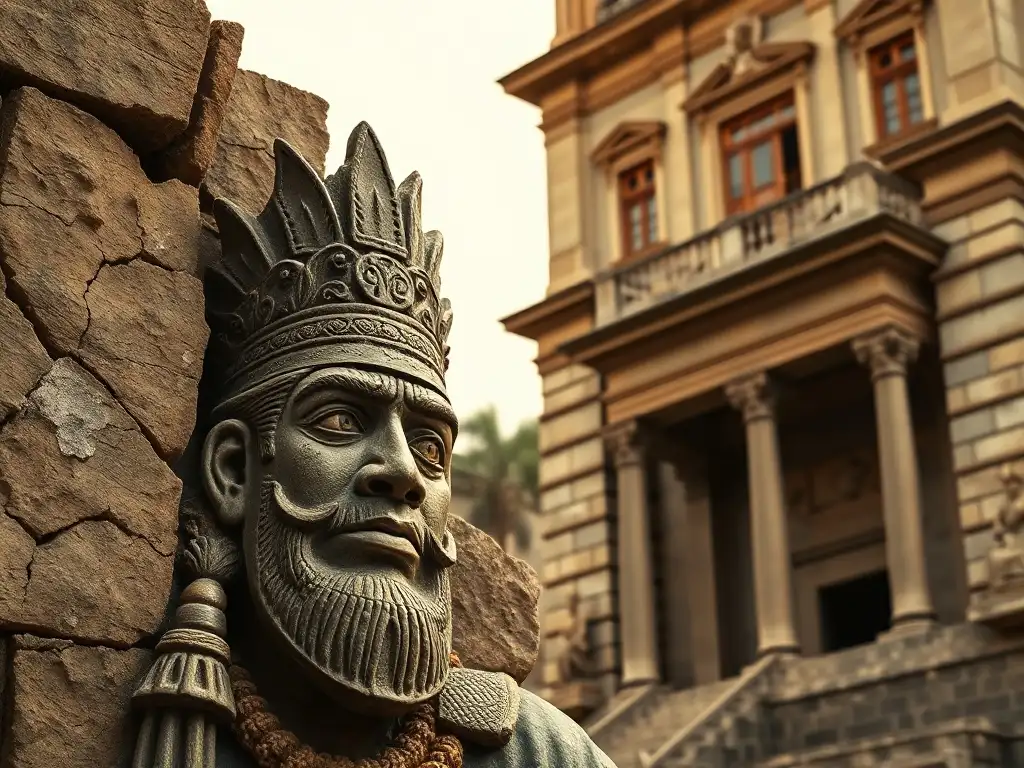
The Spanish conquest dramatically reshaped the political landscape of the Andes, profoundly impacting the power and authority of the kurakas, the indigenous leaders who held significant sway over their communities before the arrival of the Europeans. Understanding the complexities of Andean Kuraka leadership roles during this tumultuous period requires examining the shifting dynamics between traditional authority, colonial imposition, and the ensuing resistance movements. The conquest didn't simply replace one power structure with another; it created a hybrid system, fraught with tensions and contradictions, where the kurakas found themselves navigating a treacherous path between collaboration and resistance.
This section will explore the multifaceted consequences of the Spanish conquest on Andean kuraka power, focusing on the initial responses, the strategic utilization of kurakas by the Spanish, and the eventual erosion of their traditional authority. The impact reverberated through generations, leaving an indelible mark on Andean societies.
The Arrival of the Spanish and the Disruption of Traditional Kuraka Roles
The arrival of the Spanish in the 16th century marked a turning point for the Andean kurakas. Prior to the conquest, these leaders enjoyed considerable autonomy within their respective territories. Their authority stemmed from a complex interplay of factors, including hereditary lineage, religious prestige, and control over vital resources. They were responsible for managing local affairs, collecting tributes, and maintaining social order.
The Spanish conquest, however, shattered this established order. The imposition of a new colonial administration, with its hierarchical structure and emphasis on centralized control, directly challenged the kurakas' traditional power base. The Spanish system, prioritizing extraction of resources and the conversion to Christianity, fundamentally altered the social and political fabric of Andean societies.
This disruption led to uncertainty and conflict, forcing kurakas to adapt and re-evaluate their roles within the rapidly changing environment. The consequences varied greatly depending on the specific region, the existing power structures, and the individual kuraka's choices. Some kurakas initially attempted to maintain their autonomy, while others chose to collaborate with the Spanish in hopes of preserving their status and influence.
Initial Collaboration Between Some Kurakas and the Spanish Conquistadors
In the initial stages of the conquest, some kurakas saw strategic advantages in collaborating with the Spanish. This collaboration often stemmed from a desire to maintain their power and influence within the new colonial order. By assisting the Spanish in their military campaigns and providing them with resources, some kurakas hoped to secure their position and gain favor with the conquistadors.
This collaboration, however, proved to be a double-edged sword. While it might have offered short-term benefits, it ultimately undermined the kurakas' long-term authority and contributed to the erosion of their traditional power. The Spanish often exploited these alliances, using kurakas as intermediaries to control their communities and extract resources.
This created internal conflicts within Andean societies, pitting those who collaborated against those who resisted. This dynamic greatly influenced the success or failure of resistance movements against Spanish rule in different Andean regions. For example, [specific examples of collaborating kurakas and their outcomes pending].
The Strategic Use of Kurakas by the Spanish Colonial Administration
The Spanish colonial administration quickly recognized the strategic value of the kurakas in controlling the indigenous population. Instead of completely dismantling the existing power structures, the Spanish integrated the kurakas into their system of governance. This was a pragmatic approach that allowed the Spanish to administer vast territories with relative efficiency. By maintaining a semblance of traditional authority, the kurakas served as intermediaries between the colonial administration and their communities.
They were tasked with collecting taxes, enforcing Spanish laws, and suppressing dissent. However, this integration came at a cost. The kurakas were stripped of much of their autonomy and became agents of colonial rule, often facing pressure to prioritize the interests of the Spanish Crown over the needs of their own people.
This created a complex power dynamic, where kurakas were simultaneously agents of the colonial regime and leaders of their communities, often navigating conflicting loyalties and pressures. The Spanish system of encomiendas and later repartimientos, which granted Spanish landowners control over indigenous labor, further exacerbated these tensions and diminished the kurakas' power. This manipulation of the Andean Kuraka leadership roles by the Spanish profoundly shaped the trajectory of Andean societies for centuries.
Divided Loyalties: The Dilemma of Andean Kurakas Under Spanish Rule
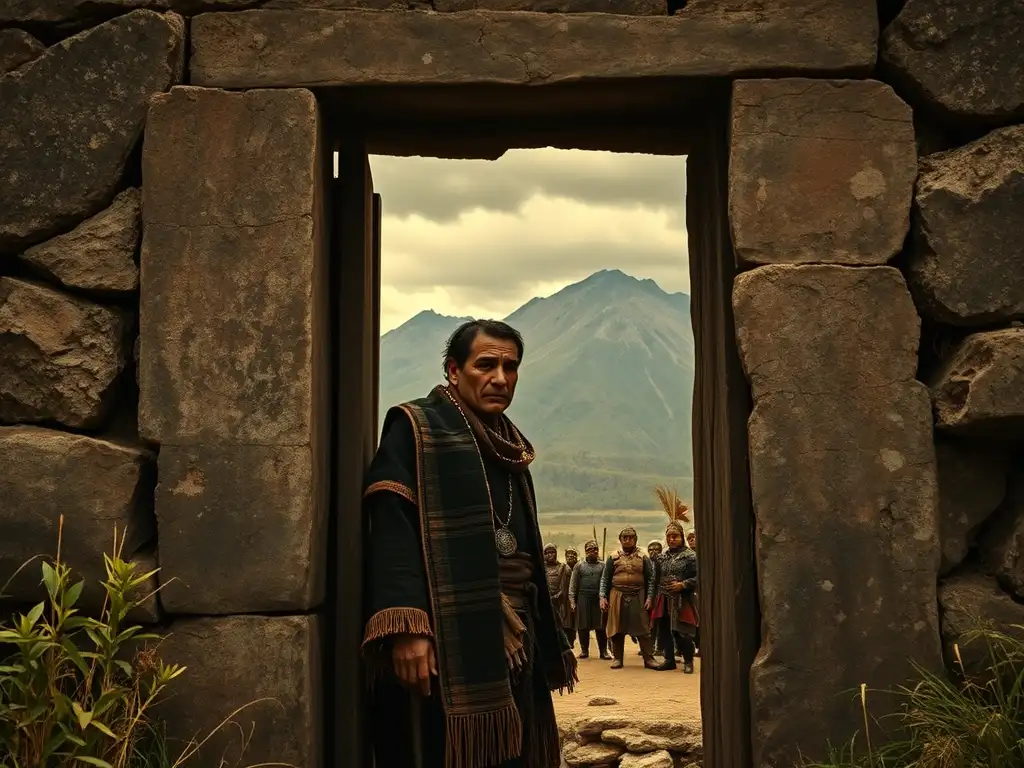
The Spanish conquest of the Andes presented Andean Kurakas with an agonizing dilemma: maintain their indigenous traditions and risk violent subjugation, or align with the Spanish authority and potentially compromise their cultural heritage and the well-being of their communities. This complex choice, central to understanding Andean resistance and the intricacies of the conquest, significantly shaped the trajectory of Andean societies.
The Kurakas, as powerful regional leaders, held a pivotal position in this tumultuous period, their decisions impacting not only their own fates but also the fate of countless individuals under their governance. Analyzing their actions requires understanding the multifaceted pressures they faced and the inherent contradictions within their roles.
The weight of responsibility for the welfare of their people, coupled with the overwhelming power of the Spanish conquistadors, created a climate of immense pressure and difficult choices. This internal struggle, the essence of the "Andean Kuraka leadership roles" during this era, is crucial to understanding the varied responses to Spanish rule.
The Kurakas faced a stark choice: uphold indigenous traditions and risk violent repression, or collaborate with the Spanish, potentially compromising their cultural integrity. Maintaining traditional practices, including religious ceremonies, land ownership systems, and social hierarchies, was vital for preserving their cultural identity and the social fabric of their communities. However, open defiance often resulted in swift and brutal consequences.
The Spanish implemented policies aimed at eradicating indigenous religions and imposing Catholicism, seizing land and resources, and restructuring social hierarchies to suit their colonial ambitions. Many Kurakas attempted to navigate this treacherous path by subtly preserving elements of their traditions while outwardly complying with Spanish demands. This often involved a delicate balancing act, requiring strategic compromises and calculated acts of resistance.
For example, some Kurakas might publicly embrace Catholicism while privately continuing to practice traditional rituals. This subtle resistance, however, was fraught with danger and often undetected by the ever-watchful eyes of the Spanish authorities. The success or failure of such strategies depended heavily on the Kuraka's political acumen, the strength of their community's resolve, and the capricious nature of Spanish colonial administration.
The Internal Conflicts Faced by Kurakas and Their Communities
The pressure exerted on the Kurakas often manifested as internal conflicts within their communities. The decision to collaborate with the Spanish frequently led to divisions among the Kuraka's own people. Some individuals might favor collaboration for perceived economic or social benefits, while others vehemently opposed any compromise with the colonizers.
This internal strife weakened the collective resistance and played directly into the hands of the Spanish, facilitating their conquest and control. Furthermore, the Kurakas often faced the difficult task of balancing the demands of the Spanish with the needs and expectations of their own people. This delicate balancing act frequently resulted in difficult compromises, leading to resentment and mistrust among their subjects.
The Kurakas were caught in a vise, pressured from above by the Spanish and from below by their own communities, often facing accusations of betrayal and collaboration. This internal conflict, a defining characteristic of Andean Kuraka leadership roles during the conquest, significantly impacted the effectiveness of any resistance efforts. The lack of unified opposition, often stemming from these internal divisions, allowed the Spanish to exploit the fissures and consolidate their power more effectively.
Examples of Kurakas: Don Carlos Chimo Capac and Francisco Pizarro's Allies
The complexities of Kuraka choices are illustrated by contrasting examples. Don Carlos Chimo Capac, a powerful Kuraka in the northern Andes, initially resisted Spanish rule, leading local resistance movements. However, facing overwhelming military might and internal dissent, he eventually negotiated a complex alliance with the Spanish, securing his own position but at the cost of significant concessions. His story highlights the strategic calculations and difficult compromises often involved in Kuraka leadership.
Conversely, many Kurakas actively collaborated with Francisco Pizarro and other conquistadors, providing crucial logistical support, military intelligence, and manpower. These allies, often motivated by personal ambition or fear of Spanish retribution, played a significant role in the Spanish conquest, contributing to the downfall of the Inca Empire. Their actions demonstrate the range of responses among the Andean Kurakas, highlighting the diversity of motivations and the profound impact these choices had on the course of history.
The actions of both Don Carlos Chimo Capac and Pizarro's allies demonstrate the spectrum of responses to Spanish rule, showcasing the multifaceted nature of "Andean Kuraka leadership roles" and the enduring legacy of their decisions in shaping the Andean world. Further research is needed to fully explore the nuances of individual Kuraka choices and their long-term consequences. [Specific information pending: More detailed case studies of individual Kurakas and their alliances/resistance strategies.]
The Kuraka's Role in Colonial Andean Resistance and Rebellions
The Andean Kuraka leadership roles were complex and multifaceted during the Spanish colonial period. Far from simply being passive subjects, many Kurakas navigated the treacherous terrain of colonial rule, employing a range of strategies – from overt rebellion to subtle resistance – to maintain their power and protect their communities. Understanding their actions requires acknowledging the inherent tensions between their traditional authority and the demands of the Spanish crown.
The Kurakas' allegiances were often divided, caught between the pressures of colonial rule and the enduring loyalty to their people and ancestral traditions. This nuanced approach to Andean Kuraka leadership roles is crucial to understanding the dynamics of resistance during the Spanish Conquest. The Kurakas' position, while seemingly subordinate, offered unique opportunities for both collaboration and defiance.
Kurakas as Key Figures in Organizing Indigenous Uprisings
Kurakas possessed significant influence within their communities. Their traditional authority, rooted in kinship and religious practices, allowed them to mobilize people and resources. While some Kurakas collaborated with the Spanish, many others used their position to secretly organize and lead indigenous uprisings. This often involved leveraging existing social networks and utilizing traditional communication methods to coordinate resistance efforts.
For example, [specific example of a Kuraka leading a rebellion pending]. Their knowledge of the terrain and the local population gave them a significant advantage against the Spanish forces. The success of many early rebellions can be directly attributed to the Kurakas' ability to galvanize their people and provide strategic leadership.
We see a clear pattern of Kuraka involvement in numerous uprisings across various Andean regions, highlighting the significance of their role in challenging Spanish control. Their actions were not always openly rebellious; sometimes, they involved subtle acts of defiance, such as withholding tribute or manipulating information to undermine Spanish authority. This intricate dance between cooperation and resistance underscores the dynamic nature of Andean Kuraka leadership roles during this tumultuous period.
The Túpac Amaru II Rebellion and the Participation of Kurakas
The Túpac Amaru II Rebellion (1780-1783) stands as a prime example of the crucial role Kurakas played in large-scale indigenous uprisings. While Túpac Amaru II himself was a descendant of the Inca nobility, his success heavily relied on the support and participation of numerous Kurakas across various regions. These Kurakas provided essential logistical support, including supplying troops, food, and weapons. Their influence proved vital in uniting diverse indigenous groups under a common banner of rebellion against Spanish oppression.
The rebellion’s initial success can be largely attributed to the widespread support from Kurakas who saw an opportunity to challenge the Spanish system and reclaim some level of autonomy. However, the rebellion's ultimate failure also highlights the complexities and inherent risks involved. Many Kurakas who initially supported the rebellion later switched allegiances, either due to fear of reprisal or because of shifting political calculations.
The internal divisions among Kurakas, often driven by competing interests and loyalties, significantly weakened the rebellion's strength. Analyzing the shifting allegiances and strategies employed by Kurakas during this pivotal rebellion offers valuable insights into the challenges and dynamics of Andean Kuraka leadership roles. The diverse responses from Kurakas during the Túpac Amaru II rebellion showcase the multifaceted nature of their involvement in the resistance.
How Kurakas Used Their Influence to Challenge Spanish Rule
Even without engaging in open rebellion, Kurakas employed various strategies to subtly challenge Spanish rule. This ranged from manipulating the system to their advantage, to fostering a sense of cultural resistance. For example, [specific example of a Kuraka subtly undermining Spanish authority pending]. The Kurakas' deep understanding of Andean traditions and customs allowed them to subtly resist Spanish attempts at cultural assimilation.
This included maintaining traditional religious practices, preserving indigenous languages, and resisting the imposition of Spanish laws and customs. The subtle forms of resistance employed by Kurakas often went unnoticed by the Spanish authorities, yet they played a crucial role in preserving indigenous identity and culture. Moreover, some Kurakas strategically used their position to protect their communities from excessive exploitation by Spanish officials.
This involved negotiating favorable terms, mediating disputes, and advocating for the well-being of their people. The strategic maneuvering and subtle forms of resistance employed by Kurakas demonstrate the ingenuity and resilience of Andean leadership in the face of colonial oppression, further emphasizing the significance of Andean Kuraka leadership roles in shaping the course of resistance. Their actions highlight a complex interplay between survival, cultural preservation, and the ongoing struggle for autonomy.
The Evolving Legacy of the Andean Kuraka
The Andean Kuraka, a term encompassing a spectrum of indigenous leaders across various pre-Columbian societies, played a crucial role in the social, political, and economic fabric of their communities. Understanding their position is vital to comprehending the complexities of Andean resistance to Spanish rule and the enduring impact of colonialism on indigenous governance structures. The Kuraka's authority, often hereditary, varied significantly depending on the specific ethnic group and the historical period.
While some wielded considerable power over vast territories and populations, others governed smaller, more localized communities. This inherent diversity in Andean Kuraka leadership roles makes generalizations challenging, necessitating a nuanced approach to their study. Their influence extended far beyond simple administration; they were often considered spiritual leaders, mediators of conflicts, and custodians of traditional knowledge, deeply intertwined with the cultural and religious life of their people.
The Spanish conquest fundamentally altered the role and power of the Andean Kuraka. The Spanish crown, seeking to establish control and extract resources, implemented a system of encomienda and later repartimiento, which effectively subordinated the Kurakas to the colonial administration. While initially, some Kurakas collaborated with the Spanish, hoping to maintain a degree of autonomy and influence, this strategy often proved short-lived.
The Spanish systematically undermined traditional authority structures, replacing indigenous leaders with those more amenable to colonial rule. This led to a significant erosion of Kuraka power and prestige, impacting the social cohesion and self-governance of Andean communities.
The imposition of the cabecera system, where Spanish-appointed officials oversaw indigenous villages, further weakened the traditional authority of Kurakas, resulting in a decline in their influence and a transformation of their roles within their communities. The long-term effect was a severe disruption of the traditional Andean social order, leaving lasting scars on indigenous governance structures that are still felt today.
The Modern-Day Relevance of Kuraka Leadership in Andean Communities
Despite the devastating impact of colonialism, aspects of Kuraka leadership persist in many Andean communities. While no longer wielding the same political authority as their pre-Columbian counterparts, the legacy of the Kuraka continues to shape social structures and cultural practices. In many areas, traditional leaders, sometimes bearing titles echoing the pre-colonial Kurakas, maintain significant social influence, acting as mediators in disputes, custodians of cultural heritage, and advocates for their communities' interests.
Their role often involves navigating the complex interplay between traditional practices and the demands of modern society. The resurgence of indigenous rights movements across the Andes has also contributed to a renewed appreciation of traditional leadership, with some communities actively seeking to reclaim and redefine the role of the Kuraka in the context of contemporary challenges. This revival, however, is not uniform across the Andean region, reflecting the diverse socio-political landscapes of different communities and the varying levels of influence of traditional leaders.
The ongoing efforts to revitalize indigenous governance structures highlight the enduring legacy of the Andean Kuraka and their continuing relevance in the 21st century. Understanding this contemporary context is crucial for appreciating the full scope of Andean Kuraka leadership roles throughout history.
Case Study: The Lasting Impact of Kuraka Mateo Pumacahua
Mateo Pumacahua, a prominent Kuraka from the late 18th and early 19th centuries, serves as a compelling example of the complex and multifaceted roles played by Andean leaders during the colonial period. While initially collaborating with the Spanish, Pumacahua later led a significant rebellion against Spanish rule, demonstrating the capacity of Andean leaders to resist colonial oppression and articulate indigenous grievances. His rebellion, though ultimately unsuccessful, highlights the enduring strength of indigenous resistance and the potential for Andean Kurakas to mobilize their communities in the face of colonial subjugation.
The legacy of Pumacahua continues to inspire pride and resilience among indigenous communities, serving as a powerful symbol of Andean resistance. His story underscores the importance of understanding the agency and adaptability of Andean Kurakas in navigating the turbulent historical period of colonial rule and their enduring impact on the socio-political landscape of the Andes.
The study of figures like Pumacahua provides crucial insights into the evolving nature of Andean Kuraka leadership roles and their persistent influence on Andean societies. His actions demonstrate that even under the weight of colonial oppression, the spirit and influence of the Kuraka remained a powerful force.
Conclusion: The Complex and Enduring Influence of Kurakas
The Spanish conquest of the Andes dramatically reshaped the political landscape, yet the role of the kurakas, the indigenous leaders, remained surprisingly complex and enduring. While many initially collaborated with the Spanish, hoping to maintain their power and influence within the new colonial system, others actively resisted, leading rebellions and fostering a spirit of independence that echoed through generations. Understanding the nuances of their actions requires acknowledging the pressures they faced, the inherent divisions within their own communities, and the evolving strategies they employed to navigate the turbulent era of conquest and colonization.
The legacy of the kurakas is not one of simple collaboration or outright rebellion, but a tapestry woven from diverse threads of survival, adaptation, and resistance. Their story provides crucial insight into the complexities of intercultural interaction and the enduring strength of indigenous leadership in the face of overwhelming odds.
Analyzing their choices helps us understand not just the Spanish conquest, but the persistent resilience of Andean cultures. Further research into specific kuraka lineages and their individual responses to Spanish rule is essential for a complete understanding of this crucial period in Andean history.
The Enduring Significance of Andean Kuraka Leadership Roles
The legacy of kuraka leadership extended far beyond the immediate aftermath of the Spanish conquest. Their influence on Andean social structures, economic systems, and even religious practices continued to shape the lives of their communities for centuries. The kurakas’ ability to adapt and negotiate within the colonial system, even while maintaining aspects of their traditional authority, demonstrates a remarkable degree of resilience and political acumen.
Their knowledge of local customs, geography, and resources proved invaluable, both to the Spanish and, crucially, to the indigenous populations who continued to rely on their leadership and guidance. The kurakas’ role in mediating between the colonial authorities and their communities often meant walking a precarious tightrope, balancing the demands of the Spanish crown with the needs and aspirations of their people. This mediating role, though often fraught with internal conflict and external pressure, highlights the enduring importance of kuraka leadership in maintaining social cohesion and cultural continuity even under the oppressive weight of colonial rule.
Their enduring influence is a testament to the strength and adaptability of Andean leadership traditions. Analyzing the long-term effects of kuraka actions on Andean society offers a rich and complex understanding of the process of colonization and its long-lasting consequences. Further studies could focus on the specific ways in which kuraka influence shaped post-conquest Andean societies.
Understanding the Nuances of Kuraka Loyalties During the Colonial Period
The perception of kuraka loyalties during the colonial period as simply "pro-Spanish" or "anti-Spanish" is a gross oversimplification. The reality was far more nuanced and often involved a complex interplay of factors. Some kurakas initially collaborated with the Spanish, hoping to maintain their power and access to resources. This pragmatic approach, however, did not necessarily equate to a lack of resistance.
Many kurakas used their positions to subtly undermine Spanish authority, protecting their communities from exploitation or channeling discontent into less overt forms of rebellion. Others actively resisted Spanish rule from the outset, leading armed uprisings or engaging in covert forms of resistance. These diverse responses were often influenced by factors such as the specific historical context, the nature of the Spanish administration in their region, and the internal dynamics within their own communities. The level of kuraka autonomy also varied significantly depending on geographical location and the strength of Spanish control.
Some kurakas enjoyed considerable autonomy, allowing them to maneuver strategically, while others faced stricter control and limited options. Understanding the motivations and strategies of individual kurakas requires a careful examination of their specific circumstances and the broader historical context. Detailed case studies of individual kurakas and their communities are needed to fully unpack this complexity. The diverse responses of Andean kurakas to Spanish rule demonstrate the limitations of simplistic narratives and highlight the importance of nuanced historical analysis.
Frequently Asked Questions
What were Kurakas?
Kurakas were Indigenous leaders in the Andes before and during the Inca Empire. They held significant power within their communities, managing resources and representing their people. Their roles varied depending on the specific civilization and time period.
What were the main responsibilities of a Kuraka?
Kurakas had many responsibilities, including managing local resources, collecting tributes, maintaining order, and organizing labor. They also acted as intermediaries between their communities and higher authorities, like the Inca emperor.
How did Kuraka leadership impact Andean societies?
Kuraka leadership shaped Andean societies significantly, influencing social structures, economic organization, and political systems. Their power and influence varied but often played a crucial role in community stability and development.
Did all Andean civilizations have Kurakas?
While the term "Kuraka" is most strongly associated with the Inca Empire and its predecessors, similar forms of local leadership existed in various Andean civilizations. The specific titles and responsibilities might differ, but the fundamental role of local governance remained consistent.
Why did Kurakas face divided loyalties?
Kurakas sometimes faced divided loyalties due to the hierarchical nature of Andean societies. They were responsible to both their own communities and to higher authorities, creating potential conflicts of interest when the demands of these authorities clashed.
The complex legacy of Andean Kuraka leadership remains profoundly relevant today, a stark reminder of the enduring tension between local autonomy and imposed power structures. Understanding their struggles illuminates the challenges faced by indigenous communities worldwide who grapple with balancing cultural preservation and participation in a globalized world. The choices made by Kurakas centuries ago continue to resonate in the ongoing fight for self-determination and equitable representation.
The Kurakas' story is not just a historical account; it's a living narrative that shapes the socio-political landscape of the Andes and beyond. Their divided loyalties, often forced upon them by colonial powers, serve as a cautionary tale about the dangers of unchecked authority and the importance of respecting indigenous governance systems. The past is never dead. It's not even past,
wrote William Faulkner, and this rings especially true when considering the enduring impact of the Kuraka system and its legacy of both collaboration and resistance.
Consider the choices faced by these leaders. Reflect on the pressures they endured, the compromises they made, and the consequences of their actions. You, too, face similar dilemmas in your own life – navigating competing demands, balancing personal values with external pressures, and striving for a just and equitable world. Let the story of the Kurakas inspire you to critically examine power dynamics, advocate for marginalized voices, and actively participate in shaping a future where indigenous knowledge and leadership are not only respected but celebrated.
Embrace the Legacy of the Kurakas: Take Action Today!
Thank you for exploring the fascinating world of the Kurakas and their crucial role in Andean societies. Your interest highlights the importance of understanding indigenous leadership and cultural heritage. Now, let's translate that knowledge into action!
- Connect with local indigenous communities. Learn about their history and contributions; your engagement can foster deeper understanding and create new opportunities for collaboration.
- Share this information with your network to raise awareness of the rich history of the Kurakas and celebrate the diversity of our shared heritage.
- Support organizations dedicated to promoting indigenous rights and leadership. Your involvement can make a real difference.
Reflecting on the Kurakas' journey and enduring impact, consider how you can personally support indigenous leadership in your community. Your ideas could inspire meaningful change!