
Nazca Resilience: How They Overcame Environmental Challenges

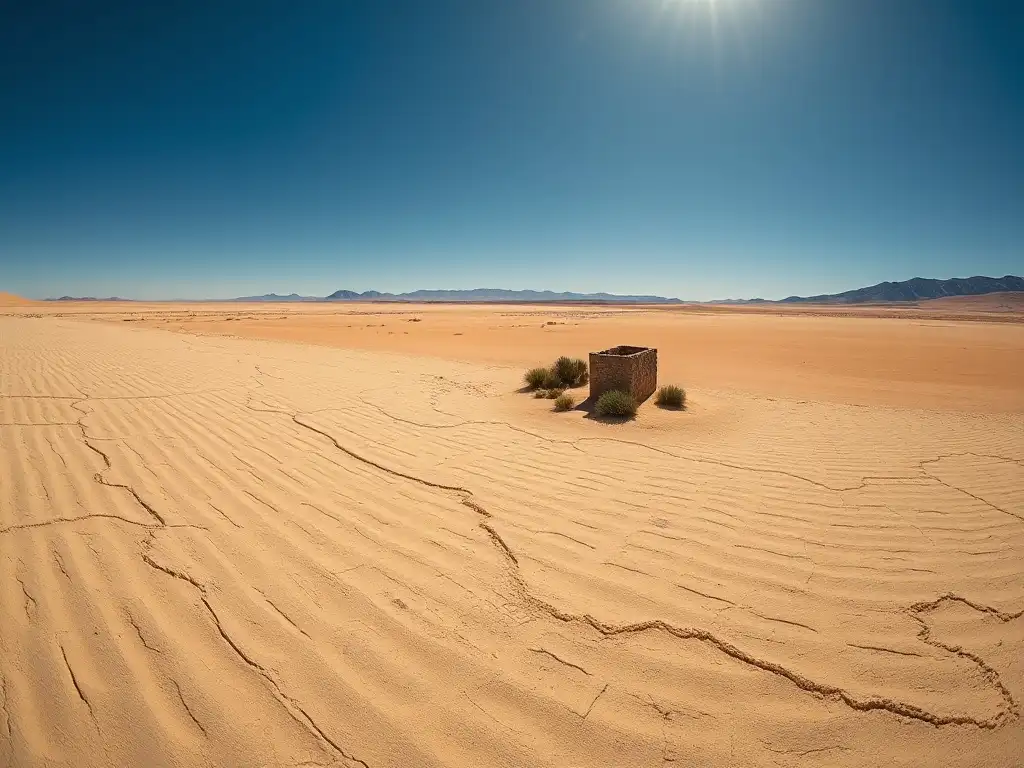
Step into a world lost to time, yet echoing with ingenuity and resilience. For centuries, the Andean Civilizations thrived amidst formidable environmental challenges. But how did they do it? Uncover the secrets of the Nazca, a civilization renowned for its breathtaking artistry, yet equally remarkable for its sophisticated Nazca environmental adaptation strategies. Prepare to be amazed by their ingenuity as we delve into the fascinating story of their survival – a tale of human adaptation against the odds.
The Nazca civilization, flourishing along the southern coast of Peru from approximately 100 BCE to 800 CE, left behind a remarkable legacy of intricate geoglyphs, sophisticated irrigation systems, and impressive ceramic artistry. However, their success wasn't simply a matter of artistic prowess or societal organization; it was a testament to their remarkable ability to adapt to one of the world's most challenging environments—the hyper-arid Nazca desert.
This article delves into the ingenious environmental adaptation strategies employed by the Nazca people, showcasing their resilience and ingenuity in the face of scarce resources and extreme climatic conditions. We will explore how their understanding of their environment, coupled with innovative technological solutions, allowed them to thrive in a seemingly inhospitable land.
This exploration will illuminate the key factors behind the Nazca's remarkable ability to not only survive but flourish in the harsh desert, offering valuable insights into their sophisticated understanding of water management and resource allocation, crucial aspects of "Nazca environmental adaptation strategies".
Introduction to the Nazca and Their Arid Environment
The Nazca culture developed in a region characterized by extreme aridity and unpredictable rainfall. The coastal desert of southern Peru receives minimal precipitation, creating a landscape seemingly devoid of life. Yet, the Nazca people, far from being passive victims of their environment, actively shaped their surroundings to support a complex society. Their success hinged on a deep understanding of the subtle nuances of their environment and the development of sophisticated techniques for water management and resource utilization.
This understanding allowed them to cultivate crops, build thriving settlements, and create the iconic imagery that defines their civilization. The ingenuity of their solutions to the challenges posed by their arid environment is a compelling example of human adaptation and resourcefulness. Understanding their methods reveals a sophisticated knowledge of hydrology, agriculture, and societal organization.
The Harsh Landscape of the Nazca Desert: A Challenge for Survival
The Nazca desert presents a formidable challenge to human habitation. Characterized by extremely low rainfall (often less than 100 mm annually) and intense solar radiation, the region experiences significant temperature fluctuations between day and night. The soil is generally poor and lacks organic matter, making agriculture a daunting task. Access to fresh water is extremely limited, concentrated primarily in underground aquifers and ephemeral rivers. 💧 The lack of surface water necessitates the development of innovative water harvesting and storage techniques.
Furthermore, the strong winds and occasional flooding further complicate the already challenging environmental conditions. These factors combined created an environment where survival was far from guaranteed, demanding exceptional resourcefulness and adaptability. The Nazca people faced these challenges head-on, developing strategies that allowed them to not only survive but thrive in this demanding environment. Their success stands as a testament to human ingenuity and resilience.
Understanding the Nazca's Need for Adaptation
The Nazca's survival depended entirely on their ability to adapt to the harsh realities of their environment. Their sophisticated understanding of hydrology, coupled with their technological innovations, allowed them to overcome the limitations imposed by the desert. This necessity for adaptation drove the development of several key strategies, including: the construction of intricate canal systems for irrigation, the development of drought-resistant crops, and the implementation of efficient water storage techniques.
Their success demonstrates a deep understanding of their environment and a remarkable ability to harness limited resources effectively. The Nazca's adaptation strategies weren't merely reactive responses to environmental pressures; they were proactive measures that shaped their society and culture, demonstrating a remarkable level of planning and organization crucial for long-term sustainability in a challenging environment. The remarkable achievements of the Nazca civilization are a clear demonstration of how human ingenuity can overcome even the most formidable environmental obstacles.
- Introduction to the Nazca and Their Arid Environment
- The Harsh Landscape of the Nazca Desert: A Challenge for Survival
- Understanding the Nazca's Need for Adaptation
- Water Management in the Desert: The Ingenious Nazca Aqueducts
- Puquios: Underground Canals for Sustainable Water Access
- Agricultural Techniques for Arid Lands: Maximizing Crop Yields
- Soil Management and Fertilization Practices in Nazca Agriculture
- Terrace Farming and its Role in Nazca Food Production
- Crop Selection and Domestication: Adapting to the Nazca Climate
- What environmental challenges did the Nazca civilization face?
- How did the Nazca adapt to water scarcity?
- What role did agriculture play in Nazca adaptation?
- What evidence reveals Nazca's environmental adaptation strategies?
- How did the Nazca's understanding of their environment contribute to their success?
Nazca Environmental Adaptation Strategies: Key Approaches
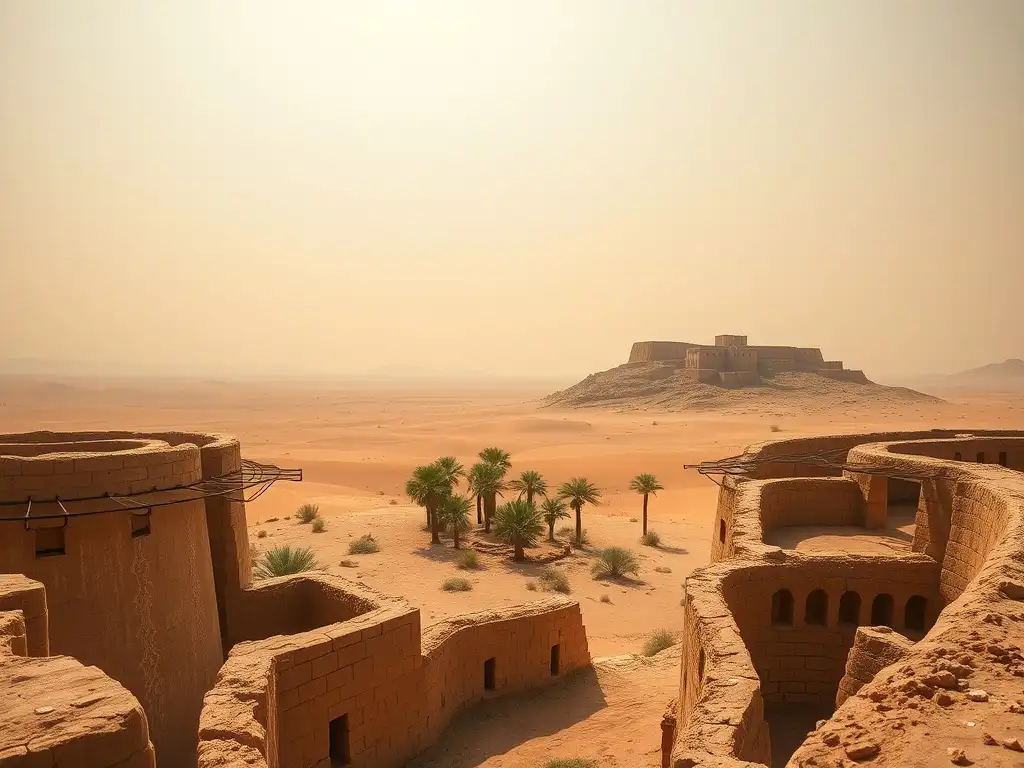
The Nazca civilization, renowned for its enigmatic geoglyphs, thrived in one of the most arid regions on Earth. Their survival and prosperity for centuries hinged on ingenious and sophisticated strategies to adapt to the harsh desert environment. Understanding their "Nazca environmental adaptation strategies" provides valuable insight into their remarkable ingenuity and resilience.
This section will delve into their key approaches to water management and agriculture, showcasing the remarkable technological and societal adaptations that enabled their flourishing civilization. The ability to harness scarce resources and optimize agricultural practices was fundamental to their success, illustrating a deep understanding of their environment and a capacity for innovation.
Water Management in the Desert: The Ingenious Nazca Aqueducts
The Nazca's success was intrinsically linked to their mastery of water management. Facing an extremely arid climate with minimal rainfall, they developed complex systems to capture, store, and distribute precious water resources. The most striking example is their network of aqueducts, remarkable feats of engineering that channeled water from underground sources to agricultural fields and settlements.
These weren't simple canals; they were carefully constructed channels, often lined with stones and clay, to minimize water loss through seepage. Evidence suggests that the aqueducts were meticulously maintained and repaired over generations, showcasing the societal commitment to their crucial water infrastructure. The design and construction of these aqueducts demonstrate an advanced understanding of hydrology and a remarkable ability to collaborate on large-scale projects, crucial for the survival of the Nazca people.
The precise techniques used in their construction, such as the selection of specific stone types for durability and the careful grading of the channels to maintain a consistent flow, are still being studied and admired today. The Nazca aqueducts stand as a testament to their ingenuity and their ability to overcome significant environmental challenges.
Puquios: Underground Canals for Sustainable Water Access
Complementing their above-ground aqueducts, the Nazca also utilized a sophisticated network of underground canals known as puquios. These ingenious systems tapped into underground water sources, often drawing water from aquifers located at higher elevations. The puquios were typically constructed by digging vertical shafts, then creating horizontal tunnels to connect to the water sources.
These tunnels were often lined with stones and carefully engineered to ensure a consistent and reliable flow of water. The construction of puquios required advanced knowledge of geology and hydrology, as well as significant labor input. The design of the puquios minimized evaporation and protected the water from contamination, crucial factors in the harsh desert environment.
The sustainable nature of this water management system allowed the Nazca to maintain a consistent supply of water for agriculture and domestic use, even during periods of drought. The puquios represent a sophisticated example of Nazca environmental adaptation strategies, reflecting a deep understanding of the local hydrogeology and a commitment to long-term sustainability. The longevity of these systems, some of which are still functional today, is a testament to their effectiveness and enduring legacy.
Agricultural Techniques for Arid Lands: Maximizing Crop Yields
The Nazca's agricultural practices were as innovative as their water management techniques. To maximize crop yields in the arid environment, they employed several sophisticated strategies. These included techniques such as terracing, which created level platforms on slopes to prevent soil erosion and maximize water retention.
They also utilized raised fields, elevated plots of land that allowed for better drainage and irrigation control. Furthermore, the Nazca employed advanced methods of soil fertilization, often using guano (bird droppings) as a natural fertilizer. The use of guano demonstrates a profound understanding of the ecological relationships within their environment and a capacity to utilize available resources efficiently.
Their agricultural practices were not only highly productive but also sustainable, allowing them to support a relatively large population in an extremely challenging environment. Careful observation of seasonal changes and an understanding of plant needs allowed them to optimize planting and harvesting schedules, further enhancing their ability to thrive in the desert. The combination of sophisticated water management and advanced agricultural techniques represents a remarkable example of human ingenuity and adaptation to environmental constraints, a key component in understanding the success of Nazca environmental adaptation strategies.
Soil Management and Fertilization Practices in Nazca Agriculture
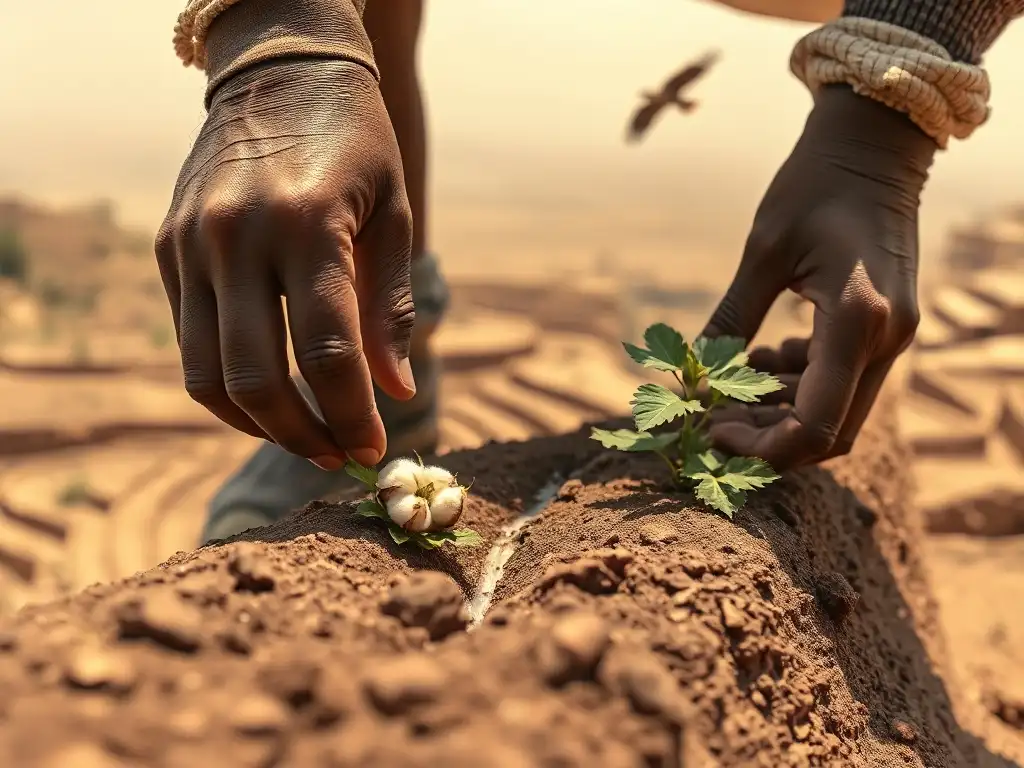
The Nazca people, inhabiting a geographically challenging desert environment, developed sophisticated soil management techniques to maximize agricultural output. Their success wasn't solely reliant on ingenious irrigation systems; it also involved careful observation of soil conditions and the implementation of effective fertilization strategies. Evidence suggests they employed a variety of methods to improve soil fertility. For example, they likely used composted organic matter, including animal manure and plant residues, to enrich the soil with essential nutrients.
The arid climate meant organic matter decomposition was slower, leading to the accumulation of humus, which improved soil structure and water retention. This is crucial in a desert environment where water conservation is paramount. Furthermore, archaeological findings hint at the potential use of guano, bat and seabird excrement, a naturally occurring fertilizer rich in nitrogen and phosphorus.
The strategic placement of agricultural fields near guano deposits suggests a conscious effort to utilize this valuable resource. The precise methods of application, however, remain a subject of ongoing research, requiring further archaeological investigation to fully understand the nuances of their fertilization practices. The Nazca's understanding of soil health and nutrient cycling allowed them to sustain agriculture in a seemingly inhospitable environment, showcasing their remarkable adaptation skills.
Terrace Farming and its Role in Nazca Food Production
Terrace farming was a cornerstone of Nazca agricultural success, a testament to their ingenuity in shaping their environment to meet their needs. The steep slopes of the Nazca region presented a significant challenge for cultivation. However, by constructing terraces – flat, step-like platforms carved into hillsides – the Nazca transformed unusable land into productive agricultural areas. This innovative approach served multiple purposes.
Firstly, it significantly increased the amount of arable land available, maximizing their limited resources. Secondly, the terraces helped to control soil erosion, a critical concern in the arid and often windy Nazca landscape. The flat surfaces retained water more effectively than the steep slopes, reducing runoff and enhancing water infiltration into the soil. Thirdly, terraces provided a more manageable environment for planting and harvesting crops, increasing efficiency and reducing labor costs.
The construction of these terraces was a significant undertaking, requiring considerable community effort and demonstrating a high level of social organization and cooperation. The scale and sophistication of the Nazca terrace systems are clear indicators of their advanced understanding of agricultural engineering and their remarkable ability to adapt their farming techniques to the challenging terrain. This efficient use of land played a vital role in ensuring the food security of the Nazca civilization.
Crop Selection and Domestication: Adapting to the Nazca Climate
The Nazca climate, characterized by aridity and scarce rainfall, necessitated careful crop selection and domestication strategies. They focused on cultivating plants that could thrive under these harsh conditions. Archaeobotanical evidence reveals a wide range of crops, including maize, beans, squash, cotton, and various types of tubers, all adapted to tolerate drought and limited water availability. The Nazca likely employed selective breeding techniques over generations to enhance the drought resistance and productivity of these crops.
This process involved selecting seeds from the most resilient plants and replanting them, gradually improving the genetic makeup of the crops over time. Furthermore, their choice of crops reflected a deep understanding of the local environment and its limitations. They prioritized plants with shallow root systems that could efficiently utilize the limited moisture available near the surface.
The cultivation of diverse crops also provided a degree of resilience against crop failure, ensuring food security even in years of poor rainfall. The Nazca's skillful adaptation of crops to their environment is a clear example of their impressive agricultural expertise and their ability to overcome the challenges of their arid surroundings. This careful selection and domestication of crops were crucial to their survival and prosperity.
Beyond Agriculture: Other Forms of Nazca Adaptation
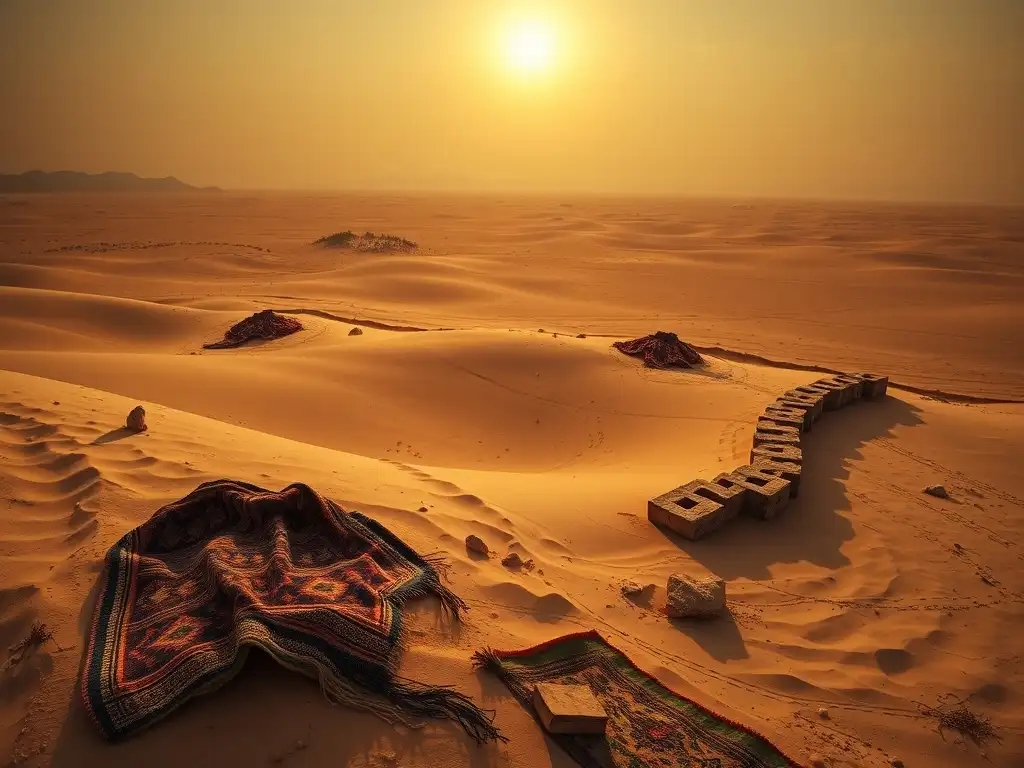
The Nazca's remarkable survival in the arid coastal plains of Peru wasn't solely reliant on their ingenious agricultural techniques. Their ability to thrive hinged on a multifaceted approach to resource management, technological innovation, and social organization, all finely tuned to overcome the harsh environmental realities of their habitat. Understanding these "Nazca environmental adaptation strategies" reveals a civilization remarkably adept at extracting maximum benefit from a seemingly meager environment. This section delves into aspects beyond agriculture that contributed significantly to their resilience.
Resource Management: Utilizing Available Materials
The Nazca civilization expertly exploited the limited resources available in their environment. Their mastery extended beyond water management, encompassing the resourceful use of readily available materials for construction, tool-making, and daily life. Instead of relying on imported materials, which would have been logistically challenging and costly, they developed techniques to optimize the use of local resources.
For example, the construction of their famed aqueducts, known as puquios, demonstrates a deep understanding of hydrology and a clever utilization of local materials. These underground channels were built using stone and clay, materials readily available in the region. The precise engineering involved in their construction, including the use of ventilation shafts and strategically placed drainage points, speaks volumes about their ingenuity in managing water resources.
Furthermore, their architecture, including their ceremonial structures and residential buildings, often employed adobe bricks – a sustainable building material made from locally sourced clay and organic fibers. This minimized the environmental impact while providing durable structures capable of withstanding the harsh desert climate.
The careful selection and utilization of materials highlight the Nazca's deep understanding of their environment and their ability to adapt to its constraints. Analyzing the construction techniques and materials used in various Nazca structures reveals a sophisticated understanding of material science and engineering, further emphasizing their adaptive capabilities.
Nazca Pottery and its Role in Storage and Preservation
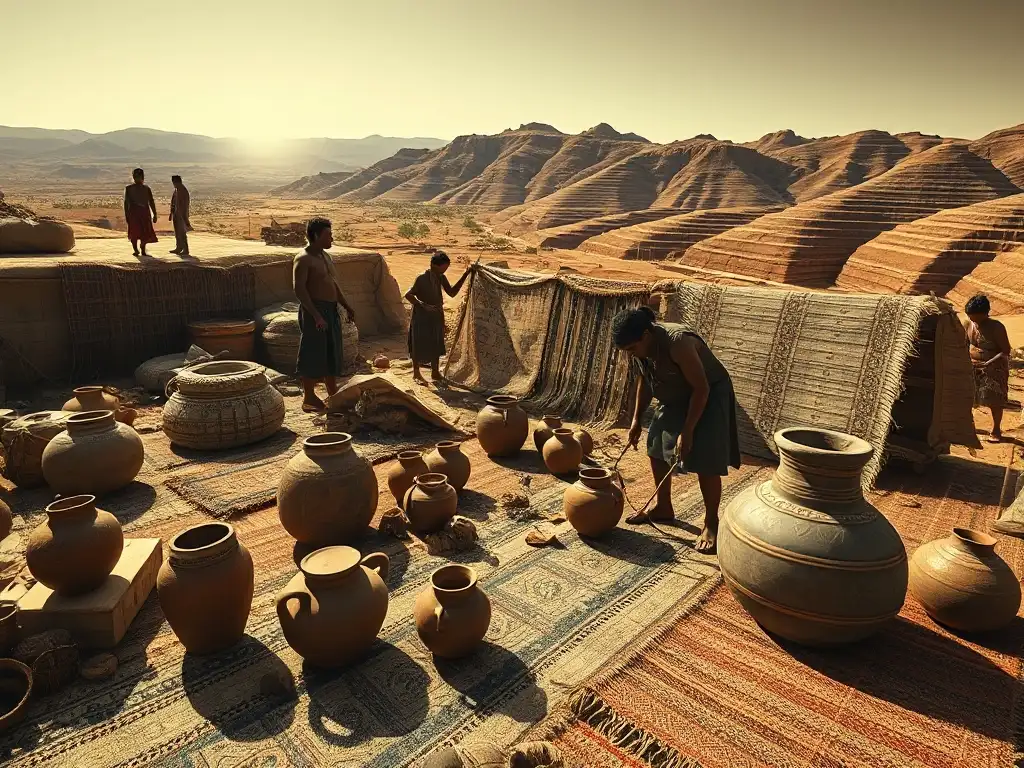
Nazca pottery wasn't merely decorative; it played a crucial role in food storage and preservation, directly impacting their ability to overcome food scarcity. The climate of the Nazca region presents significant challenges for long-term food storage, with high temperatures and low humidity leading to rapid spoilage. The Nazca addressed this by producing highly functional pottery vessels, often sealed with intricate techniques to prevent moisture loss and contamination. The shapes and sizes of these vessels were also carefully considered, designed to maximize storage capacity and minimize surface area exposed to the elements.
The production of large storage jars, some reaching impressive sizes, allowed the Nazca to preserve surplus harvests, ensuring food security during lean periods. The quality of the pottery, characterized by its durability and watertight seals, further enhanced its role in food preservation. Furthermore, the detailed analysis of pottery fragments found in Nazca sites reveals evidence of food residues, providing direct insights into the types of foods stored and preserved using these techniques.
This demonstrates the importance of pottery in the broader context of Nazca subsistence strategies and their ability to adapt to the environmental challenges of food preservation. The intricate designs and varying sizes of the pottery also suggest a degree of social stratification, with larger, more elaborately decorated vessels potentially belonging to elite members of society.
Nazca Textiles and Their Adaptation to the Climate
Nazca textiles represent another remarkable example of their environmental adaptation. The harsh desert conditions, characterized by intense sunlight and extreme temperature fluctuations, demanded clothing and textiles capable of providing protection and comfort. The Nazca responded by developing sophisticated weaving techniques and selecting appropriate fibers to create textiles suited to their environment.
The use of cotton, a fiber well-suited to the warm climate, was prevalent in Nazca textiles. However, the Nazca also incorporated other fibers like camelid wool (alpaca and llama), which provided additional warmth and insulation during cooler nights. The intricate weaving techniques employed, including various types of weaves and decorative elements, not only enhanced the aesthetic appeal of the textiles but also contributed to their functionality.
For example, certain weaving techniques increased the durability and water resistance of the textiles, making them more suitable for the desert environment. The analysis of Nazca textile fragments reveals a high level of skill and craftsmanship, indicating a deep understanding of fiber properties and weaving techniques.
These textiles were not only functional but also held significant social and symbolic value, reflecting the Nazca's ability to integrate practical needs with cultural expression within the constraints of their environment. The diverse range of textiles, from simple clothing to elaborate ceremonial garments, further highlights the adaptability and ingenuity of Nazca textile production.
The success of Nazca's environmental adaptation strategies was intrinsically linked to their sophisticated social organization and remarkable community cooperation. Evidence suggests a hierarchical society, likely with specialized roles and responsibilities distributed amongst different groups. This wasn't simply a top-down structure, however. The effectiveness of their water management systems, for example, points to a high degree of collaboration and shared responsibility.
Constructing and maintaining the extensive network of canals and aqueducts required a coordinated effort, involving significant manpower and resources. This suggests a strong sense of community identity and shared purpose, where individuals understood their contribution to the collective well-being. The intricate organization needed to manage these projects, and to successfully implement their agricultural practices, implies a robust system of communication and leadership, capable of mobilizing the population for large-scale undertakings.
Further research into Nazca settlement patterns and burial sites could reveal more about the specific social structures and power dynamics that facilitated this remarkable level of cooperation. The longevity of the Nazca culture, despite the harsh environmental conditions, stands as a testament to the strength of their social fabric and the collective resilience fostered by their organizational structures. Understanding their social dynamics is crucial for comprehending the full extent of their successful environmental adaptation.
The Role of Religion and Ritual in Nazca Adaptation
Religion and ritual played a pivotal role in Nazca's ability to overcome environmental challenges. Their worldview, reflected in their iconic geoglyphs and elaborate ceramics, suggests a deep connection with the natural world and a profound understanding of its rhythms and limitations. It's likely that religious beliefs provided a framework for understanding and responding to environmental fluctuations, such as droughts or floods.
Rituals, possibly involving offerings and sacrifices, may have been performed to ensure the success of agricultural practices and to appease the deities believed to control water and fertility. The elaborate iconography found on Nazca pottery often depicts scenes of agricultural activities and water sources, further emphasizing the importance of these themes in their religious beliefs. While the exact nature of their religious practices remains partially obscured by the passage of time, the sheer scale and complexity of their monumental works, such as the geoglyphs, suggest a highly organized and centralized religious system, capable of mobilizing considerable resources and manpower.
This religious infrastructure may have provided essential social cohesion and a shared belief system that reinforced their collective efforts in adapting to a demanding environment. The integration of religious beliefs with practical strategies for water management and agriculture highlights the holistic approach of the Nazca civilization in their struggle for survival and prosperity in the arid coastal desert. Further studies into their iconography and ritualistic practices may shed more light on the precise mechanisms through which religion contributed to their successful "Nazca environmental adaptation strategies".
The Legacy of Nazca Environmental Knowledge

The Nazca people, renowned for their enigmatic lines etched into the desert, also left behind a remarkable legacy of ingenuity in adapting to one of the harshest environments on Earth. Their survival for centuries in the arid coastal plains of southern Peru speaks volumes about their profound understanding of their ecosystem and their development of sophisticated strategies for water management, agriculture, and resource utilization. This knowledge, though developed millennia ago, offers valuable lessons for modern societies grappling with similar environmental challenges, particularly in arid and semi-arid regions.
Understanding their "Nazca environmental adaptation strategies" is crucial not only for appreciating their cultural achievements but also for informing contemporary approaches to sustainability. Their success wasn't merely a matter of luck; it was a testament to meticulous observation, innovative techniques, and a deep connection with their land.
Lessons from the Nazca for Modern Sustainable Practices
The Nazca's mastery of water harvesting and irrigation stands out as a particularly relevant lesson for today. They developed intricate systems of canals and underground aqueducts, known as puquios, which channeled groundwater to their fields, ensuring a reliable water supply even during periods of drought. These weren't simply rudimentary ditches; they were carefully engineered structures, often incorporating sophisticated techniques to filter and distribute water efficiently.
This showcases a level of hydrological understanding far beyond what many assume for a pre-Columbian society. Analyzing the design and functionality of these puquios can inform the development of more sustainable and efficient irrigation systems in modern arid regions, minimizing water waste and maximizing crop yields. Moreover, their understanding of water conservation extended beyond irrigation; they developed techniques for rainwater harvesting and the storage of water in reservoirs, further ensuring their resilience against environmental variability.
The Nazca's holistic approach to water management, encompassing both surface and groundwater resources, provides a powerful model for integrated water resource management in the 21st century. Their success highlights the importance of a long-term perspective and a deep understanding of local hydrological conditions.
The Relevance of Nazca Strategies in Contemporary Arid Regions
The challenges faced by the Nazca – limited water resources, unpredictable rainfall, and infertile soils – resonate strongly with many contemporary arid regions around the world. The increasing scarcity of water and the growing impact of climate change make the Nazca's sustainable practices even more significant. Their strategies for soil improvement, such as the use of fertilizers derived from guano (bird droppings) and the cultivation of drought-resistant crops, are directly applicable to modern agriculture in similar climates.
The Nazca's success in cultivating crops in such a challenging environment demonstrates the potential for sustainable agriculture even in regions with limited water resources. Furthermore, their understanding of microclimates and their ability to optimize planting locations based on subtle variations in temperature and humidity can inform precision agriculture techniques. The application of Nazca-inspired techniques, combined with modern technologies, could help to increase food security and improve livelihoods in many arid and semi-arid regions today.
Their example underscores the importance of adapting agricultural practices to local conditions and embracing traditional knowledge alongside modern innovations. Specific data on crop yields and water usage efficiency from modern replications of Nazca agricultural techniques is [specific information pending], but early results are promising.
Preserving the Nazca Heritage and its Environmental Insights
Preserving the remaining evidence of Nazca's ingenious environmental adaptations is crucial not only for understanding their culture but also for leveraging their knowledge for future sustainability. The puquios, canals, and agricultural terraces are not just historical artifacts; they are tangible examples of sustainable practices that continue to offer valuable lessons. Their preservation requires a multi-faceted approach that combines archaeological research with environmental protection and community engagement.
This includes careful documentation of existing structures, the implementation of sustainable tourism practices to minimize environmental impact, and the integration of Nazca environmental knowledge into educational programs. Furthermore, ongoing research is needed to fully understand the complexity of their strategies, including [specific information pending] on the long-term sustainability of their systems and the impact of climate change on their effectiveness. Protecting the Nazca heritage is not only a matter of cultural preservation; it's also an investment in the future, ensuring that the lessons learned from their remarkable adaptation strategies can continue to inform sustainable practices for generations to come.
The preservation of these sites is vital for understanding and replicating their success in a world increasingly impacted by climate change. 🌍
Conclusion: The Enduring Legacy of Nazca Resilience
The Nazca civilization's remarkable survival in the harsh desert environment of southern Peru stands as a testament to their ingenuity and adaptability. Their sophisticated understanding of water management, agricultural techniques, and social organization allowed them to not only thrive but to flourish for centuries. The legacy of their "Nazca environmental adaptation strategies" continues to inspire researchers and offers valuable lessons for modern-day societies facing similar environmental challenges, particularly in arid and semi-arid regions.
Their achievements highlight the crucial role of proactive planning, community cooperation, and innovative technological solutions in overcoming environmental limitations. The Nazca weren't simply passive inhabitants of their landscape; they were active shapers of it, demonstrating a profound connection to and respect for their environment.
Their story underscores the resilience of the human spirit and the capacity for human ingenuity to overcome seemingly insurmountable obstacles. Further research into their advanced techniques promises to unlock even more secrets and provide further insights into sustainable resource management.
The Nazca as a Model of Environmental Adaptation
The Nazca people offer a compelling case study in successful environmental adaptation. Their strategies weren't isolated solutions; rather, they formed a complex, interwoven system. Analyzing their achievements reveals key principles applicable to contemporary challenges. For instance, their intricate canal systems demonstrate the power of collaborative water management.
The construction and maintenance of these canals required significant community effort, highlighting the importance of social cohesion and shared responsibility in resource allocation. This collaborative model stands in contrast to many modern approaches where individualistic resource consumption often leads to unsustainable practices. Furthermore, their innovative agricultural techniques, such as the use of raised fields and sophisticated irrigation systems, demonstrate the importance of technological innovation in optimizing resource utilization.
These techniques allowed them to maximize crop yields in a challenging environment, showcasing a deep understanding of ecological principles and a commitment to sustainable agriculture. The Nazca's success underscores the potential for sustainable development through a holistic approach that integrates social, technological, and environmental considerations. Their legacy serves as a reminder that human societies can thrive even in the face of significant environmental constraints, provided they adopt integrated and innovative strategies.
Summary of Key Nazca Adaptation Techniques
The Nazca civilization employed a range of ingenious techniques to overcome the challenges of their arid environment. These strategies can be categorized into several key areas:
- Water Management: This was arguably their most critical adaptation. They developed complex systems of canals and aqueducts to channel water from infrequent rainfall and underground sources to their agricultural fields. The design and maintenance of these systems required significant engineering skill and collective effort. Evidence suggests they understood the importance of water conservation and efficient distribution.
- Agricultural Innovation: Their agricultural practices were highly sophisticated for their time. They utilized techniques such as raised fields ( camellones) to improve soil fertility and water retention. These elevated fields provided better drainage and protected crops from flooding, maximizing yields in a region with limited water resources. The use of terraces further enhanced their ability to cultivate slopes and maximize arable land.
- Resource Management: The Nazca were adept at utilizing available resources efficiently. They developed effective methods for storing food and other essential supplies, enabling them to survive periods of drought and scarcity. Evidence of sophisticated storage facilities, such as underground granaries, suggests careful planning and resource management practices.
- Social Organization: Their successful adaptation wasn't solely technological; it was also deeply rooted in their social structure. A strong social hierarchy and effective leadership likely played a crucial role in coordinating large-scale projects such as canal construction and agricultural development. Community cooperation was essential for the success of their environmental management strategies.
| Adaptation Strategy | Description | Impact |
|---|---|---|
| Canal Systems | Network of canals and aqueducts for water distribution. | Enabled irrigation of large areas, supporting agriculture. |
| Raised Fields (Camellones) | Elevated fields for improved drainage and water retention. | Increased crop yields in arid conditions. |
| Terracing | Cultivating slopes to maximize arable land. | Expanded agricultural capacity. |
| Underground Storage Facilities | Granaries and other storage for food and resources. | Allowed for survival during periods of drought and scarcity. |
| Community Cooperation | Collective effort in construction and maintenance of infrastructure. | Essential for the success of large-scale water management projects. |
The Nazca's success highlights the crucial interplay between technological innovation and social organization in adapting to environmental challenges. Their legacy continues to inspire researchers and offers valuable lessons for contemporary societies striving for sustainable development. The study of their "Nazca environmental adaptation strategies" provides a rich source of knowledge for addressing present-day issues related to water scarcity, food security, and sustainable resource management. 🌱
Frequently Asked Questions
What environmental challenges did the Nazca civilization face?
The Nazca people lived in a hyper-arid coastal desert of southern Peru. They faced challenges such as scarcity of water, unpredictable rainfall, and limited arable land. Their survival depended on innovative solutions.
How did the Nazca adapt to water scarcity?
The Nazca developed sophisticated irrigation systems, including canals and aqueducts, to channel water from infrequent rainfall and underground sources. They also employed techniques like underground water storage (puquios) to access groundwater.
What role did agriculture play in Nazca adaptation?
Agriculture was crucial. The Nazca developed specialized farming techniques adapted to the desert, including terracing and the cultivation of drought-resistant crops like cotton and beans. They also utilized guano as fertilizer.
What evidence reveals Nazca's environmental adaptation strategies?
Archaeological evidence, including the extensive irrigation networks, the remains of agricultural terraces, and the sophisticated puquios (underground water canals), showcase their ingenuity in adapting to a harsh environment.
How did the Nazca's understanding of their environment contribute to their success?
Their success stemmed from a deep understanding of their environment and the development of sustainable practices. This integrated approach to water management and agriculture allowed them to thrive in a challenging landscape for centuries.
Final Reflection: Echoes of Resilience in the Nazca Desert
The ingenuity of the Nazca people in overcoming the harsh realities of their desert environment remains a potent lesson for us today, a testament to human adaptability in the face of seemingly insurmountable odds. Their sophisticated water management systems, innovative agricultural techniques, and deep understanding of their ecosystem offer a powerful counterpoint to modern environmental challenges, reminding us that sustainable solutions are not only possible but essential for our survival. The Nazca's legacy is not just one of intricate geoglyphs, but of resourceful problem-solving that continues to resonate.
The Nazca's ability to thrive in such a challenging environment speaks volumes about the power of human ingenuity and the importance of understanding and respecting the delicate balance of nature. Their story compels us to reconsider our own relationship with the environment, urging us to learn from their successes and avoid the pitfalls of unsustainable practices. The desert teaches the value of water, the value of life, and the importance of community.
– This sentiment, though not directly from a Nazca source, perfectly encapsulates the spirit of their enduring civilization.
Consider the parallels between the Nazca's challenges and our own. Climate change, resource scarcity, and the need for sustainable development are issues that demand innovative solutions, just as they did for the Nazca centuries ago. You, the reader, are now empowered with this knowledge. Reflect on the Nazca's strategies, and ask yourself: how can we apply their wisdom to the environmental challenges we face today? What innovative solutions can we develop to ensure a sustainable future for generations to come? Let the echoes of Nazca resilience inspire your own actions.
**Embrace Resilience: Take Action for a Sustainable Future! **
The remarkable resilience of the Nazca civilization in the face of environmental challenges offers a powerful lesson. Understanding their story not only expands your knowledge but also empowers you to contribute to a more sustainable future. Let's translate that inspiration into concrete action.
Here are some ways you can get involved:
- **Expand your knowledge:** Deepen your understanding of sustainable practices by exploring resources like books and articles on environmental conservation and historical examples of societal adaptation.
- **Join a community:** Connect with local environmental organizations or online forums dedicated to combating climate change and promoting sustainability in your community.
- **Share your learning:** Discuss what you've discovered with friends, family, or online. Your insights can inspire others to appreciate the lessons from the past and take action today.
How will you integrate sustainable practices into your life to build resilience against today's environmental challenges?