
Inca Adaptations to Diverse Environments: Thriving in the Andes

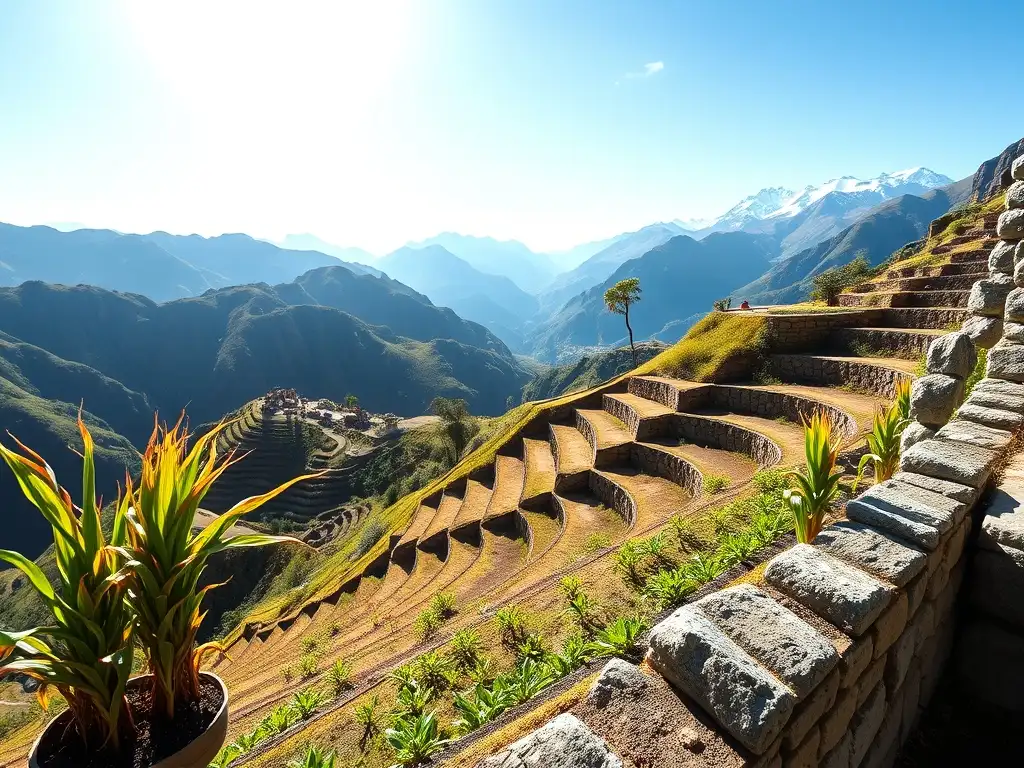
Unravel the mysteries of a civilization that defied the odds! Journey into the heart of the Andes and discover the ingenuity of the Inca, a people who transformed harsh landscapes into thriving empires. Their mastery of Inca agricultural techniques in the Andes is just one piece of the puzzle—a testament to their remarkable adaptation and resilience. Prepare to be amazed as we delve into the captivating story of their remarkable achievements, from breathtaking architecture to sophisticated social structures. Explore the Andean Civilizations and unlock the secrets of their enduring legacy.
The Inca Empire, renowned for its sophisticated political organization and impressive architectural feats, also displayed remarkable ingenuity in adapting to the incredibly diverse and challenging environments of the Andes Mountains. From the high-altitude puna grasslands to the lush coastal valleys, the Inca successfully cultivated a vast and productive agricultural system, crucial to sustaining their large population and powerful empire. This article delves into the specific agricultural techniques employed by the Inca, highlighting their mastery of environmental engineering and resource management within the context of their governance and administration.
We will explore how these agricultural innovations not only ensured food security but also contributed to the stability and expansion of their empire. Understanding Inca agricultural practices provides invaluable insight into their overall societal structure and their remarkable ability to thrive in one of the world's most demanding geographical landscapes.
The success of Inca agriculture is a testament to their sophisticated understanding of their environment and their ability to implement effective solutions to the challenges it presented. This understanding is crucial to appreciating the full extent of Inca power and influence.
The Challenge of the Andean Landscape for the Inca Empire
The Andes Mountains present a formidable challenge for agriculture. The dramatic variation in altitude creates a wide range of microclimates, each with its unique set of challenges. Steep slopes, thin soils, unpredictable rainfall, and extreme variations in temperature all posed significant obstacles to food production.
The Inca faced these challenges head-on, developing innovative techniques to maximize agricultural output in diverse environments. For example, the high-altitude puna regions, characterized by cold temperatures, short growing seasons, and limited rainfall, required specialized techniques to cultivate even the hardiest crops. Lower altitudes, while potentially more hospitable, presented their own difficulties, such as dealing with heavy rainfall and potential flooding.
The Inca's success depended upon their ability to effectively manage these disparate conditions, a testament to their meticulous planning and advanced understanding of environmental factors. Their agricultural strategies were integral to the empire's political and social stability, demonstrating a close relationship between environmental adaptation and state power. The sheer scale of their agricultural achievements is remarkable, especially considering the tools and technology available to them at the time.
Inca Ingenuity: Adapting to Varied Andean Ecosystems
Inca agricultural ingenuity is best exemplified by their mastery of several key techniques. They developed sophisticated irrigation systems, including canals, terraces, and aqueducts, to channel water to crops across varied terrains. These systems were not merely simple channels; they were complex engineering feats, often carved into mountain slopes and designed to manage water flow efficiently, even in challenging terrain. This allowed them to cultivate crops in areas that would otherwise have been unsuitable for agriculture.
Furthermore, the Inca employed the technique of terracing extensively. Terraces transformed steep slopes into a series of level platforms, increasing the amount of arable land available and reducing soil erosion. These terraces were not just haphazardly built; they were carefully designed and constructed, often incorporating sophisticated drainage systems to prevent waterlogging. The scale of these terraced fields is breathtaking, a testament to the organized labor and sophisticated engineering capabilities of the Inca Empire.
Another crucial aspect of Inca agriculture was crop diversification. They cultivated a wide variety of crops adapted to different altitudes and microclimates, ensuring a reliable food supply even in the face of environmental variability. This included staple crops such as potatoes (with thousands of varieties! ), maize, quinoa, and beans, each suited to specific conditions.
Their careful selection and cultivation of diverse crops ensured food security and resilience against crop failures. The Inca's understanding of crop rotation and intercropping further enhanced productivity and soil health. This meticulous approach highlights their profound knowledge of agricultural science and its importance within their societal structure. Their success in adapting to the diverse environments of the Andes was a cornerstone of their political and economic power.
- The Challenge of the Andean Landscape for the Inca Empire
- Inca Ingenuity: Adapting to Varied Andean Ecosystems
- What innovative agricultural techniques did the Inca use in the Andes?
- How did the Inca adapt their agriculture to different altitudes in the Andes?
- What role did the waru waru system play in Inca agriculture?
- Beyond terracing and irrigation, what other methods did the Inca use to enhance their farming practices?
- How did Inca agricultural techniques contribute to their empire's success?
Inca Agricultural Techniques Andes: Mastering the Terrain
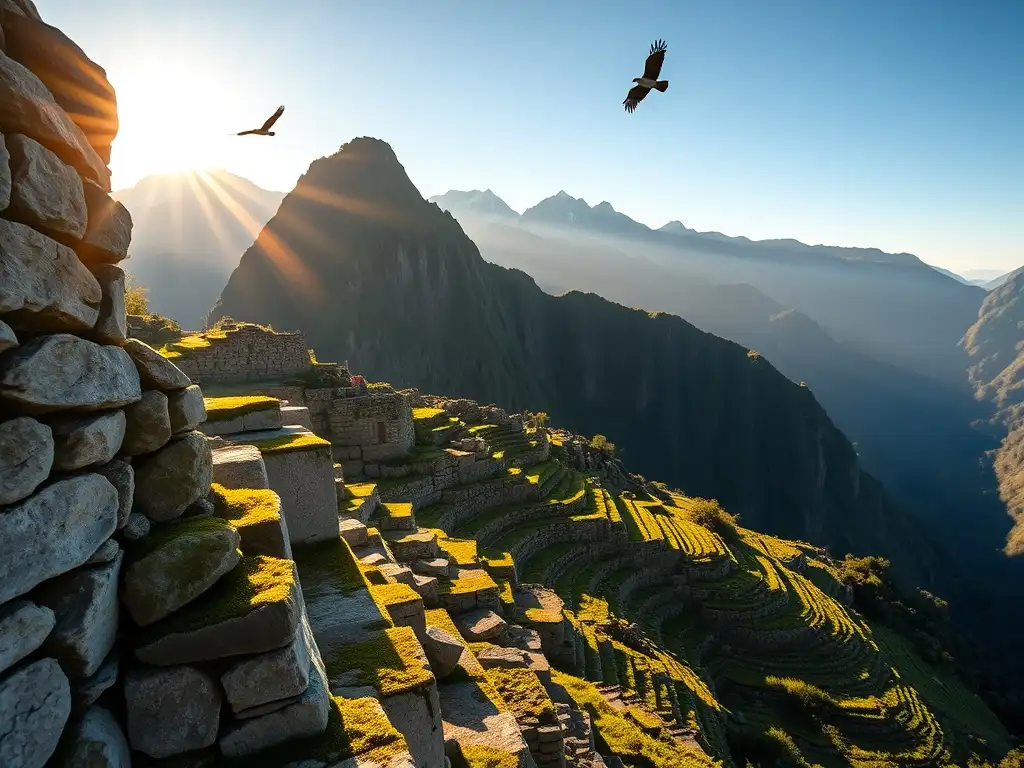
The Inca Empire's success hinged significantly on its mastery of agricultural techniques, a testament to their ingenuity in adapting to the diverse and challenging Andean environment. Their agricultural innovations, particularly in the face of steep slopes, scarce water resources, and varying altitudes, allowed them to create a remarkably productive and resilient food system. This section delves into the key strategies employed by the Inca, showcasing their sophisticated understanding of agriculture and its vital role in their societal structure and power. The term "Inca agricultural techniques Andes" perfectly encapsulates the unique relationship between the Inca civilization and their environment.
Terraced Farming: Maximizing Arable Land in the Andes
The most visually striking and arguably most impactful Inca agricultural innovation was their mastery of terraced farming. These meticulously constructed terraces transformed steep, otherwise unusable mountain slopes into productive farmland. By carving level platforms into the hillsides, the Incas dramatically increased the amount of arable land available for cultivation. This wasn't simply a matter of leveling land; it involved sophisticated engineering to ensure stability and efficient water management.
Construction of Inca Terraces: Engineering Marvels
The construction of Inca terraces was a monumental undertaking requiring immense labor and advanced engineering knowledge. Stone retaining walls, often built with precision and without mortar, supported the terraces, preventing soil erosion and creating level planting surfaces. The walls themselves were carefully designed, incorporating drainage systems to prevent waterlogging and ensure optimal soil conditions.
The size and scale of these projects varied significantly depending on the terrain and the available resources, but their consistent effectiveness speaks volumes about the Inca's engineering prowess. Evidence suggests that the construction involved a complex system of labor organization, likely incorporating the mita system – a form of mandatory public service.
Water Management in Terraced Agriculture: Irrigation Systems
Effective irrigation was critical to the success of terraced farming. The Incas developed sophisticated systems to channel water from rivers and streams to irrigate their terraces. Canals, aqueducts, and reservoirs were constructed to manage water flow, ensuring that crops received the necessary moisture, even during dry periods.
The design of these systems often incorporated ingenious techniques to control water pressure and distribute it evenly across the terraces. Careful observation of water flow and soil conditions was crucial to maintain the productivity of the agricultural system. The intricate network of canals and reservoirs exemplifies the Inca's deep understanding of hydrology and their ability to harness natural resources.
Andean Crop Diversification: Strategies for Food Security
Inca agricultural practices extended beyond terracing. They understood the importance of crop diversification for food security and resilience against crop failure. By cultivating a variety of crops adapted to different altitudes and microclimates, the Inca minimized the risk of widespread famine. This approach also provided a diverse and nutritious diet for the population.
Cultivation of Potatoes and Quinoa: Staple Andean Crops
Potatoes and quinoa are perhaps the most iconic examples of Andean crops cultivated by the Incas. Potatoes, with their remarkable adaptability to diverse altitudes and soil conditions, became a staple food source. The Incas cultivated numerous potato varieties, each suited to specific environmental conditions.
Similarly, quinoa, a highly nutritious grain, thrived in the harsh Andean environment, providing a vital source of protein and energy. The Inca's understanding of plant genetics and their ability to select and cultivate high-yielding varieties played a crucial role in their agricultural success. They developed sophisticated techniques for storing these crops for later use, ensuring food security throughout the year.
Adaptation of Crops to Different Altitudes: Vertical Agriculture
The Inca’s agricultural practices are often described as "vertical agriculture," reflecting their utilization of varying altitudes for cultivating different crops. Different crops thrive at different altitudes due to variations in temperature, sunlight, and rainfall. The Inca cleverly exploited this by cultivating specific crops at their optimal altitude. For example, cold-hardy crops were grown at higher altitudes, while warmer-climate crops were cultivated at lower elevations. This vertical approach maximized the utilization of available land and ensured a year-round supply of diverse food products. This sophisticated understanding of agro-ecology was a key element of the Inca Empire's success and stability.
Inca Agricultural Innovations: Beyond Traditional Farming
The Inca Empire's success wasn't solely reliant on conquering neighboring populations; their mastery of agriculture played a crucial role in their expansion and stability. Inca agricultural techniques in the Andes went far beyond simple farming practices. They developed sophisticated systems that allowed them to cultivate diverse crops in challenging terrains, leveraging their intimate understanding of the Andean environment.
This involved a deep knowledge of microclimates, soil types, and water management, resulting in innovative techniques that ensured food security for a vast and growing population. Their ingenuity allowed them to cultivate crops at different altitudes, exploiting the verticality of the Andes to maximize agricultural output. This wasn't just about survival; it was about creating a surplus that fueled their powerful empire.
The Inca's understanding of crop rotation and soil enrichment, though not fully documented in written form, is evident in the enduring agricultural practices still employed in the region today. Archaeological evidence shows the sophisticated use of terracing and other land modification techniques to optimize the use of available land. This demonstrates a deep understanding of sustainable agricultural practices, far surpassing the methods of many contemporary civilizations.
The Use of Canals and Aqueducts: Advanced Irrigation
Water, or rather the lack thereof, posed a significant challenge to agriculture in the arid and mountainous regions of the Andes. The Inca addressed this challenge by developing an intricate network of canals and aqueducts, some of which remain functional even today. These weren't simply ditches; they were complex engineering feats that involved diverting water from rivers and streams, often over considerable distances and across challenging terrain.
The construction required a precise understanding of hydraulics and a significant labor force, reflecting the Inca's sophisticated organizational capabilities and their commitment to agricultural productivity. The canals were carefully designed to distribute water efficiently to various fields, ensuring that crops received the necessary moisture even in dry seasons. The use of aqueducts allowed them to transport water to higher elevations, enabling the cultivation of crops in otherwise inaccessible areas.
The precise methods of construction, including the use of stonework and sophisticated channeling techniques, are still being studied by engineers and archaeologists today, highlighting the advanced nature of Inca engineering skills. The effectiveness of these systems is a testament to their expertise in water management and their understanding of the importance of irrigation for successful agriculture.
Storage Techniques for Surplus Production: Ensuring Food Supply
The Inca's success in agriculture wasn't limited to efficient cultivation; they also developed sophisticated storage techniques to preserve their surplus harvests. These techniques were vital for ensuring food security during times of drought or other unforeseen circumstances. The Inca built extensive networks of storehouses, known as qollqas, strategically located throughout their empire. These storehouses were often built into hillsides or cliffs, providing natural protection from the elements and potential threats.
The construction of these qollqas was meticulously planned, with ventilation systems designed to regulate temperature and humidity, preventing spoilage. The Inca stored a variety of crops, including maize, potatoes, quinoa, and beans, utilizing different preservation methods depending on the specific crop. These methods ranged from drying and salting to freezing at high altitudes.
The sophisticated system of storage and distribution allowed the Inca to maintain a consistent food supply for their vast population, even during lean years. The meticulous organization and planning involved in their storage techniques underscore their remarkable administrative and logistical capabilities, demonstrating their commitment to long-term food security. This system played a crucial role in supporting the Inca Empire’s growth, military power, and overall stability.
Inca Infrastructure and Engineering: Overcoming Geographical Barriers
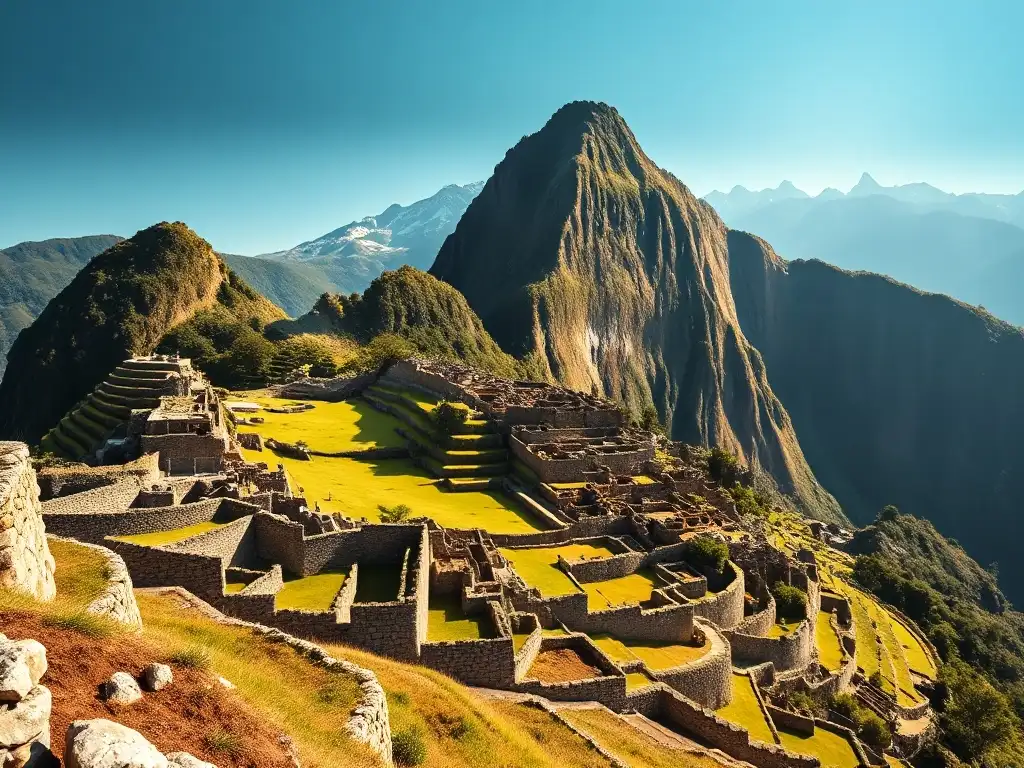
The Inca Empire's success wasn't solely due to its political organization and military prowess. A crucial factor in its expansion and longevity was its mastery of infrastructure and engineering, allowing them to thrive in the incredibly diverse and challenging Andean environment.
Their ingenuity in adapting to the steep slopes, high altitudes, and unpredictable weather patterns is a testament to their advanced understanding of engineering principles and their deep connection to the land. This section will examine key aspects of Inca infrastructure, focusing on how they overcame geographical barriers to create a vast and interconnected empire.
The ingenuity demonstrated in their road networks, urban planning, and architectural techniques showcases their remarkable ability to harness the resources available to them, resulting in impressive feats of engineering that continue to fascinate us today. The phrase "Inca agricultural techniques Andes" is often used, but the sophisticated infrastructure also played a vital role in supporting agriculture and overall societal development.
Road Networks: Connecting the Vast Inca Empire
The Inca road system, known as the Qhapaq Ñan, is considered one of the greatest engineering achievements of the pre-Columbian era. This extensive network of roads stretched over 40,000 kilometers, connecting the vast Inca Empire from present-day Colombia to Argentina. The roads weren't simply paths; they were meticulously planned and constructed to facilitate communication, trade, and military movements across diverse terrains. Their construction involved overcoming significant obstacles, including steep mountain passes, deep ravines, and dense forests.
The Qhapaq Ñan: A Testament to Inca Engineering
The Qhapaq Ñan wasn't a single road but a complex system of interconnected pathways, varying in width and quality depending on their function and location. Main roads were wider and paved with stone, while smaller roads served local communities. The Inca engineers demonstrated remarkable skill in adapting their construction techniques to the specific geographical conditions.
In mountainous regions, they utilized sophisticated techniques such as terracing and retaining walls to stabilize the roadbeds and prevent landslides. The use of local materials, such as stone, earth, and wood, ensured the roads blended seamlessly with the surrounding landscape. The ingenuity of the Qhapaq Ñan is particularly evident in its ability to withstand the harsh Andean climate and seismic activity for centuries.
The impressive durability of these roads is a testament to the Inca's understanding of engineering principles and construction methods. The strategic placement of tambos (roadside inns) along the Qhapaq Ñan provided essential resting places for travelers and facilitated the movement of goods and people throughout the empire.
Suspension Bridges and Tunnels: Navigating Difficult Terrain
The Inca's engineering skills were particularly evident in their construction of suspension bridges and tunnels. Suspension bridges, often made from woven fibers and anchored to cliffs, allowed them to span deep ravines and rivers, overcoming geographical barriers that would have been insurmountable using other methods. Tunnels, carved through mountainsides, provided safe passage through treacherous terrain, showcasing their mastery of rock-cutting techniques.
These feats of engineering are particularly impressive given the limited technology available to them. The design and construction of these structures required a detailed understanding of physics and engineering principles, demonstrating the advanced level of technical knowledge within the Inca society. The meticulous planning and execution of these projects highlight the importance of infrastructure in connecting different parts of the empire and facilitating economic and social interactions.
Urban Planning in the Andes: Adapting to the Environment
Inca urban planning demonstrates a deep understanding of the environment and a commitment to creating sustainable and functional cities. Their cities were carefully designed to integrate with the landscape, utilizing natural features such as mountains and rivers to their advantage. The layout of cities reflected the Inca's hierarchical social structure, with the huaca (sacred site) often occupying a central position.
Inca Architecture: Building with Local Materials
Inca architecture is characterized by its use of local materials and its adaptation to the environment. They skillfully employed stone, adobe, and wood to create structures that were both aesthetically pleasing and structurally sound. The precision and craftsmanship of Inca stonework are legendary, with stones often fitted together so tightly that a blade cannot be inserted between them. This technique, combined with their understanding of seismic activity, resulted in structures that were remarkably resistant to earthquakes.
The use of local materials not only reduced construction costs but also minimized the environmental impact of their building activities. The integration of architecture with the surrounding landscape is a hallmark of Inca urban planning, reflecting their deep understanding of the natural world. The careful selection and placement of buildings demonstrate a conscious effort to create a harmonious relationship between the built environment and the natural setting.
Adaptations to Seismic Activity: Earthquake-Resistant Structures
The Andes are a seismically active region, and the Inca were well aware of the risks associated with earthquakes. Their architectural techniques reflect a sophisticated understanding of seismic engineering principles. The use of interlocking stones, lightweight materials, and flexible foundations helped to absorb seismic shocks and prevent structural collapse.
The Inca's awareness of seismic activity is evident in their construction practices, including the use of smaller stones in upper stories of buildings to reduce weight and the incorporation of architectural features that allowed for some movement during an earthquake. Their ability to build earthquake-resistant structures is a remarkable achievement, highlighting their advanced knowledge of engineering principles and their understanding of the natural hazards of their environment. The durability of many Inca structures that have survived centuries of seismic activity is a testament to their engineering expertise and their commitment to building sustainable and resilient communities.
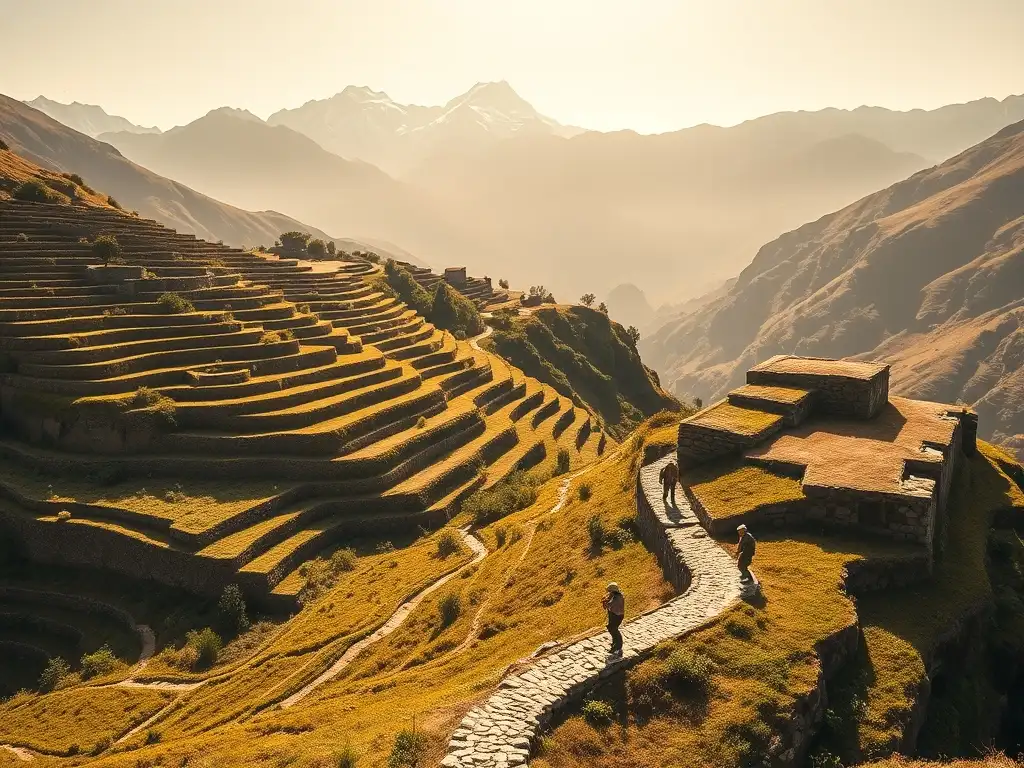
The Inca Empire's remarkable success in the challenging Andean environment stemmed not only from sophisticated agricultural techniques but also from a highly organized social structure meticulously designed for resource management and efficient labor allocation. This intricate system, far from being a simple top-down hierarchy, involved a complex interplay of communal participation and state control, ensuring the survival and prosperity of the empire.
Understanding this social organization is crucial to appreciating the full extent of Inca ingenuity in adapting to the diverse environments of the Andes. The Inca's mastery of "Inca agricultural techniques Andes" was intrinsically linked to this social framework.
The Mita System: Labor and Resource Allocation
The mita system was the cornerstone of Inca resource management. It wasn't simply forced labor, but a complex system of reciprocal obligations. Able-bodied citizens were required to contribute a portion of their time to public works projects, including agricultural endeavors like terracing, irrigation canal construction and maintenance, and harvesting. The duration and nature of mita service varied depending on factors such as the individual's skills, location, and the season. For example, during planting and harvest seasons, a significant portion of the population would be involved in agricultural mita, ensuring efficient cultivation of crops across the vast empire.
The system wasn't solely focused on agriculture. Mita also contributed to the construction of roads, temples, and other infrastructure projects vital for the empire's functioning. This integrated approach ensured a continuous flow of resources and labor towards projects beneficial for the entire population. Records of mita assignments, while unfortunately incomplete, suggest a carefully planned allocation of labor based on regional needs and seasonal demands. Further research into surviving administrative records could reveal more specific details about the allocation process and its efficiency.
The Role of the Inca State in Agricultural Production
While communal labor was central to Inca agriculture, the state played a crucial, coordinating role. The Inca government oversaw the allocation of land, the development and maintenance of irrigation systems, and the distribution of agricultural surpluses. They established standardized farming techniques and crop varieties adapted to different altitudes and microclimates, showcasing a profound understanding of Andean ecology. This centralized control ensured consistent agricultural output and efficient resource distribution across the vast and diverse empire.
The state also managed storage facilities ( qollqas) strategically located throughout the empire. These storehouses served as buffers against crop failures and ensured food security during lean times. The management of these stores involved detailed record-keeping and a sophisticated system of distribution, highlighting the Inca state's commitment to long-term planning and sustainable resource management. The effective implementation of "Inca agricultural techniques Andes" was directly influenced by this state intervention.
Communal Labor and the Inca Economy: Supporting the Empire
The Inca economy wasn't based on individual wealth accumulation but on communal cooperation and redistribution. Agricultural production, facilitated by communal labor and state oversight, formed the backbone of this economy. Surpluses from communal farms were channeled to support the state, the religious elite, and those unable to work. This redistribution system ensured social stability and minimized the risk of widespread famine.
The integration of ayllu (kinship-based communities) into the broader imperial structure ensured that agricultural labor was efficiently organized and coordinated. The ayllu acted as the primary unit of social organization, managing local resources and contributing to larger imperial projects. This decentralized yet integrated approach allowed for flexibility and adaptation to local conditions while ensuring the overall success of the empire's agricultural strategy.
The effectiveness of "Inca agricultural techniques Andes" relied significantly on the efficient cooperation within and between these communities. Further research is needed to quantify the exact contribution of ayllu labor to the overall agricultural output of the Inca Empire.
The Legacy of Inca Adaptations in the Andes
The Inca Empire's success hinged significantly on its mastery of adapting to the diverse and challenging Andean environment. Their ingenuity in agriculture, infrastructure, and resource management provided a blueprint for survival and prosperity that continues to resonate in the Andes today. Understanding their techniques offers valuable insights into sustainable practices and resilient community development, particularly relevant in the face of modern environmental challenges. This section will explore the lasting impact of Inca adaptations, focusing on their agricultural practices and engineering prowess.
Sustainable Agricultural Practices: Lessons from the Past
Inca agricultural techniques in the Andes were nothing short of remarkable. Faced with steep slopes, varying altitudes, and unpredictable weather patterns, they developed sophisticated methods to maximize food production. The waru waru system, for instance, exemplifies their ingenuity. This ingenious raised-bed agriculture involved creating interconnected, elevated planting beds separated by irrigation canals. This system not only improved drainage and soil aeration but also regulated water temperature, extending the growing season and increasing crop yields. This system is still practiced in some Andean communities today, demonstrating its enduring value.
Furthermore, the Inca’s understanding of terracing was pivotal. They meticulously carved terraces into the mountainsides, creating flat surfaces for cultivation even on the steepest inclines. These terraces not only increased arable land but also reduced soil erosion and conserved water. The precise orientation of these terraces, often aligned with the sun's path, further optimized sunlight exposure for different crops.
Evidence suggests that the Inca meticulously selected crops suited to specific altitudes and microclimates, demonstrating a deep understanding of ecological principles. Their mastery of crop rotation and diversification further ensured soil fertility and resilience against crop failures. This holistic approach to agriculture contributed significantly to the empire's food security and population growth. The Inca’s legacy in sustainable agricultural practices continues to inspire modern efforts towards environmentally friendly farming methods in the Andes and beyond.
The Impact of Inca Engineering on Modern Andean Societies
Inca engineering feats are not limited to agriculture. Their remarkable infrastructure, including roads, bridges, and irrigation systems, played a crucial role in their societal organization and economic prosperity. The extensive network of roads, often paved and meticulously maintained, facilitated communication, trade, and the movement of troops across the vast empire. These roads, some of which still exist today, demonstrate their advanced understanding of civil engineering and their commitment to connecting diverse regions.
Similarly, their mastery of hydraulic engineering is evident in the intricate irrigation systems that channeled water to agricultural areas. These systems, including canals, aqueducts, and tunnels, ensured a reliable water supply even in arid regions. The Inca's ability to manage water resources efficiently continues to inspire modern water management strategies in the Andes, particularly in the face of increasing water scarcity.
The resilience and longevity of some of these Inca-built structures underscore the quality of their construction and materials, offering valuable lessons for modern construction techniques. Their understanding of structural engineering, evident in their impressive stonework, continues to fascinate and inspire engineers today. The precision and durability of their buildings, even after centuries of weathering, are testaments to their advanced knowledge of architecture and building techniques.
Future Research and Studies on Inca Adaptations
Despite significant progress, much remains to be discovered about Inca adaptations to the Andes. Future research should focus on several key areas. Firstly, a more comprehensive understanding of the specific techniques employed in different ecological zones is needed. This includes detailed analysis of soil management practices, crop selection strategies, and water resource management techniques in various altitudes and climates.
Further research into the social organization and labor systems that supported these large-scale engineering projects is also crucial. How did the Inca mobilize and organize the workforce required for building their extensive infrastructure? What were the social and economic implications of these projects?
Furthermore, the impact of climate change on Inca agricultural practices and infrastructure requires in-depth study. How did the Inca adapt to climate variability, and what lessons can we learn from their strategies for mitigating the effects of climate change? Finally, a comparative analysis of Inca technologies with those of other Andean civilizations is necessary to fully understand the unique aspects of Inca ingenuity.
By combining archaeological evidence with ethnobotanical studies and historical accounts, we can gain a more complete picture of the Inca's remarkable adaptations and their enduring legacy. This interdisciplinary approach will provide invaluable insights into sustainable development and resilience in the face of environmental challenges, and will contribute to a deeper appreciation of the Inca’s remarkable achievements.
Frequently Asked Questions
What innovative agricultural techniques did the Inca use in the Andes?
The Inca employed a variety of techniques, including terracing to create level farming plots on steep slopes, irrigation systems to channel water to crops, and waru waru (raised-field agriculture) to improve drainage and retain moisture. These methods allowed them to cultivate diverse crops in challenging environments.
How did the Inca adapt their agriculture to different altitudes in the Andes?
The Inca's agricultural practices varied depending on altitude. They cultivated different crops suited to specific elevations, from potatoes and quinoa at higher altitudes to maize and coca in lower, warmer regions. Verticality was key to their agricultural success.
What role did the waru waru system play in Inca agriculture?
Waru waru involved creating raised fields separated by canals. This system improved water management, soil fertility, and frost protection, significantly increasing crop yields even in harsh Andean climates.
Beyond terracing and irrigation, what other methods did the Inca use to enhance their farming practices?
In addition to major techniques, the Inca used fertilizers (like guano), crop rotation, and selective breeding to improve crop yields and adapt to different conditions across the Andes. They also developed a vast network of storage facilities.
How did Inca agricultural techniques contribute to their empire's success?
The Inca's sophisticated agricultural practices were crucial to their empire's growth and stability. By efficiently producing food in diverse environments, they supported a large and densely populated empire, contributing greatly to their power and longevity.
Final Reflection: Echoes of Ingenuity: The Enduring Legacy of Inca Agriculture
The ingenious agricultural techniques developed by the Inca remain a powerful testament to human adaptability, a beacon of sustainable practices urgently needed in our era of climate change and resource scarcity. Their mastery of diverse Andean environments offers invaluable lessons for modern agriculture, highlighting the potential for innovative solutions to global food security challenges. The sophisticated systems they created, from terraced farming to sophisticated irrigation, are not just historical artifacts; they are blueprints for a more resilient future.
The Inca's profound understanding of their environment and their ability to harness its resources continues to inspire awe and serves as a potent reminder of the interconnectedness between human societies and the natural world. Their achievements underscore the importance of respecting ecological balance and the power of collective action in overcoming environmental obstacles. The Inca were not merely conquerors, but master engineers of their landscape, transforming seemingly inhospitable terrain into thriving agricultural centers.
This perspective shifts our understanding of "progress" beyond technological advancement to encompass a harmonious relationship with the environment.
Consider the ingenuity of the Inca, their deep respect for the land, and their commitment to sustainable practices. You too can cultivate a deeper appreciation for the delicate balance of nature and explore ways to integrate sustainable practices into your own life. Whether it's supporting local farmers, reducing your environmental footprint, or simply learning more about the innovative solutions of past civilizations, you can contribute to a future where human ingenuity and environmental stewardship work hand-in-hand. Let the legacy of Inca agriculture inspire you to build a more sustainable and equitable world.
Unveil the Secrets of Inca Resilience!
Thank you for exploring the fascinating world of the Inca civilization! Your interest in their remarkable adaptations reveals the ingenuity and strength of this ancient society. Let's delve deeper into this captivating history!
- Explore local resources: Visit local museums and cultural centers to learn more about Inca innovations and their lasting impact on your community.
- Join the discussion: Share your thoughts and insights on Inca ingenuity in our online forum—let's exchange ideas and deepen our collective understanding.
- Share your discoveries: Invite friends and family to explore this topic with you—discuss what aspects of the Inca's relationship with their environment surprised you most.
What Inca innovation do you believe is most relevant to today's sustainability challenges?