
The Call of the Andes: Why You Should Experience This Cultural Treasure

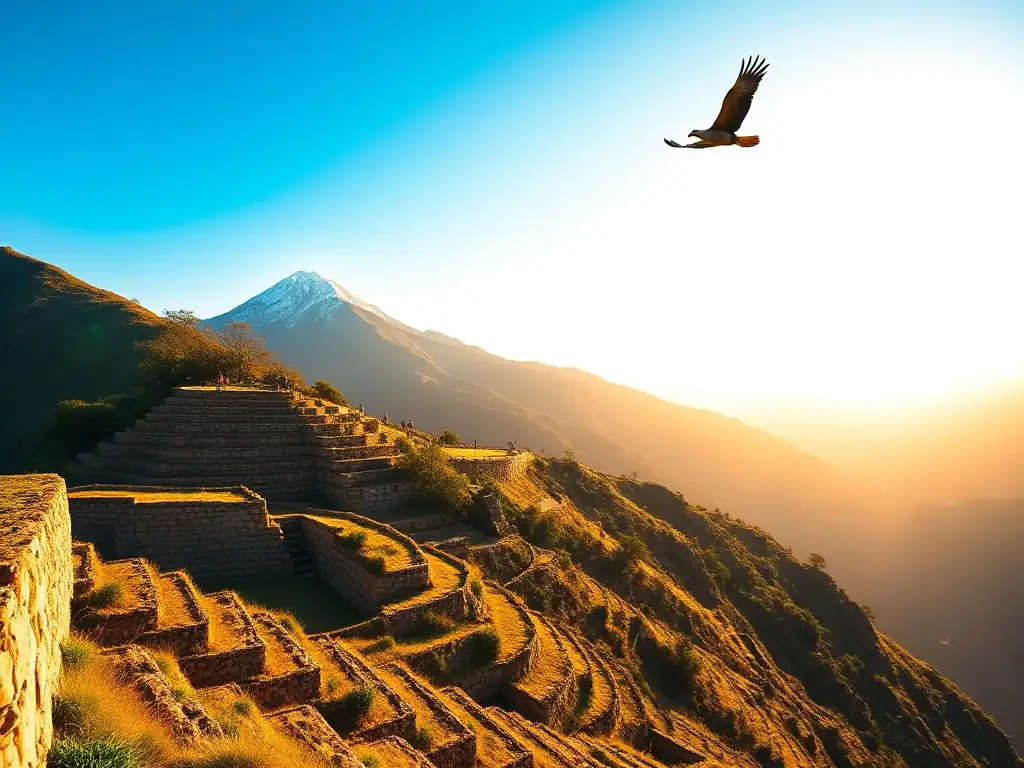
Step into a world lost to time, yet echoing with vibrant life. Imagine trekking through breathtaking landscapes, where the whispers of the Ancient Andean civilizations still linger in the air. This isn't just history; it's a journey waiting to unfold. Discover why Ancient Andean civilizations travel should be at the top of your adventure list, and unlock the secrets of a culture that continues to captivate the world. Prepare to be amazed.
The majestic Andes Mountains, a spine of rock and ice running down the western coast of South America, hold within their breathtaking landscapes a legacy of unparalleled cultural richness. For centuries, vibrant civilizations thrived in these challenging yet fertile lands, leaving behind an astonishing tapestry of art, architecture, engineering marvels, and deeply spiritual traditions.
This article delves into the compelling reasons why experiencing the wonders of the Ancient Andean civilizations should be at the top of your travel list, offering a unique journey through time and a profound connection with a captivating past relevant to understanding our present. From the intricate textiles of the Nazca to the sophisticated urban planning of the Inca, a trip focused on Ancient Andean civilizations travel promises an unforgettable adventure that transcends mere sightseeing; it's a pilgrimage into the heart of a fascinating and enduring cultural heritage.
Prepare to be captivated by the stories etched in stone, woven into fabric, and whispered on the wind across the high plains.
Unveiling the Majesty of Ancient Andean Civilizations
The Andes weren't just a backdrop; they were the very foundation of these remarkable societies. The ingenuity of these ancient peoples in adapting to the diverse and often harsh environments is truly awe-inspiring. Consider the intricate agricultural systems they developed, utilizing terraces, irrigation canals, and sophisticated farming techniques to cultivate crops at varying altitudes.
These were not simply survival strategies; they were expressions of a deep understanding of their environment and a testament to their collective intelligence. The sheer scale of some of their achievements, like the impressive road networks of the Inca Empire, remains a marvel of ancient engineering. Furthermore, the artistic expressions of these civilizations, from the vibrant pottery of the Moche depicting scenes of daily life and ritual to the enigmatic Nazca Lines etched into the desert floor, continue to inspire awe and wonder.
The sheer diversity of these cultures – each with its own unique artistic style, religious beliefs, and social structures – makes exploring the Ancient Andean civilizations a truly enriching experience. Understanding these civilizations allows us to appreciate the complexity and resilience of human societies throughout history. The cultural impact of these ancient Andean civilizations is still palpable today, influencing the art, traditions, and languages of modern Andean communities.
Journey Through Time: Exploring the Legacy of the Andes
Planning a trip focused on Ancient Andean civilizations travel offers a unique opportunity for immersive cultural experiences. Beyond the archaeological sites, you'll find yourself surrounded by a living legacy. Many modern Andean communities maintain traditions and customs that are directly linked to their ancient ancestors.
Witnessing these living traditions, participating in local festivals, and interacting with the people who call the Andes home adds another layer of depth and meaning to your journey. Imagine exploring the breathtaking ruins of Machu Picchu, feeling the weight of history as you walk among the ancient stones, or standing in awe before the intricate textiles of a local artisan. The journey isn't just about seeing; it's about feeling, understanding, and connecting with a history that continues to resonate today.
The experience is not only visually stunning but also deeply enriching, offering a profound appreciation for the human spirit's ability to adapt, innovate, and create beauty in even the most challenging circumstances. Consider the vastness of the landscape, the intricate details of the artifacts, and the enduring strength of the cultural legacy – a trip to the Andes is a journey into the heart of human history itself.
- Unveiling the Majesty of Ancient Andean Civilizations
- Journey Through Time: Exploring the Legacy of the Andes
- What makes the Ancient Andean civilizations so unique?
- Are there many sites to visit related to Ancient Andean civilizations?
- What is the best time of year to travel to the Andes to see these sites?
- How accessible are the Ancient Andean sites for travelers?
- What should I pack for a trip focused on Ancient Andean civilizations?
Why Travel to Experience Ancient Andean Civilizations?
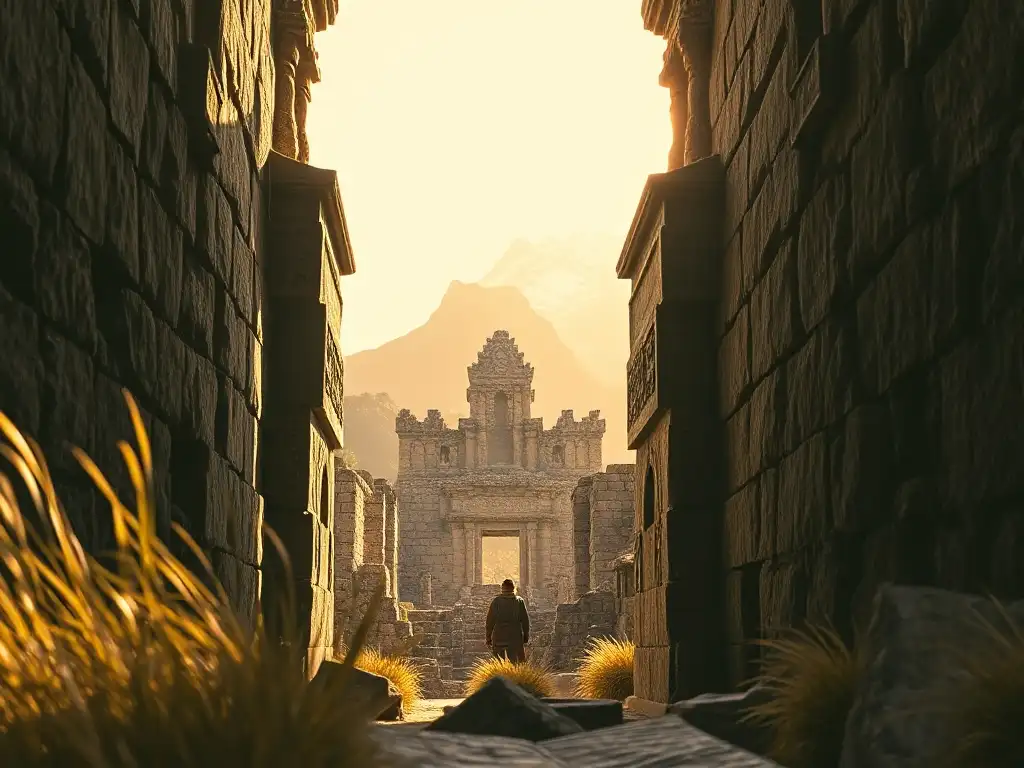
Exploring the ancient Andean civilizations offers a unique and unparalleled travel experience. It's more than just sightseeing; it's a journey through millennia of human history, ingenuity, and cultural richness. Unlike many other ancient civilizations, the Andes' legacy is deeply interwoven with the present-day landscape and culture. You're not just observing remnants of the past; you're experiencing a living history, a vibrant tapestry woven from threads of Inca, Moche, Nazca, and Tiahuanaco traditions.
This tangible connection to the past makes Andean travel a truly immersive and transformative experience, offering a profound understanding of human resilience, innovation, and the enduring power of culture. The sheer scale and breathtaking beauty of the sites, combined with the captivating stories they tell, create an unforgettable adventure for any curious traveler seeking authentic cultural immersion. This unique opportunity to connect with Ancient Andean civilizations makes it a top choice for culturally enriching travel.
Immersive Cultural Experiences in the Andes
The Andes Mountains aren't just a backdrop; they are integral to the experience of exploring these ancient civilizations. Many sites are nestled high in the mountains, offering stunning vistas alongside incredible archaeological discoveries. Beyond the famous sites, you'll find smaller, less-visited communities that still maintain many traditional Andean practices.
These include vibrant textile traditions, unique musical styles, and captivating ceremonies. Participating in these activities provides a deeper understanding of the cultural continuity that connects the past to the present. For example, you might witness a traditional Andean ceremony involving music, dance, and offerings to the Apus (mountain spirits), a direct link to ancient Andean spiritual beliefs.
You could also participate in a weaving workshop, learning techniques passed down through generations, adding a hands-on, authentic dimension to your Ancient Andean civilizations travel. The immersive nature of these experiences goes far beyond simply seeing the ruins; it allows you to feel the pulse of the Andean culture, fostering a deeper appreciation for its enduring legacy. The opportunity to learn traditional crafts, like pottery or textile making, provides a unique and engaging way to connect with the culture.
Discovering Machu Picchu: A Traveler's Dream
Machu Picchu, the iconic "Lost City of the Incas," is undoubtedly a highlight of any Ancient Andean civilizations travel itinerary. However, the experience goes beyond the breathtaking views and majestic stonework. Understanding the history and purpose of Machu Picchu requires delving into the Inca Empire's sophisticated engineering, agricultural practices, and social organization.
The city's strategic location, its intricate water management systems, and the evidence of its complex social structure all contribute to a deeper appreciation of Inca ingenuity. Planning your visit requires careful consideration, including booking permits well in advance to manage the high volume of tourists. Exploring the various sections of Machu Picchu, from the agricultural terraces to the royal quarters, reveals a fascinating glimpse into the daily life of the Inca people.
Consider a guided tour to gain a deeper understanding of the site's history and significance, unlocking the secrets hidden within its stones. The sheer scale of the site, its preservation, and its stunning location in the cloud forest make it a truly unforgettable experience.
Witnessing Architectural Marvels of Andean Cultures
The architectural achievements of the ancient Andean civilizations are nothing short of astonishing. From the precise stonework of Machu Picchu to the monumental structures of Tiahuanaco, these sites demonstrate a remarkable understanding of engineering and construction techniques. The precision and artistry involved in creating these structures, many built without the use of mortar, is a testament to the skill and knowledge of the ancient Andean builders.
Consider comparing the different architectural styles across various cultures: the intricate designs of the Nazca lines, the monumental structures of Tiahuanaco, and the sophisticated urban planning of Cusco all showcase the diverse cultural expressions of the region. Analyzing these differences reveals the unique characteristics and ingenuity of each civilization, enriching the overall experience of Ancient Andean civilizations travel.
Understanding the materials used, the construction methods employed, and the symbolic meaning embedded within the architecture enhances the appreciation for these remarkable feats of engineering and artistic expression. The sheer scale and complexity of these structures leave a lasting impression, showcasing the advanced knowledge and sophistication of these ancient societies.
The Diverse Tapestry of Andean Cultures
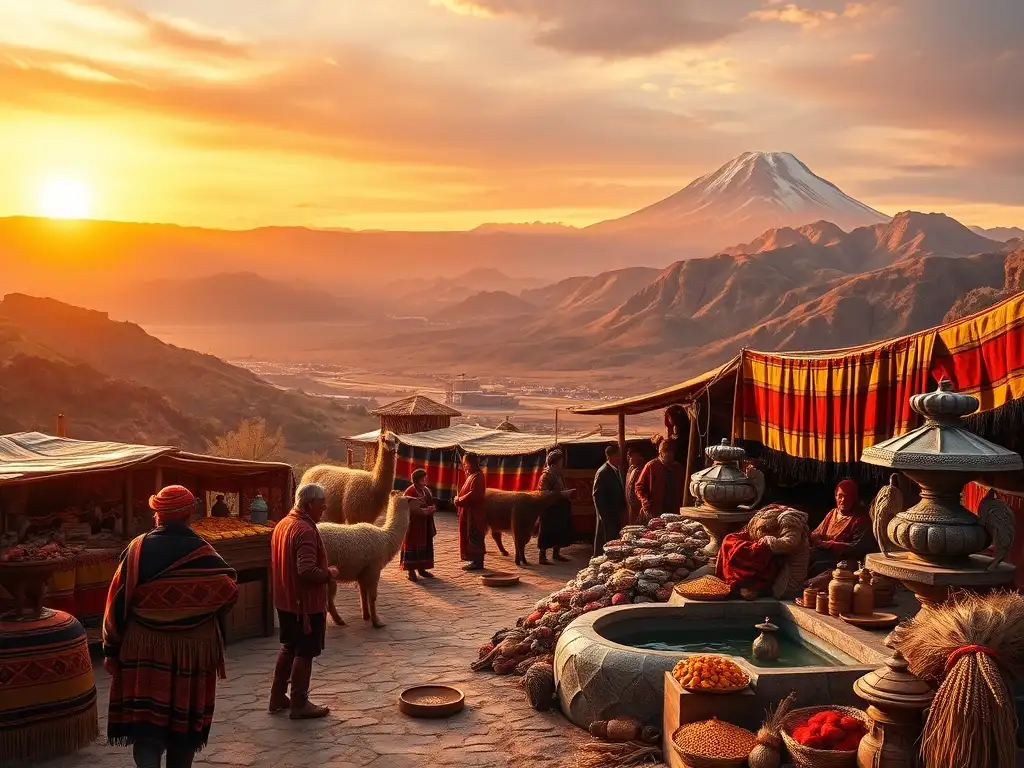
The Andes Mountains, a spine of towering peaks running down the western coast of South America, cradled a remarkable diversity of ancient civilizations. While the Inca Empire often dominates narratives surrounding Andean history, a deeper dive reveals a vibrant tapestry of cultures, each with unique artistic expressions, technological advancements, and societal structures. Understanding this diversity is crucial to appreciating the richness and complexity of the region's past and why it remains a compelling destination for "Ancient Andean civilizations travel."
The legacies of these cultures are still visible today, woven into the landscape and the lives of modern Andean communities. This section will explore three of these fascinating civilizations: the Inca, the Moche, and the Nazca, highlighting their distinct contributions to the region's cultural heritage.
The Inca Empire: Power and Engineering Prowess
The Inca Empire, at its zenith in the 15th and early 16th centuries, controlled a vast territory stretching along the Andes from present-day Colombia to Chile. Their mastery of engineering is breathtaking, evident in their impressive road systems, meticulously crafted stonework, and sophisticated agricultural techniques. The Inca utilized a complex system of qhapaq ñan, or royal roads, that spanned thousands of kilometers, connecting distant parts of the empire and facilitating trade and communication. These roads, often carved into mountain sides, were marvels of engineering, showcasing the Inca's understanding of terrain and construction.
The Inca's skill in stonework is equally remarkable. Their ability to fit stones together without mortar, creating seamless walls that have withstood the test of time, is a testament to their precision and expertise. Examples of this skill can be found throughout the empire, from the iconic Machu Picchu to smaller, less-visited sites. This precision wasn't merely aesthetic; it was integral to their architectural stability and reflects a deep understanding of structural engineering.
Furthermore, the Inca developed sophisticated agricultural techniques to overcome the challenges of the mountainous terrain. They created terraces on steep slopes, allowing for efficient farming in otherwise unusable land. These terraces, often irrigated through intricate canal systems, provided a reliable food supply for the growing population. Their agricultural innovations were critical to their empire's success and demonstrate a profound connection to their environment. The impact of Inca engineering on "Ancient Andean civilizations travel" is undeniable, drawing visitors to witness these incredible feats of human ingenuity.
Moche Art and Ritual: Unveiling Ancient Secrets
The Moche civilization (c. 100-800 CE) flourished on the northern coast of Peru. Known for their striking pottery, the Moche left behind a rich artistic legacy that offers valuable insights into their society and beliefs. Their ceramics are renowned for their intricate detail, vibrant colors, and realistic depictions of human figures, animals, and mythological scenes. These artifacts provide a window into Moche daily life, religious practices, and warfare.
Moche pottery often portrays scenes of ritual sacrifices, suggesting the importance of religious ceremonies in their society. The depictions are not merely decorative; they offer clues to their complex cosmology and social hierarchy. The level of detail in the pottery, particularly in the rendering of human features and textiles, is astonishing. Many pieces depict elaborate headdresses, jewelry, and clothing, reflecting the sophistication of Moche artistry and the social status of the individuals portrayed.
The Moche also created impressive monumental architecture, including large pyramids and platforms. These structures were likely used for religious and ceremonial purposes. However, much about their societal organization and political structure remains a subject of ongoing research and investigation. The Moche civilization’s artistic achievements significantly contribute to the appeal of "Ancient Andean civilizations travel," allowing visitors to connect with a culture through its remarkable artistic legacy.
Nazca Lines: Mysterious Geoglyphs of the Andes
The Nazca Lines, located on the arid coastal plain of southern Peru, are a series of massive geoglyphs etched into the desert surface. These enigmatic figures, ranging from simple lines and geometric shapes to representations of animals and plants, were created by the Nazca culture (c. 100 BCE – 800 CE). Their purpose remains a source of ongoing debate and fascination, contributing significantly to the allure of "Ancient Andean civilizations travel."
The sheer scale of the Nazca Lines is astounding. Some of the figures stretch for hundreds of meters, and their creation required a considerable amount of planning and labor. The lines were created by removing the dark reddish topsoil to reveal the lighter subsoil beneath, creating a striking contrast that is best appreciated from the air.
While their precise purpose remains unclear, several theories have been proposed. Some scholars suggest they were used for astronomical observations, others believe they served religious or ritualistic functions. The lines' complexity and the precision with which they were created suggest a sophisticated understanding of geometry and surveying.
Regardless of their intended purpose, the Nazca Lines stand as a testament to the ingenuity and cultural practices of the Nazca people and remain a compelling draw for those interested in exploring the mysteries of "Ancient Andean civilizations travel." The ongoing research and the enduring mystery surrounding their creation continue to captivate researchers and tourists alike.
Tiahuanaco: The Enigmatic City of the Gods
Tiahuanaco, located on the shores of Lake Titicaca in modern-day Bolivia, stands as a testament to the ingenuity and spiritual depth of a civilization that flourished between roughly 1500 BCE and 1000 CE. Its monumental architecture, intricate carvings, and enigmatic purpose continue to captivate archaeologists and tourists alike, making it a compelling destination for anyone interested in ancient Andean civilizations travel. The sheer scale of the structures is awe-inspiring.
Imagine standing before the Sun Gate, a massive stone structure adorned with intricate reliefs depicting a variety of figures and symbols, their meanings still debated by scholars today. The precision with which these massive stones were cut, transported, and fitted together is remarkable, showcasing an advanced understanding of engineering and stonework.
This mastery of construction is further evident in the Kalasasaya, a large platform structure that likely served as a ceremonial center. Its massive stones, some weighing over 100 tons, were precisely aligned to astronomical events, suggesting a deep understanding of the cosmos and its influence on their society.
The intricate carvings found throughout Tiahuanaco are another source of fascination. Depictions of stylized figures, mythical creatures, and complex symbols adorn the stone structures, hinting at a rich cosmology and complex social hierarchy. These carvings offer a glimpse into the religious beliefs and worldview of the Tiahuanaco people, revealing a society deeply connected to nature and the spiritual realm. While the precise meaning of many of these symbols remains elusive, ongoing research continues to shed light on their significance, making Tiahuanaco a living laboratory for the study of ancient Andean cultures.
The enigmatic nature of Tiahuanaco further enhances its allure. The city's sudden decline and abandonment remain a subject of much speculation, with various theories suggesting factors such as climate change, internal conflict, or external invasion. This mystery adds another layer of intrigue to the site, inviting visitors to embark on their own exploration and interpretation of this fascinating ancient city. The enduring legacy of Tiahuanaco is evident in its influence on subsequent Andean cultures, with its artistic motifs and architectural styles appearing in later civilizations.
Exploring Tiahuanaco offers a unique opportunity to connect with a truly ancient and enigmatic culture, making it a highlight for any "Ancient Andean civilizations travel" itinerary. The city's enduring mysteries, combined with its impressive architecture and rich history, make it an unforgettable destination for those seeking a deeper understanding of the Andean world. The experience is truly transformative, leaving visitors with a profound appreciation for the ingenuity and spiritual depth of this lost civilization.
Preparing for Your Andean Adventure
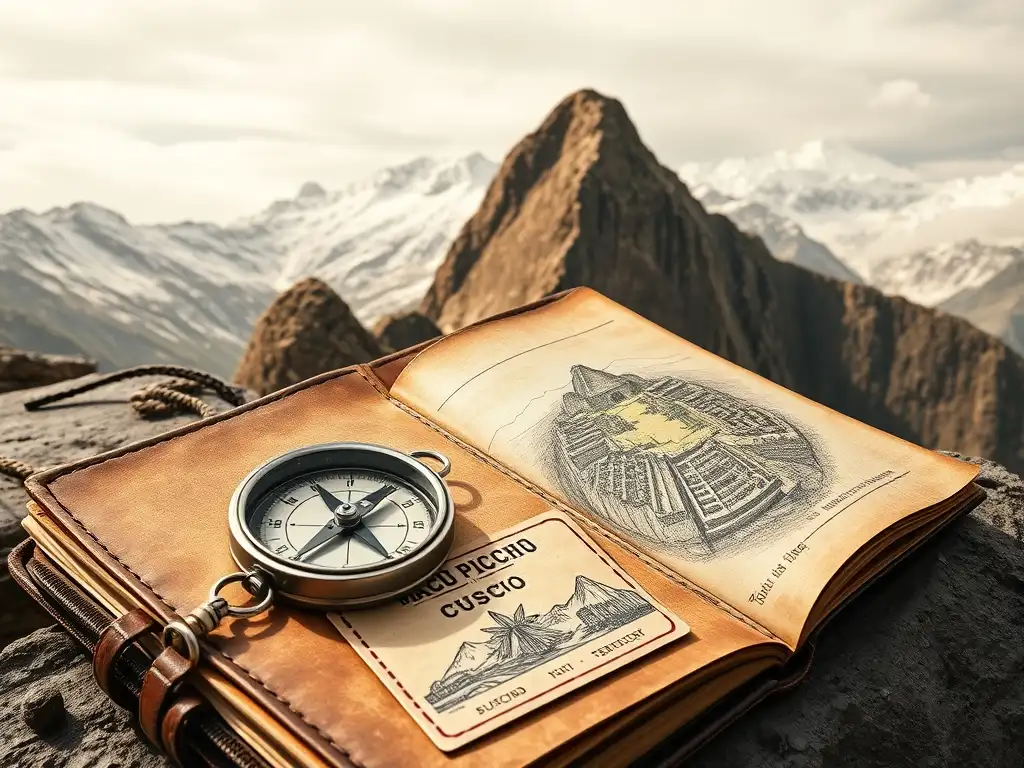
This section focuses on the practical aspects of planning your journey to experience the wonders of Ancient Andean civilizations. Thorough preparation ensures a richer, more respectful, and ultimately more rewarding travel experience. Successful Ancient Andean civilizations travel hinges on careful planning.
Best Times to Visit the Andes for Cultural Exploration
The Andes boast diverse microclimates, making the ideal travel time dependent on your specific destination and interests. Generally, the dry season (May to September) offers the best weather for trekking and exploring archaeological sites. The skies are clearer, providing optimal conditions for appreciating the breathtaking landscapes. However, this is also peak tourist season, so expect larger crowds and higher prices.
Conversely, the wet season (October to April) brings lush greenery and fewer crowds, but also increased rainfall and potential for trail closures. This period is ideal for those seeking a more secluded experience and don't mind occasional showers. Specific regions might experience different weather patterns. For instance, the coastal deserts might remain relatively dry even during the wet season, while the high Andes experience snowfall during the colder months.
Consider the specific locations you plan to visit when making your decision. Always check local weather forecasts closer to your travel dates for the most accurate predictions. Planning around local festivals can also enhance your cultural immersion, adding unique experiences to your Ancient Andean civilizations travel.
Essential Travel Tips for Exploring Andean Sites
Planning your Ancient Andean civilizations travel involves more than just booking flights and accommodation. Consider these essential tips for a smoother journey:
- Altitude Acclimatization: The Andes reach significant altitudes. Allow sufficient time to acclimatize to the thinner air, especially if you're visiting high-altitude sites like Machu Picchu. Gradual ascent and plenty of hydration are crucial. Symptoms of altitude sickness can range from mild headaches to more serious conditions. Be aware of the signs and take necessary precautions.
- Packing Appropriately: Pack layers of clothing suitable for varying temperatures. The weather can change dramatically, even within a single day. Sturdy hiking boots are essential, especially if you plan on trekking. Don't forget sunscreen, a hat, and sunglasses to protect yourself from the intense sun at high altitudes.
- Health and Safety: Consult your doctor about necessary vaccinations and medications. Travel insurance is highly recommended. Be aware of potential health risks, including altitude sickness, sunstroke, and insect-borne diseases. Stay informed about local safety guidelines and follow them diligently.
- Respecting Cultural Norms: Learning basic Quechua phrases can enhance your interactions with local communities. Be mindful of local customs and traditions. Respect sacred sites and avoid disturbing archaeological remains. Support local businesses and artisans whenever possible. Remember, responsible tourism is crucial for preserving the cultural heritage of the Andes.
Respectful Travel: Engaging with Local Communities
Ancient Andean civilizations travel shouldn't be solely about visiting historical sites; it should be about connecting with the living culture. Here's how to engage respectfully with Andean communities:
- Support Local Businesses: Choose locally owned hotels, restaurants, and tour operators. This directly benefits the community and helps preserve its cultural heritage. Buying handcrafted souvenirs from local artisans also contributes to their livelihoods.
- Learn Basic Quechua: While Spanish is widely spoken, learning a few basic phrases in Quechua, the native language of many Andean communities, demonstrates respect and can enhance your interactions.
- Ask for Permission: Before taking photographs of people, especially in rural areas, always ask for their permission. Respect their privacy and avoid intrusive behavior.
- Participate Respectfully in Ceremonies: If you have the opportunity to witness or participate in traditional ceremonies, do so with utmost respect and sensitivity. Observe local customs and avoid disruptive behavior.
- Leave No Trace: Respect the environment by leaving no trace of your visit. Dispose of your waste properly and avoid disturbing the natural landscape. Remember, you are a guest in their land and home. Responsible Ancient Andean civilizations travel ensures the longevity of this incredible cultural heritage for future generations. 🌎
The Impact of Tourism on Andean Cultural Heritage
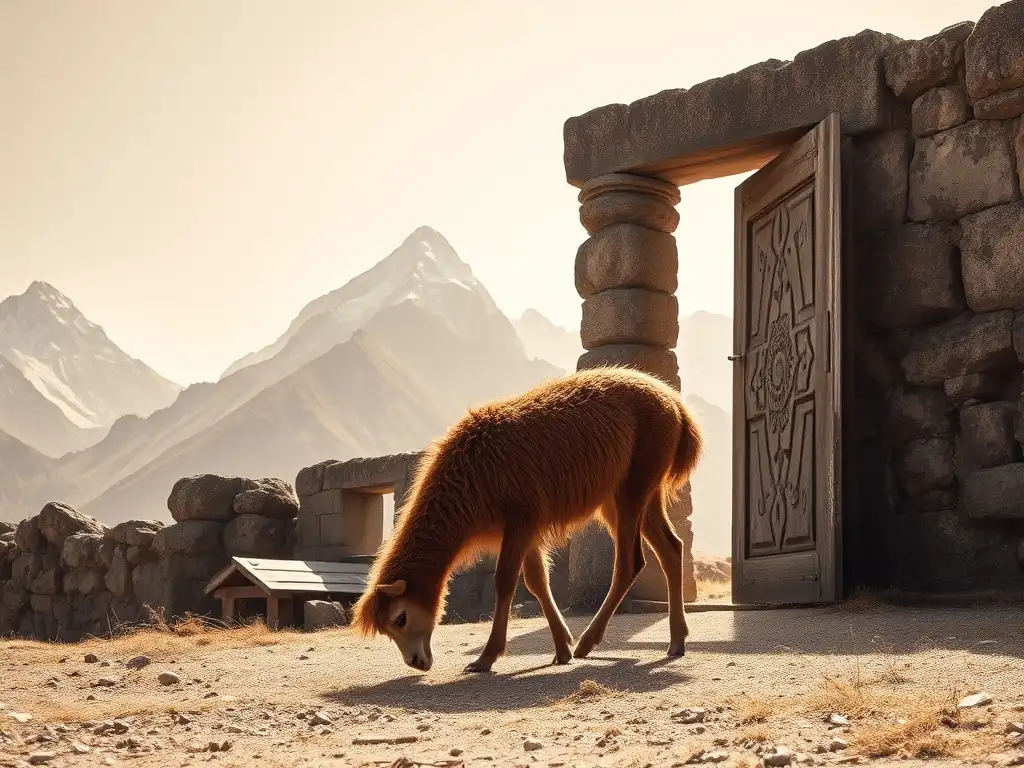
Tourism in the Andes presents a double-edged sword. While it offers significant economic opportunities for local communities and raises awareness of the region's incredible cultural heritage, unchecked growth can lead to detrimental consequences. The delicate balance between economic benefit and environmental and cultural preservation is a crucial challenge. Understanding this impact is vital for responsible travel planning and the long-term sustainability of Andean sites.
The influx of tourists, while boosting local economies, can also lead to overcrowding, damage to archaeological sites, and the erosion of traditional practices. For instance, the increased foot traffic at Machu Picchu has necessitated strict visitor management protocols to mitigate damage to the ancient Inca city's stonework and surrounding ecosystem. Similarly, the popularity of certain trekking routes can lead to environmental degradation if not carefully managed. Careful planning and responsible tourism practices are essential to minimize these negative impacts.
Sustainable Tourism Practices in the Andes
Sustainable tourism in the Andes focuses on minimizing negative impacts while maximizing positive contributions. This involves a multifaceted approach encompassing environmental protection, cultural respect, and economic empowerment of local communities. Key strategies include limiting visitor numbers to sensitive sites, implementing strict waste management systems, and promoting eco-friendly transportation options.
For example, the implementation of stricter limits on daily Machu Picchu entries exemplifies this approach. Furthermore, initiatives promoting the use of local guides and businesses directly benefit Andean communities, ensuring that tourism revenue is fairly distributed. Educating tourists about responsible travel etiquette, including respecting local customs and traditions, is equally crucial.
The development of community-based tourism projects, where local people are actively involved in managing and benefiting from tourism, is another vital component. This ensures that the benefits of tourism are shared equitably and contribute to the long-term preservation of Andean culture and the environment. Several organizations are actively working to promote sustainable tourism models in the region, providing training and support to local communities and businesses.
Preserving Ancient Sites for Future Generations
Preserving ancient Andean sites requires a comprehensive approach that combines scientific research, conservation efforts, and community engagement. Ongoing archaeological investigations provide crucial insights into the construction, use, and significance of these sites. This knowledge informs conservation strategies aimed at protecting the sites from deterioration due to natural processes or human activity.
For example, advanced techniques like laser scanning are used to create detailed 3D models of sites, allowing for meticulous monitoring of any changes or damage. These models are also valuable for educational purposes, allowing researchers and the public to virtually explore these sites without causing physical damage. Moreover, community involvement is paramount in ensuring the long-term protection of these sites.
Local communities often have traditional knowledge and a deep connection to these places, and their participation in conservation efforts is crucial for successful preservation. The creation of protected areas and buffer zones around these sites also helps safeguard them from encroachment and development.
Supporting Local Andean Communities Through Travel
Supporting local Andean communities through travel goes beyond simply visiting tourist hotspots. It requires a conscious effort to engage with local culture, businesses, and initiatives that directly benefit the community. This can involve choosing accommodations and restaurants owned and operated by locals, purchasing handcrafted souvenirs directly from artisans, and participating in community-based tourism projects.
For example, choosing to stay in a family-run guesthouse instead of a large international hotel will directly contribute to the local economy. Similarly, purchasing textiles woven by local artisans not only supports their livelihoods but also helps preserve traditional crafts. Engaging in activities that promote cultural exchange, such as attending local festivals or participating in traditional ceremonies (with appropriate respect and guidance), further supports the preservation of Andean traditions.
Supporting organizations that work to empower Andean communities through education, healthcare, and economic development is another way to contribute to their well-being. By making conscious choices, travelers can significantly contribute to the sustainable and ethical development of the Andean region.
Concluding Thoughts: Embrace the Andean Experience
The allure of the Ancient Andean civilizations extends far beyond dusty museum exhibits and textbook pages. It's a visceral experience, a journey into a world shaped by ingenuity, resilience, and a profound connection to the land. Exploring these sites isn't just about ticking off historical landmarks; it's about engaging with a living legacy. The echoes of past empires resonate in the vibrant cultures, breathtaking landscapes, and enduring traditions of modern-day Andean communities.
Understanding the intricate tapestry of Ancient Andean civilizations travel deepens appreciation for the human spirit's capacity for innovation and adaptation. This journey offers a unique opportunity to connect with something truly ancient and profoundly moving, fostering a deeper understanding of our shared human heritage. The call of the Andes is a call to adventure, discovery, and a profound connection with the past.
The Enduring Fascination with Ancient Andean Civilizations
The enduring fascination with Ancient Andean civilizations stems from several factors. First, the sheer scale and sophistication of their achievements continue to amaze. From the precise astronomical alignments of Machu Picchu to the intricate textiles of the Nazca, the evidence of advanced knowledge and artistry is undeniable.
These weren't simply isolated settlements; they were complex societies with sophisticated agricultural techniques, intricate social structures, and remarkable engineering feats. The mystery surrounding some aspects of their culture, such as the Nazca Lines, only adds to their intrigue, sparking ongoing research and debate. Secondly, the dramatic landscapes of the Andes themselves play a crucial role.
The imposing mountains, fertile valleys, and breathtaking vistas provide a stunning backdrop to the historical narrative, enhancing the sense of awe and wonder. Finally, the preservation of Andean traditions in modern communities creates a tangible link to the past, allowing visitors to experience the legacy of these civilizations firsthand through music, dance, textiles, and culinary traditions. This blend of archaeological marvels, stunning scenery, and vibrant cultural heritage makes Ancient Andean civilizations travel a truly unforgettable experience.
Creating Lasting Memories in the Andes
Planning your Ancient Andean civilizations travel requires careful consideration. Prioritizing responsible tourism is crucial. Support local communities by choosing locally owned accommodations and tour operators. Engage respectfully with cultural sites and traditions, avoiding actions that could damage delicate artifacts or disrupt local life. Remember that these are not just historical sites; they are places of significance to living communities.
Consider the time of year for optimal weather conditions and accessibility. The Andes offer diverse microclimates, so research the specific regions you plan to visit. Pack appropriately for varying altitudes and weather conditions. Learn some basic Spanish phrases; it will enhance your interactions and show respect for the local culture.
Most importantly, allow ample time to truly absorb the experience. Don't rush through the sites; take the time to appreciate the details, reflect on the history, and connect with the beauty of the Andes. By thoughtfully planning your trip, you can create lasting memories that extend far beyond your time in the region. Careful planning ensures a richer, more meaningful Ancient Andean civilizations travel experience.
Book Your Andean Adventure Today
The time to explore the wonders of the Ancient Andean civilizations is now. The rich history, stunning landscapes, and vibrant cultures await. Imagine yourself standing amidst the ruins of Machu Picchu, tracing the intricate designs of Nazca pottery, or listening to the haunting melodies of Andean music. This isn't just a vacation; it's a journey of self-discovery and a connection to a remarkable chapter in human history.
The breathtaking beauty of the Andes, combined with the profound legacy of its ancient inhabitants, promises an unforgettable adventure. Don't just dream of exploring these incredible sites; start planning your trip today. Embark on an unforgettable journey into the heart of the Andes and discover the magic for yourself. Book your Andean adventure today and experience the call of the Andes.
Frequently Asked Questions
What makes the Ancient Andean civilizations so unique?
The Andean civilizations boast a remarkable diversity of cultures, each with its own distinct artistic styles, technological innovations, and social structures. From the intricate Nazca lines to the sophisticated Inca road system, their achievements are truly awe-inspiring. Exploring these diverse cultures offers a unique travel experience.
Absolutely! There are countless archaeological sites and museums throughout the Andes showcasing the rich heritage of these civilizations. From Machu Picchu to Chan Chan, travel opportunities abound for those interested in exploring their history.
What is the best time of year to travel to the Andes to see these sites?
The dry season (May to September) generally offers the best weather for exploring the Andes, with clear skies and less rainfall. However, this is also peak tourist season, so booking in advance is crucial.
How accessible are the Ancient Andean sites for travelers?
Accessibility varies depending on the specific site. Some, like Machu Picchu, are easily accessible via well-established tourist routes, while others require more adventurous trekking. It's important to research your chosen sites and plan accordingly.
What should I pack for a trip focused on Ancient Andean civilizations?
Pack comfortable walking shoes, layers of clothing (as temperatures can fluctuate), sunscreen, a hat, insect repellent, and a good camera to capture the breathtaking landscapes and archaeological wonders. Don't forget a phrasebook for basic Spanish!
Final Reflection: Echoes of the Andes: A Legacy Worth Exploring
The enduring allure of the Ancient Andean civilizations resonates powerfully today, a testament to their ingenuity and profound connection to the land. Their sophisticated agricultural techniques, intricate textiles, and awe-inspiring architecture continue to inspire wonder and serve as a potent reminder of humanity's capacity for innovation and resilience in the face of adversity. The echoes of their achievements reverberate through the mountains, whispering stories of a rich and complex past that deserves to be understood and appreciated.
The impact of these ancient cultures extends far beyond the archaeological sites; their legacy is woven into the very fabric of modern Andean society. Their artistic traditions, spiritual beliefs, and social structures continue to shape the lives of millions. The vibrant tapestry of Andean culture, a blend of ancient traditions and modern influences, is a living testament to the enduring power of heritage. The past is never dead. It's not even past.
- William Faulkner. This quote perfectly encapsulates the enduring relevance of the Andean civilizations and their continued influence on the present day.
Consider the profound impact of these civilizations on your own life. Perhaps you've been moved by the artistry of a pre-Columbian textile, or inspired by the ingenuity of their terrace farming techniques. Take a moment to reflect on the lessons learned from the resilience and ingenuity of these ancient peoples.
Plan a journey to the Andes, immerse yourself in their history, and allow yourself to be transformed by the breathtaking landscapes and the enduring spirit of a civilization that continues to inspire awe and wonder. Let the call of the Andes resonate within you, igniting a passion for exploration and a deeper understanding of our shared human heritage.
**Embark on Your Andean Adventure Today! **
Thank you for exploring the richness of Andean culture with us! We hope you've discovered the deep connections and vibrant traditions that make this region so special. Now, let's plan your next step.
- **Dive deeper into the culture:** Plan a trip to experience local festivals, savor the delicious cuisine, and admire the unique artistry of the Andes. Our comprehensive travel guide offers invaluable tips and suggestions for an unforgettable journey.
- **Share your discoveries:** Connect with fellow travelers in our vibrant online community. Share your favorite experiences and hidden gems in the Andes—we'd love to hear from you!
- **Learn from the locals:** Immerse yourself in Andean culture by participating in a cultural workshop or experiencing a homestay. Engage directly with the communities and gain invaluable firsthand insights.
What aspect of Andean culture most captivates you, and how will you incorporate it into your next adventure? We eagerly await your thoughts!