
Unearthing the Inca Empire: MustRead Books for Aspiring Historians

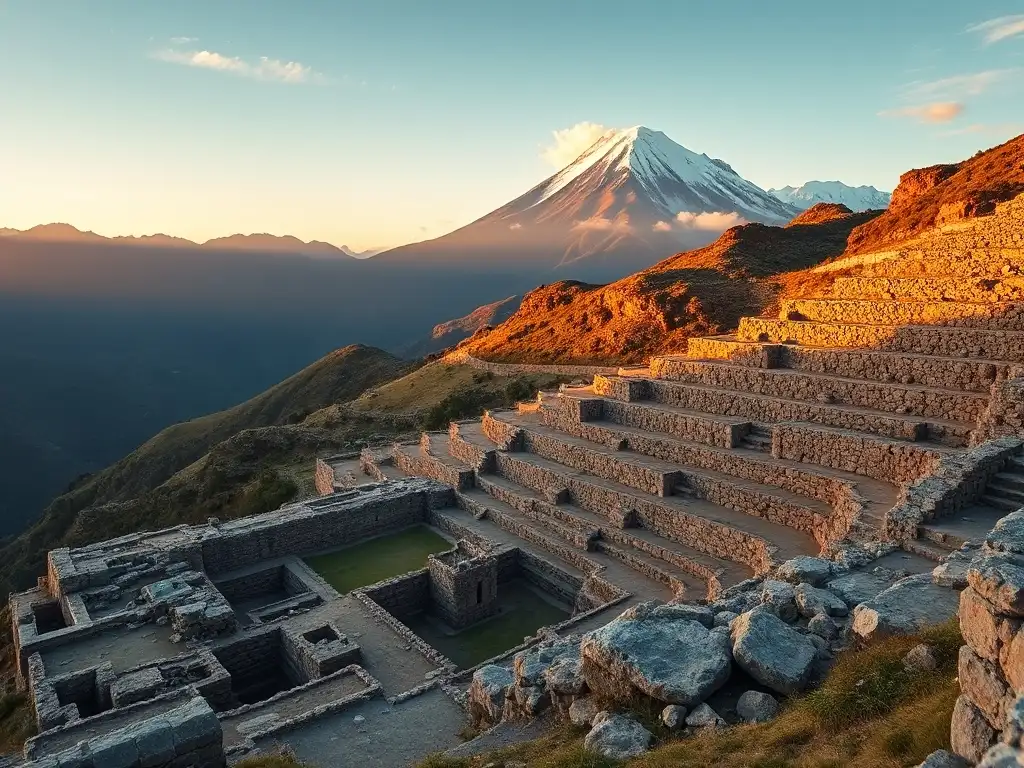
Step into a world lost to time, yet echoing with the whispers of empires past. Journey through the breathtaking landscapes and captivating cultures of the Andes, where innovations in engineering and artistry still astound. Intrigued by the enigmatic Inca Empire? Then prepare to be captivated by our exploration of Inca Empire history books – a curated selection to ignite your passion for Andean history and unlock the secrets of this remarkable civilization. Discover the must-read texts that will transport you to the heart of the Andes...
The Inca Empire, a civilization that flourished in the Andes Mountains of South America from the 15th to the 16th century, remains a captivating subject for historians and enthusiasts alike. Its sophisticated social structures, remarkable engineering feats, and intricate religious beliefs continue to fascinate and inspire. This article serves as a curated guide for those seeking to delve deeper into the rich tapestry of Inca history, offering a selection of essential books that provide insightful perspectives on this remarkable civilization.
Whether you're a seasoned historian or just beginning your exploration of the Inca Empire, these recommended reads will provide you with a solid foundation for understanding their complex society, their impressive achievements, and their ultimate demise. We'll explore books that cover various aspects of Inca life, from their intricate agricultural practices to their awe-inspiring urban planning, ensuring a comprehensive understanding of this influential civilization.
This list focuses on providing a balanced view, incorporating both classic texts and more recent scholarly works that incorporate the latest archaeological discoveries and historical interpretations. Prepare to embark on a journey through time, uncovering the secrets and mysteries of one of history's most intriguing empires.
Delving into the Past: Why Study Inca History?
Understanding the Inca Empire offers invaluable insights into human ingenuity and societal organization. The Incas, despite lacking a written language in the traditional sense, developed a complex system of administration, record-keeping (using quipus), and agriculture that allowed them to control a vast and diverse territory. Their mastery of engineering is evident in their impressive road networks, meticulously constructed terraces, and imposing stone structures like Machu Picchu, which continue to inspire awe and wonder.
Studying the Inca Empire also provides a unique lens through which to examine themes of colonialism, cultural exchange, and the lasting impact of conquest. The Spanish conquest dramatically altered the course of Inca history, leading to the destruction of much of their culture and the tragic loss of countless lives. Examining this period allows us to understand not only the Inca civilization itself, but also the broader implications of colonialism and its lasting impact on indigenous populations.
Furthermore, studying the Inca Empire provides a framework for understanding resilience, adaptation, and the enduring legacy of a civilization that, despite its relatively short reign, left an indelible mark on the world. The Inca legacy continues to shape the cultural landscape of the Andes and serves as a powerful reminder of the importance of preserving and understanding our shared human heritage. The study of the Inca Empire isn’t just about the past; it’s a vital tool for understanding the present and shaping a more informed future.
Essential Reads for Understanding the Inca Civilization
This section will present a carefully selected list of books that provide different perspectives on the Inca Empire. The selection will consider the author's expertise, the book's scope, and its accessibility to a broad audience. We will aim for a balance between classic texts that have stood the test of time and more recent publications that incorporate the latest research and archaeological findings.
The criteria for inclusion will prioritize books that offer a well-researched and nuanced understanding of the Inca civilization, avoiding overly simplistic or romanticized portrayals. The books included will be categorized based on their thematic focus, allowing readers to choose those that best suit their interests and research needs. Each book description will highlight key aspects of its contribution to the field of Inca studies, including its strengths and potential limitations.
We will also consider the use of visual aids, maps, and other features that enhance the reader's understanding and engagement with the material. The goal is to provide a comprehensive resource for anyone seeking to deepen their knowledge of this remarkable Andean civilization. We will strive to create a resource that is both informative and engaging, encouraging further exploration and study of the Inca Empire.
- Delving into the Past: Why Study Inca History?
- Essential Reads for Understanding the Inca Civilization
- "The Inca and Their Ancestors: The Archaeology of Peru" by Michael E. Moseley: Insights into Inca Origins and Development
- "The Sacred Landscape of the Inca: The Cusco Region" by Brian S. Bauer: Understanding the Inca's Religious Worldview
- "Inca Architecture" by Jean-Pierre Protzen: A Deep Dive into Inca Engineering and Construction
- What makes these books essential for understanding Inca Empire history?
- Are these books suitable for beginners or only advanced readers?
- What specific topics related to the Inca Empire are covered in these recommended books?
- Where can I find these recommended "Inca Empire history books"?
- Beyond these recommended books, what other resources can I use to learn more about the Inca Empire?
Comprehensive Histories of the Inca Empire
This section delves into essential reading material for anyone serious about understanding the Inca Empire. We'll examine several books offering different perspectives and levels of detail, catering to various learning styles and expertise levels. These selections provide a robust foundation for further research into Inca Empire history books.
"The Incas" by Terence N. D'Altroy: A Foundational Text on Inca History
D'Altroy's "The Incas" is considered a cornerstone text for serious students of Inca civilization. It's not a breezy read; it's a rigorous and detailed scholarly work, offering a comprehensive overview of Inca history, from their origins to their ultimate conquest by the Spanish. The book meticulously examines the Inca's social structure, political organization, economic systems, and religious beliefs, providing a wealth of information based on archaeological evidence and historical accounts.
D'Altroy skillfully synthesizes a vast amount of data, presenting a nuanced and complex picture of Inca society. He avoids simplistic narratives, instead exploring the intricacies of power dynamics, internal conflicts, and the diverse experiences of individuals within the empire. The book excels in its detailed analysis of Inca agriculture, infrastructure, and military organization, showcasing the impressive engineering feats and sophisticated administrative systems that characterized the empire.
It's an invaluable resource for anyone seeking an in-depth understanding of Inca societal structures and their impact on the landscape. The book’s thoroughness makes it a perfect starting point for serious research on Inca Empire history.
"The Last Days of the Incas" by Kim MacQuarrie: A Gripping Narrative of Conquest
While D'Altroy's work provides a broad historical overview, MacQuarrie's "The Last Days of the Incas" offers a gripping narrative focused on the final years of the Inca Empire and the Spanish conquest. This book doesn't shy away from the brutality and violence of the conquest, providing a visceral account of the clash of cultures and the devastating impact of European diseases and weaponry.
MacQuarrie masterfully weaves together historical accounts, archaeological findings, and even indigenous oral traditions to create a compelling narrative. The book highlights the complexities of the Inca resistance, portraying the Inca leaders and their subjects not as passive victims, but as active participants in a desperate struggle for survival. It's a captivating read, offering a more human-centered perspective on this pivotal period in Inca history.
While less focused on the broader sweep of Inca history compared to D'Altroy's work, it provides essential context for understanding the empire's demise and the lasting consequences of the Spanish conquest. This book is ideal for those interested in a more narrative-driven approach to learning about Inca Empire history books.
"Inca: The Rise and Fall of an Empire" by National Geographic: An Accessible Overview of Inca Culture
For those seeking a more accessible introduction to Inca culture, the National Geographic book, "Inca: The Rise and Fall of an Empire," is an excellent choice. This beautifully illustrated volume provides a concise yet informative overview of Inca civilization, covering key aspects of their history, art, architecture, and daily life.
Unlike the more scholarly works mentioned above, this book prioritizes visual appeal and readability, making it suitable for a broader audience, including those without prior knowledge of Inca history. The inclusion of stunning photographs and detailed maps enhances the reader's understanding of the Inca world. While lacking the depth of analysis found in D'Altroy's work, it serves as an excellent introductory text or a valuable supplement to more academic readings.
It's a great resource for those seeking a visually engaging and easily digestible overview of Inca culture and its significance within the broader context of Andean civilizations. This book is a great starting point for those new to the topic of Inca Empire history books and provides an excellent foundation for further exploration.
Exploring Specific Aspects of Inca Society
This section delves into specific aspects of Inca society as portrayed in key historical texts, offering a deeper understanding beyond a general overview of the Inca Empire. We'll examine insightful works focusing on Inca origins, religious beliefs, and architectural marvels, enriching your understanding of this fascinating civilization. The books discussed below are essential reads for anyone seeking to truly grasp the intricacies of Inca Empire history.
"The Inca and Their Ancestors: The Archaeology of Peru" by Michael E. Moseley: Insights into Inca Origins and Development
Michael E. Moseley's "The Inca and Their Ancestors" provides a crucial foundation for understanding the Inca Empire's development. The book masterfully traces the lineage of Inca civilization, demonstrating how it wasn't a sudden eruption but rather a culmination of centuries of cultural evolution. Moseley expertly weaves together archaeological findings with historical accounts to paint a vivid picture of the pre-Inca societies that laid the groundwork for the empire's rise.
He meticulously details the technological advancements, social structures, and agricultural practices of these precursor cultures, highlighting their contributions to the Inca's eventual success. For example, the sophisticated irrigation systems developed by earlier Andean societies were adopted and expanded upon by the Inca, allowing them to cultivate vast tracts of land and support a large population. The book also explores the complex process of Inca expansion, showing how they skillfully integrated conquered populations and adapted their own systems to incorporate existing traditions and knowledge.
Moseley’s insightful analysis provides a crucial context for understanding the Inca's achievements, demonstrating that their success wasn't solely due to military might but also to their ability to build upon the legacy of their predecessors. This makes it a crucial text for anyone researching Inca Empire history books.
"The Sacred Landscape of the Inca: The Cusco Region" by Brian S. Bauer: Understanding the Inca's Religious Worldview
Brian S. Bauer's "The Sacred Landscape of the Inca" offers a compelling exploration of the Inca's deeply spiritual worldview and its profound influence on their society. The book focuses on the Cusco region, the heartland of the Inca Empire, examining the intricate relationship between the Incas and their environment. Bauer expertly demonstrates how religious beliefs permeated every aspect of Inca life, from agricultural practices to urban planning.
The author meticulously details the significance of sacred sites, such as Machu Picchu and Sacsayhuamán, showcasing their roles in Inca cosmology and ritual practices. He highlights the Inca's sophisticated understanding of astronomy and its integration into their religious calendar, revealing the profound connection between their celestial observations and agricultural cycles. The book also explores the Inca pantheon of gods and goddesses, their associated rituals, and the complex system of beliefs that underpinned Inca society.
Furthermore, Bauer analyzes the role of human sacrifice in Inca religion, providing a nuanced perspective on this often misunderstood practice within the context of their broader belief system. Understanding this religious framework is essential to a complete understanding of Inca Empire history.
"Inca Architecture" by Jean-Pierre Protzen: A Deep Dive into Inca Engineering and Construction
Jean-Pierre Protzen's "Inca Architecture" is a landmark study that delves into the remarkable engineering and construction techniques employed by the Inca. This book moves beyond simple descriptions, offering a detailed analysis of the Inca's mastery of stonework, their innovative construction methods, and their understanding of structural principles. Protzen meticulously examines the various types of Inca structures, from monumental buildings like Sacsayhuamán to smaller residential buildings, highlighting the ingenuity and precision of their craftsmanship.
The book includes detailed illustrations and diagrams that reveal the complexities of Inca construction techniques, such as their use of precisely cut stones, their mastery of dry-stone masonry, and their ability to create structures that seamlessly integrated with the natural landscape. He also discusses the logistical challenges involved in transporting massive stones across difficult terrain, showcasing the Inca's remarkable organizational skills and their ability to mobilize large workforces.
Furthermore, Protzen explores the symbolism embedded within Inca architecture, demonstrating how the design and placement of buildings reflected their religious beliefs and social hierarchy. This book is invaluable for anyone interested in the technological achievements of the Inca and provides a fascinating insight into the ingenuity of their builders, enriching any study of Inca Empire history books.
First-Hand Accounts and Primary Sources
This section delves into invaluable primary sources offering unique insights into the Inca Empire. These firsthand accounts, though written from varying perspectives and with inherent biases, provide crucial details unavailable elsewhere, enriching our understanding of Inca society, politics, and daily life. Analyzing these texts allows for a more nuanced appreciation of the Inca civilization beyond simplified narratives. Choosing to explore these primary source materials is a crucial step for anyone serious about delving into Inca Empire history books.
"Narrative of the Incas" by Pedro de Cieza de León: A 16th-Century Perspective on the Inca Empire
Pedro de Cieza de León's Narrative of the Incas stands as a cornerstone of Inca Empire history books. Written in the 16th century, relatively soon after the Spanish conquest, it offers a detailed description of the Inca Empire's geography, social structure, and political organization. Cieza de León, a Spanish conquistador, traveled extensively throughout the Inca territories, meticulously documenting his observations. His work is particularly valuable for its geographical detail, providing descriptions of Inca roads, settlements, and agricultural practices.
However, it's crucial to approach Cieza de León's account with critical awareness. As a Spaniard involved in the conquest, his perspective is inevitably shaped by his own cultural biases and the colonial context. He may have unintentionally (or intentionally) misrepresented certain aspects of Inca society to fit prevailing European understandings.
For example, his descriptions of Inca religion might reflect a biased interpretation through a European lens, potentially overlooking the nuances and complexities of Inca spiritual beliefs. Nevertheless, his firsthand observations of Inca infrastructure, social hierarchy, and military organization remain incredibly valuable and form a vital part of any serious study of Inca Empire history books.
"Royal Commentaries of the Incas" by Garcilaso de la Vega: A Controversial but Important Inca Perspective
Garcilaso de la Vega's Royal Commentaries of the Incas presents a unique perspective, being written by someone of Inca descent. The son of a Spanish conquistador and an Inca noblewoman, Garcilaso possessed a dual heritage that allowed him to bridge two worlds. His work provides an alternative narrative to the primarily Spanish accounts, offering insights into Inca culture, traditions, and beliefs from within the Inca worldview. This perspective is crucial to counterbalancing the often-Eurocentric biases found in other Inca Empire history books.
However, the Royal Commentaries is not without its complexities. Written decades after the conquest, Garcilaso's memories, and potentially his interpretations, might be influenced by the passage of time and the changed social landscape. Furthermore, his attempt to reconcile Inca and Spanish cultural perspectives can sometimes lead to ambiguities or inconsistencies in his narrative.
Some scholars debate the accuracy of certain details presented, questioning the reliability of his sources and the extent of his personal knowledge of Inca customs. Despite these controversies, the Royal Commentaries remains a crucial text for understanding the Inca Empire, offering a crucial counterpoint to the dominant colonial narratives and enriching the study of Inca Empire history books. Its unique perspective and detailed descriptions of Inca life remain invaluable contributions to the field.
Books Focusing on the Inca Collapse and Spanish Conquest
This section delves into crucial historical texts that illuminate the fascinating, yet tragic, end of the Inca Empire. Understanding the collapse is vital to a complete understanding of Inca history, and these books offer diverse perspectives on the factors contributing to the Spanish conquest and the subsequent dismantling of the Inca societal structure. We'll explore detailed accounts of the invasion itself, as well as broader analyses that contextualize the Inca's vulnerability within a larger historical framework. This is essential for anyone serious about Inca Empire history books.
"Conquest of the Incas" by John Hemming: A Detailed Account of the Spanish Invasion
John Hemming's Conquest of the Incas stands as a cornerstone of Inca Empire history books. It meticulously details the Spanish conquest, providing a gripping narrative of the events that led to the fall of the empire. Hemming masterfully weaves together primary sources—accounts from both Spanish conquistadors and Inca chroniclers—to create a nuanced and often brutal picture of the conflict. He doesn't shy away from depicting the violence and brutality inherent in the conquest, highlighting the devastating impact on the Inca population and their way of life.
The book's strength lies in its detailed portrayal of the personalities involved, from the ambitious Pizarro to the resourceful Inca leaders like Atahualpa and Huáscar. Hemming skillfully portrays the complex political landscape of the Inca Empire at the time of the conquest, emphasizing internal divisions that inadvertently aided the Spanish advance. He also explores the technological and epidemiological advantages that the Spanish possessed, contributing significantly to their success.
The detailed descriptions of battles, sieges, and the subsequent subjugation of the Inca people offer a powerful and unforgettable reading experience for anyone seeking a comprehensive understanding of this pivotal moment in Andean history. This meticulous attention to detail makes it a prime example of the best Inca Empire history books available.
"Guns, Germs, and Steel" by Jared Diamond: Contextualizing the Inca's Vulnerability to European Colonization
While not solely focused on the Inca, Jared Diamond's Guns, Germs, and Steel provides a crucial framework for understanding the Inca Empire's vulnerability to European colonization. This isn't a book specifically about Inca Empire history books, but rather a broader examination of the factors that shaped the rise and fall of civilizations across the globe. Diamond's central argument revolves around geographical and environmental factors that differentially influenced the development of technologies, immunity to diseases, and overall societal structures.
Diamond posits that the Eurasian landmass, with its east-west axis and diverse climates, fostered a more rapid development of agriculture, technology, and immunity to diseases compared to the Americas. This advantageous position, he argues, gave Europeans a significant edge when they encountered the Inca and other indigenous populations of the Americas.
The Inca, while possessing a sophisticated civilization, lacked the immunity to Old World diseases like smallpox, measles, and influenza, which decimated their population before any significant military conflict even began. This epidemiological factor, alongside technological disparities in weaponry and military organization, significantly contributed to the Inca's defeat.
Therefore, understanding Diamond's work offers a vital context for analyzing the Inca collapse, enriching the understanding gained from more focused Inca Empire history books. The book encourages a critical examination of historical narratives, moving beyond a simple narrative of conquest to explore the broader environmental and geographical influences that shaped the encounter between the Inca and the Spanish.
Recommendations Based on Your Interest Level
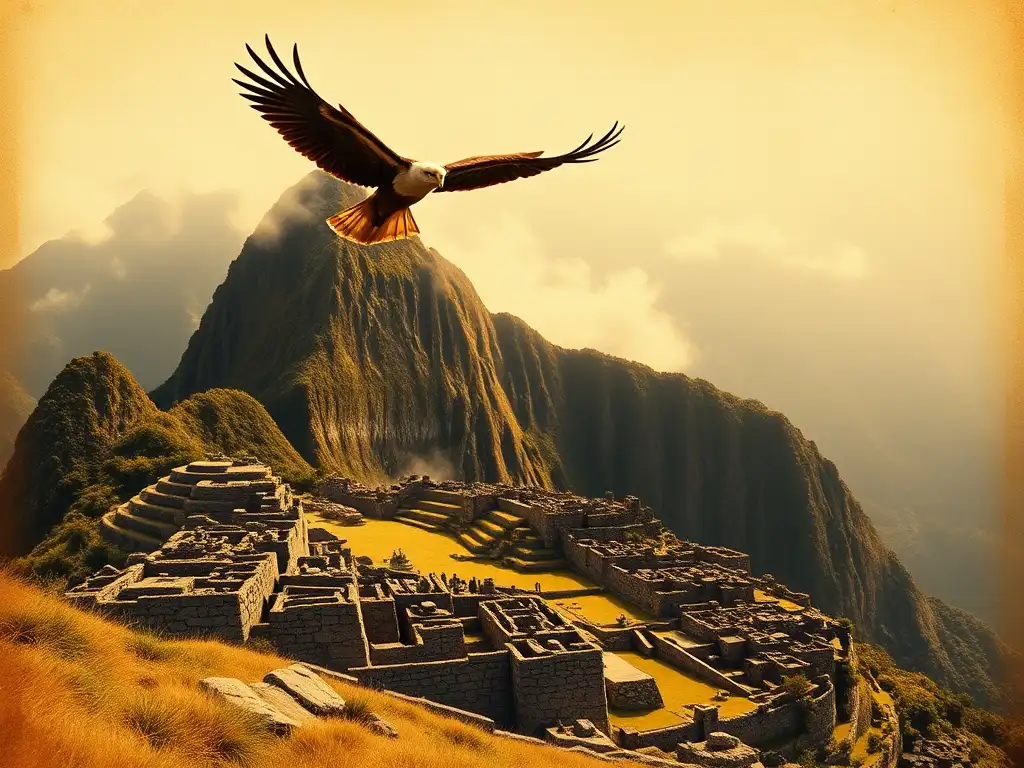
This section provides tailored book recommendations for different levels of engagement with Inca Empire history. Whether you're a complete beginner, a seasoned academic, or somewhere in between, we've got a selection to spark your curiosity and deepen your understanding of this fascinating civilization. We've focused on providing a diverse range of resources to cater to various learning styles and preferences, ensuring you find the perfect Inca Empire history books to suit your needs.
For Beginners: Accessible Introductions to Inca History
Starting your journey into Inca history can feel overwhelming. The sheer volume of information available can be daunting. Fear not! These books offer clear, concise, and engaging introductions, perfect for those taking their first steps into this captivating world. They provide a solid foundation, laying the groundwork for more advanced explorations later.
These beginner-friendly books often utilize visually appealing layouts, incorporating maps, illustrations, and timelines to make the learning process more enjoyable and digestible. They prioritize clear explanations over dense academic jargon, making complex concepts accessible to a broader audience. Many also include captivating anecdotes and personal stories from the time period, bringing the Inca Empire to life.
For example, one excellent choice often features a chronological narrative, starting with the origins of the Inca civilization and tracing its rise to power, its sophisticated societal structures, and its ultimate decline. Another might focus on specific aspects of Inca life, such as their impressive agricultural techniques or their unique religious beliefs, providing a focused yet comprehensive overview. These books strive to capture the essence of the Inca Empire without overwhelming the reader with excessive detail. They're ideal for sparking an interest in the subject and motivating further exploration.
For Academics: Advanced Studies on the Inca Empire
For those already familiar with the basics and seeking a deeper, more nuanced understanding of the Inca Empire, these advanced studies offer rigorous analysis and cutting-edge research. These books delve into complex topics, often presenting contrasting viewpoints and engaging with ongoing scholarly debates. Expect detailed archaeological findings, intricate discussions of social structures, and in-depth analyses of political and economic systems.
These academic texts often feature extensive bibliographies and footnotes, providing ample opportunities for further research. The language is more formal and technical, reflecting the rigorous standards of academic scholarship. They might focus on specific aspects of Inca civilization, such as their intricate road systems, their sophisticated metallurgical techniques, or the impact of the Spanish conquest.
Expect detailed analyses of primary sources, including Quechua texts and Spanish chronicles, providing a critical perspective on the historical narrative. Many of these books contribute original research, pushing the boundaries of our understanding of the Inca Empire. They are invaluable resources for researchers, students, and anyone seeking a sophisticated understanding of this remarkable civilization.
For Casual Readers: Engaging Narratives of Inca Life and Conquest
If you prefer a more narrative-driven approach, these books offer engaging storytelling that brings the Inca Empire to life. They may focus on the lives of specific individuals, weaving together historical events with compelling character studies. These books often incorporate vivid descriptions of the landscape, the culture, and the daily lives of the Inca people, creating a rich and immersive reading experience.
These books are written in a more accessible style than academic texts, prioritizing narrative flow and engaging prose over highly technical details. They might focus on dramatic events, such as the Spanish conquest or internal power struggles, making for a captivating read. Others might explore the daily lives of Inca people, offering insights into their beliefs, customs, and traditions.
These books are excellent for those who want to experience the Inca Empire through compelling stories, without needing a deep understanding of academic discourse. They offer a more personal connection to the history, making it accessible and enjoyable for a wide range of readers. They successfully blend historical accuracy with captivating storytelling, making them perfect for those seeking an engaging and informative read.
Expanding Your Knowledge: Beyond Books
This section delves into resources beyond the printed page, crucial for a comprehensive understanding of Inca Empire history. While books provide foundational knowledge, supplementing this with other media enriches the learning experience and offers diverse perspectives. A truly well-rounded understanding requires a multi-faceted approach.
Complementary Resources: Documentaries and Online Materials
Documentaries offer a visually engaging way to explore Inca civilization. Many high-quality productions are available, focusing on different aspects of Inca life, from their sophisticated agricultural techniques to their intricate social structures. These films often incorporate archaeological discoveries, expert interviews, and stunning visuals of Inca ruins, bringing the past to life in a compelling manner. Look for documentaries that emphasize rigorous historical accuracy and avoid sensationalism. Pay close attention to the production date, as newer documentaries often benefit from the latest archaeological findings and scholarly interpretations.
Beyond documentaries, the digital age provides access to a wealth of online resources. Reputable academic websites, online encyclopedias, and digital archives offer a vast amount of information on the Inca Empire. These resources often include primary source materials, such as translated chronicles and archaeological reports, allowing for direct engagement with historical evidence. However, it's crucial to critically evaluate online sources, ensuring their reliability and academic rigor.
Look for materials affiliated with established universities, museums, or research institutions to ensure quality and accuracy. Remember that the sheer volume of information available online necessitates careful selection and critical assessment. The Inca Empire history books you've read will provide a framework for evaluating the credibility of online resources.
The availability of high-quality documentaries and online materials significantly enhances the study of Inca history, providing a multifaceted approach to understanding this fascinating civilization. These resources complement the information gleaned from books, offering a richer and more dynamic learning experience. The combination of traditional scholarship and digital resources is key to navigating the complexities of Inca history.
Further Research: Exploring Specific Inca Topics
Once you've grasped the fundamentals of Inca Empire history, consider delving into more specific areas of interest. The Inca Empire was a complex society with many fascinating aspects ripe for in-depth study. For example, you might explore the intricacies of Inca agriculture, their remarkable road system, or their unique religious beliefs and practices. Each of these topics presents a wealth of information, demanding dedicated research.
Consider focusing on a specific aspect of Inca life, such as their advanced knowledge of astronomy and its influence on their calendar system, or their sophisticated metalworking techniques evident in their gold and silver artifacts. Exploring these specialized areas can reveal deeper insights into the Inca worldview, technological achievements, and social organization. To effectively conduct this research, utilize the academic databases and digital archives mentioned earlier, allowing you to access scholarly articles and specialized publications.
You could also investigate the impact of the Inca Empire on the surrounding Andean cultures and the subsequent Spanish conquest. Understanding these interactions is crucial for a complete picture of Inca history. This deeper dive requires dedicated research, utilizing both primary and secondary sources. This approach allows for a nuanced understanding of the Inca Empire's legacy and its lasting impact on the region. Remember to always cross-reference information from multiple sources to ensure accuracy and develop a critical perspective.
Conclusion: Continuing Your Journey into Inca History and Culture
Engaging with the Inca Empire requires a continuous process of learning and exploration. The journey begins with foundational texts, but it extends far beyond. By actively seeking out documentaries, utilizing online resources, and delving into specialized topics, you can cultivate a profound understanding of this remarkable civilization. The available resources are vast and varied; the key is to approach them critically, selectively, and with a thirst for knowledge.
Remember, understanding the Inca Empire is an ongoing process of discovery, a journey that rewards persistent curiosity and dedicated research. The more you explore, the more you will appreciate the complexity and richness of Inca history and culture. This continued exploration will deepen your understanding and appreciation of the Inca Empire far beyond what any single book can offer.
Frequently Asked Questions
What makes these books essential for understanding Inca Empire history?
These books offer diverse perspectives on Inca history, covering various aspects like social structures, political systems, and daily life. They are written by leading experts and use primary and secondary sources, ensuring accuracy and depth. They provide a comprehensive understanding beyond basic facts.
Are these books suitable for beginners or only advanced readers?
The selected books cater to different levels. Some offer accessible introductions perfect for beginners, while others delve deeper into specialized topics for more advanced readers. There's something for everyone interested in Inca history.
The books cover a wide range of topics, including the Inca's rise to power, their sophisticated agricultural techniques, their remarkable architectural achievements, their complex religious beliefs, and the impact of the Spanish conquest.
Where can I find these recommended "Inca Empire history books"?
You can find these books at major online retailers like Amazon and Barnes & Noble, as well as in many physical bookstores and university libraries. Check your local library system, too; they may have some of these titles available.
Beyond these recommended books, what other resources can I use to learn more about the Inca Empire?
To supplement your reading, explore academic journals, museum exhibits, and online archives dedicated to Andean civilizations. Documentaries and historical fiction can also offer engaging perspectives, but remember to critically evaluate sources.
Final Reflection: Echoes of the Inca: A Legacy in Stone and Ink
The echoes of the Inca Empire resonate powerfully in the modern world, a testament to a civilization that mastered its environment and left an enduring legacy. Understanding their achievements, their struggles, and their ultimate fate offers invaluable insights into the complexities of human societies, reminding us of the transient nature of power and the enduring strength of cultural heritage. The books explored in this article provide a crucial entry point for anyone seeking to unravel the mysteries and marvel at the accomplishments of this remarkable civilization.
The Inca Empire's influence extends far beyond the Andes mountains; its sophisticated agricultural techniques, intricate social structures, and impressive architectural feats continue to inspire awe and wonder. The impact of their civilization is palpable, shaping the cultural landscape of South America and influencing historical narratives globally. The past is never dead. It's not even past.
– William Faulkner. This quote rings profoundly true when considering the Inca, whose history continues to inform our understanding of empire, societal organization, and the enduring power of human ingenuity.
Now, it's your turn. Pick up a book, delve into the rich tapestry of Inca history, and allow yourself to be transported to a world of breathtaking landscapes and remarkable achievements. Let the stories of the Inca inspire you to explore the past, to appreciate the diversity of human experience, and to consider the lasting impact of civilizations both ancient and modern. The journey of discovery awaits; embark on it with an open mind and a thirst for knowledge.
Embark on Your Historical Adventure Today!
Thank you for exploring the rich history of the Inca Empire with us! We hope you found the insights and resources in this article valuable and inspiring. Now, let's take your exploration further.
Here are some suggestions to deepen your understanding:
- Begin Your Reading Journey: Immerse yourself in the captivating stories of the Inca Empire by selecting a book from our recommended reading list.
- Join a History Discussion Group: Connect with fellow history enthusiasts to share perspectives and insights on Inca civilization. Collaborative learning enhances understanding and enjoyment.
- Explore Inca Sites Online: Take a virtual tour of Machu Picchu and other significant sites using readily available online resources. Experience the grandeur of the Inca Empire from the convenience of your home.
What aspect of the Inca Empire captivates you most, and how will you continue your exploration? Let's discuss!