
Inca Archaeological Sites: Documentaries That Reveal the Grandeur of Inca Ruins

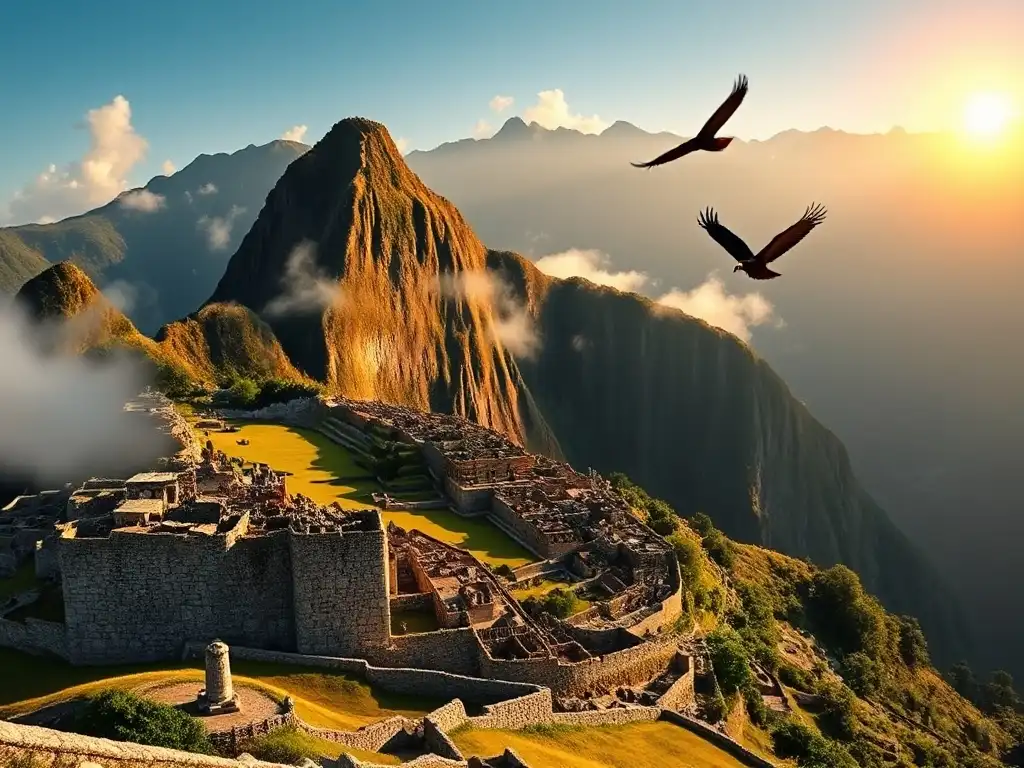
Unravel the mysteries of the Andes! Prepare to be captivated by the lost grandeur of the ancient Andean world. From the breathtaking artistry of the Nazca Lines to the sophisticated engineering of the Inca, this journey delves into a civilization unlike any other. But what secrets do the crumbling stones of Machu Picchu still hold? Dive into our collection of Inca ruins documentaries and discover the answers, embarking on an unforgettable exploration of these remarkable cultures.
- Unveiling the Past: Exploring Inca Ruins Through Documentaries
- Top Documentaries Exploring Inca Ruins: A Guide
- More Inca Ruins Documentaries Worth Watching
- Beyond the Screen: Enhancing Your Inca Ruins Experience
- Further Research: Books and Articles on Inca Archaeology to complement the documentaries
- Final Thoughts: Why These Inca Ruins Documentaries Are Essential
-
Frequently Asked Questions
- What documentaries are recommended for learning about Inca ruins?
- Are there documentaries specifically about Inca technology?
- Where can I find these Inca ruins documentaries?
- What makes Inca archaeological sites so significant?
- Beyond Machu Picchu, what other Inca ruins are featured in documentaries?
- Final Reflection: Echoes of the Inca: A Legacy in Stone and Screen
- Uncover the Inca Legacy—Take Action Now!
Unveiling the Past: Exploring Inca Ruins Through Documentaries
The Inca Empire, a civilization that once dominated the Andes Mountains, left behind a legacy of breathtaking architectural marvels and intricate social structures. Understanding this fascinating culture requires delving into its rich history, and what better way to do this than through captivating documentaries? These films offer a unique perspective, transporting viewers to the heart of ancient Inca cities, revealing the ingenuity of their builders, and shedding light on the mysteries that still surround their civilization.
This article explores some of the best documentaries focusing on Inca archaeological sites, providing a valuable resource for anyone seeking to deepen their understanding of this remarkable civilization. We'll examine why documentaries are such a powerful tool for learning about Inca history and how they bring the past to life, allowing us to appreciate the grandeur of Inca ruins in a truly immersive way.
This exploration will be especially valuable for those interested in Inca ruins documentaries, providing a curated selection of films that offer diverse perspectives and insights into this captivating subject. Prepare to be amazed by the ingenuity and artistry of the Inca people as we embark on a visual journey through time.
Why Watch Documentaries on Inca Archaeological Sites?
Documentaries offer an unparalleled window into the world of Inca archaeology. Unlike textbooks or articles, they utilize the power of visual media to bring the past to life. High-quality footage of meticulously preserved sites like Machu Picchu, Sacsayhuamán, and Ollantaytambo allows viewers to appreciate the scale and complexity of Inca architecture.
Furthermore, documentaries often feature interviews with leading archaeologists and historians, providing expert insights into the ongoing research and discoveries surrounding Inca civilization. This multi-faceted approach—combining stunning visuals with expert commentary—makes documentaries a highly effective and engaging method of learning about Inca ruins. The ability to see the intricate stonework, the vast landscapes, and the artifacts up close, combined with the narrative context provided by the filmmakers, creates a much more immersive and memorable learning experience than traditional textual sources.
Moreover, many documentaries incorporate dramatic recreations and CGI, further enhancing the viewer's understanding of Inca life and practices. They can also highlight the ongoing efforts to preserve these invaluable historical sites for future generations.
The Power of Visual Storytelling in Understanding Inca History
The impact of visual storytelling in understanding Inca history cannot be overstated. Seeing the precisely fitted stones of Sacsayhuamán, for example, allows for a far deeper appreciation of the Inca's engineering prowess than any written description could convey. Documentaries can also effectively depict the challenging terrain in which the Inca built their cities, emphasizing the logistical and engineering feats involved.
Furthermore, the inclusion of archaeological artifacts—from intricately woven textiles to sophisticated tools—offers tangible evidence of the Inca's advanced technology and artistic skills. The ability to see these objects in context, alongside footage of the sites where they were discovered, enriches our understanding of their cultural significance. Many documentaries also explore the social structures and daily life of the Inca people, using a combination of archaeological findings, historical accounts, and expert analysis to paint a compelling picture of their civilization.
This multi-layered approach, combining visual evidence with historical interpretation, allows for a more complete and nuanced understanding of Inca history than any single source could provide. The use of maps, 3D models, and even reenactments effectively communicates complex information in a digestible and engaging manner, making learning about Inca ruins both informative and enjoyable.
Top Documentaries Exploring Inca Ruins: A Guide
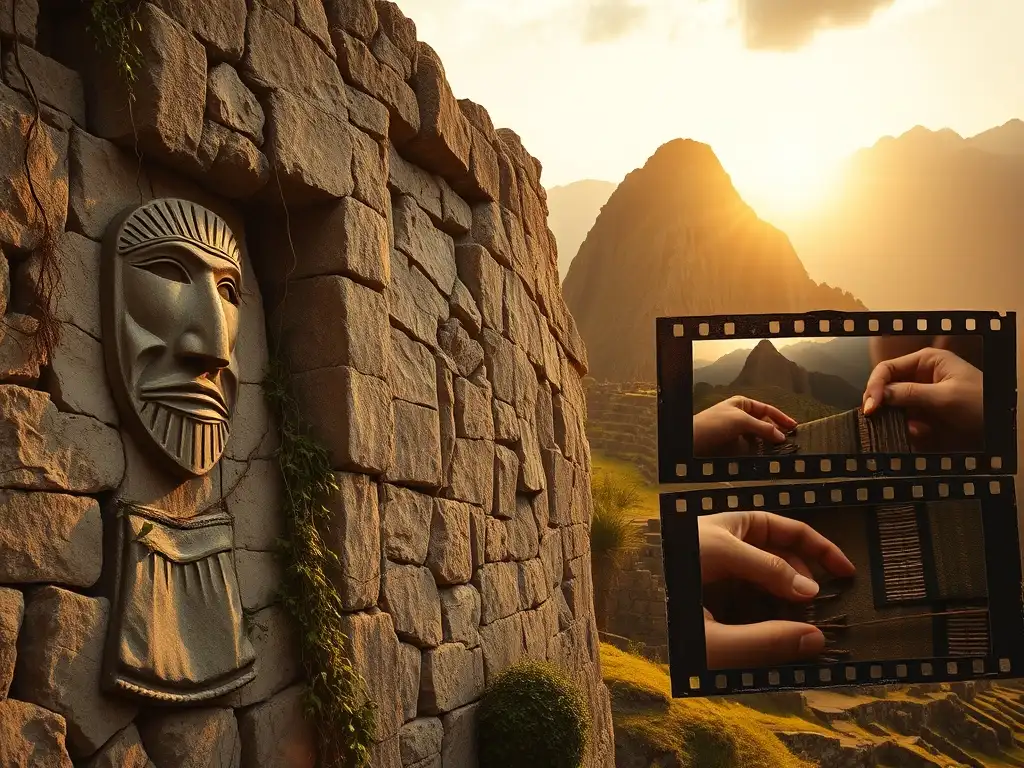
This section dives into a curated selection of documentaries that offer captivating insights into the magnificent Inca ruins scattered throughout the Andes. These films leverage stunning visuals and expert analysis to bring the grandeur of these ancient sites to life, offering a deeper understanding of Inca civilization for viewers interested in Inca ruins documentaries. We've carefully chosen documentaries that showcase different facets of Inca life and architecture, ensuring a well-rounded perspective on this fascinating culture.
Best Inca Ruins Documentaries: "Lost Kingdoms of South America"
This documentary series stands out as a premier choice for anyone seeking an immersive experience exploring Inca ruins. Its comprehensive approach combines breathtaking aerial shots with meticulous ground-level examinations of key sites. The series expertly blends historical context with archaeological evidence, providing a compelling narrative that resonates with both seasoned history buffs and newcomers alike.
Features: A Detailed Look at Inca Engineering and Architecture
"Lost Kingdoms of South America" dedicates significant screen time to analyzing the remarkable engineering feats of the Inca. From the precise stonework of Sacsayhuamán to the intricate irrigation systems that sustained their vast empire, the documentary meticulously showcases the ingenuity and sophistication of Inca construction techniques. The filmmakers utilize slow-motion shots and close-ups to highlight the impressive precision of the stone fitting, often demonstrating techniques that continue to baffle modern engineers.
The documentary also explores the challenges faced by the Inca builders, such as the mountainous terrain and the lack of advanced tools, emphasizing the remarkable achievements against these odds. Specific examples of impressive engineering are shown, including detailed analysis of the construction methods used at Ollantaytambo and Machu Picchu.
Why it's a Must-See: Stunning Visuals and Expert Analysis of Sacsayhuamán
The documentary's strength lies in its ability to seamlessly integrate stunning visuals with insightful expert commentary. The cinematography is exceptional, capturing the majesty of the Andes mountains and the breathtaking beauty of the Inca ruins. The expert analysis of Sacsayhuamán, in particular, is noteworthy.
The documentary provides multiple perspectives, including geologists explaining the source of the stones, archaeologists detailing the construction techniques, and historians discussing the significance of the site within the Inca empire. This multifaceted approach provides a richer, more nuanced understanding of the site and its importance. The use of CGI reconstructions further enhances the viewer's understanding of the original appearance of the structures.
Where to Watch: Stream on Amazon Prime Video or Buy the DVD on Amazon
Highly Recommended: "The Incas: Secrets of the Sun"
Focusing on a different aspect of Inca civilization, "The Incas: Secrets of the Sun" delves into the rich tapestry of Inca religion and social structure. Through careful examination of archaeological findings and detailed reconstructions, the documentary illuminates the profound spiritual beliefs that shaped Inca society and its relationship with the natural world.
Features: Focus on Inca Religion and Social Structure through Archaeological Findings
This documentary effectively uses archaeological evidence to reconstruct the daily lives of the Inca people. It explores the role of religion in Inca society, examining the significance of the sun god Inti and the importance of religious ceremonies. The documentary showcases artifacts unearthed from various sites, providing viewers with a tangible connection to the Inca past. Specific examples, such as the analysis of textiles and pottery found within royal tombs, reveal details about Inca social hierarchy and ritual practices. The documentary also explores the evidence for sophisticated astronomical knowledge and its influence on Inca religious beliefs and agricultural practices.
Why it's a Must-See: In-depth Exploration of Inca Rituals at Coricancha
The documentary’s exploration of Coricancha, the Inca temple of the sun, is particularly compelling. The filmmakers utilize a combination of on-site footage, historical accounts, and expert interviews to reconstruct the grandeur of this once-magnificent site. The meticulous examination of the remaining foundations and the interpretation of the surviving artifacts offer a profound insight into Inca religious rituals and their cosmological beliefs.
The use of 3D modeling and animations helps viewers visualize the temple's original splendor and provides a better understanding of its layout and function. The documentary contrasts the Inca use of the site with the later Spanish colonial modifications, highlighting the cultural clash and the lasting impact on the site's preservation.
Where to Watch: Available on PBS or Check Local Library
Another Great Option: "Machu Picchu: The Lost City of the Incas"
This documentary offers a captivating exploration of Machu Picchu, arguably the most iconic Inca ruin. It transcends a simple sightseeing tour, delving deep into the mysteries surrounding its construction, its purpose, and its eventual abandonment. The filmmakers utilize stunning high-definition footage, showcasing the breathtaking landscapes surrounding the citadel and the intricate details of the stonework itself.
The visuals are complemented by insightful commentary from archaeologists and historians, providing a well-rounded perspective on this remarkable site. The narrative expertly weaves together historical context with present-day discoveries, keeping viewers engaged from beginning to end. The documentary skillfully balances scientific analysis with a sense of wonder and awe, highlighting the ingenuity and sophistication of Inca engineering.
It's a perfect blend of academic rigor and engaging storytelling, making it accessible to both seasoned history buffs and casual viewers alike. The pacing is excellent, avoiding overly technical jargon while still conveying complex information effectively. The use of archival footage and interviews with experts adds further depth and credibility to the narrative.
Features: A Deep Dive into the Mystery and Construction of Machu Picchu
Beyond the stunning visuals, "Machu Picchu: The Lost City of the Incas" distinguishes itself through its in-depth exploration of the site's construction. The documentary meticulously examines the precise stonework, highlighting the Inca's mastery of engineering and their understanding of seismic activity. It explores the challenges they faced in constructing such a complex structure in a mountainous region, analyzing the innovative techniques they employed to achieve such precision.
The documentary also delves into the mystery surrounding the city's sudden abandonment, presenting various theories and examining the available evidence. It doesn't shy away from the unanswered questions, instead presenting them as part of the ongoing fascination with Machu Picchu.
The film also showcases the ongoing efforts to preserve this invaluable historical site, emphasizing the importance of conservation for future generations. The documentary uses detailed computer-generated imagery (CGI) to illustrate theories about the city's layout and construction techniques, making even the most complex aspects easily understandable for the average viewer.
Why it's a Must-See: Exclusive Access to the Intihuatana Stone
One of the documentary's highlights is its exclusive access to the Intihuatana stone. This enigmatic structure, believed to have been used for astronomical observations and religious ceremonies, is rarely shown in such detail. The documentary provides a close-up examination of its intricate carvings and discusses the various interpretations of its purpose. This level of access provides a unique perspective on this significant artifact, deepening the viewer's understanding of Inca cosmology and religious practices.
The footage of the Intihuatana stone is not just visually impressive; it's also crucial to understanding the broader context of Inca culture and beliefs. By focusing on this specific element, the documentary provides a deeper appreciation for the spiritual significance of Machu Picchu, beyond its architectural marvels. The inclusion of expert commentary adds further weight to the presentation, allowing viewers to appreciate the significance of this unique feature within the larger Inca civilization.
Where to Watch: Purchase on Amazon or Rent on Apple TV
This documentary is readily available for purchase on Amazon or for rent on Apple TV, making it easily accessible to a wide audience. This convenient accessibility ensures that viewers can enjoy this enriching and visually stunning exploration of Machu Picchu at their convenience. The availability on multiple platforms caters to different viewing preferences and technological capabilities, maximizing the potential audience reach for this exceptional documentary.
The ease of access, coupled with the documentary's high production value and insightful content, makes it a worthwhile addition to any collection focusing on Inca history and archaeology. The availability on these platforms also ensures a high-quality viewing experience, free from the potential disruptions and lower quality often associated with less reputable streaming services.
More Inca Ruins Documentaries Worth Watching
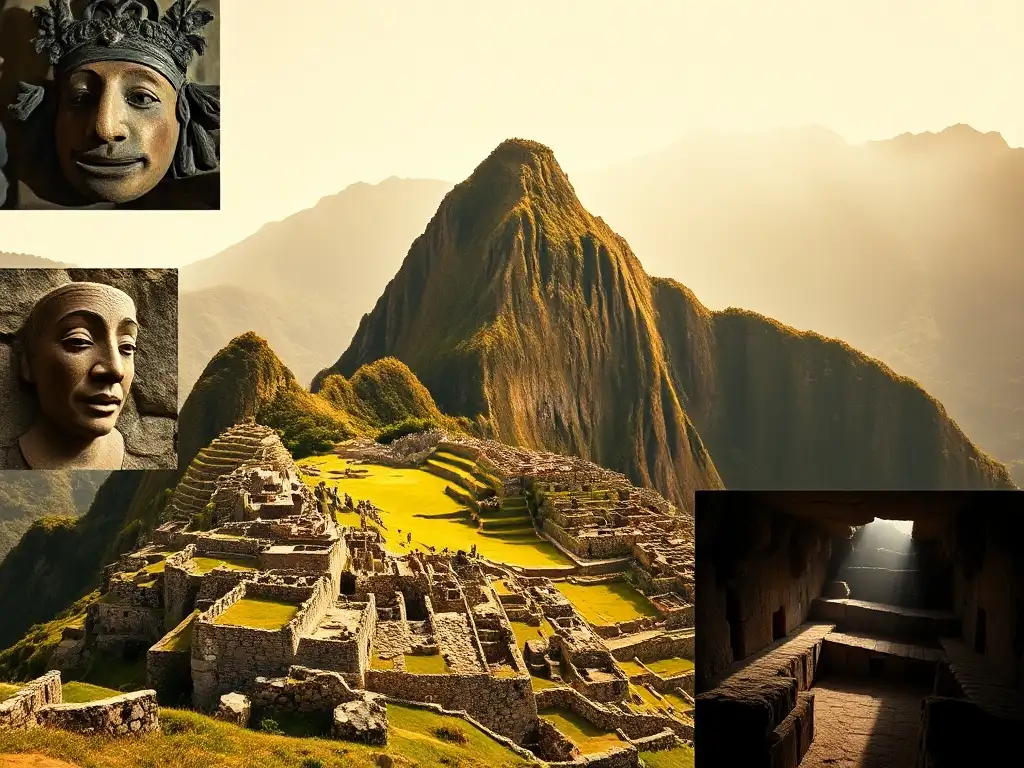
This section delves into additional documentaries offering captivating insights into Inca ruins and the civilization that built them. These films provide diverse perspectives, from broad historical overviews to focused studies on specific aspects of Inca ingenuity. We've curated a selection emphasizing both accessibility and educational value, catering to various learning styles and preferences for those searching for "Inca ruins documentaries."
"Inca Empire: The Rise and Fall" - A Comprehensive Overview
Features: The Rise of the Inca Civilization and its ultimate downfall
This documentary masterfully traces the Inca Empire's trajectory, from its humble beginnings as a small highland community to its eventual conquest by the Spanish. It meticulously details the key figures, pivotal battles, and significant policy decisions that shaped the empire's growth and, ultimately, its demise. The narrative unfolds chronologically, providing a clear understanding of the Inca social structure, political organization, and economic systems.
The film incorporates stunning visuals of various Inca ruins, effectively illustrating the scale and sophistication of their architectural achievements. Specific examples include detailed shots of Machu Picchu's intricate stonework and Sacsayhuamán's imposing fortress walls, highlighting the precision and artistry of Inca construction techniques. Furthermore, the documentary utilizes archaeological evidence, including unearthed artifacts and deciphered texts, to support its historical claims, ensuring a robust and credible presentation.
It also explores the impact of the Inca's sophisticated road system—the Qhapaq Ñan—on their ability to control such a vast territory. The documentary cleverly interweaves these elements to paint a vivid picture of this remarkable civilization.
Why it's a Must-See: Historical context and analysis of key events
The documentary's strength lies in its balanced presentation of historical context and detailed analysis of key events. It doesn't shy away from the complexities of Inca history, acknowledging both their achievements and their flaws. The narration is clear and engaging, making complex historical processes accessible to a broad audience. The use of expert interviews adds further depth and credibility to the narrative.
Moreover, the film effectively contextualizes the Inca Empire within the broader landscape of Andean civilizations, highlighting its unique characteristics and contributions. The thorough exploration of the Inca's social structures, religious beliefs, and agricultural practices provides a holistic understanding of their way of life. This comprehensive approach makes it an invaluable resource for anyone seeking a deep dive into Inca history.
Where to Watch: Stream on YouTube
"Decoding the Inca: Engineering Marvels" - Focusing on Inca Innovations
Features: How the Incas were able to construct such incredible structures
This documentary focuses specifically on the remarkable engineering feats of the Inca civilization. It explores the innovative techniques they employed in constructing their impressive cities, temples, and fortifications. The film delves into the meticulous stonework, the sophisticated water management systems, and the impressive road networks that connected their vast empire.
Specific examples showcased include the precise fitting of stones in Machu Picchu, demonstrating the mastery of Inca stonemasons. It also examines the ingenious agricultural techniques used to cultivate crops in the challenging Andean terrain, such as terracing and irrigation systems. The documentary utilizes computer-generated imagery (CGI) and 3D models to visualize the construction processes and provide a clearer understanding of the Inca's engineering prowess.
Furthermore, it interviews experts in archaeology and engineering to provide insights into the challenges overcome and the solutions devised by the Inca. The sheer scale of projects like Ollantaytambo is explored, along with the logistical challenges of moving massive stones across difficult terrain.
Why it's a Must-See: Detailed analysis of Inca engineering techniques
Unlike many documentaries that provide only a cursory overview, "Decoding the Inca" offers a detailed analysis of Inca engineering techniques. It goes beyond simply showcasing the impressive structures and delves into the how and why behind their construction. The film meticulously examines the tools and materials used, the logistical challenges faced, and the innovative solutions implemented.
This in-depth approach makes it a valuable resource for anyone interested in the practical aspects of Inca civilization. The documentary also challenges common misconceptions about Inca technology, highlighting their advanced understanding of mathematics, astronomy, and hydraulic engineering. The use of expert interviews and on-site footage enhances the documentary's credibility and engaging nature, making it suitable for both academic and general audiences interested in Inca ruins documentaries.
Where to Watch: Buy the DVD on Amazon
Beyond the Screen: Enhancing Your Inca Ruins Experience
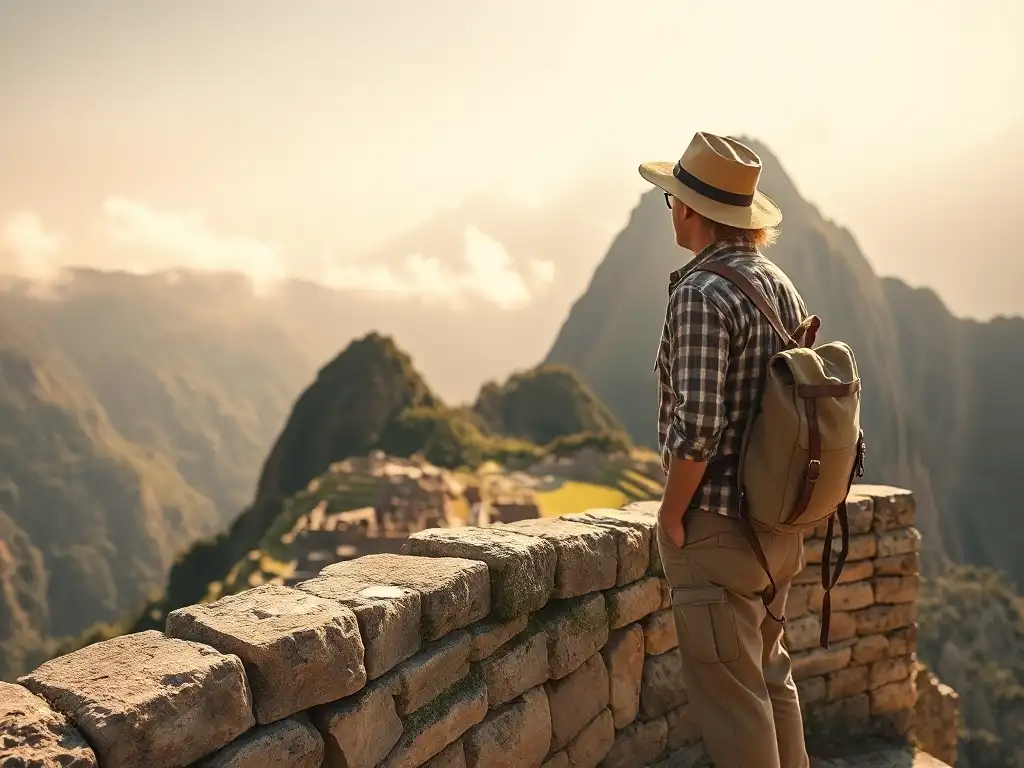
Documentaries offer a captivating glimpse into the grandeur of Inca ruins, but they only scratch the surface. To truly appreciate the scale, artistry, and historical significance of these sites, supplementing your viewing with firsthand experience is invaluable. The impact of seeing Machu Picchu, Sacsayhuamán, or Ollantaytambo in person is profoundly different from watching them on a screen. The sheer scale of the stonework, the breathtaking landscapes, and the palpable sense of history are transformative.
Combining Documentaries with Travel: Planning a Trip to Inca Sites
Planning a trip to explore Inca ruins after watching documentaries can significantly enhance your understanding and enjoyment. Consider these points:
- Choosing your sites: Documentaries often focus on specific sites. Prioritize your travel based on which ruins most captivated you. Did a documentary highlight the intricate agricultural terraces of Moray? Perhaps a visit is in order! Or were you mesmerized by the military architecture of Sacsayhuamán? Your viewing experience can directly inform your itinerary.
- Pre-trip research: Use documentaries as a springboard for deeper research. Learn the names of key structures within a site, the historical context of their construction, and the ongoing archaeological investigations. This will allow you to engage more meaningfully with what you see on-site. For example, understanding the significance of the Intihuatana stone in Machu Picchu will enrich your experience tenfold.
- Guided tours: Consider hiring a knowledgeable guide. A good guide can provide context and insights that go beyond what you see in documentaries. They can point out subtle details, explain the significance of specific features, and answer your questions. This personalized approach can transform a visit into a truly enriching educational experience.
- Respectful tourism: Remember that these sites are not just tourist attractions; they are sacred places with significant historical and cultural value. Respect the environment, follow all guidelines, and support local communities. This responsible approach ensures the preservation of these invaluable Inca ruins for future generations to enjoy.
- Accessibility considerations: Documentaries may not always highlight the physical challenges of visiting certain sites. Research accessibility before you go, especially if you have mobility limitations. Some sites, like Machu Picchu, have challenging trails.
Further Research: Books and Articles on Inca Archaeology to complement the documentaries
While documentaries provide a visual narrative, books and articles offer a deeper dive into the intricacies of Inca archaeology and history. These resources can fill in gaps left by documentaries, providing more detailed information on specific aspects of Inca life, technology, and society.
Expanding Your Knowledge: Key Topics for Further Reading
To further your understanding of Inca ruins beyond what documentaries offer, consider exploring these key themes in academic literature:
- Inca agricultural techniques: Documentaries may briefly touch upon the sophisticated agricultural systems of the Inca. Books and articles delve into the intricacies of terracing, irrigation, and crop diversification, revealing the ingenuity of Inca farming practices.
- Inca urban planning: The organization and layout of Inca cities like Cusco are fascinating examples of urban planning. Academic resources provide detailed analyses of the design, functionality, and social implications of Inca urban centers.
- Inca astronomy and cosmology: Documentaries may show impressive astronomical sites, but the underlying cosmology and beliefs are often under-explained. Specialized texts reveal the profound connection between Inca astronomy and their religious practices.
- Recent archaeological discoveries: The field of Inca archaeology is constantly evolving. Staying up-to-date with the latest discoveries through scholarly articles and books ensures a comprehensive understanding of the Inca civilization.
This multi-faceted approach – combining documentaries, travel, and further reading – will help you build a rich and nuanced understanding of the fascinating Inca civilization and its magnificent ruins. The combination of visual storytelling and in-depth research will provide a truly unforgettable and enriching experience.
Final Thoughts: Why These Inca Ruins Documentaries Are Essential
This section explores the crucial role documentaries play in understanding Inca civilization and its remarkable architectural achievements. We've highlighted several documentaries that offer diverse perspectives on Inca ruins, from the majestic Machu Picchu to lesser-known sites. But why are these visual resources so essential? The answer lies in their ability to bridge the gap between academic research and the public's understanding of the past.
The Importance of Visual Resources in Studying Ancient Civilizations
Studying ancient civilizations like the Inca is inherently challenging. Written records are often scarce or fragmented, requiring scholars to piece together narratives from archaeological evidence, linguistic analysis, and anthropological studies. However, even the most meticulously crafted academic papers can struggle to convey the sheer scale, artistry, and ingenuity of Inca architecture. Documentaries, with their capacity for high-quality visuals and immersive storytelling, provide an unparalleled opportunity to:
- Experience the sites firsthand: Even for those unable to travel to Peru, documentaries offer virtual tours of breathtaking Inca ruins. The camera can capture details often missed in photographs or illustrations, revealing the intricate stonework, the breathtaking landscapes, and the palpable sense of history surrounding these sites. Imagine seeing the sunrise over Machu Picchu, or exploring the intricate network of terraces at Moray – these experiences are brought vividly to life through film.
- Understand the context: Documentaries often integrate expert interviews with stunning visuals, providing a richer understanding of the historical, social, and environmental context of Inca civilization. By combining archaeological discoveries with the insights of historians and anthropologists, these films offer a more nuanced and complete picture of Inca life. For instance, a documentary might show the agricultural techniques used by the Inca, explaining how their sophisticated terracing systems allowed them to cultivate the steep Andean slopes.
- Spark interest and inspire further learning: Documentaries have the power to engage a wide audience, inspiring viewers to learn more about Inca history and culture. A captivating film can transform a dry academic subject into an exciting exploration of the past, prompting viewers to delve deeper into books, articles, and other resources. This increased interest is crucial for preserving and protecting Inca heritage for future generations. The captivating visuals and narratives ignite a curiosity that can lead to a deeper appreciation of the Inca's legacy.
Choose the best Inca documentary for a deep dive into Inca history
Selecting the "best" Inca ruins documentary depends heavily on individual preferences and learning styles. Some viewers prefer visually stunning travelogues, while others might favor documentaries focusing on specific archaeological discoveries or historical debates. However, several key factors should guide your choice:
- Production quality: Look for documentaries with high-definition footage, professional narration, and engaging editing. The visual experience is paramount in appreciating the grandeur of Inca ruins.
- Scholarly rigor: While entertainment value is important, a good documentary should also be grounded in sound scholarship. Check the credentials of the experts featured and look for evidence of careful research and fact-checking.
- Scope and focus: Consider whether you're interested in a broad overview of Inca civilization or a more focused exploration of a particular site or aspect of Inca culture. Some documentaries might delve into the Inca's sophisticated road system, while others might focus on the mysteries surrounding Machu Picchu's construction.
- Accessibility: Ensure the documentary is available in your preferred language and format (streaming services, DVD, etc.). Accessibility is key to maximizing the learning experience. Consider also whether the documentary offers subtitles or closed captions for those who need them.
By carefully considering these factors, viewers can find the perfect Inca ruins documentary to enhance their understanding and appreciation of this remarkable civilization. Remember, these documentaries are not merely entertainment; they are valuable tools for learning, sparking curiosity, and fostering a deeper connection with the rich heritage of the Inca.
Frequently Asked Questions
What documentaries are recommended for learning about Inca ruins?
Many documentaries explore Inca ruins! Search for titles focusing on Machu Picchu, Cusco, or Sacsayhuamán, as these sites are frequently featured. Look for documentaries from reputable historical channels or streaming services.
Are there documentaries specifically about Inca technology?
Yes! Several documentaries highlight Inca engineering feats, like their irrigation systems, stonework, and road networks. These showcase the sophistication of their technology and knowledge.
Where can I find these Inca ruins documentaries?
You can find Inca ruins documentaries on platforms like Netflix, YouTube, Amazon Prime Video, and other streaming services. Check your local library or university archives as well.
What makes Inca archaeological sites so significant?
Inca sites are significant due to their impressive architecture, advanced social structures, and remarkable adaptation to the Andes' challenging environment. Their legacy continues to inspire awe and research.
Beyond Machu Picchu, what other Inca ruins are featured in documentaries?
Documentaries often showcase sites like Sacsayhuamán, Ollantaytambo, and Pisac. These sites offer diverse perspectives on Inca civilization, beyond the well-known Machu Picchu.
Final Reflection: Echoes of the Inca: A Legacy in Stone and Screen
The breathtaking grandeur of Inca ruins continues to resonate today, a testament to a civilization that mastered engineering and artistry on a scale rarely seen. Documentaries, as explored in this article, offer a vital bridge connecting us to this lost world, allowing us to appreciate the ingenuity and cultural richness of the Inca Empire in ways previously unimaginable. These visual narratives not only educate but also inspire awe and a deeper understanding of our shared human history.
The impact of these documentaries extends beyond mere entertainment; they actively shape our understanding of the Inca and their legacy. They challenge preconceived notions, fostering a more nuanced appreciation for a culture often simplified in historical accounts. The power of visual storytelling to convey the scale and complexity of these sites is undeniable. The past is never dead. It's not even past.
– William Faulkner. This quote perfectly encapsulates the enduring relevance of the Inca, their achievements, and the ongoing efforts to preserve and understand their remarkable civilization. The documentaries discussed here serve as powerful tools in this ongoing endeavor.
Consider the impact of these ancient sites, not just as physical structures, but as symbols of human resilience, innovation, and cultural achievement. You, the reader, now possess a deeper understanding of the resources available to explore the Inca world. Take the time to watch these documentaries, to delve deeper into the history and culture of the Inca, and to reflect on the enduring power of human ingenuity. Let the echoes of their civilization inspire you to appreciate the wonders of the past and to protect the heritage that enriches our present and future.
Uncover the Inca Legacy—Take Action Now!
Thank you for exploring the majestic world of Inca archaeological sites with us! We hope you found the documentaries insightful and inspiring, offering a glimpse into the rich history and grandeur of these ancient ruins.
Now, let's put your newfound knowledge to work. Here are some ways to continue your journey into the wonders of Inca civilization:
- **Rewatch your favorite documentary** and immerse yourself in the captivating stories of Inca heritage. Consider exploring other documentaries focusing on specific aspects that piqued your interest.
- **Engage with online communities** dedicated to Andean history. Share your thoughts and connect with other enthusiasts who share your passion for these ancient cultures.
- **Plan a trip** to a nearby Inca site, or perhaps even a journey to Peru to experience the majesty of Machu Picchu firsthand!
What aspect of Inca culture most captivates you, and how do you believe it contributes to our understanding of ancient societies today?