
The Lost Ways: How Traditional Andean Practices Were Suppressed by the Spanish

Step into a world lost to time, yet echoing through the Andes. For centuries, vibrant Andean cultures flourished, crafting breathtaking artistry and intricate societies. But what happened when the Spanish arrived? Discover the untold story of the Spanish suppression of Andean traditions, a brutal chapter that nearly erased millennia of knowledge and practice. Uncover the hidden legacies and the enduring impact of this conquest – dare you delve into the mysteries that remain?
- The Lost Ways: How the Spanish Suppressed Traditional Andean Practices
- The Imposition of Spanish Culture and Religion
- Suppression of Andean Political and Social Structures
- The Erosion of Traditional Andean Knowledge
- Resistance and Resilience of Andean Culture
- The Long-Term Consequences of Spanish Cultural Suppression
-
Frequently Asked Questions
- What was the primary method used by the Spanish to suppress Andean traditions?
- How did the suppression of Andean traditions affect Andean art and culture?
- Were all Andean traditions equally affected by Spanish suppression?
- What lasting effects did the Spanish suppression have on Andean societies?
- Are there any examples of Andean traditions that survived Spanish suppression?
- Final Reflection: Echoes of the Andes: A Legacy of Resilience
- Unveil the Rich Heritage of Andean Traditions!
The Lost Ways: How the Spanish Suppressed Traditional Andean Practices
The arrival of the Spanish in the Andes marked a dramatic turning point in the history of the region, irrevocably altering the trajectory of Andean civilizations. While the Spanish conquest is often framed around military victories and territorial expansion, a deeper examination reveals a systematic and brutal suppression of indigenous Andean traditions, practices, and beliefs.
This article delves into the multifaceted ways in which the Spanish colonial regime actively worked to dismantle the rich tapestry of Andean culture, leaving behind a legacy of cultural loss that continues to resonate today. Understanding this suppression is crucial to comprehending the complexities of modern Andean societies and the enduring impact of colonialism on cultural identity.
We will explore the specific methods employed by the Spanish to erase Andean traditions, examining the devastating consequences and the enduring efforts to reclaim and revive these lost ways. The keyword "Spanish suppression of Andean traditions" will be explored throughout this article, with a focus on providing factual accounts and historical analysis.
Introduction: The Pre-Columbian Andean World
Before the arrival of the Spanish conquistadors, the Andes were home to a vibrant array of sophisticated civilizations. The Inca Empire, though the most well-known, was only one among many powerful and culturally rich societies, including the Moche, Nazca, and Tiahuanaco. These cultures had developed intricate social structures, complex agricultural systems (like terracing and sophisticated irrigation), and remarkable artistic and technological achievements.
Their religious beliefs, deeply intertwined with nature and ancestor veneration, shaped their daily lives and societal organization. From the intricate textiles of the Nazca to the monumental architecture of Tiahuanaco, the pre-Columbian Andean world was a testament to human ingenuity and cultural diversity. This rich tapestry of traditions, however, was brutally disrupted and systematically suppressed by the Spanish colonization.
The impact of this suppression is still felt in many aspects of Andean life today. Understanding the pre-Columbian context is essential to fully appreciate the scale and depth of the cultural loss inflicted by the Spanish.
Religious Suppression and the Imposition of Catholicism
One of the most significant aspects of Spanish suppression involved the forceful conversion of the Andean population to Catholicism. Indigenous religious practices, often deeply connected to the land and ancestral spirits, were deemed heretical and actively persecuted. Temples were destroyed, religious objects confiscated and often melted down, and traditional ceremonies outlawed. The Spanish implemented a policy of religious homogenization, aiming to replace the complex Andean cosmovision with a strictly Catholic worldview.
This wasn't merely a matter of religious difference; it was a strategic move to undermine the social and political structures that were based on indigenous beliefs. The suppression of religious practices was accompanied by the systematic destruction of sacred sites, further eroding the cultural identity of the Andean people. The Spanish used various methods, including violence and intimidation, to enforce religious conversion. The consequences were devastating, leading to the loss of invaluable spiritual and cultural knowledge.
The Destruction of Andean Knowledge Systems
Beyond religious suppression, the Spanish systematically targeted other aspects of Andean knowledge systems. Traditional forms of Andean medicine, based on a deep understanding of medicinal plants and holistic healing, were actively suppressed in favor of European medical practices. Similarly, traditional agricultural techniques, honed over centuries, were often disregarded in favor of European farming methods, which were often less suited to the Andean environment. This led to decreased agricultural yields and environmental degradation.
The Spanish also actively sought to suppress Andean forms of governance and social organization, replacing indigenous leaders with Spanish officials and imposing a hierarchical colonial system. This disruption of traditional power structures had a profound impact on Andean societies, leading to social instability and the erosion of community-based decision-making processes. The destruction of Andean knowledge systems represents a significant loss of intellectual and practical knowledge that continues to impact the region today.
Cultural Assimilation and Linguistic Suppression
The Spanish colonial regime pursued a policy of cultural assimilation, aiming to integrate the Andean population into Spanish society and culture. This involved suppressing indigenous languages in favor of Spanish, leading to the loss of valuable linguistic diversity and the erosion of oral traditions. The suppression of Quechua and Aymara, among other Andean languages, resulted in the loss of countless stories, songs, and historical accounts passed down through generations. Furthermore, traditional Andean art forms, such as textile weaving and pottery, were often discouraged or altered to conform to European aesthetic standards.
This cultural assimilation was a deliberate attempt to erase indigenous identities and impose a homogenous Spanish culture. The consequences were far-reaching, contributing to the loss of unique cultural expressions and the erosion of collective memory. The effort to revive and preserve these languages and art forms remains a crucial aspect of decolonization efforts in the Andes today.
The Long-Term Consequences of Spanish Suppression
The Spanish suppression of Andean traditions had far-reaching and long-lasting consequences. The destruction of cultural knowledge, the disruption of social structures, and the imposition of a foreign worldview profoundly altered the course of Andean history. The legacy of this suppression is still evident in many aspects of contemporary Andean life, from the struggle to preserve indigenous languages to the ongoing efforts to reclaim and revitalize traditional practices.
Understanding this historical context is essential for addressing the ongoing challenges faced by Andean communities and working towards a more equitable and just future. The impact of this cultural disruption continues to shape social, economic, and political realities in the Andean region. Recovering and celebrating lost traditions is a vital part of preserving cultural heritage and fostering a sense of identity for Andean peoples.
The Imposition of Spanish Culture and Religion
The Spanish conquest of the Andes wasn't merely a military takeover; it was a systematic attempt to erase indigenous Andean cultures and replace them with European values. This cultural imposition, driven by religious zeal and the desire for economic control, led to the suppression of countless traditions, leaving an indelible mark on Andean societies. The Spanish crown, supported by the Catholic Church, implemented policies aimed at dismantling the existing social structures and belief systems, initiating a process of cultural homogenization that continues to resonate today.
Understanding the depth of this suppression is crucial to appreciating the resilience of Andean cultures and their ongoing efforts to reclaim their heritage. The impact of the Spanish suppression of Andean traditions is a complex and multifaceted story, one that requires careful examination of its various facets.
The Eradication of Andean Religious Beliefs
The Spanish considered Andean religious practices "pagan" and inherently evil. They actively sought to eradicate them, viewing the indigenous belief systems as obstacles to the conversion of the native population to Christianity. This involved not only the suppression of outward expressions of faith, such as rituals and ceremonies, but also the destruction of sacred texts, objects, and knowledge systems.
The huacas, sacred sites revered by the Andean people, were often targeted for destruction, their significance deliberately erased. This systematic dismantling of Andean spirituality aimed to break the cultural backbone of the indigenous societies. For example, the destruction of the Inca's sophisticated astronomical observatories, which were integral to their religious calendar and agricultural practices, reflects the deliberate effort to disrupt their entire way of life.
The Spanish saw the elimination of these beliefs not just as a religious imperative, but also as a crucial step in establishing their political and economic dominance. The long-term effects of this religious suppression continue to shape the spiritual landscape of the Andes.
Forced Conversion to Christianity
Simultaneously with the eradication of Andean religious beliefs, the Spanish implemented a policy of forced conversion to Christianity. This wasn't a matter of gentle persuasion; it was often brutal and coercive. Indigenous populations were subjected to mass baptisms, often without understanding the significance of the act.
Those who resisted faced severe punishment, including torture, imprisonment, and even death. The imposition of the Christian faith was inextricably linked to the broader project of colonization, serving to consolidate Spanish power and control. The indoctrination was not limited to religious practices; it extended to the imposition of the Spanish language and the suppression of Quechua and Aymara, the indigenous languages.
This linguistic suppression further contributed to the erosion of Andean cultural identity. The imposition of a foreign religion served as a tool to weaken the social fabric of the indigenous communities and to impose a new social order. This process of forced conversion profoundly impacted the cultural identity of Andean communities, leaving a lasting legacy of religious syncretism.
Destruction of Sacred Sites and Andean Temples
The destruction of sacred sites and temples formed a crucial part of the Spanish strategy to suppress Andean traditions. These sites, which held immense cultural and religious significance for the indigenous population, were systematically targeted and destroyed. The Spanish saw these structures not only as religious symbols, but also as potential centers of resistance.
The demolition of these monuments was a clear demonstration of the Spanish intention to completely erase Andean cultural heritage and replace it with their own. The scale of this destruction was immense, with countless temples, shrines, and other sacred places razed to the ground. This act of destruction aimed to eliminate not only physical structures but also the memories and spiritual significance associated with them.
The destruction of the Inca capital, Cusco, and the systematic dismantling of Machu Picchu, although not immediately post-conquest, are extreme examples of this broader pattern of cultural destruction, highlighting the devastating impact of Spanish suppression of Andean traditions and the enduring consequences of this legacy. The loss of these sites represents an irreplaceable loss of cultural heritage and a painful reminder of the brutality of the conquest.
The Spanish conquest of the Andes resulted in a systematic dismantling of the intricate political and social structures that had sustained Andean civilizations for centuries. This wasn't a simple overthrow; it was a deliberate and brutal process aimed at replacing indigenous systems with those imposed by the Spanish crown. The consequences reverberated through generations, leaving lasting impacts on Andean societies.
The suppression of Andean traditions under Spanish rule was multifaceted, affecting every aspect of life, from governance and community organization to religious practices and artistic expression. The keyword "Spanish suppression of Andean traditions" perfectly encapsulates the systematic nature of this cultural erasure.
Dismantling of the Inca Empire's Governance
The Inca Empire, at the height of its power, boasted a sophisticated centralized government. The Sapa Inca, the emperor, held absolute authority, but a complex bureaucracy, including regional governors ( Apus) and local officials, ensured effective administration across vast territories. The Spanish, however, swiftly moved to dismantle this system.
The capture and execution of Atahualpa, the last Sapa Inca, symbolized the complete shattering of Inca political power. The Spanish replaced the Inca's hierarchical structure with their own, often appointing collaborators from within the existing power structures to act as intermediaries. This strategy, while seemingly pragmatic, often resulted in internal conflicts and weakened the ability of indigenous communities to resist further oppression.
The Inca's sophisticated record-keeping systems, using quipus (knotted cords), were largely destroyed or ignored, further hindering the ability of the Andean people to maintain their own historical narratives and governance. This destruction of knowledge contributed significantly to the "Spanish suppression of Andean traditions."
Reorganization of Andean Communities under Spanish Rule
Following the collapse of the Inca Empire, the Spanish implemented a new system of community organization, designed to facilitate control and extraction of resources. Indigenous communities were reorganized into repartimientos, assigning them to specific Spanish overseers responsible for collecting tribute and labor. This system, while ostensibly replacing the Inca's ayllu community structure, didn't simply replace it; rather, it fundamentally altered its dynamics. The ayllu, a kinship-based system with collective land ownership and reciprocal obligations, was fractured and subjected to the demands of the Spanish crown.
Traditional Andean leadership structures were often undermined, with Spanish-appointed officials replacing or overshadowing indigenous authorities. The imposition of unfamiliar legal and administrative systems further complicated the lives of Andean communities and significantly altered their social fabric. The disruption of the traditional social order contributed massively to the "Spanish suppression of Andean traditions".
The Encomienda System and its Impact on Andean Societies
The encomienda system was a cornerstone of Spanish colonial rule in the Andes, representing a brutal form of forced labor and exploitation. Under this system, Spanish conquistadors and settlers were granted control over indigenous communities, compelling them to work in mines, on farms, or in other labor-intensive projects. The encomenderos were obligated to "protect" and "Christianize" their assigned communities, but in reality, the system often amounted to enslavement.
The devastating impact of the encomienda went beyond physical suffering. It directly led to the suppression of Andean traditions through the disruption of agricultural practices, the destruction of religious sites, and the forced assimilation of indigenous populations into the Spanish colonial system. The system not only caused immense hardship but also actively suppressed indigenous cultures and beliefs, contributing significantly to the "Spanish suppression of Andean traditions" and the lasting impact of colonial rule on Andean societies.
The forced labor, coupled with the spread of diseases, resulted in a dramatic decline in the indigenous population, further weakening their ability to maintain their cultural heritage. The legacy of the encomienda continues to be felt in the Andes to this day.
The Erosion of Traditional Andean Knowledge
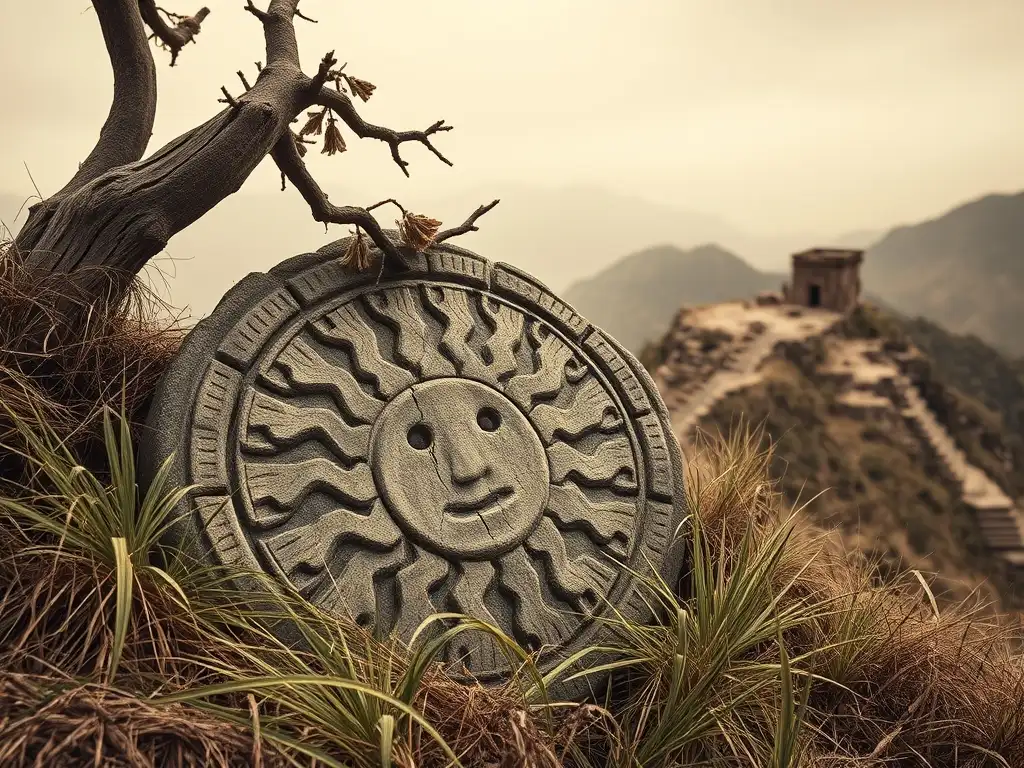
The Spanish conquest of the Andes wasn't simply a military victory; it represented a systematic dismantling of Andean societies, profoundly impacting their knowledge systems and cultural practices. The Spanish suppression of Andean traditions extended far beyond the battlefield, penetrating the very fabric of daily life and leaving a legacy of cultural loss that continues to resonate today. This deliberate erosion targeted several key areas, including language, agriculture, and medicine, fundamentally reshaping Andean identities and ways of life.
Understanding the depth and breadth of this cultural suppression is crucial to appreciating the enduring impact of colonialism on the region and the ongoing efforts to revitalize indigenous knowledge. The strategic dismantling of Andean societal structures was crucial to the Spanish project of colonization and resource extraction.
The Suppression of Andean Languages
The Spanish Crown actively promoted the Castilian language, suppressing Quechua and other indigenous languages through various means. This linguistic suppression was not accidental; it was a deliberate policy aimed at undermining Andean cultural identity and facilitating control. Indigenous speakers faced penalties for using their native tongues, including fines and even imprisonment. The imposition of Spanish in education, religious services, and government further marginalized indigenous languages. This created a linguistic monoculture, severely limiting access to traditional knowledge passed down through generations in oral forms. The loss of these languages meant the loss of intricate knowledge systems embedded within them – knowledge about medicinal plants, agricultural techniques, and spiritual beliefs. The impact is still felt today, with many Andean communities struggling to preserve their linguistic heritage in the face of persistent linguistic dominance. The decline in Quechua speakers, for instance, is a direct consequence of this historical suppression and ongoing societal pressures.
The Loss of Traditional Agricultural Practices
Traditional Andean agricultural practices, honed over millennia, were highly sophisticated and sustainable. Techniques like terracing, waru waru (raised field agriculture), and the cultivation of diverse crops were crucial to the survival and prosperity of Andean societies. The Spanish, however, often dismissed these methods as primitive and introduced European agricultural systems that were ill-suited to the Andean environment. The introduction of large-scale monoculture farming, for example, depleted the soil and led to environmental degradation.
The destruction of traditional irrigation systems further exacerbated the problem. Furthermore, the Spanish encomienda system, which forced indigenous populations to work on Spanish-owned lands, disrupted traditional agricultural cycles and practices, leading to widespread food insecurity and famine. This shift away from diverse, sustainable agriculture towards unsustainable European practices contributed significantly to the ecological imbalance and resource depletion that persists in the Andes today.
The Undermining of Andean Medical Knowledge
Andean medical knowledge, deeply rooted in a holistic understanding of the human body and its relationship with nature, was also a target of Spanish suppression. Traditional Andean healers, curanderos, possessed extensive knowledge of medicinal plants and therapeutic practices. The Spanish, however, often viewed these practices with suspicion, associating them with paganism and witchcraft.
The introduction of European medical practices, often inadequate for the Andean context, further marginalized traditional healing systems. The deliberate suppression of curanderos and their knowledge led to a loss of valuable medicinal information and contributed to the decline of traditional healthcare systems. The consequences of this suppression are still felt today, as many communities continue to struggle with access to affordable and culturally appropriate healthcare.
The ongoing efforts to document and revive traditional Andean medicine represent a crucial step in reclaiming this vital aspect of Andean heritage. The systematic erasure of Andean medical knowledge is a stark example of the far-reaching consequences of the Spanish suppression of Andean traditions.
Resistance and Resilience of Andean Culture
The Spanish conquest of the Andes wasn't simply a military takeover; it was a systematic attempt to erase a rich tapestry of cultural practices, beliefs, and social structures. While the Spanish crown exerted significant control, the Andean people demonstrated remarkable resilience, actively resisting and subtly preserving their heritage in various ways. This resistance, often covert and deeply ingrained, ensured the survival of many traditions that continue to resonate today.
The Spanish suppression of Andean traditions was met with a multifaceted response, ranging from outright rebellion to the ingenious adaptation and concealment of indigenous practices. This section explores the diverse strategies employed by Andean communities to safeguard their cultural identity in the face of overwhelming oppression. Understanding this resistance is crucial to fully appreciating the enduring legacy of Andean civilization.
Covert Practices and the Persistence of Andean Traditions
Despite the Spanish efforts to impose Catholicism and suppress indigenous religions, Andean spiritual practices persisted, often adapting to the new context. Many indigenous rituals were cleverly integrated into Catholic festivals, creating a syncretic blend of beliefs and practices. For example, the veneration of apus (mountain spirits) continued, often disguised as the worship of Catholic saints associated with similar attributes.
The Pachamama, the Earth Mother, remained a central figure in Andean cosmology, her worship subtly woven into agricultural cycles and daily life. This syncretism allowed Andean people to maintain a connection to their ancestral beliefs while outwardly conforming to Spanish expectations.
The intricate textile traditions of the Andes also survived. While the Spanish introduced new fabrics and techniques, indigenous weavers skillfully incorporated traditional designs and motifs into their work, subtly preserving cultural narratives and symbols within the seemingly innocuous patterns. Similarly, Andean music, with its unique rhythms and instruments, endured, often adapting its lyrics to reflect the realities of colonial life while retaining its core identity.
These covert practices, passed down through generations, stand as a testament to the determination of Andean communities to maintain their cultural heritage. Detailed studies of surviving textiles and musical traditions reveal a complex interplay between adaptation and resistance, offering valuable insights into the strategies employed to preserve cultural identity under oppressive conditions.
Andean Uprisings Against Spanish Colonial Rule
The Spanish suppression of Andean traditions wasn't met passively. Throughout the colonial period, numerous uprisings and rebellions erupted across the Andes, fueled by resistance to forced labor, religious persecution, and the destruction of indigenous ways of life. The Inca legacy, though shattered by the conquest, continued to inspire resistance movements. Leaders often drew on pre-Columbian political structures and ideologies to organize and mobilize their followers.
One notable example is the Túpac Amaru II rebellion of 1780-1781. This large-scale uprising, led by a descendant of the Inca emperors, challenged Spanish authority and briefly restored some aspects of indigenous governance. While ultimately suppressed, the rebellion demonstrated the enduring strength of Andean resistance and its capacity to mobilize widespread opposition to colonial rule.
Many smaller-scale revolts and acts of defiance also occurred, reflecting the ongoing struggle against oppression and the determination to preserve indigenous identity and autonomy. These events highlight the active, violent resistance to the Spanish suppression of Andean traditions, contrasting with the more subtle forms of preservation discussed earlier.
The Enduring Legacy of Pre-Columbian Andean Culture
Despite centuries of Spanish colonial rule and the deliberate attempts to suppress Andean traditions, the legacy of pre-Columbian cultures remains profoundly influential. Many indigenous languages continue to be spoken, albeit often alongside Spanish. Andean agricultural techniques, such as terracing and irrigation, are still practiced, showcasing the ingenuity and environmental sensitivity of pre-Columbian societies. Traditional Andean art forms, from textiles to pottery, continue to thrive, adapting to contemporary contexts while preserving their essential characteristics.
Moreover, the spiritual and cosmological beliefs of the Andes have persisted, often integrated with elements of Catholicism. The deep connection to the Pachamama and the reverence for apus remain integral aspects of Andean identity. This enduring legacy is a powerful testament to the resilience of Andean culture, demonstrating how the Spanish suppression of Andean traditions ultimately failed to fully extinguish the vibrant cultural heritage of the region.
The survival of these traditions highlights the importance of understanding the complexities of cultural contact and the enduring power of indigenous resistance. The continued relevance of Andean practices in modern society underscores the lasting impact of these ancient civilizations.
The Long-Term Consequences of Spanish Cultural Suppression
The Spanish conquest of the Andes wasn't merely a military victory; it was a systematic dismantling of complex societal structures and a brutal suppression of Andean traditions. The impact of this cultural genocide reverberates through Andean societies to this day, manifesting in profound and lasting ways. Understanding the long-term consequences of Spanish actions is crucial to appreciating the ongoing struggles for cultural revitalization and the complexities of modern Andean identity. The keyword phrase "Spanish suppression of Andean traditions" directly relates to the systematic efforts implemented by the Spanish conquistadors.
The Spanish conquest created a deeply stratified social system, placing indigenous populations at the bottom of a rigid hierarchy. The encomienda system, which granted Spanish conquistadors control over indigenous labor, fueled widespread exploitation and dispossession. Indigenous communities were forced into labor in mines, on farms, and in workshops, often under brutal conditions.
This forced labor directly contributed to the decline of traditional Andean economic systems, such as sophisticated agricultural practices and intricate textile production. The introduction of the repartimiento system, though ostensibly designed to regulate labor, simply continued the cycle of exploitation, often resulting in death from overwork and disease. The economic disparity created by these systems persists today, hindering the economic advancement of many Andean communities and contributing to significant social inequalities.
Quantifying the exact economic losses due to this suppression is difficult, but historical accounts paint a grim picture of widespread poverty and deprivation inflicted upon the indigenous population. The social stratification continues to impact access to resources, education, and opportunities.
Loss of Cultural Identity and Heritage
The Spanish Crown actively sought to eradicate indigenous Andean religions, beliefs, and practices, viewing them as obstacles to conversion to Catholicism. Temples were destroyed, religious ceremonies were outlawed, and indigenous leaders who resisted conversion were often executed. This systematic destruction of religious and cultural practices led to a significant loss of knowledge and a weakening of cultural identity. The suppression extended beyond religion; traditional forms of governance, artistic expression, and social organization were undermined.
For example, the intricate system of ayllus (Andean kinship groups) was disrupted, impacting social cohesion and collective identity. The deliberate destruction of artifacts and the suppression of indigenous languages further exacerbated the loss of cultural heritage. The imposition of Spanish language and culture as the dominant force actively worked to erase the rich tapestry of Andean traditions. This cultural suppression had a devastating impact on the transmission of ancestral knowledge through generations.
The Ongoing Struggle for Cultural Recognition
Despite centuries of suppression, Andean cultures have shown remarkable resilience. However, the legacy of Spanish colonialism continues to present significant challenges. Many Andean communities are still working to reclaim their cultural heritage, revive traditional practices, and achieve greater self-determination.
This struggle involves efforts to revitalize indigenous languages, protect sacred sites, and promote traditional arts and crafts. The ongoing fight for cultural recognition also includes advocating for greater political and economic empowerment. This is a complex process involving negotiations with national governments, international organizations, and other stakeholders.
The struggle encompasses the fight for land rights, the protection of intellectual property related to traditional knowledge, and the promotion of inclusive educational policies that recognize and value the richness of Andean cultures. The resilience of these communities, despite the long-term consequences of Spanish suppression of Andean traditions, is a testament to their strength and enduring spirit. The ongoing efforts to reclaim and celebrate their heritage are essential for the preservation of a vital part of human history.
Frequently Asked Questions
What was the primary method used by the Spanish to suppress Andean traditions?
The Spanish employed a multifaceted approach, including forced conversion to Catholicism, the destruction of religious sites and artifacts, and the banning of indigenous languages and practices. This aimed to erase Andean cultural identity.
How did the suppression of Andean traditions affect Andean art and culture?
The suppression led to a significant loss of traditional artistic expression and knowledge. Many art forms were outlawed, and others were drastically altered to conform to Spanish aesthetics, resulting in a cultural syncretism but also significant loss.
Were all Andean traditions equally affected by Spanish suppression?
No, the impact varied. Some traditions, particularly those deeply tied to religion, faced more intense suppression than others. Certain aspects of Andean life, such as agricultural practices, were adapted and integrated into the colonial system.
What lasting effects did the Spanish suppression have on Andean societies?
The suppression left a lasting impact on Andean identity and cultural continuity. Many traditions were lost, and the effects of cultural trauma are still felt today, impacting language, religion, and social structures.
Are there any examples of Andean traditions that survived Spanish suppression?
Yes, despite the efforts of the Spanish, many Andean traditions persisted, albeit often in modified forms. Examples include certain agricultural techniques, some aspects of textile production, and elements of oral storytelling, though often interwoven with elements of the imposed culture.
Final Reflection: Echoes of the Andes: A Legacy of Resilience
The Spanish suppression of Andean traditions wasn't a mere historical event; it's a wound that continues to bleed into the present day. The echoes of colonial violence resonate in the fragmented cultural landscape of the Andes, reminding us of the enduring power of cultural imperialism and the persistent struggle for indigenous self-determination. Understanding this history is not just an academic exercise; it's crucial for building a more just and equitable future.
The enduring strength of Andean culture, despite centuries of systematic oppression, is a testament to the human spirit's capacity for resistance and adaptation. The vibrant threads of tradition, though often frayed, have stubbornly persisted, weaving themselves into the fabric of modern Andean life. The struggle for survival is the struggle for culture.
This simple statement encapsulates the profound connection between cultural identity and the fight for self-determination, a fight that continues to this day as Andean communities strive to reclaim their heritage and assert their rights.
Consider the impact of this history on your own life. How does understanding the systematic dismantling of a culture influence your perspective on globalization, colonialism, and the preservation of cultural heritage? You have the power to amplify the voices of marginalized communities, to support initiatives that promote indigenous rights, and to learn from the resilience of the Andean people. Let the echoes of the Andes inspire you to become a champion for cultural preservation and social justice, ensuring that the rich tapestry of human experience is not lost to the ravages of oppression.
Unveil the Rich Heritage of Andean Traditions!
Thank you for exploring the fascinating history of the suppression of traditional Andean practices. Understanding this past allows us to better appreciate and revitalize the rich cultural heritage that endures today.
Now, let's take action! Here are some meaningful ways to engage with this vibrant legacy:
- Embrace traditional Andean practices by trying local recipes or crafts.
- Share this article to spread awareness of the importance of preserving and celebrating Andean heritage.
- Support local cultural organizations dedicated to teaching, restoring, and promoting Andean traditions and knowledge.
How will you integrate the resilience of Andean cultures into your life?