
The Future of the Andes: Indigenous Visions for a Sustainable World


Step into a world lost to time, yet echoing powerfully in the present. For centuries, the Andean civilizations – Incas, Moche, Nazca, and Tiahuanaco – thrived, developing astonishing innovations. But their legacy extends far beyond glittering gold and breathtaking mountaintop cities. Discover the secrets of Andean indigenous sustainability, a model that holds vital lessons for our future. Uncover how ancient wisdom can guide us towards a more harmonious world – the future of the Andes awaits your exploration.
The Andes Mountains, a spine of towering peaks and fertile valleys stretching along the western edge of South America, have been home to vibrant indigenous cultures for millennia. These communities, including the descendants of the Inca, Moche, Nazca, and Tiahuanaco, have developed sophisticated systems of environmental management and a deep-rooted connection to the land, known as Pachamama.
This article explores how Andean indigenous communities are not only surviving but thriving, offering vital insights and practices for a more sustainable future, demonstrating the profound relevance of Andean indigenous sustainability in a globally challenged world. We will delve into their traditional knowledge, spiritual beliefs, and innovative approaches to conservation, highlighting their crucial role in shaping a sustainable world for generations to come.
The challenges facing these communities are significant, ranging from climate change to economic pressures, yet their resilience and commitment to their ancestral lands provide a powerful example for the rest of the world. This exploration of Andean indigenous sustainability will reveal the wisdom embedded within their cultural practices and the urgent need to learn from and support their efforts.
Introduction: Andean Indigenous Communities and Environmental Stewardship
Andean indigenous communities have a long history of sustainable living, deeply intertwined with their spiritual beliefs and traditional practices. For centuries, they have developed intricate systems of agriculture, water management, and resource utilization that demonstrate a profound understanding of ecological balance. Unlike many modern approaches that prioritize economic growth above environmental concerns, Andean communities often integrate economic activities seamlessly within their ecological framework.
This approach emphasizes the interconnectedness of all living beings and the importance of respecting the natural world. The concept of ayni, reciprocal exchange, is central to their worldview, promoting a sense of responsibility and balance in their interactions with the environment. Understanding their approach is key to understanding Andean indigenous sustainability and its potential to inspire global change.
Many communities actively participate in conservation projects, protecting biodiversity and promoting sustainable tourism, demonstrating a commitment to both preserving their cultural heritage and ensuring the long-term health of their ecosystems. Their efforts are vital for maintaining the delicate balance of the Andean ecosystem and preserving biodiversity, especially facing the growing pressures of climate change.
Understanding Andean Cosmovision and Sustainability
The Andean cosmovision, a complex worldview that encompasses spiritual beliefs, social structures, and environmental practices, is fundamental to understanding Andean indigenous sustainability. This holistic perspective views the world as an interconnected web of life, where humans are not separate from, but rather an integral part of, nature. This interconnectedness is reflected in their traditional practices and resource management strategies, which prioritize the long-term health of the ecosystem over short-term gains.
This deep respect for nature is not merely a philosophical stance; it’s a practical necessity for survival in the challenging Andean environment. The delicate balance of the ecosystem is carefully maintained through traditional practices, ensuring the continued provision of resources and the preservation of biodiversity.
The Pachamama Concept: Earth as a Living Being
The concept of Pachamama, or Mother Earth, is central to the Andean cosmovision. Pachamama is not simply a physical entity but a living being deserving of respect and reverence. This profound spiritual connection motivates sustainable practices, as harming the earth is seen as harming oneself and future generations. Rituals and ceremonies honoring Pachamama are integral to Andean life, reinforcing the importance of environmental stewardship.
These rituals often involve offerings and prayers, expressing gratitude for the earth's bounty and seeking its continued support. The health of Pachamama is directly linked to the well-being of the community, emphasizing the interconnectedness between human actions and environmental consequences. The concept is deeply ingrained in their daily lives, influencing everything from agricultural practices to resource management.
Andean Traditional Ecological Knowledge (TEK)
Andean Traditional Ecological Knowledge (TEK) encompasses a vast body of accumulated knowledge about the environment, passed down through generations. This knowledge includes detailed understanding of plant and animal life, weather patterns, and soil conditions, enabling effective resource management and sustainable practices. TEK is not static but dynamic, adapting to changing environmental conditions and incorporating new insights. It’s a powerful tool for navigating the challenges of climate change and preserving biodiversity.
This knowledge is crucial for developing effective conservation strategies and promoting sustainable development in the Andes. For example, the intricate systems of terrace farming, developed over centuries, demonstrate a remarkable understanding of water management and soil conservation. These practices not only enhance agricultural productivity but also prevent soil erosion and maintain the health of the ecosystem.
Interconnectedness of Nature and Human Life
The Andean cosmovision emphasizes the fundamental interconnectedness of nature and human life. This holistic perspective guides sustainable practices by recognizing that human well-being is inextricably linked to the health of the environment. This understanding fosters a sense of responsibility and stewardship, motivating communities to protect and conserve their natural resources. Decisions regarding resource use are not made in isolation but within the context of the broader ecosystem, considering the long-term impacts on both human and environmental well-being.
This interconnectedness is reflected in their social structures and governance systems, which often incorporate traditional ecological knowledge and spiritual beliefs into decision-making processes. The emphasis on community and reciprocity reinforces the importance of collaboration and shared responsibility in managing resources sustainably. This holistic approach offers a valuable model for sustainable development in other parts of the world.
Challenges Facing Andean Indigenous Communities Today
The Andean region, a cradle of ancient civilizations, faces a complex web of challenges impacting its indigenous communities today. These challenges threaten not only their livelihoods but also the unique cultural heritage and biodiversity of the Andes. The interconnectedness of these issues necessitates a holistic approach to finding sustainable solutions. Understanding the specific pressures faced by these communities is crucial for effective intervention and support. The scale of these challenges requires both local and international collaboration to ensure the long-term well-being of the Andean peoples and their environment. The urgency of the situation demands immediate and sustained action.
Climate Change Impacts on Andean Ecosystems
Climate change significantly affects Andean ecosystems, impacting the livelihoods of indigenous communities who depend directly on these resources. Glacial retreat, a direct consequence of rising global temperatures, reduces water availability for agriculture and human consumption, particularly in the dry season. Changes in precipitation patterns lead to increased frequency and intensity of droughts and floods, devastating crops and infrastructure.
The shifting climate also affects biodiversity, altering the distribution and abundance of plants and animals crucial for traditional practices and food security. For example, the shrinking glaciers in the Cordillera Blanca in Peru directly impact the water supply for communities in the surrounding valleys, threatening their agricultural practices and access to clean drinking water. The increasing unpredictability of weather patterns makes traditional farming methods more challenging and necessitates adaptation strategies.
Resource Extraction and Environmental Degradation
Large-scale mining and other extractive industries pose a significant threat to Andean ecosystems and the communities that inhabit them. Mining activities often lead to deforestation, soil erosion, water pollution, and the displacement of indigenous populations from their ancestral lands. The use of toxic chemicals in mining processes contaminates water sources, impacting human health and the environment.
Furthermore, the construction of infrastructure related to resource extraction, such as roads and pipelines, fragments habitats and disrupts traditional land use patterns. For instance, the expansion of mining operations in the Altiplano region has led to increased water scarcity and conflicts over water rights between mining companies and indigenous communities. This highlights the urgent need for stricter environmental regulations and greater community participation in decision-making processes related to resource extraction.
Loss of Traditional Land and Cultural Heritage
The encroachment on indigenous lands and the erosion of traditional knowledge are critical challenges faced by Andean communities. Land grabbing, driven by economic development and agricultural expansion, displaces communities and diminishes their access to essential resources. The loss of traditional territories also signifies the loss of cultural heritage, including sacred sites, ancestral knowledge, and traditional practices.
The lack of legal recognition of indigenous land rights further exacerbates this problem. For example, the expansion of agricultural frontiers in the Amazonian foothills has led to the displacement of indigenous communities and the loss of their traditional territories and associated knowledge systems related to sustainable resource management. Protecting indigenous land rights and promoting the recognition of their traditional knowledge systems are crucial for preserving their cultural heritage and ensuring their long-term sustainability.
Andean Indigenous Sustainability Practices: Solutions for the Future
Andean indigenous communities possess a wealth of traditional knowledge and practices that offer valuable lessons for sustainable development. These practices, honed over centuries, demonstrate a deep understanding of ecological principles and a commitment to living in harmony with nature. By learning from and supporting these indigenous practices, we can contribute to a more sustainable future for the Andean region. The preservation and promotion of this knowledge are crucial for addressing the challenges facing the region.
Traditional Agricultural Techniques and Food Sovereignty
Traditional Andean agricultural techniques, such as terrace farming and crop diversification, are remarkably sustainable. Terrace farming prevents soil erosion and optimizes water use, while crop diversification enhances resilience to climate variability and pest outbreaks. These practices contribute to food sovereignty, ensuring local communities have access to nutritious and culturally appropriate food.
For example, the intricate terrace systems of the Inca Empire demonstrate a remarkable understanding of water management and soil conservation, techniques that remain relevant and valuable today. Supporting these traditional practices, while adapting them to modern challenges, is essential for ensuring food security and promoting sustainable agriculture in the Andes.
Water Management and Conservation Strategies
Andean communities have developed sophisticated water management systems adapted to the unique hydrological conditions of the region. These systems, often based on community-based governance structures, ensure equitable access to water and promote efficient water use. Traditional techniques include the construction of canals, reservoirs, and irrigation systems that optimize water distribution for agriculture and other uses.
For example, the ingenious water management systems of the pre-Inca cultures in the Nazca region demonstrate a profound understanding of hydrology and the ability to harness scarce water resources effectively. Preserving and adapting these traditional systems are crucial for managing water scarcity and ensuring water security in the face of climate change.
Community-Based Natural Resource Management
Community-based natural resource management (CBNRM) is a powerful approach to sustainable development in the Andes. CBNRM empowers indigenous communities to manage their natural resources sustainably, ensuring their long-term well-being and the preservation of biodiversity. This approach emphasizes local knowledge, participatory decision-making, and equitable benefit sharing. For example, many Andean communities are successfully implementing CBNRM initiatives to manage forests, pastures, and fisheries, demonstrating the effectiveness of this approach in promoting both ecological and social sustainability. Supporting and strengthening CBNRM initiatives is essential for ensuring the sustainable management of Andean ecosystems and the well-being of indigenous communities.
Revitalizing Ancient Practices for Modern Sustainability
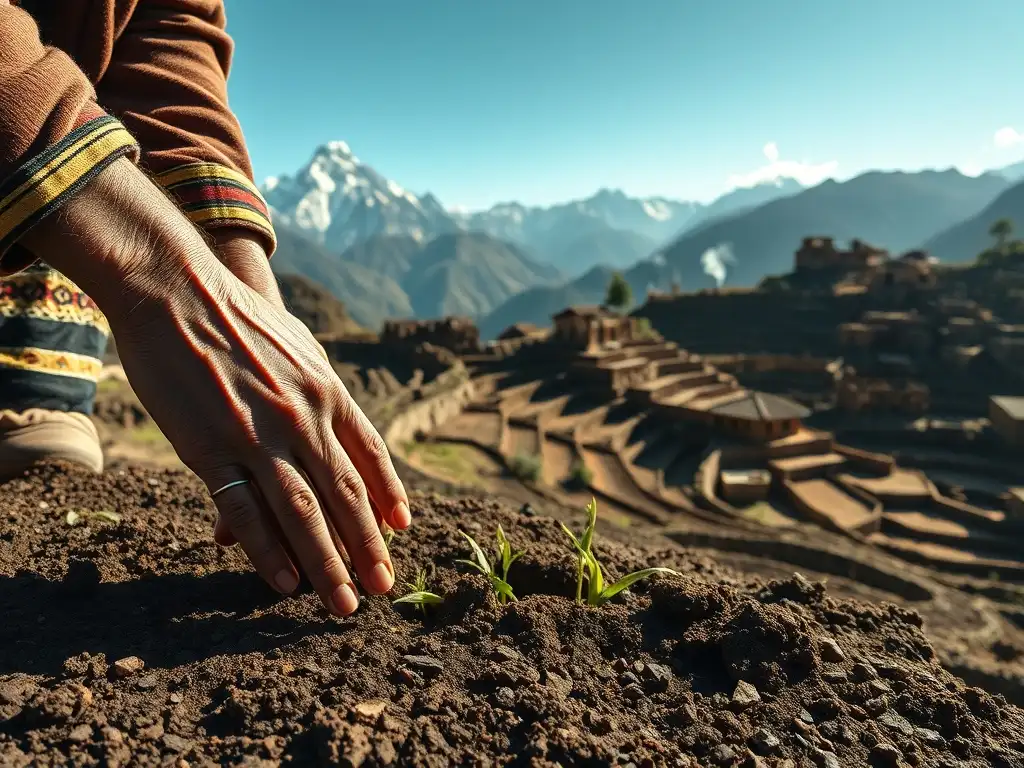
The Andes boast a rich tapestry of indigenous knowledge systems honed over millennia. These systems, often deeply intertwined with spiritual beliefs and a profound respect for nature, offer invaluable insights for achieving modern sustainability goals. For example, the Inca's sophisticated agricultural techniques, like terracing and waru waru (raised-bed agriculture), dramatically increased crop yields while minimizing erosion and conserving water—techniques still relevant and effective today.
These practices offer a blueprint for sustainable agriculture in challenging Andean terrains, demonstrating how ancient wisdom can be applied to contemporary challenges. Furthermore, indigenous communities' traditional methods of resource management, including sustainable forestry and responsible animal husbandry, provide valuable lessons in ecological balance and long-term resource planning.
The revival and adaptation of these practices are not merely nostalgic exercises; they represent a powerful pathway towards a more sustainable future for the Andes and beyond. The key lies in understanding the underlying principles of these techniques and integrating them into modern agricultural and environmental management strategies.
Integrating Andean Wisdom in Contemporary Environmental Policies
Currently, many environmental policies in Andean nations fail to adequately incorporate the unique knowledge and perspectives of indigenous communities. This oversight represents a significant missed opportunity. For instance, the implementation of large-scale mining projects often disregards the traditional ecological knowledge of local communities, leading to environmental degradation and social conflict. To address this, policymakers must actively engage with indigenous communities in the development and implementation of environmental policies.
This involves establishing participatory processes where indigenous voices are heard and their knowledge is valued as a crucial component of decision-making. Success stories exist, however, where governments have successfully integrated indigenous perspectives into environmental regulations, leading to more effective and equitable outcomes. These examples demonstrate the significant potential for collaborative environmental governance when indigenous knowledge is properly integrated. The future of Andean environmental policy hinges on recognizing and respecting the invaluable contributions of indigenous communities.
Promoting Indigenous-Led Conservation Initiatives
Indigenous communities are frequently at the forefront of conservation efforts in the Andes, possessing a deep-seated commitment to protecting their ancestral lands and resources. Their efforts often involve establishing community-based conservation areas, implementing sustainable resource management practices, and actively monitoring biodiversity. However, these initiatives often lack adequate funding and support from government agencies and international organizations. Greater investment in indigenous-led conservation projects is crucial, ensuring that these initiatives receive the resources they need to succeed.
This support could include funding for training, equipment, and capacity building, as well as legal recognition and protection of indigenous land rights. Empowering indigenous communities to lead conservation efforts is not only ethically sound but also demonstrably effective in achieving long-term conservation goals. By investing in these initiatives, we can protect the Andes' rich biodiversity and cultural heritage for generations to come.
The Role of Indigenous Knowledge in Climate Change Adaptation
Climate change poses a significant threat to the Andes, impacting water resources, agriculture, and biodiversity. Indigenous communities, having lived in close harmony with their environment for centuries, possess a wealth of knowledge about adapting to environmental changes. Their traditional practices, such as drought-resistant crop varieties and water management techniques, offer valuable insights into building resilience to climate change impacts.
Integrating this indigenous knowledge into climate change adaptation strategies is essential for developing effective and culturally appropriate solutions. This means actively engaging with indigenous communities, incorporating their knowledge into climate models and adaptation plans, and ensuring that adaptation measures respect their traditional rights and practices. Ignoring this knowledge base would be a critical oversight, limiting the effectiveness of climate change adaptation efforts in the Andes.
The Importance of Indigenous Voices in Global Sustainability
The global sustainability agenda cannot be achieved without the full and meaningful participation of indigenous communities. Indigenous peoples, representing a significant portion of the world’s population, are often disproportionately affected by environmental degradation and climate change. Their traditional knowledge systems, rooted in a deep understanding of ecological processes and sustainable resource management, are essential for developing effective solutions to global environmental challenges.
Furthermore, their perspectives on environmental justice and equitable resource distribution are crucial for ensuring that sustainability efforts are truly inclusive and beneficial for all. Ignoring their voices would not only be ethically wrong but also severely undermine the effectiveness of global sustainability initiatives. The Andean region, with its rich history of indigenous stewardship of the land, serves as a powerful example of the vital role indigenous communities play in achieving a sustainable future.
Andean Perspectives on Global Environmental Issues
Andean indigenous communities offer unique insights into global environmental issues, shaped by their deep connection to the Andean ecosystem. Their perspectives often emphasize the interconnectedness of all living things, a holistic worldview that contrasts with the often fragmented approaches of Western science. For example, their understanding of water management goes beyond mere engineering; it encompasses spiritual beliefs and cultural practices that ensure the responsible use of this vital resource.
These perspectives can enrich the global discourse on environmental issues, offering alternative solutions and promoting a more holistic and integrated approach to environmental management. The incorporation of these perspectives is not only crucial for effective environmental governance but also vital for fostering a more equitable and just world.
Empowering Indigenous Communities for a Sustainable Future
Empowering indigenous communities is essential for achieving a sustainable future in the Andes. This involves recognizing and respecting their land rights, providing access to education and resources, and supporting their participation in decision-making processes. Empowerment also requires addressing historical injustices and systemic inequalities that have marginalized indigenous communities.
Only through genuine empowerment can indigenous communities fully contribute their knowledge and expertise to sustainable development efforts. This includes providing access to financial resources, technological support, and opportunities for leadership development. This collaborative approach ensures that sustainability initiatives are not imposed upon communities but rather developed in partnership with them, leading to more effective and equitable outcomes.
Building Bridges Between Indigenous Knowledge and Western Science
A crucial aspect of achieving Andean sustainability involves fostering collaboration between indigenous knowledge systems and Western science. This involves recognizing the validity and value of both knowledge systems, creating spaces for dialogue and exchange, and integrating indigenous knowledge into scientific research and policy-making. This collaborative approach can lead to more comprehensive and effective solutions to environmental challenges.
For example, researchers can work with indigenous communities to document and analyze traditional ecological knowledge, integrating it into scientific models and conservation strategies. Such collaborations not only enhance our understanding of the Andean ecosystem but also contribute to the development of more culturally appropriate and effective sustainability initiatives. This bridge-building is essential for harnessing the full potential of both knowledge systems in creating a sustainable future for the Andes.
Case Studies: Successful Indigenous Sustainability Projects in the Andes
The Andes Mountains are a treasure trove of biodiversity and cultural heritage, but they also face significant environmental challenges. However, indigenous communities across the region are demonstrating remarkable resilience and innovation in their pursuit of sustainable development. Their traditional knowledge, combined with modern approaches, offers valuable lessons for the rest of the world. These communities are not merely surviving; they are thriving while protecting the environment. This section highlights several successful initiatives that exemplify Andean indigenous sustainability.
The Potato Park, Peru: Biodiversity Conservation and Community Empowerment
The Potato Park, located in the Cusco region of Peru, is a shining example of community-based conservation. For centuries, Quechua communities have cultivated an astonishing diversity of potato varieties, each adapted to specific ecological niches. The Potato Park initiative works directly with these communities to protect and promote this invaluable genetic resource. It isn't just about preserving potatoes; it's about empowering local farmers and building sustainable livelihoods.
The project has successfully combined traditional agricultural practices with modern techniques, leading to increased yields and improved food security. Furthermore, the Potato Park has become a model for ecotourism, allowing visitors to experience the unique culture and biodiversity of the region while contributing directly to the community's economic development. This demonstrates how sustainable practices can directly benefit the community and protect the environment. The park's success showcases the importance of local knowledge and community ownership in conservation efforts.
The Kichwa Community of Sarayaku, Ecuador: Defending Territory and Culture
The Kichwa community of Sarayaku in the Ecuadorian Amazon has been a powerful voice in the fight for indigenous rights and environmental protection. Facing threats from oil exploration and deforestation, the Sarayaku have employed innovative strategies to defend their ancestral territory and preserve their unique culture. Their commitment to sustainable resource management is deeply ingrained in their worldview, emphasizing the interconnectedness of all living things.
Their legal battles have achieved international recognition, highlighting the importance of respecting indigenous land rights and the crucial role of indigenous communities in protecting biodiversity. They demonstrate how sustainable development can be intertwined with protecting indigenous rights and cultural heritage. Their actions exemplify the fight for self-determination and environmental stewardship.
Aymara Water Management in Bolivia: Traditional Irrigation Systems
The Aymara people of the Bolivian Altiplano have developed sophisticated water management systems over centuries, adapting to the harsh conditions of the high Andes. Their traditional irrigation techniques, based on a deep understanding of local hydrology and ecology, have ensured water availability for agriculture and human consumption. These systems are remarkably efficient and resilient, even in the face of climate change. The Aymara's knowledge of water management is not simply a technical skill; it is deeply interwoven with their spiritual and cultural beliefs, highlighting the interconnectedness of nature and society.
Their practices demonstrate the value of traditional ecological knowledge in addressing modern environmental challenges. The Aymara case study emphasizes the importance of respecting and learning from traditional knowledge systems in the face of climate change and resource scarcity. Their methods provide valuable insights into sustainable water management strategies applicable in other arid and semi-arid regions.
Conclusion: A Path Forward Rooted in Andean Indigenous Wisdom
The Potential of Andean Indigenous Sustainability for a Better World
The examples presented above demonstrate the significant potential of Andean indigenous sustainability models. These initiatives highlight the critical role of indigenous knowledge, community participation, and respect for traditional practices in achieving sustainable development. Their success challenges conventional development paradigms and offers valuable lessons for policymakers, researchers, and communities worldwide. By embracing and integrating indigenous perspectives, we can create a more equitable and sustainable future for all. The Andean experience showcases the power of community-based approaches to environmental conservation and sustainable development, offering valuable insights for global efforts to address climate change and biodiversity loss.
Call to Action: Supporting Indigenous Communities and Their Vision
Supporting Andean indigenous communities and their vision for a sustainable future requires a multifaceted approach. This includes recognizing and upholding their land rights, investing in community-based projects, promoting traditional knowledge, and fostering collaboration between indigenous communities and external stakeholders. We must actively listen to and learn from the wisdom of indigenous peoples, recognizing their invaluable contributions to global sustainability. This is not just a matter of environmental protection; it is a matter of social justice and equity.
By working in partnership with Andean indigenous communities, we can unlock their potential to create a more sustainable and just world for all. The future of the Andes, and indeed the planet, depends on it. Let's support their efforts and learn from their remarkable achievements.
- Introduction: Andean Indigenous Communities and Environmental Stewardship
- Understanding Andean Cosmovision and Sustainability
- Challenges Facing Andean Indigenous Communities Today
- Andean Indigenous Sustainability Practices: Solutions for the Future
- Revitalizing Ancient Practices for Modern Sustainability
- The Importance of Indigenous Voices in Global Sustainability
- Case Studies: Successful Indigenous Sustainability Projects in the Andes
- Conclusion: A Path Forward Rooted in Andean Indigenous Wisdom
- What is the significance of Andean indigenous knowledge in achieving sustainability?
- How did ancient Andean civilizations practice sustainable agriculture?
- What role did spirituality play in Andean indigenous sustainability?
- Are Andean indigenous sustainability practices relevant today?
- How can we support Andean indigenous communities in their sustainability efforts?
Frequently Asked Questions
What is the significance of Andean indigenous knowledge in achieving sustainability?
Andean indigenous communities possess centuries-old practices of sustainable living, including water management, agriculture, and resource use. Their knowledge is crucial for developing effective and culturally appropriate solutions for modern environmental challenges.
How did ancient Andean civilizations practice sustainable agriculture?
Ancient Andean civilizations employed sophisticated techniques like terracing, irrigation systems, and crop rotation to maximize agricultural output while minimizing environmental impact. This allowed them to support large populations sustainably.
What role did spirituality play in Andean indigenous sustainability?
Deep spiritual connections to the land and its resources shaped Andean practices. Respect for nature and a belief in its interconnectedness fostered responsible resource management and conservation.
Are Andean indigenous sustainability practices relevant today?
Absolutely! Many traditional practices, like agroforestry and water harvesting, are being revived and adapted to address contemporary issues such as climate change and biodiversity loss. They offer valuable lessons for sustainable development.
How can we support Andean indigenous communities in their sustainability efforts?
By promoting and funding their initiatives, supporting fair trade, and acknowledging their traditional ecological knowledge as a valuable resource for global sustainability, we can empower these communities and learn from their expertise.
Final Reflection: Weaving a Sustainable Future: Andean Wisdom for a Changing World
The urgent need for sustainable practices is no longer a distant concern; it is the defining challenge of our time. The interconnectedness of environmental degradation, social inequality, and economic instability, as highlighted throughout this exploration of Andean indigenous perspectives, demands immediate and transformative action. Ignoring the wisdom embedded within these ancient cultures risks jeopardizing not only the Andes themselves, but the global pursuit of a truly sustainable future.
The resilience and ingenuity demonstrated by Andean communities in their relationship with the environment offer a powerful counterpoint to dominant, extractive models of development. Their deep understanding of ecological balance, reflected in their intricate agricultural systems and spiritual connection to the land, provides invaluable lessons for a world grappling with climate change and resource depletion. The earth is not an inheritance from our ancestors, but a loan from our children.
This powerful sentiment underscores the responsibility we all share in protecting the planet for future generations, a responsibility deeply ingrained in Andean cosmovision.
Consider the profound implications of the knowledge shared within this article. How can we, in our daily lives, integrate the principles of reciprocity, respect for nature, and community-based solutions that are so central to Andean sustainability? Let the stories and wisdom of the Andes inspire you to make conscious choices, to advocate for change, and to become active participants in building a more just and sustainable world. The future of the Andes, and indeed the future of our planet, depends on it.
Embrace the Future: Act for the Andes Today!
Thank you for exploring the inspiring visions of Andean indigenous communities. Your engagement helps build a more sustainable world. Now is the time to turn inspiration into action.
Here's how you can support these vital efforts:
- Join a local or global initiative promoting sustainable practices and indigenous knowledge in the Andes.
- Share this article to raise awareness and inspire others to protect the Andes' rich heritage.
- Support indigenous-led projects by volunteering your time or making a donation to help them achieve their sustainability goals.
How can we best amplify the voices of Andean indigenous communities in the global sustainability dialogue?