
Beyond Gold: Discovering the Essential Goods that Fueled the Andean Economies

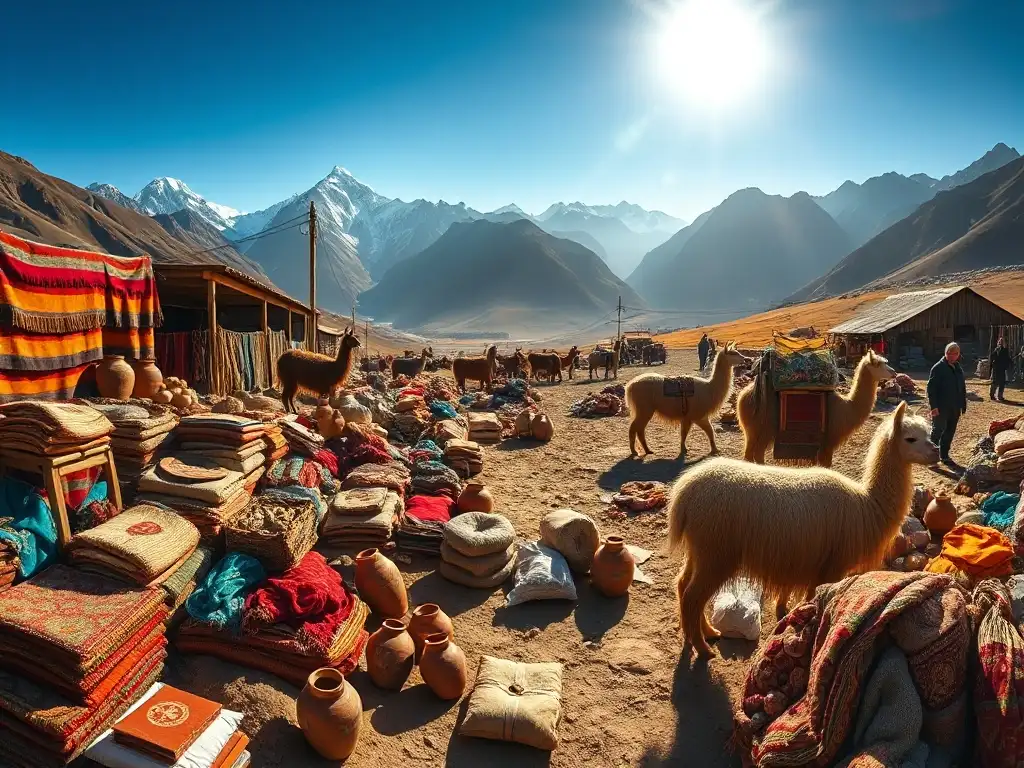
Step into a world lost to time, yet echoing with the whispers of empires. Beyond the glittering gold, the Andean civilizations thrived on a complex network of trade, exchanging far more than precious metals. Discover the surprising essential goods that fueled these powerful societies and shaped their destinies – from vibrant textiles to potent coca leaves. Unravel the mysteries surrounding Andean civilizations trade goods and prepare to be amazed by the ingenuity and interconnectedness of these ancient cultures. Read on to delve into the vibrant tapestry of Andean commerce and uncover its hidden secrets.
- Beyond Gold: Essential Trade Goods of Andean Civilizations
- Staple Foodstuffs as Key Andean Trade Goods
- Beyond Food: Other Crucial Andean Trade Goods
- Regional Specialization and Trade Patterns
- The Impact of Trade on Andean Civilizations
-
Frequently Asked Questions
- What were the primary trade goods of the Andean civilizations?
- How did geography impact trade in the Andes?
- What role did llamas and alpacas play in Andean trade?
- Were there any specific trade routes used by Andean civilizations?
- How did trade contribute to the rise and fall of Andean civilizations?
- Final Reflection: Reframing Andean Prosperity: Beyond the Glitter of Gold
- **Unleash the Treasures of the Andes Today! **
Beyond Gold: Essential Trade Goods of Andean Civilizations
The glittering gold of the Inca Empire often overshadows the complex and diverse economic systems that fueled Andean civilizations for millennia. This article delves beyond the precious metals, exploring the essential goods that formed the backbone of Andean trade networks and profoundly impacted the development of these remarkable societies. We will examine the intricate web of exchange that connected disparate communities across the Andes Mountains, highlighting the significance of various commodities and the crucial role they played in shaping political power, social structures, and cultural exchange.
From the coastal deserts to the high-altitude plains, the movement of goods wasn't just about economic gain; it was a vital force in the creation and maintenance of Andean civilizations, reflecting their ingenuity, resilience, and interconnectedness. Understanding these essential trade goods provides a richer, more nuanced perspective on the vibrant tapestry of Andean history and culture, going far beyond the simplistic narrative often associated with "gold and glory."
This exploration will illuminate the ingenuity and sophistication of Andean economic strategies, revealing how diverse communities thrived through intricate systems of exchange. We will analyze the key trade goods, their routes, and their impact on the development of the various Andean cultures, including the Incas, Moche, Nazca, and Tiahuanaco.
Introduction to Andean Trade Networks and Economies
Andean trade networks were not simply a matter of bartering goods; they were complex systems deeply intertwined with social, political, and religious life. The geography of the Andes, with its diverse ecological zones – from arid coastal regions to fertile valleys and high-altitude plains – fostered a system of verticality in trade. This "vertical archipelago," as some scholars term it, meant that different altitudes produced unique goods, creating a natural impetus for exchange.
Communities specialized in producing specific goods based on their environment, leading to a vibrant exchange of agricultural products, textiles, ceramics, and other essential items. This wasn't a chaotic system; evidence suggests sophisticated organizational structures and established routes facilitated the movement of goods across vast distances. For example, the Inca road system, while perhaps reaching its zenith during the Inca Empire, built upon pre-existing pathways and established trade routes that had been functioning for centuries.
The effective management and control of these routes often became a key factor in determining political and economic power within the region. The efficient movement of goods was crucial for sustaining large populations and supporting the growth of urban centers. Understanding these networks is essential to comprehending the overall economic success and resilience of Andean civilizations.
The Significance of Trade in Ancient Andean Societies
Trade in the Andes was far more than a simple economic activity; it played a central role in shaping social structures, political power, and religious beliefs. The control of essential goods, such as coca leaves, textiles, or specialized tools, often translated directly into political influence and social prestige. Access to coveted resources could solidify alliances, enhance social standing, and even determine the outcome of conflicts.
Many Andean societies developed elaborate systems of tribute and taxation, often involving the collection of goods rather than solely monetary payments. These goods were then redistributed within the society, reinforcing social hierarchies and ensuring the support of the ruling elite. Furthermore, trade fostered cultural exchange, leading to the diffusion of ideas, technologies, and artistic styles across different regions.
The spread of religious beliefs and practices was also significantly influenced by trade networks, as evidenced by the wide dissemination of certain iconographic motifs and ceremonial objects across vast geographical areas. The exchange of goods was therefore a powerful engine of cultural integration and innovation within the Andean world. The exchange of goods wasn't just transactional; it was deeply embedded in the social fabric of Andean societies.
The Role of Trade Routes in Andean Economic Development
The development of efficient and well-maintained trade routes was crucial for the economic prosperity of Andean civilizations. These routes, often traversing challenging terrains, facilitated the movement of goods and people, connecting remote communities and fostering economic growth. The Inca qhapaq ñan (royal road) is a prime example of a sophisticated infrastructure project designed to support and control trade, but many other, earlier routes existed, demonstrating a long history of investment in trade infrastructure.
These routes weren't simply paths; they often included strategically placed storage facilities, resting places, and even fortifications to protect traders and their goods. The construction and maintenance of these routes required significant investment of labor and resources, highlighting the importance placed on trade by Andean societies. The efficient flow of goods along these routes contributed significantly to the economic development of the region, supporting the growth of specialized production, urban centers, and complex social structures.
The strategic location of settlements along these routes often determined their economic success and political importance, underscoring the profound impact of trade networks on the overall development of Andean civilizations. The effectiveness of these routes was directly correlated with the prosperity and stability of the empires and cultures that utilized them. The careful planning and execution of these logistical feats speak volumes about the advanced organizational capabilities of Andean societies.
Staple Foodstuffs as Key Andean Trade Goods
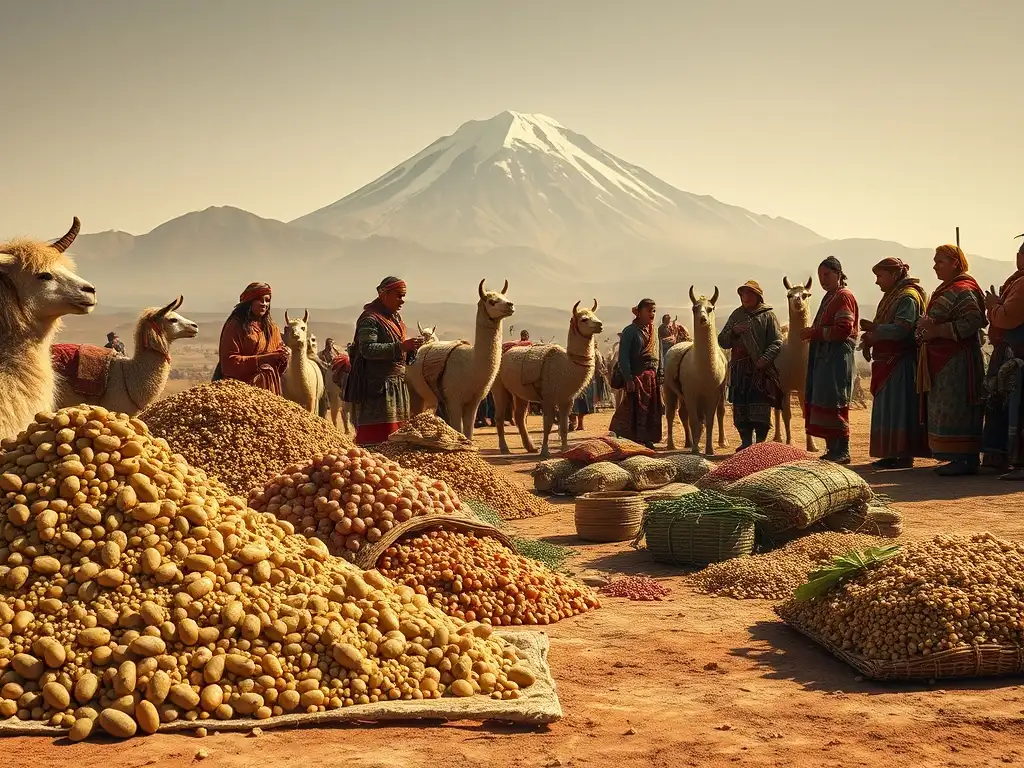
The vibrant economies of the Andean civilizations weren't solely built on precious metals like gold and silver. A crucial element, often overlooked, was the extensive trade in staple foodstuffs. These agricultural products formed the backbone of Andean societies, fueling their populations and driving economic exchange across vast distances. Understanding the role of these essential goods provides a deeper insight into the complexity and resilience of these ancient cultures.
The sheer volume of food traded highlights the sophisticated logistical networks and intricate social structures necessary to manage such large-scale operations. Analyzing the trade in staple foods helps us understand not just the economic power of these civilizations but also their social organization and agricultural prowess. The movement of these goods reveals much about the interconnectedness of Andean communities and the sophisticated systems they developed to ensure food security across diverse ecological zones.
Maize: The Cornerstone of Andean Agriculture and Trade
Maize, or corn, held a position of paramount importance in Andean agriculture and trade. Its versatility, nutritional value, and adaptability to diverse altitudes made it a cornerstone of the Andean diet and a highly sought-after commodity. Evidence suggests that different varieties of maize, each suited to specific ecological niches, were cultivated and traded extensively. This intricate system of specialized production and exchange demonstrates a deep understanding of agriculture and a sophisticated network for distributing resources. The sheer scale of maize cultivation and trade speaks volumes about the organizational capabilities of Andean societies.
Different Varieties and Uses of Maize in Trade
Andean civilizations cultivated a remarkable diversity of maize varieties, each with unique characteristics and uses. Some varieties were prized for their large kernels, ideal for grinding into flour for chicha, a fermented maize beverage of significant social and ritual importance. Other varieties were selected for their suitability for making various types of porridge or for storage.
The different varieties weren't just traded as raw kernels. They were also processed into various products like humitas (steamed corn cakes) and cancha (toasted corn kernels), increasing their value and shelf life for long-distance trade. This diversification highlights the ingenuity and adaptability of Andean farmers and the complexity of their trade networks.
The specialization in maize varieties and their processed forms underscores the sophisticated understanding of agriculture and the economic strategies employed to maximize resource utilization. Evidence suggests that the trade in maize also played a crucial role in strengthening political alliances and social interactions between different communities.
Potatoes: A Highly Valued and Traded Andean Staple
Potatoes, another staple crop, played a crucial role in the Andean economy. Their remarkable adaptability to diverse altitudes and climates allowed for cultivation across a wide range of ecological zones. The various types of potatoes, each with unique characteristics in terms of taste, texture, and nutritional content, contributed to a diversified agricultural system. The trade in potatoes, therefore, wasn't merely an exchange of calories; it was a complex interaction involving specialized varieties, each with specific culinary uses and economic value.
Processing and Preservation Techniques for Potato Trade
The successful long-distance trade of potatoes required sophisticated processing and preservation techniques. Potatoes were often dried or freeze-dried to extend their shelf life, reducing spoilage during transport. This involved careful control of temperature and humidity, demonstrating a remarkable level of technological sophistication. Furthermore, the Andean civilizations developed various methods of storing potatoes, utilizing underground cellars and other storage facilities to protect them from pests and the elements.
These techniques were vital for ensuring the successful transportation and distribution of potatoes across the vast Andean territories. The development and implementation of these methods highlight the ingenuity of Andean peoples in adapting their agricultural practices to the demands of a complex trade system. The evidence suggests a remarkable level of knowledge in food preservation, ensuring that this essential crop could reach distant markets and contribute significantly to the economic prosperity of the region. 🥔
Quinoa: A Nutritional Powerhouse in Andean Commerce
Quinoa, a pseudocereal crop native to the Andean region, played—and continues to play—a crucial role in the economic and social fabric of Andean civilizations. Its cultivation spread widely across the diverse Andean landscapes, from the high altitudes of the Altiplano to the lower valleys, demonstrating its adaptability and resilience. This adaptability allowed for a consistent supply, making quinoa a reliable staple and a significant commodity in trade networks.
The nutritional value of quinoa, rich in protein, fiber, and essential amino acids, further cemented its importance. Unlike many other grains, quinoa contains all nine essential amino acids, making it a complete protein source – a fact that undoubtedly contributed to its high value in the Andean diet and trade. Its versatility in preparation, ranging from porridges to breads and even alcoholic beverages, further enhanced its economic significance.
The ability to store quinoa for extended periods without significant loss of nutritional value also made it an ideal trade good, facilitating long-distance exchange across the Andes. Its value extended beyond simple sustenance; quinoa's nutritional benefits likely contributed to the overall health and productivity of Andean populations, impacting their capacity for labor and, consequently, their economic output.
The Importance of Quinoa in Andean Diets and Trade
The importance of quinoa in Andean diets is undeniable. Archaeological evidence consistently reveals quinoa remains at numerous sites across the Andes, spanning centuries and various cultures. It wasn't simply a food source; it was deeply integrated into the social and ritualistic life of these societies. Its role in ceremonies and religious practices is evident in the discovery of quinoa alongside other offerings in ancient burial sites.
The cultivation and distribution of quinoa were often managed communally, reflecting its importance as a shared resource within Andean communities. This communal aspect likely also influenced its role in inter-community trade. Surplus quinoa production in regions with favorable growing conditions would be exchanged for other essential goods, strengthening economic ties and fostering alliances between different groups. The high nutritional value of quinoa made it a valuable trade commodity, often used as a form of tribute or payment for services.
Its ease of transportation and storage also made it a preferred trade item compared to more perishable goods. The long-distance trade networks that crisscrossed the Andes facilitated the widespread distribution of quinoa, demonstrating its vital role in the sustenance and economic development of these complex societies. The enduring popularity of quinoa even today, both domestically and globally, is a testament to its enduring legacy as a vital Andean staple and a historically significant trade good.
Beyond Food: Other Crucial Andean Trade Goods
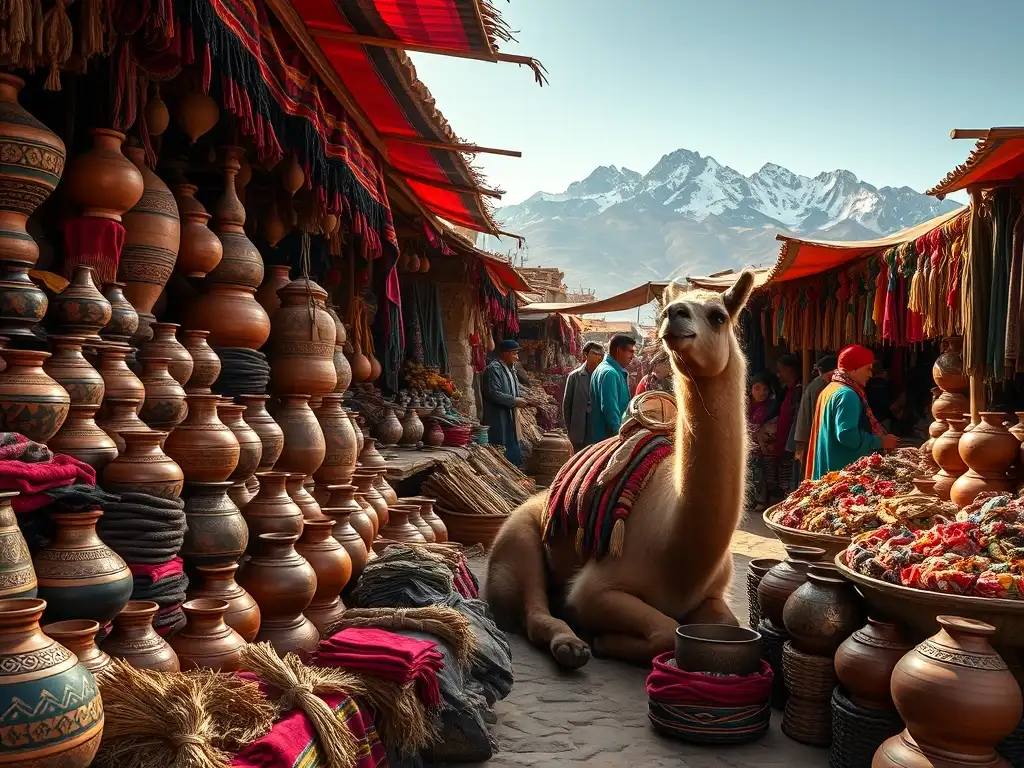
The Andean economies, while heavily reliant on agricultural products like potatoes and maize, thrived on a complex network of exchange involving a diverse range of goods. Beyond the sustenance provided by food, other essential commodities fueled economic growth, social stratification, and cultural exchange across vast distances. Understanding the trade in these non-food items provides critical insight into the sophistication and interconnectedness of Andean civilizations. This section explores some of these key goods, highlighting their economic significance and cultural impact within the context of Andean civilizations trade goods.
Textiles: Intricate Fabrics and Their Economic Significance
Textiles constituted a significant portion of Andean trade, reflecting both the ingenuity of Andean artisans and the economic value placed on fine fabrics. The vibrant colors, intricate designs, and high quality of these textiles indicate their importance not only as clothing but also as status symbols and valuable commodities. The production, distribution, and consumption of textiles were deeply integrated into the social and economic fabric of Andean societies. Understanding the nuances of textile production and trade provides a window into the complex social structures and economic interactions that shaped these ancient cultures.
Wool from Camelids: Alpaca, Llama, and Vicuña
The Andean highlands were home to a variety of camelids—alpaca, llama, and vicuña—providing the prized wool that fueled a thriving textile industry. Alpaca wool, known for its softness and warmth, was particularly sought after, and vicuña wool, the finest and rarest, was reserved for the elite. The different qualities of wool from these animals created a tiered system of textile production and trade, with different grades commanding different prices.
The meticulous shearing, spinning, and weaving techniques employed by Andean artisans further enhanced the value of these textiles. Archaeological evidence reveals the extensive trade networks involved in the distribution of camelid wool and finished textiles across the Andes.
Cotton and Other Plant Fibers in Andean Textile Production
While camelid wool dominated the highlands, cotton played a crucial role in the warmer coastal regions. Cotton's soft texture and absorbency made it ideal for clothing, and its cultivation and processing were significant economic activities. Additionally, other plant fibers, such as those from agave and toquilla straw, were used to create different types of textiles, each with its own unique properties and value.
The diversity of plant fibers used in Andean textile production reflects the adaptability and ingenuity of Andean farmers and weavers, who skillfully adapted their techniques to the available resources in different ecological zones. This diversification of materials contributed to the richness and variety of Andean textiles, further emphasizing their economic and social significance.
Ceramics: Artistic Vessels as Objects of Trade and Status
Ceramics represent another vital category of Andean trade goods. The production of pottery was widespread, with regional variations in style and technique reflecting the unique artistic traditions and technological capabilities of different Andean cultures. Ceramics served practical purposes, such as storage and cooking, but they also held immense symbolic value, serving as markers of social status and participating in ritual practices.
Regional Styles and Techniques of Andean Pottery
The diversity of Andean pottery is astounding. From the elaborate Moche portrait vessels to the geometric designs of Nazca pottery, each region developed its own distinctive style and techniques. These variations in style and technique, often identifiable by specific decorative motifs, clay types, and firing methods, allowed archaeologists to trace the origins and distribution of ceramic artifacts, shedding light on the trade routes and economic interactions between different Andean communities. The meticulous craftsmanship and artistic skill displayed in these vessels highlight the high value placed on ceramics within Andean societies.
The Role of Ceramics in Andean Ritual and Commerce
Beyond their practical uses, ceramics played a significant role in Andean ritual and commerce. Elaborately decorated vessels were used in ceremonies, and their presence in burials indicates their importance in the afterlife. The trade in high-quality ceramics, particularly those with intricate designs or unique stylistic features, contributed significantly to the economic prosperity of certain regions and communities. The exchange of these objects facilitated social connections and fostered cultural exchange across the vast Andean landscape. The presence of specific ceramic styles in distant locations is clear evidence of extensive trade networks and the economic significance of ceramics within Andean civilizations.
Minerals and Metals: Beyond Gold in Andean Trade
Gold certainly held a prominent place in Andean economies, symbolizing power and divinity. However, the Andean civilizations' trade networks weren't solely reliant on the precious metal. A diverse range of minerals and metals fueled their economies and facilitated their intricate social structures.
From the practical to the ceremonial, these resources were vital for daily life and inter-regional exchange. The strategic location of mineral deposits influenced the establishment and development of trade routes, connecting distant communities and fostering economic interdependence. Control over these resources often translated into political and social dominance, shaping the power dynamics within and between Andean societies.
The extraction, processing, and distribution of these materials required sophisticated techniques and a complex division of labor, further highlighting the importance of these resources beyond their inherent value. The impact of these mineral resources extended far beyond their immediate use; they were integral to the very fabric of Andean societies, shaping their culture, politics, and economy.
Copper, Tin, and Bronze: The Importance of Metalworking
Copper, tin, and their alloy, bronze, were crucial metals in Andean civilizations. Copper, readily available in certain regions, was used to create tools, weapons, and decorative objects. Tin, less abundant, was often traded over long distances to create bronze, a stronger and more durable metal ideal for more sophisticated implements. The technology of metalworking itself was a highly valued skill, passed down through generations of artisans.
Evidence suggests specialized workshops existed, producing high-quality metal goods for both local consumption and long-distance trade. The control and distribution of these metals were important factors in the rise and fall of various Andean powers, demonstrating their strategic significance beyond their material properties. The intricate designs and craftsmanship evident in surviving artifacts showcase the advanced metallurgical knowledge and artistic talent of Andean metalworkers. The prestige associated with bronze tools and ornaments further cemented their role as important trade commodities.
Obsidian and Other Minerals Used in Tools and Trade
Obsidian, a volcanic glass, was another highly valued mineral. Its sharp edges made it perfect for creating tools and weapons. Obsidian sources were geographically concentrated, leading to extensive trade networks bringing this valuable resource to communities far from its origin. Other minerals, like various types of stone used for sculpting and construction, also played significant roles in Andean trade.
The quality and type of stone could vary greatly, influencing its value and the distance over which it was traded. The transportation of these heavier materials would have required significant effort and organization, showcasing the advanced logistical capabilities of the Andean civilizations. The distribution patterns of these minerals can help archaeologists reconstruct the extent and complexity of ancient Andean trade routes and social interactions. The presence of specific types of stone in archaeological sites can indicate the nature of the exchange networks and the extent of regional connections.
Coca Leaves: A Ritual and Practical Trade Commodity
Coca leaves (Erythroxylum coca) were—and continue to be—a crucial element of Andean life. Beyond their stimulant properties, coca held immense cultural and religious significance. Chewing coca leaves was a widespread practice, serving both social and ritual purposes. The leaves were used in ceremonies, offerings, and as a form of social bonding.
The economic importance of coca is undeniable; it was a highly traded commodity, moving across vast distances throughout the Andes. Coca's value extended beyond its practical uses; it was intertwined with the spiritual beliefs and social structures of Andean societies. The control over coca production and trade often held significant political power, influencing regional dominance and economic prosperity. The cultivation, processing, and distribution of coca leaves required a complex system of labor and organization, underscoring its importance as a pivotal element in the Andean economy.
The Cultural and Economic Importance of Coca in Andean Societies
The cultural significance of coca in Andean societies cannot be overstated. It was deeply integrated into their religious beliefs, ceremonies, and social interactions. Coca was offered to deities, used in rituals, and exchanged as a sign of respect or friendship. Archaeological evidence consistently shows the presence of coca leaves in tombs and sacred sites, highlighting their spiritual importance. The economic importance is equally significant. Coca leaves were a valuable commodity, traded extensively across the Andes. The leaves were used not only for their stimulant properties but also for medicinal purposes, making them a highly sought-after resource. The cultivation, processing, and distribution of coca required significant organization and labor, contributing to the overall economic structure of Andean societies. The enduring importance of coca in Andean cultures underlines its profound impact on their history, society, and economy. Its role in both ritual and everyday life demonstrates its multifaceted importance to the region.
Regional Specialization and Trade Patterns
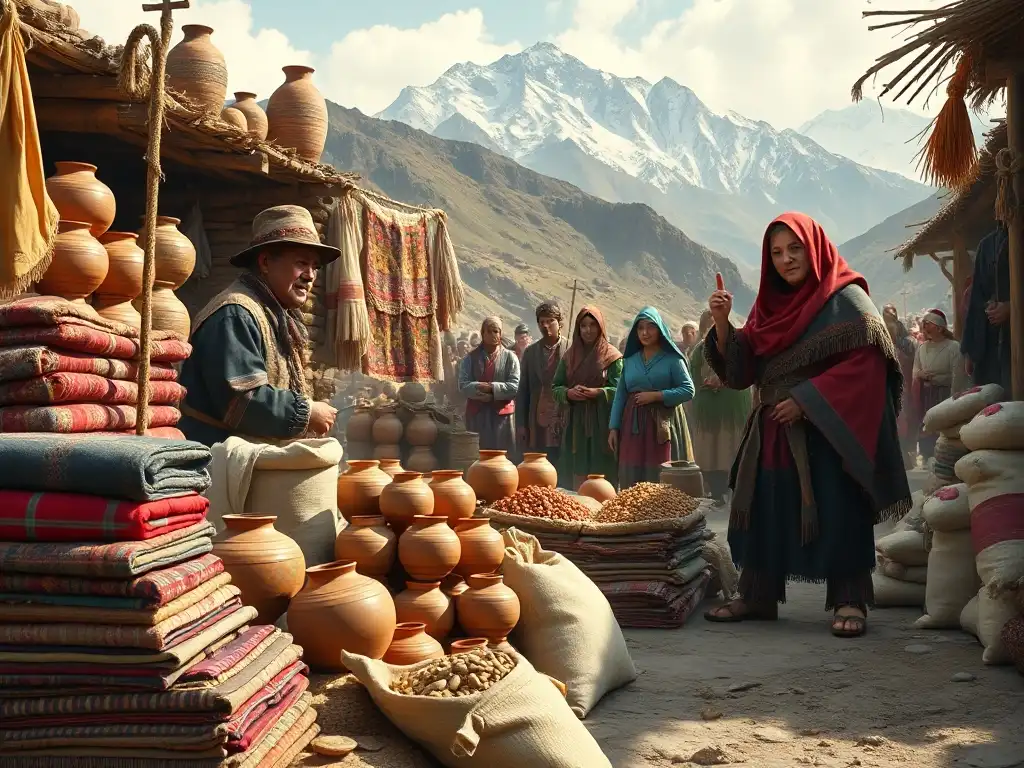
The vibrant economies of the Andean civilizations weren't solely reliant on gold, though its prestige is undeniable. A complex network of trade routes facilitated the exchange of diverse goods, reflecting distinct regional specializations and fostering economic interdependence across vastly different terrains. Understanding these patterns reveals a sophisticated system of resource management and economic integration that shaped Andean societies for centuries.
The strategic exchange of essential goods, far exceeding the allure of precious metals, fueled the growth and stability of these remarkable civilizations. Analyzing the specifics of these trade networks illuminates the ingenuity and interconnectedness of Andean life. The keyword "Andean civilizations trade goods" perfectly encapsulates the core theme of this exploration.
Coastal Andean Trade: Fish, Shells, and Marine Resources
The coastal regions of the Andes boasted an abundance of marine resources, forming the backbone of their economies. Fishing, particularly of anchovies and other small fish, provided a crucial protein source and supported a thriving fishing industry. The processing and preservation of fish, likely through sun-drying and salting techniques, allowed for long-distance trade of these vital food staples.
Beyond fish, coastal communities harvested shellfish, including various types of mollusks and crustaceans. These were not only consumed locally but also served as valuable trade items, especially shells used for ornamentation, tools, and ritual objects. The exquisite craftsmanship displayed in shell artifacts from coastal sites testifies to the skilled artisans and the high value placed upon these marine resources.
Evidence suggests that coastal communities specialized in the production of textiles using cotton, further enhancing their participation in the broader Andean trade networks. This specialized production of textiles complemented their marine-based economy, strengthening their position in the inter-regional exchange of goods.
Highland Andean Trade: Agricultural Products and Minerals
The high-altitude Andean regions, in contrast to the coast, were characterized by agriculture and mining. The cultivation of potatoes, maize, quinoa, and other crops formed the basis of the highland economies. The diverse agricultural landscape allowed for the production of a wide range of foodstuffs, supporting large populations and providing surplus for trade.
Potatoes, in their numerous varieties, were particularly important, providing sustenance and forming a key component in the Andean diet. Beyond agriculture, the highlands were rich in mineral resources, including copper, silver, and other metals. These minerals, essential for tool-making and ornamentation, were highly valued and traded extensively.
The extraction and processing of these minerals required specialized knowledge and labor, reflecting a distinct economic specialization within the Andean world. The intricate techniques employed in metalworking, evident in the sophisticated artifacts unearthed from highland sites, showcase the advanced technological capabilities of these Andean societies and the importance of mineral resources in their economies. The strategic location of highland communities near mineral deposits and agricultural lands further facilitated trade and economic development.
Inter-Regional Trade: Connecting Diverse Andean Economies
The exchange of goods between the coastal and highland regions highlights the interdependence and economic integration of the Andean civilizations. Coastal fish and shellfish were traded inland in exchange for highland agricultural products and minerals. This inter-regional trade network was facilitated by well-established trade routes, often following river valleys and mountain passes.
The exchange wasn't limited to basic necessities; luxury goods, such as textiles, ceramics, and precious metals, also circulated throughout these networks, reflecting a complex system of economic interaction. The movement of these goods not only satisfied economic needs but also played a significant role in the dissemination of cultural ideas and technologies across the Andes. The presence of coastal artifacts in highland sites and vice versa provides tangible evidence of these extensive trade connections.
Furthermore, the standardization of certain goods, such as pottery styles or textile designs, suggests the existence of established trade practices and perhaps even specialized trading centers that facilitated the exchange of goods and information across the Andean landscape. This interconnectedness fostered economic growth and cultural exchange, shaping the unique identity of the various Andean civilizations. The efficient and organized nature of this inter-regional trade underscores the sophisticated understanding of economics and logistics possessed by these Andean societies.
The Impact of Trade on Andean Civilizations
The vibrant exchange of goods across the Andes profoundly shaped the trajectory of these ancient societies. Far from being isolated entities, Andean civilizations engaged in extensive trade networks that fostered economic growth, cultural diffusion, and political power. Understanding the impact of this trade is crucial to comprehending the complexities of these remarkable cultures. The sheer scale of these networks, spanning vast distances and diverse ecological zones, underscores their significance.
The movement of goods wasn't simply an economic transaction; it was a catalyst for social, political, and cultural transformation. The strategic control of vital trade routes often dictated political dominance, leading to the rise and fall of powerful empires. Analyzing the types of goods traded, the routes they followed, and the societies involved reveals a dynamic picture of interconnectedness and mutual influence. The subsequent sections will delve deeper into specific aspects of this far-reaching impact.
Trade and the Growth of Andean Urban Centers
The flourishing trade networks of the Andes directly fueled the growth of major urban centers. Cities like Cusco (Inca), Chan Chan (Chimú), and Cajamarca served as crucial hubs, strategically located along major trade routes. These cities benefited from the influx of goods, creating economic opportunities and attracting skilled artisans, merchants, and administrators.
The concentration of wealth and resources in these urban centers led to significant infrastructural development, including impressive architecture, sophisticated water management systems, and extensive storage facilities for traded goods. For example, the elaborate network of warehouses and storage facilities found in Inca cities like Cusco demonstrates the scale of goods flowing through these urban centers. The concentration of population in urban areas also fostered specialization of labor, leading to the development of specialized crafts and industries.
This intricate interplay between trade and urban development is a key factor in understanding the rise of complex societies in the Andes. The economic prosperity generated by trade empowered these urban centers, transforming them into centers of political and cultural influence. The flow of goods, therefore, was not merely an economic phenomenon, but a fundamental driver of urban expansion and social complexity.
Trade and the Spread of Andean Cultural Practices
Andean trade networks were not simply conduits for material goods; they also facilitated the dissemination of cultural practices, religious beliefs, and artistic styles. The exchange of goods often came with the exchange of ideas, beliefs, and artistic techniques. The widespread distribution of specific ceramic styles, textiles, and architectural motifs across geographically distant regions demonstrates the reach of cultural exchange facilitated by trade.
For instance, the distinctive Nazca pottery style, characterized by its intricate polychrome designs, has been found in sites far beyond the Nazca region itself, indicating its dissemination through trade networks. Similarly, the Inca's sophisticated road system not only facilitated the movement of goods but also the spread of Inca language, religion, and administrative practices throughout their vast empire.
The adoption of similar agricultural techniques, religious rituals, and artistic styles in different regions highlights the significant role of trade in homogenizing certain aspects of Andean culture while simultaneously allowing for regional variations and adaptations. This cultural exchange, facilitated by the movement of people and goods, enriched the cultural tapestry of the Andean world and contributed to the development of shared identities and cultural practices across diverse regions.
The Legacy of Andean Trade Networks
The legacy of the Andean trade networks extends far beyond the collapse of individual empires. The sophisticated infrastructure built to support these networks, including roads, bridges, and storage facilities, left a lasting imprint on the landscape. The Inca road system, for example, remains a testament to their engineering prowess and continues to influence transportation routes in the region even today.
Moreover, the economic and cultural exchanges fostered by these networks had a profound and lasting impact on the development of subsequent Andean societies. The enduring impact of trade on Andean cultures is evident in the continued use of traditional crafts, agricultural practices, and artistic styles that have their roots in pre-Columbian traditions. The knowledge of medicinal plants, agricultural techniques and metalworking, for instance, spread through these networks and continues to shape the lives of Andean communities.
The intricate patterns of trade, therefore, established fundamental economic and cultural structures that continue to resonate in modern-day Andean societies, demonstrating the long-term significance of these ancient networks. The study of these networks provides valuable insights into the resilience and adaptability of Andean cultures, highlighting their capacity to adapt and thrive within a dynamic and interconnected world. Understanding this legacy offers a deeper appreciation for the complexity and enduring influence of Andean civilizations.
Conclusion: The Enduring Importance of Andean Trade Goods
The exchange of goods wasn't merely a commercial activity for Andean civilizations; it was a cornerstone of their social, political, and religious structures. The intricate networks of trade routes, spanning vast distances across challenging terrain, facilitated the movement of not just essential resources but also ideas, technologies, and cultural practices. The impact of this interconnectedness is still visible today. From the intricate textiles that showcase the mastery of Andean artisans to the sophisticated agricultural techniques that allowed for thriving populations in diverse environments, the legacy of Andean trade continues to inspire and amaze.
The enduring importance of these goods lies not only in their material value but also in their role as symbols of power, prestige, and cultural identity. Understanding the complexities of Andean trade provides a deeper appreciation for the ingenuity, resilience, and interconnectedness of these remarkable civilizations. The study of these trade goods offers a window into the social hierarchies, religious beliefs, and artistic achievements that shaped Andean societies for centuries. Analyzing the distribution patterns of specific goods, such as coca leaves, obsidian tools, or fine ceramics, allows researchers to reconstruct the dynamics of power and influence within the Andean world.
Ultimately, the legacy of Andean trade goods serves as a testament to the remarkable achievements and enduring influence of these ancient societies. The careful study of these artifacts continues to illuminate our understanding of their sophisticated economic systems and their lasting impact on the world. Moreover, the trade networks themselves—often physically represented by the impressive road systems constructed by the Inca—stand as monuments to the organizational prowess and engineering skills of these civilizations. The study of "Andean civilizations trade goods" thus transcends a simple economic analysis; it unlocks a deeper comprehension of their cultural, social, and political landscape.
Frequently Asked Questions
What were the primary trade goods of the Andean civilizations?
The Andean civilizations traded a wide variety of goods. Textiles, pottery, metals (like gold and silver), and agricultural products like maize and coca were crucial for their economies. Spices and obsidian were also important trade items.
How did geography impact trade in the Andes?
The rugged Andean terrain presented challenges, shaping trade routes and influencing the types of goods exchanged. Coastal regions focused on marine resources, while highland areas specialized in alpaca wool and potatoes. River valleys served as crucial transport corridors.
What role did llamas and alpacas play in Andean trade?
Llamas and alpacas were essential pack animals, carrying goods across vast distances over difficult terrain. Their wool was a highly valued trade commodity, and they also provided meat and hides. Their importance cannot be overstated in the Andean trade network.
Were there any specific trade routes used by Andean civilizations?
Yes, several major trade routes existed, connecting different regions and civilizations. These routes often followed river valleys and mountain passes, facilitating the exchange of goods between the coast, highlands, and Amazon basin. The Inca road system significantly improved trade infrastructure.
How did trade contribute to the rise and fall of Andean civilizations?
Trade was vital to the growth and prosperity of Andean civilizations, providing access to essential resources and fostering cultural exchange. Disruptions to trade networks, such as conquest or environmental changes, could lead to economic decline and potentially contribute to the fall of civilizations.
Final Reflection: Reframing Andean Prosperity: Beyond the Glitter of Gold
The glittering allure of gold often overshadows the complex tapestry of goods that truly fueled the Andean economies. Understanding this nuanced reality is not merely an academic exercise; it's crucial for appreciating the ingenuity and resilience of these remarkable civilizations and for understanding the interconnectedness of global trade throughout history. The intricate systems of exchange, far from being simple bartering, reveal sophisticated economic strategies that continue to resonate today.
The impact of Andean trade extends far beyond the archaeological record; it continues to shape our understanding of sustainable resource management and the importance of diverse economic strategies. The ingenuity displayed in cultivating and trading a wide range of goods, from textiles and ceramics to coca leaves and precious metals, offers a powerful counterpoint to modern, often unsustainable, economic models. The true wealth of a nation is not measured in gold, but in the well-being of its people and the sustainability of its resources.
This quote, though modern, perfectly encapsulates the enduring lesson offered by the Andean civilizations' approach to trade and prosperity.
Consider the intricate networks of exchange that connected distant Andean communities. Reflect on the skill and artistry involved in creating the goods traded, and the social structures that supported these complex systems. You, too, can cultivate a more holistic perspective on economic success, valuing diversity, sustainability, and the interconnectedness of all things. Let the legacy of Andean trade inspire you to seek a more balanced and equitable approach to your own life and the world around you.
**Unleash the Treasures of the Andes Today! **
Thank you for exploring the essential goods that fueled Andean economies. We hope you gained valuable insights into the rich history and cultural significance of these items, extending far beyond gold. Now, let's put your newfound knowledge into action!
Here are some **exciting ways** to engage further:
- **Support Andean artisans:** Discover and purchase handcrafted Andean goods locally or online. By supporting these artisans, you directly contribute to the preservation of their rich traditions.
- **Join the conversation:** Participate in online or in-person discussions about the enduring impact of Andean economies on modern societies.
- **Share your passion:** Introduce friends and family to the fascinating world of Andean civilizations, sparking conversations about their enduring cultural heritage.
Which unique Andean craft or tradition are you most eager to learn more about and share with others?