
The Enduring Legacy of Huayna Capac's Sons: The Inca Civil War

Step into a world lost to time, yet echoing with the grandeur of the Andes. Imagine a civilization stretching across a breathtaking landscape, its power seemingly unbreakable…until it wasn't. The death of Huayna Capac plunged the Inca Empire into a brutal civil war, fracturing a legacy of unparalleled ingenuity and ambition. Discover the untold story of the Inca Civil War after Huayna Capac, and uncover the secrets that shaped the fate of one of history's most fascinating cultures. Explore the complexities of this pivotal moment and witness the unraveling of an empire in this gripping narrative.
- The Inca Civil War After Huayna Capac: A Legacy of Discord
- The Reign of Huayna Capac and the Seeds of Conflict
- The Succession Crisis: Two Sons, Two Factions
- The Inca Civil War: A Brutal Struggle for Supremacy
- The Impact of the Inca Civil War
- Atahualpa's Short Reign and the Arrival of the Spanish
- Lessons from the Inca Civil War: A Historical Analysis
- Frequently Asked Questions
- Final Reflection: Echoes of Empire: The Inca Civil War's Enduring Legacy
- Uncover the Rich Legacy of the Inca Civil War!
The Inca Civil War After Huayna Capac: A Legacy of Discord
The death of Huayna Capac in 1527 CE, whether by smallpox or other causes, plunged the Inca Empire into a devastating civil war. This conflict, fought between his sons Huáscar and Atahualpa, irrevocably fractured the vast Andean realm, weakening it significantly just as the Spanish conquistadors arrived on the scene. This article delves into the complex events that led to the war, analyzing the power struggles, strategic alliances, and ultimately, the catastrophic consequences that shaped the fate of the Inca Empire and left an enduring legacy on Andean history.
Understanding this pivotal moment is crucial to grasping the full scope of Inca civilization and its dramatic fall. We will explore the key players, their motivations, and the brutal battles that defined this critical period, using the keyword "Inca Civil War after Huayna Capac" to contextualize our analysis within the broader narrative of Andean history.
The Contested Succession: Huáscar vs. Atahualpa
Huayna Capac's death triggered a fierce battle for succession. His designated heir, Huáscar, controlled the central and southern regions of the empire, inheriting Cuzco, the imperial capital. However, Atahualpa, a powerful and ambitious general, governed the northern provinces and commanded a strong military force. Their conflicting claims to the throne ignited a conflict that rapidly escalated into open warfare.
The brothers' rivalry was not simply a matter of inheritance; it represented a clash of powerful factions, regional loyalties, and ambitious strategies for consolidating power. This was not a simple family feud, but a struggle for control of a vast and complex empire. The ensuing conflict witnessed brutal campaigns, shifting alliances, and devastating losses for both sides, ultimately weakening the Inca Empire's ability to resist the incoming Spanish threat.
Military Strategies and Key Battles
The Inca Civil War was characterized by a series of strategically significant battles. Atahualpa, known for his military prowess, initially gained the upper hand, employing superior tactics and leveraging his control over vital resources. Huáscar, on the other hand, relied on the established administrative structure and support from loyalist factions within Cuzco. The war witnessed innovative military strategies, including the use of sophisticated weaponry and highly organized armies.
Specific battles, such as [Specific battle name and location pending], showcased the scale of the conflict and the brutality involved. [Detailed descriptions of key battles and their strategic implications pending]. The outcome of these battles decisively shaped the political landscape and determined the ultimate victor in this devastating struggle. The detailed account of these engagements reveals a complex military campaign characterized by both brilliance and devastating failures.
The Impact of the Civil War on the Inca Empire
The Inca Civil War had profound and lasting consequences. The protracted conflict severely weakened the empire's infrastructure, depleted its resources, and fractured its unity. The internal strife created widespread instability and social unrest, leaving the population vulnerable and demoralized. The empire's once formidable military strength was significantly diminished, leaving it ill-prepared to face the imminent Spanish invasion.
The war's devastating effects created a power vacuum, paving the way for the relatively easy conquest of the Inca Empire by Francisco Pizarro and his conquistadors. This internal conflict can be considered a crucial factor in the downfall of the Inca civilization. The resulting chaos and instability created a fertile ground for Spanish conquest, forever altering the course of Andean history. The lingering effects of this civil war are still felt today, shaping the political and social landscape of the region.
The Enduring Legacy: A Divided Empire
The Inca Civil War ultimately resulted in Atahualpa's victory, but his triumph was short-lived. His reign was cut short by the arrival of the Spanish conquistadors, who capitalized on the weakened state of the empire. Atahualpa's execution by Pizarro marked the symbolic end of the Inca Empire as an independent entity.
The civil war’s legacy extended beyond the immediate consequences of the Spanish conquest. It profoundly impacted the social, political, and economic structures of the Andean region, leaving a lasting mark on its cultural identity. The fragmented state of the empire following the civil war facilitated the Spanish conquest and the subsequent colonial period, leading to lasting changes in the Andean world.
The Reign of Huayna Capac and the Seeds of Conflict
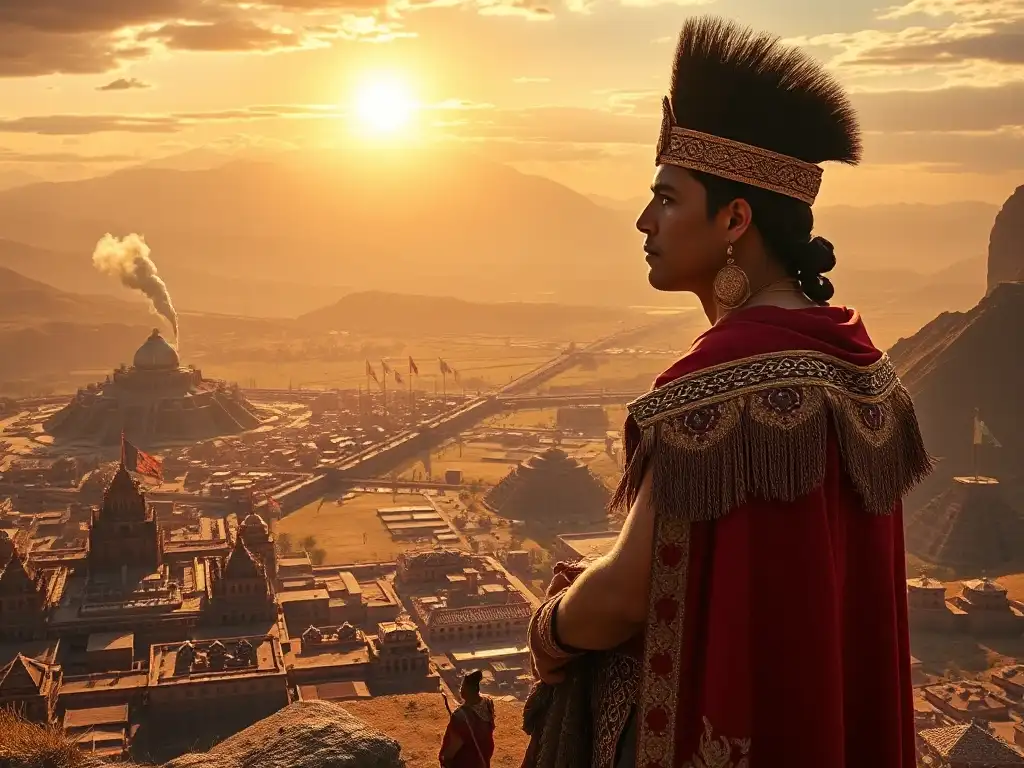
Huayna Capac, the eleventh Sapa Inca, reigned during a period of significant Inca expansion and consolidation. His reign, spanning roughly from 1493 to 1527, witnessed the incorporation of vast territories, stretching the Inca Empire to its greatest extent. This unprecedented growth, however, laid the groundwork for the devastating Inca Civil War after Huayna Capac's death.
The sheer scale of his empire, coupled with his administrative strategies, inadvertently created vulnerabilities that would soon unravel the carefully constructed Inca state. His success, paradoxically, sowed the seeds of its own destruction. The efficient administration he implemented, while impressive, proved insufficient to manage the complex succession issues that arose upon his death.
Huayna Capac's Expansion and Administration
Huayna Capac's military campaigns extended the Inca Empire significantly southward into present-day Chile and northward into parts of Colombia. This expansion wasn't merely conquest; it involved the meticulous integration of conquered populations into the Inca system. The mit'a system, a form of mandatory labor service, was crucial to this process, providing manpower for construction projects like roads, temples, and agricultural terraces. He also implemented a sophisticated system of tambos (roadside inns) and chasquis (runners) that facilitated communication and trade across the vast empire.
This impressive logistical network, however, became a double-edged sword. The sheer distance between the core of the empire and its newly acquired territories made centralized control increasingly difficult, exacerbating the challenges of succession and creating regional power bases. The efficient organization of the empire under Huayna Capac ironically made its fragmentation more devastating when the central authority collapsed.
The efficient administration of Huayna Capac also included a complex system of tribute and redistribution of goods. This system, while effective in ensuring the flow of resources to the capital, also created dependencies and rivalries among different regions. Those regions that provided valuable resources held a certain level of power, and as the empire expanded, the potential for conflict between these powerful regions intensified. The unequal distribution of resources and power across the empire, even if effectively managed during Huayna Capac's reign, became a crucial factor in the Inca Civil War after Huayna Capac.
The Unforeseen Death of the Inca Emperor
The unexpected death of Huayna Capac from a smallpox epidemic in 1527 plunged the Inca Empire into chaos. The precise circumstances surrounding his death remain debated by historians, but the sudden nature of his demise left no clear successor. This lack of a designated heir triggered a power struggle between his sons, Huáscar and Atahualpa, each with their own loyal followers and claims to the throne.
The absence of a clearly established mechanism for succession within the Inca system, despite Huayna Capac's otherwise effective rule, proved catastrophic. The empire's sophisticated administrative structure, designed to manage a vast territory, failed to anticipate or mitigate this critical vulnerability. This unforeseen event, coupled with the pre-existing tensions stemming from the empire's expansion and resource distribution, ignited the devastating Inca Civil War.
The absence of a clear line of succession, a critical oversight in the otherwise impressive governance of Huayna Capac, directly contributed to the fracturing of the mighty Inca Empire. The smallpox epidemic, a completely external factor, acted as a catalyst, exposing the underlying weaknesses of the Inca system and ultimately leading to its downfall. The Inca Civil War after Huayna Capac stands as a testament to the fragility of even the most powerful empires in the face of unforeseen events and unresolved internal tensions.
The Succession Crisis: Two Sons, Two Factions
The death of Huayna Capac in 1527 CE, whether by smallpox or other causes, plunged the Inca Empire into a tumultuous period known as the Inca Civil War. The lack of a clear successor, coupled with the vast size and complexity of the empire, created a power vacuum swiftly filled by competing factions vying for control. This wasn't simply a fight for a throne; it was a struggle for the legitimacy to rule over a sophisticated, multi-ethnic state with intricate political and economic systems.
The ensuing conflict irrevocably weakened the Inca Empire, making it vulnerable to the Spanish conquest just a few short years later. The core of this conflict stemmed from the ambitions and claims of Huayna Capac's two most prominent sons: Huáscar and Atahualpa.
Their rivalry, fueled by regional loyalties and differing strategies for governance, tore the empire apart. The Inca Civil War after Huayna Capac became a brutal fight for supremacy, leaving a lasting impact on the Andean region.
The Claim of Huascar: Legitimacy and Power
Huáscar, considered the elder son by many, based his claim on traditional Inca succession practices. He emphasized his legitimacy as the heir apparent, designated by his father before his death. He enjoyed strong support in the heartland of the Inca Empire, particularly in Cusco, the imperial capital.
Huáscar's power base rested on the established administrative structures and the loyalty of the traditional Inca aristocracy. He controlled the crucial agricultural lands surrounding Cusco, ensuring a steady flow of resources and manpower. His reign, however, was marked by a more conservative approach, potentially alienating some of the outlying provinces.
While he held the symbolic power of the Inca throne, he lacked the military prowess and strategic vision of his brother. His administration, while effective in maintaining order in Cusco, proved less adept at handling the challenges posed by Atahualpa's growing military strength. The strategic error of not proactively addressing Atahualpa's rebellion ultimately proved fatal to his claim to the throne.
The Rise of Atahualpa: Military Might and Ambition
Atahualpa, on the other hand, built his power base on military might and strategic alliances. Having served as governor of Quito, a northern province of the Inca Empire, he commanded a formidable army loyal to him. He leveraged his military strength and his control over rich mineral resources to consolidate his power.
Atahualpa’s ambition was not limited to inheriting the throne; he sought to reshape the empire according to his vision. This vision likely included a more centralized administration and a stronger military presence throughout the empire. His military successes against various regional factions solidified his reputation as a powerful leader, attracting support from those who felt marginalized under Huáscar's rule.
His army, hardened by years of campaigning in the challenging northern territories, proved superior in battle to Huáscar’s forces, ultimately leading to his victory in the civil war. The strategic brilliance of Atahualpa's military campaigns played a pivotal role in his rise to power, even if his reign was tragically short-lived.
The Division of the Inca Empire: A Fractured Kingdom
The Inca Civil War wasn't just a conflict between two brothers; it was a conflict that fractured the empire along regional and ethnic lines. The empire was divided into two distinct factions, each with its own loyalties and resources. Huáscar controlled the southern provinces, including the vital agricultural heartland around Cusco, while Atahualpa held sway over the northern regions, enriched by their mineral wealth and strategic location.
This division weakened the empire's overall strength, significantly impacting its ability to respond effectively to external threats. The internal strife, marked by intense battles and shifting alliances, depleted the empire's resources and manpower. The constant warfare, coupled with the widespread destruction, left the Inca Empire vulnerable and fractured, ripe for conquest by the arriving Spanish conquistadors.
The legacy of the Inca Civil War after Huayna Capac was a severely weakened empire, unable to withstand the external pressures that ultimately led to its downfall. The conflict left a lasting scar on the Andean landscape, a testament to the devastating consequences of internal strife within a once-mighty empire.
The Inca Civil War: A Brutal Struggle for Supremacy
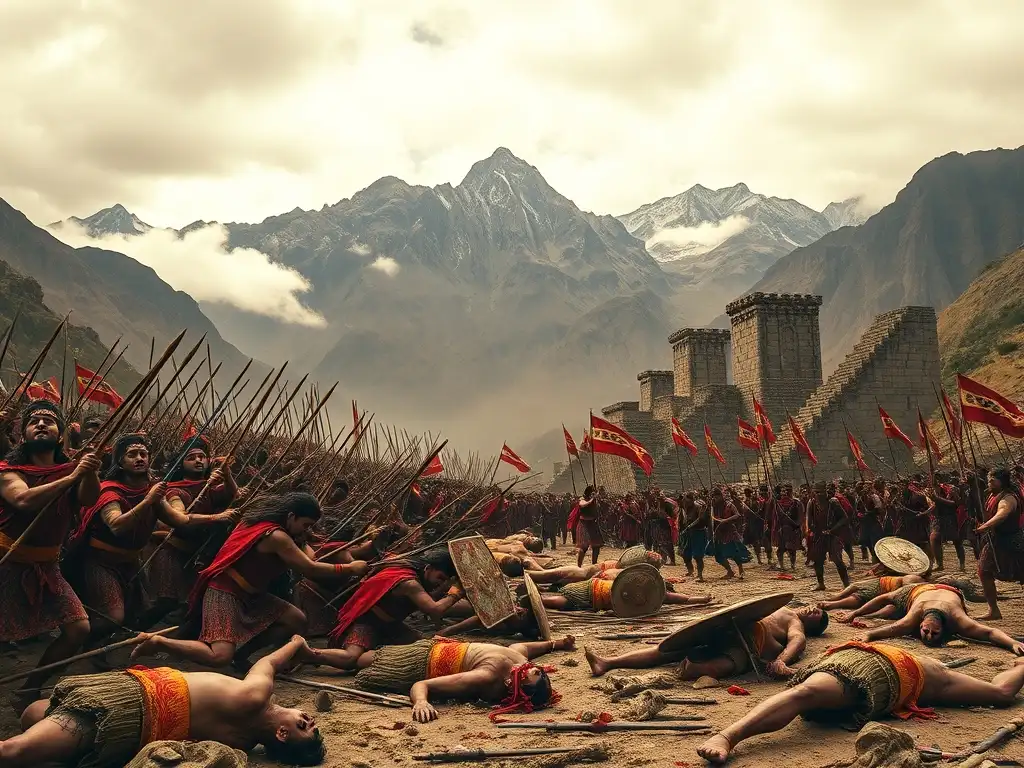
The death of Huayna Capac in 1527 CE plunged the Inca Empire into a devastating civil war, a conflict that profoundly weakened the empire and ultimately facilitated its conquest by the Spanish just a few decades later. The "Inca Civil War after Huayna Capac" was not a single, unified battle, but rather a protracted and brutal struggle between two powerful contenders for the throne: Huáscar, the designated heir, and Atahualpa, Huayna Capac's son from a northern province. This internal conflict showcased the inherent vulnerabilities of the Inca political system, highlighting the tensions between established power structures and ambitious regional leaders.
The war showcased not just military prowess, but also the devastating consequences of political ambition and the fragility of a seemingly invincible empire. The ensuing conflict irrevocably altered the course of Andean history.
Early Battles and Skirmishes of the Inca Civil War
The initial stages of the Inca Civil War were characterized by a series of skirmishes and smaller battles, often fought with considerable brutality. Huáscar, based in Cusco, initially held the advantage, controlling the traditional heartland of the Inca Empire and its vast resources. However, Atahualpa, commanding a powerful army loyal to him from the northern provinces, employed innovative military tactics and a strong understanding of the terrain to gain ground.
Early engagements often involved guerilla warfare and ambushes, exploiting the mountainous geography of the Andes. The lack of a clear, unified command structure on Huáscar's side allowed Atahualpa to strategically erode his opponent's strength. Accounts suggest that both sides employed sophisticated weaponry including slings, spears, clubs, and macanas (a type of club).
The early skirmishes established the stage for the larger battles to come, highlighting the uneven power dynamics and the emerging strength of Atahualpa's forces. The casualties from these early conflicts, while difficult to accurately quantify due to a lack of detailed records, undoubtedly weakened both sides and sowed the seeds of widespread unrest throughout the empire.
Atahualpa's Military Victories and the Capture of Huascar
Atahualpa's military successes were not solely due to superior numbers; he demonstrated skillful strategic planning and a ruthless efficiency in battle. He skillfully exploited weaknesses in Huáscar's command structure, utilizing effective reconnaissance and deploying his troops strategically to overcome numerically superior forces. The turning point came with a series of decisive victories, culminating in the capture of Huáscar.
Accounts vary on the specifics of the battle that led to Huáscar's capture, but it is clear that Atahualpa's forces employed superior tactics and a relentless offensive, ultimately shattering Huáscar's army. The capture of Huáscar was a monumental blow to his supporters and effectively signaled the shift in power dynamics.
This event marked not just a military victory for Atahualpa but also a significant symbolic victory, consolidating his claim to the Inca throne and severely undermining Huáscar's legitimacy. The subsequent imprisonment and eventual execution of Huáscar further solidified Atahualpa's control over the empire, paving the way for his brief but impactful reign.
The Brutal Tactics and Consequences of the Inca Internal Conflict
The Inca Civil War was characterized by extreme brutality, with both sides employing tactics designed to inflict maximum suffering and demoralize their opponents. The war inflicted significant damage on the Inca infrastructure, disrupting agricultural production and trade routes. The fighting devastated the population; thousands of Inca soldiers and civilians perished in the conflict.
The disruption of established social structures and the widespread destruction caused lasting damage to the Inca Empire. The war's brutality extended beyond the battlefield; captured soldiers often faced execution, and civilian populations were subjected to violence and displacement. The psychological impact of the war was equally profound, fueling fear, distrust, and instability throughout the empire.
The "Inca Civil War after Huayna Capac" ultimately left the empire vulnerable and weakened, paving the way for the relatively easy conquest by Francisco Pizarro and the Spanish conquistadors just a few short years later. The conflict highlighted the fragility of the Inca Empire despite its apparent strength and sophisticated administrative system, demonstrating the devastating consequences of internal strife and political division. The legacy of this civil war continues to shape our understanding of Inca history and the complexities of power struggles in pre-Columbian societies.
The Impact of the Inca Civil War
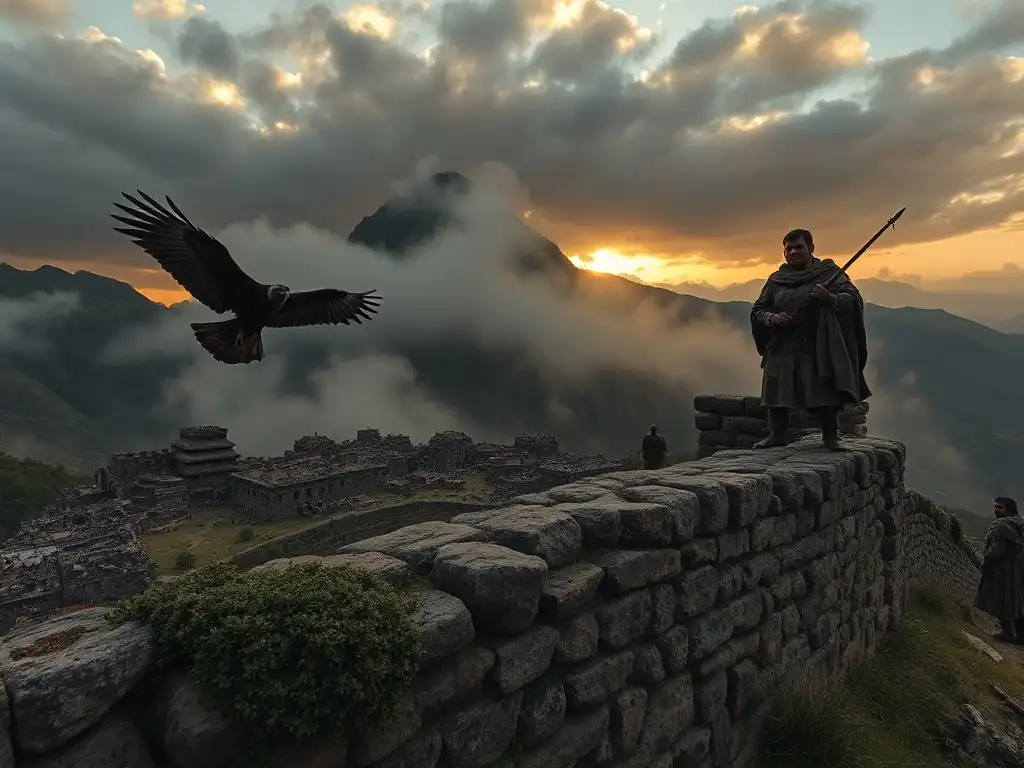
The Inca Civil War, erupting after the death of Huayna Capac in 1527, profoundly reshaped the Andean world, leaving a legacy that extended far beyond the immediate conflict. This internal struggle, pitting Huáscar and Atahualpa against each other for control of the vast Inca Empire, significantly weakened the already complex political structure, paving the way for the relatively swift Spanish conquest just a few years later.
Understanding the ramifications of this conflict is crucial to grasping the full extent of the Inca's decline and the subsequent transformation of Andean society. The keyword phrase "Inca Civil War after Huayna Capac" accurately reflects the central theme of this devastating period in Andean history.
Weakening the Inca Empire Before the Spanish Conquest
The Inca Civil War's most immediate consequence was a dramatic weakening of the empire. Years of intense fighting, involving large armies and extensive campaigns across the Andes, depleted the Inca's military resources and manpower. Vast stores of supplies and materials, crucial for maintaining control and order across such a diverse and geographically challenging realm, were consumed or destroyed during the conflict.
This internal strife created a power vacuum, fracturing the centralized authority that had previously characterized the Inca state. Provincial governors, previously loyal subjects, took advantage of the chaos to consolidate their own power, exacerbating the disintegration of the empire's administrative structures. The war also diverted critical resources from infrastructure projects and agricultural initiatives, leading to economic instability and widespread social disruption.
The once formidable Inca army, famed for its discipline and effectiveness, was fractured and exhausted, rendering it far less capable of resisting the relatively small Spanish expedition that arrived a few years later. The prolonged civil war effectively dismantled the intricate system of communication and control that had underpinned the Inca Empire's strength and stability, leaving it vulnerable to external threats.
The Role of the War in Facilitating the Fall of the Incas
The Inca Civil War directly facilitated the Spanish conquest. By the time Francisco Pizarro and his conquistadors arrived in 1532, the Inca Empire was severely weakened and deeply divided. Atahualpa, victorious in the civil war but still facing significant opposition, was captured with surprising ease at the Battle of Cajamarca.
This pivotal event, made possible by the internal turmoil created by the war, marked the beginning of the end for the Inca Empire. The Spanish were able to exploit the existing divisions within Inca society, allying with rival factions and exploiting the lack of unified resistance. The depleted resources and fractured military structure of the Inca Empire meant that they were incapable of mounting an effective defense against the relatively small Spanish army augmented by thousands of indigenous allies.
The civil war, therefore, wasn't merely a precursor to the Spanish conquest; it was a critical factor that directly enabled it. The exhaustion of the Inca military, the erosion of its political structures, and the economic devastation wrought by years of conflict all contributed to the rapid collapse of the empire following Pizarro's arrival.
Long-Term Effects of the Inca Civil War on Andean Society
The Inca Civil War's impact on Andean society extended far beyond the immediate conquest. The disruption of established social structures, the loss of life, and the economic devastation left lasting scars on the region. The traditional Inca system of governance was irrevocably altered, leading to the implementation of new colonial structures that profoundly reshaped Andean culture and identity.
The war also resulted in significant demographic shifts, with population losses leading to changes in settlement patterns and agricultural practices. The long-term effects of the conflict are still felt today, evident in the complex interplay of indigenous and colonial influences that characterize Andean society. Furthermore, the Inca Civil War serves as a potent reminder of the fragility of even the most powerful empires, illustrating how internal conflict can undermine even the most sophisticated political and social systems.
The legacy of this devastating conflict continues to shape the narrative of Andean history, reminding us of its profound and lasting influence. The study of the "Inca Civil War after Huayna Capac" continues to reveal new insights into the complexities of this pivotal period.
Atahualpa's Short Reign and the Arrival of the Spanish
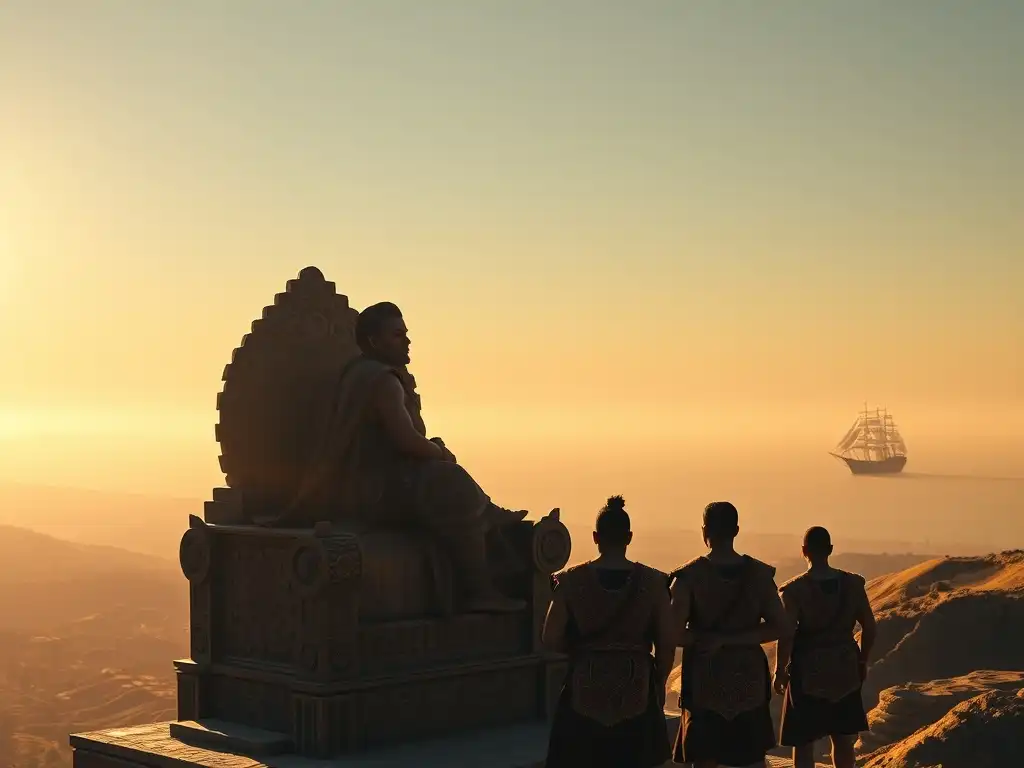
Atahualpa's ascension to the Inca throne following the brutal Inca Civil War after Huayna Capac was far from peaceful. He inherited a fractured empire, deeply wounded by years of conflict and weakened by internal strife. While he managed to consolidate his power to a degree, his reign was tragically short-lived, lasting only a few years before the arrival of the Spanish conquistadors irrevocably altered the course of Andean history.
His swift rise and even swifter fall underscore the chaotic and volatile political landscape of the late Inca Empire. The Inca Civil War after Huayna Capac left a power vacuum and a legacy of distrust among the various factions, making Atahualpa's task of unifying the empire exceptionally challenging. His policies, while aimed at restoring order, ultimately proved insufficient to withstand the impending Spanish invasion.
Atahualpa's Rule After the Civil War
The period immediately following the civil war saw Atahualpa engaging in a complex process of consolidating power and attempting to rebuild the fractured Inca infrastructure. He faced significant opposition from loyalists of his half-brother Huáscar, who had been defeated and executed. These loyalists engaged in various forms of resistance, hindering Atahualpa's efforts at centralizing authority and rebuilding the economy.
This period also witnessed a significant redistribution of resources and power. Atahualpa favored his supporters, often at the expense of those who had allied with Huáscar, leading to further instability within the already fragile empire. He implemented new administrative strategies, attempting to centralize control over the vast territories that made up the Inca Empire.
However, these efforts were hampered by the lingering effects of the war, including widespread economic disruption and the loss of many experienced administrators and military leaders. The Inca Civil War after Huayna Capac resulted in a significant depletion of the empire's resources, both human and material, leaving Atahualpa with a challenging economic situation to manage. His attempts to revitalize the economy were partially successful, but the damage done by the war proved difficult to overcome entirely.
The Capture and Execution of Atahualpa by Pizarro
Atahualpa's reign ended abruptly with his capture by Francisco Pizarro and his Spanish conquistadors in Cajamarca in 1532. This event marked a turning point not only in Atahualpa's life but also in the history of the Inca Empire. The Spanish, vastly outnumbered, utilized superior weaponry, tactical surprise, and the element of psychological warfare to achieve a decisive victory.
The infamous ambush at Cajamarca, where thousands of Inca soldiers were slaughtered, showcased the devastating impact of European military technology on the indigenous populations of the Americas. Despite offering a massive ransom in gold and silver – a legendary display of wealth that captivated the Spanish imagination – Atahualpa was subsequently executed by Pizarro on charges of treason, rebellion, and idolatry. His death served as a symbolic end to the Inca Empire's independence.
The Inca Civil War after Huayna Capac had weakened the empire significantly, making it vulnerable to Spanish conquest. The internal divisions and lack of unity within the Inca leadership proved to be a critical factor in their defeat. The execution of Atahualpa is a stark reminder of the brutality and exploitation that characterized the Spanish conquest of the Americas.
The End of the Inca Empire and the Spanish Colonial Era
The execution of Atahualpa marked the beginning of the end for the Inca Empire. The Spanish conquest, which followed swiftly after, led to the complete dismantling of the Inca political and social structures. The Inca Civil War after Huayna Capac had already severely weakened the empire's ability to resist foreign invasion, paving the way for Spanish dominance.
The Spanish established a colonial regime, imposing their language, religion, and social hierarchy upon the indigenous population. The vast wealth of the Inca Empire, initially plundered by the conquistadors, fueled the Spanish expansion throughout the Americas. The subsequent centuries witnessed a profound transformation of Andean society, as the Inca civilization was systematically suppressed and replaced by Spanish colonial rule.
The impact of Spanish colonization continues to be felt in the region to this day, shaping its cultural landscape, social structures, and political systems. The legacy of the Inca Empire, however, endures in various forms, including its artistic expressions, architectural marvels, and the resilience of its descendants who continue to celebrate their rich heritage. The Inca Civil War after Huayna Capac serves as a critical turning point, highlighting the vulnerability of even the most powerful empires to internal conflict and external forces.
Lessons from the Inca Civil War: A Historical Analysis
The Inca Civil War, ignited after the death of Huayna Capac, offers invaluable insights into the complexities of imperial power and the fragility of even the most seemingly invincible empires. This conflict, fought primarily between Huáscar and Atahualpa, his half-brothers, irrevocably altered the trajectory of the Inca Empire, paving the way for its eventual conquest by the Spanish.
Understanding this conflict requires analyzing not only the military strategies and political maneuvering but also the underlying social and economic factors that fueled the devastating war. The “Inca Civil War after Huayna Capac” period remains a critical case study in imperial collapse, highlighting the dangers inherent in poorly managed successions and the devastating consequences of internal strife.
The Dangers of Succession Disputes in Empires
The Inca Empire, despite its sophisticated administrative system and vast territorial control, lacked a clearly defined and consistently applied system of imperial succession. Huayna Capac's death, possibly from smallpox, created a power vacuum that his sons, Huáscar and Atahualpa, eagerly sought to fill. This absence of a robust succession plan exacerbated pre-existing tensions between the different regions of the empire.
Huáscar, initially declared successor, controlled the traditional heartland of Cusco, while Atahualpa governed the northern provinces, having been strategically positioned there by his father. The lack of a clear, predetermined heir created a breeding ground for ambition and ultimately, civil war.
This situation underscores a critical lesson for all empires: a well-defined and accepted succession plan is paramount to stability. The Inca case demonstrates the potentially catastrophic consequences of ambiguity and the ensuing power struggles that can tear an empire apart from within.
The ensuing conflict not only weakened the Inca military but also deeply fractured the social fabric of the empire, leaving it vulnerable to external threats. The failure to establish a clear line of succession was a significant factor contributing to the “Inca Civil War after Huayna Capac,” and should serve as a cautionary tale for any centralized political system.
The Fragility of Power and the Impact of Internal Strife
The Inca Civil War vividly illustrates the inherently fragile nature of power, even within a seemingly dominant empire. The conflict, lasting several years, resulted in widespread devastation, loss of life, and the destruction of infrastructure. The intense fighting drained the empire's resources, both human and material, leaving it significantly weakened and vulnerable. The war's impact extended beyond the immediate battlefield; it shattered the carefully constructed administrative system, disrupting trade routes, and undermining the authority of the Inca bureaucracy.
The civil war's effects were far-reaching. The constant fighting and shifting alliances fractured loyalties, creating a climate of uncertainty and fear. This internal strife significantly weakened the Inca's ability to resist the Spanish conquistadors who arrived shortly after the war's conclusion.
A unified, powerful Inca Empire would have presented a far more formidable challenge to Pizarro's forces. The weakened state of the empire after the "Inca Civil War after Huayna Capac" is a testament to the devastating impact of prolonged internal conflict on even the strongest of states. The ensuing chaos and instability created the perfect conditions for the Spanish conquest.
The Legacy of the Inca Civil War for Andean History
The Inca Civil War serves as a pivotal turning point in Andean history. The conflict's outcome—Atahualpa's initial victory and subsequent capture and execution by Pizarro—marked the beginning of the end for the Inca Empire. The war shattered the empire's unity and left it deeply divided, ripe for conquest. The legacy of this war extends far beyond the immediate consequences of Spanish colonization.
The "Inca Civil War after Huayna Capac" profoundly impacted the social, political, and economic landscape of the Andes. The disruption of established power structures led to significant social upheaval and the displacement of populations. The war's aftermath shaped the cultural and political dynamics of the region for centuries to come.
The study of this conflict remains crucial for understanding the complex interplay of internal factors and external pressures that led to the downfall of one of the most impressive pre-Columbian empires in the Americas. Its legacy continues to resonate in the historical narratives and cultural memory of the Andean region.
Frequently Asked Questions
What triggered the Inca Civil War after Huayna Capac's death?
The death of Huayna Capac from a likely smallpox epidemic left no clear successor. His sons, Huáscar and Atahualpa, both claimed the throne, leading to a brutal power struggle and civil war. This succession crisis ultimately weakened the Inca Empire.
Who were the main contenders in the Inca Civil War?
The primary contenders were Huáscar, the legitimate heir according to Inca tradition, and Atahualpa, who controlled a significant portion of the empire's military power from Quito. Their conflict divided the Inca Empire and led to its weakening.
How long did the Inca Civil War last?
The Inca Civil War lasted approximately five years, from around 1527 to 1532. This period of internal conflict significantly destabilized the empire, making it vulnerable to Spanish conquest.
What was the outcome of the Inca Civil War?
Atahualpa ultimately won the civil war, defeating and executing Huáscar. However, his victory was short-lived. The Spanish conquest, which started during the war, soon began, and Atahualpa was captured and executed by Francisco Pizarro.
How did the Inca Civil War impact the Spanish conquest?
The Inca Civil War severely weakened the Inca Empire, leaving it vulnerable to conquest by the much smaller Spanish army. The internal conflict depleted resources and manpower, facilitating the Spanish takeover.
Final Reflection: Echoes of Empire: The Inca Civil War's Enduring Legacy
The fracturing of the Inca Empire after Huayna Capac's death wasn't merely a historical event; it remains a potent reminder of the fragility of power and the enduring consequences of internal conflict. The struggle between Huáscar and Atahualpa continues to resonate, offering valuable lessons about leadership, succession, and the devastating impact of unchecked ambition on a seemingly invincible civilization. Its echoes reverberate even today in discussions of political instability and the dangers of fractured leadership.
The Inca Civil War profoundly shaped the cultural and social landscape of South America, leaving an indelible mark on the indigenous populations and influencing the trajectory of Spanish colonization. The conflict's devastating impact on the Inca infrastructure and social fabric weakened the empire, making it vulnerable to conquest. The ensuing chaos and power vacuum created fertile ground for the Spanish to exploit, ultimately altering the course of history. The fall of the Inca Empire was not solely due to the Spanish conquest, but was significantly facilitated by the internal strife and weakened state left in the wake of the civil war.
This quote highlights the crucial role of the internal conflict in the empire's ultimate demise, a lesson that remains relevant in understanding the vulnerabilities of even the most powerful entities.
Consider the implications of this historical event. How does the story of Huáscar and Atahualpa challenge our assumptions about power and leadership? What lessons can we glean from their mistakes, and how can we apply these lessons to our own lives, our communities, and our understanding of conflict resolution? Let the legacy of the Inca Civil War inspire you to reflect on the importance of unity, effective leadership, and the devastating consequences of unchecked ambition. Embrace the opportunity to learn from the past, so that we might build a more stable and peaceful future.
Uncover the Rich Legacy of the Inca Civil War!
Thank you for exploring the fascinating legacy of Huayna Capac's sons and the gripping Inca Civil War! Your interest in this pivotal chapter of Andean history enriches our understanding of the cultural and political upheaval that shaped the region. Let's delve deeper and integrate this knowledge into your own understanding.
- Dive deeper: Explore the key figures of the Inca Civil War and how their choices impacted Andean civilization. Consider the long-term consequences of their actions on the empire's trajectory.
- Share your insights: Discuss Huayna Capac's reign and its impact on the empire with friends, family, or online communities. Spark a conversation about his leadership and its lasting effects.
- Engage with the community: Join our forum to connect with fellow history enthusiasts and explore the lessons modern societies can learn from the Inca experience. Share your perspectives and learn from others.
Reflecting on this dramatic period, consider: How did the conflict between Huayna Capac's sons shape our modern understanding of leadership and lasting influence? Your insights could ignite a valuable discussion.