
Unveiling the Secrets of Inca Warfare: Macanas, Clubs, and the Art of Close Combat

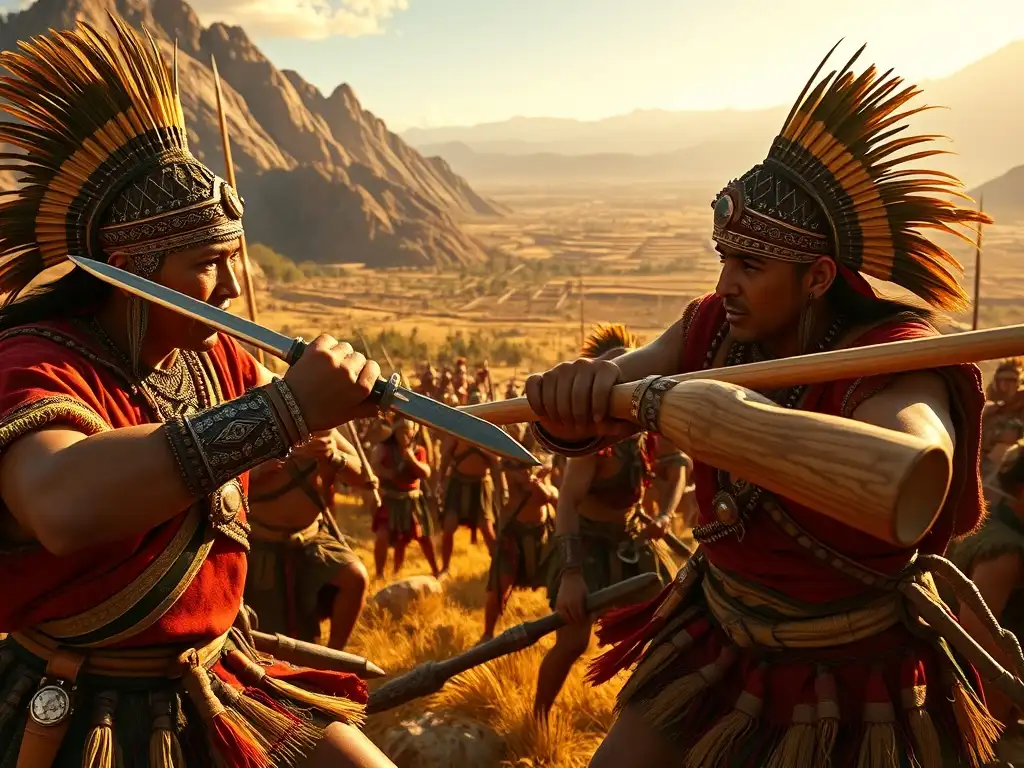
Step into a world lost to time, where the echoes of ancient battles still resonate across the Andes. Prepare to uncover the intriguing secrets behind Inca warfare tactics, a realm far more sophisticated than mere brute force. From the deadly macanas to the strategic brilliance of their close-combat techniques, the story of Andean military prowess is about to unfold. Dare to delve deeper into the mysteries of this lost empire and discover the surprising truth behind their unparalleled success.
The Inca Empire, a marvel of engineering and administration, also possessed a formidable military machine crucial to its expansion and control across the Andes. While often associated with sophisticated infrastructure and intricate record-keeping, the Inca army relied heavily on effective warfare tactics and specialized weaponry for close-quarters combat.
This article delves into the fascinating world of Inca warfare, focusing on their preferred weapons – the macanas, clubs, and other tools of their deadly art, providing insights into the strategies and techniques that underpinned their military successes. Understanding Inca warfare tactics reveals a complex military system far beyond simple brute force, showcasing a sophisticated understanding of terrain, logistics, and psychological warfare.
We will explore the effectiveness of these weapons, the training of Inca soldiers, and the overall impact of their military strategies on the expansion and longevity of the Inca Empire. The keyword "Inca warfare tactics" will be explored through the lens of their weaponry and combat techniques, highlighting the ingenuity and effectiveness of their close-combat strategies.
The Macana: A Symbol of Inca Military Power
The macanas, a formidable weapon of the Inca army, were not simply crude clubs. These weapons were meticulously crafted from hardened wood, often featuring a distinctive curved blade at the end. Their design was optimized for both slashing and bludgeoning attacks, allowing Inca warriors to inflict devastating damage in close combat.
The weight and balance of the macanas were carefully considered, providing both power and maneuverability. Archaeological evidence suggests that different sizes and weights of macanas were used, potentially catering to the different roles within the Inca army, from elite warriors to supporting troops. Detailed analysis of recovered macanas reveals a high level of craftsmanship, indicative of specialized weapon-making workshops within the Inca Empire.
The use of the macanas wasn't limited to battlefield clashes; they also played a significant role in ceremonies and displays of power, further solidifying their status as a symbol of Inca military might. Furthermore, the macanas were not just effective weapons, but also served as powerful symbols of authority and status within Inca society.
Clubs and Other Close-Combat Weapons
Beyond the macanas, the Inca military employed a variety of clubs and other close-combat weapons. These ranged from simple wooden clubs, used by less specialized troops, to more elaborately designed weapons featuring sharpened edges or embedded stones for increased lethality. The effectiveness of these weapons was not solely dependent on their design; Inca soldiers underwent rigorous training to master their use, ensuring that they could deliver powerful and accurate blows.
This training likely involved extensive physical conditioning and drills designed to enhance their combat skills. The diversity of these weapons suggests a flexible and adaptable approach to warfare, allowing the Inca army to respond effectively to a wide range of combat situations and enemy types. The strategic deployment of these various weapons, combined with their understanding of terrain, contributed significantly to their overall military success.
Inca Warfare Tactics: Beyond the Weapons
The effectiveness of Inca weaponry was amplified by sophisticated warfare tactics. The Inca army was not simply a collection of individual warriors; it was a highly organized and disciplined force, operating under a clear chain of command. Their strategies often involved the use of terrain to their advantage, employing ambushes and utilizing natural obstacles to disrupt enemy formations.
Psychological warfare also played a significant role, with the Inca army often employing intimidation tactics to demoralize their opponents before engaging in direct combat. The use of large numbers of soldiers, combined with their disciplined approach to warfare, allowed them to overwhelm their enemies and secure victory. In essence, Inca warfare tactics were a masterful blend of weaponry, training, strategy, and psychological warfare, all contributing to the empire's remarkable military achievements.
Further research is needed to fully understand the nuances of Inca battlefield strategies and the role of different unit types within their army. [Specific information pending on the exact organization of Inca army units].
The Legacy of Inca Warfare
The Inca military's effectiveness and the legacy of their warfare tactics are still subjects of ongoing research and debate. Their sophisticated understanding of close-combat weaponry, coupled with their strategic and disciplined approach to warfare, played a crucial role in the expansion and consolidation of their vast empire.
The macanas, clubs, and other weapons were not simply tools of destruction; they were symbols of power, status, and cultural identity. Studying Inca warfare provides invaluable insights into the military strategies and techniques of a remarkable civilization, offering a unique perspective on the complexities of Andean history and the development of warfare in pre-Columbian South America.
The study of Inca warfare tactics continues to fascinate historians and archaeologists, revealing new aspects of their military prowess and the sophistication of their empire. The impact of their military successes on the cultural landscape of the Andes is undeniable, a testament to their effectiveness and the enduring legacy of their warfare.
- The Macana: A Symbol of Inca Military Power
- Clubs and Other Close-Combat Weapons
- Inca Warfare Tactics: Beyond the Weapons
- The Legacy of Inca Warfare
- What were the primary weapons used by Inca warriors?
- How did Inca warfare tactics differ from those of other Andean civilizations?
- What role did the terrain play in Inca warfare strategies?
- What was the significance of the chasquis in Inca military operations?
- Did the Inca Empire have a standing army, or did they rely on conscription?
The Nature of Inca Military Engagements: Understanding Inca Warfare Tactics
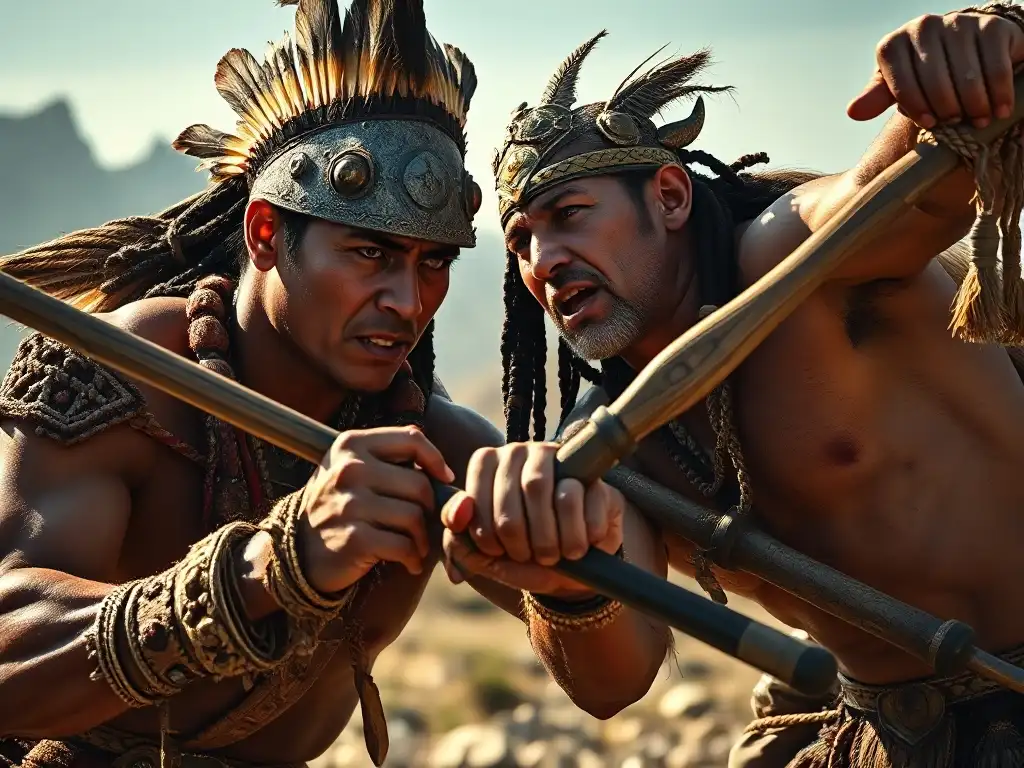
The Inca Empire, renowned for its sophisticated infrastructure and intricate social organization, also possessed a formidable military machine crucial to its expansion and control. Understanding Inca warfare tactics requires moving beyond simplistic notions of brute force and acknowledging the strategic depth woven into their military operations. Inca warfare wasn't solely about individual combat prowess; it was a carefully orchestrated system leveraging superior organization, logistical mastery, and psychological warfare to achieve victory.
Their campaigns, often involving large-scale mobilizations, were meticulously planned, considering terrain, enemy strengths and weaknesses, and the overall political landscape. The Inca army wasn't a monolithic entity; it reflected the diverse nature of the empire, incorporating warriors from conquered territories alongside the core Inca forces. This diverse composition, while potentially presenting challenges, also provided a significant advantage in terms of adaptability and local knowledge.
The effectiveness of Inca warfare tactics is evident in their conquest of a vast and geographically diverse territory, demonstrating a sophisticated understanding of military strategy and execution. Analyzing their approach reveals a complex interplay of military strength, political maneuvering, and cultural influence.
Inca Military Organization: A Foundation for Conquest
The Inca military's organizational structure was a key component of their success in warfare. The ayllu, the fundamental socio-economic unit of Inca society, formed the bedrock of their military organization. Able-bodied men within each ayllu were obligated to serve in the army, creating a vast pool of readily available soldiers. This system ensured a continuous supply of manpower, allowing the Inca to field substantial armies for prolonged campaigns.
Furthermore, the Inca implemented a sophisticated system of conscription and mobilization, ensuring swift deployment of troops to various fronts. Higher-ranking officers, often drawn from the Inca nobility, commanded these forces, maintaining a hierarchical structure that facilitated effective command and control. This hierarchical structure, combined with a clear chain of command, allowed for coordinated maneuvers and efficient resource allocation during battles.
The Inca also employed specialized units, such as elite warrior groups, possibly tasked with specific roles like reconnaissance or shock assault, showcasing a degree of tactical sophistication exceeding simple mass mobilization. Detailed records on the precise sizes of these specialized units are unfortunately scarce, leaving this aspect of Inca military organization open to further research and analysis. However, the overall organizational effectiveness is undeniable in light of the Empire's expansive reach.
Key Elements of Inca Close Combat Strategy
Inca close combat strategies relied heavily on disciplined formations and the effective use of their weaponry. The macanas, fearsome clubs often studded with obsidian blades, were central to their fighting style. These weren't merely blunt instruments; their sharp edges inflicted devastating wounds, and their weight provided significant impact. Inca warriors likely employed a variety of techniques with the macanas, from powerful overhand blows to swift, precise cuts and thrusts.
The use of clubs, alongside other weapons such as slings and spears, suggests a multi-faceted approach to close-quarters combat, maximizing damage and exploiting enemy weaknesses. While the precise formations and maneuvers employed by Inca warriors remain partially undocumented, evidence suggests a focus on disciplined ranks and coordinated attacks. The strategic use of terrain, particularly during sieges, further enhanced their effectiveness.
The Inca's mastery of close combat, combined with their superior logistical capabilities and organization, allowed them to overcome numerous opponents and expand their empire dramatically. Further archeological investigation and textual analysis may uncover more details about the specific tactics employed in different battles and campaigns, enriching our understanding of Inca warfare tactics. The impact of their close combat strategies cannot be overstated in their conquest and maintenance of a vast empire across challenging Andean terrain.
Macanas: The Iconic Weapon of Inca Warriors
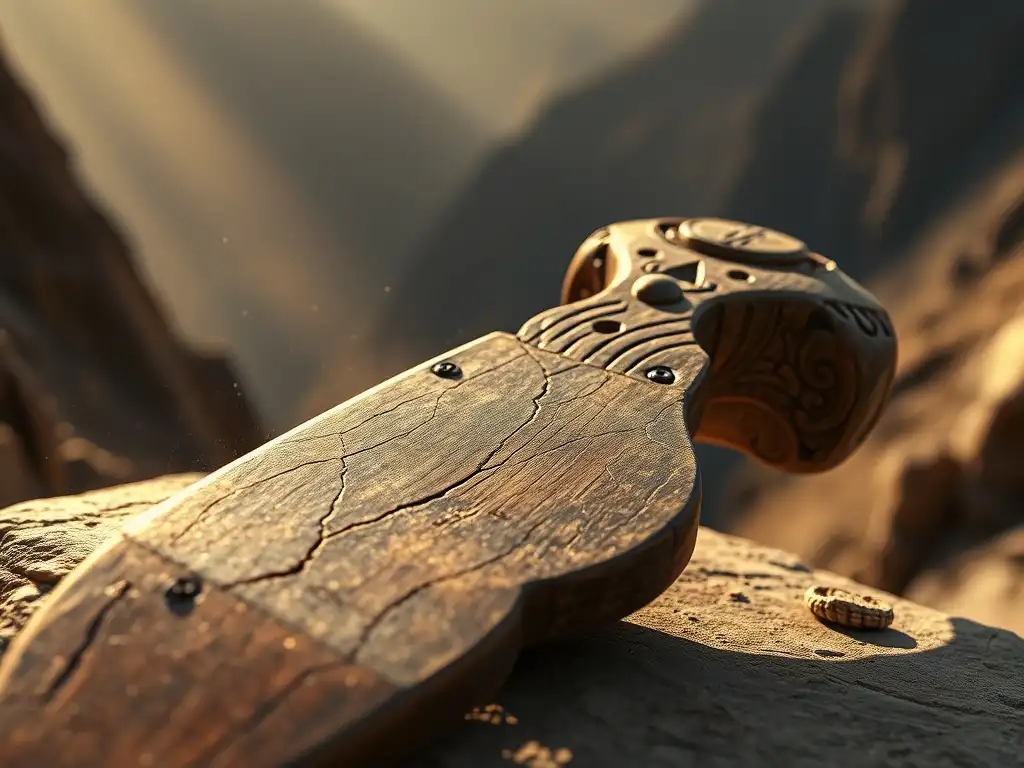
The macana, a fearsome club wielded by Inca warriors, stands as a potent symbol of their military prowess. Understanding its design, variations, and battlefield application is crucial to grasping the nuances of Inca warfare tactics. More than just a blunt instrument, the macana represented a sophisticated weapon, reflecting Andean ingenuity and military strategy. Its effectiveness stemmed not only from its brutal power but also from the strategic deployment and combat techniques employed by Inca soldiers. This section delves into the fascinating details of this iconic weapon, exploring its construction, variations, and use in combat.
The Design and Construction of the Inca Macana
The Inca macana wasn't simply a haphazardly shaped club. Careful craftsmanship went into its creation, reflecting a deep understanding of materials science and effective weapon design. Typically made from tagua (vegetable ivory) or hardened wood, the macana's design prioritized weight distribution and impact force.
The head, often subtly curved or flattened, was meticulously shaped to maximize its effectiveness in crushing blows. Its length, typically ranging from [specific length range pending], allowed for both powerful swings and effective parrying. The handle, often meticulously smoothed and sometimes reinforced, provided a secure grip, even in the heat of battle.
Evidence suggests that some macanas might have been further strengthened with metal bands or studs, although this is still a subject of ongoing research. The choice of material, depending on availability and the intended use, demonstrates a pragmatic approach to weaponry production, adapting to the resources available in different regions of the vast Inca Empire. The construction process, though largely inferred from surviving examples, points to specialized artisans skilled in wood carving and possibly metalworking, contributing to the weapon's overall effectiveness and the prestige associated with its ownership.
Macana Variations: Adapting to Different Combat Scenarios
While the basic design of the macana remained consistent, variations existed to suit different combat roles and environmental conditions. Some macanas were shorter and lighter, suitable for close-quarters combat or use by less physically powerful soldiers. Others were longer and heavier, ideal for delivering devastating blows from a distance or for breaking formations.
Furthermore, the shape of the striking head could vary, with some being broader and flatter for crushing blows, while others were more pointed, potentially designed for piercing armor or inflicting deeper wounds. The materials used also differed geographically; while tagua was prized for its durability, readily available hardwoods would have been used in regions where tagua was scarce.
This adaptability showcases the Inca's understanding of their environment and their ability to adapt their weaponry to suit the specific challenges of different battlefields. The macana wasn't a one-size-fits-all weapon; rather, it was a family of weapons, each tailored to a particular purpose, reflecting a sophisticated military logistics and production system.
The Macana in Action: Techniques and Effectiveness
The effectiveness of the macana in Inca warfare tactics wasn't solely dependent on its physical characteristics. The Inca army's training and combat strategies played a crucial role. Archaeological evidence, including depictions on pottery and textiles, and accounts from Spanish chroniclers, suggest that Inca warriors employed a variety of techniques when using the macana. These likely included powerful overhand swings, aimed at crushing helmets and bones, as well as hooking blows designed to disarm or unbalance opponents.
The macana's weight and shape made it a formidable weapon for breaking enemy lines and delivering devastating blows. However, its effectiveness was also limited by its range and vulnerability to projectile weapons. Inca warfare tactics often involved a combination of weapons, with macanas used in conjunction with spears, slings, and other weaponry to maximize their impact.
The macana's role within this broader strategy highlights the sophisticated and nuanced nature of Inca military organization and combat techniques. It wasn't simply a brute force weapon; its use was integrated into a wider tactical framework, demonstrating the Inca’s strategic military thinking. Further research, potentially incorporating biomechanical analysis, could shed more light on the precise techniques employed and their effectiveness in various combat situations.
Clubs and Other Hand-to-Hand Weapons in Inca Combat
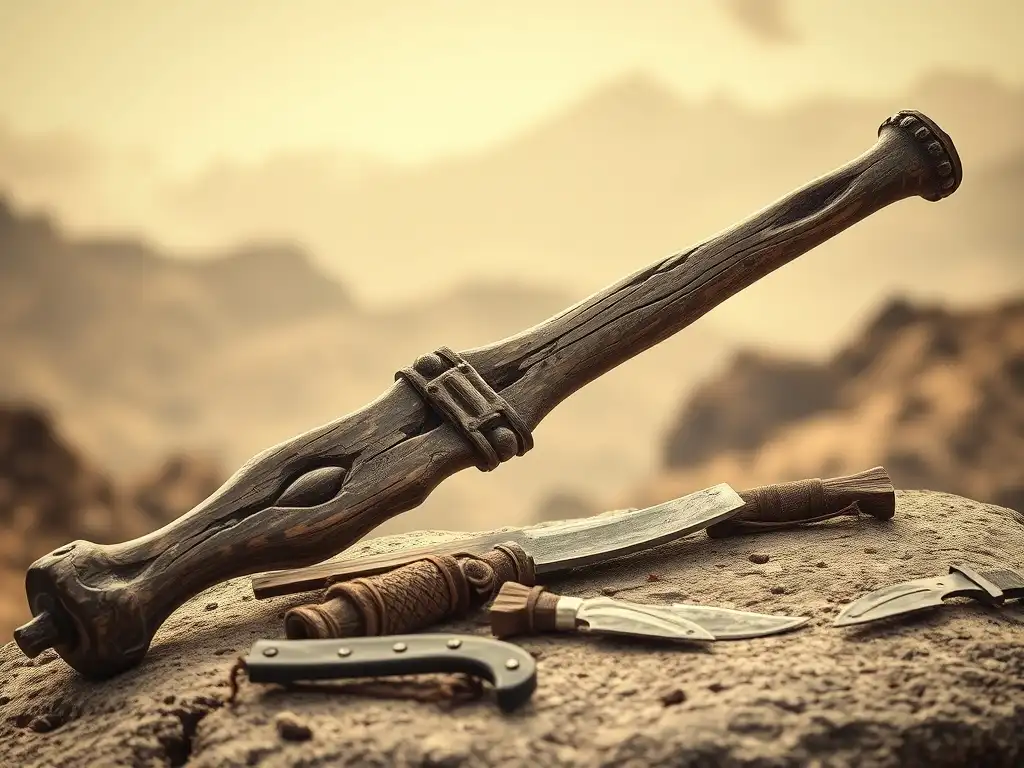
Inca warfare tactics were multifaceted, encompassing sophisticated siege warfare and ranged combat, but also relying heavily on brutal close-quarters fighting. While the Inca army utilized projectile weapons like slings and spears, hand-to-hand combat played a crucial role, particularly in the final stages of battles or during sieges. The macanas, often depicted in colonial-era artwork, were certainly important, but a diverse array of clubs and other melee weapons were also essential to Inca military success.
This section delves into the specifics of these less-discussed but equally vital instruments of Inca warfare. Understanding these tools illuminates a more complete picture of Inca military prowess and their overall warfare strategies.
Types of Inca Clubs: Stone, Wood, and Metal Variations
Inca clubs weren't monolithic; they varied significantly in material and design, reflecting both available resources and intended function. The most common types included:
- Wooden Clubs: These were likely the most prevalent, crafted from readily available woods like algarrobo (mesquite) or other hardwoods found in the Andean region. Their effectiveness depended on the density and hardness of the wood, as well as the club's overall size and shape. Simpler clubs might be roughly hewn, while others could be carefully shaped and possibly even reinforced with bindings. Archaeological evidence of such clubs is scarce, partially due to the organic nature of the material, which degrades over time.
- Stone Clubs: Heavier and more durable than wooden counterparts, stone clubs provided devastating impact. These might have been made from volcanic rock, like andesite or basalt, known for their hardness and density. Some stone clubs might have been simply shaped stones, while others could have been more elaborately carved or fitted with handles. The weight and shape would have dictated their use—a heavier club might be used for a powerful, single blow, while a lighter one could be wielded more rapidly.
- Metal-Reinforced Clubs: While less common, some evidence suggests the use of clubs reinforced with metal—possibly copper or bronze—in certain elite units or during specific campaigns. This reinforcement would have significantly increased the club's durability and striking power, making it a particularly formidable weapon. Further research is needed to confirm the prevalence and exact composition of these metal-reinforced clubs.
The diversity in materials and construction highlights the adaptability of Inca weaponry to local resources and the specific needs of various combat situations. The choice of weapon likely depended on factors such as availability of materials, the terrain, and the specific enemy encountered.
Using Clubs in Inca Warfare: Tactics and Strategies
The effectiveness of Inca clubs in warfare stemmed not only from their physical properties but also from the tactics employed by Inca warriors. While detailed accounts of Inca battle strategies are limited, we can infer some aspects based on archaeological findings, ethnographic parallels, and colonial-era accounts.
- Close-Quarters Combat: Clubs were ideally suited for close-quarters fighting, the chaotic melee that often characterized the final stages of battles. Their weight and blunt force could break bones and inflict devastating injuries.
- Formation Fighting: The Inca army often employed formations, potentially involving coordinated attacks with clubs, creating a wall of striking power. This would overwhelm opponents, particularly those armed with less effective weapons. The weight and blunt force of the clubs would have been particularly effective in breaking enemy lines.
- Combined Arms Tactics: Clubs likely worked in conjunction with other weapons. Warriors armed with clubs might have been positioned to exploit openings created by spearmen or slingers, delivering decisive blows to weakened opponents.
- Psychological Impact: The sheer force and brutality of a club attack could have a significant psychological impact on the enemy, potentially leading to demoralization and rout.
Further research, particularly focusing on archaeological excavation of Inca battlefields and detailed analysis of surviving weapons, would provide a more complete understanding of the tactical deployment of clubs in Inca warfare.
Other Close Combat Weapons: Axes and Spears
While clubs formed a significant part of Inca close-combat weaponry, they weren't the only tools employed. Axes and spears also played important roles, each with its own tactical advantages:
- Axes: Axes, likely made of stone or metal (depending on availability), were used for both chopping and thrusting. They could be wielded effectively against both armored and unarmored opponents, and their versatility made them valuable in various combat scenarios. The effectiveness of an axe would have depended on the quality of the metal or stone used in its creation, the sharpness of the blade, and the skill of the warrior.
- Spears: Spears, crafted from wood and tipped with stone or metal points, were versatile weapons used for both throwing and thrusting. Their range provided an advantage over clubs in certain situations, and their use in conjunction with clubs would have added depth to Inca close-combat tactics. The length of the spear would have been a significant factor in its effectiveness, with longer spears offering a greater reach advantage.
The combination of clubs, axes, and spears in Inca warfare created a dynamic and effective close-combat arsenal, highlighting the adaptability and strategic thinking of Inca military commanders. The interplay between these weapons, combined with formations and other tactical maneuvers, contributed significantly to the Inca Empire's military successes. Further study of Inca military technology and tactics is needed to fully appreciate the complexity and effectiveness of their close-combat capabilities.
Inca Close Combat Techniques: The Art of the Warrior
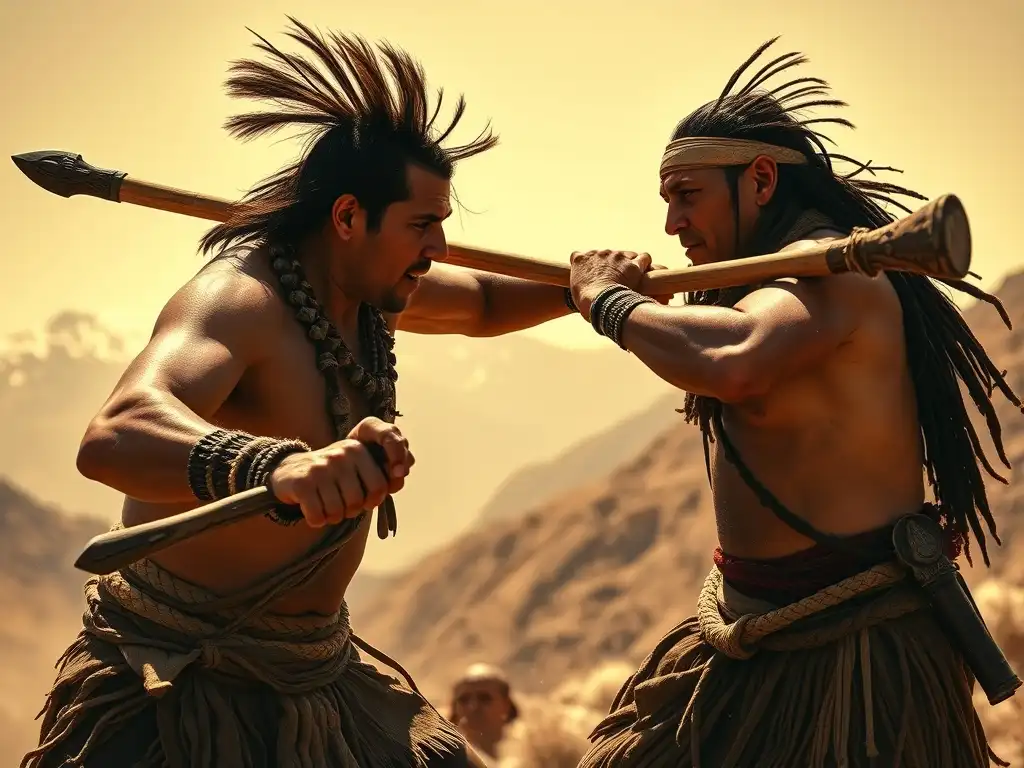
Inca warfare tactics, while incorporating ranged weaponry like slings and spears, heavily relied on effective close-quarters combat. The Inca army's success stemmed not only from its size and organization but also from the rigorous training and sophisticated techniques employed by its warriors. Mastering close combat was paramount, and this involved a multifaceted approach encompassing physical conditioning, weapons training, and strategic battlefield maneuvers.
The Inca warrior wasn't just a soldier; he was a highly disciplined and skilled individual, capable of adapting to diverse combat situations. Their effectiveness in close combat played a crucial role in their military dominance across the Andes.
Inca Training for Close Quarters Combat
Inca training was arduous and demanding, preparing warriors for the brutal realities of Andean warfare. Young men, often selected from various social strata, underwent years of rigorous physical conditioning. This included endurance exercises like long-distance running in mountainous terrain, strength training using weights and calisthenics, and rigorous drills designed to improve agility and reflexes. 1 Such training not only built physical strength and stamina but also instilled discipline and mental resilience, essential qualities for surviving the rigors of combat. Weapons training was equally crucial. Prospective warriors spent countless hours practicing with their primary weapons – the macanas (clubs) and chakras (throwing weapons) – honing their skills in precision, speed, and power. Simulations of battles, often employing wooden replicas of weapons, were integral to the training process, allowing warriors to practice formations, strategies, and individual combat techniques within a safe environment. This rigorous preparation ensured that Inca soldiers possessed the physical prowess and combat skills necessary to excel in close-quarters fighting.
Shield Use and Defensive Strategies in Inca Warfare
The tapu, the Inca shield, was not merely a passive defensive tool; it was an integral part of their close-combat strategy. Made from wood or woven materials, often reinforced with leather or other materials, the tapu provided protection against projectiles and slashing attacks. Inca warriors were trained to use their shields not only for defense but also offensively. They could use the tapu to deflect blows, create openings for attacks, or even as a battering ram in close-quarters engagements. 2 Defensive strategies in Inca warfare were highly coordinated, emphasizing teamwork and disciplined formations. Warriors often fought in tightly packed formations, using their shields to create a protective wall, while simultaneously delivering coordinated attacks. This approach maximized the effectiveness of their weapons and minimized their vulnerability. The use of the tapu was deeply ingrained in Inca military doctrine, contributing significantly to their success in close-combat situations. The training in shield use and its integration into combat formations were crucial elements of their successful warfare tactics.
The Role of Inca Warriors in Battle Formations
Inca battle formations were meticulously planned and executed, demonstrating a sophisticated understanding of military strategy. Warriors were organized into units of varying sizes, from small squads to large battalions, each with specific roles and responsibilities. Close-combat units were typically positioned at the forefront of the formation, acting as the main shock force, while other units provided support through ranged attacks or flanking maneuvers.
The coordination and discipline within these formations were critical to their effectiveness. Inca warriors were not simply individual fighters; they were part of a larger, well-coordinated machine. Their training emphasized teamwork and adherence to orders, ensuring that the entire formation acted as a cohesive unit.
This coordinated approach, combined with their mastery of close-combat techniques, allowed the Inca army to overwhelm their opponents, even those who might have possessed superior individual fighting skills. The success of Inca warfare tactics rested heavily on the efficient integration of individual skills within larger, coordinated formations. This systematic approach, honed through rigorous training and military discipline, proved instrumental in the Inca Empire's expansion and dominance.
1 Further research is needed to quantify the specifics of Inca training regimes. More archaeological evidence and detailed historical accounts would greatly enhance our understanding.
2 Specific details on the offensive use of the tapu require further investigation and analysis of existing archaeological findings.
The Significance of Close Combat in the Inca Military
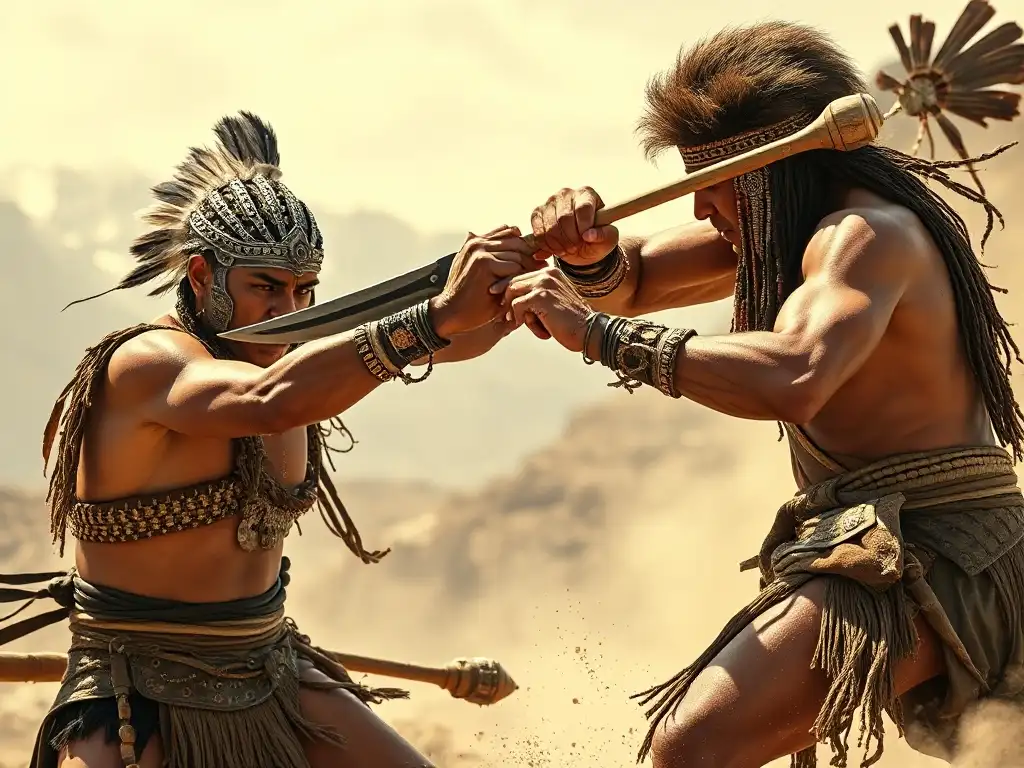
Inca Warfare: Emphasis on Close-Range Engagements
Inca warfare tactics, unlike those of some other civilizations, placed a significant emphasis on close-range engagements. While ranged weapons like slings and spears certainly played a role, the heart of Inca military strategy often revolved around brutal, hand-to-hand combat. This preference wasn't simply a matter of available technology; it reflected a deeper understanding of Andean terrain and the psychological impact of close-quarters fighting.
The mountainous, often treacherous landscape of the Andes favored agile warriors capable of navigating difficult terrain and engaging in close-quarters combat. Furthermore, the Inca army's organizational structure, built on a system of ayllus (kinship groups), fostered a strong sense of unit cohesion that was particularly effective in close-range fighting. This close-knit structure encouraged mutual support and a fierce loyalty among soldiers, enhancing their effectiveness in melee.
Data from archaeological sites, such as the discovery of numerous macanas (Inca war clubs) alongside skeletal remains showing signs of close-combat injuries, strongly supports this interpretation. The sheer volume of these weapons unearthed underscores the prevalence of close-quarters fighting in Inca military engagements.
The Inca army wasn't solely reliant on brute force, however. Their close-combat tactics were sophisticated and strategically planned. They utilized formations designed to maximize the effectiveness of their weapons and the strength of their unit cohesion. This involved coordinated movements and flanking maneuvers, designed to overwhelm the enemy with a concentrated assault. Evidence suggests the use of formations similar to a wedge or phalanx, allowing for a powerful push against enemy lines. This tactical approach, coupled with the psychological impact of their close-quarters fighting style, made the Inca army a formidable force.
The Psychological Impact of Inca Close Combat
The psychological impact of Inca close combat tactics was a crucial element of their military success. The terrifying sight of a tightly packed formation of Inca warriors, armed with macanas and other weapons, advancing on the enemy would have been demoralizing. The ferocity and brutality of Inca hand-to-hand combat, combined with the distinctive war cries and intimidating appearance of the warriors, likely instilled fear in their opponents.
This psychological warfare played a significant role in securing victories, sometimes even before physical contact was made. The sheer intensity and visceral nature of close-quarters combat could easily break the will of an enemy army, leading to rout and surrender.
Consider the potential effects of the macana, a formidable weapon designed for devastating blows. The weight and size of the club, coupled with the skill of the Inca warriors, would have inflicted significant damage, causing both physical pain and psychological trauma. The sounds of bone shattering and the sight of injured or dying comrades would have further amplified the terror and disarray among opposing forces.
The psychological element of Inca warfare tactics, therefore, was intrinsically linked to their success in close-quarters battles. The chilling effect of this approach is often overlooked when analyzing Inca military prowess. Further research into the iconography and narratives surrounding Inca warfare could provide additional insight into this crucial aspect.
The Legacy of Inca Hand-to-Hand Fighting
The legacy of Inca hand-to-hand fighting extends beyond the battlefield. The emphasis on close-quarters combat reflects a broader cultural value placed on strength, courage, and physical prowess. This martial tradition influenced not only the military but also various aspects of Inca society, including ritual practices, athletic competitions, and even artistic representations. The skill and discipline required for effective close-combat fighting were highly valued, shaping the social structure and reinforcing the authority of the Inca empire.
The techniques and strategies developed for Inca warfare had a lasting influence on subsequent Andean cultures. Even after the Spanish conquest, elements of Inca close-combat tactics likely persisted in various forms, adapting and evolving within the changing political and social landscape. While the specific details may be lost to time, the fundamental principles of close-quarters fighting—coordination, discipline, and psychological impact—likely continued to shape military strategies in the Andes for generations.
Further research into post-conquest Andean warfare could reveal more about this enduring legacy. The study of Inca warfare tactics remains a vibrant field, with much still to be uncovered and understood about the sophisticated and effective strategies employed by this remarkable civilization.
The Impact of Inca Close Combat on Andean History
The Inca Empire's remarkable expansion across the Andes wasn't solely reliant on sophisticated administrative systems and ingenious engineering. A crucial component of their success was their mastery of Inca warfare tactics, particularly their proficiency in close-quarters combat. Their effectiveness in hand-to-hand fighting allowed them to overcome numerically superior forces and conquer diverse terrains, leaving an indelible mark on Andean history.
The Inca military's prowess wasn't just about brute force; it was a carefully honed blend of strategic deployment, specialized weaponry, and disciplined fighting techniques. This section will explore the impact of Inca close combat strategies on the shaping of the Andean world. The effectiveness of their close combat techniques wasn't merely a matter of individual strength; it was a product of rigorous training, cohesive unit formations, and the intelligent use of the terrain.
Inca Military Prowess and Expansion
Inca military prowess was instrumental in their rapid expansion across the Andes Mountains. Their armies, while not always the largest, were exceptionally well-trained and equipped. The Inca warfare tactics employed emphasized close-quarters combat, relying heavily on weapons like the macanas (a type of club) and slings. This focus on close combat allowed the Inca to effectively neutralize the advantages of larger armies, particularly in mountainous regions where maneuverability was limited. The Inca's ability to fight effectively in tight spaces and challenging terrain gave them a significant edge over their adversaries.
The effectiveness of their close-combat strategies is clearly demonstrated in their conquests. The Inca military didn't rely solely on overwhelming numbers; rather, they employed superior training and tactics to overcome their opponents. This is evidenced by their successful campaigns against various ethnic groups across the vast Andean region. Detailed accounts of specific battles are unfortunately scarce, yet the sheer scale of the Inca Empire stands as testament to their military dominance.
Further research into specific battles and campaigns is needed to fully quantify the impact of their close-combat skills. However, existing evidence suggests a strong correlation between their mastery of close combat and their ability to establish and maintain such a large and diverse empire. The Inca's organizational skills and ability to quickly mobilize forces also contributed to their successes.
The Battle of Ollantaytambo: A Study in Inca Defensive Warfare
The Battle of Ollantaytambo (circa 1536) provides a compelling case study in Inca defensive warfare and the role of close-combat techniques. Faced with a superior Spanish force, the Inca utilized the natural defenses of the Ollantaytambo fortress to their advantage. The complex network of terraces, walls, and narrow passages channeled the Spanish advance, creating choke points ideal for Inca warfare tactics focusing on close-quarters combat.
The Inca defenders, armed with macanas, spears, and slings, inflicted heavy casualties on the conquistadors. The narrow pathways and strategic placement of defenders allowed the Inca to maximize the effectiveness of their weapons and utilize the terrain to neutralize the Spanish advantage in firearms. While ultimately unsuccessful in preventing the Spanish conquest, the defense of Ollantaytambo highlights the Inca's resilience and their ability to effectively utilize close combat in a defensive context.
The battle underscores the importance of terrain and strategic positioning in Inca military strategy and the effectiveness of their close-combat techniques, even against technologically superior foes. Further analysis of the battle's specifics, including casualty figures and detailed accounts of the fighting, is needed to draw more concrete conclusions.
The Enduring Influence of Inca Combat Techniques
The influence of Inca combat techniques extends beyond the demise of the empire. Elements of their fighting styles, particularly the emphasis on close-quarters combat and the use of weapons like the macanas, likely persisted among Andean communities long after the Spanish conquest. These traditions, passed down through generations, might have been adapted and integrated into later forms of resistance and conflict.
The legacy of Inca military prowess is also evident in the continued fascination with their weaponry and warfare. The macanas, for example, remain a potent symbol of Inca military power and continue to inspire contemporary interest in Inca history and culture. The study of Inca warfare techniques offers valuable insights into the military strategies of the past and provides a broader understanding of Andean warfare and its impact on the region's history.
The detailed analysis of Inca weaponry and combat techniques offers a fascinating glimpse into the military strategies and cultural aspects of one of history's most significant Andean civilizations. Further research into post-conquest Andean warfare could reveal more about the long-term impact of Inca combat traditions.
Frequently Asked Questions
What were the primary weapons used by Inca warriors?
Inca warriors primarily used close-combat weapons. These included macanas (a type of club), spears, and slings. Metal weaponry was less common than in other Andean cultures.
How did Inca warfare tactics differ from those of other Andean civilizations?
While other Andean civilizations utilized ranged weaponry more extensively, the Inca focused on superior organization and close-quarters fighting. Their highly disciplined armies overwhelmed opponents through coordinated attacks.
What role did the terrain play in Inca warfare strategies?
The Andean geography heavily influenced Inca tactics. They utilized the mountainous terrain to their advantage, employing ambush tactics and controlling strategic mountain passes.
What was the significance of the chasquis in Inca military operations?
The chasquis, a relay-runner system, was crucial for rapid communication across the vast Inca Empire. This allowed for swift mobilization of troops and coordinated movements during warfare.
Did the Inca Empire have a standing army, or did they rely on conscription?
The Inca maintained a standing army composed of professional soldiers, but they also utilized conscription to bolster their forces during times of war or large-scale campaigns. This ensured a large and adaptable military force.
Final Reflection: Echoes of Conquest: The Enduring Legacy of Inca Warfare
The sophisticated strategies and brutal realities of Inca warfare remain chillingly relevant today. Understanding the intricate details of their close-combat techniques, from the deadly macana to the strategic deployment of their armies, offers a stark reminder of the human cost of conflict and the enduring power of military innovation. The Inca's mastery of their environment and their ability to adapt their tactics to diverse terrains serve as a potent lesson in the importance of strategic thinking, even in seemingly insurmountable odds.
The impact of Inca warfare extends far beyond the battlefield; it shaped the very fabric of Andean society, leaving an indelible mark on its culture and identity. The legacy of conquest and resistance continues to resonate in the descendants of both the Inca and the conquered peoples. The echoes of their struggles are heard in the vibrant tapestry of Andean traditions, art, and storytelling. The past is never dead. It's not even past.
– William Faulkner. This quote perfectly encapsulates the enduring relevance of understanding Inca warfare, as its impact continues to shape the present.
Consider the lessons learned from the Inca's meticulous planning, their understanding of terrain, and their adaptation to diverse challenges. These are not just historical curiosities; they are valuable tools for navigating the complexities of our own lives. You too can harness the power of strategic thinking, adaptability, and resourcefulness to overcome obstacles and achieve your goals.
Reflect on how the Inca's unwavering dedication to their cause, even in the face of adversity, can inspire your own perseverance. The echoes of their battles call to us, urging us to learn from the past and build a more peaceful and understanding future.
Unleash Your Inner Warrior and Dive Deeper into Inca History!
Thank you for exploring the fascinating world of Inca warfare with us! We hope you gained valuable insights into their unique weaponry, tactics, and battlefield strategies. Now, let's put that knowledge to good use!
Here are some ways to further explore the rich history of the Inca Empire:
- **Visit a local museum or historical site** featuring Inca artifacts and military displays to experience history firsthand. Witnessing these objects up close will bring the era to life.
- **Share this article** with friends and family who share your interest in history, sparking engaging conversations about Inca culture and military prowess.
- **Join online communities** dedicated to Andean history and civilizations. Connecting with fellow enthusiasts will broaden your understanding and offer new perspectives.
Which aspect of Inca warfare captivated you the most, and how do you believe it influenced the empire's enduring legacy?