
Logistics of the Andes: Supply Lines and Sustaining Ancient Forces

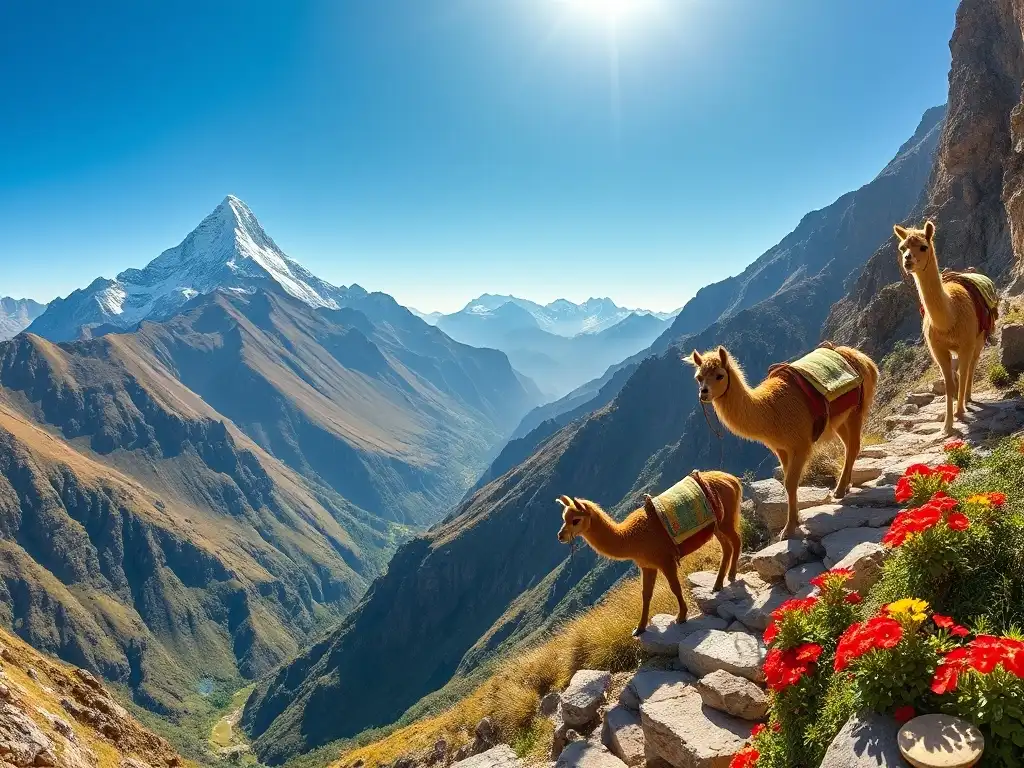
Step into a world lost to time, yet echoing with the might of empires carved from the Andes Mountains. Imagine a landscape sculpted by both nature and human ingenuity, where vast armies marched and thrived. But how did they do it? Uncover the secrets behind the Andean civilization supply lines—the intricate logistics that fueled the power of the Incas, Moche, and other ancient Andean civilizations. Prepare to be amazed by the ingenuity and scale of their operations in our exploration of Andean Warfare and Military, a story waiting to be unveiled.
-
Logistics of the Roman Empire: Supply Lines and Sustaining Ancient Forces
- The Inca Road System: A Backbone of Andean Logistics
- Resource Management and Storage Techniques in Andean Civilizations
- Animal Transport and the Role of Llamas and Alpacas
- Communication and Information Flow: Maintaining Control and Coordination
- Comparing Logistical Strategies Across Different Andean Civilizations
- The Crucial Role of Roman Supply Lines in Ancient Warfare
- Roman Empire Logistics: A Model of Organization
- Food and Resource Management in Roman Military Campaigns
- The Importance of Pack Animals and Ships in Roman Logistics
- Challenges and Adaptations of Roman Supply Lines
- The Impact of Efficient Logistics on Roman Military Success
- The Legacy of Roman Logistics
-
Frequently Asked Questions
- How did the Andean civilizations manage to transport goods across challenging terrain?
- What types of goods were transported along the Andean supply lines?
- How did the Inca empire, in particular, manage its extensive supply lines?
- Were there any technological innovations used to improve Andean supply lines?
- What impact did the Andean supply lines have on the development of these civilizations?
- Final Reflection: Echoes of the Andes: A Legacy of Ingenuity and Resilience
- Unleash Your Curiosity: Explore the Legacy of Andean Logistics!
Logistics of the Roman Empire: Supply Lines and Sustaining Ancient Forces
The formidable empires of the Andes, such as the Inca, Moche, Nazca, and Tiahuanaco, weren't built solely on military might. Their success hinged critically on sophisticated logistical systems—complex networks of supply lines that efficiently moved resources, personnel, and information across challenging mountainous terrain.
This article delves into the ingenious strategies and tactics these Andean civilizations employed to sustain their vast armies and populations, exploring the intricate interplay between infrastructure, organization, and resource management that underpinned their power and longevity. Understanding their logistical prowess provides crucial insight into the rise and fall of these remarkable Andean civilizations and reveals the vital role supply lines played in their military successes and overall societal stability.
We'll examine the diverse methods employed, from the construction of impressive road networks to the implementation of innovative storage and distribution techniques, highlighting the ingenuity and adaptability of these ancient Andean peoples. The keyword "Andean civilization supply lines" will be explored throughout.
The Inca Road System: A Backbone of Andean Logistics
The Inca road system, Qhapaq Ñan, is arguably one of the most impressive feats of engineering in pre-Columbian America. Spanning thousands of miles across the Andes, this network of roads wasn't just a means of transportation; it was the lifeblood of the Inca Empire. Its strategic design facilitated the rapid movement of troops, messengers, and goods, connecting distant provinces and ensuring the efficient flow of resources.
The roads were meticulously constructed, adapting to the challenging topography with ingenious techniques like suspension bridges and strategically placed relay stations (tambos) for travelers and supplies. These tambos served as vital hubs, providing shelter, food, and fresh animals for the relay runners, ensuring the continuous flow of communication and supplies across vast distances. The organization and maintenance of this vast network required a highly structured administrative system, highlighting the Inca's exceptional organizational skills.
The effectiveness of the Qhapaq Ñan is a testament to the sophistication of Inca logistics and its crucial role in maintaining control over their expansive empire. The impact of this system on Andean civilization supply lines cannot be overstated.
Resource Management and Storage Techniques in Andean Civilizations
Beyond the impressive road network, the success of Andean civilizations also relied on effective resource management and storage. The varied climates and altitudes of the Andes presented both challenges and opportunities. The vertical archipelago, a system of exploiting the diverse ecological zones, allowed for the cultivation of a wide range of crops, ensuring food security.
This required sophisticated agricultural techniques, such as terracing and irrigation systems, to maximize yields in challenging terrain. Furthermore, the Andean peoples developed ingenious storage techniques, utilizing strategically located storehouses (qollqas) to preserve surplus food and other essential resources. These structures, often built into the landscape, were designed to protect against the elements and pests, ensuring the availability of supplies during lean times or in times of conflict.
This foresight in resource management and storage played a critical role in the stability and military capabilities of these Andean civilizations. The efficiency of these supply chains highlights the advanced understanding of Andean civilization supply lines.
Animal Transport and the Role of Llamas and Alpacas
The rugged terrain of the Andes presented significant challenges to transportation. While the road system facilitated movement, the use of pack animals was crucial for transporting heavy goods over long distances. Llamas and alpacas, domesticated camelids, played a vital role in Andean civilization supply lines, carrying supplies, building materials, and even military equipment. Their adaptability to high altitudes and their surefootedness on treacherous mountain paths made them invaluable assets.
The organization of llama caravans required careful planning and coordination, ensuring the efficient movement of goods across the empire. Their use significantly reduced the reliance on human porters, enhancing the efficiency of the logistical network. The integration of these animals into the logistical system illustrates the ingenuity and adaptability of the Andean civilizations in overcoming geographical obstacles. Their effective use was fundamental to the functioning of Andean civilization supply lines.
Communication and Information Flow: Maintaining Control and Coordination
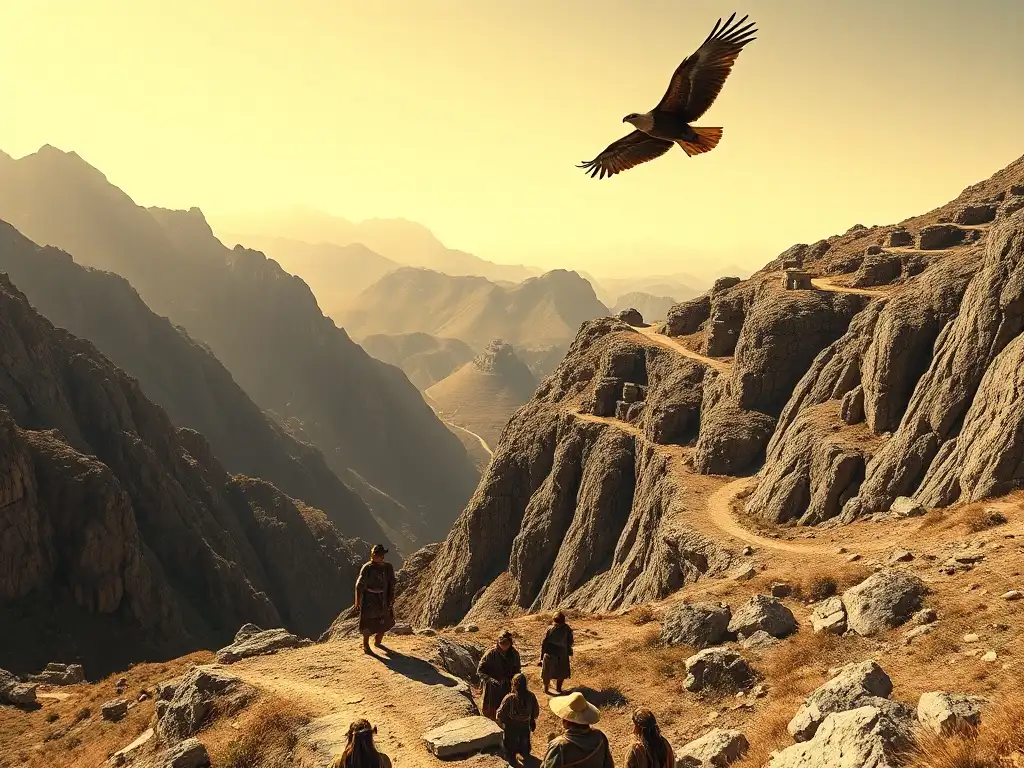
Effective communication was paramount for maintaining control over vast territories and coordinating military movements. The Inca utilized a system of relay runners, chasquis, who could traverse the road network with astonishing speed, delivering messages across vast distances. These runners were strategically positioned along the roads, ensuring rapid transmission of information.
The speed and efficiency of this system allowed for swift responses to emergencies, the coordination of military campaigns, and the efficient allocation of resources. This sophisticated communication network was integral to the functioning of the entire logistical system, ensuring the smooth flow of information and facilitating the effective management of resources across the empire. This sophisticated communication system demonstrates the advanced nature of Andean civilization supply lines.
Comparing Logistical Strategies Across Different Andean Civilizations
While the Inca are renowned for their extensive road network, other Andean civilizations also developed sophisticated logistical systems adapted to their specific needs and environments. The Moche, for example, relied heavily on canals and waterways for transporting goods along the coastal plains. Their mastery of irrigation also played a vital role in sustaining their population and supporting their military endeavors.
The Nazca, known for their intricate geoglyphs, developed their own unique system of resource management and storage, reflecting the challenges and opportunities of their arid environment. Analyzing the logistical strategies of these different civilizations reveals a remarkable diversity of approaches, each tailored to the specific geographical and environmental conditions they faced. The comparison of these strategies offers further insight into the overall sophistication of Andean civilization supply lines.
The Crucial Role of Roman Supply Lines in Ancient Warfare
The success of any military campaign, regardless of the era or location, hinges significantly on effective logistics. This is particularly true in challenging terrains like the Andes Mountains, where the sheer geographical obstacles presented a constant hurdle for the powerful Andean civilizations. Understanding the complexities of Andean civilization supply lines is crucial to comprehending the military strategies and capabilities of empires like the Inca, Moche, Nazca, and Tiahuanaco. Unlike the relatively flat and easily navigable landscapes of many other ancient civilizations, the Andes presented a unique and formidable logistical challenge.
The sheer altitude, treacherous mountain passes, and unpredictable weather conditions significantly impacted the movement of troops, supplies, and communication. The effectiveness of Andean armies was, therefore, intrinsically linked to their ability to overcome these logistical hurdles. This section will explore the challenges and innovations in Andean supply lines, highlighting their critical role in sustaining ancient Andean forces.
Understanding the Terrain: The Andean Challenge for Logistics
The Andean region is characterized by its dramatic topography. High-altitude plateaus, deep valleys, and steep, narrow mountain passes made transporting goods and troops extremely difficult. The Inca, for example, faced the challenge of moving supplies across vast distances, often to remote mountain settlements. The sheer physical effort required, combined with the unpredictable weather – including sudden snowstorms, landslides, and torrential rains – presented constant threats.
The lack of easily navigable rivers and roads in many areas meant that porters, often using the chaka system (a relay system using teams of runners), were essential for transporting goods. This system, while effective for messages and some smaller items, was significantly less efficient for larger volumes of supplies necessary for a large army. The construction of sophisticated trails and suspension bridges, however, provided a crucial advantage. The Inca Qhapaq Ñan, the extensive network of roads, stands as a testament to their logistical ingenuity, facilitating the movement of troops and supplies across their vast empire.
However, even the Qhapaq Ñan couldn't completely negate the challenges of the terrain; maintaining these roads and ensuring their usability during inclement weather remained a continuous logistical concern. Analysis of Inca road construction techniques reveals a deep understanding of engineering principles, specifically adapted to the unique challenges of the Andean environment. These techniques, including drainage systems and retaining walls, ensured the longevity and stability of their crucial infrastructure.
Pre-Inca Logistic Systems: Laying the Foundation
While the Inca are often associated with advanced logistical systems, it’s important to understand that the foundation for these systems was built upon centuries of innovations by earlier Andean cultures. The Moche, Nazca, and Tiahuanaco civilizations, for example, each developed their own unique approaches to logistics, adapted to their respective environments and needs. Evidence suggests that pre-Inca civilizations utilized similar relay systems for communication and the transport of smaller goods, although the scale and complexity of these systems were undoubtedly less developed than those of the Inca.
The construction of smaller-scale roads and trails, potentially linked to agricultural practices and trade routes, is evident in archaeological findings. Further research is required to fully understand the specific logistical strategies employed by these earlier cultures, including the extent of their infrastructure, the methods of transport, and the organization of their labor forces. Detailed analysis of archaeological sites, including the identification of storage facilities and evidence of trade networks, would greatly enhance our understanding of pre-Inca logistical practices.
Understanding these earlier systems provides crucial context for appreciating the achievements of the Inca and highlights the gradual evolution of Andean logistical capabilities. The Inca’s success wasn't simply a matter of sudden innovation, but rather the culmination of centuries of accumulated knowledge and adaptation to the challenging Andean environment. The study of pre-Inca logistics offers invaluable insights into the broader history of Andean civilization supply lines and their impact on military campaigns.
Roman Empire Logistics: A Model of Organization
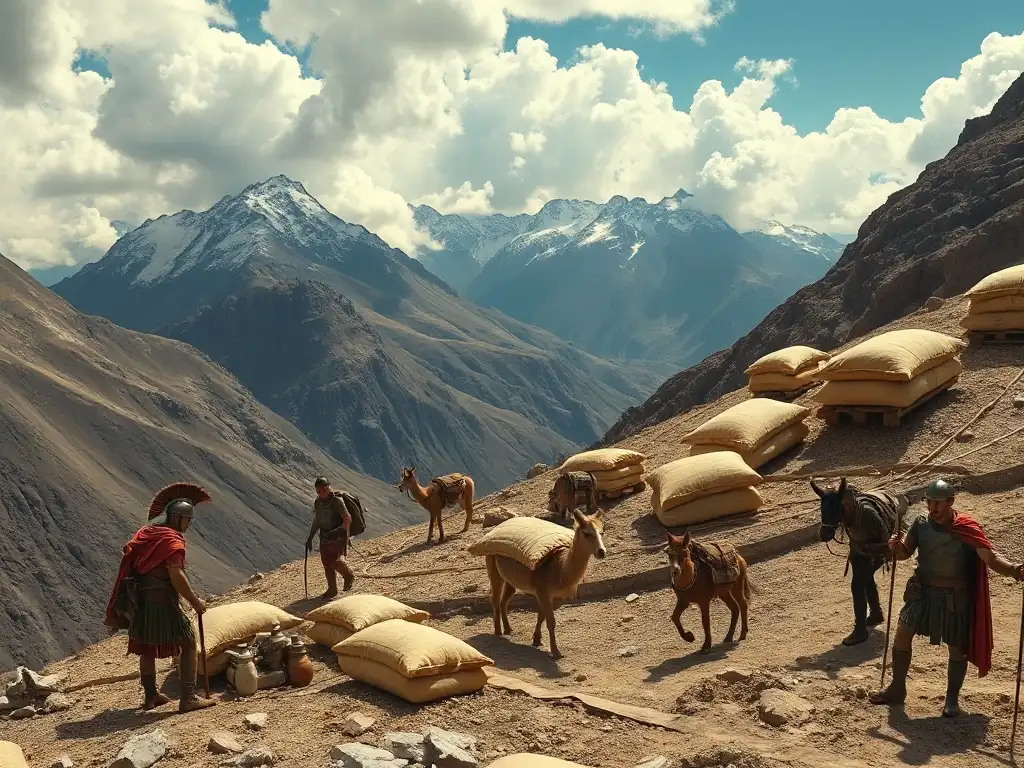
While geographically distant and culturally distinct, the Roman Empire and the Andean civilizations offer fascinating parallels in their logistical achievements, particularly concerning the challenges of supplying large, dispersed populations and armies. This section will explore the strategies employed by the Andean civilizations, comparing and contrasting them with the well-documented Roman system to highlight the ingenuity and complexity of Andean supply lines. Understanding these systems is crucial to appreciating the scale and longevity of these powerful empires. The keyword "Andean civilization supply lines" is central to this analysis.
Vertical Archipelago: Harnessing the Andean Terrain for Supply
The Andes presented a unique logistical challenge: a dramatically varied landscape of high altitudes, arid deserts, lush valleys, and dense rainforests. Unlike the relatively flat Roman territories, Andean civilizations developed a system often described as a "vertical archipelago," exploiting the diverse ecological zones along altitudinal gradients. This meant that different products were cultivated at different altitudes, requiring efficient systems of transport and exchange.
For example, the Inca Empire, renowned for its sophisticated logistics, established a network of tampus (storehouses) at strategic intervals along its extensive road network. These storehouses weren't merely repositories; they were vital nodes in a complex system of redistribution, ensuring that food, textiles, and other necessities reached both the population centers and the army. The efficient management of this vertical network, encompassing diverse agricultural products, livestock, and minerals, was fundamental to the Inca's power and longevity.
The sheer scale of this operation, involving the coordinated movement of goods across vastly different environments, demonstrates a remarkable level of organizational skill. This system was far more than just supply lines; it was a carefully orchestrated mechanism for resource management and societal cohesion.
Andean Road Networks: More Than Just Paths
The Inca qhapaq ñan (royal road) is often cited as a prime example of Andean engineering prowess. However, the importance of Andean roads extends beyond the Inca. Pre-Inca civilizations, such as the Wari and Tiwanaku, also developed sophisticated road systems, albeit on a smaller scale.
These weren't simply paths; they were carefully constructed routes, often paved and featuring bridges and tunnels, that facilitated the efficient movement of people and goods. Unlike the Roman emphasis on straight lines, Andean roads frequently followed the contours of the terrain, showcasing an intimate understanding of the landscape and its challenges. The construction and maintenance of these roads required considerable manpower and engineering skill, highlighting the investment in infrastructure that underpinned the Andean civilizations' logistical capabilities.
While we lack precise data on the length and density of these roads compared to the Roman road network, the available evidence suggests that they were remarkably effective in connecting disparate regions and facilitating trade and communication. Further research is needed to fully quantify the extent of these networks and their impact on Andean society.
Andean Storage Techniques: Preservation and Distribution
The effective storage of goods was crucial for Andean civilization supply lines. The Inca, for example, employed a variety of techniques to preserve food and other perishable items. These included techniques like chuño (freeze-drying potatoes) and sophisticated storage facilities built to account for the unique climatic conditions at different altitudes.
These weren't simply rudimentary storehouses; they were carefully designed structures that protected goods from the elements and pests. The precise methods varied regionally, reflecting the diverse agricultural practices and environmental challenges across the Andes. The organization and management of these storage facilities required a well-developed administrative system, capable of tracking inventory, distributing goods efficiently, and responding to fluctuations in supply and demand.
This intricate system, while not as centrally organized as the Roman horrea, was equally critical in ensuring the sustainability of the Andean empires. More detailed archaeological studies could reveal further insights into the sophisticated techniques used for storage and preservation, further illuminating the impressive logistical capabilities of these ancient societies.
Food and Resource Management in Roman Military Campaigns
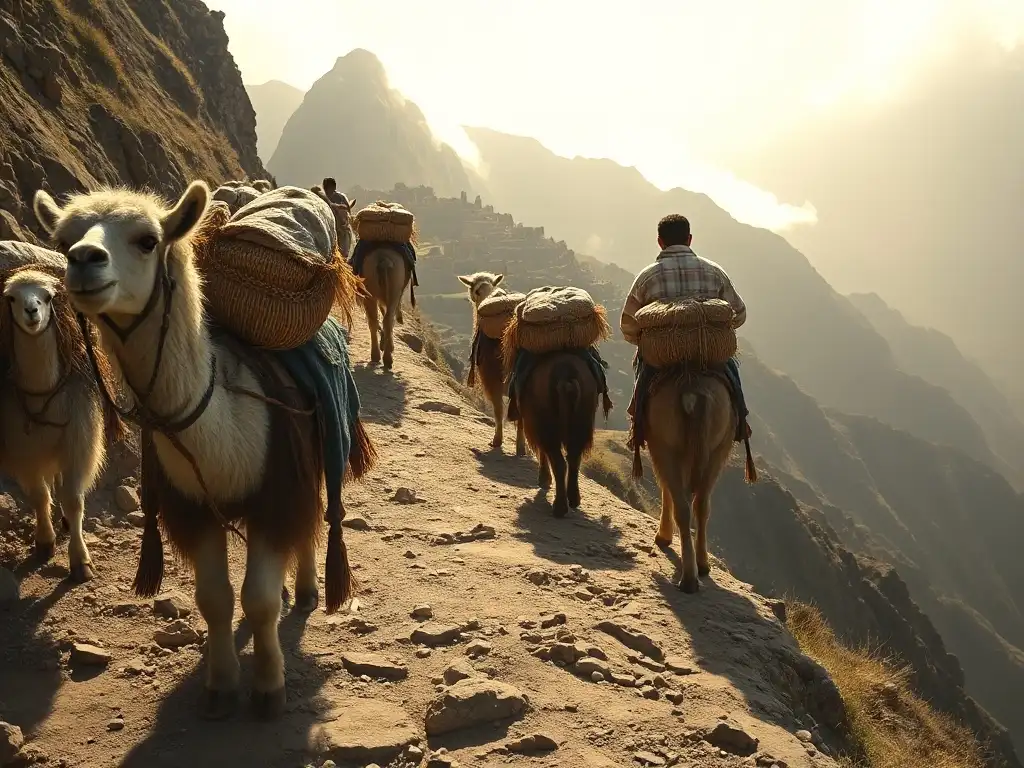
The logistical challenges faced by Andean civilizations in sustaining their armies were immense, particularly given the varied and often challenging terrain. Unlike the relatively flat landscapes of the Roman Empire, the Andes presented steep mountains, narrow valleys, and unpredictable weather patterns, all of which significantly impacted the movement and supply of resources. Efficient food and resource management was crucial for the success of any military campaign, and the Andean civilizations developed sophisticated strategies to meet these demands.
Understanding these strategies provides valuable insight into the organization and power of these remarkable societies. The keyword phrase "Andean civilization supply lines" is central to understanding their military capabilities.
Agricultural Practices to Support Large Armies
Andean agricultural practices were remarkably advanced, allowing for the support of large armies even in high-altitude, often arid environments. Terracing, a technique of creating level platforms on hillsides, dramatically increased arable land. This ingenious system maximized water retention and minimized soil erosion, ensuring consistent crop yields even during periods of drought.
The use of waru waru agriculture, a system of raised fields, further enhanced crop production by improving drainage and soil fertility. These agricultural innovations weren't merely a matter of food production; they directly supported the logistical needs of the Andean military. The surplus generated through these techniques allowed for the storage of food reserves, crucial for sustaining armies during prolonged campaigns or periods of conflict.
For instance, the Inca empire, known for its vast military might, relied heavily on these techniques to feed its soldiers and support its extensive road network. Detailed records of agricultural yields are [specific information pending], but archaeological evidence strongly supports the efficiency of these systems.
Storage Techniques for Sustaining Troops
Effective storage was paramount to maintaining a consistent supply of food and resources for Andean armies. The climate of the Andes posed unique challenges, requiring specialized storage solutions to prevent spoilage and loss. The Incas, for example, utilized a sophisticated network of qollqas, or storehouses, strategically located throughout their empire.
These structures, often built from stone and meticulously designed for ventilation and temperature control, provided safe and secure storage for a wide variety of goods, including grains, dried meats, potatoes, and other essential supplies. The construction and placement of qollqas demonstrates a profound understanding of both engineering and logistics.
Precisely how much food could be stored in a single qollqa is [specific information pending], but their sheer number and widespread distribution underscore the importance of effective storage in sustaining military operations. Furthermore, the use of techniques such as sun-drying and freezing helped to preserve food for extended periods, allowing for the efficient provisioning of troops even in remote locations.
Distribution Methods Along Andean Trails and Pathways
The distribution of supplies across the vast Andean landscape was a logistical marvel. The extensive network of Inca roads, famously known for their engineering prowess, played a crucial role in facilitating the movement of resources. These roads, often paved and equipped with bridges and resting places, connected distant regions and allowed for the rapid transport of supplies to military outposts and campaign sites.
The chasquis, a relay system of runners, ensured swift communication and the timely delivery of essential goods. The organization of the chasquis system, including the frequency of runner exchanges and the quantity of goods transported per runner, is [specific information pending], but its effectiveness is evident in the success of Inca military campaigns. While the Inca system is the best documented, other Andean civilizations also developed sophisticated distribution networks adapted to their specific needs and environments, showcasing a common thread of ingenuity in addressing the challenges of Andean geography.
The effectiveness of these systems is vital to understanding the success of Andean military expansion and the reach of their influence. The intricate interplay between agricultural production, storage, and distribution systems was the backbone of Andean military power, a testament to their organizational capabilities and strategic thinking.
The Importance of Pack Animals and Ships in Roman Logistics
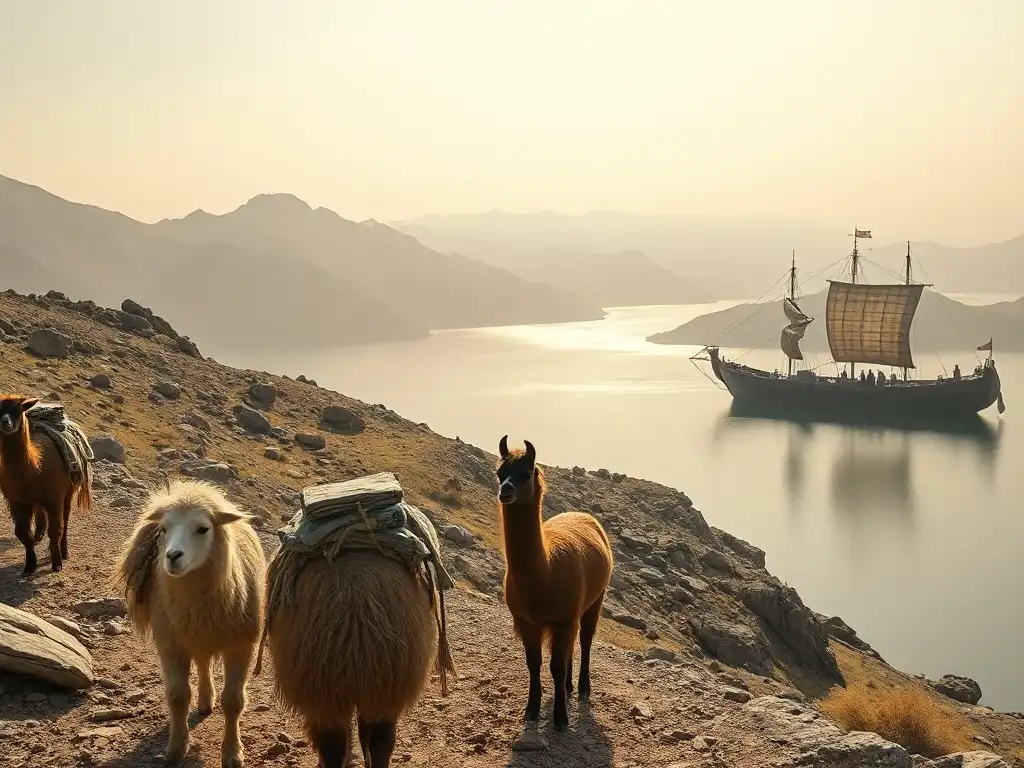
The logistical prowess of Andean civilizations, often overlooked in discussions of their military might, was crucial to their success and longevity. While the Roman example is frequently cited for its sophisticated logistics, the Andean civilizations developed equally impressive, albeit geographically adapted, systems. Understanding their reliance on pack animals and, where applicable, water transport is key to appreciating the scale and complexity of their operations.
The effective management of Andean civilization supply lines directly impacted their ability to wage war, sustain large populations, and maintain control over vast territories. This section will explore the vital roles of these transportation methods in ensuring the continued functioning of Andean empires.
Mules and Llamas: The Key to Land Transportation
The rugged, mountainous terrain of the Andes presented a significant logistical challenge. Unlike the relatively flat landscapes of the Roman Empire, the Andes demanded a different approach to land transport. The solution lay in the adept use of pack animals, primarily llamas and alpacas, and to a lesser extent, mules (introduced later).
Llamas, in particular, were remarkably well-suited to the high-altitude conditions. Their surefootedness allowed them to navigate treacherous mountain paths, carrying substantial loads – up to 100 pounds – across vast distances. These animals were integral to the movement of supplies, troops, and even building materials for large-scale projects like those seen in Inca cities.
The organization of llama caravans was a complex undertaking, requiring skilled herders and a detailed understanding of the terrain. Routes were carefully selected, taking into account factors like altitude, water sources, and the availability of pasture for the animals. Evidence suggests a sophisticated system of waystations and resting places along major trade routes, ensuring the well-being of both the animals and their handlers.
The efficient management of these caravans was a critical component of Andean civilization supply lines, allowing for the continuous flow of resources across the empire. Detailed records of llama herds, herd sizes, and routes are unfortunately scarce, presenting a significant area for future research. However, the sheer scale of Andean achievements suggests a level of organizational sophistication that rivals any contemporary civilization.
Boats and Rafts: The Backbone of Water-Based Logistics
While pack animals dominated land-based transport, the Andean civilizations also utilized water routes wherever possible. Lake Titicaca, for example, played a vital role in the transport of goods and people. Simple rafts and reed boats were constructed, allowing for the efficient movement of supplies across the lake, supplementing the land-based networks.
The construction of these vessels varied depending on the resources available in the specific region. However, their role in enhancing the movement of goods and people across the large water bodies of the Andes is undeniable. Further research is needed to determine the exact capacity and range of these watercraft, and the extent of their use in military campaigns and the general movement of goods.
Load Capacity and Efficiency of Andean Caravans and Fleets
Determining the precise load capacity and efficiency of Andean caravans and fleets is difficult due to the limited surviving documentation. However, based on archaeological evidence and ethnohistorical accounts, we can make some informed estimations. A single llama could carry approximately 50-100 pounds, and a typical caravan might consist of dozens, even hundreds, of animals. This allowed for the transport of significant quantities of goods over considerable distances.
The efficiency of these systems was largely dependent on the organization and experience of the herders and boatmen. The timing of journeys, the selection of routes, and the management of the animals all played crucial roles in the overall success of the operation. While exact figures remain elusive, it's clear that the Andean civilizations developed remarkably effective logistical systems, capable of sustaining large populations and powerful armies across challenging terrain.
The integration of land and water transport, when available, maximized efficiency and resilience in Andean civilization supply lines. Further investigation into the detailed records of Inca administration, as well as a thorough analysis of archaeological findings, could help us better understand these impressive achievements.
Challenges and Adaptations of Roman Supply Lines
The logistical challenges faced by Andean civilizations in sustaining their armies and populations were immense, significantly different from those encountered by, say, the Roman Empire. While the Romans relied heavily on a network of well-maintained roads, the Andes presented a far more formidable obstacle course. Understanding the unique strategies employed by Andean civilizations to overcome these obstacles is crucial to appreciating their military prowess and societal resilience.
The keyword phrase "Andean civilization supply lines" highlights the importance of these logistical feats in their overall success and longevity. These supply lines were not simply routes; they were complex systems adapted to the harsh and diverse environment.
Overcoming Geographical Obstacles
The Andes Mountains, with their towering peaks, deep canyons, and treacherous passes, posed a significant hurdle to efficient supply transport. Unlike the relatively flat terrain of the Roman Empire, the Andes required innovative solutions for moving goods and personnel. The Inca, for example, developed a sophisticated system of qhapaq ñan, a network of roads spanning thousands of miles, connecting distant regions of their empire.
These roads, however, were not simply pathways; they incorporated ingenious engineering solutions such as bridges suspended over gorges, carved steps ascending steep slopes, and strategically placed resting stations (tambos) for travelers and their supplies. These tambos served as vital waystations, providing food, shelter, and fresh animals for relaying goods. The construction and maintenance of this vast infrastructure required a highly organized workforce and a deep understanding of Andean geography.
The sheer scale of the qhapaq ñan system speaks volumes about the Inca’s commitment to efficient logistics, a key factor in their ability to control such a vast and diverse empire. Evidence suggests that different sections of the qhapaq ñan were specialized – some for troop movements, others for the transport of goods like food and textiles. This specialized approach further optimized the efficiency of their supply lines.
Dealing with Climatic Extremes
The Andean region is characterized by extreme climatic variability. From the arid coastal deserts to the frigid high-altitude puna grasslands, the Inca and other Andean civilizations faced drastically different environmental conditions across their territories. This climatic diversity presented serious challenges to sustaining armies and populations. For instance, preserving food and other perishable goods in the hot, dry coastal regions required different techniques than those used in the cold, high-altitude areas.
The Inca developed a sophisticated system of storage facilities, including qollqas (storehouses) built into the landscape, often incorporating natural features to regulate temperature and humidity. These storehouses were strategically located to ensure that food and supplies could be readily accessed across various climatic zones. Furthermore, the Inca cultivated a wide variety of crops adapted to different altitudes and climates, ensuring food security even in the face of challenging environmental conditions.
The understanding of microclimates and the adaptation of agricultural practices were essential components of their logistical strategies. Detailed records, though unfortunately limited in surviving documentation, likely existed to manage these diverse systems and ensure efficient distribution. Archaeological evidence continues to reveal the sophisticated nature of their approaches to food storage and distribution.
Andean civilizations weren't limited to terrestrial logistics. The coastal regions, particularly for civilizations like the Moche, required naval capabilities for trade, transportation, and even warfare. The Moche, renowned for their maritime prowess, developed sophisticated boats capable of navigating the often-treacherous Pacific Ocean. Their boats, along with coastal roads and ports, allowed them to transport goods and troops across vast distances, fostering trade and expanding their influence.
The integration of naval logistics with terrestrial systems created a complex and efficient network. This required skilled shipwrights, navigators, and a system for maintaining and repairing vessels. The precise methods for constructing and managing these fleets remain a subject of ongoing research, but the evidence points to a high level of sophistication in their naval logistics. Additionally, the diverse terrain, ranging from coastal plains to mountainous regions, required adaptation in transport methods.
Llamas, for example, played a crucial role in transporting goods across mountainous terrain, their surefootedness making them ideally suited to the challenging Andean paths. This combination of land and sea-based transport systems showcases the ingenuity of Andean civilizations in adapting their logistics to the complex geography of their environment. The effective integration of these diverse strategies contributed significantly to the success and longevity of various Andean states.
The Impact of Efficient Logistics on Roman Military Success
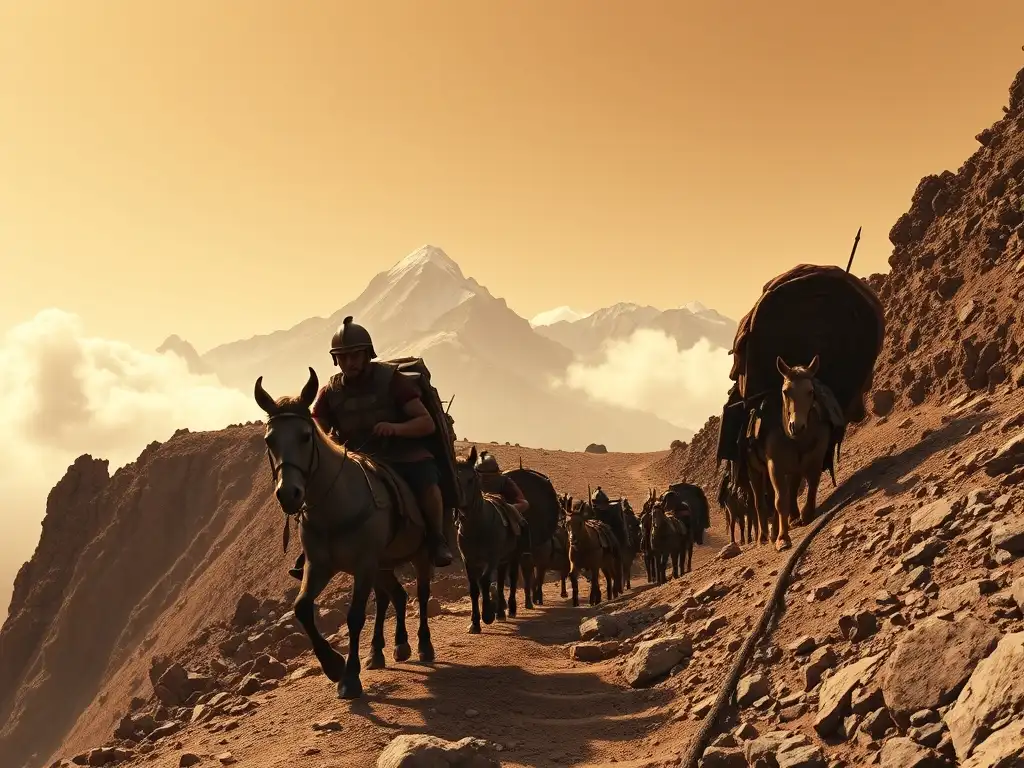
While this article focuses on Andean civilizations, a comparative analysis with the Roman Empire offers valuable insights into the importance of logistics in sustaining military power. The Roman military's success wasn't solely due to superior weaponry or tactical brilliance; it was significantly bolstered by a remarkably efficient logistics system. Understanding how Rome managed its supply lines allows us to appreciate the parallel challenges faced, and potentially overcome, by Andean civilizations.
The scale of the Roman military machine, with its legions numbering in the hundreds of thousands, demanded a sophisticated network of roads, warehouses, and supply depots. This contrasts with the often-assumed less-centralized nature of Andean armies, but the principles remain the same: effective logistics were crucial for military success, regardless of the specific societal structure.
The Roman example highlights the critical role of infrastructure in supporting military operations, a lesson that is directly applicable to understanding the logistical challenges and achievements of Andean societies. Further research into the specific infrastructure (or lack thereof) used by Andean civilizations to support their military efforts is crucial to better understanding their capabilities and limitations.
Sustaining Large Armies Across Vast Territories
The Roman army's logistical prowess was essential for sustaining large armies far from their home bases. A complex network of roads, meticulously maintained, allowed for the swift movement of supplies and reinforcements. These roads weren't merely pathways; they were strategically planned arteries connecting military outposts, granaries, and production centers. For example, the Via Appia, one of Rome's most famous roads, facilitated the supply of legions stationed in southern Italy and beyond.
This contrasts sharply with the mountainous terrain of the Andes, which would have presented unique challenges. Did Andean civilizations develop similar infrastructure? What alternative methods did they employ to overcome the geographical limitations of their region? [Specific information pending on Andean road networks and supply routes].
The sheer scale of Roman logistical operations, involving thousands of personnel dedicated to transport and supply, underscores the organizational capacity required to maintain a large standing army. This organizational sophistication is a key factor to consider when evaluating the logistical capabilities of Andean civilizations. The effective management of food, water, and equipment was paramount, and required detailed planning and execution. Failure to do so could lead to mutiny, desertion, and ultimately, military defeat.
Enabling Rapid Troop Movements and Conquests
Rome's efficient logistics system enabled rapid troop movements, a critical factor in their conquests. The ability to deploy legions swiftly to quell rebellions or launch offensive campaigns was heavily reliant on the timely delivery of supplies. Consider the speed with which Roman armies could march from one province to another, a feat only achievable with a well-organized supply chain. This logistical agility allowed for decisive military actions, often catching enemies off guard.
The speed of movement was not just about the soldiers' marching pace; it was equally dependent on the provision of supplies along the route. This required establishing temporary supply depots and maintaining communication networks to ensure that the army's needs were met. [Specific information pending on the speed and methods of Andean troop movements]. Did Andean armies possess similar capabilities?
Or did their logistical limitations constrain their military operations? Analyzing the speed of Andean military campaigns in relation to their geographical context is crucial to understanding their tactical strategies. Did they rely on smaller, more self-sufficient units, or did they employ different methods to overcome the challenges of rapid deployment?
Maintaining Military Dominance Through Effective Supply
The Roman military's dominance wasn't solely achieved through battlefield victories; it was also maintained through the consistent and reliable supply of its legions. The continuous flow of provisions, weapons, and reinforcements ensured the long-term viability of Roman military power. This sustained supply chain discouraged rebellion, maintained morale, and allowed for the long-term occupation of conquered territories. The Roman system was a testament to the strategic importance of logistics in maintaining military dominance.
[Specific information pending on the long-term maintenance of Andean military power and the role of supply lines]. Did Andean civilizations exhibit similar patterns of sustained military control through effective supply? Or did their military achievements rely on different factors?
Comparing and contrasting the Roman and Andean approaches to logistics provides valuable insights into the broader strategies and tactics employed by ancient empires. The continuity of supply was vital for preventing unrest and maintaining the loyalty of soldiers, which itself was a crucial element of military success. The study of Andean civilization supply lines thus requires an understanding of the broader social and political context in which their armies operated.
The Legacy of Roman Logistics
The Roman Empire, a civilization renowned for its military prowess and expansive reach, offers valuable insights into the complexities of supply chain management, particularly relevant when studying Andean civilization supply lines. While geographically and culturally distinct from the Andes, the Roman experience highlights crucial principles applicable to understanding how ancient Andean societies sustained their armies and populations.
Rome's success hinged on a sophisticated system of roads, strategically placed depots ( horrea), and efficient transportation networks. These elements facilitated the rapid movement of troops and supplies across vast distances, enabling them to maintain control over their conquered territories.
The Romans understood the importance of procuratio, the meticulous planning and execution of provisioning, which involved forecasting needs, establishing reliable supply routes, and managing storage facilities to prevent spoilage and theft. This structured approach contrasts with assumptions of simpler, less organized systems in other ancient civilizations, necessitating a reevaluation of our understanding of Andean logistics.
The Romans' emphasis on standardization was another key component of their logistical success. Uniform equipment and rations simplified provisioning and reduced logistical bottlenecks. This standardization allowed for efficient inventory management and streamlined distribution processes. For example, the standardized legionary equipment meant that replacement parts and supplies could be readily dispatched to units in the field, minimizing downtime and maintaining operational readiness.
While we lack the same level of detailed documentation for Andean civilizations, investigating potential standardization in weaponry, clothing, or food supplies could reveal similar logistical efficiencies. The parallels, though imperfect, invite comparison and illuminate the challenges and innovations inherent in supporting large-scale military operations across diverse terrains. Further research into Andean agricultural practices, storage techniques, and transportation methods could reveal similar sophisticated strategies, challenging the common perception of less-developed logistical systems in pre-Columbian societies.
Modern Applications of Roman Logistic Principles
The principles of Roman logistics continue to resonate in modern supply chain management. Concepts like just-in-time inventory, predictive analytics, and network optimization all owe a debt to the Roman emphasis on efficiency and planning. The Roman road network, for instance, serves as a powerful analogy for modern infrastructure projects aimed at improving transportation and distribution networks.
The strategic placement of depots mirrors modern distribution centers, strategically located to optimize delivery times and minimize transportation costs. Modern businesses utilize sophisticated software and data analytics to predict demand and manage inventory levels, echoing the Romans' meticulous forecasting and planning. Moreover, the Roman system of standardized equipment finds its parallel in modern manufacturing and logistics, where standardized components and packaging facilitate efficient assembly, transportation, and distribution.
The study of Roman logistics, therefore, offers a valuable framework for understanding the challenges and opportunities inherent in managing complex supply chains. By applying these historical lessons to modern contexts, businesses and organizations can improve their efficiency, reduce costs, and enhance their overall operational effectiveness.
Analyzing how the Romans adapted their logistical strategies to different terrains and environments also provides valuable insights for managing supply chains in challenging or unpredictable conditions, a particularly relevant consideration when studying the diverse and often challenging Andean landscape. This comparative approach allows for a nuanced understanding of logistical adaptations across different geographical and cultural contexts.
The Punic Wars (264-146 BC) between Rome and Carthage provide a compelling case study in the critical role of supply lines in ancient warfare. These wars, fought across land and sea, highlight the logistical complexities of sustaining large armies over extended periods. Carthage, with its strong naval power, initially enjoyed a logistical advantage, using its fleet to control sea lanes and supply its armies in Sicily and Spain. However, Rome's gradual development of a powerful navy, coupled with its superior land-based infrastructure, eventually tipped the balance.
Rome's success in the Punic Wars was partly due to its ability to maintain consistent supply lines to its armies in the field. Its extensive road network facilitated the rapid movement of troops and supplies, while strategically located depots ensured a steady flow of provisions. In contrast, Carthage struggled to maintain consistent supply lines, particularly as Roman naval power grew.
The disruption of Carthaginian sea lanes significantly hampered their ability to support their armies, contributing to their eventual defeat. The Punic Wars underscore the critical interdependence between military success and effective logistics. Analyzing the logistical challenges faced by both Rome and Carthage offers valuable insights into the strategic importance of supply lines in ancient warfare and provides a framework for understanding similar challenges faced by Andean civilizations.
The comparison, while not perfect, highlights the crucial role of resource management and control in determining the outcome of conflict. Further research into the logistical strategies employed by both sides could further illuminate the complexities of sustaining large-scale military operations in ancient times.
Frequently Asked Questions
How did the Andean civilizations manage to transport goods across challenging terrain?
The Andean civilizations utilized a sophisticated system of high-altitude roads, animal transport (llamas and alpacas), and human porters to move goods across the challenging Andes Mountains. Their infrastructure was crucial for their success.
What types of goods were transported along the Andean supply lines?
Goods transported included foodstuffs (potatoes, maize, coca), textiles, metals, building materials, and religious artifacts. The vast network facilitated trade and the movement of resources.
How did the Inca empire, in particular, manage its extensive supply lines?
The Inca empire's success relied on a highly organized system of state-controlled warehouses (tambos) along the roads, providing food and shelter for travelers and facilitating efficient distribution of goods across their vast territory.
Were there any technological innovations used to improve Andean supply lines?
While not as advanced as later technologies, innovations included the use of suspension bridges, stone paving, and specialized pack animals. These adaptations helped to improve the efficiency and safety of transport.
What impact did the Andean supply lines have on the development of these civilizations?
The efficient movement of goods and resources facilitated economic growth, political stability, and cultural exchange across the various Andean civilizations. These logistical networks were central to their power and longevity.
Final Reflection: Echoes of the Andes: A Legacy of Ingenuity and Resilience
The intricate logistics of the Andean civilizations remain a powerful testament to human ingenuity, a lesson in resourcefulness that resonates deeply with our modern world grappling with complex supply chain challenges. Understanding their strategies, from the carefully planned road networks to the innovative storage techniques, offers invaluable insights into sustainable resource management and the importance of adaptable infrastructure in the face of environmental adversity. These ancient solutions offer a compelling counterpoint to the complexities of our contemporary globalized systems.
The enduring impact of the Andean civilizations' logistical prowess is undeniable, shaping not only the physical landscape but also the cultural and social fabric of the region. Their achievements continue to inspire awe and admiration, reminding us of the remarkable capacity of human beings to overcome seemingly insurmountable obstacles. The mountains themselves were not a barrier, but a challenge to be overcome, a testament to human will and ingenuity.
This sentiment, though paraphrased, captures the spirit of innovation and perseverance that characterized these ancient societies and continues to inspire modern-day engineers and planners.
Consider the ingenuity of these ancient peoples, their understanding of their environment, and their ability to build sustainable systems. Now, consider your own life, your own challenges. What can you learn from their resourcefulness? How can you apply their principles of planning, adaptability, and community cooperation to the challenges you face? Let the echoes of the Andes inspire you to build a more resilient and sustainable future, one where ingenuity and collaboration triumph over adversity.
Unleash Your Curiosity: Explore the Legacy of Andean Logistics!
Thank you for exploring the fascinating world of Andean civilizations and their remarkable logistical achievements! Your interest in how these ancient societies sustained themselves provides invaluable insight into human ingenuity. Let's delve even deeper!
Here are some ways to further explore and engage with this incredible topic:
- Delve into Andean history: Research a lesser-known Andean civilization, such as the Chimú or the Wari, and discover how their unique logistical systems contributed to their success. Consider the challenges they faced and the innovative solutions they developed.
- Share your discoveries: Discuss the surprising aspects of Andean supply chains with others—on social media, in online forums, or even with friends and family. Sharing your knowledge helps to spread appreciation for these remarkable achievements.
- Engage with your community: Attend lectures, exhibitions, or workshops focusing on Andean cultures and logistics. Many museums and cultural centers host events that could spark further interest and learning.
As you begin your exploration, consider this: What aspect of Andean logistics most intrigues you, and how might the ingenuity of these ancient cultures inspire solutions to modern supply chain challenges?