
The Power of the Sun: Inca Understanding of Solar Agriculture


Step into a world lost to time, yet echoing with innovation. For centuries, the Andes Mountains held the secrets of advanced civilizations, their ingenuity shaping landscapes and lives. But what if we told you that the Inca’s mastery of the sun extended far beyond their impressive architecture? Discover the astonishing story of Inca solar agriculture techniques, a testament to their profound understanding of nature and a legacy that continues to fascinate and inspire. Prepare to be amazed as we unravel the mysteries of their agricultural prowess.
The Inca Empire, a civilization that flourished in the Andes Mountains from the 15th to the 16th century, achieved remarkable feats of engineering and agricultural innovation. Their success wasn't solely due to their intricate social structures or advanced construction techniques; it was fundamentally intertwined with a deep understanding and masterful manipulation of their environment, particularly the sun's power.
This article delves into the sophisticated Inca solar agriculture techniques, exploring how they harnessed the sun's energy to cultivate diverse crops in challenging Andean terrains. We will examine the intricate relationship between Inca agricultural practices and their profound knowledge of solar cycles, demonstrating how this understanding contributed significantly to the empire's prosperity and longevity.
This exploration of Inca solar agriculture techniques will uncover the ingenuity and precision applied to ensure food security in a geographically diverse and often unforgiving landscape. We'll uncover how their methods remain relevant today, offering valuable insights into sustainable agriculture in challenging environments.
Introduction to Inca Agricultural Practices and Solar Influence
Inca agricultural practices were far from rudimentary. They weren't simply planting seeds and hoping for the best; instead, they developed a complex system of techniques tailored to the specific microclimates found throughout their vast empire. This involved a sophisticated understanding of altitude, soil types, water management, and, crucially, the sun's influence.
The Incas meticulously observed the sun's movements throughout the year, correlating its position with the optimal planting and harvesting times for various crops. This wasn't a matter of simple observation; they developed intricate calendars and astronomical instruments, such as the Intihuatana stones, to track solar cycles with remarkable accuracy. The Incas' understanding of the sun's impact on plant growth was not just theoretical; it was deeply embedded in their practical agricultural methods.
They utilized techniques like terracing, irrigation systems, and the careful selection of crop varieties to maximize solar energy absorption and minimize environmental challenges. The impact of this knowledge is evident in the empire's ability to sustain a large population across diverse ecological zones.
For example, the Incas utilized different planting techniques depending on the altitude and the angle of the sun. In higher altitudes, where sunlight is more intense, they may have employed different spacing between plants to avoid overcrowding and ensure optimal sunlight penetration. In lower altitudes, where sunlight might be less direct, they might have used different techniques to maximize sunlight exposure.
This demonstrates the nuanced and adaptable nature of their solar agriculture techniques. Furthermore, their understanding of the sun's influence extended beyond planting times; it also informed their post-harvest practices, including storage and preservation techniques designed to maximize the shelf life of their crops. This comprehensive approach to agriculture, deeply rooted in solar understanding, was crucial to the empire’s success.
The Inca Empire and the Importance of Agriculture
The Inca Empire's success was intrinsically linked to its agricultural prowess. Unlike many other ancient civilizations that relied heavily on a few staple crops, the Incas cultivated a remarkably diverse range of plants, adapting their techniques to the varying ecological conditions across their vast territory. From potatoes and maize in the highlands to quinoa and cotton in the lower valleys, their agricultural diversity ensured food security and resilience against crop failures. This diversity was not accidental; it was a carefully cultivated strategy that reflected a deep understanding of the environment and the sun's role in it.
The Inca agricultural system was not merely a means of sustenance; it was a cornerstone of their social and political structure. The state played a central role in managing agricultural resources, implementing large-scale irrigation projects, and organizing labor for cultivation and harvesting. This centralized approach allowed for efficient food distribution and helped maintain social stability within the empire.
The integration of solar knowledge into their agricultural practices was therefore not only a technological achievement but also a crucial element of their political and economic power. The sophisticated techniques they developed, honed over centuries, allowed them to create a remarkably productive and resilient agricultural system that sustained a large and complex society in a challenging environment. The legacy of these techniques continues to inspire sustainable agricultural practices today.
- Introduction to Inca Agricultural Practices and Solar Influence
- The Inca Empire and the Importance of Agriculture
Understanding Inca Solar Agriculture Techniques

The Inca Empire, renowned for its sophisticated engineering and agricultural prowess, developed ingenious techniques to maximize crop yields by harnessing the power of the sun. Their understanding of solar energy wasn't simply a passive observation; it was a deeply integrated aspect of their agricultural practices, influencing everything from crop selection and planting schedules to the design of their iconic terraced fields. This sophisticated approach to "Inca solar agriculture techniques" allowed them to cultivate diverse crops across varied altitudes and terrains, ensuring food security for a vast and growing population.
The Inca's success highlights the importance of understanding and adapting to environmental conditions, a lesson that remains relevant for sustainable agriculture today. Their methods, though centuries old, offer valuable insights into optimizing crop production in challenging environments.
Harnessing Solar Energy for Crop Production
Inca farmers meticulously observed the sun's path throughout the year, understanding its impact on temperature, daylight hours, and the overall growing season. This knowledge informed their planting calendars and crop selection. For example, they strategically planted cold-weather crops like potatoes at higher altitudes where the sun's intensity was lower, and heat-tolerant crops like maize at lower, warmer elevations.
This precise timing maximized solar energy absorption for optimal growth. Furthermore, the selection of specific crop varieties was tailored to different microclimates and solar exposures within their agricultural landscapes. They weren't just planting crops; they were carefully orchestrating a complex interplay between solar energy and plant physiology.
Evidence suggests a deep understanding of photoperiodism – the plant's response to day length – influencing their planting decisions. This level of precision allowed them to achieve remarkable yields, even in the challenging Andean environment. The Inca's success underscores the crucial role of solar energy in agriculture and the importance of adapting farming practices to specific environmental conditions.
Inca Terraces and Solar Radiation Management
The iconic Inca terraces are not merely aesthetically pleasing; they represent a masterful application of solar agriculture techniques. These meticulously constructed terraces, carved into mountain slopes, served multiple purposes. Firstly, they significantly increased the amount of arable land available for cultivation. Secondly, and critically, they optimized solar radiation management.
The terraces’ orientation, often facing east to west, maximized sun exposure throughout the day. The walls between terraces acted as windbreaks, reducing evaporative water loss and maintaining a more stable microclimate. Furthermore, the varying slopes and altitudes of the terraces created diverse microclimates, allowing for the cultivation of a wide range of crops, each optimally exposed to sunlight based on its specific needs.
The design of the terraces also facilitated water management, channeling rainwater efficiently to irrigate the crops, further enhancing the impact of solar energy. Archaeological evidence supports this interpretation, with detailed studies showing the precise alignment of terraces and their effectiveness in optimizing solar radiation. The ingenuity of the Inca terrace system showcases a profound understanding of solar energy’s influence on crop growth.
The Role of Altitude in Inca Solar Farming
Altitude played a crucial role in Inca solar farming practices. The Andes' varied elevations create distinct microclimates with differing levels of solar radiation, temperature, and precipitation. The Inca recognized this and adapted their agricultural strategies accordingly.
They employed a system of verticality, cultivating different crops at different altitudes, each suited to the specific solar conditions prevalent at that elevation. For instance, potatoes, thriving in cooler, higher-altitude environments with less intense sunlight, were grown at significantly higher elevations than maize, which required more warmth and direct sunlight. This vertical integration of crops not only maximized land use but also diversified food production, creating a resilient agricultural system less vulnerable to localized climate variations or crop failures.
The careful consideration of altitude and solar exposure demonstrates a nuanced understanding of the interplay between environmental factors and crop productivity. The Inca’s mastery of this vertical agricultural system is a testament to their profound knowledge of solar energy and its influence on crop cultivation in diverse environments. This sophisticated approach allowed them to achieve food security across a wide range of altitudes and climatic conditions, a remarkable feat of agricultural engineering.
Specific Inca Techniques Utilizing Solar Energy
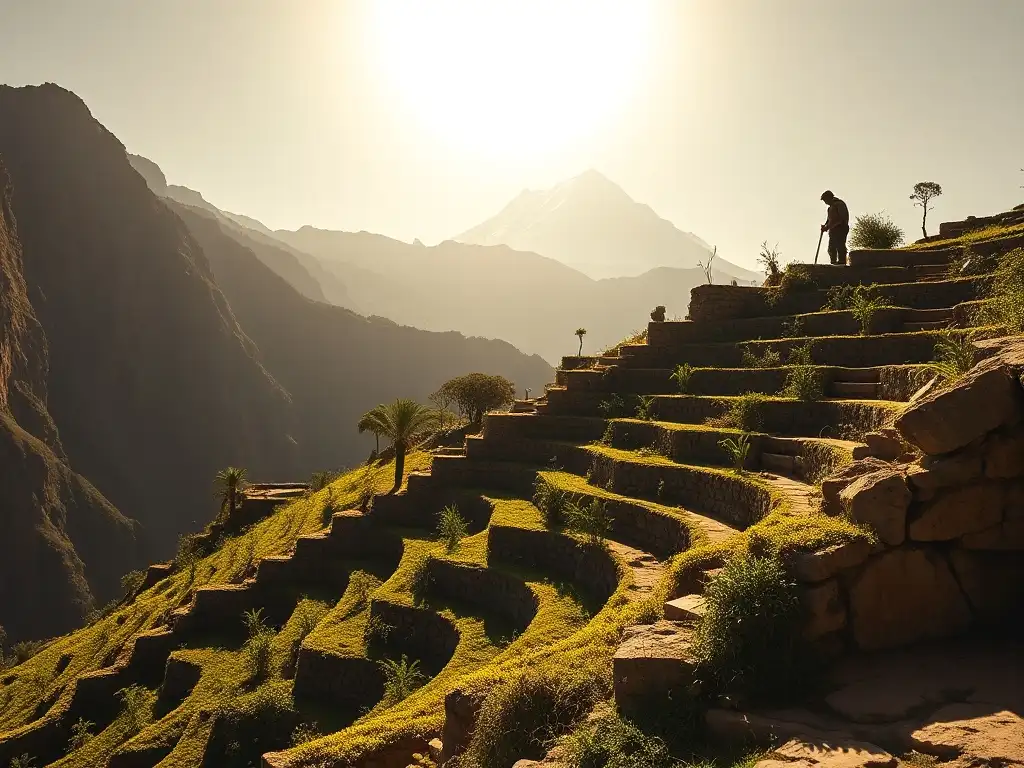
The Inca Empire, renowned for its sophisticated engineering and agricultural prowess, developed ingenious techniques to maximize crop yields in the challenging Andean environment. A crucial element of their agricultural success was a deep understanding and masterful application of solar energy. This section delves into specific Inca techniques that harnessed the power of the sun, showcasing their remarkable ingenuity and sustainable practices. Understanding these Inca solar agriculture techniques offers valuable insights into their advanced civilization and provides potential lessons for modern sustainable agriculture.
Sunken Gardens (Waru Waru) and Solar Heat Retention
Waru Waru, also known as sunken gardens, represent a prime example of Inca ingenuity in harnessing solar energy. These agricultural systems, prevalent in the Altiplano region, consist of raised beds separated by irrigation canals. The design wasn't merely for irrigation; it was a sophisticated system for optimizing solar energy absorption and heat retention.
The sunken nature of the gardens creates a microclimate. During the day, the dark soil within the sunken areas absorbs solar radiation more efficiently than surrounding areas. This absorbed heat is then radiated back towards the raised planting beds, creating a warmer microenvironment, ideal for extending the growing season and protecting crops from frost. At night, the raised beds, which retain the day's heat, radiate warmth, mitigating temperature fluctuations and protecting delicate plants.
This process significantly reduces the risk of crop damage from extreme temperature swings characteristic of high-altitude environments. Studies show that Waru Waru systems can increase average soil temperatures by several degrees Celsius, a substantial advantage in a region with short growing seasons. Furthermore, the raised beds improve drainage, preventing waterlogging and promoting healthy root development. The canals, in addition to irrigation, also serve as a thermal buffer, moderating temperature fluctuations.
The effectiveness of Waru Waru is further enhanced by the use of organic materials, such as manure and compost, which further improve heat retention and soil fertility. This sustainable approach demonstrates the Inca's holistic understanding of their environment and their commitment to long-term agricultural sustainability. The efficiency of this system is evidenced by its continued use in some Andean communities even today.
Raised Fields and Their Solar Benefits
In addition to sunken gardens, the Inca also utilized raised fields, particularly in swampy or waterlogged areas. While primarily designed for drainage and improved soil conditions, these raised fields also benefited from solar energy optimization. The elevated position of the planting beds allowed for better exposure to sunlight, leading to increased solar radiation absorption by the plants. This increased sunlight exposure resulted in faster plant growth and higher yields. The raised fields also provided better air circulation, reducing the risk of fungal diseases that often thrive in humid conditions.
The construction of raised fields involved careful selection of materials and design. The Inca often used local materials like earth and stones to create the raised platforms, ensuring that the structures were both functional and environmentally sustainable. The height and width of the raised fields were carefully calculated to optimize sunlight exposure and drainage.
This meticulous planning and construction demonstrates the Inca's advanced understanding of agricultural engineering and environmental factors. The precise dimensions varied depending on the specific location and environmental conditions, highlighting their adaptability and mastery of their environment. While the exact dimensions and construction methods varied across different regions, the core principle of maximizing sunlight exposure remained constant.
Stone Structures for Solar Heat Storage and Release
Beyond the field-level techniques, the Inca also employed stone structures to manage solar energy at a larger scale. Their mastery of stonework extended beyond impressive architecture; it played a crucial role in their agricultural practices. The strategic placement and design of stone walls and buildings influenced the microclimate of their agricultural fields.
For example, strategically placed stone walls could act as solar reflectors, directing sunlight towards specific areas during critical growth periods. The dark-colored stones absorbed solar radiation during the day and released this stored heat at night, mitigating temperature fluctuations and protecting crops from frost. This passive solar heating system was particularly effective in higher altitudes where nighttime temperatures could plummet dramatically.
The thermal mass of the stone structures helped to stabilize temperatures, creating a more consistent and favorable environment for plant growth. Furthermore, the orientation and angle of the walls were often meticulously chosen to optimize solar gain throughout the day and throughout the year. This sophisticated approach to solar energy management showcases the Inca’s advanced understanding of both architecture and agriculture.
Archaeological research continues to uncover new evidence of the Inca's sophisticated use of stone structures to enhance solar energy capture and utilization in agricultural settings. Further study is needed to fully understand the nuances of these techniques and their impact on crop yields.
Irrigation and Water Management in Solar Agriculture
Inca ingenuity in solar agriculture extended beyond simply understanding the sun's influence on crop growth; it encompassed sophisticated water management systems crucial for maximizing yields in diverse Andean terrains. Their understanding of solar energy wasn't limited to direct sunlight; it extended to harnessing the sun's power indirectly through its impact on water availability and temperature.
The Incas developed intricate irrigation networks, diverting water from rivers and streams to fields, often across significant distances and challenging topography. This wasn't simply a matter of channeling water; it involved a deep understanding of water flow, soil types, and microclimates to optimize water distribution and minimize loss through evaporation—a critical consideration given the high altitude and intense solar radiation in many Andean regions.
One remarkable example of this is the Andenes, or terraced fields, which were not merely a means of increasing arable land. The terraces themselves played a crucial role in water management. Their design, with strategically placed retaining walls and channels, helped to slow down water flow, allowing for better infiltration and reducing runoff. Furthermore, the terraces created microclimates, trapping moisture and moderating temperature fluctuations, crucial for protecting crops from frost and excessive sun exposure. These microclimates, influenced by the sun's angle and intensity throughout the year, were carefully considered when planning the orientation and layout of the andenes.
The Incas also employed a variety of techniques to conserve water. This included the construction of reservoirs and canals to store and transport water efficiently. They understood the importance of water retention and developed techniques to minimize evaporation, such as lining canals with clay or stone.
They also implemented sophisticated systems of water rationing and distribution, ensuring that water reached all areas of the agricultural lands, even during dry periods. Evidence suggests that they used sophisticated observation and measurement techniques to monitor water levels and adjust their irrigation strategies as needed. This nuanced approach to water management, deeply intertwined with their understanding of solar energy's influence on water availability, was paramount to their agricultural success.
Their ability to effectively manage water resources, in conjunction with their knowledge of solar cycles, allowed them to cultivate a wide range of crops in challenging environments, ensuring food security for their vast empire. This sophisticated system highlights the advanced understanding of hydrology and its interplay with solar energy possessed by Inca engineers and farmers.
The Impact of Solar Agriculture on Inca Society
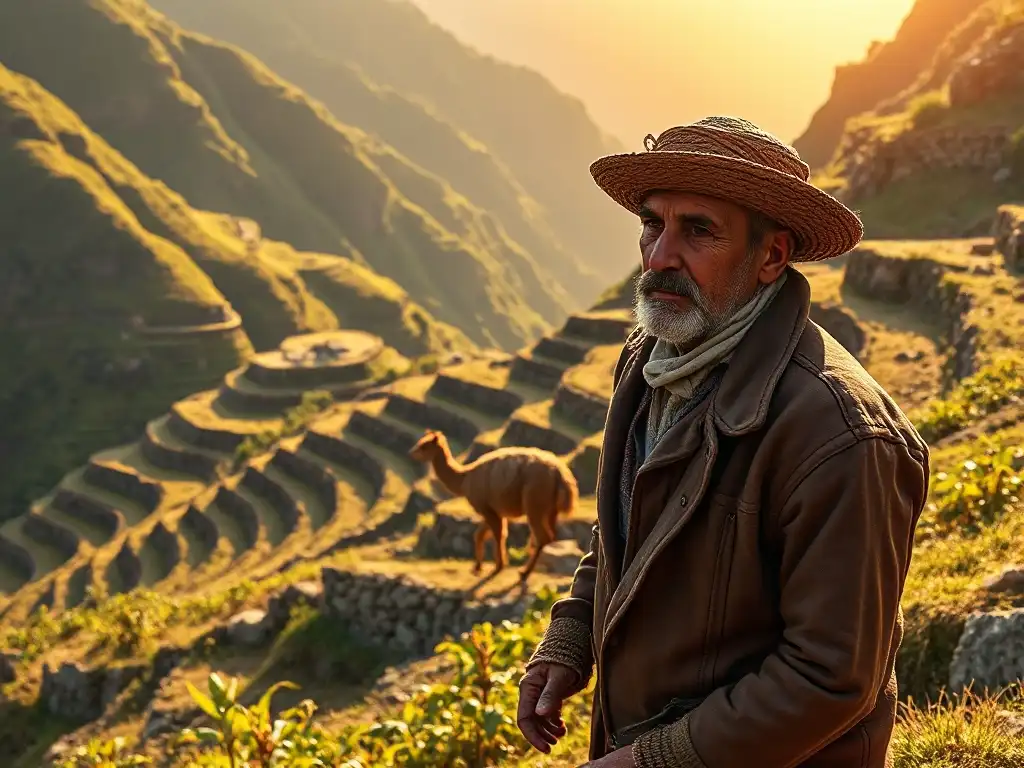
The Inca Empire's mastery of Inca solar agriculture techniques profoundly shaped its societal structure, religious beliefs, and overall prosperity. Their sophisticated understanding of solar cycles and their impact on crop yields allowed for impressive food security and surplus production, ultimately contributing to the empire's remarkable expansion and longevity. This section will explore the multifaceted impact of their solar-based agricultural practices.
Food Security and Surplus Production
The Inca's success hinged on their ability to consistently produce enough food to sustain a vast and growing population. Their understanding of the sun's influence on plant growth, combined with innovative agricultural techniques, was paramount. They meticulously observed the solstices and equinoxes, using this knowledge to optimize planting and harvesting times. This precise timing maximized yields and minimized crop failures due to unpredictable weather patterns.
Furthermore, the Inca developed a sophisticated system of terracing on mountainous slopes, creating level fields that maximized sunlight exposure and reduced soil erosion. These terraces, often built with incredible precision, significantly increased arable land, allowing them to cultivate diverse crops even in challenging terrains. The use of andenes, as these terraces are known, is a prime example of how the Inca leveraged solar energy for increased agricultural productivity.
Evidence suggests that the Inca also employed techniques like irrigation channels and fertilizers to further boost crop yields. This combination of techniques led to significant surplus production, providing food not only for the population but also for storage during lean times and to support the empire's extensive infrastructure projects and military campaigns. The ability to consistently produce food surpluses was a critical factor in the empire's stability and expansion.
The Inca's agricultural system was deeply intertwined with their social structure and labor organization. The mita system, a form of mandatory labor service, played a crucial role in the construction and maintenance of the extensive agricultural infrastructure. Communities were organized into ayllus, kinship-based groups, each responsible for managing and working specific plots of land. This collective effort ensured that agricultural tasks were efficiently completed, from the construction of terraces to planting, tending, and harvesting crops.
The surplus food generated through efficient agricultural practices wasn't just stored; it was also used to support specialized workers and officials. Artisans, priests, and administrators were freed from agricultural labor, allowing them to dedicate their time to their respective crafts and responsibilities. This division of labor, facilitated by the success of Inca solar agriculture techniques, was essential to the development of a complex and stratified Inca society.
The system's efficiency and effectiveness contributed to the empire's impressive organizational capabilities, demonstrating the synergy between agricultural production and social organization. The surplus also fueled the expansion of the Inca empire, providing resources for armies and administrative centers.
Rituals and Religious Significance of the Sun
The sun held immense religious significance for the Inca, considered the most important deity, Inti. Their agricultural practices were deeply interwoven with their religious beliefs, and the sun's role in the agricultural cycle was central to their worldview. The solstices and equinoxes were celebrated with elaborate rituals, marking important moments in the agricultural calendar. These ceremonies were not simply religious observances but also served as crucial occasions for community cohesion and reaffirmation of social bonds.
The Inca's understanding of the sun's power wasn't simply practical; it was spiritual. They believed that the success of their harvests was directly dependent on the favor of Inti. This connection between the sun, agriculture, and religion reinforced the importance of their agricultural practices and strengthened social unity.
The temples dedicated to Inti, often located in strategically important agricultural areas, served as focal points for religious ceremonies and community gatherings, further highlighting the profound connection between the Inca's faith and their sophisticated agricultural system. The success of their harvests was seen as a sign of divine favor, strengthening the power and legitimacy of the Inca rulers. The intertwining of religious belief and agricultural practice created a powerful and enduring system that supported the empire's growth and prosperity for centuries.
Legacy of Inca Solar Agriculture
Lessons for Sustainable Agriculture
The Inca's mastery of Inca solar agriculture techniques offers invaluable lessons for contemporary sustainable agriculture. Their sophisticated understanding of solar energy, microclimates, and water management resulted in remarkably productive farming systems, even in challenging Andean terrains. One key takeaway is the importance of terracing. Inca terraces, meticulously carved into hillsides, not only increased arable land but also minimized soil erosion and optimized sunlight exposure throughout the day. This contrasts sharply with modern large-scale monoculture farming, which often leads to soil degradation and environmental damage.
Another crucial lesson lies in their crop diversification. Instead of relying on a single crop, the Inca cultivated a wide variety of plants, creating resilient ecosystems resistant to pests and diseases. This approach, known as polyculture, mirrors current research emphasizing biodiversity as a cornerstone of sustainable farming.
Their meticulous selection of crops suited to specific altitudes and microclimates further underscores the importance of site-specific farming practices. The Inca also employed sophisticated water management systems, including canals, irrigation channels, and reservoirs, ensuring efficient water use, even in arid regions. This contrasts with the water-intensive methods often employed in modern agriculture, leading to water scarcity in many regions.
Analyzing Inca agricultural practices reveals a deep understanding of ecological principles, far surpassing the technological simplicity of their tools. This knowledge, often passed down through generations of oral tradition, highlights the importance of integrating indigenous knowledge into modern agricultural practices. For instance, the Inca's understanding of soil fertility and the use of organic fertilizers provides a valuable counterpoint to the heavy reliance on chemical fertilizers in modern agriculture. Their techniques, while seemingly basic, demonstrate the power of observation, adaptation, and respect for the environment – crucial elements in achieving sustainable agriculture today.
Modern Applications of Inca Farming Methods
The ingenuity of Inca solar agriculture techniques continues to inspire modern agricultural innovations. Researchers are actively studying Inca terracing techniques to develop more efficient and sustainable hillside farming methods. For example, modern adaptations of Inca terraces are being implemented in various regions facing land scarcity and soil erosion. These modern applications often incorporate advanced materials and engineering principles, but maintain the core principles of optimized sunlight exposure and reduced erosion.
Furthermore, the Inca's emphasis on crop diversification and polyculture is gaining renewed attention. Modern agriculture is increasingly recognizing the benefits of diversified cropping systems in enhancing resilience to climate change and reducing the reliance on pesticides. Studies comparing the yields and resilience of polyculture systems inspired by Inca practices versus monoculture systems are showcasing the advantages of this ancient approach. The effectiveness of traditional Inca farming methods is being scientifically validated, emphasizing the need for a more holistic approach to modern agriculture.
Finally, water management techniques employed by the Inca, such as the construction of sophisticated irrigation systems, are informing the development of more efficient irrigation technologies. By studying the design and functionality of Inca canals and reservoirs, engineers are developing more sustainable water management strategies for modern agriculture, particularly in water-scarce regions. This research combines ancient wisdom with modern technology to address contemporary challenges in food production and water conservation. The ongoing study and application of Inca agricultural knowledge represent a promising path towards a more sustainable and resilient future for global food security.
Preserving Inca Knowledge for Future Generations
The preservation of Inca knowledge regarding Inca solar agriculture techniques is crucial for both historical understanding and future agricultural development. This requires a multi-pronged approach involving:
- Archaeological research: Continued excavation and analysis of Inca agricultural sites are essential for uncovering further details about their farming practices. This includes detailed studies of terracing systems, irrigation infrastructure, and the types of crops cultivated.
- Ethnobotanical studies: Researching the surviving knowledge of indigenous communities who may still practice traditional Andean farming methods provides invaluable insights into Inca agricultural techniques and their underlying principles.
- Educational initiatives: Integrating the knowledge of Inca agriculture into educational programs, particularly agricultural education, can help raise awareness and inspire future generations of farmers and researchers.
- Collaboration: Collaboration between archaeologists, anthropologists, agricultural scientists, and indigenous communities is critical for a holistic approach to preserving and applying Inca agricultural knowledge.
The preservation of this knowledge is not merely an academic exercise; it holds practical implications for sustainable agriculture and food security. By understanding and applying these ancient techniques, we can create more resilient and environmentally friendly farming systems, contributing to a more sustainable future. The potential benefits of this collaboration are vast, offering solutions to contemporary challenges in agriculture and environmental conservation. Failing to preserve this valuable legacy would represent a significant loss for both historical understanding and future agricultural development.
Conclusion: The Enduring Power of Inca Solar Farming
The Inca understanding of solar agriculture wasn't simply a matter of practical farming; it was deeply intertwined with their cosmology and worldview. Their sophisticated techniques, honed over centuries, represent a remarkable synergy between observation, adaptation, and a profound respect for the environment. The legacy of Inca solar agriculture continues to resonate today, not just as a historical curiosity, but as a source of inspiration for modern sustainable agricultural practices.
In a world increasingly concerned with climate change and food security, the Inca's innovative approach to optimizing sunlight and water resources offers valuable lessons. Their meticulous planning, precise land management, and deep knowledge of microclimates provide a framework for developing more resilient and efficient agricultural systems.
The Inca's success wasn't solely dependent on their technical skills; it was equally rooted in their intricate social organization, which facilitated collective action and resource sharing. This communal approach to farming ensured that the benefits of their agricultural prowess were distributed widely throughout their vast empire.
The study of Inca solar agriculture techniques reveals a sophisticated understanding of environmental factors far beyond what was commonly understood in other contemporary societies. Their mastery of irrigation, terracing, and crop rotation, guided by their keen observations of the sun's movement, allowed them to maximize yields and ensure food security for a large and densely populated empire. This understanding wasn't static; it was a dynamic process of continuous adaptation and refinement, reflecting a deep respect for the natural world and a commitment to long-term sustainability.
Even today, remnants of their agricultural ingenuity, like the breathtaking terraces that cling to Andean slopes, stand as powerful testaments to their remarkable achievements and enduring legacy. The principles of Inca solar agriculture—observation, adaptation, sustainability, and community—continue to offer valuable insights for contemporary agricultural challenges.
By studying and emulating these ancient practices, we can strive to create more resilient and sustainable food systems for future generations. The Inca's success in harnessing the power of the sun for agriculture serves as a powerful reminder of the importance of understanding and respecting the intricate balance of nature.
Frequently Asked Questions
What were some key Inca agricultural techniques?
The Inca employed innovative techniques like terracing, irrigation systems, and crop rotation to maximize agricultural output in diverse Andean environments. They also understood and utilized microclimates to their advantage.
How did the Inca use solar energy in agriculture?
The Inca carefully chose planting times based on the solar cycle and the position of the sun. They also used orientation of fields and terraces to optimize sunlight exposure for different crops. Their understanding of altitude and sunlight was crucial.
What crops were most important to Inca agriculture?
Potatoes, corn, and quinoa were staple crops for the Inca, providing essential carbohydrates and nutrients. They also cultivated beans, squash, and various fruits. Adaptability of these crops to different altitudes was key.
How did Inca agricultural practices impact their civilization?
Successful agricultural techniques supported a large population, enabling the development of complex social structures, impressive infrastructure, and significant cultural achievements. This food surplus allowed for specialization of labor.
What evidence exists to support the Inca's understanding of solar agriculture?
Archaeological evidence, including the orientation of terraces and agricultural fields, along with surviving ethnobotanical knowledge, demonstrates a deep Inca understanding of solar cycles and their impact on crop yields. Careful observation of nature underpinned their methods.
Final Reflection: Harvesting the Sun's Legacy
The Inca understanding of solar agriculture remains profoundly relevant today, offering a powerful model for sustainable and resilient food systems in the face of climate change. Their sophisticated techniques, honed over centuries of meticulous observation and adaptation, stand as a testament to the ingenuity of human interaction with the natural world. We can no longer afford to ignore the lessons embedded within their practices; the future of food security may depend on it.
The Inca's deep connection to the sun, reflected in their intricate agricultural systems, continues to resonate in our modern world, reminding us of the vital importance of respecting ecological balance. Their understanding of microclimates, water management, and crop diversification offers invaluable insights for contemporary agriculture. The earth provides enough to satisfy every man's needs but not every man's greed,
a sentiment that rings particularly true when considering the unsustainable practices prevalent in modern industrial agriculture. Their approach serves as a potent counterpoint, highlighting the potential for harmony between human needs and environmental stewardship.
Consider the Inca's legacy. Think about how their innovative techniques, born from a deep understanding of their environment, can inspire you to cultivate a more sustainable relationship with the land. Examine your own consumption habits, explore local and seasonal produce, and consider the impact of your choices on the planet. Let the sun's power, as harnessed by the Inca, illuminate a path towards a more equitable and ecologically responsible future for us all.
Harness the Sun: Transform Your Agricultural Practices Today!
Thank you for exploring the fascinating world of Inca solar agriculture! Your interest in how these ancient civilizations harnessed the power of the sun reveals timeless wisdom applicable to modern farming. Ready to improve your agricultural techniques? Here's how you can begin:
- **Optimize your planting schedule:** Research crop rotation and planting times based on solar cycles, drawing inspiration from Inca methods. This can lead to healthier plants and increased yields.
- **Embrace sustainable energy:** Consider integrating solar panels or other renewable energy sources to power your farm, boosting productivity while reducing reliance on fossil fuels and lowering your environmental impact.
- **Share your knowledge:** Connect with local farmers or gardening groups to exchange ideas and experiences about sustainable, traditional farming practices. Collaboration fosters innovation and accelerates the adoption of environmentally friendly methods.
Which Inca-inspired agricultural technique will you try first? Let's discuss!