
Unveiling the Mystical World: Shamans and Priests in Andean Civilizations

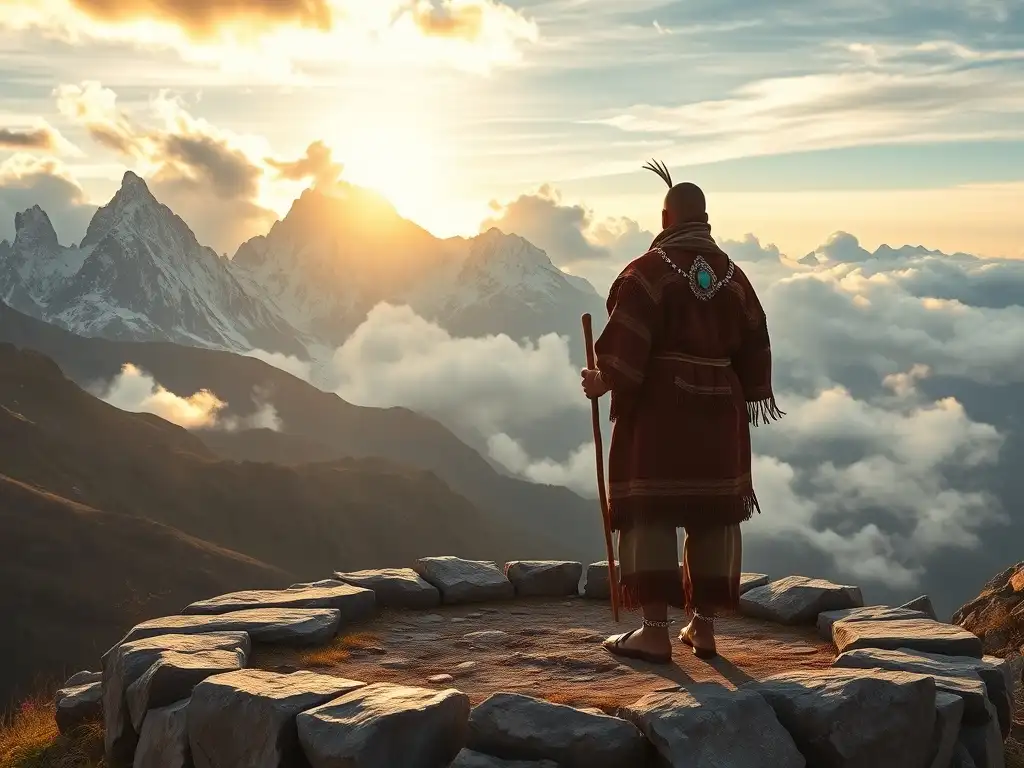
Step into a world lost to time, yet echoing with vibrant mystery. Prepare to delve into the captivating realm of Andean Civilizations, where towering empires thrived and spiritual beliefs shaped their very existence. This journey begins with an exploration of Andean shamanistic practices, revealing the profound connection between these ancient peoples and the cosmos. Uncover the secrets held within their rituals and beliefs – a world of intricate ceremonies and powerful spiritual leaders. Are you ready to uncover the truth behind their mystical power?
The Andean region, a breathtaking tapestry of towering mountains, arid deserts, and lush valleys, cradled some of the most fascinating and complex civilizations in the world. Beyond their impressive architectural feats, intricate textiles, and sophisticated agricultural techniques, the Andean societies possessed a deeply spiritual worldview that permeated every aspect of their lives. This article delves into the crucial role played by shamans and priests in shaping Andean religious beliefs and practices, exploring their rituals, ceremonies, and the profound influence they held within their communities.
We will examine the diverse shamanistic practices across various Andean cultures, focusing on the intricate interplay between the spiritual and material worlds, and highlighting the enduring legacy of these spiritual leaders. Understanding Andean shamanistic practices provides a key to unlocking the mysteries of these ancient societies and appreciating the richness of their spiritual heritage.
This exploration will illuminate the significance of Andean shamanism in the context of the broader Andean religion and cosmovision, providing insights into their beliefs, rituals, and the enduring power of their spiritual leaders. Prepare to journey into a world where the boundaries between the living and the spirit world were fluid, and where the shaman held a position of immense power and respect.
Andean Religion and Cosmovision: An Introduction to Spiritual Leaders
Andean religion wasn't a monolithic entity; instead, it manifested in diverse forms across different cultures and time periods. However, a common thread running through these variations was the profound belief in the interconnectedness of the physical and spiritual realms. The natural world – mountains, rivers, stars – was imbued with spiritual power, inhabited by deities and spirits that influenced human lives.
Spiritual leaders, including shamans and priests, acted as intermediaries between the human world and the supernatural, wielding power to heal the sick, predict the future, and communicate with the divine. Their role extended far beyond simple religious functions; they were often involved in political decision-making, social organization, and the maintenance of cosmic balance. The specific titles and roles of these spiritual leaders varied depending on the culture (Inca, Moche, Nazca, etc.
), but their fundamental importance in Andean society remained constant. Understanding their influence is crucial to comprehending the complexities of Andean civilizations.
The Role of Shamans in Ancient Andean Societies
Shamans occupied a unique and powerful position within Andean societies. Unlike priests who often served within established temples and hierarchical structures, shamans were typically more independent practitioners, often drawing upon inherited knowledge and personal spiritual experiences. Their abilities were considered innate and often attributed to a direct connection with the spirit world. They were revered for their ability to enter altered states of consciousness, commune with spirits, and harness supernatural powers for the benefit (or sometimes detriment) of their communities.
Their roles encompassed healing, divination, and influencing events through ritual practices. The power and prestige of a shaman often depended on their demonstrated abilities and the perceived efficacy of their interventions. The effectiveness of their practices was closely tied to their mastery of rituals, their knowledge of herbal medicine, and their relationship with the spirit world.
Understanding Andean Shamanism: Core Beliefs and Practices
Andean shamanism was deeply intertwined with the natural world. Shamans often utilized natural elements—plants, animals, minerals—in their rituals, reflecting a holistic worldview where the spiritual and material were inextricably linked. Key beliefs often centered around ancestor veneration, the Pachamama (Mother Earth), and the intricate relationship between the human and supernatural realms.
Practices involved altered states of consciousness, achieved through various techniques including fasting, chanting, the use of hallucinogenic plants (such as ayahuasca, though its specific use in all Andean cultures needs further research), and intense meditation. These practices facilitated communication with spirits and allowed shamans to access knowledge and power beyond the ordinary. [Specific information pending on the precise rituals and techniques used by different Andean groups].
The Andean Shaman: A Bridge Between Worlds
The Andean shaman served as a crucial bridge between the human and spirit worlds. Their ability to journey into the spirit realm and interact with supernatural beings was considered paramount to their effectiveness. They were believed to be able to diagnose illnesses caused by spiritual imbalances, communicate with ancestral spirits for guidance, and influence the course of events through ritual intervention.
The shaman's role wasn't merely passive; they actively engaged with the spirit world, negotiating, bargaining, and even confronting malevolent entities to protect their communities. This dynamic interaction with the supernatural underscores the active and participatory nature of Andean shamanistic practices.
Rituals and Ceremonies Led by Andean Shamans
Andean shamanistic rituals varied considerably depending on the specific purpose and the cultural context. However, many involved the use of sacred objects, songs, dances, and offerings to appease or engage with spirits. These ceremonies often took place in sacred locations, such as mountaintops, caves, or near significant natural features.
The rituals were meticulously performed, following established procedures passed down through generations. [Specific examples of rituals and ceremonies from different Andean cultures are needed here]. The successful execution of these rituals was believed to maintain cosmic balance, ensuring the well-being of the community and the continued flow of blessings from the spirit world.
Tools and Sacred Objects Used in Shamanistic Practice
Shamans utilized a variety of tools and sacred objects in their practices. These included:
| Object | Purpose | Material Examples |
|---|---|---|
| Sacred Plants | Healing, divination, altered states of consciousness | Tobacco, coca leaves, ayahuasca (if applicable) |
| Animal Parts/Feathers | Symbolic representation, ritual use | Feathers, bones, skins |
| Ceremonial Vessels | Offerings, ritual liquids | Pottery, gourds |
| Musical Instruments | Chants, summoning spirits | Flutes, drums, rattles |
| Amulets and Talismans | Protection, good luck | Stone, bone, metal |
The specific objects and their significance varied across different Andean cultures, reflecting diverse spiritual beliefs and practices.
The Power of Healing: Shamanic Cures and Traditional Medicine
A significant aspect of Andean shamanistic practices was healing. Shamans were considered skilled healers, diagnosing and treating illnesses not just through physical means but also by addressing spiritual imbalances. Their remedies often combined herbal medicine, ritual practices, and spiritual intervention.
[Specific examples of Andean medicinal practices and their effectiveness are required here]. The shaman's role extended beyond simply curing physical ailments; they addressed the root causes of illness, often believed to be connected to spiritual disturbances or the actions of malevolent spirits. This holistic approach to healing reflects the deep interconnectedness between the physical and spiritual worlds in the Andean worldview.
The Function of Priests in Andean Religious Structures
The Andean priesthood played a vital role in maintaining the intricate religious and social fabric of their societies. Unlike the often solitary practices of shamans, priests were integral parts of established religious institutions, serving as intermediaries between the divine and the human world within a structured hierarchy. Their functions extended far beyond simple ritual performance; they were custodians of knowledge, interpreters of omens, and crucial players in maintaining cosmic balance. Their influence permeated all aspects of life, from agricultural cycles to political decisions.
The authority of priests stemmed from their connection to the established religious order and their mastery of complex religious rituals and knowledge passed down through generations. This institutionalized position contrasted sharply with the more individualistic nature of shamanistic practices. The level of social standing and influence varied across different Andean cultures and time periods, but their importance remained consistently high.
Andean Priests: Guardians of Temples and Sacred Sites
Andean priests were responsible for the upkeep and maintenance of temples and sacred sites, places of immense spiritual significance. These weren't just buildings; they were considered gateways to the supernatural realm, requiring constant attention and ritual purification. Priests performed daily rituals to appease the gods and ensure the continued sanctity of these locations.
Their responsibilities included cleaning and decorating the temples, preparing offerings, and conducting ceremonies within their walls. The precise duties varied depending on the specific temple and the deity it was dedicated to. For instance, priests associated with sun worship might focus on maintaining the solar calendar and performing rituals related to the sun's journey across the sky, while those associated with agricultural deities would focus on rituals ensuring bountiful harvests.
The level of detail and care given to these tasks reflects the deep respect and reverence accorded to the gods and the sacred spaces they inhabited. These actions were not mere maintenance but active participation in maintaining the flow of cosmic energy.
The Hierarchical Structure of the Andean Priesthood
The Andean priesthood wasn't a monolithic entity; it comprised a hierarchical structure with varying levels of authority and responsibility. While the specifics varied among different cultures (Inca, Moche, Nazca etc. ), a general hierarchy existed. High priests, often appointed by rulers or chosen through lineage, held the most power and influence. They oversaw lower-ranking priests and controlled access to sacred knowledge and rituals.
This structure mirrored the social hierarchy of the broader society, reinforcing the religious and political order. The lower ranks might have focused on specific temple duties or community-level rituals. Evidence suggests a complex system of training and apprenticeship, ensuring the continuity of religious knowledge and practice across generations. The hierarchical nature of the priesthood provided a framework for organizing and maintaining the complex religious practices of these civilizations.
Religious Festivals and Ceremonies Overseen by Priests
Religious festivals and ceremonies were central to Andean life, and priests played a pivotal role in organizing and conducting them. These events, often tied to the agricultural calendar or significant astronomical events, were crucial for maintaining cosmic balance and ensuring the well-being of the community. Priests would lead processions, perform sacrifices, and interpret omens, guiding the community through the rituals. These ceremonies weren't merely religious observances; they were crucial social events that reinforced community bonds and reaffirmed the religious order.
The scale and complexity of these events varied; some were small, community-based affairs, while others were massive, state-sponsored spectacles involving thousands of participants. The preparations involved meticulous planning and coordination, highlighting the priests' organizational and logistical skills. The precise rituals and their significance varied considerably between different Andean cultures.
The Priestly Role in Maintaining Cosmic Order
Andean cosmology emphasized the delicate balance between the human and divine worlds. Priests were seen as essential in maintaining this cosmic order, acting as intermediaries to ensure the continued flow of energy and blessings from the gods. Their rituals and prayers were believed to influence the weather, agricultural yields, and the overall prosperity of the community. Through their actions, priests sought to appease the gods, prevent disasters, and ensure the harmonious functioning of the cosmos.
Failure to maintain this balance could lead to calamities, underscoring the importance of the priests' role in preventing disruption to the natural order. Their knowledge of astronomy and astrology allowed them to predict important events and perform timely rituals to maintain this crucial equilibrium. This belief system permeated all aspects of Andean life, highlighting the integral role of the priesthood in societal stability.
Divination and Prophecy within the Priestly Caste
Many Andean priests possessed skills in divination and prophecy, using various methods to interpret omens and predict future events. These abilities were highly valued, as they allowed for timely responses to potential threats or opportunities. Methods included interpreting the flight of birds, studying the entrails of sacrificial animals, or analyzing patterns in the stars. These prophecies weren't simply predictions; they often informed crucial decisions related to warfare, agriculture, and political leadership.
The priests' interpretations were considered authoritative, influencing societal responses to both favorable and unfavorable omens. This ability to connect with the divine and interpret its messages solidified their position as essential advisors to rulers and community leaders. The accuracy and influence of these predictions varied, reflecting the complexities of ancient divination practices.
Comparing Andean Shamans and Priests: Similarities and Differences
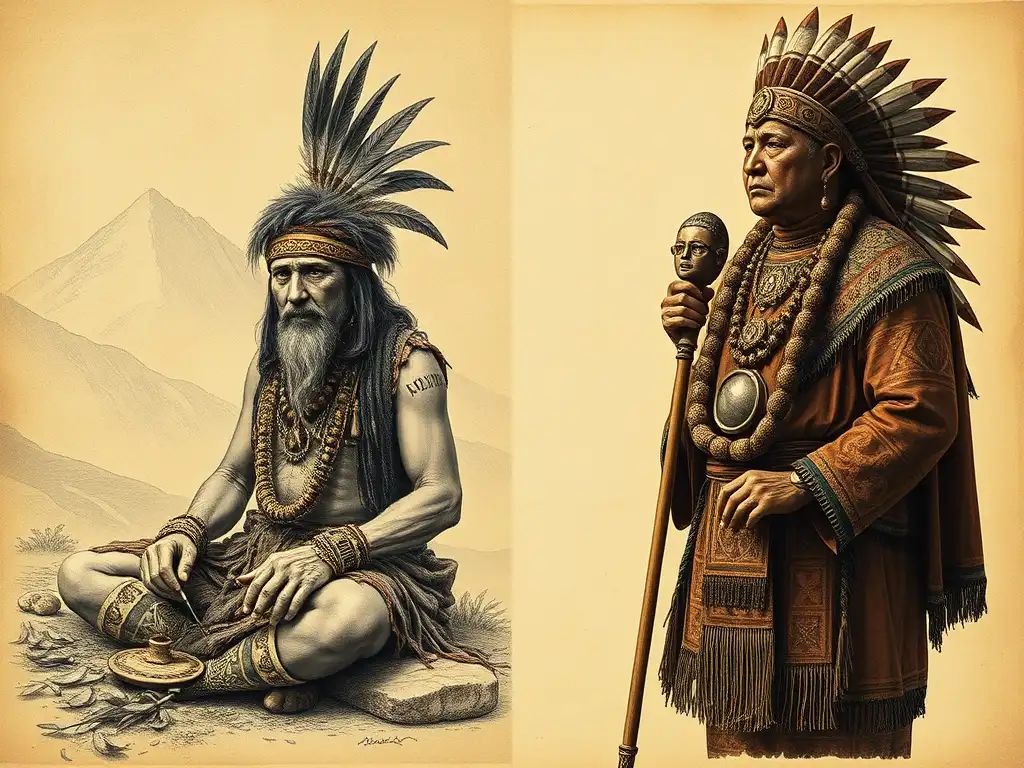
While both shamans and priests occupied important spiritual roles in Andean societies, distinct differences existed in their functions, social standing, and methods of accessing the sacred. Understanding these nuances allows for a more comprehensive appreciation of Andean religious practices and their societal impact. The contrast between the institutionalized role of priests and the more independent nature of shamans reveals the complexities of Andean spiritual life. The interaction and sometimes overlap between these two roles illustrate a dynamic and multifaceted religious landscape.
Key Distinctions in Roles and Responsibilities
A fundamental difference lies in their roles and responsibilities. Priests were integral members of established religious institutions, performing formalized rituals and maintaining sacred sites. Shamans, on the other hand, often operated independently, using their skills for healing, divination, and communicating with the spirit world. Priests focused on maintaining the established religious order and ensuring cosmic balance, while shamans often addressed individual needs and concerns. While priests served the community as a whole, shamans were more likely to work with individual clients. This difference in scope and approach significantly shaped their respective roles within Andean society.
Overlapping Spiritual Functions: Where Shamans and Priests Intersect
Despite their differences, some overlap existed between shamanistic and priestly functions. Both could perform healing rituals, engage in divination, and communicate with spirits. In some instances, shamans might be consulted by priests for their specialized knowledge or abilities. This interaction points to a flexible and interconnected spiritual landscape, where different approaches to spirituality could complement each other. The lines between shamanistic practice and organized religion were not always clearly defined, suggesting a degree of fluidity and adaptation within Andean spiritual traditions. The coexistence of these practices points towards a complex religious system capable of integrating diverse spiritual approaches.
Access to Divine Power: Contrasting Paths to the Sacred
Shamans typically accessed divine power through altered states of consciousness, often induced through ritualistic practices like fasting, trance dancing, or the use of hallucinogenic substances. Priests, conversely, gained access to the sacred through their position within the established religious hierarchy and their mastery of established rituals. Their legitimacy stemmed from their connection to the religious institution, not individual spiritual experiences. This contrast in methods reflects different pathways to spiritual authority within Andean societies, highlighting the diversity of spiritual approaches. The methods for achieving spiritual power were distinct, yet both contributed to the overall spiritual landscape.
Social Status and Influence of Shamans and Priests
Priests generally held higher social status and influence than shamans, reflecting their position within the established religious and political structures. Their access to resources and their close ties with rulers provided them with significant power and authority. Shamans, while respected for their abilities, often held less social standing and influence, operating more on the periphery of established power structures. This difference in social standing is reflected in their access to resources and their roles within the broader community. The social hierarchy mirrored the power dynamics within the religious realm.
The Interplay Between Shamanistic Practices and Organized Religion
The relationship between shamanistic practices and organized religion in Andean societies was complex and dynamic. While priests represented the established religious order, shamanistic practices often existed alongside and sometimes intertwined with it. Shamans might have been consulted by priests or community members for specialized knowledge or abilities, suggesting a degree of integration rather than outright opposition. This interplay highlights a flexible and evolving religious landscape, capable of accommodating diverse spiritual traditions. The coexistence of both systems demonstrates a rich and complex religious tapestry.
Case Studies: Examples of Andean Shamanistic Practices and Priestly Activities
Andean shamanistic practices varied greatly across different cultures and time periods. While we lack detailed written records for many groups, archaeological evidence, ethnohistorical accounts, and contemporary practices offer valuable insights into these complex spiritual systems. The following case studies illustrate the diversity and depth of Andean shamanism and priestly activities.
Understanding these examples helps us appreciate the nuanced ways in which Andean peoples interacted with the spiritual world and the significant role religious leaders played in their societies. The study of Andean shamanistic practices provides a window into the rich tapestry of beliefs and rituals that shaped Andean civilizations. The diversity of these practices highlights the need for a nuanced approach to understanding Andean spirituality, avoiding generalizations and recognizing regional and temporal variations.
The Ayahuasca Ceremony of the Shipibo-Conibo Shamans
The Shipibo-Conibo people of the Amazon basin, while not strictly within the Andes mountains, represent a crucial example of continued shamanistic traditions with connections to broader Andean spiritualities. Their ayahuasca ceremonies are renowned for their intricate rituals and the shaman's role as a mediator between the human and spirit worlds. The shaman, typically male, ingests ayahuasca, a powerful psychedelic brew, to enter altered states of consciousness. During this trance, they communicate with spirits, diagnose illnesses, and perform healing rituals.
The ceremonies are not merely individual experiences; they are deeply social events, involving the community in a shared spiritual journey. The intricate iconography painted on their ceramics often depicts scenes from these ceremonies, further illuminating the importance of this practice in their culture. The visual representations serve as a powerful testament to the enduring legacy of shamanistic practices within the Amazonian context, highlighting the interconnectedness of Andean and Amazonian spiritualities.
The Inti Raymi Festival of the Inca Empire
The Inti Raymi, or Festival of the Sun, was the most important religious festival in the Inca Empire. Celebrated at the winter solstice, it was a grand spectacle involving elaborate rituals, sacrifices, and processions. The Inca priests, known as wilaq uma, played a central role, performing ceremonies to ensure the sun's continued benevolence and the prosperity of the empire. The Sapa Inca, the emperor, himself participated, acting as the intermediary between the divine and the human realms.
The Inti Raymi demonstrates the deeply ingrained connection between the Inca state and religion, highlighting the power and influence of the priestly class. The festival's scale and complexity showcase the sophisticated organization and centralized power structure of the Inca Empire. The astronomical knowledge embedded in the timing of the festival further underlines the sophisticated understanding of the cosmos held by Inca priests.
Analysis of the Archaeological Evidence from Chavín de Huántar
The Chavín culture (1200-200 BCE) left behind a remarkable archaeological record, including monumental architecture and intricate carvings that provide crucial insights into their religious beliefs. The Chavín de Huántar site features complex iconography often interpreted as depicting shamanistic figures and supernatural beings. The presence of elaborate ritual spaces and evidence of ritual activities suggests the existence of a powerful priestly class that played a significant role in Chavín society.
The stylistic consistency of the iconography across various artifacts suggests a centralized religious system, possibly overseen by a powerful religious elite. The analysis of these artifacts reveals a complex cosmology that profoundly influenced subsequent Andean cultures. The stylistic influence of Chavín art on later cultures demonstrates the enduring impact of their religious beliefs and practices.
The Influence of Shamanistic Beliefs on Moche Pottery
Moche pottery (100-800 CE) is famous for its realistic depictions of daily life and religious rituals. Many vessels portray shamanistic figures engaging in various practices, such as healing, divination, and communication with the spirit world. These depictions provide invaluable information about Moche shamanistic beliefs and practices.
The detailed representations of these figures, their attire, and the associated rituals offer insight into the social status and roles of shamans within Moche society. The prevalence of such imagery in Moche art highlights the importance of shamanism in their worldview and social structure. The artistry and detail of the pottery showcase the sophisticated skills and understanding of Moche artisans, who effectively conveyed complex religious concepts through their work.
The Legacy of Andean Shamanism and Priesthood
The legacy of Andean shamanism and priesthood extends far beyond the pre-Columbian era. These traditions, though significantly impacted by colonization and other historical events, have demonstrated remarkable resilience and continue to influence Andean societies today. Understanding this enduring legacy requires examining the ways in which these traditions have adapted and transformed over time. The continued relevance of Andean spiritual beliefs highlights their enduring power and significance in shaping Andean identities and cultural practices.
Modern Day Practices and the Continuity of Andean Traditions
Despite centuries of suppression and cultural shifts, many Andean communities continue to practice forms of shamanism and maintain traditional religious beliefs. Contemporary Andean shamans, or paqos, often incorporate elements of both traditional and syncretic practices. They play vital roles in their communities, providing spiritual guidance, healing, and maintaining the connection to ancestral traditions. These practices often involve the use of medicinal plants, rituals, and divination techniques inherited from their ancestors. The persistence of these practices demonstrates the remarkable resilience of Andean spiritual traditions in the face of external pressures.
The Impact of Andean Spirituality on Contemporary Culture
Andean spirituality has significantly impacted contemporary Andean art, music, literature, and social movements. The themes of ancestral wisdom, connection to nature, and the importance of community frequently appear in contemporary expressions of Andean culture. This enduring influence highlights the lasting power of Andean cosmovision and its continued relevance in shaping modern identities and social structures. The influence of Andean spirituality is not limited to the Andes themselves; it has also impacted global perspectives on indigenous spirituality and environmental consciousness.
Preserving the Knowledge and Wisdom of Andean Religious Leaders
Efforts to preserve and document the knowledge and wisdom of Andean religious leaders are crucial for safeguarding this valuable cultural heritage. Ethnographic research, oral history projects, and community-based initiatives are essential in ensuring the continuity of these traditions. These efforts not only protect cultural heritage but also empower Andean communities by recognizing and valuing their unique spiritual practices. The preservation of this knowledge contributes to a richer understanding of Andean culture and its contribution to global perspectives on spirituality and indigenous knowledge systems.
Understanding the Enduring Significance of Andean Cosmovision
The Andean cosmovision, a complex system of beliefs about the universe and humanity's place within it, continues to shape the lives and worldviews of Andean people. Understanding this cosmovision is crucial for appreciating the enduring significance of Andean shamanism and priesthood. The principles of reciprocity, balance, and harmony with nature remain central to many contemporary Andean perspectives.
These principles offer valuable lessons for addressing contemporary environmental and social challenges, highlighting the relevance of Andean wisdom in a globalized world. The study of Andean cosmovision provides a framework for understanding the interconnectedness of the spiritual and material worlds and the enduring importance of traditional Andean knowledge systems.
- Andean Religion and Cosmovision: An Introduction to Spiritual Leaders
- The Role of Shamans in Ancient Andean Societies
- The Function of Priests in Andean Religious Structures
- Comparing Andean Shamans and Priests: Similarities and Differences
- Case Studies: Examples of Andean Shamanistic Practices and Priestly Activities
- The Legacy of Andean Shamanism and Priesthood
- What role did shamans play in Andean societies?
- How did Andean shamanistic practices differ across different cultures?
- What were some common tools or substances used in Andean shamanistic rituals?
- Were there different types of Andean spiritual leaders?
- How can we learn more about Andean shamanistic practices today?
Frequently Asked Questions
What role did shamans play in Andean societies?
Shamans held a crucial role as spiritual leaders, connecting the living world with the spirit realm. They performed rituals, healed the sick, and interpreted omens and dreams, influencing daily life and major decisions.
How did Andean shamanistic practices differ across different cultures?
While sharing some common threads, shamanistic practices varied significantly between cultures like the Inca, Moche, and Nazca. Specific rituals, attire, and the use of hallucinogenic plants differed considerably.
What were some common tools or substances used in Andean shamanistic rituals?
Hallucinogenic plants like San Pedro cactus and coca leaves were frequently used to induce altered states of consciousness. Other tools included ritual objects, such as carved stones, feathers, and textiles, used in ceremonies.
Were there different types of Andean spiritual leaders?
Yes, alongside shamans, there were priests and priestesses within the more formalized religious structures of civilizations like the Inca. These individuals often held political power and administered temples and ceremonies.
How can we learn more about Andean shamanistic practices today?
Archaeological findings, ethnographic studies of modern Andean communities, and analysis of ancient texts and art provide valuable insights into these practices. Research continues to unveil more about their rich history and significance.
Final Reflection: Echoes of the Andes: A Legacy of Spiritual Practice
The intricate spiritual tapestry woven by Andean shamans and priests remains profoundly relevant today, a testament to the enduring power of human connection with the natural world and the spirit realm. Their practices, far from being relics of a bygone era, offer valuable insights into alternative healing modalities, sustainable living, and the deep-seated human need for meaning and purpose. The wisdom embedded within these traditions continues to resonate, challenging our modern perspectives and prompting a reconsideration of our relationship with the earth and ourselves.
The enduring influence of Andean shamanistic practices is undeniable, shaping not only the cultural landscape of the Andes but also influencing contemporary spiritual and healing movements worldwide. Their profound understanding of the interconnectedness of all things, their reverence for nature, and their sophisticated use of ritual and ceremony continue to inspire and inform. The shaman is not simply a healer, but a bridge between the visible and invisible worlds, a keeper of ancient knowledge and a guardian of the sacred.
This quote encapsulates the multifaceted role of the shaman, a role that continues to hold immense significance in a world grappling with ecological crises and a yearning for deeper spiritual meaning.
Consider the echoes of these ancient practices in your own life. How can we integrate the principles of harmony with nature, community-based healing, and reverence for the sacred into our modern lives? Explore the wisdom of these traditions, not as mere historical artifacts, but as living sources of inspiration that can guide us towards a more sustainable, meaningful, and spiritually fulfilling existence. Let the legacy of Andean shamanism inspire you to connect more deeply with the world around you and to discover the profound spiritual potential within yourself.
**Dive Deeper into Andean Mysticism! **
Thank you for exploring the fascinating world of Andean shamanic and priestly traditions! Your journey into their rich spiritual practices has deepened your understanding of these ancient cultures. Let's continue this exploration together!
Here are a few ways you can further your studies:
- **Immerse yourself in the traditions:** Participate in a workshop or online course focused on Andean spirituality and healing practices. Experiencing these rituals firsthand will provide invaluable insight.
- **Connect with others:** Join online forums or social media groups dedicated to Andean history and spirituality. Sharing your insights and learning from others will enrich your understanding.
- **Spread the knowledge:** Share your newfound knowledge by writing a blog post or creating a social media presentation. Engaging others in discussion will solidify your understanding and inspire further exploration.
Which aspect of Andean spirituality most captivates you, and how will you further explore this mystical world?