
Moche Adaptation: Survival in a Challenging Environment

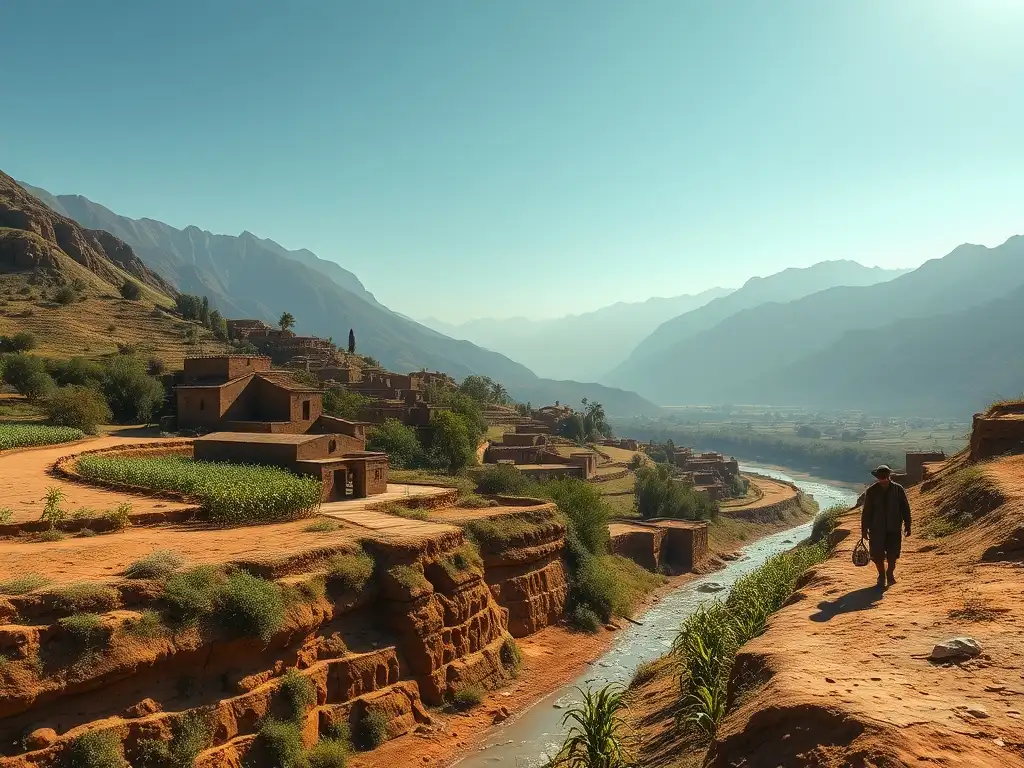
Unravel the mysteries of a civilization that thrived against the odds! Journey into the heart of the Andes and discover how the Moche civilization, masters of ingenuity, adapted to their challenging environment. Their remarkable achievements in Moche civilization environmental adaptation are just the beginning of a story filled with astonishing artistry, complex social structures, and a legacy that continues to fascinate. Prepare to be captivated as we delve into the secrets of this extraordinary culture – are you ready to explore?
The Moche civilization, flourishing along the northern coast of Peru from approximately 100 CE to 800 CE, stands as a testament to human ingenuity and resilience. This remarkable culture thrived in a geographically challenging environment, marked by arid deserts, unpredictable weather patterns, and limited freshwater resources.
This article delves into the ingenious strategies employed by the Moche people to not only survive but to flourish in this demanding landscape, showcasing their profound understanding of their environment and their remarkable capacity for adaptation. We will explore the specific environmental pressures faced by the Moche and the innovative solutions they developed in agriculture, water management, and societal organization, illustrating how their mastery of their surroundings shaped their unique culture and contributed to their impressive achievements.
Understanding the Moche civilization's environmental adaptation provides crucial insights into their societal structures, technological advancements, and lasting legacy. This exploration of the "Moche civilization environmental adaptation" will reveal a civilization far more complex and adaptable than previously imagined.
Understanding the Moche Environmental Context
The Moche heartland, situated along the arid northern coast of Peru, presented a formidable challenge for sustained human settlement. The region is characterized by a hyper-arid climate, with extremely low rainfall and high temperatures. The coastal desert is punctuated by fertile river valleys, oases of life in an otherwise barren landscape.
These valleys, fed by seasonal rivers originating in the Andes Mountains, were the lifeblood of the Moche civilization. However, the rivers were unpredictable, prone to flash floods and periods of drought, demanding sophisticated water management techniques. The coastal fog, known as garúa, provided a vital source of moisture, but its unpredictable nature also presented difficulties for agriculture.
Furthermore, the presence of active volcanoes in the Andes added another layer of environmental uncertainty, with the potential for volcanic eruptions to disrupt agriculture and settlements. The Moche, therefore, faced a complex interplay of environmental factors that demanded both ingenuity and flexibility for survival. Their success in navigating these challenges is a testament to their advanced understanding of their environment and their capacity for innovative problem-solving.
The Arid Coast: A Moche Civilization Challenge
The arid coastal environment posed significant challenges to the Moche in terms of agriculture and water resource management. The scarcity of rainfall necessitated the development of sophisticated irrigation systems to harness the limited water resources from the rivers. Evidence suggests the Moche constructed extensive canal networks, some stretching for kilometers, to divert water from rivers to agricultural fields. These canals were carefully engineered to manage water flow and prevent erosion.
Furthermore, the Moche likely employed techniques such as terracing and raised fields to maximize water retention and improve soil fertility. The development of these complex irrigation systems demonstrates a high level of engineering skill and social organization, highlighting the importance of water management for the Moche's survival. The Moche also likely utilized the garúa fog, collecting moisture through various techniques.
While the exact methods remain debated, it is clear that the Moche actively sought to exploit all available water sources to support their agricultural needs. Their success in adapting to the arid coastal environment is a remarkable achievement, demonstrating their ingenuity and resilience in the face of significant environmental challenges. The intricate irrigation systems, a hallmark of Moche engineering, are a testament to this mastery.
Moche Agricultural Strategies for a Desert Landscape
The Moche civilization thrived in a geographically challenging environment, primarily along the arid northern coast of present-day Peru. Their remarkable success hinged on sophisticated agricultural strategies that allowed them to overcome the limitations imposed by the desert climate. The scarcity of rainfall necessitated innovative techniques to cultivate crops and sustain a large population.
Their ingenuity in harnessing water resources is a testament to their deep understanding of their environment and their ability to adapt to its constraints. Unlike many other cultures that relied heavily on unpredictable rainfall, the Moche developed a complex system of water management that ensured a relatively stable food supply. This allowed them to dedicate time and resources to other aspects of their civilization, such as elaborate artistry, monumental architecture, and the development of a complex social hierarchy.
Their agricultural prowess was fundamental to their societal growth and stability. The Moche's success highlights the crucial role of environmental adaptation in the development of complex societies, especially in challenging environments. This mastery of agriculture not only supported their population but also contributed significantly to their economic and political power.
Irrigation Systems: Engineering for Survival
The Moche's survival depended heavily on their mastery of irrigation. Their ingenuity in designing and implementing intricate irrigation systems allowed them to transform the otherwise barren coastal desert into fertile agricultural land. These systems were not simply rudimentary channels; they were sophisticated engineering feats that required careful planning, precise execution, and ongoing maintenance. The scale of these projects, some stretching for kilometers, is a testament to the Moche's organized workforce and advanced understanding of hydraulic engineering.
The success of their irrigation systems is evident in the archaeological record, which shows extensive evidence of agricultural activity in areas that would otherwise be unsuitable for farming. These systems were not only crucial for food production but also played a significant role in shaping the Moche social and political landscape. Access to water resources, controlled through these irrigation networks, likely influenced power structures and social hierarchies within the Moche civilization.
Canal Construction and Management by the Moche
The construction of Moche canals was a massive undertaking, requiring the coordinated effort of a large workforce. Archaeological evidence suggests the use of simple tools, yet the precision and scale of the canals are remarkable. They meticulously carved canals through the desert landscape, often utilizing natural depressions and slopes to optimize water flow.
The canals were not just dug; they were carefully designed and maintained to ensure efficient water distribution. This included the construction of reservoirs, aqueducts, and other structures to regulate water flow and prevent erosion. The management of these canals was an ongoing process, requiring constant monitoring and repair.
The Moche likely had specialized personnel responsible for overseeing the construction, maintenance, and allocation of water resources. The organization and coordination required for such projects highlight the advanced societal structure of the Moche civilization. The social implications of water management were profound, shaping power dynamics and resource allocation within the community.
Water Diversion Techniques in Moche Agriculture
Beyond the large-scale canal systems, the Moche employed a variety of water diversion techniques to maximize their agricultural output. These included techniques like hillside terracing, which allowed them to cultivate slopes that would otherwise be unusable. They also used techniques to capture and store rainwater, such as building reservoirs and using strategically placed ditches to collect runoff.
The Moche understood the importance of water conservation and employed various methods to minimize water loss through evaporation and seepage. Their understanding of local hydrology and their ability to adapt their farming techniques to different microclimates allowed them to cultivate a diverse range of crops. These sophisticated water management techniques were crucial to the success of Moche agriculture and contributed significantly to the stability and prosperity of their civilization.
The ingenuity of their water diversion techniques demonstrates their practical knowledge and their ability to adapt to the challenges of their environment. This mastery of water management stands as a significant achievement in ancient Andean engineering and a key factor in the Moche's remarkable success.
Adapting to Limited Rainfall: Moche Farming Practices
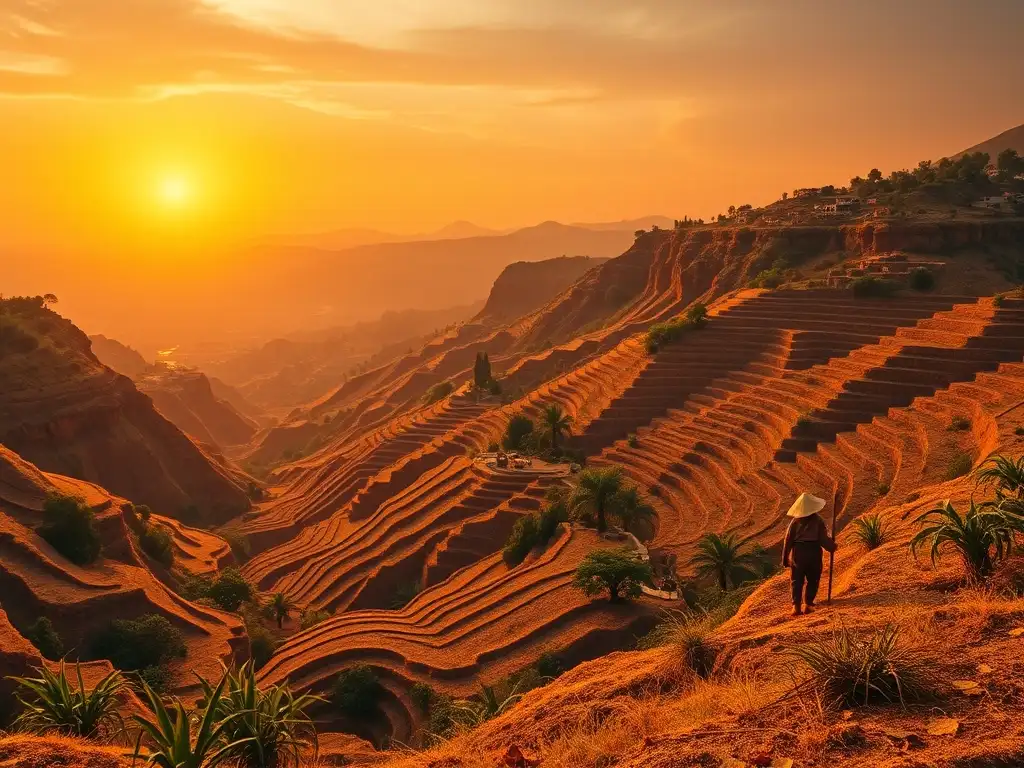
The Moche civilization thrived in a geographically diverse region along the northern coast of Peru, characterized by arid deserts interspersed with fertile valleys. Rainfall was, and continues to be, extremely limited in this region. To overcome this significant environmental challenge, the Moche developed sophisticated irrigation systems that are considered remarkable feats of engineering for their time. These systems weren't simply canals; they involved complex networks of channels, reservoirs, and aqueducts that harnessed scarce water resources from rivers and streams, diverting them to irrigate vast agricultural fields.
The Moche understood the importance of water management, meticulously planning and constructing their systems to maximize efficiency and ensure a reliable water supply for their crops. Evidence suggests they employed sophisticated techniques like terracing on hillsides to create level planting areas and minimize water runoff. The success of their agricultural strategies is evident in the extensive evidence of cultivated crops like maize, beans, squash, and cotton found at various Moche sites. This sophisticated agricultural system was crucial to supporting a large and complex society.
Their success wasn't just about building infrastructure; it was also about detailed knowledge of local hydrology and seasonal variations. The Moche continuously adapted and refined their irrigation systems over time, responding to changing environmental conditions and population growth. This adaptable approach to farming allowed them to flourish in an otherwise harsh environment, a testament to their ingenuity and resilience.
Moche Resource Management: Beyond Agriculture
The Moche civilization's remarkable survival wasn't solely dependent on their mastery of agriculture. Their success stemmed from a holistic approach to resource management, extending far beyond farming. They understood the interconnectedness of their environment and strategically exploited various resources available to them. Beyond cultivated crops, the Moche skillfully utilized the natural resources of their environment.
For instance, the abundant clay deposits found in the region provided the raw material for their renowned pottery, a significant element of their culture and economy. The Moche were also adept at mining various minerals, like copper and gold, which were used in crafting tools, ornaments, and religious artifacts. Their understanding of metallurgy was advanced, enabling them to create sophisticated metalwork.
Furthermore, the Moche carefully managed their use of timber and other plant resources, ensuring sustainable use for construction, fuel, and crafting. This integrated approach to resource management demonstrates a deep understanding of their ecosystem and an ability to harness its resources sustainably, contributing significantly to the long-term prosperity of their civilization. The careful planning and distribution of resources, combined with their agricultural innovations, showcase a sophisticated understanding of resource management principles that are relevant even today.
Exploiting Marine Resources: Moche Fishing and Gathering
The Pacific Ocean played a vital role in the Moche economy and diet. The Moche people were skilled fishermen and gatherers, expertly exploiting the abundant marine resources along the coast. Their mastery of fishing and gathering provided a crucial supplementary food source, complementing their agricultural production and contributing significantly to their nutritional needs. The proximity of the ocean provided a source of protein that buffered against potential agricultural failures. This diversification of food sources made the Moche less vulnerable to environmental fluctuations impacting solely their agricultural output.
Fishing Techniques and Tools of the Moche People
Moche fishing techniques were diverse and adapted to the specific conditions of the coastal environment. They used a variety of fishing techniques, including netting, hook and line fishing, and possibly even trapping. Archaeological findings have unearthed various fishing tools, including intricately crafted fishhooks made from materials like bone, shell, and even precious metals. These tools demonstrate a high level of craftsmanship and technological sophistication.
The design of these tools suggests a deep understanding of marine life and their behavior, allowing the Moche to effectively target various species. The use of different materials for tools also highlights their adaptability and resourcefulness. The effectiveness of their fishing methods is evident in the depictions of fishing scenes found on their ceramics and textiles. These artistic representations offer valuable insights into their fishing practices and the importance of this activity in their lives.
The Importance of Seafood in the Moche Diet
Seafood formed a substantial part of the Moche diet, providing a vital source of protein and essential nutrients. The abundance of fish, shellfish, and other marine life allowed the Moche to diversify their food sources and create a balanced diet. Evidence from archaeological excavations, such as the remains of fish bones and shellfish found in Moche settlements, supports this conclusion.
The importance of seafood is also reflected in Moche art, with numerous depictions of fish and other marine creatures on pottery and textiles. These artistic representations often depict various fishing scenes and highlight the significance of seafood in their daily lives and rituals.
The inclusion of seafood in their diet contributed to the overall health and well-being of the population, supporting the growth and development of their complex society. The Moche's ability to effectively exploit marine resources demonstrates their adaptability and resourcefulness, contributing significantly to their survival and success in a challenging environment.
Utilizing Local Materials: Moche Construction and Crafts
The Moche civilization's remarkable achievements in architecture and craftsmanship were deeply intertwined with their ability to adapt to the challenging environment of the northern Peruvian coast. Their ingenuity lay not in importing materials, but in mastering the use of readily available resources. This approach showcases a sophisticated understanding of their surroundings and a commitment to sustainability, key elements of their success in "Moche civilization environmental adaptation". Mastering the local materials allowed for efficient construction and production, minimizing resource expenditure and maximizing resilience against environmental fluctuations. This efficient use of resources is a testament to their remarkable adaptive capabilities.
Adobe Construction and Moche Architecture
The arid coastal landscape provided limited building materials. However, the Moche cleverly utilized adobe, a sun-dried brick made from clay and other local materials. This readily available resource allowed them to construct impressive structures, including monumental pyramids, temples, and residential complexes. The adobe's ability to withstand the harsh climate—intense sun, occasional heavy rains, and strong winds—demonstrates the Moche's deep understanding of material properties and their environment.
The construction techniques employed, often involving intricate layering and reinforcement, further enhanced the durability of their buildings. For example, the Huaca del Sol and Huaca de la Luna, massive adobe pyramids, stand as enduring testaments to the Moche's architectural prowess and their ability to adapt to the environmental challenges of the desert. The strategic placement of structures, often taking advantage of natural features for protection and water management, also highlights their sophisticated understanding of the landscape and its impact on their settlements.
Moche Pottery and the Use of Natural Pigments
Moche pottery is renowned for its exquisite artistry and vibrant colors. The Moche's mastery of pottery production wasn't just aesthetic; it also reflected their environmental adaptation. The clay used was sourced locally, and the pigments employed were derived from naturally occurring minerals and plant materials found in their surroundings.
This reliance on local resources minimized the need for extensive trade networks and ensured a sustainable supply of materials. The vibrant colors, often depicting scenes of daily life, religious rituals, and warfare, not only served as artistic expressions but also provided valuable insights into their society and their relationship with their environment.
The sophisticated techniques used in shaping, firing, and decorating the pottery, combined with the resourceful use of local pigments, showcases the Moche's profound connection to and understanding of their environment. The intricate detail and vibrant colors seen in their pottery are a striking example of "Moche civilization environmental adaptation" through artistic expression.
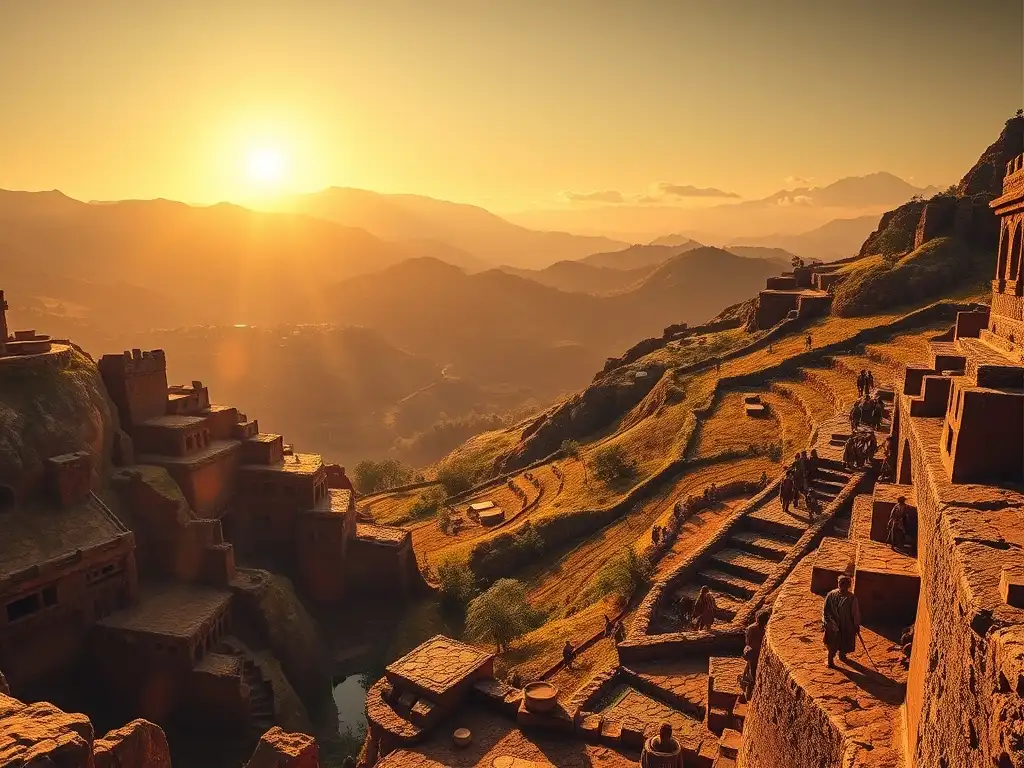
The Moche's social structure played a crucial role in their ability to adapt to their challenging environment. A hierarchical society, with a powerful elite class at the top, allowed for centralized planning and resource management. This organization facilitated large-scale infrastructure projects, such as irrigation systems and reservoirs, which were essential for mitigating the effects of drought and ensuring a stable food supply.
The ability to mobilize labor and resources effectively, under the direction of the ruling class, was key to their survival in a region prone to unpredictable weather patterns. Evidence suggests a complex system of social control and cooperation was in place, enabling the effective distribution of resources and the implementation of large-scale projects crucial for their survival. This demonstrates how social organization and environmental adaptation were inextricably linked in the Moche civilization's success.
The effective allocation of resources, coupled with sophisticated irrigation techniques, showcases a remarkable example of "Moche civilization environmental adaptation". Furthermore, the intricate network of canals and reservoirs allowed them to cultivate crops even in arid regions, contributing to the stability and prosperity of their society.
Moche Labor Organization and Resource Control
The Moche civilization's success in the arid northern coast of Peru hinged on sophisticated strategies for labor organization and resource control. Their ability to thrive in such a challenging environment wasn't simply a matter of luck; it was a testament to their highly structured society. Evidence suggests a complex system of hierarchical labor, with specialized workers dedicated to agriculture, fishing, craft production, and construction.
This wasn't a chaotic system; rather, it was a carefully managed network ensuring the efficient allocation of resources. The elite class, as we'll discuss further below, played a crucial role in overseeing this system, directing labor and ensuring the equitable (or at least, perceived equitable) distribution of goods. This control extended to the management of water resources, a critical factor for survival in the desert.
The construction of extensive irrigation canals and sophisticated water management systems showcases their understanding of hydraulic engineering and their ability to harness scarce water resources. This wasn't just about individual ingenuity; it required collective effort and a centralized authority to coordinate such large-scale projects. The efficient management of these resources, combined with a hierarchical labor system, allowed the Moche to overcome the limitations imposed by their environment.
The Role of Elites in Moche Adaptation Strategies
The Moche elite held a pivotal role in the civilization's adaptation strategies. Archaeological evidence, particularly in the form of elaborate tombs and monumental architecture, suggests that the elite controlled access to vital resources and directed labor. Their power wasn't merely symbolic; it was directly tied to the survival of the Moche people.
The elite likely oversaw the construction and maintenance of irrigation canals, ensuring a steady supply of water for agriculture. They also likely controlled the distribution of food and other essential goods, playing a critical role in mitigating the effects of droughts and other environmental challenges. Furthermore, their religious authority may have played a vital role in shaping the collective response to environmental pressures.
Religious rituals and ceremonies might have served as mechanisms for social cohesion and the reinforcement of adaptation strategies. The depiction of elite figures in Moche iconography often shows them engaged in activities related to water management and agricultural abundance, further emphasizing their central role in the civilization's survival. The success of Moche adaptation strategies, therefore, cannot be separated from the active participation and control exerted by the ruling elite.
Community Cooperation in Moche Survival
While the elite played a crucial role, the success of Moche adaptation also stemmed from significant community cooperation. The construction and maintenance of large-scale irrigation projects, for example, required the coordinated efforts of numerous individuals. This implies a high degree of social organization and a shared understanding of the importance of collective action for survival.
The intricate details of Moche social structure are still being uncovered, but evidence points to a system of community participation in essential activities. This cooperation extended beyond infrastructure projects; it likely encompassed other aspects of Moche life, such as food distribution, defense against natural disasters, and the transmission of knowledge across generations. The ability of Moche communities to work together effectively, alongside the leadership of the elite, significantly enhanced their resilience in the face of environmental challenges.
The shared responsibility and collective effort were as critical as the sophisticated engineering and centralized planning. This collaborative spirit forms a crucial element in understanding the Moche's remarkable achievements in adapting to their harsh environment.
Moche Responses to Environmental Change
The Moche civilization demonstrated remarkable adaptability in response to environmental fluctuations. The coastal desert environment they inhabited was prone to periodic droughts and El Niño events, which could significantly impact agricultural production and water availability. Their responses weren't uniform; they varied depending on the severity and nature of the environmental change. For instance, during periods of drought, the Moche might have prioritized water conservation techniques, such as the careful management of irrigation canals and the development of drought-resistant crops.
Evidence suggests they also had contingency plans for times of scarcity, perhaps through the storage of food surpluses during more prosperous years. During El Niño events, which brought intense rainfall and flooding, the Moche would have had to adapt their agricultural practices and possibly relocate settlements to safer areas. Their sophisticated engineering skills allowed them to build robust infrastructure capable of withstanding both drought and flood conditions.
The Moche's ability to respond effectively to these challenges highlights their resilience and their deep understanding of their environment. Their adaptation wasn't passive; it was an active and dynamic process that involved both technological innovation and social adjustments. The study of these responses provides valuable insights into the interplay between environment and society, offering a compelling example of human ingenuity in the face of adversity.
El Niño and its Impact on Moche Society
The Moche civilization, flourishing along the arid northern coast of Peru between 100 and 800 CE, faced a significant environmental challenge: the unpredictable nature of the El Niño Southern Oscillation (ENSO). El Niño events, characterized by unusually warm ocean temperatures and heavy rainfall, dramatically altered the coastal landscape. While typically a desert environment, during El Niño years, the normally dry river valleys transformed into raging torrents, causing devastating floods that destroyed settlements and agricultural fields.
Conversely, the prolonged droughts associated with La Niña, the opposite phase of ENSO, brought severe water scarcity, impacting agricultural production and potentially leading to famine. The Moche people's survival depended heavily on their ability to anticipate and respond to these extreme climatic swings, a testament to their sophisticated understanding of their environment.
The consequences of failing to adapt were severe; archaeological evidence suggests that some Moche settlements were abandoned after catastrophic floods, while others struggled with prolonged periods of drought. The cyclical nature of these events, however, also encouraged innovation and resilience within the Moche society.
Moche Resilience to Climatic Variations
The Moche weren't passive victims of El Niño's capricious nature. Their resilience stemmed from a combination of factors, including sophisticated agricultural techniques, a well-organized social structure, and potentially a degree of predictive capability. Evidence suggests they developed intricate irrigation systems to manage water resources during both floods and droughts.
These systems, often involving canals and reservoirs, allowed them to store water during El Niño events and distribute it strategically during drier periods. Furthermore, their social organization likely played a crucial role in mitigating the effects of climate variability.
A centralized authority, possibly represented by the elite depicted in their iconic pottery, could have coordinated responses to emergencies, ensuring the equitable distribution of resources and the mobilization of labor for repairs and reconstruction after natural disasters. The Moche's deep understanding of their environment, passed down through generations, likely included some ability to anticipate El Niño events based on subtle environmental cues, allowing for proactive measures to minimize their impact.
Evidence of Moche Adaptation During El Niño Events
Archaeological findings provide compelling evidence of Moche adaptation strategies during El Niño events. The discovery of extensive irrigation canals and reservoirs in various Moche settlements demonstrates their proactive approach to water management. These structures weren't simply built to provide water during normal conditions; their design suggests an ability to withstand and even utilize the increased water flow during El Niño floods.
Furthermore, the analysis of sedimentary layers in Moche settlements reveals the impact of both floods and droughts. Layers of sediment deposited during flood events show evidence of rapid deposition, indicating powerful currents. However, the presence of habitation layers above these flood deposits shows that the Moche rebuilt and continued to occupy these areas, showcasing their remarkable ability to recover from natural disasters.
Analysis of Moche pottery also reveals insights into their adaptive strategies. Changes in pottery styles and the depiction of certain motifs might reflect periods of abundance following El Niño floods, contrasted with representations of scarcity during droughts.
Legacy of Moche Environmental Ingenuity
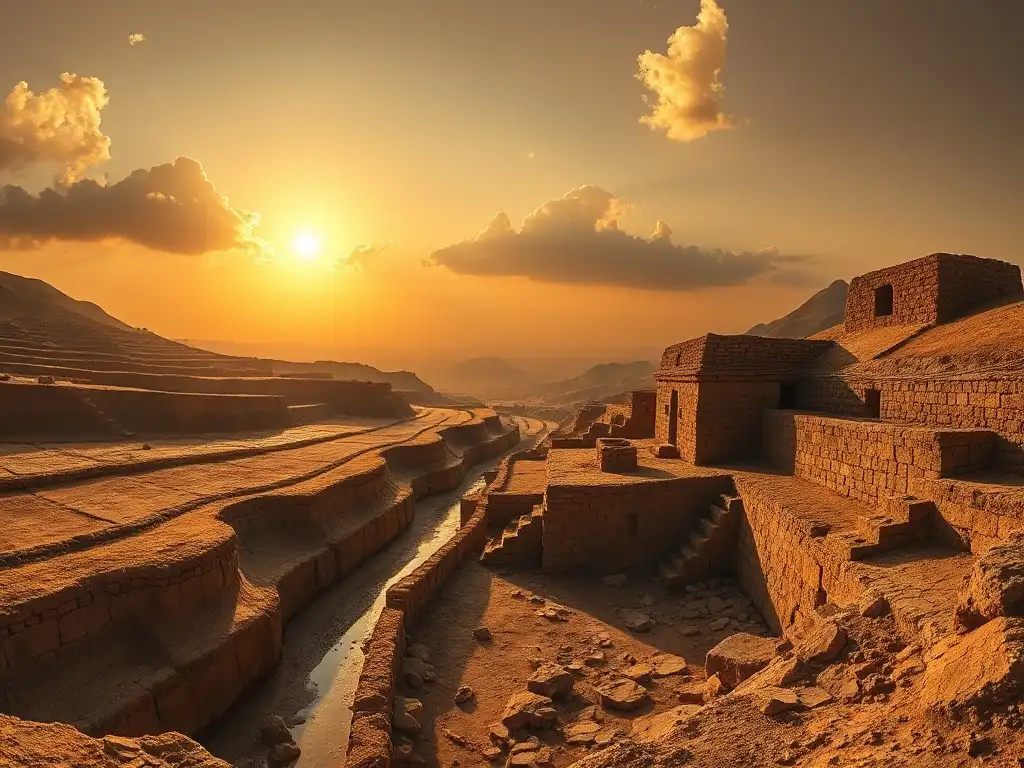
The Moche civilization's capacity to thrive in a challenging environment is a testament to their ingenuity and adaptability. Their sophisticated water management techniques, evident in the extensive irrigation systems and reservoirs, represent a remarkable achievement in ancient engineering. The ability to predict and respond to El Niño events, albeit likely through observation and traditional knowledge rather than advanced scientific methods, underscores their profound understanding of their natural surroundings.
This legacy of environmental ingenuity extends beyond the Moche themselves. Their innovative strategies for managing water resources provided a model for subsequent Andean civilizations, influencing their own approaches to agriculture and settlement planning. The Moche's success serves as a compelling example of how human societies can adapt to and even thrive within challenging environmental contexts, offering valuable lessons for contemporary societies facing similar challenges related to climate change and resource management.
Their story highlights the importance of understanding environmental cycles and developing sustainable strategies for managing resources in the face of environmental variability. The Moche's sophisticated understanding of their environment and their ability to adapt to its challenges left a lasting impact on the subsequent development of Andean societies and continues to inspire researchers and environmentalists today.
Lessons from Moche Resourcefulness
The Moche civilization's success wasn't merely a matter of luck; it was a testament to their remarkable ingenuity in adapting to a challenging environment. Their resourcefulness shines through in various aspects of their daily lives and societal structures. For example, their mastery of irrigation systems is a prime example. Facing the arid climate of the northern Peruvian coast, the Moche developed sophisticated canal systems that channeled water from rivers and streams to their agricultural fields.
These weren't simple ditches; they were complex networks that incorporated reservoirs, aqueducts, and even tunnels to manage water flow efficiently. This allowed them to cultivate crops like maize, beans, and cotton, even in areas that would otherwise be barren. The intricate design and scale of these systems speak volumes about their understanding of hydrology and their ability to collaborate on large-scale projects.
The precision involved suggests a deep knowledge of seasonal rainfall patterns and an ability to predict water availability. This wasn't merely survival; it was thriving in a harsh environment. Their agricultural success formed the bedrock of their societal structure, supporting a large and complex population.
Furthermore, their resourcefulness extended beyond irrigation. The Moche were skilled artisans, creating intricate textiles, pottery, and metalwork. Their ability to extract and work metals like gold, silver, and copper demonstrates a high level of metallurgical knowledge.
These weren't simply decorative items; they served practical purposes, from tools and weapons to ceremonial objects that played a crucial role in their religious beliefs. The quality and detail of their craftsmanship reflect a sophisticated understanding of materials and techniques. The availability of these resources, coupled with the agricultural surplus enabled by their irrigation systems, fueled economic growth and social stratification within the Moche society.
This understanding of material resources and their skillful manipulation allowed them to not only survive, but to flourish, leaving behind a rich legacy of artistic and technological achievements. Their ability to adapt and innovate in response to environmental challenges provides valuable lessons for modern societies facing similar issues of resource management and sustainability. The Moche civilization serves as a compelling example of how human ingenuity and adaptation can overcome even the most challenging environmental obstacles.
Conclusion: The Moche Civilization and Environmental Mastery
The Moche civilization’s story is one of remarkable adaptation and environmental mastery. Their success in the harsh desert environment of the northern Peruvian coast wasn't accidental; it was the result of a complex interplay of sophisticated engineering, innovative agricultural practices, and a deep understanding of their surroundings. From their intricate irrigation systems that transformed arid lands into fertile fields, to their mastery of metallurgy and other crafts that allowed them to utilize available resources effectively, the Moche demonstrated a remarkable capacity to thrive in a challenging environment.
Their ingenuity is evident not only in their technological achievements but also in their social organization, which supported a large and complex society. The Moche’s legacy serves as a powerful reminder of humanity’s ability to adapt and innovate in the face of environmental adversity, offering valuable lessons for contemporary societies grappling with issues of sustainability and resource management. Studying the Moche's achievements in "Moche civilization environmental adaptation" provides profound insights into the delicate balance between human societies and their environments, highlighting the importance of understanding and respecting the limits of natural resources.
Their story underscores the fact that successful civilizations are not merely those that conquer their environment, but those that learn to live in harmony with it. The Moche's sophisticated understanding of their environment and their ability to adapt to its challenges provides a powerful case study in sustainable development, demonstrating that ingenuity and respect for nature can lead to long-term success.
- Understanding the Moche Environmental Context
- The Arid Coast: A Moche Civilization Challenge
- Moche Agricultural Strategies for a Desert Landscape
- Irrigation Systems: Engineering for Survival
- Adapting to Limited Rainfall: Moche Farming Practices
- Moche Resource Management: Beyond Agriculture
- Exploiting Marine Resources: Moche Fishing and Gathering
- Utilizing Local Materials: Moche Construction and Crafts
- Social Organization and Environmental Adaptation
- Moche Labor Organization and Resource Control
- Moche Responses to Environmental Change
- El Niño and its Impact on Moche Society
- Legacy of Moche Environmental Ingenuity
- Lessons from Moche Resourcefulness
- Conclusion: The Moche Civilization and Environmental Mastery
- How did the Moche civilization adapt to the arid climate of the north coast of Peru?
- What role did technology play in Moche environmental adaptation?
- What crops did the Moche cultivate to survive in their harsh environment?
- How did the Moche's social organization contribute to their environmental adaptation?
- What evidence exists to support our understanding of Moche environmental adaptation?
Frequently Asked Questions
How did the Moche civilization adapt to the arid climate of the north coast of Peru?
The Moche developed sophisticated irrigation systems, like canals and reservoirs, to harness scarce water resources from rivers. They also practiced intensive agriculture, cultivating crops suited to the desert environment.
What role did technology play in Moche environmental adaptation?
Advanced engineering was crucial. They built impressive terraces on hillsides to maximize arable land and constructed large-scale irrigation infrastructure. This allowed them to cultivate crops despite limited water.
What crops did the Moche cultivate to survive in their harsh environment?
The Moche cultivated maize, beans, squash, and cotton, among other crops, all carefully selected for their ability to thrive in the arid climate with the help of irrigation. Fishing also played a vital role in their diet.
A hierarchical social structure likely facilitated large-scale public works projects, such as irrigation systems. Specialized labor and centralized planning were essential for successful water management and agricultural production.
What evidence exists to support our understanding of Moche environmental adaptation?
Archaeological evidence, including extensive irrigation canals, storage facilities, and agricultural terraces, provides strong support. Analysis of plant remains and animal bones further illuminates their agricultural practices and diet.
Final Reflection: Echoes of Ingenuity in the Desert Sands
The ingenuity of the Moche civilization in adapting to the harsh Peruvian desert remains a powerful testament to human resilience, a lesson profoundly relevant in our era of escalating climate change. Their sophisticated water management systems and agricultural innovations offer a stark reminder that survival often hinges on understanding and working with the environment, not against it. The challenges they faced – scarce water, unpredictable weather, and a demanding landscape – resonate deeply with the environmental crises we confront today.
The Moche legacy extends far beyond their impressive architecture and artistry; it's a living example of sustainable practices that allowed a complex society to thrive in an unforgiving environment. Their understanding of water cycles, their terraced agriculture, and their careful resource management offer valuable insights for modern societies grappling with drought, desertification, and resource depletion. The past is never dead. It's not even past.
– William Faulkner. This quote perfectly encapsulates the enduring relevance of the Moche experience, reminding us that studying past civilizations can provide crucial lessons for navigating our present and future.
Consider the ingenuity of the Moche, their ability to transform a seemingly barren landscape into a flourishing civilization. You too possess the capacity for innovation and adaptation. Reflect on the challenges you face, both personally and globally. What lessons can you glean from the Moche's remarkable story? How can you apply their principles of resourcefulness and sustainable living to create a more resilient future for yourself and the planet? Let the echoes of their ingenuity inspire you to build a more sustainable and equitable world.
Embrace the Resilience of the Moche: Take Action Today!
Thank you for exploring the fascinating world of the Moche civilization and their remarkable ability to thrive in challenging environments. You've gained valuable insights into their survival strategies, and now it's time to apply that knowledge.
Here are some ways you can further explore and honor the Moche legacy:
- Expand your knowledge: Visit a local museum or explore online resources dedicated to Andean cultures to deepen your understanding of Moche ingenuity and innovation.
- Connect with nature: Create a community garden inspired by Moche agricultural techniques, such as raised beds or innovative irrigation systems.
- Share your discoveries: Discuss the fascinating adaptations of the Moche with friends and family. You could even host a themed dinner featuring Andean-inspired cuisine.
How will you integrate the spirit of Moche resilience into your life or community? We'd love to hear your ideas!