
The Enduring Power of Moche Religious Symbolism

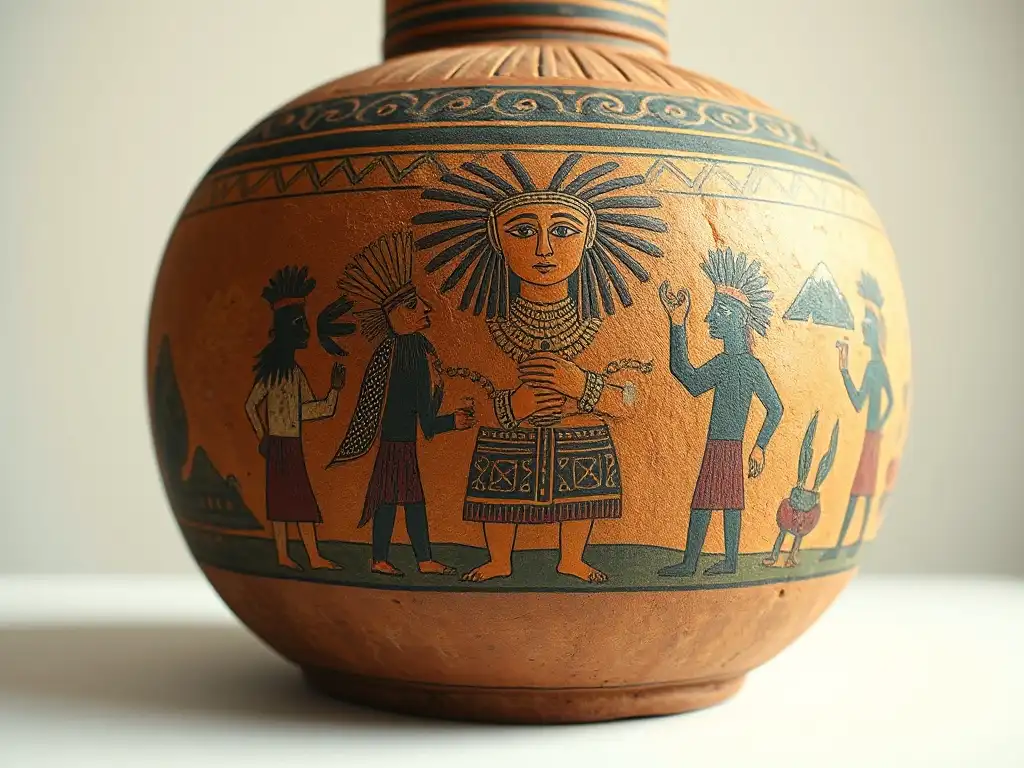
Uncover the secrets whispered across millennia! Dive into the captivating world of Andean civilizations, where towering empires and intricate artistry intertwine. But what truly fueled the power of these ancient societies? Our exploration begins with the Moche, and the profound mysteries embedded within their religious symbolism—a key to understanding their enduring legacy. Prepare to decipher the meaning behind their iconic imagery and uncover the hidden stories etched in stone and gold. Journey with us to unlock the secrets of the Moche religious symbolism meaning.
-
The Enduring Power of Moche Religious Symbolism: Unveiling Ancient Beliefs
- Understanding the Significance of Moche Religious Iconography
- Moche Deities: Key Figures in their Religious Worldview
- Animals and Supernatural Beings: Decoding Moche Spiritual Art
- Rituals and Ceremonies: Expressing Moche Religious Beliefs
- Interpreting Moche Religious Symbolism Meaning Through Art and Artifacts
- The Legacy of Moche Religious Symbolism: Its Influence on Later Cultures
- Conclusion: The Profound Impact of Moche Religious Symbolism
- Frequently Asked Questions
- Final Reflection: Echoes of the Moche: A Legacy in Clay and Spirit
- Unveil the Mysteries of Moche Symbolism Today!
The Enduring Power of Moche Religious Symbolism: Unveiling Ancient Beliefs
The Moche civilization, flourishing along the northern coast of Peru from approximately 100 CE to 800 CE, left behind a remarkable legacy of art, architecture, and intricate religious beliefs. Their sophisticated understanding of the world is vividly depicted in their stunning ceramics, monumental constructions, and elaborate burial practices. This article delves into the captivating world of Moche religious symbolism, exploring the meaning behind their iconic imagery and the enduring power of their spiritual worldview.
We will examine key deities, analyze recurring motifs, and uncover the rich tapestry of beliefs that shaped their society. Understanding Moche religious symbolism provides crucial insight into their social structures, agricultural practices, and overall comprehension of the cosmos, offering a window into the complexity and dynamism of this fascinating ancient culture.
This exploration will help us understand the deeper meaning behind the keyword "Moche religious symbolism meaning," revealing the profound impact of these beliefs on their daily lives and artistic expressions. Prepare to be transported back in time to a world where supernatural forces intertwined with the everyday realities of the Moche people.
Understanding the Significance of Moche Religious Iconography
Moche religious iconography is characterized by its highly stylized and often graphic representations of deities, mythical creatures, and ritualistic scenes. The vibrant colors and detailed depictions found on their pottery, textiles, and metalwork provide invaluable clues to their spiritual beliefs. Unlike many other ancient cultures, the Moche didn't leave behind extensive written records.
Therefore, interpreting their religious symbolism relies heavily on careful analysis of their artistic creations and archaeological discoveries. The recurring motifs, such as the decapitation scenes, the depiction of powerful deities, and the emphasis on fertility and agricultural abundance, all contribute to a complex and fascinating understanding of their religious worldview. Careful study reveals a society deeply connected to the natural world, with a sophisticated understanding of both the life-giving and destructive forces of nature.
The precision and detail in their artwork suggest a highly developed priestly class responsible for mediating between the human and supernatural realms. Analyzing these visual representations allows us to piece together a more complete picture of Moche religious practices and beliefs. The intricate details, even within seemingly minor elements, reveal the depth and complexity of their spiritual understanding.
Moche Deities: Key Figures in their Religious Worldview
The Moche pantheon featured a diverse array of deities, each with unique attributes and symbolic representations. These deities were not simply abstract concepts but rather powerful forces shaping the lives of the Moche people. Their iconography often depicted deities engaged in dramatic actions, reflecting the dynamic nature of their religious beliefs and the importance of ritual in their society.
The most prominent deities are often depicted in powerful, sometimes violent, ways, signifying the cyclical nature of life, death, and regeneration. The prominence of certain deities in specific artistic contexts suggests a complex hierarchy within their religious structure, with some deities holding greater influence over certain aspects of life than others. The intense focus on the representation of these figures in their art highlights the crucial role religion played in shaping their social structure and daily life.
Ai Apaec: The Decapitator God and His Moche Symbolism
Ai Apaec, a prominent deity in the Moche pantheon, is frequently depicted in scenes of human sacrifice and decapitation. His representation often involves a grotesque and fearsome visage, highlighting his power and authority. However, the symbolism of Ai Apaec is more complex than simple brutality.
Some scholars interpret his role as a symbol of both destruction and regeneration, representing the cyclical nature of life and death essential to their agricultural society. The act of decapitation might symbolize the harvesting of crops or the overcoming of obstacles necessary for survival. The detailed depictions of Ai Apaec in various artistic mediums, from pottery to metalwork, reveal a multifaceted understanding of this powerful deity and his importance within the Moche religious system.
The intensity of his iconography suggests a significant role in rituals and ceremonies related to agricultural cycles, warfare, or the maintenance of social order. Further research is needed to fully understand the nuances of Ai Apaec's symbolism and his place within the broader Moche religious worldview.
The Sun God and the Importance of Solar Imagery in Moche Art
The Sun God, a central figure in Moche religion, represents the life-giving power of the sun, crucial for their agricultural economy. Solar imagery is prevalent throughout Moche art, emphasizing the importance of the sun in their cosmology. Depictions often show the Sun God in majestic splendor, radiating light and energy. The sun's life-giving properties are mirrored in the Moche people's dependence on the sun for agricultural success and their overall prosperity.
The prominence of solar imagery suggests a deep reverence for the sun's power and its influence on their lives. The meticulous detail and vibrant colors used in depictions of the Sun God highlight the sacred importance of the sun within their religious beliefs. This reverence is clearly reflected in the ceremonial practices and rituals linked to the sun's cycles.
The Moon Goddess: Fertility and the Lunar Cycle in Moche Beliefs
The Moon Goddess, another important deity, is associated with fertility, the lunar cycle, and the power of regeneration. Her iconography often features crescent moon imagery, symbolizing the cyclical nature of life and the feminine principle. Unlike the often aggressive imagery associated with other deities, the Moon Goddess is frequently depicted with gentler features, emphasizing her nurturing and life-giving aspects. Her connection to fertility highlights the importance of agriculture and reproduction within the Moche society.
The careful observation of the lunar cycle and its integration into their religious practices demonstrate a sophisticated understanding of the natural world and its influence on their lives. The Moon Goddess’s symbolism reflects the cyclical nature of life, death, and rebirth, emphasizing the ongoing process of renewal fundamental to the Moche worldview. The interplay between the Sun God and Moon Goddess highlights the balance of masculine and feminine energies within their cosmological understanding.
Animals and Supernatural Beings: Decoding Moche Spiritual Art
The Moche people, renowned for their sophisticated artistry, imbued their religious beliefs into their stunning ceramics, textiles, and metalwork. Animals and supernatural beings feature prominently, acting as powerful symbols within their complex cosmology. These weren't mere decorative elements; they represented key aspects of their worldview, reflecting their understanding of the natural world and their relationship with the supernatural.
The careful observation of these depictions provides invaluable insights into the Moche understanding of power, fertility, and the cyclical nature of life and death. The vibrant colors and dynamic compositions further emphasize the spiritual significance of these creatures, showcasing the Moche's artistic mastery and their profound connection to their beliefs.
Studying these artistic representations allows us to interpret their religious narratives and understand the underlying ideologies that shaped their society. The level of detail and the recurring motifs across various mediums clearly demonstrate the central role these figures played in their spiritual lives.
The Importance of Felines in Moche Religious Representation
Felines, particularly jaguars and pumas, occupy a prominent position in Moche religious symbolism. These powerful predators, often depicted with human-like attributes, likely represented strength, ferocity, and leadership. Their association with the night and the underworld suggests a connection to the supernatural realm. In many Moche depictions, felines are shown engaged in predatory acts, symbolizing the power and control exerted by the elite class.
Some scholars believe these feline representations are linked to shamanistic practices, with the felines embodying the transformative power of shamans. The prevalence of feline imagery in Moche art, from monumental pottery to intricate gold ornaments, underscores their significant role in Moche religious beliefs and their connection to the spiritual world. The consistent portrayal of these animals in powerful and dominant positions highlights their symbolic weight within the Moche cosmology.
Serpent Imagery and its Symbolic Moche Meaning
Serpents, another recurring motif in Moche art, symbolize a duality, representing both life and death, creation and destruction. Their association with water sources and the earth suggests a connection to fertility and the life-giving forces of nature. The depiction of serpents intertwined or consuming other creatures could signify the cyclical nature of life and the constant struggle between opposing forces.
The symbolism of the serpent in Moche culture is multifaceted, reflecting the complex and dynamic nature of their beliefs. Some scholars connect serpentine imagery to shamanistic practices, suggesting that the serpent could represent the transformative power of these spiritual leaders. The variety of ways serpents are depicted, from stylized representations to highly realistic portrayals, indicates the richness and complexity of their symbolic meaning within the Moche worldview.
The Role of Birds and Avian Motifs in Moche Religious Art
Birds, particularly raptors like condors and eagles, frequently appear in Moche art, often depicted in scenes of ritual sacrifice or as powerful messengers between the earthly and supernatural realms. Their ability to soar high above the earth likely associated them with the gods and the celestial sphere. The depiction of birds carrying offerings or engaging in other ritualistic acts emphasizes their role as intermediaries between humans and the divine.
Different species of birds might have held varying symbolic meanings, reflecting the Moche's nuanced understanding of the natural world. The inclusion of birds in Moche religious iconography highlights their perception of birds as powerful symbols connected to the spiritual world, representing aspects of power, communication, and the celestial realm. The detail and care given to avian depictions in Moche artwork underscore the importance of these creatures in their religious beliefs.
Rituals and Ceremonies: Expressing Moche Religious Beliefs
The Moche religious system was deeply intertwined with their daily lives, expressed through elaborate rituals and ceremonies. These events played a crucial role in maintaining social order, ensuring agricultural prosperity, and communicating with the supernatural world. The scale and complexity of these rituals suggest a highly organized and stratified religious system, with specialized priests and leaders overseeing the ceremonies.
The artifacts discovered in Moche contexts, including ceremonial vessels, elaborate tombs, and sacrificial offerings, provide valuable insights into the nature and purpose of these rituals. Analyzing these archaeological findings allows for a more complete understanding of the Moche worldview and the significance of their religious practices. The combination of artistic expression and archaeological evidence allows researchers to piece together the intricate tapestry of Moche religious life.
Human Sacrifice in Moche Culture: Religious Context and Practices
Human sacrifice, a controversial aspect of Moche culture, was likely a significant part of their religious practices. While the exact reasons and frequency remain debated, evidence suggests it was tied to important religious events, possibly intended to appease the gods or to ensure the prosperity of the community. The victims, often carefully prepared and adorned before sacrifice, might have held specific social status or roles within the society.
The discovery of sacrificial victims in elaborate tombs and burial sites provides insights into the ritualistic nature of these practices. Interpreting the evidence requires careful consideration of the context and the accompanying artifacts to fully understand the significance of human sacrifice within the Moche religious system.
The Significance of Moche Burial Rituals and Offerings
Moche burial rituals were elaborate and highly significant, reflecting their beliefs about the afterlife and the continuity of life and death. The deceased were often buried with rich grave goods, including ceramics, textiles, ornaments, and food offerings, intended to accompany them in their journey to the other world. The careful arrangement of the grave goods and the construction of elaborate tombs suggest a belief in the importance of proper burial practices for ensuring a successful transition to the afterlife.
The variety of grave goods found in different tombs indicates a potential relationship between social status and the rituals surrounding death. Analyzing these burial practices provides crucial information about Moche social structures, religious beliefs, and their understanding of the afterlife.
Ceremonial Vessels and Their Role in Moche Religious Life
Ceramics played a central role in Moche religious life. Elaborate vessels, often depicting deities, mythical beings, and scenes of ritual events, were not merely functional objects but served as powerful symbols and integral components of religious ceremonies. The iconography on these vessels provides valuable information about Moche mythology, religious beliefs, and social structures.
The careful craftsmanship and the artistic skill evident in these vessels highlight their importance within the Moche religious system. The diversity of forms and styles suggests a complex and nuanced system of religious symbols and practices. Studying these ceremonial vessels allows for a deeper understanding of the Moche worldview and the ways in which their religious beliefs were expressed and transmitted through their art.
Interpreting Moche Religious Symbolism Meaning Through Art and Artifacts
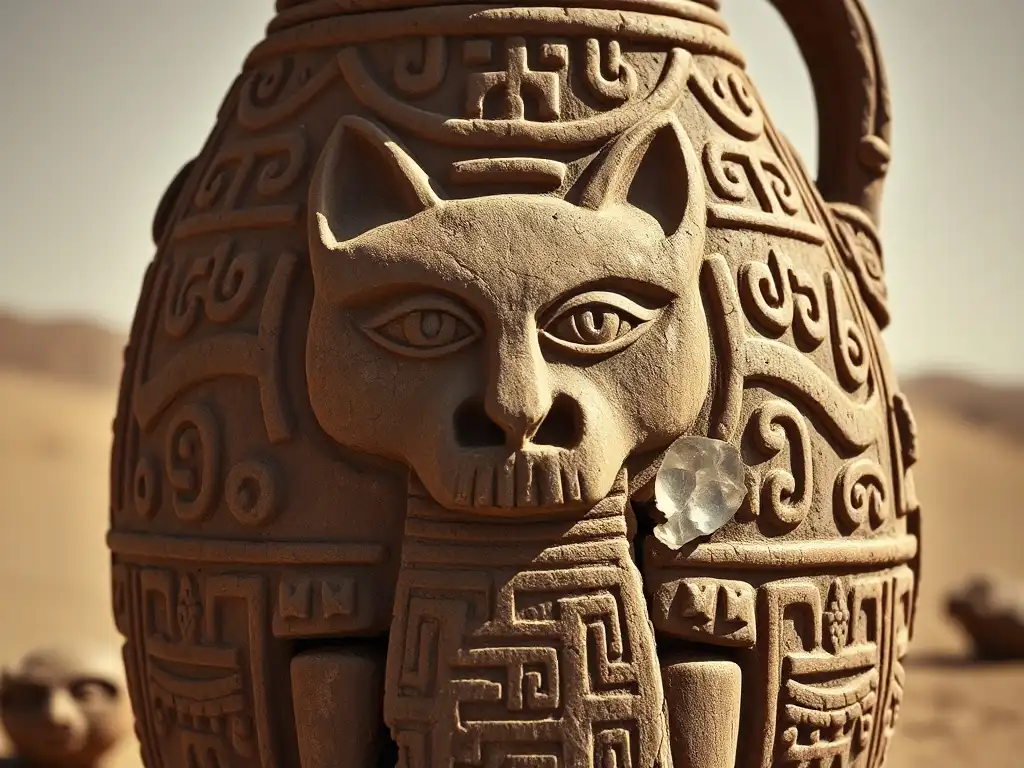
The Moche civilization, flourishing along the northern coast of Peru from approximately 100 CE to 800 CE, left behind a rich legacy of art and artifacts that provide invaluable insights into their complex religious beliefs. Their artistry wasn't merely decorative; it served as a powerful medium for conveying spiritual narratives, cosmological concepts, and the significance of their deities. By meticulously studying their pottery, metalwork, textiles, and architecture, we can begin to unravel the intricate tapestry of Moche religious symbolism and its meaning.
The Moche weren't shy about depicting their religious worldview; their art is brimming with detailed scenes that offer a glimpse into their rituals, sacrifices, and the power dynamics within their society. The vibrant colors, intricate details, and dynamic compositions of Moche art reflect the intensity of their spiritual beliefs and the importance of religious practices in their daily lives.
Understanding this context is crucial to correctly interpreting the meaning behind the symbols they used. The careful observation of recurring motifs and iconography across different mediums allows researchers to piece together a more complete picture of their religious system.
Analyzing Moche Pottery: Narrative Depictions of Religious Scenes
Moche pottery is renowned for its exceptional quality and the vivid depictions of religious scenes it portrays. Many pieces feature elaborate narratives, often depicting ceremonies, sacrifices, and interactions with supernatural beings. For example, depictions of the Ai Apaec, a deity often associated with warfare and sacrifice, frequently appear in Moche pottery.
These representations vary; sometimes the Ai Apaec is shown in a benevolent aspect, while other times it is depicted in a more terrifying form. These variations highlight the complexity of the deity and the nuanced understanding of its power within the Moche worldview. Furthermore, the pottery often showcases the Moche's belief in a complex pantheon of gods and goddesses, each with specific roles and attributes.
The detailed scenes depicted on the pottery, which include both humans and supernatural beings, allow researchers to examine the interactions between these figures and gain a better understanding of the Moche religious hierarchy and cosmology. The careful study of these narrative scenes provides invaluable insights into the rituals and beliefs that formed the core of Moche religion. Analyzing the composition, colors, and symbolism used in these depictions allows for a deeper understanding of the meaning and importance of Moche religious symbolism.
Moche Metalwork and its Religious Symbolism
Beyond pottery, Moche metalwork provides further evidence of their rich religious symbolism. Gold, silver, and copper were skillfully worked to create elaborate ornaments, ceremonial objects, and tools. These artifacts often feature intricate designs incorporating religious motifs, such as stylized depictions of animals, plants, and supernatural beings.
For example, representations of feline deities and birds of prey are frequently found in Moche metalwork, reflecting the importance of these animals in their religious beliefs. The craftsmanship and the materials used reflect the high status of these objects and their role in religious ceremonies. The use of precious metals further emphasizes the value placed on these items and their connection to the spiritual realm.
Researchers can also analyze the techniques employed in the creation of these artifacts to understand the level of skill and specialization within Moche society and the significance of these practices within the religious context. The careful study of Moche metalwork contributes to a more comprehensive understanding of their religious iconography and its meaning.
Moche Architecture and its Connection to Spiritual Beliefs
While less readily apparent than pottery or metalwork, Moche architecture also reveals clues about their religious beliefs. The layout and design of their settlements, temples, and ceremonial structures suggest a deliberate connection to their spiritual world. Although much of Moche architecture is unfortunately poorly preserved, the existing evidence, including the remains of platforms, pyramids, and plazas, indicates a focus on specific locations that held religious significance.
The positioning of structures relative to natural features like rivers or mountains might indicate a belief in the sacredness of these environments. The scale and complexity of some structures suggest that significant resources were dedicated to their construction, indicating the importance of these sites in the Moche worldview.
Further research, including archeological surveys and analysis of surviving architectural elements, could reveal more about the spatial arrangement and symbolic significance of Moche religious structures. Understanding the relationship between Moche architecture and their religious beliefs can provide crucial context for interpreting other forms of Moche art and artifacts.
The Legacy of Moche Religious Symbolism: Its Influence on Later Cultures
The influence of Moche religious symbolism extended far beyond their own civilization. Their artistic conventions, religious motifs, and cosmological concepts left a lasting impact on subsequent Andean cultures. The striking imagery and elaborate narratives found in Moche art served as a source of inspiration and a foundation for the development of religious beliefs in later societies.
Many elements of Moche iconography can be traced in the art and artifacts of subsequent Andean civilizations, demonstrating a continuity of religious ideas and symbolic representations. This continuity highlights the enduring power and cultural significance of Moche religious beliefs. Identifying these connections helps researchers understand the evolution of religious thought and cultural exchange in the Andean region.
Traces of Moche Religious Ideas in Later Andean Civilizations
Specific examples of the influence of Moche religious symbolism on later Andean cultures are still being discovered. For instance, certain motifs and iconographic elements found in Moche pottery reappear in the art of the Chimú and Inca civilizations, suggesting a transmission of religious ideas and artistic styles. The continuity of certain deities or supernatural beings across different cultures also indicates a shared cultural heritage and the enduring power of Moche religious symbolism.
Further research into the stylistic and thematic similarities between Moche art and the art of later Andean cultures can provide a more detailed understanding of this cultural transmission. Analyzing the evolution of these symbols and their meanings across time can also shed light on the changing religious landscape of the Andean region.
The Enduring Relevance of Moche Symbolism in Understanding Ancient Andean Beliefs
The study of Moche religious symbolism remains crucial for understanding the broader context of ancient Andean beliefs. By examining the art, artifacts, and architecture of the Moche, we gain a deeper appreciation for the complexity and richness of their religious worldview. Their artistic expressions not only provide insights into their beliefs but also offer a window into their social structures, political systems, and daily lives. The enduring influence of Moche symbolism on later Andean cultures underscores the importance of understanding their legacy.
Continued research and interdisciplinary approaches are essential for unlocking the full meaning and significance of Moche religious symbolism and its lasting impact on the Andean world. The study of Moche religious symbolism contributes significantly to our broader understanding of pre-Columbian Andean cultures and their complex relationship with the spiritual realm. It's a testament to the enduring power of art to communicate profound religious beliefs across centuries.
Conclusion: The Profound Impact of Moche Religious Symbolism
The study of Moche religious symbolism offers a captivating glimpse into the worldview of this sophisticated pre-Columbian civilization. Their intricate iconography, far from being mere decoration, served as a powerful tool for expressing complex religious beliefs, social structures, and cosmological understandings. The enduring presence of these symbols, even millennia later, speaks volumes about their profound impact on Moche society and the lasting legacy they left behind. Understanding the meaning behind the Moche's carefully crafted depictions of deities, rituals, and mythical creatures allows us to better appreciate the complexity and richness of their culture.
The meticulous detail and artistic skill evident in their ceramics, textiles, and metalwork serve as tangible testaments to the central role religion played in shaping their lives. The enduring power of Moche religious symbolism lies not only in its aesthetic appeal but also in its capacity to connect us to a vibrant past, prompting ongoing research and fostering a deeper appreciation for the ingenuity and spiritual depth of the Moche civilization. Further research into lesser-known symbols and their contextual interpretations promises to further illuminate the nuances of Moche religious beliefs and practices, offering exciting avenues for future scholarly exploration. The ongoing discoveries of new artifacts continue to enrich our understanding, reminding us that the story of Moche religious symbolism is far from complete.
This ongoing process of discovery and interpretation helps us to appreciate the dynamic and evolving nature of the Moche worldview. The legacy of Moche religious symbolism is a testament to the enduring power of human spirituality and its ability to shape societies across time. 🌎
Frequently Asked Questions
What is the significance of Moche religious symbolism?
Moche religious symbolism was deeply intertwined with their daily lives, reflecting their beliefs about the cosmos, fertility, and the power of nature. It's a complex system with rich iconography.
What are some common symbols found in Moche art?
Common symbols include deities, animals (like felines and birds), and supernatural beings. These were often depicted in elaborate ceramics and textiles, reflecting their spiritual world.
How did the Moche express their religious beliefs through art?
The Moche expressed their religion through elaborate ceramics, monumental architecture, and textiles. These artworks depicted rituals, myths, and important figures, offering insights into their beliefs.
What is the meaning of the Moche Ai Apaec deity?
Ai Apaec is a fearsome deity often depicted in Moche art. Interpretations vary, but he is often associated with war, sacrifice, and possibly the underworld. His symbolism remains a subject of ongoing research.
How did Moche religious beliefs influence their society?
Moche religious beliefs significantly influenced their social structure, political organization, and agricultural practices. Religious rituals and ceremonies played a central role in their society.
Final Reflection: Echoes of the Moche: A Legacy in Clay and Spirit
The vibrant religious symbolism of the Moche civilization, far from being a relic of a distant past, continues to resonate powerfully in our modern world. Its intricate iconography, imbued with potent narratives of fertility, power, and the cosmos, offers a compelling lens through which to examine enduring human concerns about life, death, and our place in the universe. The Moche's artistic mastery serves as a testament to the enduring human need to understand and express our relationship with the divine.
The Moche's sophisticated understanding of their environment and their ability to translate that understanding into breathtaking artistic expressions continues to inspire awe and wonder. Their legacy is not merely a collection of artifacts; it's a living testament to the power of belief and the enduring human spirit. Art washes away from the soul the dust of everyday life.
– Pablo Picasso. This quote, though not directly about the Moche, perfectly encapsulates the enduring power of their art to connect us to something larger than ourselves, something timeless and profoundly human.
Consider the intricate details, the vibrant colors, the sheer emotional intensity conveyed in Moche pottery and metalwork. These are not simply objects; they are windows into a worldview, a cosmology, a deeply felt connection to the spiritual realm. You, the reader, are now invited to reflect on the ways in which your own beliefs and spiritual practices connect you to the world around you.
How do you express your understanding of the universe, of life, and of the divine? What enduring symbols resonate with you, and what stories do they tell? Let the echoes of the Moche inspire you to explore your own spiritual landscape and to appreciate the enduring power of human creativity in expressing the inexpressible.
Unveil the Mysteries of Moche Symbolism Today!
Thank you for joining us on this enlightening journey through the enduring power of Moche religious symbolism! We hope you've gained a deeper understanding of how these ancient beliefs shaped their remarkable civilization. Now, let's explore how you can connect with the rich heritage of the Andes.
Here are some ways to continue your exploration:
- Dive Deeper: Expand your knowledge by reading more about the fascinating Moche culture and other Andean civilizations on our site. We have many articles available!
- Join the Conversation: Share your thoughts and questions about Moche symbolism in the comments below. Your insights will enrich the discussion!
- Explore Artifacts: Experience the artistry and spirituality of the Moche firsthand by visiting a local museum or exploring online exhibitions featuring their artifacts.
Which aspect of Moche symbolism resonates most with you, and how do you think it might be reflected in contemporary culture? We'd love to hear your thoughts!