
Coastal Ceremonies: Visiting the Sacred Site of Pachacamac

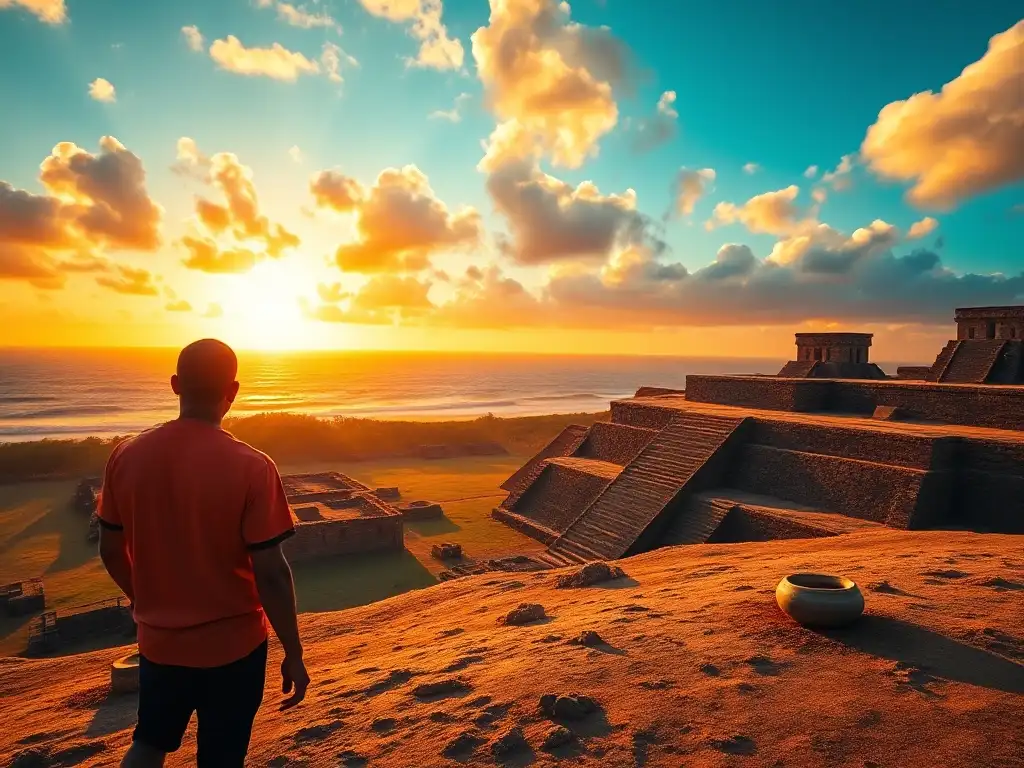
Uncover the secrets whispered on the wind along Peru's ancient coastline. Journey with us into the heart of Andean Civilizations, where vibrant cultures thrived and left behind a legacy as awe-inspiring as the Andes themselves. Prepare to be captivated by the intricate details of Pachacamac coastal rituals, a glimpse into a world of sacred ceremonies and powerful beliefs that continue to resonate today. Dare to delve deeper and discover the mysteries awaiting you within the sacred site of Pachacamac.
The ancient Andean world thrived on a complex interplay between its people and the environment. Nowhere is this more evident than in the coastal rituals and ceremonies practiced at sacred sites like Pachacamac. This sprawling archaeological complex, located south of Lima, Peru, served as a crucial pilgrimage center for centuries, attracting devotees from across the Andean region.
This article delves into the fascinating world of Pachacamac, exploring its significance as a center for coastal rituals, and providing a practical guide for planning a visit to this awe-inspiring site. We'll uncover the mysteries surrounding Pachacamac's religious practices, examining the beliefs and ceremonies that shaped the lives of its inhabitants and left an enduring legacy. Prepare to embark on a journey through time, discovering the vibrant tapestry of Andean coastal culture and the enduring power of Pachacamac.
Understanding Pachacamac's rituals offers a unique insight into the complexities of pre-Columbian Andean religion and its deep connection to the Pacific Ocean. This exploration will illuminate the intricate relationship between the Andean people and their environment, highlighting the significance of coastal resources and the sacred geography of the Peruvian coast.
Unveiling the Mysteries of Pachacamac: A Journey into Andean Coastal Rituals
Pachacamac, meaning "Shaper of the Earth" in Quechua, was far more than just a temple; it was a vibrant spiritual hub. For centuries, it served as a major pilgrimage site for various Andean cultures, including the Incas, who inherited and adapted existing religious practices. Archaeological evidence suggests a rich tapestry of rituals linked to the sea, fertility, and the worship of diverse deities.
The site boasts a vast complex of structures, including massive adobe pyramids, temples, and residential areas, all testament to the importance of Pachacamac in the lives of the Andean people. Evidence of human sacrifice, elaborate offerings, and ceremonial processions has been unearthed, providing glimpses into the intensity and significance of these coastal rituals. These rituals weren't merely religious observances; they were integral to the social and political fabric of Andean society.
They served to reinforce social hierarchies, maintain order, and ensure the prosperity of the community. The sheer scale and complexity of the Pachacamac site speaks volumes about the power and influence of its religious practices on the coastal Andean societies.
The rituals performed at Pachacamac were closely tied to the natural world, particularly the sea. The Pacific Ocean, a source of sustenance and a powerful force of nature, held immense spiritual significance. Many rituals likely involved offerings to the sea gods, seeking bountiful harvests of fish and protection from the unpredictable ocean.
The cyclical nature of the ocean's tides and the rhythms of the seasons likely played a crucial role in determining the timing and nature of these ceremonies. Think of the intricate interplay between the celestial bodies, the ocean's rhythms, and the agricultural cycle – a sophisticated understanding of the cosmos deeply embedded in their religious practices. This understanding of the natural world influenced not only their religious beliefs but also their agricultural practices and social organization.
Planning Your Pilgrimage to Pachacamac: A Step-by-Step Guide
Visiting Pachacamac offers a unique opportunity to connect with the rich history and spiritual legacy of the Andean coastal civilizations. To fully appreciate this experience, careful planning is essential. Here's a step-by-step guide to ensure a smooth and enriching pilgrimage:
Understanding Pachacamac's Significance: Ancient Andean Beliefs and Coastal Rituals
Before your visit, immerse yourself in the history and significance of Pachacamac. Research the different Andean cultures that venerated the site, their beliefs, and their ritual practices. Understanding the context of the site will significantly enhance your appreciation of the archaeological remains.
Consider reading books and articles on Andean religion and cosmology to gain a deeper understanding of the spiritual world of the ancient inhabitants. This preparatory research will allow you to engage more meaningfully with the site and its powerful history. You'll be able to visualize the ancient ceremonies, the bustling activity of pilgrims, and the importance of Pachacamac within the broader Andean world.
Securing Your Passage: Transportation Options to Pachacamac
Pachacamac is easily accessible from Lima. Several transportation options are available, including organized tours, public buses, and taxis. Research the different options and choose the one that best suits your budget and travel style. Consider the time of year you are visiting, as weather conditions can affect travel times and accessibility.
Planning your transportation in advance will avoid any unnecessary delays or inconveniences, allowing you to fully enjoy your visit to this remarkable archaeological site. Remember to factor in travel time to and from the site, as well as time for exploring the complex itself. A well-planned itinerary will ensure that you have ample time to explore all the significant areas within the Pachacamac site.
Exploring the Sacred Site: A Detailed Itinerary for Pachacamac
Planning a visit to Pachacamac requires careful consideration to maximize your experience. A full day is recommended to fully appreciate the site's magnitude and history. Begin early in the morning to avoid the midday heat and crowds. The main entrance offers maps and information brochures, which are highly recommended to guide you through the complex.
Start your exploration at the main plaza, taking in the overall layout before delving into specific structures. Allow ample time to explore each temple and the surrounding areas, taking note of the intricate details of the architecture and the serene atmosphere. Remember to wear comfortable shoes, as you will be doing a fair amount of walking on uneven terrain. Consider taking breaks in the shaded areas throughout the site to avoid exhaustion.
A late afternoon departure allows for a leisurely pace and sufficient time for reflection. Don't forget to purchase souvenirs from authorized vendors to support the local community and preserve the site's history. Remember to bring water and snacks to stay hydrated and energized throughout your visit.
Essential Preparations: What to Bring for Your Pachacamac Visit
Before embarking on your journey to Pachacamac, meticulous preparation is key for a smooth and enriching experience. Essential items include comfortable walking shoes, as the site involves significant walking on uneven terrain. Sunscreen with a high SPF is crucial, as the coastal sun can be intense. A wide-brimmed hat offers added protection from the sun's rays.
Bring a reusable water bottle to stay hydrated throughout your exploration, especially during warmer months. Light snacks, such as energy bars or fruit, will sustain you between meals. A small backpack is ideal for carrying these essentials and any souvenirs you might purchase. A camera, of course, will allow you to capture the breathtaking views and intricate details of the archaeological site.
Consider bringing binoculars for a closer look at distant structures or intricate carvings. Finally, a guidebook or information brochure can enhance your understanding and appreciation of the historical significance of the site. Remember to dress respectfully, with clothing that covers shoulders and knees.
The Temple of the Sun and the Painted Temple: Key Archaeological Points
The Temple of the Sun, a majestic structure, stands as a testament to the architectural prowess of the pre-Columbian cultures. Its massive adobe walls and intricate design speak volumes about the religious and social importance of the site. The impressive scale of the temple leaves visitors in awe, highlighting the advanced engineering techniques employed in its construction. The Painted Temple, though partially ruined, still showcases vibrant remnants of its once-ornate murals.
These fragments offer glimpses into the artistic styles and beliefs of the ancient inhabitants. The careful preservation efforts undertaken at the site allow visitors to appreciate these remarkable remnants of the past. The colors, though faded by time, still retain their captivating charm, offering insights into the rich artistic heritage of Pachacamac. Careful observation of these key architectural points unveils a deeper understanding of the site’s religious and political power.
Experiencing the Coastal Landscape: Pachacamac's Natural Setting
Pachacamac isn't just an archaeological site; it's a breathtaking coastal landscape. The site's location, overlooking the Pacific Ocean, provides stunning panoramic views. The juxtaposition of the ancient ruins against the vast expanse of the ocean creates a truly awe-inspiring sight. The interplay of the arid coastal desert and the powerful ocean waves contributes to a unique and unforgettable atmosphere.
The surrounding hills and valleys offer additional hiking opportunities for those seeking a more immersive experience. The natural beauty of the location complements the historical significance of the site, creating a holistic and enriching experience for visitors. The coastal breeze provides welcome relief from the heat, adding to the overall pleasantness of exploring the area. Many visitors find the combination of history and nature incredibly captivating.
Enhancing Your Pachacamac Experience: Cultural Immersion and Local Cuisine
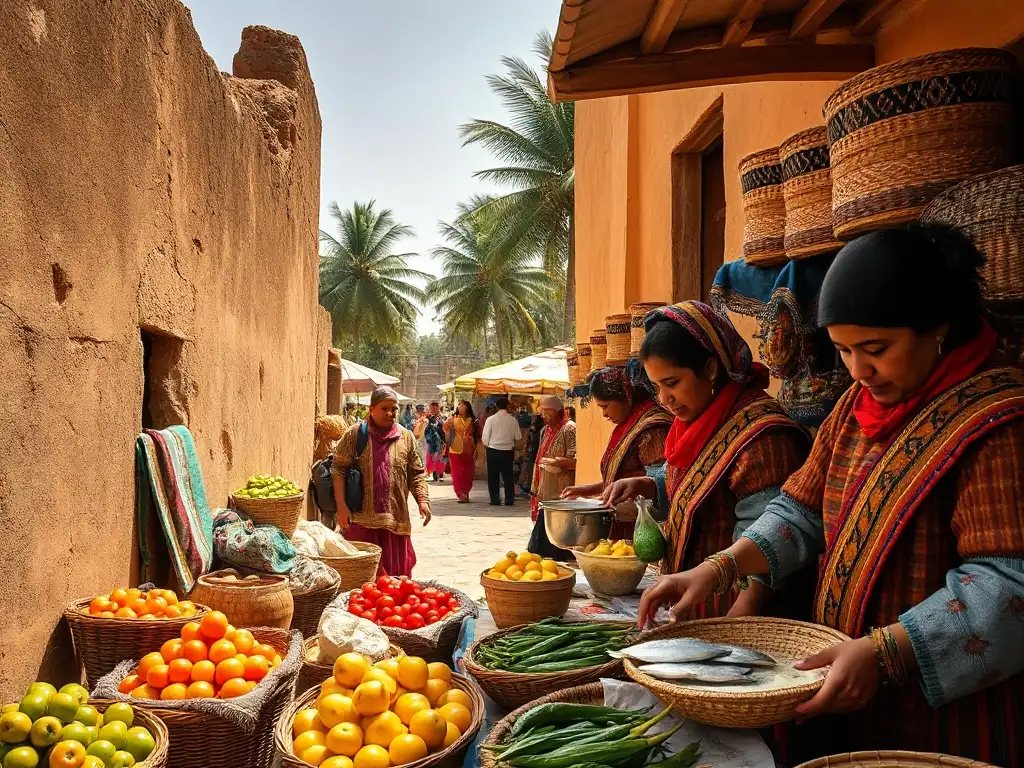
Beyond the archaeological wonders, Pachacamac offers opportunities for cultural immersion and culinary exploration. Engaging with the local culture deepens the understanding and appreciation of the site's historical context.
Engaging with Local Culture: Museums and Artisan Markets
Nearby museums provide additional context to your Pachacamac visit, displaying artifacts and providing historical information. These museums often showcase the intricate craftsmanship and artistic expressions of the ancient cultures. Artisan markets in the surrounding areas offer a chance to interact with local craftspeople and purchase unique souvenirs directly from them. This supports local communities and provides a tangible connection to the living culture of the region. These markets are often vibrant and colorful, offering a rich sensory experience beyond the historical site itself. Exploring these markets offers insights into the contemporary expressions of the cultural heritage of the region.
Savoring the Flavors of Peru: Culinary Experiences Near Pachacamac
The culinary scene near Pachacamac offers a delightful opportunity to sample Peruvian cuisine. Local restaurants serve traditional dishes, often incorporating fresh seafood and local produce. These culinary experiences provide a taste of Peruvian culture, complementing the historical and archaeological aspects of your visit. Many restaurants offer dishes with traditional Andean ingredients, allowing you to explore the flavors of the region. Enjoying a delicious meal after a day of exploration enhances the overall experience and provides a pleasant conclusion to your visit. The diverse culinary offerings near Pachacamac provide a satisfying end to a culturally rich day.
Preserving the Heritage: Responsible Tourism at Pachacamac
Pachacamac's significance extends far beyond its captivating ruins; it represents a vital link to Peru's rich history and cultural heritage. Responsible tourism is paramount to ensuring the preservation of this invaluable site for future generations. This involves more than just admiring the architecture; it's about actively contributing to its ongoing protection. The delicate balance between allowing access for visitors and safeguarding the site's integrity requires careful management.
This includes implementing strict regulations regarding visitor behavior, such as designated walking paths to prevent erosion and damage to the ancient structures. Furthermore, initiatives focusing on waste management and environmental protection are crucial to minimizing the site's ecological footprint. The Peruvian government, in collaboration with archaeological organizations and local communities, actively works to balance tourism with preservation efforts. These efforts include ongoing archaeological research, restoration projects, and educational programs aimed at raising awareness about the importance of protecting Pachacamac.
By understanding and respecting these efforts, visitors play a crucial role in ensuring the longevity of this remarkable site. The future of Pachacamac hinges on a collective commitment to responsible tourism, a shared responsibility that ensures the preservation of this invaluable piece of Andean history for generations to come. Careful planning and respectful behavior are essential, contributing to the sustainability of the site and the cultural heritage it embodies.
Respecting the Sacred Site: Guidelines for Visiting Pachacamac
Visiting Pachacamac demands respect for its sacred past and present. Simple guidelines can significantly contribute to its preservation. Refrain from touching any structures or artifacts; even seemingly minor contact can cause irreversible damage over time. Stay on designated paths to avoid accidentally disrupting fragile archaeological features. Dispose of waste responsibly; leave no trace of your visit.
Respect the quiet atmosphere of the site; loud noises can be disruptive and disrespectful. Remember that Pachacamac is not just a historical site; it remains a place of spiritual significance for some local communities. Consider joining a guided tour; knowledgeable guides can provide valuable insights into the site's history and significance, while also ensuring you adhere to appropriate behavior. By following these simple guidelines, visitors can ensure a positive and respectful experience while contributing to the long-term preservation of this invaluable Andean heritage site. Remember, your actions directly impact the future of Pachacamac.
Continuing Your Andean Adventure: Extending your Stay in Peru
A visit to Pachacamac is a fantastic starting point for a wider exploration of Peru’s rich tapestry of ancient cultures. After immersing yourself in the coastal rituals and history of Pachacamac, consider extending your stay to explore other significant sites. The nearby city of Lima offers a wealth of museums showcasing Andean artifacts and history, allowing you to delve deeper into the context of Pachacamac's importance.
Furthermore, Peru boasts a diverse range of other archaeological sites, each with its own unique story to tell. From the majestic ruins of Machu Picchu nestled high in the Andes to the enigmatic Nazca Lines etched across the desert plains, the possibilities for further exploration are vast. Consider visiting the impressive Chan Chan, the largest pre-Columbian city in South America, or exploring the sacred city of Cusco, the heart of the Inca Empire.
Each site provides a unique perspective on the development and diversity of Andean cultures. By planning an extended trip, you can gain a richer and more complete understanding of the region's fascinating history and cultural legacy. With careful planning, a visit to Pachacamac can become the foundation for an unforgettable Andean adventure.
Final Thoughts: Reflecting on the Significance of Pachacamac Coastal Rituals
Pachacamac's coastal rituals, revealed through archaeological discoveries, provide a fascinating glimpse into the spiritual and social life of the ancient Andean civilizations. The site's strategic location along the coast, combined with its rich archaeological findings, points to its significance as a major ceremonial center. The evidence suggests a complex interplay of religious beliefs, political power, and economic activities.
The rituals performed at Pachacamac likely involved elaborate ceremonies, possibly involving offerings, processions, and interactions with the deities worshipped by the coastal communities. Understanding these rituals helps us to better appreciate the depth and complexity of Andean religious beliefs and their integration into daily life. The meticulous preservation efforts currently underway at Pachacamac are essential for ensuring that future generations can continue to learn from and be inspired by this remarkable site and its profound connection to the ancient Andean world.
The ongoing research and responsible tourism initiatives highlight the importance of preserving this unique window into the past. The significance of Pachacamac extends beyond its physical remains; it represents a powerful connection to a rich and complex cultural heritage.
- Unveiling the Mysteries of Pachacamac: A Journey into Andean Coastal Rituals
- Planning Your Pilgrimage to Pachacamac: A Step-by-Step Guide
- Exploring the Sacred Site: A Detailed Itinerary for Pachacamac
- Enhancing Your Pachacamac Experience: Cultural Immersion and Local Cuisine
- Preserving the Heritage: Responsible Tourism at Pachacamac
- Final Thoughts: Reflecting on the Significance of Pachacamac Coastal Rituals
- What were the most important coastal rituals performed at Pachacamac?
- Why was Pachacamac significant for coastal communities?
- How did the geography of Pachacamac influence its rituals?
- What kind of offerings were made during Pachacamac's coastal rituals?
- How can I learn more about the Pachacamac coastal rituals today?
Frequently Asked Questions
What were the most important coastal rituals performed at Pachacamac?
Pachacamac's coastal rituals centered around fertility and abundance, particularly of marine resources. These involved offerings to the sea, and ceremonies to ensure successful fishing and harvests.
Why was Pachacamac significant for coastal communities?
Pachacamac was a major pilgrimage site, attracting people from across the Andes and coast. Its powerful oracle and association with the sea god made it a vital center for religious and political life.
How did the geography of Pachacamac influence its rituals?
The site's location near the sea deeply impacted its rituals. Oceanic resources were central to ceremonies, and the natural landscape itself played a crucial role in the sacred practices.
What kind of offerings were made during Pachacamac's coastal rituals?
Offerings included seafood, textiles, ceramics, and precious metals. These were presented to appease the gods and ensure continued prosperity for the coastal communities. Human sacrifice is also documented, though less frequently than other offerings.
How can I learn more about the Pachacamac coastal rituals today?
You can explore the archaeological site of Pachacamac itself. Museums also often house artifacts related to these rituals. Further research into academic publications and documentaries will provide additional insight.
Final Reflection: Echoes of Pachacamac in a Changing World
The ancient rituals of Pachacamac, once vibrant expressions of a coastal civilization, continue to resonate today, reminding us of the enduring power of connection to the land and the cosmos. The echoes of these ceremonies, though muted by time, still speak volumes about our shared human need for spiritual grounding and communal celebration, a need as relevant now as it was centuries ago. Understanding Pachacamac's history allows us to appreciate the rich tapestry of Peruvian culture and the importance of preserving our heritage.
The enduring legacy of Pachacamac's coastal rituals lies not just in the archaeological remains, but in the ongoing spiritual practices and cultural identities they helped shape. These ceremonies, with their intricate details and profound symbolism, offer a powerful lens through which to examine our own relationship with nature and community. As the anthropologist, Clifford Geertz, wisely observed: Man is an animal suspended in webs of significance he himself has spun.
Pachacamac's rituals demonstrate this beautifully, weaving together the threads of faith, community, and the natural world into a vibrant tapestry of meaning.
Consider the profound implications of this ancient site. What can the enduring power of Pachacamac teach you about your own connection to the earth and your community? Take a moment to reflect on the ways in which you can cultivate a deeper sense of belonging and reverence for the world around you.
Let the spirit of Pachacamac inspire you to find your own rituals of connection, to celebrate the beauty of the natural world, and to build stronger bonds with those who share your journey. The echoes of the past can guide us towards a more meaningful and connected future.
**Embrace the Spirit of Pachacamac! **
Thank you for exploring the rich history of Pachacamac. Your journey into its sacred ceremonies and cultural significance has deepened your understanding of Andean civilization. Now, let's put that knowledge into practice!
Here are some ways to connect with this ancient site:
- **Visit Pachacamac** and experience its sacred energy firsthand. Walk among the ruins and feel the weight of history.
- **Take a guided tour** led by a local expert to learn about the cultural rituals still practiced today. Gain unique insights from those deeply connected to the site's heritage.
- **Share your experience** with friends and family, or on social media. Inspire others to learn about the rich Andean heritage and become part of the ongoing conversation.
What aspect of Pachacamac are you most looking forward to discovering? Let's discuss in the comments!