
The Rise of Regional Powers: How Local Communities Asserted Their Authority

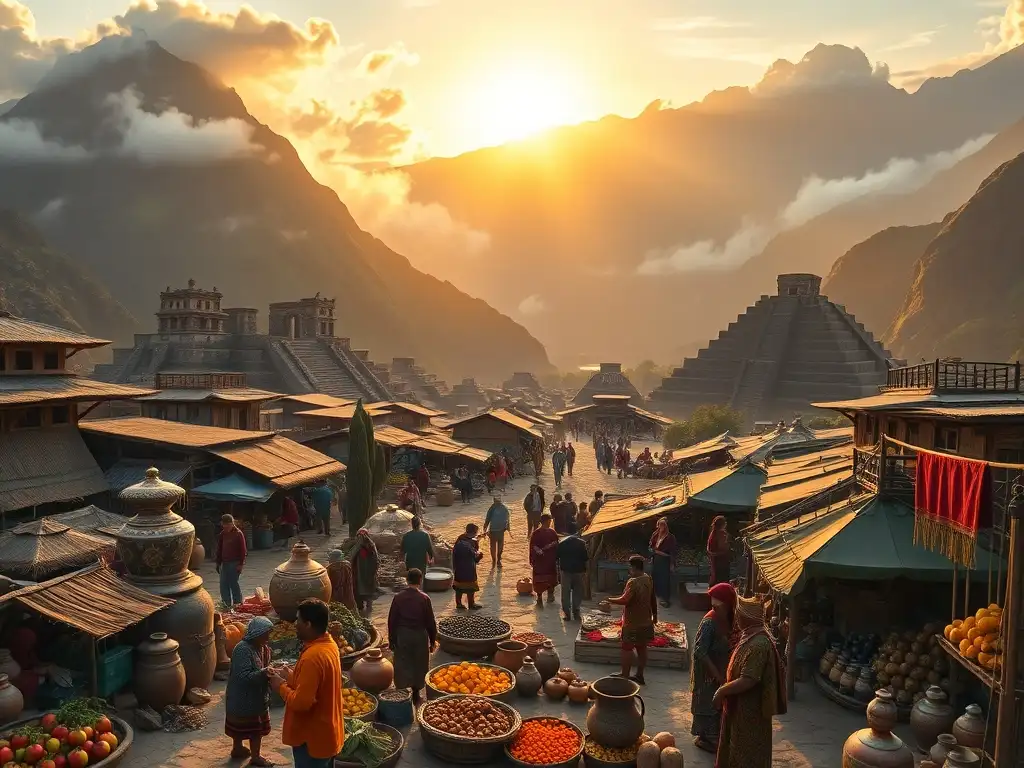
Step into a world lost to time, yet echoing with power and intrigue. Imagine a landscape sculpted by towering mountains and ancient secrets, where mighty Andean civilizations rose and fell, leaving behind a legacy of breathtaking artistry and complex societies. But beneath the surface of dazzling gold and intricate textiles lay a turbulent history of Andean civilizations regional power struggles. Discover how local communities fought for dominance, shaping the destiny of empires in our exploration of the rise of regional powers. Uncover the untold stories – your journey begins now.
-
The Rise of Regional Powers: How Local Communities Asserted Their Authority in Andean Civilizations
- Introduction to Regional Power Dynamics in Ancient Andes
- The Decline of Early Unified Andean Cultures and the Emergence of Regionalism
- Factors Contributing to Regional Power Shifts in Andean Societies
- Case Studies of Regional Power Assertion in Andean Civilizations
- The Impact of Regional Power Struggles on Andean Development
- The Legacy of Regional Power: Prelude to the Inca Empire
- Conclusion: Understanding the Complexities of Andean Regional Power Dynamics
-
Frequently Asked Questions
- What were the main Andean civilizations involved in regional power struggles?
- How did local communities assert their authority in the Andes?
- What role did technology play in Andean regional power struggles?
- What were some of the consequences of these regional power struggles?
- How did the geography of the Andes influence these power struggles?
- Final Reflection: Echoes of Power in the Andes
- Embrace Your Power and Transform Your Community!
The vast and diverse landscape of the Andes Mountains fostered the development of numerous independent cultures, each with unique societal structures, artistic expressions, and technological innovations. While periods of broader integration and even empire existed, the history of Andean civilizations is also punctuated by intense regional power struggles. This article delves into the fascinating dynamics of these struggles, exploring how local communities, often leveraging their specific geographical advantages and resource control, asserted their authority and shaped the political landscape of the ancient Andes.
We will examine the factors contributing to the fragmentation of larger, earlier cultures and the subsequent rise of powerful regional entities, focusing on the complex interplay of political ambition, economic control, and social organization. Understanding these regional power dynamics is crucial to grasping the full complexity and richness of Andean history, revealing a narrative far more nuanced than simple narratives of monolithic empires.
The rise and fall of these regional powers offers a compelling case study in the enduring human drive for power and the persistent interplay between local agency and broader historical forces. This exploration will primarily focus on the periods following the decline of early integrating forces, offering a clearer picture of how independent regional powers emerged and interacted.
Introduction to Regional Power Dynamics in Ancient Andes
The Andes weren't always a patchwork of competing regional powers. Earlier periods witnessed attempts at broader integration, though the extent and nature of these integrations are still debated by scholars. However, the relative autonomy of various valleys and ecological zones, coupled with the inherent difficulties of communication and control across such a varied terrain, continuously challenged any attempts at centralized rule. The emergence of strong regional entities was often a direct response to the weakening or collapse of prior integrating forces.
This process wasn't always violent; sometimes, it involved a gradual shift in power, with local elites capitalizing on opportunities presented by political instability or economic shifts. The control of vital resources, such as fertile agricultural land, water sources, and mineral deposits, played a significant role in determining the relative power of different communities. Furthermore, sophisticated systems of irrigation and agricultural intensification allowed some communities to accumulate surpluses, which could be used to support larger populations, build impressive infrastructure, and maintain powerful armies.
This accumulation of resources and manpower frequently translated into political dominance over neighboring regions. The development of distinct artistic styles and religious practices also served to solidify regional identities and enhance the sense of community cohesion, further bolstering their ability to resist external pressures. The Andean region saw a constant interplay between integration and fragmentation, a dynamic shaped by geographical factors, resource distribution, and the ambitions of local elites.
The Decline of Early Unified Andean Cultures and the Emergence of Regionalism
The decline of earlier, more integrated Andean cultures – such as the pre-Inca societies – created a power vacuum that regional communities quickly sought to fill. This wasn't a singular event but rather a complex process unfolding over centuries, with different regions experiencing shifts in power at different times. Several factors contributed to this fragmentation. Environmental changes, such as droughts or floods, could disrupt agricultural production and lead to social unrest.
Internal conflicts and rivalries within ruling elites also weakened centralized authority, creating opportunities for ambitious local leaders to seize control. The weakening of central control often led to a resurgence of local identities and the assertion of regional autonomy. This process saw the emergence of powerful regional states, each characterized by its own distinct political organization, economic strategies, and cultural expressions. For instance, the rise of the Moche and Nazca cultures in the north coast of Peru exemplifies this trend, showcasing the development of independent and sophisticated societies following the decline of earlier Andean cultures.
These regional powers often engaged in conflict with one another, vying for control of resources and territory, leading to periods of intense warfare and political instability. The resulting power struggles were not merely about territorial expansion; they were also about controlling vital resources, establishing trade routes, and shaping the cultural and religious landscape of the region. The legacy of these regional power struggles profoundly shaped the subsequent development of Andean societies, including the eventual rise of the Inca Empire. The specific mechanisms and timelines for the decline of early integrative Andean cultures and the subsequent rise of regional powers require further detailed research, with ongoing archaeological discoveries constantly refining our understanding.
Factors Contributing to Regional Power Shifts in Andean Societies
The rise and fall of regional powers in the Andes weren't random events; they were shaped by a complex interplay of factors. Understanding these dynamics is crucial to grasping the intricate history of Andean civilizations and their "Andean civilizations regional power struggles." Several key elements contributed to the shifting balance of power: environmental pressures, population growth, and the weakening of existing centralized authorities.
Environmental Pressures and Resource Control
Environmental fluctuations significantly impacted the distribution of power in Andean societies. Changes in rainfall patterns, droughts, and El Niño events could dramatically alter agricultural yields and access to vital resources like water. Communities with effective irrigation systems or access to strategically located water sources often gained a considerable advantage, accumulating wealth and attracting populations, thus bolstering their regional influence.
Conversely, regions struck by prolonged droughts or facing resource scarcity often experienced internal strife and vulnerability to external conquest. For example, the collapse of certain smaller societies has been linked to prolonged periods of drought, forcing migrations and weakening their ability to resist more powerful neighbors. The control of fertile valleys and coastal fishing grounds played a critical role in determining which groups could amass the resources to build larger, more powerful armies and administrative structures.
Population Growth and Competition for Land
As Andean populations grew, pressure on available land and resources intensified. This led to increased competition between communities, fueling conflicts over fertile agricultural lands and access to essential resources. Population density in certain areas, particularly along river valleys and coastal plains, contributed to a greater likelihood of conflict and the emergence of dominant groups capable of controlling and managing larger populations.
The competition for arable land and water rights frequently led to warfare and the consolidation of power in the hands of more organized and militarily capable groups. This dynamic played out repeatedly throughout Andean history, with successful groups often expanding their territories at the expense of their neighbors.
The Weakening of Centralized Authority Structures
The rise of regional powers wasn't always a result of aggressive expansion; sometimes, it was a consequence of the decline of existing centralized authorities. When empires weakened, whether due to internal strife, external threats, or environmental pressures, regional elites seized the opportunity to assert their independence and consolidate their power.
This process often involved alliances between previously subordinate groups, who could now challenge the authority of the weakening central power. The weakening of a central authority created power vacuums, providing fertile ground for the emergence of new regional power centers vying for dominance, leading to intense "Andean civilizations regional power struggles."
Case Studies of Regional Power Assertion in Andean Civilizations
Several Andean civilizations exemplify the assertion of regional power through various strategies. Examining these case studies reveals the diversity of approaches employed in these "Andean civilizations regional power struggles."
The Moche: Consolidating Power Through Military Strength and Irrigation
The Moche, known for their impressive irrigation systems and sophisticated military organization, consolidated their power through a combination of effective water management and military might. Their complex canal systems ensured agricultural surpluses, providing resources to support a large population and a powerful army. The Moche's military prowess, evident in their weaponry and elaborate warfare imagery, allowed them to conquer neighboring groups and expand their territory. Their centralized control over irrigation and their military strength were key factors in their regional dominance.
The Nazca: Asserting Authority Through Ritual and Geoglyphs
Unlike the Moche, the Nazca's power wasn't primarily based on military strength. Instead, they asserted authority through elaborate religious rituals and the creation of iconic geoglyphs. These massive ground drawings, visible only from the air, may have served to consolidate their control over a geographically dispersed population, reinforcing their religious authority and potentially signifying territorial boundaries. The Nazca's sophisticated understanding of astronomy and their ability to organize large-scale construction projects underscored their cultural and organizational sophistication, which helped maintain their regional influence.
The Tiahuanaco: Expanding Influence Through Trade and Ideology
The Tiahuanaco civilization exerted its influence through a combination of trade and the dissemination of its ideology. Their mastery of llama herding facilitated trade networks across the Andes, spreading their cultural practices and religious beliefs. The Tiahuanaco's monumental architecture and sophisticated religious ideology served as powerful symbols of their authority, attracting allegiance from neighboring communities and reinforcing their regional dominance. Their ability to integrate diverse communities into their trade network and to spread their religious beliefs proved to be more effective than military power in establishing regional control.
The Chimor: A Later Example of Regional Power Consolidation
The Chimor kingdom, emerging later in Andean history, provides another compelling case study. Their success stemmed from a combination of effective agricultural practices, sophisticated administrative structures, and a powerful military. The Chimor were skilled in irrigation and coastal resource management, providing the economic basis for their expansion. Their well-organized bureaucracy and military enabled them to control a vast territory and maintain their regional dominance for several centuries, demonstrating another path to power in the complex tapestry of Andean civilizations' regional power struggles.
The Impact of Regional Power Struggles on Andean Development
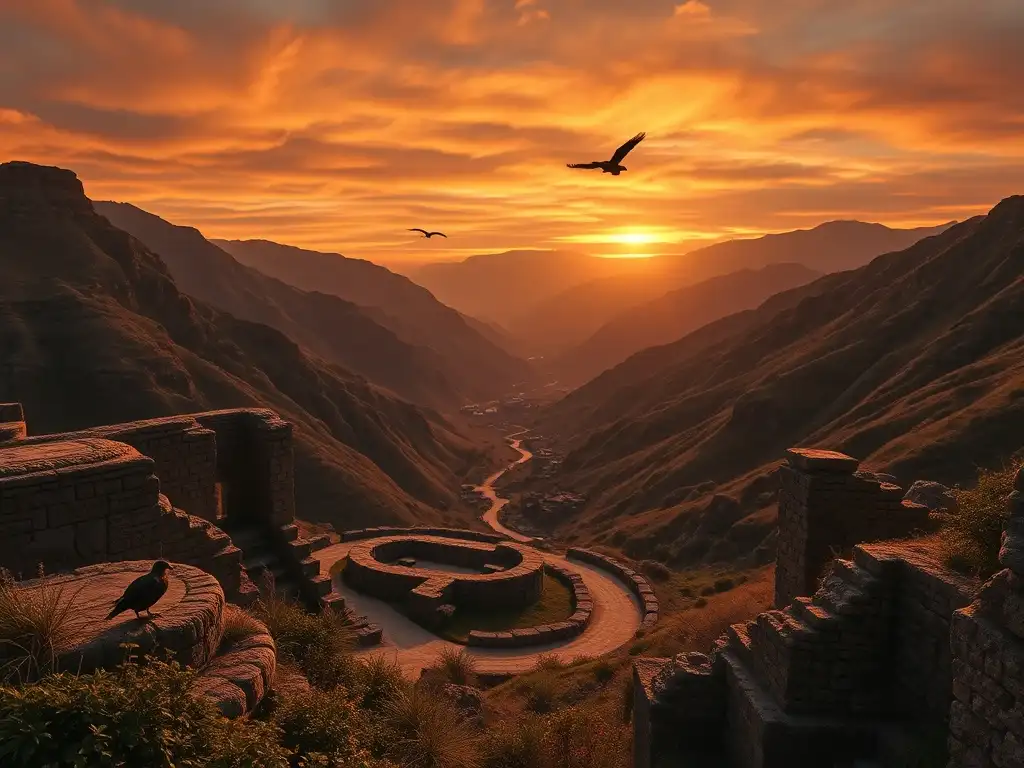
The constant jostling for dominance among Andean civilizations profoundly shaped the trajectory of development across the region. These power struggles weren't simply about military conquest; they spurred innovation in several key areas. For example, the need to defend territories or project power led to advancements in military technology, such as the development of sophisticated weaponry and defensive fortifications.
The Moche, known for their impressive irrigation systems, likely expanded these networks not only for agricultural purposes but also to consolidate their control over vital resources and strategically important land. Conversely, periods of prolonged conflict often disrupted agricultural production and trade networks, leading to localized economic downturns and potentially impacting population growth.
The consequences of these power dynamics rippled through the social fabric, influencing everything from political organization to artistic expression. The constant need to adapt and innovate in response to external pressures forced Andean societies to develop resilience and adaptability, characteristics that would prove crucial in their later interactions with the Inca.
Shifts in Political Organization and Governance
The rise and fall of regional powers in the Andes directly impacted the forms of political organization and governance. Initially, many communities may have operated under relatively decentralized structures, with local leaders holding significant sway. However, as regional states consolidated power, we see a shift towards more centralized systems. This involved the establishment of formal administrative hierarchies, the development of more complex bureaucratic structures, and the creation of elaborate systems for collecting taxes and tribute.
The Nazca, for example, developed sophisticated systems of public works, including extensive canal networks, suggesting a high degree of centralized planning and coordination. Conversely, periods of instability and fragmentation often resulted in a return to more localized forms of governance, highlighting the dynamic and fluid nature of political organization in the Andes. The continuous cycle of centralization and decentralization reflects the ongoing negotiation of power among different groups and factions.
The Evolution of Social Hierarchies
Regional power struggles in the Andes profoundly reshaped social hierarchies. The concentration of power in the hands of ruling elites led to the development of stratified societies with clear distinctions between different social classes. Archaeological evidence, such as elaborate tombs and monumental architecture dedicated to the elite, points to a significant concentration of wealth and resources in the hands of a few.
The emergence of specialized craft production, including finely crafted textiles and ceramics, further reinforces this social stratification, as these goods were often reserved for the elite and served as symbols of status and power. The common people, on the other hand, were likely engaged in agricultural production and other forms of labor to support the ruling class.
However, the nature of these hierarchies varied across different regions and time periods, demonstrating the complex and dynamic interplay between political power and social structure. The relative power of different social groups likely fluctuated depending on the prevailing political climate.
Cultural Diversification and Regional Artistic Styles
The Andes weren't a monolithic cultural entity. Instead, regional power struggles fostered a remarkable degree of cultural diversification, evident in the distinct artistic styles that emerged across the region. The Moche, for example, are renowned for their elaborate ceramics depicting scenes of warfare, ritual, and everyday life, often showcasing a highly naturalistic style. In contrast, the Nazca developed a unique artistic tradition centered on intricate geoglyphs etched into the desert landscape, reflecting a different cultural worldview.
This regional variation in artistic expression is not merely aesthetic; it reflects underlying differences in belief systems, social structures, and political ideologies. The competition for prestige and power between different groups likely fueled the development of these distinct artistic traditions, as rulers used art to project their power and legitimize their rule. The diversity of artistic styles serves as a tangible reminder of the vibrant and multifaceted nature of Andean cultures.
The Legacy of Regional Power: Prelude to the Inca Empire
The rise and fall of regional powers in the Andes weren't isolated events; they laid the groundwork for the eventual expansion of the Inca Empire. The experiences of earlier Andean civilizations, their successes and failures, shaped the political strategies and administrative structures adopted by the Inca. Understanding these regional power dynamics is crucial to interpreting the subsequent Inca expansion. The Inca did not emerge from a vacuum; they inherited a complex political landscape shaped by centuries of competition and conflict.
Regional States as Precursors to Inca Expansion
The Inca conquest wasn't a sudden event. It built upon the foundations laid by previous regional states. The Inca strategically learned from the successes and failures of their predecessors. For example, they adapted and improved upon existing administrative systems, integrating them into their own empire-wide bureaucracy.
The Inca also capitalized on pre-existing infrastructure, such as road networks and irrigation systems, which facilitated their expansion and control over vast territories. By studying the strengths and weaknesses of these earlier states, the Inca were better positioned to consolidate their power and establish a more enduring empire. The Inca's ability to adapt and integrate existing structures was a key factor in their success.
The Inca Absorption of Regional Traditions and Technologies
The Inca Empire was not simply a conquering force; it was also a remarkably effective assimilator of regional traditions and technologies. Rather than imposing a uniform culture, the Inca often integrated local customs and practices into their administrative system. This pragmatic approach helped to minimize resistance and fostered a sense of unity across the diverse populations of their vast empire.
Similarly, the Inca incorporated existing technologies, such as sophisticated irrigation systems and advanced metalworking techniques, into their own imperial projects. This integration of regional traditions and technologies was not merely a matter of expediency; it contributed to the overall strength and stability of the Inca Empire. This ability to synthesize and adapt existing knowledge was a crucial factor in their long-term success.
Conclusion: Understanding the Complexities of Andean Regional Power Dynamics
The rise of regional powers in the Andes wasn't a simple story of conquest and domination. Instead, it was a complex interplay of factors, including environmental adaptation, technological innovation, and social organization. Different Andean civilizations, like the Moche, Nazca, and Tiwanaku, developed unique strategies for asserting their influence, reflecting the diverse ecological niches and cultural traditions across the region.
While warfare undoubtedly played a role, the establishment and maintenance of power often involved intricate alliances, economic control, and the construction of impressive monumental architecture—all serving to legitimize authority and project power. Understanding these nuanced dynamics requires moving beyond simplistic narratives of conflict and recognizing the sophisticated political strategies employed by Andean communities to shape their world. The tapestry of Andean history is woven with threads of both cooperation and competition, reflecting the multifaceted nature of power in a geographically and culturally diverse landscape.
Further research into specific regional interactions and the archaeological evidence of political structures is crucial for a more comprehensive understanding of these complex power dynamics. The absence of a single, unified Andean empire for much of its pre-Columbian history highlights the persistent importance of local agency and the ongoing negotiation of power among various groups.
Key Takeaways on Andean civilizations regional power struggles
- Diversity of Strategies: Andean civilizations employed diverse strategies to assert regional power, ranging from military conquest to economic control and ideological influence. There wasn't a single, universally adopted model.
- Environmental Influence: The varied geography of the Andes significantly influenced the development of regional powers. Access to resources and agricultural productivity played a major role in shaping political power structures.
- Technological Innovation: Advances in irrigation, agriculture, and metallurgy contributed significantly to the ability of certain groups to consolidate power and control resources. This technological advantage often translated into political dominance.
- Social Organization: The internal social organization of Andean societies, including their kinship systems, religious beliefs, and leadership structures, played a crucial role in their ability to mobilize resources and project power regionally.
- Complex Interplay: The rise and fall of regional powers in the Andes wasn't solely determined by military might. Alliances, trade networks, and ideological factors also played significant roles in shaping the political landscape.
- Ongoing Research: Our understanding of Andean regional power struggles continues to evolve as archaeologists uncover new evidence and refine their interpretations. The complexity of these interactions requires ongoing investigation and analysis.
- Importance of Local Agency: The Andean experience underscores the importance of understanding local agency and the diverse ways in which communities negotiated power within a broader regional context. It wasn't simply a top-down process of imperial control.
The study of Andean civilizations regional power struggles offers valuable insights into the diverse ways in which societies have navigated the challenges of political organization and competition throughout history. The Andean experience, with its rich tapestry of cultural expressions and political strategies, remains a compelling case study for understanding the complexities of power and influence in the ancient world. 🎉
Frequently Asked Questions
What were the main Andean civilizations involved in regional power struggles?
The article focuses on several key Andean civilizations, including the Incas, Moche, Nazca, and Tiahuanaco, highlighting their involvement in regional power struggles and competition for resources and territory.
Local communities employed various strategies, including military strength, diplomatic alliances, and control over key resources like water and fertile land, to assert their dominance and influence within the broader Andean landscape.
What role did technology play in Andean regional power struggles?
Technological advancements, such as improved irrigation systems, metallurgy, and road networks, provided significant advantages to certain communities, enabling them to better manage resources, mobilize armies, and project power over wider areas.
What were some of the consequences of these regional power struggles?
These struggles often led to shifts in political dominance, population migrations, and the rise and fall of various Andean civilizations. The competition also spurred innovation and technological advancements.
How did the geography of the Andes influence these power struggles?
The Andean geography, characterized by its rugged terrain and diverse ecosystems, played a crucial role, shaping the strategies employed by different groups and influencing the distribution of power and resources across the region. Access to strategic mountain passes and fertile valleys was highly contested.
Final Reflection: Echoes of Power in the Andes
The struggle for regional dominance, once confined to the ancient Andean highlands, continues to resonate in the complexities of modern geopolitics. The rise and fall of empires, the intricate web of alliances and conflicts, and the enduring legacy of cultural identity—these are not merely historical curiosities; they are powerful lessons for understanding the dynamics of power today. The strategies employed by the Inca, Chimu, and Wari, for example, offer compelling parallels to contemporary international relations, highlighting the enduring relevance of understanding historical power structures.
The enduring impact of Andean civilizations' regional power struggles is undeniable; their influence permeates the social fabric and political landscape of the region even now. The echoes of their achievements and conflicts shape national identities, inform political discourse, and continue to inspire artistic expression. History does not repeat itself, but it often rhymes,
observed Mark Twain, and the rhymes between the ancient Andean power plays and the modern world are striking, reminding us of the cyclical nature of dominance and the persistent human drive for control.
Consider the lessons learned from the successes and failures of these ancient societies. How did their strategies for consolidating power, managing resources, and navigating conflict contribute to their rise or fall? You, the reader, are now equipped with a deeper understanding of these dynamics. Apply this knowledge to your own life, to your own understanding of power structures, both large and small. Let the echoes of the Andes inspire you to critically examine the forces shaping our world, and to strive for a future where cooperation and understanding prevail over conflict and domination.
Embrace Your Power and Transform Your Community!
Thank you for exploring the growing influence of local communities and their vital role in shaping their future. Your interest highlights the incredible impact we can have, both individually and collectively. Now, let's turn that understanding into action!
Here are a few ways you can make a difference:
- Support local organizations that empower communities and promote strong local leadership. Consider volunteering your time or donating to a cause you believe in.
- Share this information with friends and family to inspire conversations about building stronger, more resilient communities.
- Engage with your local government and community leaders. Attend meetings, participate in discussions, and share your ideas for positive change.
How can you contribute to a stronger, more empowered community? Let's discuss!