
The Relationship Between Machu Picchu and the Surrounding Mountains: Sacred Peaks

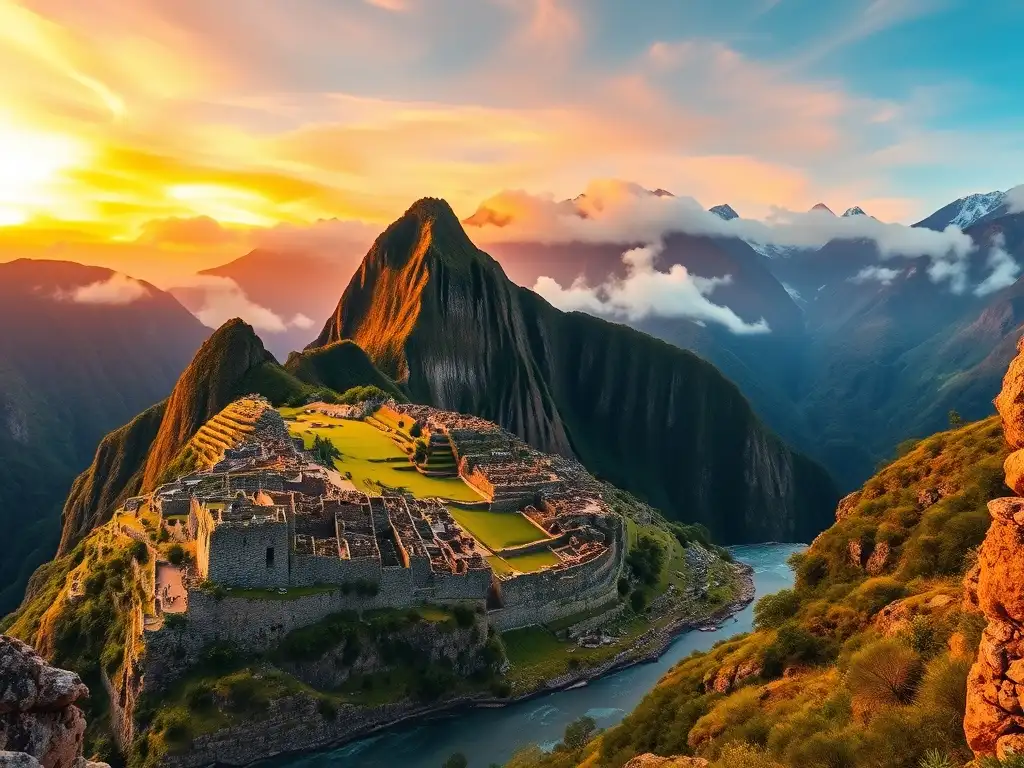
Uncover the mysteries shrouding the Andean Civilizations. Journey with us through a tapestry of breathtaking artistry, ingenious engineering, and profound spiritual beliefs. But first, prepare to be captivated by the enigmatic connection between Machu Picchu mountain sacred sites and the towering peaks that guarded the Inca Empire. Their significance goes far beyond mere geography; discover a world of sacred power and hidden meaning waiting to be revealed. Explore now and unlock the secrets of the Andes!
- Machu Picchu and its Sacred Mountain Context: A Deep Dive into Andean Cosmovision
- The Significance of Surrounding Peaks in Inca Cosmology
- Key Mountains Surrounding Machu Picchu and Their Spiritual Importance
- The Architectural Alignment of Machu Picchu with Mountain Peaks
- Sacred Rituals and Ceremonies at Machu Picchu and Mountain Sites
- The Enduring Legacy of Machu Picchu's Mountain Sacred Sites
-
Frequently Asked Questions
- What is the significance of mountains in Andean culture?
- How did the Incas use the mountains around Machu Picchu?
- Why is Machu Picchu Mountain considered a sacred site?
- What evidence supports the sacred nature of the mountains around Machu Picchu?
- How does the relationship between Machu Picchu and its surrounding mountains contribute to its significance?
- Final Reflection: Echoes of the Andes: Machu Picchu's Sacred Connection
- **Embrace the Majesty of Machu Picchu's Sacred Peaks! **
Machu Picchu and its Sacred Mountain Context: A Deep Dive into Andean Cosmovision
Machu Picchu, the iconic "Lost City of the Incas," wasn't simply a strategically placed settlement; it was a meticulously planned urban center deeply integrated into the surrounding Andean landscape. This article explores the profound relationship between Machu Picchu and the surrounding mountains, revealing how these towering peaks weren't just geographical features but integral components of the Inca worldview, acting as sacred sites imbued with spiritual significance. We will delve into the Inca cosmovision, examining how their understanding of the world shaped the city's design and its connection to the sacred mountains, focusing specifically on the role these peaks played in their religious practices and beliefs.
Understanding this sacred geography is key to appreciating the true grandeur and complexity of Machu Picchu and its place within the broader Inca empire. This exploration will illuminate the profound connection between the Incas and their environment, highlighting the intricate interplay between human civilization and the natural world within the Andean context.
We will uncover how the sacred mountains were not merely backdrops to Inca life, but active participants in their spiritual and cosmological beliefs, shaping their rituals, social structures, and ultimately, their understanding of the cosmos itself. The keyword "Machu Picchu mountain sacred sites" will be explored through detailed analysis of archaeological evidence and anthropological interpretations.
Understanding the Sacred Geography of Machu Picchu
The Incas viewed the Andes Mountains not as mere geographical barriers, but as living entities, imbued with spiritual power. Mountains were considered apu, powerful deities who exerted influence over the lives of the people below. This belief system, deeply rooted in Andean cosmovision, profoundly impacted the selection of Machu Picchu's location.
The city's strategic placement amidst towering peaks wasn't accidental; it was a conscious choice, reflecting the Incas' desire to establish a connection with the sacred forces of the Andes. Archaeological evidence suggests that specific peaks were associated with particular deities or spirits, and the orientation of structures within Machu Picchu often aligns with these significant mountain features. The precise arrangement of buildings, terraces, and pathways reflects a deep understanding of the landscape's spiritual significance, and the city's layout itself can be interpreted as a symbolic representation of the cosmos.
This intentional integration of the sacred and the secular is a hallmark of Inca urban planning and underscores the central role of the mountains in their worldview. The very fabric of Machu Picchu, therefore, is woven from the threads of Andean cosmology and the profound respect for the apu. Careful observation reveals that even the seemingly mundane aspects of Machu Picchu's design reflect a deep engagement with this sacred geography.
Identifying Key Sacred Peaks Associated with Machu Picchu
Several mountains surrounding Machu Picchu hold particular significance, identified through a combination of archaeological findings, ethnographic studies, and interpretations of Inca mythology. While definitive identification of every apu worshipped in relation to Machu Picchu remains a subject of ongoing research, some peaks stand out as particularly important. These mountains, often shrouded in mist and imbued with a sense of mystery, were likely the focus of rituals, pilgrimages, and offerings.
The specific rituals and ceremonies performed on these peaks, while not fully documented, can be partially inferred from surviving Inca traditions and accounts from later chroniclers. These inferences, combined with the careful examination of archaeological remains, allow us to reconstruct a more complete picture of the sacred geography of Machu Picchu and its relationship with the surrounding Andean landscape. For example, [specific mountain name pending] is believed to have been a particularly significant apu, potentially associated with [specific deity or function pending], based on [specific archaeological evidence pending].
Further research into these sites is needed to fully understand the complex web of relationships between Machu Picchu and its sacred mountain environment. The careful analysis of these sacred peaks provides crucial insights into the Inca worldview and their deep connection with the natural world.
The Role of Ritual and Sacrifice in the Sacred Mountain Connection
The relationship between Machu Picchu and the surrounding sacred mountains wasn't passive; it was actively maintained through ritual and sacrifice. Evidence suggests that pilgrimages were undertaken to these peaks, and offerings were made to appease the apu and ensure their continued favor. These offerings might have included food, coca leaves, or even human sacrifices, although the extent of human sacrifice in relation to Machu Picchu is still debated amongst scholars.
The precise nature of these rituals and the frequency with which they were performed remain areas of ongoing research, but their importance in maintaining the spiritual integrity of Machu Picchu is undeniable. Understanding these practices is crucial for appreciating the dynamic nature of the relationship between the Incas and their sacred mountains. The rituals and sacrifices weren't merely symbolic acts; they were seen as essential to maintaining the cosmic balance and ensuring the prosperity of the Inca civilization.
The detailed study of surviving artifacts and iconography provides further clues to the nature of these rituals and their significance within the broader context of Inca religion. The integration of these practices into daily life highlights the pervasive influence of Andean cosmovision on the lives of the Inca people.
The Significance of Surrounding Peaks in Inca Cosmology
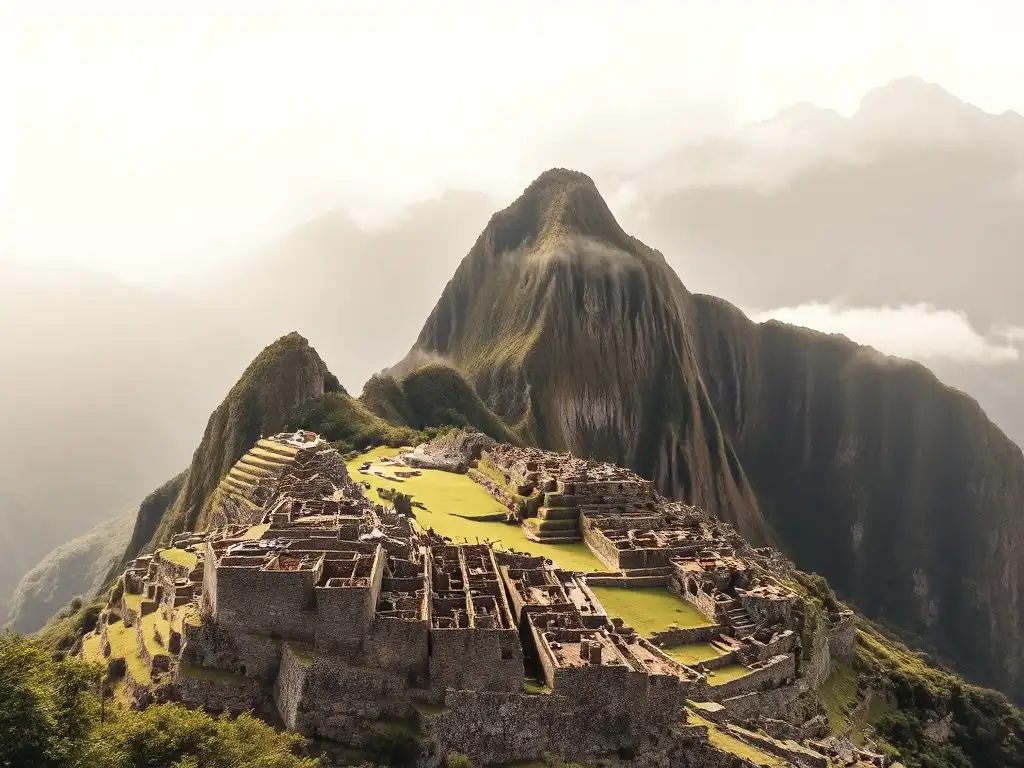
The Inca worldview was deeply intertwined with the natural world, particularly the towering Andean peaks. These weren't simply geographical features; they were considered sacred entities, imbued with spiritual power and playing a vital role in Inca cosmology. Understanding this perspective is crucial to appreciating the significance of Machu Picchu's location and its relationship with the surrounding mountains.
The strategic placement of the city wasn't arbitrary; it was a deliberate act reflecting a profound connection between the human and spiritual realms. The Incas believed that the mountains, specifically the Apus, were powerful intermediaries between the earthly and celestial realms, influencing agricultural cycles, weather patterns, and the overall well-being of the Inca people. This belief system profoundly impacted their urban planning, agricultural practices, and religious rituals.
The choice of Machu Picchu's site, nestled amidst imposing peaks, wasn't just a matter of defense or access to resources; it was a conscious decision to align the city with the sacred geography of the Andes, solidifying its spiritual importance within the Inca empire. The meticulous integration of the city with its environment underscores the Inca's deep reverence for the mountains and their profound influence on Inca life. Analyzing the Inca's relationship with the Apus provides a clearer understanding of the reasoning behind Machu Picchu's strategic location.
The Apus: Guardian Spirits of the Andes
The Apus were the mountain gods, revered as powerful deities who personified the peaks themselves. Each mountain held unique significance, often associated with specific deities or natural phenomena. These weren't passive entities; they were active participants in the lives of the Inca people, influencing everything from the success of harvests to the outcome of battles. The Incas performed elaborate rituals and offered sacrifices to appease the Apus, seeking their favor and protection.
Evidence of these practices is found throughout the Andes, including at Machu Picchu itself. The city's location, surrounded by prominent peaks, suggests a deliberate attempt to harness the spiritual energy of these powerful Apus. The Incas likely viewed the surrounding mountains not merely as a backdrop but as active participants in the spiritual life of the city, providing protection, guidance, and a connection to the divine.
Think of it as a living, breathing sacred landscape, where the city itself was carefully integrated into the larger spiritual ecosystem. The relationship between Machu Picchu and its surrounding peaks wasn't a passive one; it was a dynamic interaction between humans and the sacred forces they believed resided within the mountains. Archaeological findings continue to reveal the extent of Inca reverence for these sacred mountains, strengthening the understanding of their importance in Inca cosmology and the selection of Machu Picchu’s location.
How Inca beliefs shaped the location of Machu Picchu
The selection of Machu Picchu's location wasn't accidental. It was a carefully planned undertaking, influenced by profound cosmological beliefs and the practical considerations of the surrounding terrain. The city's position, nestled within a breathtaking mountain range, was far from coincidental. The Incas strategically chose this location to align the city with the powerful spiritual energies of the surrounding Apus.
This wasn't just a matter of aesthetics; it was a deeply spiritual decision rooted in their cosmological beliefs. The choice also offered natural defenses and access to vital resources like water and fertile land for agriculture. However, the spiritual significance of the location likely superseded these practical factors. The orientation of the city, the placement of its structures, and even the agricultural terraces, all reflect a deliberate attempt to harmonize the human world with the sacred landscape.
Machu Picchu wasn't merely a city; it was a sacred site, a place of pilgrimage and ritual, designed to reflect and interact with the spiritual forces believed to inhabit the surrounding mountains. The interplay between the practical and spiritual aspects of Machu Picchu's location highlights the sophisticated worldview of the Inca civilization and their ability to integrate their beliefs into their daily lives. The strategic placement of Machu Picchu, therefore, serves as a powerful testament to the deep spiritual significance of the Andes mountains within Inca culture and reinforces the importance of the "Machu Picchu mountain sacred sites" narrative.
Key Mountains Surrounding Machu Picchu and Their Spiritual Importance
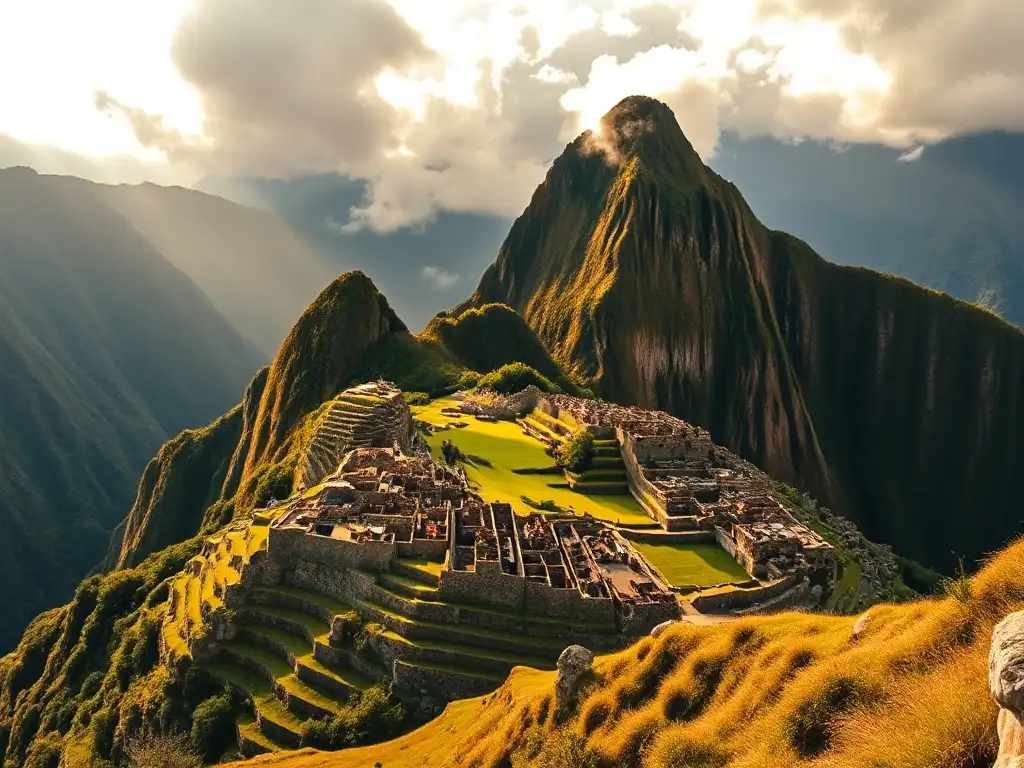
Machu Picchu's breathtaking setting amidst the towering Andes isn't merely scenic; it's deeply intertwined with the Inca worldview, where mountains, or apus, held immense spiritual significance. The relationship between Machu Picchu and the surrounding peaks wasn't simply geographical; it was a sacred connection, reflected in the city's layout, its agricultural practices, and its overall purpose. This section will delve into the spiritual importance of three key mountains: Huayna Picchu, Machu Picchu Mountain itself, and the distant but influential Salkantay. Understanding these relationships provides crucial insight into the Inca understanding of Machu Picchu mountain sacred sites.
Huayna Picchu: The Young Mountain and its Role
Huayna Picchu, dramatically rising behind Machu Picchu, wasn't just a visually striking element of the landscape; it played a vital role in the sacred geography of the Inca citadel. Its steep, almost inaccessible slopes likely symbolized the challenging path to spiritual ascension. Archaeological evidence suggests that Huayna Picchu contained significant ceremonial structures, though their exact functions remain a subject of ongoing research.
The presence of intricate agricultural terraces on its slopes, however, indicates that even this seemingly inaccessible peak was integrated into the Inca's sophisticated agricultural system, a testament to their reverence for the land and its connection to the spiritual realm. The sheer cliffs and challenging climb likely served as a metaphor for the difficulties encountered in achieving spiritual enlightenment, making Huayna Picchu a fitting component of the Machu Picchu mountain sacred sites complex.
The Inca's meticulous planning of agricultural terraces on Huayna Picchu further underscores its sacred importance. These weren't simply for practical food production; they demonstrate a holistic approach where even the most challenging terrains were incorporated into a system reflecting the harmonious balance between the human and spiritual worlds.
The precise layout of these terraces, often adapting to the mountain's irregular contours, suggests a deep understanding of the land and a profound respect for its inherent power. This careful integration of agriculture and spirituality is a recurring theme in Inca sacred sites, reinforcing the importance of Huayna Picchu within the broader context of Machu Picchu mountain sacred sites.
Machu Picchu Mountain: The Principal Sacred Peak
Machu Picchu Mountain, towering directly over the Inca citadel, holds the most prominent position in the sacred landscape. Its name itself, meaning "Old Peak," suggests an ancient and revered status. While less accessible than Huayna Picchu, its summit likely served as a focal point for important ceremonies and rituals.
The Inca's choice of this specific location for their city strongly suggests that the mountain itself was considered a powerful apu, a divine being inhabiting the mountain. The city's orientation and the placement of key structures within Machu Picchu were likely carefully aligned with the mountain's energy and its position within the broader Andean cosmology, emphasizing its role as a central element within the Machu Picchu mountain sacred sites.
Evidence of ritual activity atop Machu Picchu Mountain is currently limited. However, the sheer scale of the effort involved in constructing the city at its base, coupled with the mountain's commanding presence, strongly suggests its importance in Inca religious practices.
Further research into the mountain's summit and surrounding areas may reveal more definitive evidence of ritual structures or offerings, providing a clearer understanding of the mountain's role in the Inca belief system and its position within the network of Machu Picchu mountain sacred sites. The ongoing excavation and analysis of the area continue to yield new insights into this crucial aspect of Inca spirituality.
Salkantay: A Powerful Apu in the Distance
While not directly adjacent to Machu Picchu, the distant Salkantay mountain, visible from the citadel, held significant spiritual importance. Considered one of the most powerful apus in the region, Salkantay's influence extended far beyond its geographical reach. Its presence in the landscape likely shaped the Inca’s understanding of the sacred geography of Machu Picchu, influencing the city’s orientation and the overall spiritual significance of the site. Its snowy peak, a constant reminder of the Andean power, likely added to the spiritual aura of Machu Picchu, enriching the understanding of the Machu Picchu mountain sacred sites.
The Inca worldview recognized the interconnectedness of all elements within the landscape, and Salkantay's distant presence underscores this intricate relationship. Its influence on the spiritual ecology of Machu Picchu highlights the Inca’s sophisticated understanding of the Andean environment and their capacity to integrate distant geographical features into their broader cosmological understanding.
This highlights the complex interplay between local and regional sacred geography, expanding our understanding of the Machu Picchu mountain sacred sites and their importance within the wider Inca religious landscape. The symbolic power of Salkantay, even from a distance, further emphasizes the deeply spiritual nature of the Inca connection to their environment.
Yanantin: The Concept of Duality Represented by Peaks
The Inca worldview was deeply rooted in the concept of Yanantin, a fundamental duality that permeated all aspects of their lives. This wasn't a conflictual duality, but rather a complementary one, emphasizing the interconnectedness and interdependence of opposing forces. In the context of Machu Picchu and its surrounding mountains, Yanantin is powerfully represented by the pairing of peaks, each embodying distinct yet equally important energies. These weren't simply geographical features; they were sacred entities, imbued with spiritual significance and playing vital roles in Inca cosmology.
The mountains themselves were considered apus, powerful mountain spirits, and their relationship reflected the balance that the Inca strived to maintain in their society and with the natural world. Think of the sun and moon, male and female principles, or even the contrasting landscapes of the Andes themselves – the high, snow-capped peaks and the fertile valleys below. This intricate interplay of opposites is mirrored in the arrangement of sacred sites around Machu Picchu, with specific mountains chosen for their symbolic resonance with this core Inca belief. The careful selection and orientation of these sites further reinforces the importance of Yanantin in the overall design and function of the city.
The Inca priests meticulously observed the celestial movements and the interplay of light and shadow on these peaks, understanding them as a manifestation of the cosmic order. This understanding shaped not only their religious practices but also their agricultural cycles and social structures, highlighting the pervasive influence of Yanantin on their civilization. The very act of constructing Machu Picchu itself, nestled within this network of sacred mountains, can be seen as a physical manifestation of this fundamental cosmological principle.
The Architectural Alignment of Machu Picchu with Mountain Peaks
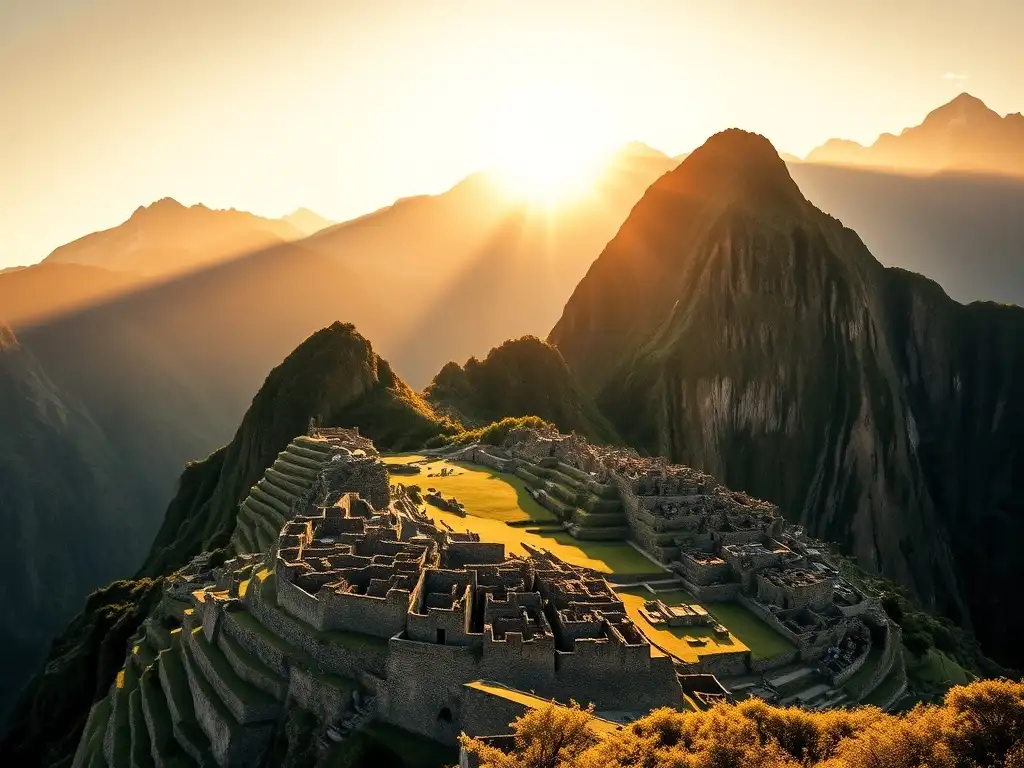
Machu Picchu's breathtaking location, nestled high in the Andes Mountains, is no accident. The Incas didn't simply choose a picturesque spot; they meticulously planned the city's construction in relation to the surrounding peaks, integrating them into a complex system of sacred geography and astronomical observation. This deliberate alignment of architecture with mountain peaks reveals a deep understanding of the Andean worldview, where mountains were considered sacred entities, apus, imbued with spiritual power and directly linked to the Inca's cosmology.
The relationship between Machu Picchu and its surrounding mountains wasn't merely aesthetic; it was fundamental to the city's function and meaning. Analyzing this relationship offers invaluable insights into Inca beliefs, engineering prowess, and their sophisticated understanding of the cosmos. The concept of "Machu Picchu mountain sacred sites" encapsulates this profound connection.
Inca Engineering and Astronomical Precision
The Inca's architectural achievements at Machu Picchu are astounding, showcasing remarkable engineering skills. But their precision extends beyond mere construction; it encompasses an intricate alignment with celestial events and the surrounding landscape. For example, the Intihuatana stone, a prominent feature of Machu Picchu, is believed to have been used for astronomical observations, particularly solstices and equinoxes.
Its orientation, perfectly aligned with specific mountain peaks, suggests a sophisticated understanding of solar movements and their correlation with agricultural cycles and religious ceremonies. This precision wasn't limited to the Intihuatana; many other structures within Machu Picchu exhibit similar alignments, demonstrating a deep integration of astronomical knowledge into the city's design. Evidence suggests the Incas used a combination of techniques, including meticulous surveying and potentially rudimentary instruments, to achieve this remarkable level of accuracy.
Furthermore, the layout of the agricultural terraces, meticulously carved into the mountainside, also seems to reflect astronomical considerations, maximizing sunlight exposure based on seasonal changes. The remarkable precision of these alignments underscores the Incas' advanced understanding of both astronomy and engineering, solidifying Machu Picchu's status as a significant center for astronomical observation and ritual. The meticulous alignment of structures with specific mountain peaks further strengthens the idea of "Machu Picchu mountain sacred sites" as a deliberate and meaningful design choice.
How the Incas integrated the mountains into Machu Picchu's design
The integration of the surrounding mountains into Machu Picchu's design goes beyond simple alignment; it's a fundamental aspect of the city's layout and functionality. The city's terraces, for instance, aren't merely agricultural features; they're skillfully carved into the mountain slopes, adapting to the natural contours and creating a harmonious blend of built environment and natural landscape. This integration is not only aesthetically pleasing but also practical, maximizing usable space and minimizing environmental impact. Moreover, the strategic placement of structures, such as temples and residential areas, takes into account the mountain views and their symbolic significance.
Specific peaks likely held particular religious importance, with certain structures oriented to capture their presence. The city's water management system, remarkably efficient and sophisticated, also demonstrates an intimate understanding of the mountain's hydrology. Channels and aqueducts were expertly engineered to collect and distribute water from mountain springs, supplying the city with a reliable water source. This holistic approach, integrating architecture, agriculture, and water management within the context of the sacred mountain landscape, highlights the Incas' profound connection to their environment and their sophisticated understanding of sustainable living.
The concept of "Machu Picchu mountain sacred sites" is further emphasized by this intimate and functional integration of the mountains into the city's very fabric. The seamless blend of nature and architecture reinforces the sacredness of the mountains and their central role in Inca cosmology and daily life. Further research into the specific peaks and their symbolic associations within the Inca pantheon could further illuminate this fascinating aspect of Machu Picchu's design.
Sacred Rituals and Ceremonies at Machu Picchu and Mountain Sites
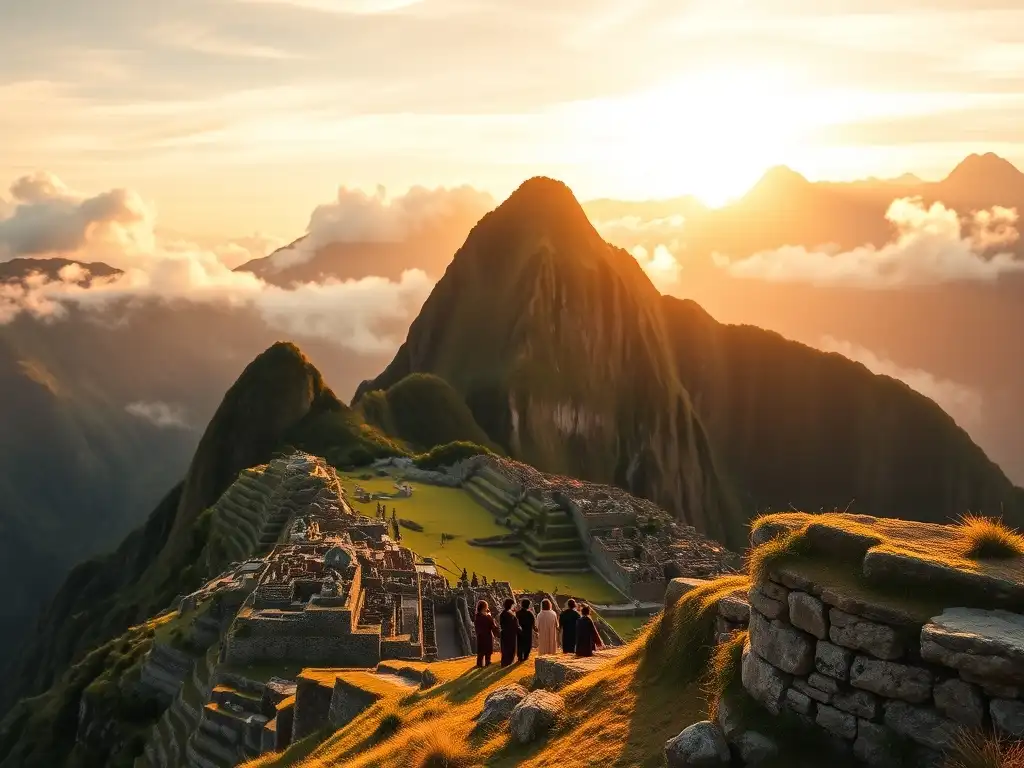
Machu Picchu's significance extends far beyond its impressive architecture; it was deeply embedded within a complex system of Andean cosmology, where mountains, or apus, held paramount spiritual importance. The Incas didn't simply inhabit the landscape; they actively engaged with it, perceiving mountains as powerful deities demanding respect and veneration. This sacred relationship is evident in the careful placement of Machu Picchu itself, strategically nestled amongst towering peaks, and the numerous ritual sites discovered within and around the citadel.
The meticulous agricultural terraces, for example, weren't solely for practical purposes; they also played a role in maintaining a harmonious relationship with the apus, ensuring bountiful harvests and appeasing the mountain spirits. Evidence suggests that specific rituals were performed at particular locations within Machu Picchu to honor different apus and solicit their favor. The precise nature of many of these rituals remains shrouded in mystery, but archaeological findings offer glimpses into their complexity and significance.
Further research is needed to fully understand the intricate relationship between Machu Picchu and the surrounding mountain ecosystem. The meticulous placement of buildings and agricultural terraces within the context of the surrounding landscape further emphasizes this sacred connection, revealing a sophisticated understanding of the Andean worldview.
Connecting with the Apus through Inca Practices
Inca practices aimed at connecting with the apus involved a range of activities, from elaborate ceremonies to everyday offerings. Pachamama, the Earth Mother, was another crucial element in this system. Offerings of coca leaves, chicha (a fermented maize drink), and other goods were commonly left at sacred sites, both within Machu Picchu and on the surrounding mountain slopes. These offerings weren't simply gestures of appeasement; they represented a reciprocal relationship, a form of dialogue between the human world and the spiritual realm.
The Incas believed that the apus influenced weather patterns, crop yields, and even human health, making their favor essential for the well-being of the community. Archaeological evidence reveals the presence of numerous small shrines and ritual objects scattered throughout the Machu Picchu area, hinting at the widespread nature of these practices. These sites often contained remnants of offerings, further strengthening the evidence of regular interactions with the apus.
The Inca worldview encompassed a deep understanding of the interconnectedness of all things, with mountains acting as powerful intermediaries between the human and spiritual realms. Understanding these practices sheds light on the profound spiritual significance of Machu Picchu within the broader Andean cosmological system. Further research into the specific rituals performed at different sites within Machu Picchu would significantly enhance our understanding of this intricate relationship.
Inti Raymi: The Sun Festival and Mountain Worship
Inti Raymi, the Inca festival of the sun, was a significant event that deeply intertwined mountain worship with imperial power. While the main celebrations took place in Cusco, the capital, the sacred peaks surrounding Machu Picchu undoubtedly played an important role in local observances. The sun, Inti, was the supreme deity in the Inca pantheon, and its annual cycle was closely tied to the agricultural calendar and the well-being of the empire.
The mountain peaks, as manifestations of the divine, served as crucial focal points for Inti Raymi celebrations, with rituals likely performed to honor the sun and seek its blessings for a prosperous year. The precise nature of these mountain-related rituals remains a subject of ongoing research, but evidence suggests that certain summits were chosen for their symbolic significance and their ability to facilitate communication with the celestial realm. The alignment of certain structures within Machu Picchu with the sun's path further emphasizes the significance of celestial observation in Inca culture.
The Inti Raymi festival, with its emphasis on the sun and its connection to the mountains, offers a powerful example of the deeply integrated spiritual and cosmological beliefs of the Inca people and their relationship with the "Machu Picchu mountain sacred sites." Further investigation into regional variations in Inti Raymi celebrations would offer valuable insights into the specific roles that Machu Picchu and its surrounding mountains played in this important event.
The Enduring Legacy of Machu Picchu's Mountain Sacred Sites
The majestic citadel of Machu Picchu wasn't simply a strategically located city; it was deeply interwoven with the sacred geography of the surrounding Andes Mountains. For the Inca, and likely preceding Andean cultures, these peaks weren't just geological formations; they were apu, powerful deities embodying the spirit of the land. This profound spiritual connection shaped the city's layout, its rituals, and its very existence, leaving a legacy that continues to resonate today.
Understanding this relationship is crucial to fully appreciating Machu Picchu's significance, moving beyond its architectural marvels to comprehend its deeply rooted spiritual context. The term "Machu Picchu mountain sacred sites" encapsulates this intricate relationship, highlighting the integral role of the mountains in shaping Inca life and beliefs.
Preserving the Spiritual Connection to the Landscape
The preservation of Machu Picchu's sacred sites is not merely about protecting ancient stones; it's about safeguarding a living cultural heritage. Efforts to conserve the site must go beyond physical preservation to include the preservation of intangible cultural heritage. This involves respecting the ongoing spiritual significance the mountains hold for modern-day Andean communities. Many indigenous groups still consider the apu to be living entities, and their connection to the landscape influences their relationship with Machu Picchu.
This requires a collaborative approach, working closely with local communities to understand their perspectives and ensure that preservation efforts do not inadvertently disrupt or disrespect their spiritual practices. Successful preservation necessitates a holistic strategy that considers both the tangible and intangible aspects of Machu Picchu's sacred legacy. This includes:
- Community engagement: Involving local communities in decision-making processes related to the site's management.
- Respect for traditional practices: Allowing for continued access to sacred sites for indigenous rituals and ceremonies, where appropriate and feasible.
- Education and awareness: Promoting public understanding of the spiritual significance of the mountains and their connection to Machu Picchu.
- Sustainable tourism: Managing tourism in a way that minimizes environmental impact and respects the sacred nature of the landscape.
The importance of understanding the Andean worldview in relation to Machu Picchu
To fully grasp the significance of Machu Picchu's mountain sacred sites, we must understand the Andean worldview. The Inca, like many other Andean cultures, saw the world as a dynamic interplay between the human realm and the supernatural. Mountains, as the apu, were considered intermediaries between these two realms, powerful beings capable of influencing human affairs.
Their snow-capped peaks were seen as sources of life-giving water, and their presence shaped the agricultural practices and social organization of the Inca. Machu Picchu's location, nestled amongst these sacred peaks, wasn't accidental; it was strategically chosen to harness the spiritual power of the apu and establish a connection between the human and divine worlds.
This Andean cosmology, with its emphasis on reciprocity and balance between humans and nature, is fundamental to understanding the city's purpose and its enduring legacy. The concept of "Machu Picchu mountain sacred sites" inherently points to the deep-rooted spiritual beliefs that shaped the Inca civilization.
For example, the intricate network of agricultural terraces that surround Machu Picchu weren't merely functional; they were also symbolic representations of the Andean cosmos, reflecting the layered structure of the universe and the interconnectedness of all living things. The careful placement of buildings within the landscape, aligned with astronomical events and cardinal directions, further emphasizes the Inca's profound understanding and respect for the sacred geography of their environment. The study of these elements provides invaluable insights into the Inca worldview and the crucial role that the surrounding mountains played in their religious and social life.
Further research is needed to fully understand the specific rituals and ceremonies performed at these sacred sites, and the ways in which they contributed to the overall functioning of Inca society. [Specific information pending: Detailed accounts of Inca rituals performed at specific mountain sites near Machu Picchu].
Frequently Asked Questions
What is the significance of mountains in Andean culture?
Mountains held deep spiritual importance in Andean cultures. They were considered sacred spaces, home to powerful deities and ancestors, influencing daily life and rituals. Many important sites, like Machu Picchu, were built in relation to these sacred peaks.
How did the Incas use the mountains around Machu Picchu?
The Incas strategically positioned Machu Picchu within a landscape of sacred mountains, using their peaks for ceremonial purposes and astronomical observations. The mountain's location was integral to their worldview.
Why is Machu Picchu Mountain considered a sacred site?
Machu Picchu Mountain, along with Huayna Picchu, are considered sacred because of their prominent location within the Machu Picchu complex and their association with Inca cosmology and religious practices. They were likely used for both religious and administrative functions.
What evidence supports the sacred nature of the mountains around Machu Picchu?
Archaeological evidence, including terraces, shrines, and astronomical alignments, suggests the Incas actively engaged in ritual activities on and around the mountains. Religious iconography further supports this interpretation.
How does the relationship between Machu Picchu and its surrounding mountains contribute to its significance?
The harmonious integration of Machu Picchu with the sacred mountains underscores the Incas' deep spiritual connection to their environment. This relationship significantly contributes to the site's cultural and historical importance and its enduring mystique.
Final Reflection: Echoes of the Andes: Machu Picchu's Sacred Connection
The enduring legacy of Machu Picchu isn't solely confined to its breathtaking architecture; it's inextricably woven into the very fabric of the Andes Mountains, a sacred landscape that continues to inspire awe and reverence. The intricate relationship between the Incan city and its surrounding peaks, explored throughout this article, reveals a profound understanding of the cosmos and a deep connection to the natural world that remains strikingly relevant today. Our modern world, increasingly disconnected from nature, can learn much from this ancient wisdom.
The spiritual significance of these mountains, far from being a relic of the past, continues to resonate deeply within Peruvian culture and beyond. The echoes of ancient rituals and beliefs are still palpable in the reverence shown to these peaks, a testament to the enduring power of place. The mountains are not simply stones, but living beings, imbued with spirit and power.
This sentiment, though perhaps paraphrased, captures the essence of the Incan worldview and reminds us of the interconnectedness of all things. Understanding this perspective allows us to appreciate Machu Picchu not just as a historical site, but as a living testament to a holistic way of life.
Consider, for a moment, the profound impact of this connection on your own life. How do you relate to the natural world around you? Do you feel a sense of awe and wonder in the face of its majesty?
I invite you to reflect on the lessons learned from Machu Picchu and the sacred mountains, and to seek out your own connections to the natural world, fostering a deeper appreciation for the beauty and power that surrounds us. Let the echoes of the Andes inspire you to find your own sacred spaces and cultivate a more mindful and sustainable relationship with the Earth.
**Embrace the Majesty of Machu Picchu's Sacred Peaks! **
Thank you for exploring the enchanting connection between Machu Picchu and its majestic mountain surroundings. We hope you're inspired by the rich history and culture of this breathtaking landscape. Now, let's delve even deeper!
Here's how you can continue your journey:
- **Plan your trip to Machu Picchu** and witness the awe-inspiring sacred peaks. A good guidebook will enhance your experience!
- Support local organizations dedicated to preserving the heritage and environment of this incredible site. Their work is vital to protecting Machu Picchu for future generations.
- Share your experiences and discoveries with friends and on social media—let the wonder of Machu Picchu inspire others!
What unique perspectives or insights are you hoping to gain from the mountains surrounding this ancient wonder? Let's discuss!