
The Spondylus Shell Trail: A Glimpse into Sacred Commerce of Andean Civilizations


Uncover the mysteries woven into the very fabric of the Andes! For centuries, powerful empires rose and fell amongst these majestic peaks, leaving behind a legacy of breathtaking artistry and sophisticated engineering. But what secrets lie hidden beneath the surface? Prepare to be captivated as we delve into the enigmatic Andean Spondylus shell trade, a vibrant network of sacred commerce that connected distant civilizations and shaped the destinies of entire empires. Journey with us to discover the astonishing story behind this precious shell and its profound influence on Andean culture.
- The Spondylus Shell Trail: Unveiling Sacred Commerce in Andean Civilizations
- The Spondylus Shell: A Prized Commodity in Ancient Trade Networks
- The Economic and Social Impact of the Spondylus Trade
- Spondylus Shell Artifacts and Craftsmanship
- The Legacy of the Spondylus Shell Trade
- Frequently Asked Questions
- Final Reflection: Echoes of the Spondylus: A Legacy of Trade and Spirituality
- Unveil the Mysteries of Sacred Andean Commerce!
The Spondylus Shell Trail: Unveiling Sacred Commerce in Andean Civilizations
The vibrant tapestry of Andean civilizations is interwoven with intricate trade networks that extended across vast distances, connecting disparate cultures and shaping their social, religious, and political landscapes. Among the most fascinating and significant trade commodities was the spondylus shell, a vibrant red-orange shell prized throughout the Andes for its beauty, rarity, and perceived sacred properties.
This article delves into the Andean Spondylus shell trade, exploring its extensive reach, the cultural significance of the shells, and the insights it provides into the complex economic and religious systems of pre-Columbian Andean societies. From the coastal regions where these shells were harvested to the distant mountain settlements where they were highly valued, the spondylus shell trail offers a unique glimpse into the sacred commerce that fueled the rise and development of these remarkable civilizations.
We will examine its role as a symbol of power, its use in rituals, and its place within the broader context of Andean cosmology, revealing the profound impact this seemingly simple shell had on the lives and beliefs of ancient Andean peoples.
Introduction to the Andean Spondylus Shell Trade
The Andean Spondylus shell trade represents a remarkable feat of logistical organization and cultural exchange. Spanning centuries and encompassing a vast geographical area, this trade connected coastal communities, where the spondylus shells were harvested, with inland settlements in the Andes Mountains, where they held immense symbolic and religious importance.
Evidence suggests that the trade involved complex networks of intermediaries, transporting the shells across challenging terrains, utilizing diverse transportation methods, and engaging in sophisticated bartering systems. The sheer distance these shells traveled – sometimes hundreds of miles – speaks to the high value placed upon them and the intricate web of relationships forged and maintained through this trade.
Understanding this trade network provides crucial insights into the political structures, social hierarchies, and religious beliefs of the various Andean cultures involved. Analysis of archaeological findings, such as shell fragments found in distant sites, reveals the scale and reach of this extensive trade network.
Significance of Spondylus Shells in Andean Culture
The spondylus shell held a position of profound significance in Andean culture, far exceeding its purely economic value. Its vibrant color, unique shape, and the relative difficulty of obtaining it contributed to its elevated status as a sacred and highly valued object. Its importance permeated various aspects of Andean life, from religious ceremonies and political power structures to artistic expression and everyday life.
The shell’s presence in tombs, temples, and elite contexts consistently underscores its symbolic weight and its association with power and prestige. The careful craftsmanship evident in many spondylus artifacts further emphasizes the cultural importance these shells held.
The Spondylus as a Symbol of Wealth and Power
The rarity of spondylus shells, coupled with their symbolic significance, made them potent symbols of wealth and power within Andean societies. Only elites, high-ranking officials, and powerful figures had access to these precious shells, often using them as adornments, ritual objects, or components of prestigious artifacts. The presence of spondylus shells in elite burials provides compelling evidence of their association with status and social hierarchy. Possession of these shells was a clear indicator of wealth, influence, and connection to the spiritual realm. The careful curation and preservation of these shells over time further underlines their value and enduring significance.
Ritual Uses of Spondylus in Andean Ceremonies
Spondylus shells played a crucial role in Andean religious ceremonies and rituals. Archaeological evidence reveals their use in various contexts, from offerings to deities to adornments worn by priests and participants in sacred events. The shells were often incorporated into elaborate ceremonies, reinforcing their connection to the spiritual world and the divine. The vibrant color of the shells may have been associated with specific deities or cosmological concepts, further enhancing their symbolic importance within religious practices. Analysis of ritual contexts in which these shells were found provide valuable data on the religious beliefs and practices of Andean cultures.
Spondylus Shells and Andean Cosmology
The integration of spondylus shells into Andean cosmology suggests a deep-seated connection between these objects and the spiritual beliefs of the time. Their association with the sea and the marine environment may have linked them to specific deities or cosmological concepts related to water, fertility, and creation. The shells’ use in offerings and ritual contexts suggests a belief in their power to mediate between the human and spiritual realms.
Further research into the symbolism and iconography associated with spondylus shells will reveal a deeper understanding of their role within the larger cosmological framework of Andean civilizations. The distribution of these shells across various regions also hints at a shared belief system amongst disparate Andean cultures.
The Spondylus Shell: A Prized Commodity in Ancient Trade Networks

The Spondylus shell, a vibrant crimson-colored mollusk, held immense symbolic and economic value in the ancient Andean world. Far from being a mere decorative item, the Spondylus shell's significance transcended mere aesthetics, playing a crucial role in religious ceremonies, elite burials, and complex trade networks that spanned vast distances across the Andes. Its rarity, coupled with its striking color, likely contributed to its elevated status, making it a highly coveted commodity among Andean societies.
The detailed study of Spondylus shell finds across various archaeological sites provides compelling evidence of its importance in the Andean Spondylus shell trade, revealing intricate patterns of exchange and distribution that shaped the social and political landscape of the region. This prized shell wasn't just a beautiful object; it was a powerful symbol of prestige and authority, a key element in the intricate tapestry of Andean life.
Sources of Spondylus Shells: Coastal Origins and Extraction
The Spondylus shell, Spondylus princeps, thrived in the nutrient-rich waters of the Pacific Ocean, specifically along the coast of Ecuador and northern Peru. This limited geographic distribution is a key factor in understanding its value as a trade item. The shells weren't readily accessible to all Andean communities; their acquisition required specialized knowledge, access to coastal areas, and often, perilous sea voyages. This exclusivity contributed significantly to the shell's prestige and its role in the Andean Spondylus shell trade.
Geographic Distribution of Spondylus
Spondylus thrived in specific ecological niches along the coast. Archaeological evidence pinpoints key harvesting areas in the Gulf of Guayaquil (Ecuador) and the northern Peruvian coast. The precise locations varied depending on factors such as water temperature and depth, making the acquisition of high-quality shells a complex undertaking. The uneven distribution of Spondylus beds further emphasized its scarcity, contributing to its high value in exchange networks. Detailed mapping of Spondylus shell finds across various archaeological sites helps to refine our understanding of these crucial harvesting zones.
Harvesting Techniques of the Spondylus Shell
The precise methods employed in harvesting Spondylus remain partially enigmatic, but archaeological evidence and ethnographic parallels suggest a combination of techniques. Divers, likely using rudimentary equipment, may have ventured into the ocean to collect the shells from relatively shallow depths. The process would have been dangerous and demanding, further increasing the value of the acquired shells. The recovery of broken Spondylus fragments at various sites indicates that the harvesting process was not always efficient, adding to the rarity of complete, undamaged shells. Further research is needed to fully understand the technology and risks involved in Spondylus harvesting.
The Andean Spondylus Shell Trade Routes
The Andean Spondylus shell trade involved a complex network of routes that facilitated the movement of these valuable shells from their coastal origins to inland settlements across the Andes. The distribution of Spondylus artifacts across a vast geographical area provides strong evidence for far-reaching exchange networks that connected diverse Andean societies.
The North-South Axis of Spondylus Distribution
The primary axis of Spondylus distribution followed a north-south trajectory, extending from the coastal harvesting grounds in Ecuador and northern Peru to the highland cities and settlements of the Inca Empire and beyond. The shells travelled hundreds of miles, traversing diverse landscapes and often changing hands multiple times along the way. This extensive distribution reflects the wide-ranging influence and interconnectedness of Andean societies. The presence of Spondylus shells in sites far from the coast underscores the importance of long-distance trade and communication.
Key Trading Centers Involved in Spondylus Exchange
Several key centers served as crucial nodes in the Spondylus trade network. Coastal settlements like those in present-day Ecuador acted as primary collection points. Inland cities like Cajamarca and Cusco (in the Inca heartland) served as major distribution hubs, receiving and redistributing Spondylus shells to various communities. The strategic location of these centers facilitated the exchange of goods and the flow of information, making them vital components of the Andean Spondylus shell trade.
Challenges and Logistics of the Spondylus Trade
Transporting Spondylus shells across such vast distances presented significant logistical challenges. The shells were heavy and fragile, requiring careful handling and specialized transport methods. Porters likely carried the shells along established trails, overcoming difficult terrain and climatic conditions.
The organization and coordination of such extensive trade networks demonstrates the advanced administrative and organizational capabilities of Andean societies. The considerable effort involved in moving Spondylus shells across the Andes further enhances their symbolic significance as markers of wealth, power, and prestige. The Andean Spondylus shell trade represents a remarkable feat of logistical organization and a testament to the interconnectedness of ancient Andean societies.

The Andean Spondylus shell trade wasn't merely a commercial activity; it profoundly shaped the economic and social fabric of numerous Andean civilizations. The highly prized shells, sourced from the Pacific Ocean, transcended their material value, becoming potent symbols of power, prestige, and religious significance. This intricate network of exchange fostered economic growth, fueled social stratification, and influenced political dynamics across vast geographical distances. Understanding this impact requires examining its multifaceted role in Andean societies.
Spondylus Shells as a Form of Currency
Exchange Rates and Value of Spondylus in Andean Societies
Determining precise "exchange rates" for Spondylus shells in ancient Andean economies is challenging due to the lack of written records. However, archaeological evidence suggests a clear correlation between the size, quality, and type of Spondylus shell and its perceived value. Larger, perfectly formed, and brightly colored shells, particularly those exhibiting rare variations, commanded higher status and likely fetched greater quantities of other goods in exchange.
Smaller, imperfect shells were likely used in everyday transactions or incorporated into less prestigious artifacts. The value also varied regionally, influenced by proximity to sources and local demand. For example, coastal communities might have valued Spondylus differently than those in the highlands, reflecting varying levels of accessibility and the associated transportation costs.
Further research, particularly analyzing the contents of graves and associated artifacts, could potentially shed more light on these intricate economic dynamics. The absence of standardized weights and measures further complicates the analysis, making it crucial to consider contextual factors when interpreting archaeological findings.
The Role of Spondylus in Royal and Elite Economies
Spondylus shells were essential components of royal and elite economies in several Andean cultures. Their rarity and association with the sea, a powerful and often unpredictable force, solidified their status as highly valued symbols of power and divinity. Elaborately crafted Spondylus ornaments, such as necklaces, ear spools, and ceremonial objects, were exclusively reserved for the elite, reinforcing their social standing and demonstrating their access to coveted resources.
The control of Spondylus trade routes and the distribution of the shells themselves were likely key tools used by rulers to consolidate power and maintain social hierarchies. The presence of large quantities of Spondylus in elite burials underscores its significance in funerary rites, signifying the continuation of power and influence even in the afterlife. Further investigation into palace inventories and elite tombs could reveal more details about the precise ways Spondylus was used to maintain and legitimize power structures.
Merchant Classes and Spondylus Trade Networks
The extensive Spondylus trade networks necessitated the involvement of specialized merchant classes. These individuals, acting as intermediaries between coastal producers and inland consumers, played a crucial role in the distribution of the shells. Their expertise in navigation, trade routes, and negotiation allowed them to accumulate wealth and social standing.
Archaeological evidence, such as the discovery of well-preserved textiles and other luxury goods in merchant burials, supports the existence of a prosperous merchant class directly involved in the Spondylus trade. The development of such a specialized class highlights the complexity and sophistication of the Andean trade systems, which went beyond simple bartering and involved complex economic arrangements. Further study of settlements located along major trade routes could provide insights into the organization and dynamics of these merchant communities.
Political Power and the Acquisition of Spondylus
Control over the Spondylus trade conferred significant political power. Rulers and elites who could effectively manage the acquisition and distribution of these shells could solidify their dominance and influence. The control of access points, the establishment of trade alliances, and the imposition of taxes or tribute on Spondylus trade all contributed to the consolidation of political power.
The strategic location of certain settlements along trade routes suggests a deliberate effort to control the flow of Spondylus and maximize its economic and political benefits. The strategic alliances forged between different Andean cultures through Spondylus exchange also indicate the far-reaching implications of this trade beyond purely economic considerations.
Further research on political structures and the distribution of Spondylus artifacts could reveal a clearer picture of the relationship between political power and the control of this vital resource. The interplay between political power and access to Spondylus highlights the shell's significance as more than a mere commodity; it was a symbol of authority and a tool for political maneuvering.
Spondylus Shell Artifacts and Craftsmanship
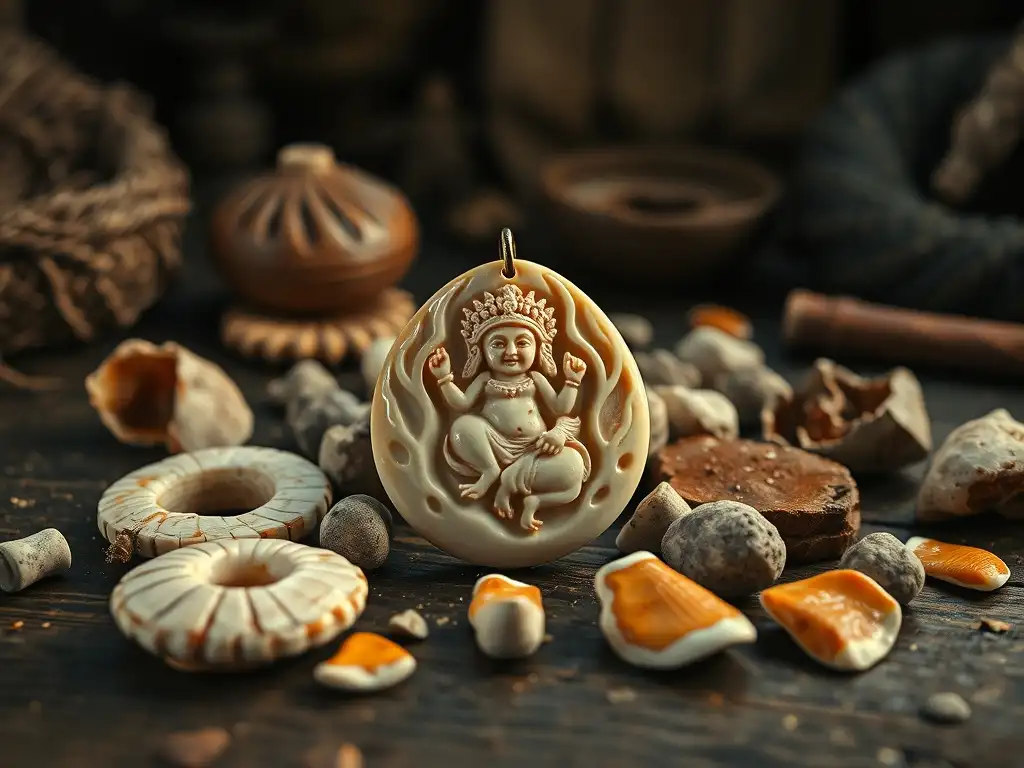
The Andean Spondylus shell trade wasn't merely about the exchange of a valuable commodity; it was deeply interwoven with the artistic and spiritual lives of Andean cultures. The shells themselves, sourced from the Pacific Ocean, held immense symbolic power, representing fertility, power, and divine connection. This reverence is clearly reflected in the exquisite craftsmanship applied to transforming these shells into a vast array of artifacts.
The sheer diversity of Spondylus shell artifacts uncovered across various Andean sites provides compelling evidence of a sophisticated and widespread artistic tradition. From intricate jewelry to finely carved figurines, the shells served as a medium for expressing cultural beliefs and social status. The enduring legacy of these artifacts continues to fascinate archaeologists and historians alike, offering a unique window into the complexities of ancient Andean societies and their intricate relationship with the sea.
Diverse Uses of Spondylus Shells in Art and Crafts
The utilization of Spondylus shells extended far beyond simple ornamentation. Their vibrant colors and unique textures inspired artisans to create a remarkable range of objects, reflecting the multifaceted role of the shells within Andean societies. The shells' presence in burials, elite contexts, and religious sites points to their significant symbolic value, far exceeding their purely aesthetic appeal. Analyzing the different ways Spondylus shells were incorporated into Andean art and crafts helps us understand the nuances of their cultural significance and the skill of the artisans who worked with them.
Spondylus Shell Jewelry and Adornments
Spondylus shell jewelry constituted a significant portion of the artifacts discovered. Necklaces, earrings, and pendants crafted from Spondylus were highly valued items, often found in elite burials, suggesting their importance as symbols of status and power. The shells were meticulously shaped and polished, sometimes inlaid with other precious materials like gold or turquoise, further enhancing their aesthetic and symbolic value.
Detailed analysis of these pieces reveals a high level of craftsmanship and a deep understanding of shell working techniques. The variety in design and execution highlights the artistic creativity and the social stratification within Andean societies. For example, certain intricate designs might have been reserved for the elite, while simpler pieces were more widely distributed.
Spondylus Shell Inlays and Decorative Elements
Beyond jewelry, Spondylus shells were extensively used as inlay material in various objects. They were incorporated into ceremonial objects, such as staffs and scepters, adding visual richness and enhancing their symbolic meaning. The shells' vibrant red and orange hues provided striking contrast against other materials, creating visually captivating pieces.
Spondylus shell inlays were also found on textiles, pottery, and other artifacts, demonstrating the versatility of this material and the ingenuity of Andean artisans. The precision required for inlay work speaks to the advanced skills and tools employed by these craftspeople. The intricate patterns and designs found in these inlays showcase a deep understanding of aesthetics and artistic expression.
Techniques of Spondylus Shell Carving and Shaping
The creation of Spondylus shell artifacts required specialized skills and techniques. While the exact methods used remain a subject of ongoing research, archaeological findings offer valuable insights into the processes involved. The ability to transform a raw Spondylus shell into a finely crafted object speaks to the advanced knowledge and dexterity of Andean artisans. Further research into these techniques is crucial for a deeper understanding of Andean craftsmanship and technology.
Tools Used in Spondylus Shell Processing
[Specific information pending] regarding the exact tools employed in Spondylus shell processing. However, based on analogous techniques used in other shell-working traditions, it is likely that artisans utilized a combination of abrasive stones, bone tools, and possibly even simple metal implements to shape, grind, and polish the shells. Further research involving the analysis of tool marks on Spondylus shell artifacts could shed light on the specific techniques and tools used in different regions and time periods.
Regional Variations in Spondylus Shell Art
The style and techniques of Spondylus shell working varied across different Andean regions. [Specific information pending] on the regional stylistic differences observed in Spondylus shell artifacts. However, it's expected that variations in design motifs, techniques, and the use of supplementary materials would reflect the unique cultural traditions and artistic styles of each region.
A comprehensive comparative analysis of Spondylus shell artifacts from different Andean sites is crucial to fully understand the regional variations in this important aspect of Andean art and culture. The study of these regional variations offers a valuable perspective on the interconnectedness and diversity within the broader Andean world. The subtle differences in design and craftsmanship might reflect not only stylistic preferences, but also variations in access to resources and technological advancements.
The Legacy of the Spondylus Shell Trade
The Andean Spondylus shell trade represents a fascinating chapter in the history of ancient Andean civilizations. This vibrant exchange network, spanning vast distances and connecting diverse cultures, reveals intricate social structures, religious beliefs, and sophisticated maritime capabilities. The spondylus shell, a vibrant red-orange mollusk harvested from the Pacific Ocean, held immense symbolic and economic value, acting as a powerful catalyst for interaction and cultural exchange across the Andes.
Its presence in archaeological sites far from its natural habitat underscores its significance as a prized commodity and a potent symbol of power and prestige. Understanding the Andean Spondylus shell trade offers a unique lens through which to examine the complexities of ancient Andean societies and their interconnectedness.
Archaeological Evidence of the Spondylus Shell Trade
Spondylus Discoveries in Andean Archaeological Sites
Numerous archaeological excavations across the Andean region have unearthed significant quantities of spondylus shells, providing compelling evidence of the extensive trade network. Sites ranging from coastal settlements to high-altitude mountain cities reveal the widespread distribution of this valuable resource. For instance, the discovery of meticulously crafted spondylus shell ornaments in Inca royal tombs highlights its association with elite status and ritual practices.
Similarly, the presence of spondylus in Moche and Nazca tombs indicates its importance across different Andean cultures and time periods. The sheer quantity of shells found, coupled with their exquisite craftsmanship, points to a well-established and highly organized trade system. The consistent presence of spondylus, even in geographically remote locations, underlines the extensive reach of the trade routes.
Analysis of shell fragments also offers valuable insights into the methods of transportation and the potential routes used by traders. Further research and analysis of these finds will undoubtedly reveal additional nuances and complexities of this ancient trade.
Insights into Ancient Trade Patterns Through Spondylus
The distribution of spondylus shells provides invaluable clues to understanding ancient Andean trade patterns. The shells' presence in sites far from the coast suggests the existence of intricate networks connecting coastal and highland communities. Analysis of the shell types and their geographical origins can help pinpoint specific trade routes and identify key exchange points. For example, the discovery of specific spondylus species in certain regions may indicate preferred sourcing locations or specific trade partnerships.
Furthermore, variations in shell processing techniques and the styles of crafted objects can offer insights into regional specialization and cultural exchange. By meticulously studying the distribution and characteristics of spondylus artifacts, researchers can reconstruct the complex web of interactions that shaped ancient Andean societies. This intricate network fostered cultural exchange, the dissemination of ideas, and the flow of resources, contributing significantly to the development of Andean civilizations.
The Spondylus Shell in Modern Andean Culture
Spondylus Shells and Contemporary Art
Even today, the spondylus shell retains cultural significance in many Andean communities. Contemporary Andean artists continue to incorporate spondylus into their work, creating stunning jewelry, sculptures, and other artistic expressions. The vibrant color and unique texture of the shell lend themselves beautifully to artistic interpretation, allowing artists to express traditional motifs and contemporary themes.
The incorporation of spondylus in modern art serves as a powerful link to the rich history and cultural heritage of the Andean region, reminding us of the enduring legacy of this sacred object. These contemporary creations often reflect a deep understanding and appreciation for the shell's historical and symbolic significance, blending ancient traditions with modern artistic sensibilities. The continued use of spondylus in art demonstrates its enduring power as a symbol of Andean identity and cultural continuity.
The Continuing Significance of Spondylus in Local Traditions
Beyond its artistic relevance, the spondylus shell continues to hold spiritual and symbolic meaning in some Andean communities. In certain regions, spondylus shells are still used in traditional ceremonies and rituals, reflecting their enduring significance as sacred objects. The precise nature of these practices varies across different communities, but they often reflect beliefs about the shell's power and its connection to the sea and the spiritual world.
These traditions serve as a living testament to the long-standing cultural importance of spondylus, illustrating its continued relevance in shaping Andean identities and worldviews. Understanding these contemporary practices provides valuable insights into the enduring legacy of the Andean Spondylus shell trade and its impact on the cultural landscape of the region. Documenting and preserving these traditions is crucial to safeguarding this vital aspect of Andean cultural heritage.
Conclusion: The Enduring Importance of the Andean Spondylus Shell Trade
The Andean Spondylus shell trade, far from being a mere economic activity, constituted a complex network woven into the very fabric of Andean societies. Its influence extended beyond the purely material, deeply impacting religious beliefs, social structures, and political power dynamics across vast geographical distances and diverse cultures. The shells themselves, imbued with symbolic meaning and spiritual significance, served as potent symbols of power, prestige, and access to the divine. Their presence in elite burials, ceremonial contexts, and prestigious artifacts underscores their crucial role in solidifying social hierarchies and reinforcing religious ideologies.
The enduring legacy of the Spondylus shell trade is evident in the archaeological record, which continues to yield new insights into the intricacies of this ancient exchange system. The meticulous craftsmanship evident in many Spondylus artifacts, ranging from intricately carved ornaments to finely polished beads, speaks to the high value placed upon these shells and the specialized skills of the artisans who worked them. Further research, including advanced techniques like isotopic analysis and detailed provenance studies, promises to further illuminate the trade routes, the social networks involved, and the overall impact of this vital aspect of Andean civilization.
The Spondylus shell, therefore, remains a powerful symbol, connecting us to the vibrant past of the Andes and reminding us of the intricate web of human interaction that shaped these remarkable societies. The study of the Andean Spondylus shell trade offers a compelling case study in the power of material culture to shape and reflect the complex social, religious, and political landscapes of ancient civilizations. Understanding this trade allows us to appreciate the sophistication and interconnectedness of Andean societies far beyond the confines of their individual regional identities.
The shells themselves act as tangible links, bridging the temporal gap and offering a glimpse into the fascinating world of ancient Andean commerce and its profound impact on the development of these remarkable cultures. The story of the Spondylus shell trade is far from over; it continues to unfold with each new discovery, enriching our understanding of the Andean world and its enduring legacy. 🏖️
Frequently Asked Questions
What is Spondylus?
Spondylus is a genus of sea shell, prized by ancient Andean cultures for its vibrant color and association with fertility and power. Its presence signified high status and religious significance.
Why was Spondylus so important to Andean civilizations?
Spondylus shells held immense religious and symbolic importance, representing fertility, power, and the sea. Their rarity and beauty made them highly sought-after trade items.
How far did the Spondylus shell trade network reach?
The Spondylus trade network extended across the entire Andean region, from the coastal Ecuadorian region where the shells were harvested to far inland locations, demonstrating extensive inter-regional connections.
What role did Spondylus play in Andean religious practices?
Spondylus shells were integral to religious ceremonies and rituals. They were used in offerings to deities, worn as ornaments by elites, and incorporated into ceremonial objects.
How did archaeologists learn about the Spondylus shell trade?
Archaeologists have uncovered extensive evidence of Spondylus trade through the discovery of shell fragments at various sites across the Andes, along with artifacts made from Spondylus and depictions in art. This, combined with analysis of shell origins, helps reconstruct the trade routes and networks.
Final Reflection: Echoes of the Spondylus: A Legacy of Trade and Spirituality
The vibrant trade in Spondylus shells, once a cornerstone of Andean societies, continues to resonate today, offering a powerful testament to the enduring human need for connection and symbolic representation. The intricate networks established centuries ago, spanning vast distances and diverse cultures, highlight the remarkable ingenuity and sophisticated social structures of these ancient civilizations. Understanding this ancient trade provides a crucial lens through which to view the complexities of pre-Columbian societies and their lasting impact on the modern world.
The enduring allure of the Spondylus shell, far beyond its practical uses, speaks volumes about the power of symbolism and the human desire to imbue objects with spiritual significance. Its presence in elite burials and ceremonial contexts underscores its role as a potent symbol of power, prestige, and connection to the divine. The Spondylus shell was not merely a commodity; it was a conduit to the sacred, a tangible link between the earthly and the spiritual realms.
This quote encapsulates the profound cultural and religious significance of the shell, a significance that continues to fascinate and inspire researchers and enthusiasts alike.
Consider the intricate web of exchange that the Spondylus trade represented. Imagine the journeys undertaken, the alliances forged, and the cultural exchanges facilitated by this precious commodity. You, the reader, are now part of this ongoing conversation, inheriting the legacy of these ancient traders. Reflect on the enduring power of trade to connect people across vast distances and time, and consider how we can build bridges of understanding and cooperation in our own world, inspired by the enduring legacy of the Spondylus shell.
Unveil the Mysteries of Sacred Andean Commerce!
Thank you for exploring the rich history of the Spondylus Shell Trail! You've discovered how this ancient trade route shaped the commerce and culture of Andean civilizations. Now, let's delve deeper into understanding and preserving this fascinating heritage.
Here are some ways you can get involved:
- **Join a local archaeological society** to participate in community discussions and learn more about Andean history. Many groups offer volunteer opportunities and educational programs.
- **Share this article** with friends and family to spark conversations about the significance of this ancient trade and its relevance to modern society.
- **Visit a museum or cultural center** showcasing Andean artifacts to experience the beauty of these ancient treasures firsthand. Many museums offer guided tours and educational resources.
What aspect of Andean trade most captivates you, and how do you believe understanding it can inform our modern business practices?