
The Influence of Ancestor Veneration on Andean Social Structure

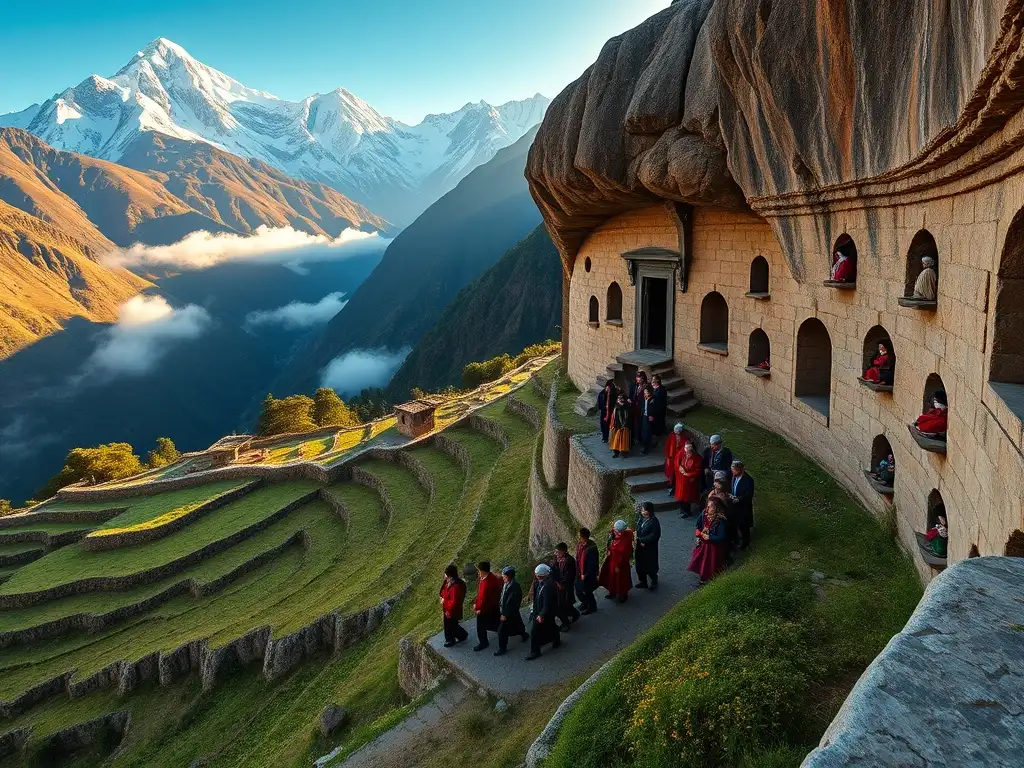
Step into a world lost to time, yet echoing with the power of ancient beliefs. Discover the intricate tapestry of Andean civilization, where reverence for ancestors wasn't merely a ritual, but the very foundation of their society. How did the profound practice of Andean ancestor veneration shape their social structures, their monumental achievements, and even their understanding of the cosmos? Explore the fascinating connection between Andean ancestor veneration and its profound social impact – a journey into a captivating past that will leave you pondering its lasting legacy.
Ancestor veneration was not merely a religious practice in Andean civilizations; it was deeply interwoven with the fabric of their social structures, political systems, and daily lives. This article explores the profound impact of ancestor worship on Andean societies, examining how beliefs about the afterlife and the continued influence of deceased relatives shaped social hierarchies, political power, and even agricultural practices.
We will delve into the specific ways in which the reverence for ancestors manifested in different Andean cultures, from the Incas to the Moche, highlighting the key beliefs and rituals that cemented this powerful connection between the living and the dead. Understanding this intricate relationship provides crucial insight into the complexities and resilience of these remarkable civilizations, shedding light on the enduring legacy of Andean cosmology and worldview.
The impact of Andean ancestor veneration on their social structures is a rich area of study that continues to fascinate and inform our understanding of these ancient societies. This exploration will analyze the ways in which ancestor veneration impacted social hierarchy, political power, and the daily lives of Andean people.
Introduction: Understanding Andean Ancestor Worship and Society
Andean ancestor veneration wasn't a simple act of remembrance; it was a complex system of beliefs and practices that profoundly influenced social structures. The belief in the continued existence and influence of ancestors permeated all aspects of Andean life, from daily routines to major political decisions. The living believed that their ancestors, particularly those considered mallki (sacred ancestors), held significant power and could influence harvests, health, and even the success of military campaigns.
This belief system fostered a strong sense of community and lineage, where respect for elders and adherence to ancestral traditions were paramount. The social hierarchy was often intertwined with ancestral lineage, with claims to prestigious ancestry bolstering political authority and social standing. This section will lay the groundwork for understanding the fundamental principles of Andean ancestor worship and its pervasive influence on society.
The Foundations of Andean Belief in Ancestral Spirits
The Andean worldview encompassed a profound belief in the continuity between the living and the dead. Death was not seen as an absolute end, but rather a transition to a different realm of existence where ancestors continued to interact with the living world. This belief was deeply rooted in their cosmology, which viewed the world as interconnected and animated by spiritual forces.
The concept of Pachamama (Mother Earth) further emphasized the interconnectedness of all living beings, including ancestors who were believed to reside within the earth and influence its fertility. This intimate relationship with the land and its spiritual energies solidified the importance of ancestor veneration, as it was believed that their continued well-being was essential for the prosperity of the community.
The Concept of Mallki: The Sacred Ancestors
The term mallki refers to particularly revered ancestors, often founders of lineages or individuals who had achieved exceptional status during their lifetime. These mallki were not simply remembered; they were actively worshipped and considered powerful intermediaries between the living and the supernatural realm. Their tombs were often elaborate and served as focal points for rituals and offerings. The mallki were believed to possess the ability to grant blessings, protect their descendants, and even intervene in earthly affairs.
The social standing of a family or lineage was often directly related to the number and prestige of its mallki ancestors. This created a complex system of social stratification, where access to ancestral power and prestige determined one's place within society. The power of mallki ancestors provided a powerful incentive for maintaining familial connections and honoring ancestral traditions.
The Role of Huacas in Connecting with Ancestors
Huacas were sacred places or objects believed to possess spiritual power. These could range from mountains and springs to artifacts and mummies. Many huacas were associated with ancestors, serving as points of contact between the living and the spirit world.
Rituals and offerings were performed at huacas to appease ancestors, request their favor, or commemorate significant events. The importance of huacas in Andean society highlights the deep integration of ancestor veneration into the everyday lives of the people. The maintenance and veneration of these sacred sites reinforced social bonds and ensured the continued connection with the ancestral realm, thereby influencing the social and political landscape.
Andean Cosmovision and the Afterlife
The Andean understanding of the afterlife profoundly impacted their social structures. The belief that ancestors continued to exist and exert influence on the living world fostered a deep respect for elders and a strong emphasis on lineage. The cyclical nature of Andean cosmology, with its emphasis on regeneration and renewal, further reinforced the importance of ancestor veneration. Death was not seen as a definitive end, but as a transition to a different state of being, where ancestors continued to play an active role in the lives of their descendants.
This perspective shaped social interactions, political alliances, and the overall organization of Andean society. The belief in a continuous connection with the ancestors provided a powerful framework for social cohesion and stability. 🎉
Ancestor veneration profoundly shaped the social fabric of Andean communities, impacting everything from daily life to political structures. The belief that ancestors remained active participants in the lives of the living fostered a strong sense of continuity and collective identity. This wasn't merely a spiritual practice; it was a deeply ingrained social mechanism that reinforced social hierarchies, governed land ownership, and dictated ritual practices.
The constant interaction with the ancestral world, through offerings, rituals, and the maintenance of ancestral sites, created a powerful social glue that bound communities together across generations. The weight of ancestral legacy influenced decision-making at all levels, from individual choices to matters of governance and conflict resolution.
Ignoring ancestral wishes or neglecting ancestral sites was considered a grave offense, demonstrating the pervasive nature of this belief system's influence on Andean society. The social impact of ancestor veneration was, in essence, a pervasive and structuring force in Andean life.
Lineage and Social Organization: The Influence of Ancestral Descent
In many Andean societies, lineage and ancestral descent were central to social organization. Individuals derived their social standing and rights not only from their immediate family but also from their connection to a long line of ancestors. Elite lineages traced their ancestry back to powerful figures, often mythical founders or deified ancestors, legitimizing their claim to power and influence.
This system created a hierarchical social structure where prestige and authority were directly linked to ancestral pedigree. Maintaining detailed genealogical records, often through oral traditions and meticulously kept quipus (knotted strings used for record-keeping), was crucial for establishing and upholding social hierarchies. The further back one could trace their ancestry, the more prestigious their position within society.
This emphasis on lineage fostered strong family bonds and a sense of collective responsibility for upholding the honor and legacy of the family's ancestors. Disputes over lineage and inheritance were common, highlighting the significant social and political implications of ancestral connections.
Inheritance and Land Rights: Tracing Ancestry in Andean Societies
Ancestor veneration was inextricably linked to land ownership and inheritance practices in Andean societies. Land wasn't simply a commodity; it was often considered an ancestral inheritance, passed down through generations and intimately connected to the spirits of past kin. The right to cultivate specific lands was frequently tied to demonstrable ancestral claims, with lineages possessing detailed knowledge of their ancestral ties to particular plots.
This system ensured the continuity of land use and prevented arbitrary appropriation. The maintenance of ancestral sites, such as burial grounds or sacred places, was often a prerequisite for continued access to the land, demonstrating the sacred connection between the living, the land, and the ancestors.
Disputes over land ownership often involved appeals to ancestral authority, with lineages presenting evidence of their historical connection to the land to support their claims. Thus, ancestor veneration played a crucial role in regulating land use and maintaining social order within Andean communities.
The Importance of Ancestral Rituals in Social Cohesion
Ancestral rituals were crucial for maintaining social cohesion in Andean communities. These rituals, often elaborate and community-wide events, served as important social gatherings that reinforced group identity and strengthened social bonds. Participation in these rituals affirmed an individual's place within the community and their connection to the ancestral lineage. The rituals themselves, which might involve offerings, feasts, dances, and processions, served as powerful reminders of the shared history and collective identity of the community.
The shared experience of these rituals fostered a sense of unity and solidarity among community members. Neglecting ancestral rituals was seen as a threat to the well-being of the community and could lead to social sanctions. The importance of these rituals underscore the powerful role of ancestor veneration in shaping social harmony and stability in Andean societies.
Specific Examples of Ancestor Veneration in Andean Cultures
The practices of ancestor veneration varied among different Andean cultures, reflecting unique beliefs and social structures. However, the underlying principle – maintaining a vital connection with past generations – remained consistent. Examining specific examples reveals the diversity and complexity of these practices and their impact on social organization.
Inca Ancestor Worship: Practices and Royal Lineage
Inca ancestor worship was deeply intertwined with the legitimacy of the imperial power. The Inca emperor was considered a descendant of the sun god Inti, and his lineage was meticulously traced back to mythical founders. The royal ancestors were venerated in elaborate ceremonies and their mummies were kept in special temples where they received offerings and homage. The Inca elite also maintained their own ancestral cults, further reinforcing their social standing.
The Inca state controlled and managed these cults, using them to solidify their control and maintain social order. The elaborate rituals and offerings to the royal ancestors served to reinforce the authority of the Inca rulers and their claim to legitimacy. The preservation of royal mummies was a crucial aspect of ancestor veneration, as the mummies were believed to retain the power and influence of their deceased owners.
Moche Ancestral Cults: Evidence from Archaeological Findings
Archaeological evidence suggests that the Moche civilization, known for its sophisticated art and elaborate burial practices, practiced complex ancestral cults. Their elaborate tombs, often filled with rich grave goods, suggest a belief in the continued existence and influence of the deceased. The Moche also constructed monumental structures, such as pyramids, that may have served as places of ancestor veneration.
Representations of ancestors and ancestral figures frequently appear in Moche pottery and other artifacts, indicating the importance of these figures in their worldview. The sheer scale of their burial practices and the elaborate nature of their grave goods highlight the significant resources invested in ancestor veneration, demonstrating its importance in Moche society. Further research into Moche sites continues to uncover more details about their ancestral cults and their social significance.
Tiwanaku and the Significance of Ancestral Remains
The Tiwanaku culture, located on the shores of Lake Titicaca, also placed great importance on ancestor veneration. Their monumental architecture, including the famous Akapana pyramid, likely served a crucial role in ancestral rituals. The careful treatment of human remains found in Tiwanaku sites suggests a belief in the continued power of the deceased.
The specific rituals and practices associated with Tiwanaku ancestor veneration are still being investigated, but it is clear that the veneration of ancestors played a central role in their social and religious life. The careful preservation and arrangement of ancestral remains in their monumental structures demonstrate the importance of the ancestors in the social and religious life of Tiwanaku. Further research is needed to fully elucidate the complexities of Tiwanaku ancestor veneration practices.
Nazca Lines and Their Possible Connection to Ancestor Veneration
The enigmatic Nazca Lines, giant geoglyphs etched into the desert landscape, have been the subject of much speculation. While their precise purpose remains debated, some scholars suggest a possible connection to ancestor veneration. The lines might have served as pathways for ritual processions or as visual representations of ancestral figures or constellations, connecting the living with the spirit world.
The sheer scale and precision of the lines suggest a significant investment of time and labor, implying their importance in Nazca society. Although a direct link to ancestor veneration hasn't been definitively established, the context of other Nazca practices, such as their elaborate burial rituals, suggests the possibility of a connection. Further research may reveal more about the potential links between the Nazca Lines and their beliefs about the afterlife and their ancestors.
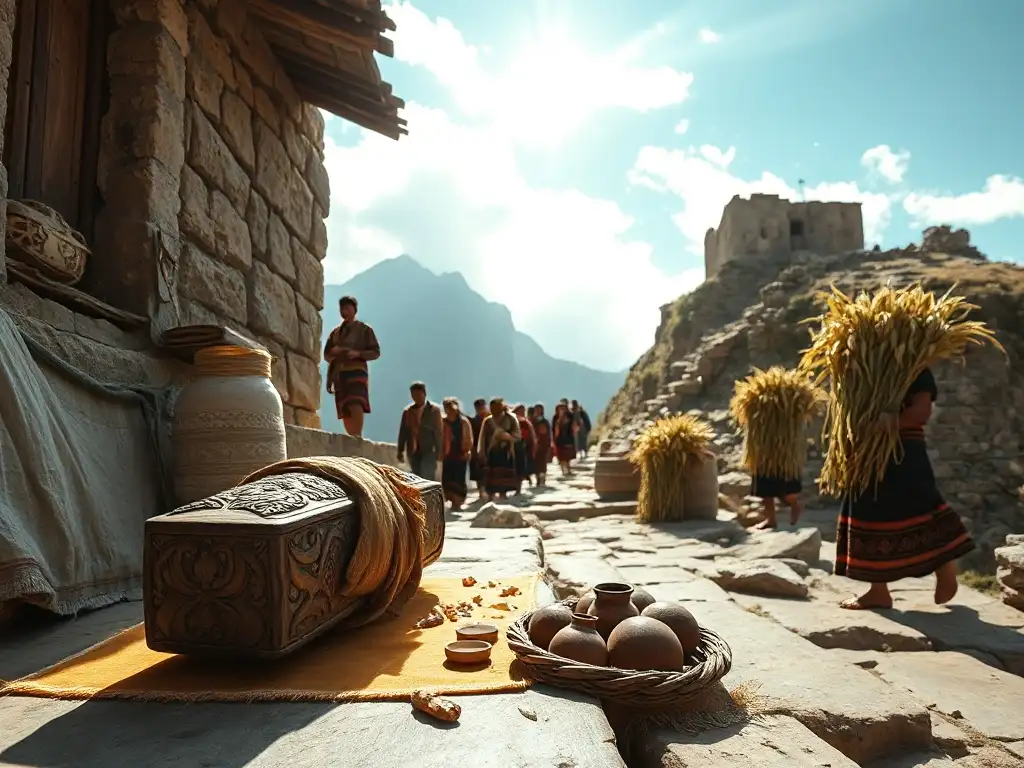
Ancestor veneration profoundly shaped the social fabric of Andean societies, influencing roles and hierarchies in intricate ways. The belief that ancestors continued to exert influence on the living world established a powerful link between the past, present, and future. This wasn't merely a spiritual belief; it directly impacted social organization and power structures. The deceased, particularly those deemed powerful or influential during their lifetimes, retained a significant presence in the lives of their descendants.
Their continued influence justified existing social hierarchies and provided a framework for maintaining social order. This system wasn't static; it evolved and adapted over time, reflecting the dynamism of Andean civilizations. The importance placed on lineage and ancestral heritage cemented the positions of certain families and clans within the broader society, often leading to the concentration of power and resources.
The Role of Elders and Lineage Leaders
Elders played a pivotal role in Andean societies, acting as custodians of ancestral knowledge and traditions. Their wisdom, acquired through years of experience and connection to the past, was highly valued. They weren't just respected for their age; they were seen as intermediaries between the living and the spirit world, possessing the authority to interpret ancestral wishes and guide community decisions.
Lineage leaders, often the oldest and most respected members of a family or clan, held significant authority, their positions legitimized by their connection to powerful ancestors. These leaders oversaw the performance of rituals, managed resources, and resolved conflicts within their communities.
The respect afforded to elders wasn't simply a matter of courtesy; it was a fundamental aspect of maintaining social cohesion and ensuring the continuity of ancestral traditions. Challenging an elder's authority was tantamount to challenging the authority of the ancestors themselves, a deeply disrespectful act with potentially severe consequences.
The Impact of Ancestral Status on Social Rank
Ancestral status significantly influenced social standing in Andean societies. Individuals who could trace their lineage back to powerful or revered ancestors enjoyed elevated social positions, often inheriting privileges and resources. This created a system where social rank wasn't solely determined by individual merit but also by the perceived power and prestige of one's ancestors. The accumulation of ancestral prestige over generations could lead to the establishment of powerful lineages and dynasties.
This system, however, wasn't entirely rigid; individuals could enhance their status through acts of piety, devotion to ancestral veneration, and contributions to the community. However, the initial advantage conferred by a prestigious lineage undeniably played a significant role in determining an individual's social mobility and opportunities. This created a complex interplay between inherited status and personal achievement.
Ancestor Veneration and Political Authority in Andean Societies
Ancestor veneration was inextricably linked to political authority in many Andean societies. Rulers often legitimized their power by claiming descent from powerful ancestors, thereby connecting themselves to a divine or semi-divine lineage. This created a powerful symbolic link between the ruler and the spiritual realm, enhancing their authority and reinforcing their legitimacy in the eyes of their subjects.
The performance of elaborate rituals and ceremonies honoring ancestors served to consolidate political power and maintain social order. These rituals weren't merely symbolic; they were integral to the political landscape, demonstrating the ruler's connection to the past and his ability to maintain the balance between the living and the spirit world. The construction of monumental architecture, such as mausoleums and temples dedicated to ancestors, served as powerful symbols of political authority and the ruler's control over resources and labor.
The Continuity of Ancestor Veneration in Contemporary Andean Communities
Despite centuries of colonial influence and the introduction of new religious beliefs, ancestor veneration persists in many contemporary Andean communities. While the forms of expression may have evolved, the fundamental beliefs and practices have endured, demonstrating the resilience of Andean traditions. The continuity of these traditions highlights the deep-rooted significance of ancestral connections within Andean cultures.
Modern Practices and Adaptations of Ancestral Beliefs
Modern Andean communities continue to honor their ancestors through a variety of practices, many of which blend traditional beliefs with elements of Catholicism and other introduced religions. These practices often involve offerings of food, drink, and other gifts at ancestral sites, as well as the performance of rituals and ceremonies intended to maintain a connection with the spirit world. The specific practices vary significantly depending on the community and the specific ancestral traditions being honored, showcasing the diversity of Andean cultures.
However, the underlying theme of maintaining a connection with the past and seeking guidance from ancestors remains consistent across many communities. The adaptation of traditions reflects the dynamism of Andean cultures and their ability to integrate new influences while retaining core beliefs.
The Syncretism of Andean Traditions and Christianity
The arrival of Christianity in the Andes led to a fascinating syncretism between traditional Andean beliefs and Christian practices. Many contemporary Andean communities have integrated elements of both belief systems, resulting in unique expressions of faith that blend traditional ancestor veneration with Christian rituals and iconography. This syncretism is not a simple juxtaposition of two separate systems; it represents a complex interplay between the old and the new, where traditional beliefs have been adapted and reinterpreted within a Christian framework.
This underscores the flexibility and adaptability of Andean religious traditions. The blending of these beliefs is evident in various rituals and ceremonies, where traditional practices are interwoven with Christian elements, creating a vibrant and unique cultural landscape.
The Resilience of Andean Ancestral Practices
The persistence of ancestor veneration in contemporary Andean communities demonstrates the resilience of these traditions. Despite pressures to assimilate into dominant cultures and the introduction of new religious beliefs, the fundamental practices and beliefs associated with ancestor veneration have endured, often adapting and evolving in response to changing circumstances. This resilience highlights the profound importance of these traditions in shaping Andean identities and maintaining a connection to the past.
The continued practice of these traditions speaks to their vital role in community cohesion, social order, and the transmission of cultural knowledge across generations. The enduring legacy of Andean ancestor veneration underscores its deep-rooted significance and lasting impact on Andean cultures.
Ancestor veneration profoundly shaped the social fabric of Andean civilizations. Its influence extended far beyond simple ritualistic practices; it permeated every aspect of daily life, from political structures to agricultural practices. The reverence for ancestors provided a powerful unifying force, binding communities together through shared lineage and a collective responsibility to honor the past.
This system fostered social stability and continuity across generations, ensuring the transmission of vital knowledge and traditions. The intricate social hierarchies, often justified through claims of ancestral lineage and divine right, were directly linked to the beliefs surrounding ancestor veneration. The elaborate funerary rituals and the construction of monumental mausoleums and cemeteries, such as those found at Sipán and the impressive sites associated with the Wari culture, stand as powerful testaments to the centrality of ancestor veneration in Andean societies.
The meticulous preservation of ancestral remains and the offerings made to them highlight the enduring importance placed on maintaining a connection with the deceased. Without a thorough understanding of ancestor veneration, it is impossible to fully grasp the complexities of Andean social structures and their remarkable achievements.
The Enduring Influence of Ancestral Beliefs on Andean Society
Even today, the legacy of Andean ancestor veneration continues to resonate within contemporary Andean communities. While the specific practices may have evolved, the underlying principles of respect for elders, reverence for the past, and a strong sense of community remain deeply ingrained in the cultural identity of many Andean peoples. Traditional practices such as pago a la tierra (payment to the earth) and other rituals show the enduring connection between the living and their ancestors.
The strong family ties and communal support systems prevalent in many Andean communities are, at least in part, a reflection of the values instilled by generations of ancestor veneration. This continuity highlights the remarkable resilience of Andean cultural traditions and the enduring power of ancestral beliefs in shaping social structures and identities.
The preservation of indigenous languages, traditional crafts, and agricultural practices also demonstrates the enduring influence of these ancestral beliefs. The transmission of knowledge and skills across generations, often embedded within rituals and ceremonies, ensures the continuation of cultural practices deeply rooted in ancestor veneration.
The Preservation of Indigenous Knowledge through Ancestral Memory
Ancestor veneration served as a crucial mechanism for the preservation and transmission of knowledge within Andean societies. Oral traditions, meticulously passed down through generations, played a vital role in conveying essential information regarding agriculture, medicine, astronomy, and social customs. These traditions, often intertwined with stories and myths about ancestors, ensured that vital knowledge was not lost but rather continuously updated and adapted to changing circumstances.
The intricate systems of knotted strings, known as quipus, used by the Inca, demonstrate a sophisticated method of record-keeping that likely played a role in preserving ancestral knowledge and historical accounts. Furthermore, the construction of monumental sites and the careful curation of ancestral remains served as physical repositories of memory, reinforcing the importance of the past and its connection to the present.
This careful preservation of knowledge through generations demonstrates a sophisticated understanding of the importance of history and tradition in shaping the present and future of Andean cultures. The continued use of traditional agricultural techniques and medicinal plants, passed down through generations, speaks directly to the effectiveness of this system of knowledge transmission.
The Importance of Understanding Ancestral Beliefs in Contemporary Andean Identity
Understanding the significance of ancestor veneration is crucial for comprehending the complexities of contemporary Andean identities. The enduring influence of these beliefs continues to shape social structures, values, and cultural practices. The respect for elders, the emphasis on community, and the strong connection to the land are all deeply rooted in ancestral traditions.
Failing to acknowledge the profound impact of ancestor veneration leads to an incomplete and inaccurate understanding of Andean societies, both past and present. This understanding is essential not only for academics and historians but also for policy makers and community leaders seeking to promote sustainable development and cultural preservation in the Andean region.
By recognizing the importance of ancestral beliefs, we can foster a more respectful and inclusive approach to engaging with contemporary Andean communities and contributing to the preservation of their rich cultural heritage. The continued practice of traditional ceremonies and the preservation of ancestral languages are testaments to the living legacy of Andean ancestor veneration.
- Introduction: Understanding Andean Ancestor Worship and Society
- The Foundations of Andean Belief in Ancestral Spirits
- The Social Impact of Ancestor Veneration in Andean Communities
- Specific Examples of Ancestor Veneration in Andean Cultures
- How Andean Ancestor Veneration Shaped Social Roles and Hierarchy
- The Continuity of Ancestor Veneration in Contemporary Andean Communities
- Conclusion: Legacy of Andean Ancestor Veneration on Social Structure
- What role did ancestor veneration play in Andean societies?
- How did ancestor veneration impact Andean social hierarchy?
- What were some common practices associated with Andean ancestor veneration?
- How did ancestor veneration influence Andean art and architecture?
- What was the social impact of ancestor veneration on Andean warfare?
Frequently Asked Questions
What role did ancestor veneration play in Andean societies?
Ancestor veneration was central to Andean social structures. It reinforced social hierarchies, legitimized power, and guided daily life through rituals and offerings. It impacted everything from agriculture to warfare.
The lineage connected to powerful ancestors held significant social standing. Control over ancestral sites and rituals often translated into political authority. This created a strong link between ancestry and social status.
What were some common practices associated with Andean ancestor veneration?
Common practices included mummy preservation, the construction of elaborate tombs, and the offering of food, drink, and other valuable items to the deceased ancestors. These acts were believed to appease and maintain a connection with the ancestors.
How did ancestor veneration influence Andean art and architecture?
Many artistic expressions and architectural structures were directly related to ancestor veneration. Tombs were often grand and intricately designed, and artwork frequently depicted ancestors or scenes from their lives. This highlights the importance of ancestors in their worldview.
Ancestor veneration often legitimized warfare and justified expansion. Victories were attributed to ancestral support, and defeated enemies were sometimes treated as offerings to the ancestors. This created a deeply ingrained link between military success and ancestral approval.
Final Reflection: Echoes of the Ancestors: Shaping Andean Identity and Future
The enduring legacy of ancestor veneration in the Andes continues to profoundly shape social structures and cultural practices today. Its influence is not merely a historical footnote; it remains a vibrant force, weaving itself into the fabric of contemporary Andean life and offering valuable lessons for understanding community cohesion and cultural resilience.
The profound respect for ancestors, manifested in intricate rituals, vibrant celebrations, and the careful preservation of ancestral sites, underscores the deep-rooted connection between the living and the departed. This connection fosters a powerful sense of collective identity and shared history, binding generations together across time. The past is never dead. It's not even past.
– William Faulkner. This quote resonates deeply with the Andean worldview, where the ancestors are not simply remembered but actively participate in the present, influencing decisions and shaping the future. Their wisdom, struggles, and triumphs continue to inform the lives of their descendants, creating a dynamic interplay between past, present, and future.
Consider the ways in which ancestor veneration has impacted your own life, even indirectly. Perhaps you value family traditions, honor the memory of loved ones, or find strength in the legacy of your heritage. Embrace the opportunity to explore your own connection to the past, to learn from the wisdom of those who came before, and to build a future informed by their experiences. Let the echoes of the ancestors guide you, inspiring you to create a society that values community, respects tradition, and honors the enduring power of shared heritage.
Embrace Your Heritage and Strengthen Community Bonds!
Thank you for exploring the profound influence of ancestor veneration on Andean society. Understanding our roots enriches our lives and strengthens our communities.
Let's put this knowledge into action! Here are some ways to celebrate and honor your ancestors:
- Create a Family Tree: Research your family history and share your discoveries with loved ones. This keeps traditions alive and sparks conversations about your heritage.
- Organize or Participate in a Community Event: Share stories about your ancestors with others. These shared experiences build stronger community bonds across generations.
- Start a Blog or Journal: Document your heritage and share your insights about ancestor veneration. Inspire others to explore their own family histories.
How do you honor your ancestors, and how does this practice strengthen your community?