
The Art of the Artisan: Unveiling the Trade of Crafts in Ancient Andean Societies

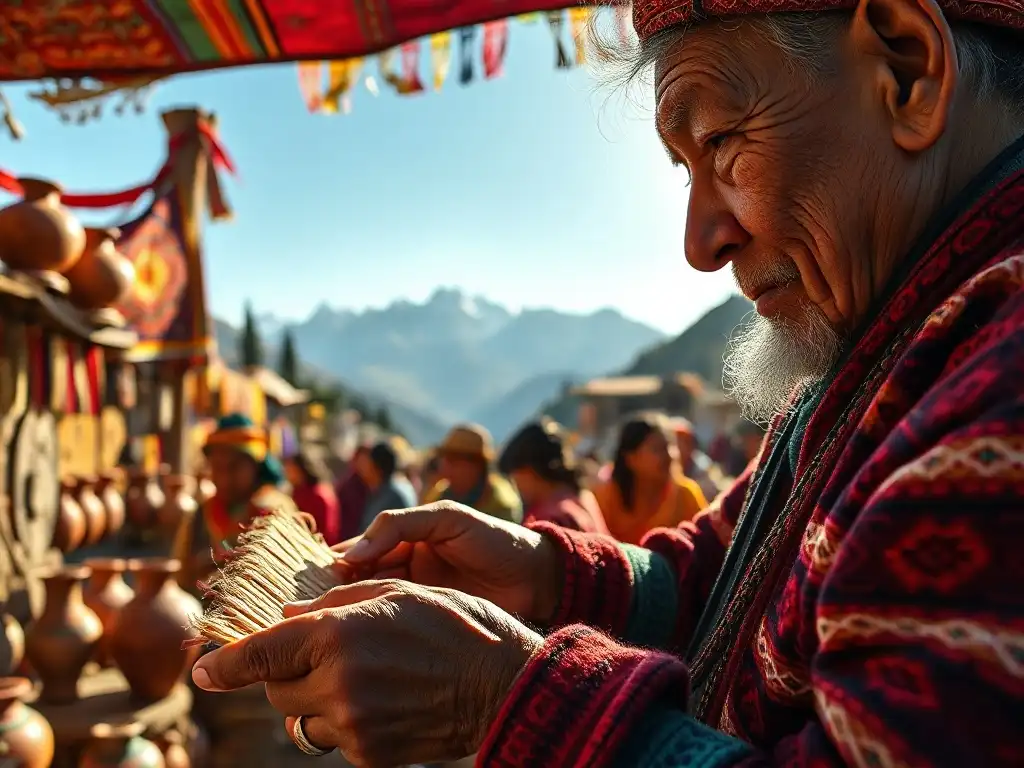
Welcome to Andean Civilizations, where the echoes of a lost world whisper tales of ingenuity and artistry. Prepare to be captivated by the intricate tapestry of Andean history, culture, and technology, as we delve into the fascinating world of Ancient Andean craft trade practices. Discover how these skilled artisans shaped empires and left behind a legacy of breathtaking craftsmanship. Unravel the secrets of their vibrant trade routes and the ingenious techniques that defined their remarkable achievements—a journey into a past richer and more complex than you ever imagined awaits.
The vibrant tapestry of ancient Andean civilizations wasn't woven solely from political power and agricultural prowess; it was intricately embroidered with the threads of skilled craftsmanship and extensive trade networks. This article delves into the fascinating world of ancient Andean craft trade practices, exploring the production, distribution, and significance of artisan goods within the complex economies of societies like the Inca, Moche, Nazca, and Tiahuanaco.
We will uncover the remarkable artistry, ingenuity, and sophisticated systems that facilitated the exchange of these valuable commodities across vast distances, shaping cultural exchange and economic prosperity in the Andes. Understanding the intricacies of this ancient craft trade provides crucial insight into the social structures, religious beliefs, and overall development of these remarkable civilizations.
We will examine not only what was traded but also how these goods moved, who controlled the trade, and the cultural implications of this vital economic activity. Prepare to be amazed by the ingenuity and artistry of these ancient Andean artisans and the far-reaching impact of their craft.
Introduction to Ancient Andean Craftsmanship and Trade
Ancient Andean societies were renowned for their exceptional craftsmanship. From intricately woven textiles and meticulously crafted pottery to finely worked gold and silver objects, the artisans of these cultures demonstrated remarkable skill and artistry. These crafts weren't merely decorative; they held significant social, religious, and economic value. The production of these goods often involved specialized labor, with artisans developing unique techniques and styles passed down through generations.
The trade of these crafts played a crucial role in the Andean economy, connecting different regions and fostering cultural exchange. Evidence suggests sophisticated systems of exchange, including barter and potentially early forms of currency, facilitated the movement of goods across vast distances, sometimes even over mountain ranges and across deserts. The scale and organization of this trade highlight the advanced social and economic structures of these ancient societies.
The types of goods traded varied significantly depending on the region and the specific civilization, reflecting both local specialization and broader inter-regional connections. For example, coastal communities might have specialized in fishing and the production of shell ornaments, while highland communities focused on agriculture and textile production. This specialization fostered interdependence and encouraged trade between different regions.
The Significance of Craft Production in Andean Economies
The production and trade of crafts were not peripheral activities in ancient Andean economies; they formed a cornerstone of their prosperity and social stability. The economic significance of craft production is evident in several aspects. First, it provided employment for a significant portion of the population, supporting entire communities dedicated to specific crafts. Secondly, craft production generated substantial wealth, enriching both individual artisans and the ruling elites who often controlled the distribution of valuable goods.
Thirdly, the trade in crafts facilitated the exchange of vital resources and goods between different regions, fostering economic interdependence and reducing the risk of localized shortages. The control over key resources and trade routes often translated into political power, with rulers and elites leveraging their influence over craft production and trade to consolidate and maintain their authority. Furthermore, the distribution of craft goods was not purely economic; it played a crucial role in social and political interactions, with gifts and tribute being used to forge alliances, express religious devotion, and solidify power structures.
The study of ancient Andean craft trade practices allows us to gain a deeper understanding of the complex interplay between economics, politics, and religion in these fascinating societies. More research is needed to fully quantify the economic impact of specific craft production types, but existing archaeological evidence strongly suggests its centrality to Andean economic systems. The sheer volume and variety of artifacts recovered from various sites across the Andes stand as a testament to the scale and importance of craft production and trade in these ancient civilizations.
- Introduction to Ancient Andean Craftsmanship and Trade
- The Significance of Craft Production in Andean Economies
- What role did craft specialization play in Ancient Andean societies?
- How did ancient Andean artisans transport their goods over long distances?
- What types of goods were commonly traded in the Ancient Andean region?
- How did ancient Andean civilizations ensure fair trade practices?
- What impact did the Spanish Conquest have on Ancient Andean craft traditions?
Major Craft Industries and Their Trade Networks
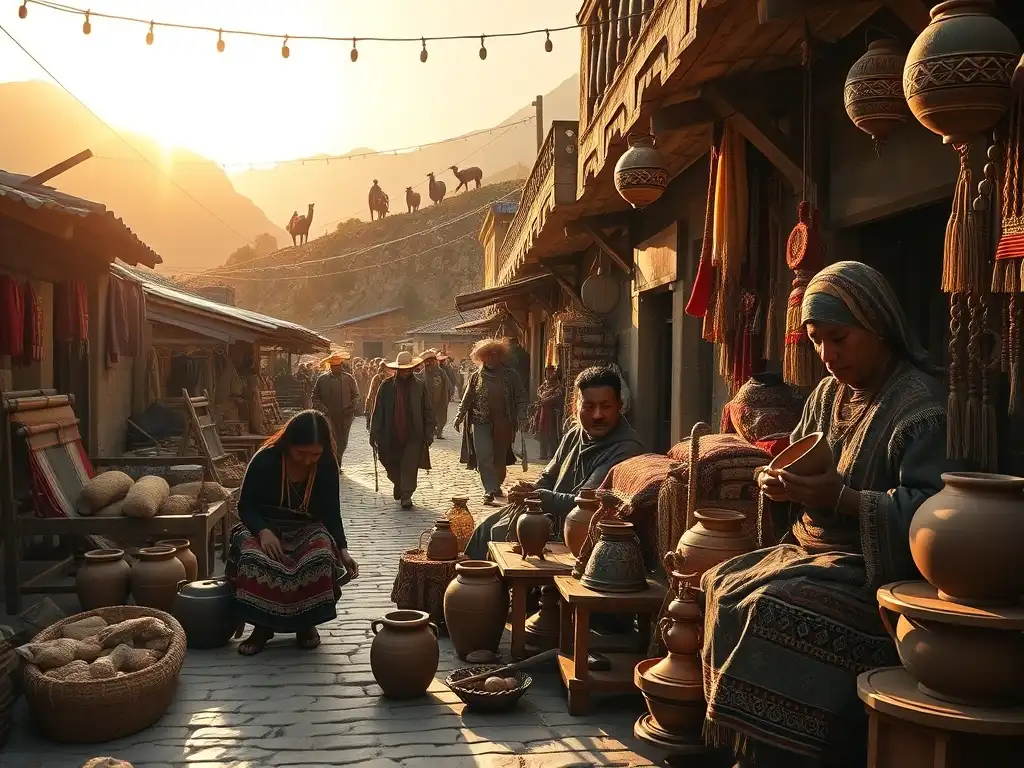
The vibrant economies of ancient Andean societies were significantly shaped by sophisticated craft production and extensive trade networks. These networks, often spanning vast distances across challenging terrains, facilitated the exchange of not only essential goods but also luxury items reflecting the artistic prowess and technological advancements of the time. Understanding the intricacies of these ancient Andean craft trade practices reveals a complex interplay of economic, social, and political factors that contributed to the rise and fall of various Andean civilizations.
The scale and organization of these trade networks, especially considering the lack of wheeled vehicles, remain a testament to the ingenuity and organizational capabilities of these ancient peoples. Analyzing the distribution of craft goods reveals crucial insights into social hierarchies, religious beliefs, and the overall economic structure of these fascinating societies.
Textile Production: A Cornerstone of Ancient Andean Economies
Textile production constituted a cornerstone of ancient Andean economies, with weaving techniques and materials varying considerably across different regions and time periods. The sheer volume of textiles discovered in archaeological sites underscores their importance in daily life and ritual practices. From simple utilitarian cloths to intricately designed garments and ceremonial textiles, these fabrics served diverse purposes. The quality and artistry of Andean textiles were renowned, influencing trade routes and economic interactions across the Andes.
Weaving Techniques and Materials in Pre-Inca Societies
Pre-Inca societies like the Nazca and Paracas developed remarkably advanced weaving techniques. They employed diverse materials, including cotton, camelid fibers (alpaca, llama, vicuña), and even feathers, to produce textiles of exceptional quality. The Paracas culture, for example, is known for its complex tapestry weaving, often incorporating intricate designs and vibrant colors. These techniques required specialized skills and knowledge, passed down through generations of artisans.
Evidence suggests the existence of specialized workshops or production centers where skilled weavers collaborated on large-scale projects. The detailed iconography woven into these textiles provides valuable information about their religious beliefs, social structures, and daily life. The mastery of these weaving techniques directly impacted their trade capabilities, enabling them to exchange high-value textiles for other desired goods.
Trade of Fine Textiles and Ritual Cloths
Fine textiles, particularly those adorned with elaborate designs and using rare materials like vicuña wool, were highly valued trade goods. These luxury items often served ceremonial purposes, highlighting the social status of their owners. The distribution of these textiles across vast distances indicates the existence of well-established trade routes, possibly facilitated by specialized merchants or intermediaries.
The presence of similar textile styles in geographically distant regions suggests the exchange of ideas and techniques alongside the goods themselves, further enriching the cultural exchange within the Andean craft trade practices. Analyzing the chemical composition of dyes used in these textiles can help trace their origins and shed light on the trade routes they travelled.
Pottery and Ceramics: Function and Artistic Expression
Pottery and ceramics played a crucial role in ancient Andean societies, serving both functional and artistic purposes. From simple cooking pots to intricately decorated vessels used in rituals, ceramics were integral to daily life and religious practices. The diversity of ceramic styles across different regions reflects the unique artistic traditions and technological advancements of each culture. Analyzing the distribution of ceramics helps us understand the extent and nature of trade networks connecting different Andean communities.
Regional Styles and Ceramic Trade Routes
The Moche culture, for instance, is renowned for its highly sophisticated pottery, characterized by its realistic depictions of humans, animals, and mythical creatures. Their distinctive ceramic styles, often incorporating vibrant colors and intricate details, facilitated the identification of specific regional productions. The presence of Moche pottery in sites far from their core territory indicates extensive trade networks that connected coastal and highland communities.
Similarly, the Nazca culture is known for its polychrome pottery, characterized by its finely detailed painted designs. The distribution of these ceramics provides further evidence of the extensive trade networks that connected different regions of the Andean world. Analyzing the chemical composition of the clay used in pottery can help pinpoint the origin of specific vessels and reconstruct ancient trade routes.
The Role of Ceramics in Daily Life and Rituals
Ceramics were not merely functional objects; they also served important ritual and symbolic purposes. Certain types of vessels were specifically designed for religious ceremonies, while others were used in funerary contexts. The iconography found on many ceramic pieces provides valuable insights into the religious beliefs and worldview of ancient Andean peoples.
The production and exchange of these ceremonial ceramics further strengthened social bonds and facilitated communication across different communities. The careful study of these ceramics reveals crucial information about their social and ritual contexts, enhancing our understanding of the complex interplay between craft production, trade, and religious practices within the broader framework of Ancient Andean craft trade practices.
The mastery of metalworking in the Andes stands as a testament to the ingenuity and artistry of ancient Andean civilizations. The ability to extract, refine, and shape metals like gold, silver, copper, and bronze was not merely a technological achievement; it was deeply intertwined with social structures, religious beliefs, and power dynamics. The presence of precious metal artifacts often signified high social standing, reflecting the wealth and influence of their owners.
Elaborate gold and silver objects, intricately crafted tools, and prestigious weaponry served as powerful symbols of authority and prestige, reinforcing the hierarchical nature of Andean societies. The control and distribution of these valuable resources were likely managed by elites, solidifying their control over the economy and society.
The sheer artistry and craftsmanship evident in these pieces showcase the advanced metallurgical techniques developed over centuries, a process passed down through generations of skilled artisans. This wasn't just about creating beautiful objects; it was about forging identities and consolidating power.
Extraction and Processing of Metals in the Andes
The extraction and processing of metals in the Andes involved complex and sophisticated techniques, showcasing the advanced understanding of metallurgy possessed by these ancient societies. Evidence suggests that Andean metallurgists were adept at mining various ores, often located in high-altitude regions, requiring significant effort and organization. The methods employed for extracting metals varied depending on the ore and the available technology.
For example, the extraction of copper likely involved smelting techniques, heating the ore in furnaces to separate the metal from impurities. Gold, often found in alluvial deposits, may have been obtained through panning or other methods of separating the heavier gold particles from lighter materials. The refinement of metals involved further processes to remove impurities and achieve a higher level of purity.
These techniques, often shrouded in secrecy and passed down through families, demonstrate the high level of skill and knowledge necessary for successful metalworking. The organization required to support these mining operations, from labor to transportation of materials, highlights the sophisticated level of societal organization within these ancient Andean communities.
Crafting of Jewelry and Ornaments for Elites
The creation of jewelry and ornaments in ancient Andean societies was not just a craft; it was an art form reserved largely for the elite. Gold, silver, and other precious metals were meticulously shaped into intricate designs, often depicting mythological figures, animals, or symbols of power and status.
These objects were not only visually stunning but also served as powerful symbols of social rank and religious significance. The techniques used in crafting these pieces, such as hammering, casting, repoussé (hammering from the back to create raised designs), and filigree (fine wirework), demonstrate a remarkable level of skill and precision.
The intricate details and the sheer artistry displayed in these artifacts reflect the high level of artistic talent within Andean societies and the importance placed on these objects as markers of elite status. The sheer weight and quantity of precious metals used in some of these pieces are also testament to the wealth and power of those who commissioned them.
Trade in Metal Artifacts and Tools
The trade in metal artifacts and tools extended far beyond the immediate vicinity of production centers, indicating established trade networks that connected different regions of the Andes. The distribution of metal objects, especially those made of precious metals like gold and silver, suggests the existence of well-defined trade routes and the involvement of specialized merchants or intermediaries.
The presence of similar metalworking styles across geographically distant locations further supports the idea of widespread trade and cultural exchange. These trade networks facilitated the movement of not only finished products but also raw materials and specialized knowledge, contributing to the development and dissemination of metallurgical techniques throughout the Andes.
The analysis of metal artifacts found in archaeological sites can help reconstruct these trade routes and shed light on the economic and social dynamics of ancient Andean societies. The trade in these goods was not merely economic; it was a crucial element in maintaining social and political relationships across vast distances.
Ancient Andean Craft Trade Practices: Regional Specialization and Exchange
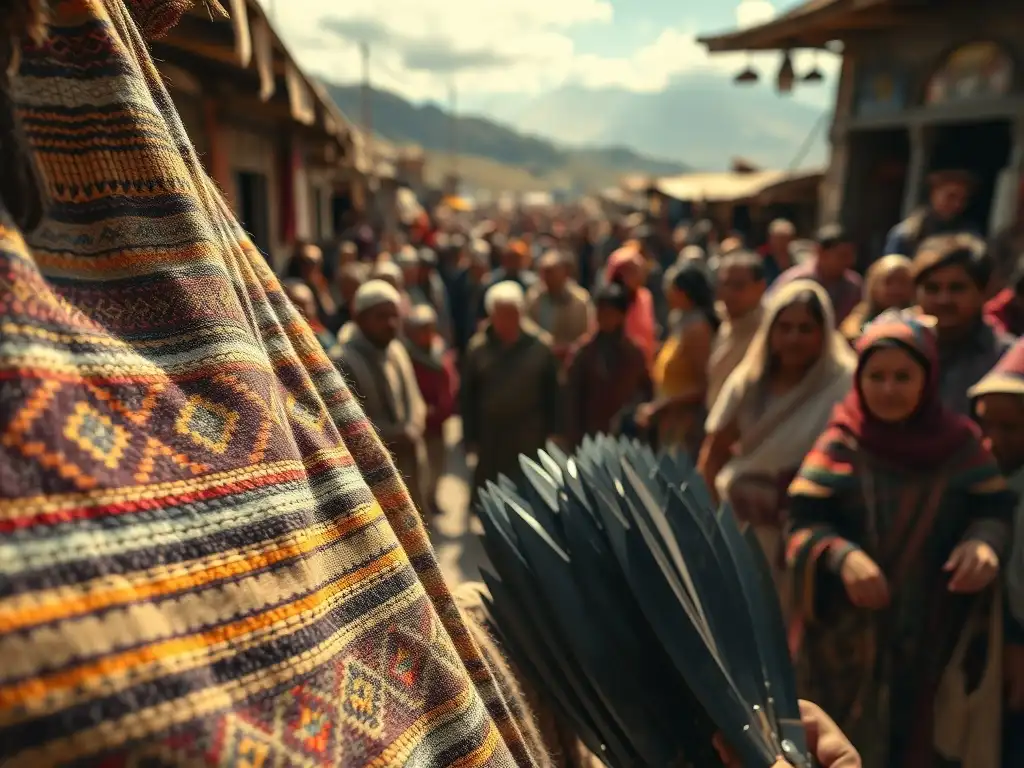
The vibrant tapestry of Ancient Andean societies was intricately woven with threads of specialized craftsmanship and extensive trade networks. Understanding the intricacies of their craft trade practices reveals a sophisticated system of production, exchange, and distribution, far exceeding simplistic notions of barter. This section delves into the regional specialization that characterized Andean craft production and the mechanisms driving inter-regional exchange, highlighting the sophistication of their economic systems. The term "Ancient Andean craft trade practices" itself encompasses a vast array of activities, from the creation of exquisite textiles to the meticulous construction of monumental architecture.
Specialized Craft Centers and Workshops
Identifying Areas of Excellence in Specific Crafts
Evidence suggests a high degree of regional specialization in Andean craft production. For example, the Nazca culture, renowned for their intricate geoglyphs, also displayed exceptional skill in textile production, particularly in the creation of complex polychrome weavings. Conversely, the Moche were masters of metalworking, creating intricate gold and silver artifacts, while the Tiwanaku excelled in monumental stone architecture and ceramic production.
These regional specializations weren't arbitrary; they were likely influenced by access to specific raw materials, unique artistic traditions, and established skill sets passed down through generations. Detailed archaeological studies of workshops and settlements reveal specialized tool kits and unique stylistic elements, further supporting the existence of craft centers dedicated to specific goods. For example, analysis of [specific archaeological site pending] has unearthed evidence of specialized workshops for ceramic production, indicating a high degree of skill and division of labor.
The Impact of Specialization on Production and Trade
The specialization of craft production had a profound impact on both the scale and nature of Andean trade. By focusing on specific crafts, artisans could achieve higher levels of skill and efficiency, leading to increased production and the creation of higher-quality goods. This, in turn, fueled demand both within the region and beyond, creating the impetus for wider trade networks.
The increased efficiency also allowed for the creation of surplus goods, which could then be traded for other necessities or luxury items. This surplus production and the development of specialized craft centers fueled the growth of inter-regional trade and the exchange of goods and ideas across vast geographical distances. Analysis of trade routes and the distribution of artifacts indicates a sophisticated understanding of supply and demand, showcasing a nuanced economic system.
Barter Systems and Trade Relationships
Mechanisms of Exchange in Ancient Andean Societies
While the specifics of Ancient Andean exchange systems remain partially obscured by time, evidence suggests a complex interplay of barter, tribute, and perhaps even nascent forms of currency. The notion of a purely barter system is overly simplistic; the relationships between different Andean communities were nuanced and often involved reciprocal exchange of goods and services. Archaeological findings reveal elaborate systems of record-keeping, possibly indicating the tracking of goods and services exchanged.
While direct evidence of a centralized monetary system is lacking, the standardization of certain goods, like certain types of textiles or ceramics, may have served as a quasi-currency, facilitating transactions. The scale and organization of trade networks point to a level of sophistication suggesting more than simple bartering.
The Role of Inter-Regional Trade Fairs
Evidence suggests the existence of periodic trade fairs or gatherings where goods from different regions were exchanged. These events provided opportunities for communities to interact, exchange goods, and forge alliances. The locations of these fairs were likely strategically chosen, situated along major trade routes or near important resource areas.
While the precise nature of these gatherings remains a subject of ongoing research, [specific information pending on archaeological evidence of potential trade fairs], the sheer volume of traded goods and the vast distances covered by trade networks strongly suggest the existence of organized trading events. These fairs weren't simply marketplaces; they likely played a crucial role in fostering social and political connections between different Andean communities, strengthening trade relationships and facilitating the flow of information and technology. The flourishing of inter-regional trade, facilitated by these gatherings, significantly contributed to the cultural exchange and economic prosperity of Ancient Andean societies.
The Transportation of Goods: Challenges and Innovations
The movement of crafted goods across the vast and diverse Andean landscape presented significant challenges to ancient Andean societies. The rugged terrain, high altitudes, and unpredictable weather patterns demanded innovative solutions for transporting often heavy and delicate items. These challenges spurred the development of ingenious transportation systems, adapted to the specific geographical conditions of each region.
The scale of these logistical operations was remarkable, considering the technologies available at the time. For example, the Inca Empire, known for its sophisticated road network, moved vast quantities of goods, including textiles, ceramics, and metalwork, across thousands of miles. This involved a complex system of relay runners, strategically placed storehouses (qollqas), and a highly organized workforce.
The efficiency of this system was crucial for maintaining the empire's stability and ensuring the flow of resources to its various regions. The sheer volume of goods transported, as evidenced by archaeological findings at sites along major trade routes, indicates a level of sophistication in logistics far surpassing what some might expect from a pre-Columbian society. The impressive organization and ingenuity applied to this aspect of Andean trade are testament to the advanced understanding of transportation and logistics held by these ancient peoples.
Land Routes and Pack Animal Use in Trade
Land routes were the backbone of Andean trade networks, particularly in the mountainous regions. The Inca, for instance, constructed an extensive system of roads, some paved and others less developed, that crisscrossed the Andes, connecting distant communities and facilitating the exchange of goods. These roads weren't merely paths; they were strategically engineered to overcome challenging terrain, incorporating bridges, tunnels, and switchbacks.
The transportation of goods along these routes relied heavily on pack animals, primarily llamas and alpacas. These animals were remarkably well-suited to the harsh Andean environment, their surefootedness enabling them to navigate difficult paths. Llamas, in particular, could carry substantial loads, making them indispensable for moving goods across long distances.
The organization of caravans, the management of animal health, and the establishment of resting stations all contributed to the efficiency of this system. Archaeological evidence reveals the existence of well-maintained trails and the remnants of structures used for the care of pack animals, highlighting the importance of these animals in the Andean trade system. The efficient use of pack animals, coupled with the impressive road network, allowed for the movement of goods over considerable distances and contributed significantly to the economic prosperity of ancient Andean societies.
Coastal Navigation and Maritime Trade
While land routes dominated inland trade, coastal navigation played a crucial role in connecting different regions of the Andean coast. The coastal peoples, such as the Moche and Chimú, developed sophisticated maritime technologies, including advanced sailing techniques and the construction of sturdy vessels capable of navigating the often treacherous Pacific Ocean. These maritime trade networks facilitated the exchange of marine resources, such as fish, shellfish, and seaweed, with inland communities.
Furthermore, coastal communities traded valuable goods like cotton textiles, ceramics, and precious metals with their inland counterparts. The development of rafts and boats, often made from reeds or wood, allowed for the efficient transportation of goods along the coast, connecting settlements that were otherwise difficult to reach by land. Evidence suggests that these coastal trade routes were highly organized, with established ports and trading centers that facilitated the exchange of goods and information.
The expertise in navigation and shipbuilding displayed by these coastal cultures was fundamental to their economic success and contributed significantly to the broader Andean trade network. The mastery of coastal navigation allowed for a complex exchange system, enriching the diversity of goods and resources available throughout the Andean region.
The social status of artisans and craftspeople in ancient Andean societies varied considerably depending on the specific culture and the type of craft produced. In some societies, skilled artisans held a high social standing, enjoying prestige and respect for their expertise. This was particularly true for those who produced luxury goods, such as finely crafted textiles, gold ornaments, or elaborate ceramics. These artisans often worked for the elite, creating items for ceremonial purposes or personal adornment.
Their specialized skills and knowledge were highly valued, and they sometimes held positions of influence within their communities. However, in other cases, artisans and craftspeople occupied a lower social position, working within a system of tribute or economic exchange. Their work was essential to the economy, but they might not have enjoyed the same level of social prestige as the elite.
The evidence suggests a complex social hierarchy within the artisan class, with variations in status based on factors such as the skill level, the type of goods produced, and the social standing of the artisan's patrons. Further research is needed to fully understand the nuanced social dynamics within the ancient Andean artisan communities, and the degree to which their social status varied across different regions and time periods. The diversity in their social roles and economic contributions underscores the complexity of ancient Andean societies.
Craft Trade's Influence on Ancient Andean Culture and Society
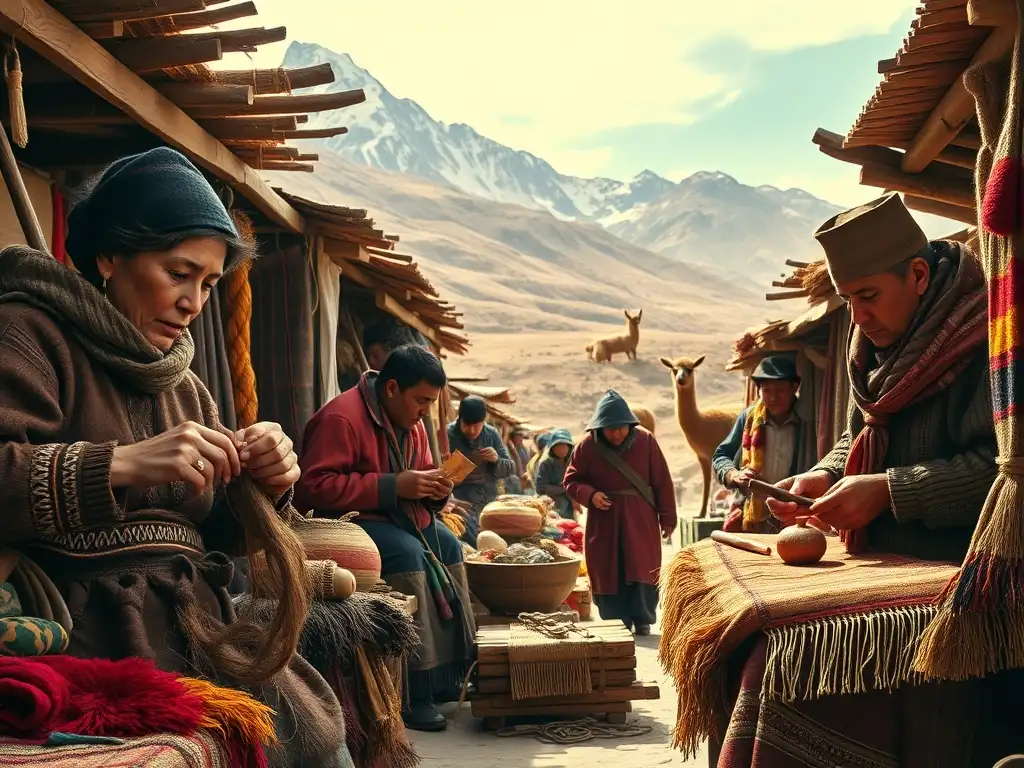
The vibrant craft trade of the ancient Andes wasn't merely an economic activity; it profoundly shaped the cultural landscape and social structures of these sophisticated societies. The intricate interplay between artistic expression, religious beliefs, and economic exchange created a complex system where craftsmanship held immense social and spiritual significance. Understanding this intricate web is key to appreciating the true depth and complexity of Ancient Andean craft trade practices.
The production and exchange of goods went far beyond simple bartering; it formed the backbone of social hierarchies, fueled religious practices, and fostered technological innovation across vast geographical regions. The sheer scale and sophistication of this trade network stand as a testament to the ingenuity and organizational abilities of Andean civilizations.
The Interplay Between Art, Religion, and Craft Trade
Craftsmanship as a Form of Religious Expression
Many crafted objects served vital roles in Andean religious practices. Pottery, textiles, and metalwork were often imbued with symbolic meaning, acting as conduits between the human and spiritual realms. For example, the Moche culture's elaborate ceramic vessels, depicting deities, rituals, and scenes of daily life, weren't merely decorative; they were integral to religious ceremonies and served as offerings to the gods. The meticulous detail and artistry demonstrate the high value placed on these objects, reflecting the deep spiritual significance of craftsmanship within their society. Similarly, the intricate textiles of the Nazca and Inca cultures, adorned with complex iconography, held religious significance, often used in rituals and worn by elite members of society. The production of these items was not just a craft; it was a sacred act, connecting the artisans to the spiritual world. This spiritual dimension significantly influenced the trade of these goods, impacting their value and distribution networks.
The Influence of Ritual Objects on Trade Patterns
The demand for ritual objects significantly shaped trade routes and exchange networks across the Andes. Precious metals, such as gold and silver, were highly valued for their association with divinity and power, fueling extensive trade networks that connected distant communities. The intricate metalwork of the Tiahuanaco culture, for instance, featuring intricate designs and sophisticated techniques, highlights the high level of craftsmanship and the significant value placed upon these ritual objects.
The trade of these objects wasn't limited to utilitarian exchange; they were often used as gifts, tributes, and diplomatic offerings, reinforcing social ties and political power. The distribution patterns of these objects reveal intricate trade connections spanning vast geographical areas, showcasing the remarkable reach and sophistication of the Andean trade networks. Further research into the specific chemical composition of these metals, in relation to their origin, could provide more detailed information on these trade routes.
The Transmission of Knowledge and Craft Techniques
Apprenticeship and the Preservation of Craft Traditions
The transmission of craft knowledge across generations was crucial for the continuity of Andean craft traditions. Apprenticeship systems played a central role in this process, with aspiring artisans learning their skills through direct instruction and hands-on experience under the guidance of master craftspeople. This system ensured the preservation of traditional techniques and designs, contributing to the remarkable consistency and high quality of Andean craftsmanship over centuries.
This mentorship extended beyond mere technical skills; it also involved the transmission of cultural values, beliefs, and spiritual knowledge associated with the craft. The apprentice system also served as a means of social mobility, offering opportunities for advancement within Andean societies.
Innovation and Adaptation in Andean Craftsmanship
Despite the emphasis on tradition, Andean artisans were not simply replicating existing designs and techniques. They constantly adapted and innovated, responding to changes in materials, demands, and cultural trends. The development of new techniques in pottery, weaving, and metalwork demonstrates the creativity and resourcefulness of Andean artisans. For example, the use of new pigments in pottery, the development of more complex weaving patterns, and the mastery of new metallurgical techniques all highlight the dynamic nature of Andean craftsmanship.
This continuous innovation contributed to the diversity and sophistication of Andean craft production, furthering the dynamism of the Ancient Andean craft trade practices. The ability to adapt and innovate was essential to the success and longevity of the craft trade in the face of environmental and social changes. Further study into the specific materials and technological advancements across different periods could provide a clearer picture of these developments.
The Legacy of Ancient Andean Craft Trade in Modern Times
The intricate artistry and skilled craftsmanship of ancient Andean civilizations continue to resonate profoundly in modern times. The techniques and designs passed down through generations have not only survived but thrived, forming a vital part of many Andean communities' cultural identity and economic livelihood. We see this legacy manifested in various ways, from the continuation of traditional textile weaving using ancient Andean patterns and techniques to the creation of contemporary ceramics inspired by pre-Columbian styles. The vibrant colors, symbolic motifs, and intricate details found in ancient artifacts are replicated and reinterpreted by artisans today, creating a powerful link between the past and the present.
This enduring legacy is not merely nostalgic; it's a dynamic and evolving tradition, adapting to modern aesthetics while retaining its core essence. Many contemporary artisans actively research and preserve ancient techniques, ensuring their survival and contributing to a deeper understanding of Andean history. This preservation effort ensures the continued flourishing of these ancient craft traditions, enriching both the cultural landscape and the economic livelihoods of Andean communities. The legacy of ancient Andean craft is not a static museum piece but a living, breathing testament to the enduring power of human creativity and cultural resilience.
The global appreciation for these crafts also contributes to their economic viability, supporting artisans and helping to preserve these invaluable traditions for future generations. The demand for authentic, handcrafted goods directly benefits Andean communities, allowing them to sustain their cultural heritage while providing for their families. This symbiotic relationship between tradition and modernity underscores the enduring relevance of ancient Andean craft trade practices in shaping the present-day Andean identity and economy. The enduring impact is undeniable, a testament to the skill and artistry of ancient artisans and the enduring power of cultural transmission.
Frequently Asked Questions
What role did craft specialization play in Ancient Andean societies?
Ancient Andean societies saw a high degree of craft specialization. Different communities focused on specific crafts, leading to a complex network of trade and exchange. This specialization fueled economic growth and cultural exchange.
How did ancient Andean artisans transport their goods over long distances?
Goods were transported using a variety of methods, including llama caravans for land travel and boats for water routes. Extensive road systems facilitated trade across the vast Andean landscape. Relay systems helped ensure efficient transport over long distances.
What types of goods were commonly traded in the Ancient Andean region?
The trade network involved a wide range of goods, including textiles, ceramics, metals, precious stones, and foodstuffs. The value and prestige of certain goods varied across different cultures and regions.
How did ancient Andean civilizations ensure fair trade practices?
While precise mechanisms aren't fully understood, evidence suggests a reliance on reciprocity, religious beliefs, and political control to manage trade. Elite control over certain resources likely played a role in regulating trade.
What impact did the Spanish Conquest have on Ancient Andean craft traditions?
The Spanish Conquest had a devastating impact, disrupting established trade routes and suppressing many traditional craft practices. Many artisans were forced into labor systems that undermined their traditional skills and knowledge. However, some traditions persisted and evolved, adapting to the new colonial context.
Final Reflection: Weaving the Threads of Andean Legacy
The intricate artistry of ancient Andean crafts isn't merely a relic of the past; it's a vibrant thread woven into the tapestry of our present. Understanding these sophisticated trade practices offers invaluable insights into economic systems, social structures, and the enduring power of human creativity. The meticulous detail and innovative techniques employed by these artisans continue to inspire awe and admiration, reminding us of the ingenuity and resilience of past civilizations.
The impact of Andean craft traditions extends far beyond the archaeological record; it resonates deeply within contemporary Andean cultures and globally. Their influence can be seen in the continued practice of traditional crafts, the preservation of ancestral knowledge, and the ongoing efforts to protect and celebrate this rich heritage. The past is never dead. It's not even past.
– William Faulkner. This quote perfectly encapsulates the enduring relevance of understanding these ancient practices, as they continue to shape cultural identities and inspire artistic expression today. The echoes of these ancient techniques can be heard in the vibrant markets and workshops of modern-day Peru, Bolivia, and Ecuador.
Consider the legacy of these skilled artisans. Their dedication to their craft, their innovative use of materials, and their intricate designs speak to a profound connection between humans and the natural world. You too can connect with this legacy. Take a moment to appreciate the craftsmanship in the objects you use daily, and reflect on the human ingenuity and dedication behind their creation. Seek out opportunities to support contemporary artisans who continue these traditions, and let the enduring spirit of Andean artistry inspire your own creativity and appreciation for the beauty of handcrafted objects.
**Explore the Rich Craftsmanship of the Ancient Andes! **
Thank you for joining us on this journey into the fascinating world of ancient Andean craftsmanship! You've discovered the artistry and skill that shaped entire civilizations, and now it's time to bring that inspiration into your own life. Here are some simple yet impactful ways to connect with this remarkable heritage:
- **Learn a traditional craft:** Take a pottery, weaving, or other artisan class to experience ancient techniques firsthand. Many community centers and colleges offer such workshops.
- **Share your discoveries:** Discuss the incredible artistry of the ancient Andes with friends, family, or online communities. Help spread appreciation for this rich cultural legacy.
- **Visit a museum or exhibition:** Immerse yourself in the history and significance of Andean crafts by exploring a dedicated exhibition or museum collection. Many museums offer detailed information and stunning examples of these ancient techniques.
**Which ancient Andean craft or skill most inspires you to learn more today? **