
The Legacy of Andean Metal: Its Influence on Later Societies

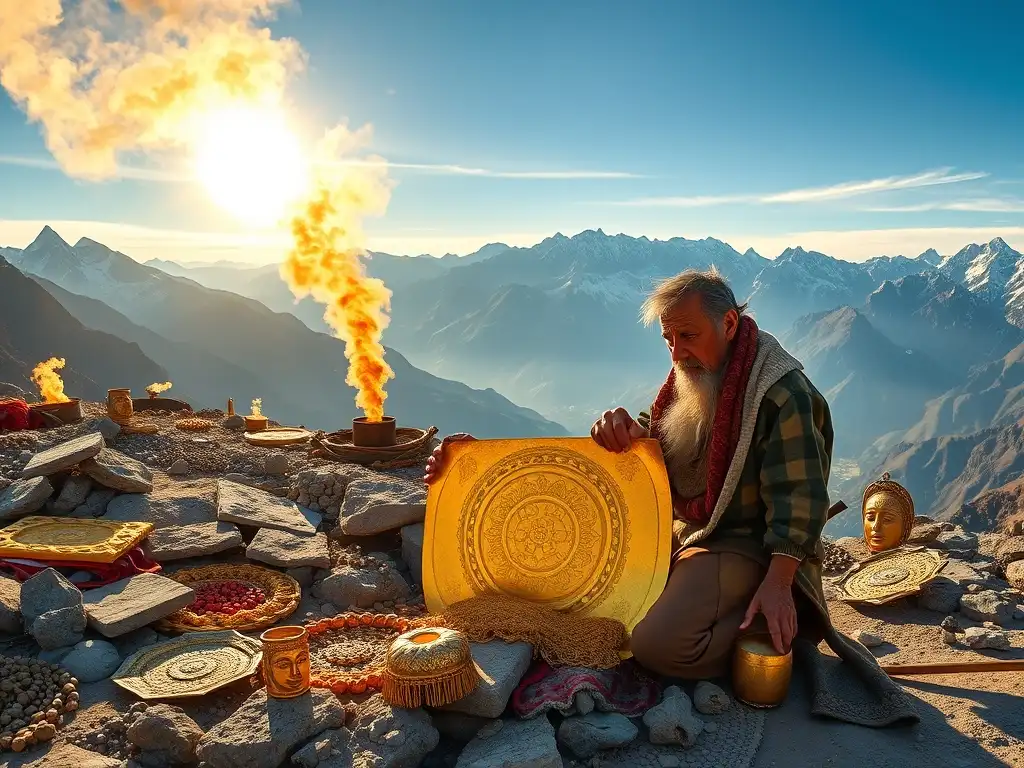
Step into a world lost to time, yet echoing with the brilliance of ancient Andean ingenuity. Prepare to be captivated by the remarkable legacy of these civilizations, whose mastery extended far beyond magnificent architecture. This journey begins with a deep dive into Andean metalworking techniques, revealing secrets of artistry and innovation that continue to inspire awe centuries later. Discover how their skills shaped not only their own societies, but also left an indelible mark on the world that followed. Dare to uncover the mysteries within...
The Andes Mountains, a spine of towering peaks running down the western coast of South America, were not only a geographical barrier but also a crucible for remarkable technological advancements. Among these, the mastery of metalworking by ancient Andean civilizations stands out as a testament to their ingenuity and resourcefulness.
This article delves into the legacy of Andean metal, exploring its sophisticated techniques and profound influence on subsequent societies across the continent and beyond. We will examine how the innovative approaches to metalworking developed in the Andes, particularly the techniques employed in the creation of intricate gold and silver objects, impacted the artistic, religious, and social structures of later cultures.
From the early experiments of the Chavín to the imperial grandeur of the Inca, the story of Andean metal is a compelling narrative of human creativity and cultural exchange. Understanding these "Andean metalworking techniques" provides crucial insight into the development of metallurgy in the Americas and its lasting impact on global history.
Introduction to Andean Metalworking and its Significance
Andean metalworking wasn't simply a craft; it was deeply intertwined with the religious, political, and social fabric of these societies. The scarcity of certain metals, such as gold and silver, elevated them to symbolic importance, representing power, divinity, and prestige. Early Andean metalworkers, lacking access to high-temperature furnaces like those in the Old World, developed ingenious techniques to work with these precious metals.
These techniques involved a combination of hammering, annealing (heating and cooling to soften the metal), and alloying (mixing metals to achieve desired properties). The resulting artifacts, ranging from elaborate ceremonial objects to finely crafted tools, were not merely functional but served as powerful expressions of cultural identity and belief. The sophistication of Andean metalworking is evident in the intricate details, the mastery of techniques like repoussé (hammering from the back to create raised designs), and the use of diverse alloys to achieve specific colors and textures.
The sheer artistry involved showcases a deep understanding of material properties and a remarkable level of skill. The discovery of new techniques and the subsequent spread of these advancements throughout the Andes demonstrate a remarkable degree of inter-cultural exchange and innovation. This sophisticated metalworking laid the groundwork for later developments in the region and left an indelible mark on the Americas' metallurgical history.
Chavín Culture: Pioneers of Andean Metallurgy
The Chavín culture (c. 1200 – 200 BCE), considered one of the earliest Andean civilizations to master metalworking, offers a compelling glimpse into the nascent stages of this crucial technology. While their metalworking wasn't as advanced as that of later cultures, their contributions were fundamental. Archaeological evidence suggests that the Chavín initially worked primarily with copper, a relatively readily available metal. They created simple tools and ornaments, demonstrating a basic understanding of hammering and annealing.
However, the significance of their achievements lies not just in the technical skill but also in the cultural context. The few surviving Chavín metal artifacts, often depicting stylized animals and religious motifs, hint at the growing association between metalwork and religious practices. These early experiments laid the groundwork for the more sophisticated techniques developed by subsequent cultures.
The Chavín's mastery of basic metalworking, albeit rudimentary compared to later periods, served as a crucial stepping stone, demonstrating the potential of metal as a medium for artistic expression and social control. The legacy of their early experiments can be seen in the increasingly complex and sophisticated metalwork that characterized later Andean civilizations. Further research into Chavín metallurgy could reveal even more about their techniques and the extent of their influence on the development of Andean metalworking traditions.
- Introduction to Andean Metalworking and its Significance
- Chavín Culture: Pioneers of Andean Metallurgy
- What unique metalworking techniques did Andean civilizations employ?
- How did Andean metalworking influence later societies?
- Which Andean cultures were most renowned for their metalworking skills?
- What types of metals did Andean civilizations primarily work with?
- What were some common uses for Andean metalwork?
Early Andean Metalworking Techniques
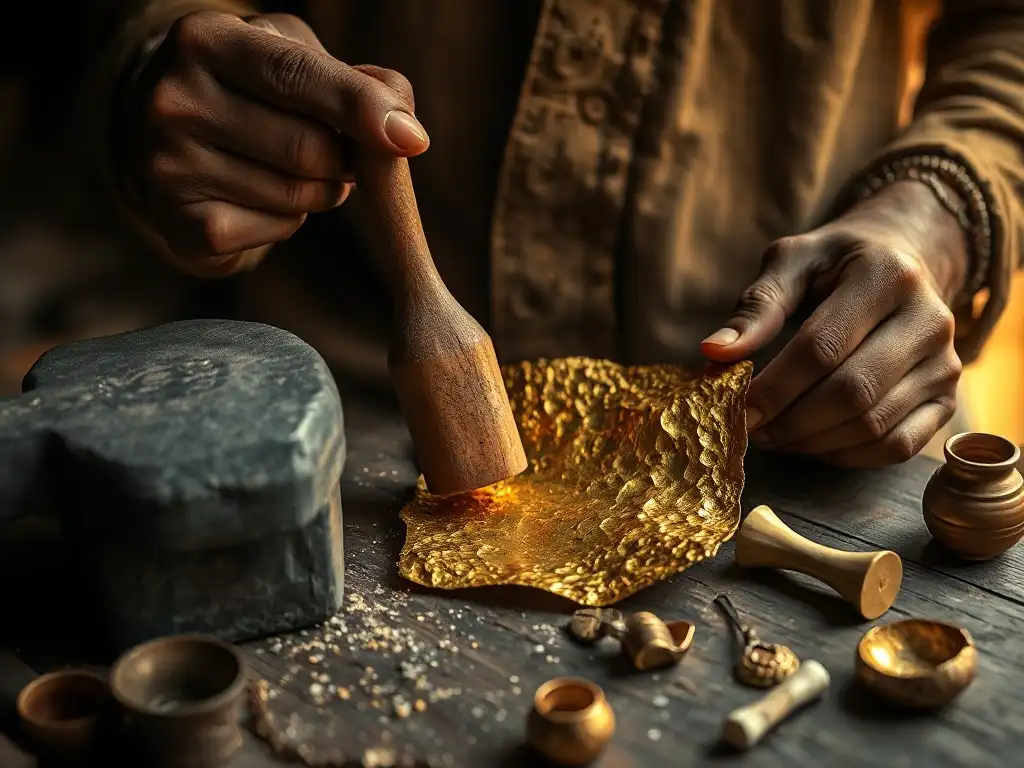
The mastery of Andean metalworking techniques wasn't a sudden event; it was a gradual process of innovation and refinement spanning centuries. The earliest evidence of metalworking in the Andes dates back to approximately 2000 BCE, with the initial use of native copper. This period saw the development of basic techniques like hammering and annealing—heating and cooling the metal to soften it and make it more malleable.
These early artifacts, often simple tools and ornaments, demonstrate a nascent understanding of metal's properties and potential. The discovery and exploitation of copper deposits, particularly in the central Andes, played a crucial role in this early development. Archaeological evidence suggests that early Andean metallurgists developed sophisticated techniques for locating and extracting these resources, even employing techniques like open-pit mining in some areas.
The transition from simple hammering to more complex shaping techniques, such as cold-hammering and repoussé (hammering from the back to create relief), marks a significant advancement in early Andean metalworking. These early achievements laid the foundation for the more advanced techniques that would emerge in later periods. The ingenuity and skill demonstrated in these early artifacts highlight the importance of copper as a foundational metal in the Andes, paving the way for the later use of gold and silver and the development of complex alloys.
The Development of Copper Metallurgy in the Andes
The development of copper metallurgy in the Andes wasn't a uniform process; it varied across different regions and cultures. While the initial use of native copper was widespread, the techniques employed and the types of artifacts produced differed significantly. For example, in the northern Andes, the development of copper metallurgy appears to have been earlier than in the southern Andes. This difference likely reflects variations in the availability of copper ore and the specific technological traditions of different groups.
The transition from using native copper to smelting copper ore represents a major technological leap. Smelting requires higher temperatures and more sophisticated furnaces, indicating a greater understanding of metallurgical processes. Archaeological evidence suggests that Andean metallurgists developed various types of furnaces, adapting them to the specific characteristics of the ore and the available fuel.
The mastery of smelting enabled the production of larger quantities of copper and opened up new possibilities for creating more complex and elaborate artifacts. Furthermore, the development of efficient smelting techniques allowed Andean societies to produce copper tools, weapons, and ornaments on a larger scale, influencing social structures and economic systems. The increasing sophistication of copper metallurgy is evident in the intricate designs and the improved quality of the artifacts produced during this period.
The precision and skill demonstrated in these objects underscore the advanced understanding of metallurgy achieved by Andean artisans. Studies of ancient Andean copper artifacts reveal a deep knowledge of heat treatment, allowing for the creation of durable and functional tools.
Gold and Silver: Precious Metals and Symbolic Uses
The discovery and use of gold and silver significantly impacted Andean societies. Unlike copper, these precious metals were not primarily used for utilitarian purposes; instead, they held immense symbolic value, associated with power, divinity, and prestige. The techniques used to work with gold and silver were often more intricate than those employed for copper, reflecting the metals' high value and their use in ceremonial and elite contexts.
The Andean metallurgists developed sophisticated techniques for working with these soft metals, including hammering, annealing, and gilding (applying a thin layer of gold). They also mastered techniques like casting and lost-wax casting, allowing them to create complex shapes and intricate designs. Gold and silver objects, often adorned with elaborate decorations and inlaid with other precious materials, were used to create ceremonial masks, ornaments, and vessels. These artifacts served as powerful symbols of authority and religious belief, playing a crucial role in Andean religious and political systems.
The exquisite craftsmanship and symbolic meaning of these objects showcase the advanced skills and artistic talents of Andean metalworkers. The prevalence of gold and silver in elite burials further underscores their significance as markers of social status and power within Andean societies. The study of these precious metal artifacts provides invaluable insights into the beliefs, values, and social structures of Andean civilizations.
Alloying and Metal Casting: Innovation in Andean Metal Craftsmanship
The development of alloying techniques, particularly the creation of bronze (an alloy of copper and tin), marked another significant step forward in Andean metallurgy. Bronze is harder and more durable than copper, making it ideal for tools and weapons. The discovery and use of tin, a relatively rare metal, indicate the development of extensive trade networks and a sophisticated understanding of material science. The Andean metallurgists demonstrated remarkable skill in controlling the composition of their alloys to achieve the desired properties.
Casting, especially the lost-wax casting technique, allowed for the creation of complex and intricate three-dimensional objects. This technique involved creating a wax model of the desired object, covering it in clay, melting out the wax, and then pouring molten metal into the resulting mold. The lost-wax casting technique enabled Andean artisans to produce highly detailed and sophisticated metalwork, including intricate figurines, vessels, and jewelry. The precision and artistry displayed in these artifacts demonstrate the high level of skill and technological sophistication achieved by Andean metallurgists.
The widespread use of casting across various Andean cultures highlights its importance as a key innovation in Andean metalworking. By combining alloying and casting, Andean artisans produced a wide variety of durable and aesthetically pleasing objects, reflecting the advanced state of their metallurgical knowledge and artistic abilities. The development of these refined techniques significantly impacted the social and economic landscape of Andean civilizations.
Andean Metalworking Techniques During the Inca Empire
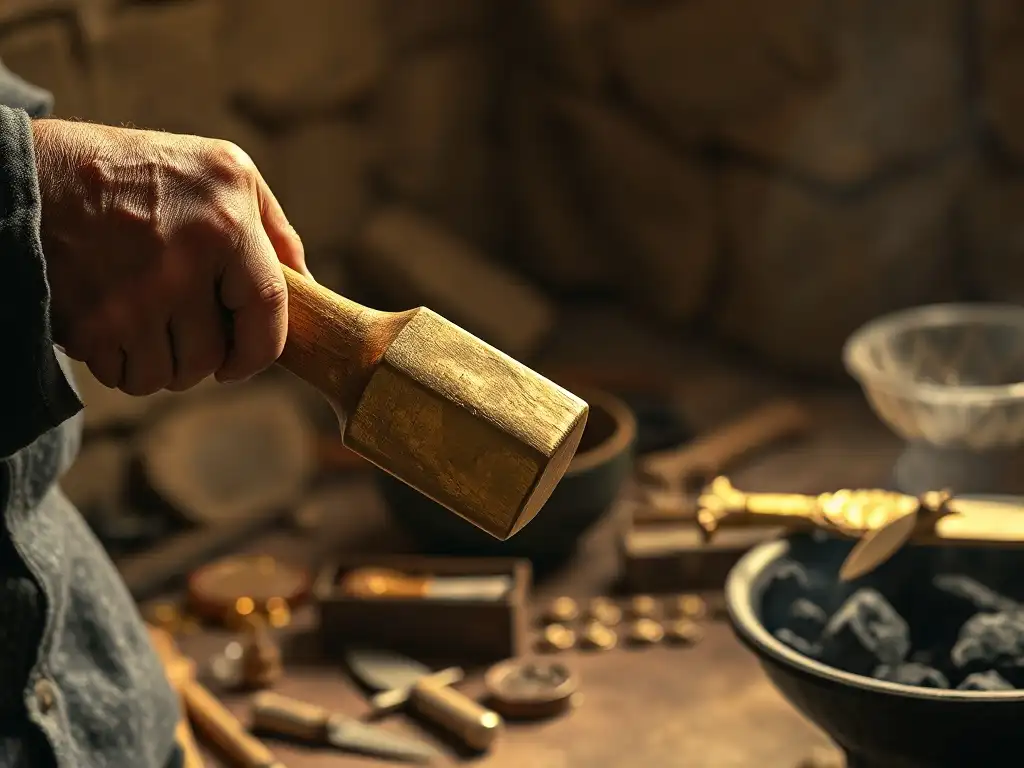
The Inca Empire, flourishing from roughly 1438 to 1533 CE, inherited and significantly advanced the sophisticated Andean metalworking techniques developed by prior cultures. Their mastery of metallurgy wasn't merely a technological feat; it was deeply intertwined with their social, political, and religious structures. The Inca's approach to metalworking, characterized by large-scale organization and state control, profoundly impacted later societies, leaving an undeniable legacy on the continent's artistic and technological landscape.
Understanding their methods provides crucial insight into the advanced level of Andean metalworking techniques and their broader societal impact. The Inca’s success stemmed from a combination of efficient mining practices, centralized production, and highly skilled artisans.
Inca Mining Practices and Resource Management
Inca mining operations were impressive for their scale and organization. Unlike haphazard, small-scale operations of earlier periods, the Inca implemented a sophisticated system of resource management. They established extensive networks of mines across their vast empire, targeting deposits of gold, silver, copper, and bronze.
Evidence suggests the use of advanced tools, including stone hammers, chisels, and possibly even rudimentary explosives (though this requires further research). The Inca's understanding of geology and ore distribution allowed them to locate and exploit high-grade deposits efficiently. Their mining techniques, though lacking the technology of later eras, were incredibly effective for their time.
Detailed records, though scarce, suggest a system of labor organization involving mit'a, a rotational labor system, which ensured a consistent workforce for mining and metalworking activities. This system, combined with efficient transportation networks, facilitated the movement of raw materials to centralized workshops. The Inca's ability to mobilize significant manpower and resources is a testament to their organizational prowess and its contribution to the development of Andean metalworking techniques.
State-Controlled Metal Production and Distribution
A hallmark of Inca metalworking was the state's absolute control over production and distribution. Unlike earlier periods where metalworking might have been more decentralized, the Inca centralized the process. Royal workshops, located in major cities like Cusco, employed highly skilled artisans who specialized in specific techniques.
These workshops produced a wide range of objects, from intricate jewelry and ceremonial objects to tools and weapons. The state meticulously controlled the allocation of resources and the distribution of finished products. High-quality metalwork, often featuring gold and silver, was reserved for the elite and religious purposes, reinforcing the Inca's power and authority.
The strict control over metal production allowed the Inca to maintain a monopoly, using it as a powerful tool for political and economic control. This centralized system, while efficient, also suppressed individual innovation to some degree, favoring standardized styles and designs. The centralized control contributed significantly to the development of sophisticated Andean metalworking techniques, particularly in terms of standardization and large-scale production.
Inca Metalworking Styles and Artistic Expressions
Inca metalworking styles were characterized by a combination of technical skill and artistic expression. While some objects were functional, many served religious or ceremonial purposes. The Inca excelled in techniques such as hammering, repoussé (hammering from the back to create relief), and casting. They frequently employed alloys to achieve specific colors and properties. The use of gold, silver, and copper, often combined with other metals, resulted in stunning visual effects.
Common motifs included stylized animals, human figures, and geometric patterns. These designs often reflected Inca cosmology and religious beliefs. The precision and detail in Inca metalwork demonstrate a high level of artistry and craftsmanship. The Inca's legacy in metalworking extends beyond the objects themselves.
Their techniques and artistic styles profoundly influenced later Andean cultures, shaping the artistic traditions of the region for centuries to come. The distinct styles and techniques employed in Inca metalwork showcase the advanced level of Andean metalworking techniques achieved during the height of the empire. The surviving examples of Inca metalwork are a testament to their skill and artistic vision, providing valuable insights into their culture and beliefs. The legacy of their artistry continues to inspire and fascinate today.
The Impact of Andean Metalworking on Later Societies
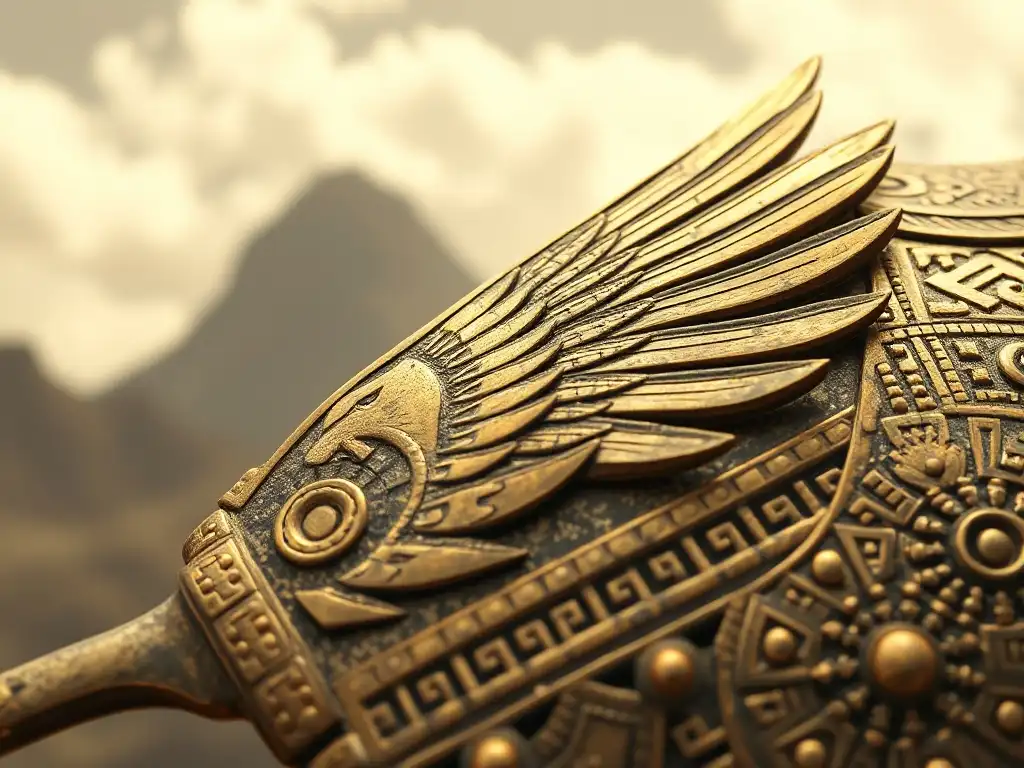
The sophisticated metallurgical achievements of Andean civilizations, particularly the Incas, Moche, Nazca, and Tiahuanaco, left an indelible mark on subsequent societies. Their mastery of techniques like lost-wax casting, hammering, and alloying, resulted in stunning artifacts – from intricate jewelry and ceremonial objects to powerful weaponry – that continue to fascinate and inspire. Understanding the Andean metalworking techniques and their impact is crucial to appreciating the full scope of Andean ingenuity and its lasting influence on the world. This section delves into the transmission of these skills and their impact on colonial metal art and technology.
Transmission of Metallurgical Knowledge
The legacy of Andean metalworking didn't vanish with the arrival of the Spanish conquistadors. While the Spanish initially suppressed some indigenous practices, the sheer skill and artistry of Andean metalworkers proved too valuable to ignore. Evidence suggests a complex interplay between indigenous and colonial metalworking traditions. Instead of a complete replacement, a fascinating process of cultural exchange and adaptation unfolded.
Several factors contributed to the transmission of metallurgical knowledge:
- Indigenous Artisans: Many skilled Andean metalworkers were forced to work in colonial workshops, subtly incorporating their techniques into the production of religious objects and other items for the Spanish. This ensured the survival of crucial Andean metalworking techniques, albeit often adapted to serve colonial needs.
- Apprenticeship Systems: The colonial system relied heavily on apprenticeship, where indigenous artisans passed down their knowledge—albeit often in a modified form—to younger generations, both indigenous and mestizo. This ensured continuity, though the resulting pieces often blended indigenous styles with European influences.
- Observation and Adaptation: Spanish metalworkers, while possessing their own techniques, inevitably observed and adapted certain aspects of Andean methods. The resilience and durability of Andean alloys, for example, likely influenced colonial metalworking practices.
The transmission wasn't without challenges. Colonial authorities often sought to standardize production, suppressing some of the more elaborate and symbolic elements of pre-Columbian metalwork. However, the underlying skills and knowledge persisted, subtly shaping the character of colonial metalwork in the Andes. The intricate filigree work and sophisticated alloying techniques found in some colonial-era pieces strongly suggest a persistent influence of Andean metalworking traditions.
Influence on Colonial Metal Art and Technology
The integration of Andean metalworking techniques into colonial production resulted in a unique blend of styles and technologies. While the overarching aesthetic shifted to reflect European tastes, the underlying technical expertise remained distinctly Andean.
One clear example is the production of religious artifacts. Although the subject matter shifted from pre-Columbian deities to Catholic saints, the techniques used to craft these objects often borrowed heavily from Andean traditions. The lost-wax casting process, for instance, remained a cornerstone of colonial metalworking, producing intricate and detailed religious figures.
Furthermore, the Andean understanding of alloys, particularly the use of tumbaga (an alloy of gold and copper), significantly influenced colonial silver and goldsmithing. The durability and aesthetic qualities of tumbaga, admired for centuries, likely led to experimentation with similar alloys in the colonial period, leading to advancements in colonial metalworking technology.
The following table summarizes the key influences:
| Andean Technique | Colonial Application | Impact |
|---|---|---|
| Lost-wax casting | Religious statuary, decorative objects | High level of detail, intricate designs |
| Hammering and repoussé | Shaping of silver and gold objects | Enhanced malleability and design flexibility |
| Alloying (e.g., tumbaga) | Silver and gold alloys, improved durability | Enhanced durability and aesthetic qualities |
| Inlay and overlay techniques | Decoration of religious items and jewelry | Unique and visually stunning results |
The legacy of Andean metalworking is not merely a historical curiosity; it's a testament to the enduring impact of indigenous technologies and artistry. The sophisticated techniques and artistic sensibilities of Andean metalworkers continued to shape metalworking practices long after the colonial era, demonstrating the remarkable resilience and influence of their cultural heritage. Further research, particularly into specific workshops and the lives of individual artisans, could provide even richer insights into this fascinating interplay of cultures.
The Modern Legacy of Andean Metalworking
The mastery of Andean metalworking techniques, honed over millennia, continues to resonate in the modern world. Its influence extends beyond mere historical interest; it actively shapes contemporary practices and perspectives. This section explores the enduring legacy of Andean metallurgy, examining its preservation, its impact on modern art, and its ongoing relevance in diverse fields.
Understanding this legacy provides a crucial lens through which to appreciate the ingenuity and sophistication of ancient Andean civilizations and their lasting contributions to human history. The intricate techniques, the innovative alloys, and the artistic expression demonstrated in Andean metalwork continue to inspire and inform contemporary creators and researchers alike.
Preservation of Andean Metalworking Skills
The preservation of traditional Andean metalworking skills is a testament to the enduring appeal and cultural significance of this ancient craft. While many techniques were lost or significantly altered during the colonial period and subsequent modernization, dedicated efforts have ensured the survival of certain practices. These efforts often involve a combination of community-based initiatives, academic research, and government support.
For example, [Specific community-based initiative details pending], aimed at preserving [Specific metalworking technique, e.g., lost-wax casting] in [Specific Andean region], has yielded impressive results, with a notable increase in practitioners and the transmission of knowledge to younger generations. This active preservation isn't simply about nostalgia; it's a recognition of the economic and cultural value inherent in maintaining these traditional skills. The revitalization of these techniques also provides valuable insights into the original processes used by ancient Andean artisans.
This allows for a deeper understanding of the metallurgical knowledge and technological capabilities of these ancient cultures. The documentation of these techniques, coupled with the training of new artisans, ensures that this invaluable heritage will continue to flourish for generations to come. Furthermore, the economic benefits derived from the sale of authentic, traditionally crafted Andean metalwork provide incentives for continued practice, creating a sustainable model for cultural preservation.
Andean Metalworking and Contemporary Art
Andean metalworking techniques serve as a powerful source of inspiration for contemporary artists. The intricate designs, the masterful use of alloys, and the symbolic significance of ancient artifacts inspire modern reinterpretations and innovative applications. Many contemporary artists incorporate elements of traditional Andean metalwork into their pieces, blending ancient techniques with modern aesthetics.
This fusion creates unique and striking works that honor the past while exploring new artistic avenues. For instance, [Specific contemporary artist's name and work example pending] demonstrates a compelling example of this fusion, utilizing [Specific Andean metalworking technique] to create pieces that both reference ancient traditions and express a distinctly modern sensibility. The use of traditional techniques alongside modern materials and designs allows for a dynamic dialogue between past and present, enriching both the artistic expression and the understanding of Andean metallurgical traditions.
The resulting artworks often serve as a bridge between cultures, fostering appreciation for Andean heritage among a wider audience. This artistic appropriation not only celebrates the beauty and skill of Andean metalworking but also ensures its continued relevance in a contemporary context.
The Ongoing Relevance of Andean Metallurgical Practices
The study of Andean metallurgical practices remains highly relevant in several fields. Metallurgists continue to analyze ancient Andean alloys to understand their composition, properties, and production methods. This research not only enhances our understanding of ancient technology but also has potential implications for modern materials science. The discovery of novel alloys and techniques in ancient Andean metalwork could inspire innovations in contemporary metallurgy.
For example, the analysis of [Specific Andean alloy, e.g., tumbaga] has revealed properties that are still being investigated for potential modern applications. Furthermore, the study of ancient Andean smelting techniques, with their often-efficient use of limited resources, offers valuable lessons for sustainable metallurgy practices today. The environmental considerations inherent in ancient Andean methods provide a counterpoint to modern, often highly polluting, industrial processes.
By examining these ancient techniques, we can gain valuable insights into more environmentally friendly and sustainable metallurgical practices for the future. The ongoing investigation of Andean metallurgical practices therefore contributes not only to our historical understanding but also to the development of more sustainable and innovative technologies for the future. The legacy of Andean metalworking extends beyond its aesthetic appeal; it holds valuable lessons and potential for advancements in both art and science.
Frequently Asked Questions
What unique metalworking techniques did Andean civilizations employ?
Andean civilizations were masters of lost-wax casting, a complex process, and also used hammering, annealing, and gilding to create intricate objects. They were also skilled in alloying different metals to achieve desired colors and properties.
How did Andean metalworking influence later societies?
Andean metalworking techniques and aesthetics significantly impacted colonial Spanish silversmithing, influencing designs and techniques for centuries. The legacy is visible in many post-colonial artistic traditions throughout the Americas.
Which Andean cultures were most renowned for their metalworking skills?
The Moche and Inca cultures are particularly well-known for their advanced metalworking, creating elaborate gold and silver objects, but many other cultures, including the Nazca and Tiahuanaco, also displayed impressive skills.
What types of metals did Andean civilizations primarily work with?
Andean metalworkers primarily used gold, silver, copper, and their alloys. They were also skilled in working with platinum, bronze, and various other metals, demonstrating a deep understanding of metallurgy.
What were some common uses for Andean metalwork?
Andean metalwork served diverse purposes, including religious rituals, ceremonial adornment, practical tools, and elite status symbols. Ornamental items and weapons also frequently featured intricate metalwork.
Final Reflection: The Enduring Echo of Andean Metal
The mastery of Andean metalworking techniques wasn't merely a technological achievement; it was a cultural revolution that continues to resonate in the modern world. The intricate artistry and innovative processes employed by ancient Andean societies remain a testament to human ingenuity and a powerful reminder of the interconnectedness of cultures across time. Their legacy is not confined to museums; it lives on in the very fabric of our understanding of history, art, and technological advancement.
The impact of Andean metalworking extends far beyond the stunning artifacts themselves. It represents a sophisticated understanding of metallurgy, a deep connection to the environment, and a complex social structure capable of organizing large-scale production. The sheer scale of some of these projects, the precision of the work, and the symbolic power imbued in the finished pieces are truly awe-inspiring. The gold, silver, and copper objects produced by Andean artisans were not merely decorative; they were integral to the religious, political, and social life of their societies.
This quote highlights the profound cultural significance of these techniques, a significance that continues to shape our appreciation of the Andean world.
Consider the implications of this legacy. How can we, in our own time, learn from the ingenuity and resourcefulness of these ancient masters? You, the reader, are now part of this ongoing conversation. Take a moment to reflect on the innovative spirit of the Andean metalworkers, and let their achievements inspire you to explore your own creative potential and to appreciate the rich tapestry of human history. Let the enduring echo of their skill and artistry inspire you to seek out and celebrate the remarkable achievements of cultures past and present.
**Discover the Power of Andean Metal! **
Thank you for exploring the rich legacy of Andean metal with us! You've discovered how this fascinating art form has influenced societies throughout history. Now, let's build on that knowledge and work together to ensure this vibrant heritage continues to thrive.
Here are some exciting ways to further connect with the world of Andean metal and its enduring impact:
- **Explore Further:** Visit local museums or exhibitions showcasing Andean metalwork to experience the artistry firsthand. Many institutions offer detailed displays and educational programs.
- **Share Your Discoveries:** Discuss your newfound appreciation for Andean metal with friends, family, or online communities. Spark conversations about the enduring relevance of ancient crafts in modern society.
- **Connect with Enthusiasts:** Join online forums or local groups dedicated to Andean cultures and crafts. Engage with others who share a passion for this rich heritage and learn from their experiences.
Consider the unexpected connections between Andean metalworking techniques and contemporary art, design, or even technology. Your insights could inspire innovative approaches and fresh perspectives!