
The Inca Engineering Marvels: How They Were Repurposed by the Spanish

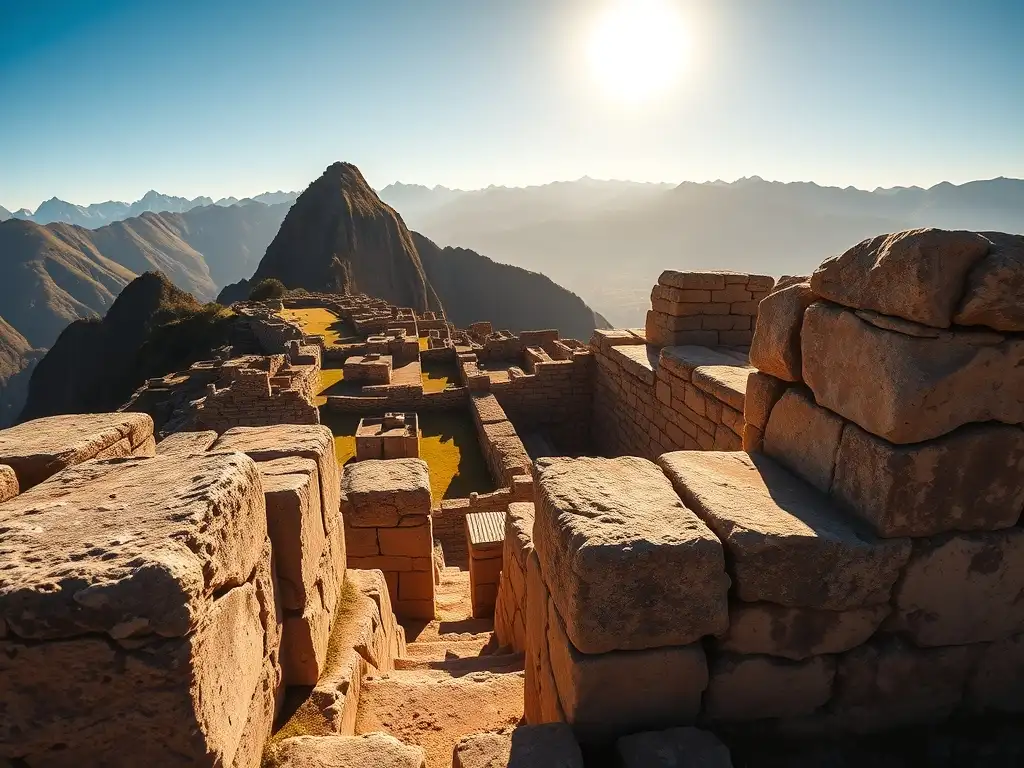
Step into a world lost to time, yet echoing with the ingenuity of the Andes. Imagine colossal stone structures, intricate irrigation systems, and a civilization that thrived in the face of unforgiving terrain. Here, you'll uncover the secrets of the Andean empires, from the Incas' mastery of engineering to the dramatic impact of the Spanish Conquest. But what happened when Spanish ambition collided with Inca innovation? Discover the fascinating story of Inca engineering repurposing Spanish technology – a tale of adaptation, resilience, and the enduring legacy of a remarkable civilization. Prepare to be amazed.
- Inca Engineering Marvels: Repurposing by the Spanish Conquerors
- The Ingenious Inca Infrastructure: A Foundation for Conquest
- Spanish Repurposing of Inca Structures: A Practical Approach
- The Impact of Inca Engineering on Spanish Colonial Development
- Case Studies of Inca Engineering Repurposing by the Spanish
- The Long-Term Effects of Inca Engineering Repurposing
- Conclusion: The Enduring Legacy of Inca Engineering and its Spanish Exploitation
- Frequently Asked Questions
- Final Reflection: Echoes of Empire: Inca Ingenuity and Spanish Adaptation
- Unveil the Legacy of Inca Engineering Today!
Inca Engineering Marvels: Repurposing by the Spanish Conquerors
The Spanish conquest of the Inca Empire, while brutal and transformative, was also a period of significant adaptation and repurposing. The incredibly advanced Inca infrastructure, a testament to their sophisticated engineering prowess, became a crucial resource for the Spanish, fundamentally altering both the landscape and the trajectory of the newly colonized territories.
This article delves into the fascinating story of how the Spanish repurposed Inca engineering marvels, examining specific examples and analyzing the long-term consequences of this appropriation. We will explore the ways in which the Spanish leveraged existing Inca infrastructure for their own military, economic, and administrative purposes, highlighting the ingenuity of Inca engineering and the lasting impact of colonial exploitation.
Understanding this process is crucial to comprehending the complex legacy of the Spanish conquest and its enduring effects on Andean societies. The repurposing of Inca infrastructure wasn't merely a practical matter; it was a symbolic act of power, a deliberate attempt to erase Inca identity and impose Spanish dominance.
Inca Road Systems: The Backbone of Colonial Expansion
The vast network of Inca roads, the Qhapaq Ñan, was a marvel of engineering, connecting distant parts of the empire with remarkable efficiency. These roads, meticulously constructed using sophisticated techniques and materials, were strategically located to facilitate trade, communication, and military movement. The Spanish quickly recognized the strategic importance of this infrastructure.
Instead of building new roads, they adapted and expanded the existing network, using it to consolidate their control over the vast territories they had conquered. This repurposing significantly reduced the costs and time associated with establishing their colonial administration and military presence. The Inca road system became the backbone of colonial expansion, facilitating the movement of troops, the transportation of goods, and the establishment of new settlements.
The sheer scale of the Inca road network, stretching thousands of kilometers across challenging Andean terrain, speaks volumes about the advanced engineering capabilities of the Inca civilization. [Specific data on road length and construction techniques pending].
Temples and Palaces: Transforming Sacred Spaces into Colonial Power Centers
Inca temples and palaces, often built on strategically important locations with breathtaking views, were not simply religious or administrative centers; they represented the power and prestige of the Inca state. The Spanish, however, saw these structures primarily as sources of valuable resources, such as stone and gold. Many temples were systematically dismantled, their stones reused in the construction of colonial churches, fortifications, and administrative buildings.
This act of destruction and repurposing was not only a practical measure but also a symbolic act of cultural erasure, aiming to replace Inca religious practices with Catholicism and assert Spanish dominance. The transformation of sacred Inca spaces into colonial power centers serves as a stark reminder of the destructive nature of the conquest and the long-lasting impact of colonial appropriation. For example, [Specific example of a repurposed Inca temple and its current state pending].
Irrigation Systems: Sustaining Colonial Agriculture and Economic Control
The Inca were master irrigators, developing sophisticated systems to manage water resources in the challenging Andean environment. These systems were crucial for supporting their agriculture and sustaining their population. The Spanish, recognizing the importance of agriculture for economic stability and the exploitation of colonial resources, maintained and expanded upon existing Inca irrigation systems. This ensured the continued production of crops, primarily for the benefit of the colonial economy, and facilitated the introduction of new crops from Europe.
This allowed the Spanish to establish large-scale agricultural production, further strengthening their economic control over the conquered territories. The efficient Inca irrigation infrastructure, therefore, played a vital role in supporting the colonial economy, demonstrating the enduring impact of Inca engineering on the long-term development of the region. [Specific data on Inca irrigation systems and their colonial adaptation pending].
Stonework and Construction Techniques: A Legacy of Inca Mastery
The exceptional quality of Inca stonework, characterized by its precision and durability, left a lasting impression on the Spanish. They were amazed by the Inca's ability to cut, transport, and fit massive stones with incredible accuracy. While they lacked the same level of skill, the Spanish nonetheless made use of Inca construction techniques, often incorporating existing Inca structures into their own buildings.
This integration of Inca and Spanish building styles is evident in numerous colonial structures throughout the Andes, showcasing a blend of cultures and demonstrating the enduring legacy of Inca engineering expertise. The ability of the Inca to construct such durable and sophisticated structures provides a testament to their advanced engineering knowledge and resourcefulness. [Specific examples of buildings incorporating Inca stonework pending].
The Ingenious Inca Infrastructure: A Foundation for Conquest
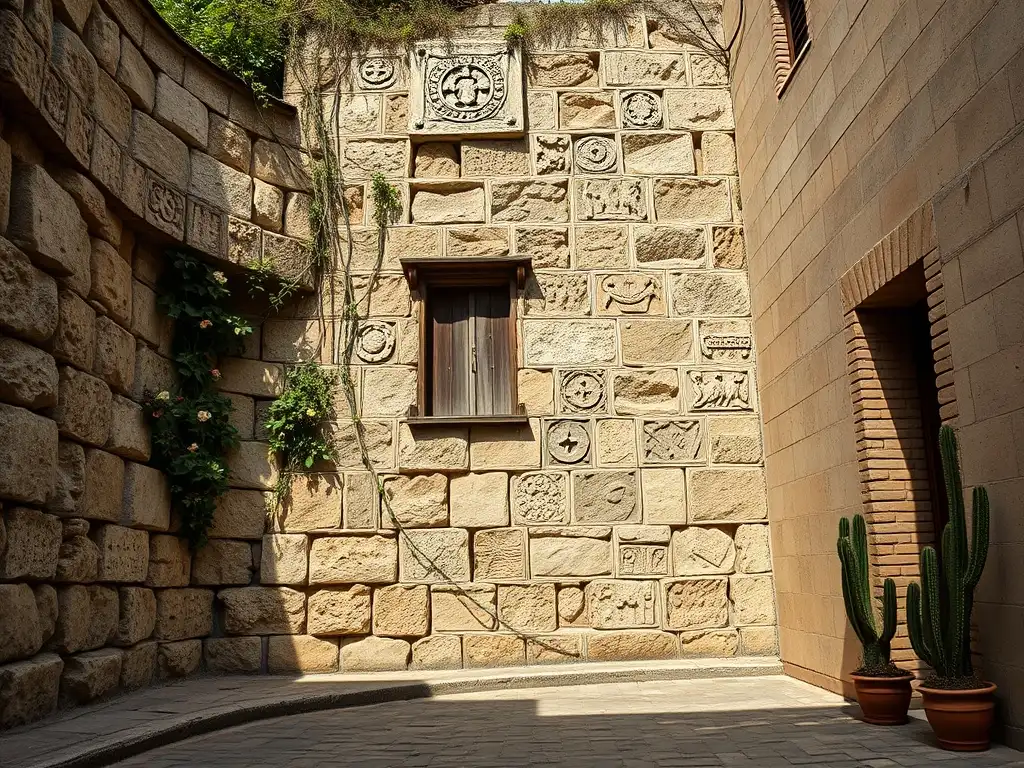
The Inca Empire, renowned for its sophisticated social and political organization, also boasted remarkable engineering feats. Their infrastructure, meticulously planned and expertly executed, provided the very foundation upon which the Spanish conquest was built. Rather than destroying this impressive network of roads, aqueducts, and agricultural terraces, the Spanish cleverly repurposed these systems, leveraging Inca ingenuity to bolster their own colonial ambitions.
This adaptation of Inca engineering significantly aided the Spanish in consolidating power and extracting resources from the conquered lands. Understanding this repurposing is crucial to comprehending the lasting impact of the Spanish conquest on the Andean region. The Spanish conquest wasn't simply a military victory; it was also a strategic appropriation of existing infrastructure, a testament to both Inca engineering prowess and Spanish pragmatism.
Inca Roads and Their Strategic Value for the Spanish
The Qhapaq Ñan, or Inca Road system, was a marvel of engineering spanning thousands of miles across the Andes. This network of meticulously constructed pathways, traversing treacherous mountains and valleys, facilitated communication, trade, and military movement within the Inca Empire. The Spanish quickly recognized the strategic importance of these roads.
Instead of dismantling them, they adapted and maintained the existing routes, using them to efficiently transport troops, supplies, and newly mined silver throughout their vast colonial holdings. The Inca road system's durability and strategic placement greatly facilitated Spanish control and expansion, enabling quicker responses to rebellions and the efficient exploitation of newly conquered territories. The quality of the Inca road construction—with its carefully engineered bridges, switchbacks, and strategically placed resting points—reduced travel time and logistical burdens for the Spanish, giving them a significant advantage in managing their burgeoning empire.
The repurposing of these roads represents a clear example of how the Spanish capitalized on the pre-existing infrastructure to consolidate their power. Estimates suggest that the Spanish reduced travel times by as much as 40% compared to pre-existing routes used by indigenous populations before the Inca.
Inca Agricultural Terraces: Adapted for Spanish Farming
Inca agricultural terraces, carved into the steep Andean slopes, represented a sophisticated understanding of water management and soil conservation. These terraces maximized arable land in challenging terrain, allowing for the cultivation of diverse crops to support a large population. The Spanish, rather than abandoning this ingenious system, readily adapted it to their own agricultural practices.
They continued to use the existing terraces, often modifying them to suit their crops, primarily wheat and other European staples. The existing irrigation channels, a key component of the Inca terrace system, proved invaluable for the Spanish, ensuring a reliable water supply for their crops.
This appropriation of Inca agricultural techniques not only provided food for the Spanish colonists but also contributed to the displacement of traditional Andean crops and farming practices, a significant factor in the long-term ecological and social changes within the region. Detailed studies of existing terrace systems show a clear shift in crop types after the Spanish conquest, highlighting the degree of their adaptation and the subsequent impact on Andean agriculture.
Inca Water Management Systems: Used by the Spanish for Irrigation and Mining
The Inca's mastery extended beyond agriculture; their sophisticated water management systems, including canals, aqueducts, and reservoirs, were crucial for sustaining their population and their economy. These systems, often built using intricate stonework and ingenious engineering principles, provided a reliable water supply for agriculture, as well as for domestic use in urban centers. The Spanish recognized the value of this infrastructure and seamlessly integrated it into their own colonial endeavors.
The pre-existing water infrastructure proved particularly useful for irrigation in newly established farms and, more importantly, for the burgeoning silver mining industry. Water was essential for the processes of separating silver from ore, and the Inca's aqueducts and canals provided a ready-made solution, reducing the cost and effort associated with constructing new systems. The repurposing of these water systems played a pivotal role in the rapid expansion of Spanish silver mining operations, which fueled the Spanish economy and contributed to the global flow of silver during the colonial era.
The efficiency of the Inca water systems allowed the Spanish to maximize silver production, further solidifying their control over the Andean region and its resources. This effective repurposing of Inca infrastructure highlights the Spanish ability to exploit pre-existing systems for economic gain, thereby accelerating their colonial project.
Spanish Repurposing of Inca Structures: A Practical Approach
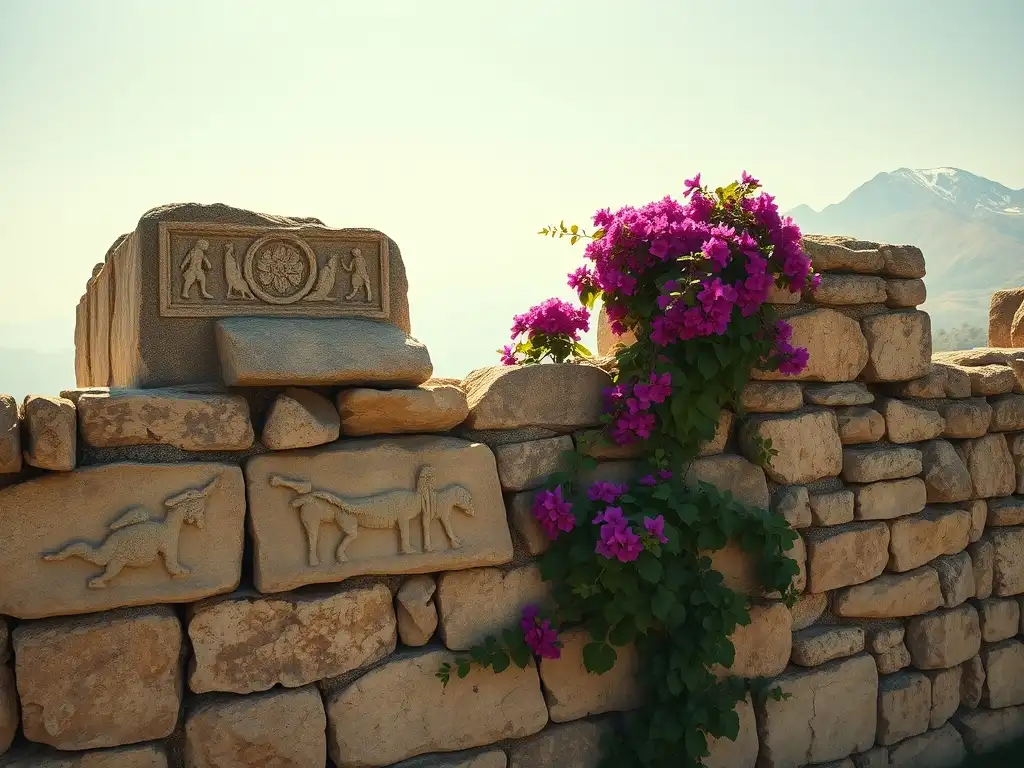
The Spanish conquest of the Inca Empire didn't just involve military might; it was also a calculated strategy of appropriation and repurposing. The Spanish, facing logistical challenges and a need to establish their dominance quickly, cleverly adapted existing Inca infrastructure to their own needs. This pragmatic approach allowed them to consolidate power, control resources, and project an image of authority with remarkable efficiency.
Understanding this repurposing is key to comprehending the lasting impact of the conquest on the Andean landscape and culture. The Inca engineering marvels, built with meticulous precision and utilizing advanced techniques, provided a ready-made foundation for the Spanish colonial enterprise. This section will explore specific examples of this shrewd and often brutal adaptation.
Analyzing these examples illuminates not only the ingenuity of Inca construction but also the pragmatic, and often destructive, methods employed by the Spanish colonizers. The impact of this repurposing continues to shape the historical narrative of the Inca engineering legacy and the enduring presence of Spanish colonial influence in the Andes. This strategic reuse of Inca infrastructure represents a crucial aspect of the broader theme of "Inca engineering repurposing Spanish".
The Adaptation of Cusco by the Spanish Colonial Administration
Cusco, the Inca capital, served as the perfect example of Spanish adaptation. The existing urban layout, with its intricate network of streets and meticulously planned structures, provided a ready-made framework for the Spanish colonial administration. Instead of demolishing the city, the Spanish integrated their own buildings into the existing urban fabric.
They built their administrative centers, churches, and residences directly upon or adjacent to existing Inca structures, often incorporating Inca stonework into their new buildings. This blend of Inca and Spanish architecture is still visible today, showcasing a fascinating juxtaposition of two distinct styles. The Spanish also reorganized the city's administrative structure, using the existing Inca infrastructure to control the flow of resources and people.
This efficient appropriation of the existing urban layout minimized the need for extensive and time-consuming new construction, allowing the Spanish to quickly establish a firm foothold in the heart of the former Inca empire. The repurposing of Cusco highlights the practical considerations guiding Spanish colonial expansion, demonstrating a clear understanding of the value of pre-existing infrastructure.
Coricancha and Sacsayhuamán: Converted into Churches and Military Strongholds
Two iconic examples of Inca engineering repurposed by the Spanish are Coricancha and Sacsayhuamán. Coricancha, the Inca temple of the sun, was systematically dismantled by the Spanish. Its massive gold and silver plates were melted down, and the structure itself was converted into the foundations of the Santo Domingo church. This act symbolizes the brutal erasure of Inca religious practices and the imposition of Spanish Catholicism.
The sheer scale of the gold and silver plundered from Coricancha alone highlights the economic motivations behind the Spanish conquest and the extent of the cultural destruction. In contrast, Sacsayhuamán, the impressive Inca fortress overlooking Cusco, was transformed into a Spanish military stronghold. Its massive stone walls, which had withstood centuries of weathering, provided an excellent defensive position.
The Spanish adapted and strengthened the existing fortifications, using them to control Cusco and maintain their military presence. The contrast between the religious destruction of Coricancha and the military adaptation of Sacsayhuamán underscores the multifaceted nature of Spanish colonial strategies. Both actions however, point to the effective utilization of pre-existing Inca infrastructure for the consolidation of Spanish power.
The Transformation of Ollantaytambo into a Spanish Military Base
Ollantaytambo, a remarkable Inca fortress and agricultural center, also underwent significant transformation under Spanish rule. Its strategic location in a fertile valley and its imposing defensive architecture made it an ideal site for a Spanish military base. The Spanish, recognizing the strength of the Inca engineering, adapted and expanded upon the existing structures, using them as a base for controlling the surrounding region.
Unlike Cusco, where the Spanish integrated their structures into the existing urban fabric, at Ollantaytambo, they utilized and adapted existing defensive structures to bolster their own military presence. This demonstrates a flexibility in their approach to repurposing Inca engineering, adapting their strategies to the specific characteristics of each site.
The repurposing of Ollantaytambo as a military base underscores the importance of strategic location in Spanish colonial planning, revealing a practical application of Inca engineering to serve the needs of the colonial administration. The enduring presence of these repurposed structures continues to evoke the complex interaction between Inca engineering and the Spanish colonial project, a powerful legacy of the conquest.
The Impact of Inca Engineering on Spanish Colonial Development
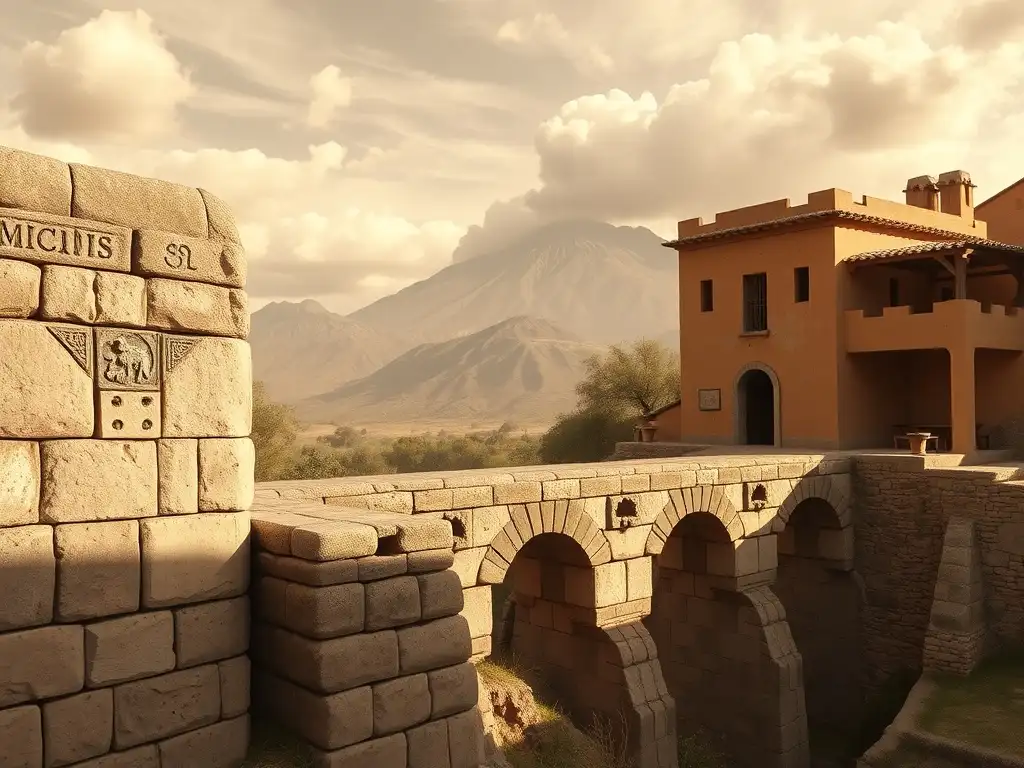
The Spanish conquest of the Inca Empire didn't just result in a change of rulers; it fundamentally altered the course of Andean development. A crucial aspect of this transformation involved the ingenious repurposing of Inca engineering marvels by the Spanish conquistadors and subsequent colonial administration. The existing infrastructure, built with remarkable skill and foresight by the Inca, provided a ready-made foundation upon which the Spanish could build their colonial empire.
This section will explore how the Spanish leveraged Inca labor, building techniques, and pre-existing infrastructure to shape the colonial landscape. Understanding this repurposing provides a deeper insight into the complexities of the Spanish conquest and its lasting impact on the Andes.
Inca Labor and Skills: Exploited by the Spanish in Construction Projects
The Spanish conquest brought about a drastic shift in the organization of Andean labor. The mita, a system of obligatory labor already in place under the Inca, was brutally exploited by the Spanish. Instead of contributing to Inca infrastructure projects like road maintenance or agricultural terraces, the mita workforce was now conscripted for Spanish colonial endeavors. This included everything from mining silver in Potosi – a project that resulted in immense wealth for Spain but immense suffering for the indigenous population – to constructing churches, government buildings, and fortifications across the vast colonial territory.
The Inca possessed highly specialized skills in stonework, irrigation, and road construction. The Spanish, while initially lacking this expertise, quickly learned to exploit this indigenous knowledge. Inca maestros (master craftsmen) were often forced to oversee projects, ensuring the continuation of high-quality construction, albeit now serving the Spanish crown. This forced labor, combined with the appropriation of Inca knowledge, allowed the Spanish to rapidly expand their infrastructure network and consolidate their control over the newly conquered territories.
The sheer scale of projects undertaken by the Spanish, fueled by the exploitation of Inca labor and expertise, is a testament to the Inca's engineering prowess and the brutal efficiency of the colonial system. Unfortunately, detailed records of the precise number of Inca workers involved in specific projects are often scarce, making a precise quantification challenging. [Specific data on Inca labor allocation pending].
Inca Building Techniques: Integrated into Spanish Colonial Architecture
The Spanish colonial architecture of the Andes is a fascinating blend of European styles and indigenous Inca techniques. While the aesthetic preferences leaned towards European designs – think grand cathedrals and imposing government palaces – the practicalities of construction often necessitated the integration of Inca building methods. The Inca's mastery of stonework, their ability to create perfectly fitted blocks without mortar, and their understanding of Andean geology were invaluable.
For instance, the Spanish frequently incorporated Inca stonework into their buildings. Instead of dismantling existing structures, they often integrated pre-existing walls and foundations into their new constructions, saving time and resources. This is particularly evident in Cusco, the former Inca capital, where Spanish buildings are often built directly upon or around older Inca structures. Moreover, the Inca's knowledge of earthquake-resistant construction techniques, honed over centuries, proved invaluable in a region prone to seismic activity.
The Spanish, initially unaware of these techniques, quickly learned to incorporate them into their buildings, improving their durability and longevity. This integration of Inca expertise significantly impacted the structural integrity and longevity of Spanish colonial architecture in the Andes. The blending of styles resulted in a unique architectural hybrid, reflecting the cultural exchange – or rather, the cultural appropriation – that defined the colonial period.
The Legacy of Inca Engineering: Influencing Spanish Infrastructure
The impact of Inca engineering extended beyond individual buildings and projects; it fundamentally influenced the development of Spanish infrastructure across the Andes. The extensive network of Inca roads, qhapaq ñan, served as the backbone of the colonial transportation system. The Spanish strategically maintained and expanded upon this existing network, adapting it to their own needs.
They used these roads to transport silver from mines to ports, to move troops, and to consolidate their control over vast territories. The Inca’s sophisticated system of bridges, many of which were incredibly durable and well-engineered, were also repurposed and integrated into the colonial transportation network.
Furthermore, the Inca's advanced irrigation systems, crucial for Andean agriculture, were maintained and adapted by the Spanish. While the Spanish introduced new crops and agricultural practices, they relied heavily on the existing Inca irrigation infrastructure to support their colonial agricultural production. This ensured the continuation of food production, vital for sustaining the colonial population and supporting the mining industry.
The enduring legacy of Inca engineering, therefore, is not just visible in the physical structures that survive to this day, but also in the broader infrastructure that shaped the colonial Andes and continues to influence the region's development even today. The qhapaq ñan’s enduring influence is a testament to the foresight and engineering skill of the Inca civilization and its lasting contribution to the region's infrastructure.
Case Studies of Inca Engineering Repurposing by the Spanish
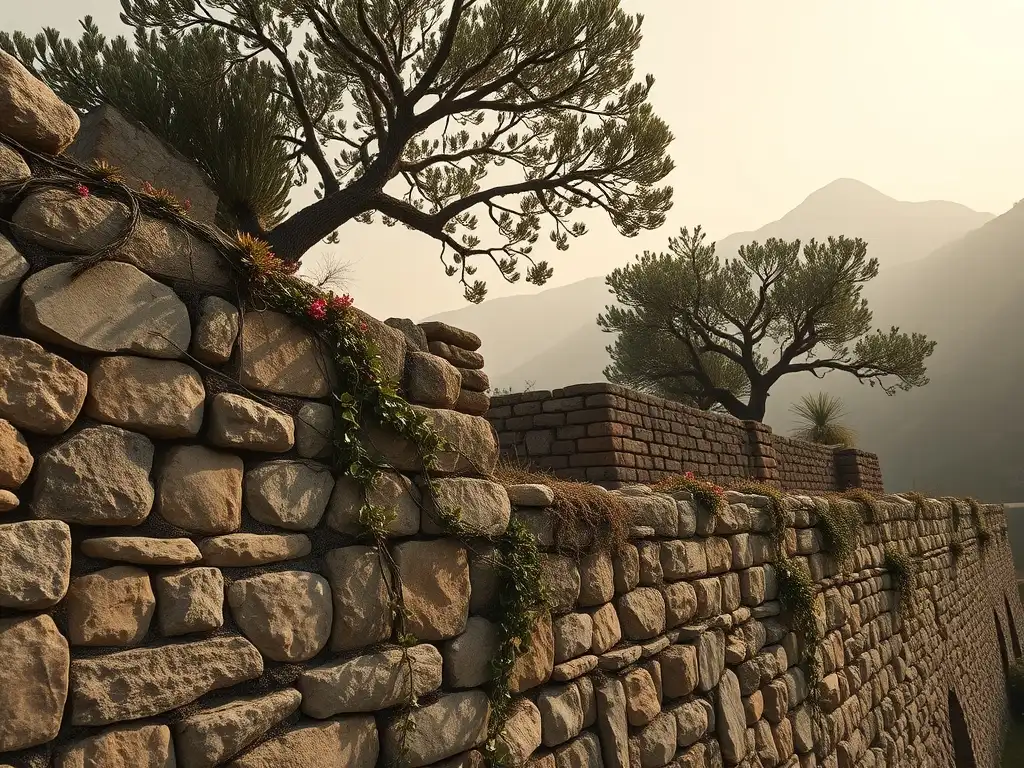
This section delves into specific examples of how the Spanish utilized—or neglected—existing Inca infrastructure after the conquest. We'll examine how the ingenuity of Inca engineering either facilitated Spanish colonial projects or was simply left to decay, highlighting the contrasting approaches to infrastructure management between these two powerful civilizations. Understanding this repurposing, or lack thereof, provides crucial insight into the complexities of the Inca Empire's fall and the subsequent establishment of Spanish colonial rule.
Machu Picchu and its Spanish Neglect
Machu Picchu, often cited as the epitome of Inca architectural prowess, presents a fascinating case study of Spanish indifference towards Inca engineering. While other Inca sites were actively repurposed, Machu Picchu remained largely untouched by the Spanish. This neglect, rather than active repurposing, speaks volumes about the Spanish priorities and their understanding (or misunderstanding) of the Inca's achievements.
Inca Engineering Elements Found
Machu Picchu showcases remarkable Inca engineering. The city's sophisticated water management system, including intricate channels and fountains, demonstrates advanced hydraulic engineering. The precise stonework, with its incredibly tight fits, speaks to their mastery of dry-stone construction techniques. Agricultural terraces carved into the steep mountain slopes maximized arable land. These elements, indicative of a highly developed civilization, were largely ignored by the Spanish.
Spanish Lack of Modifications and Disuse
The Spanish conquistadors, focused on extracting wealth and establishing control, seemingly had little interest in maintaining or adapting Machu Picchu's infrastructure. There's minimal evidence of significant Spanish modification or use of the site. This lack of repurposing contrasts sharply with their actions in other areas, suggesting that Machu Picchu's remote location and lack of immediate economic value contributed to its abandonment by the Spanish. The site's rediscovery in the 20th century revealed an almost pristine example of Inca ingenuity, largely preserved due to this very neglect.
The Písac Terraces and Their Continued Use
In contrast to Machu Picchu's abandonment, the agricultural terraces at Písac illustrate a more active form of Inca engineering repurposing by the Spanish. The existing Inca infrastructure was readily adaptable to Spanish agricultural practices, leading to its continued use and even some modifications.
Inca Infrastructure Prior to the Spanish
Prior to the Spanish arrival, the Písac terraces represented a marvel of Inca agricultural engineering. The terraces, meticulously carved into the mountainside, utilized sophisticated techniques to maximize water retention and soil fertility, allowing for intensive cultivation in a challenging environment. This system ensured food security for a significant population. The sheer scale of the undertaking highlights the Inca's commitment to agricultural productivity and their advanced understanding of environmental engineering.
Spanish Colonial Transformation and Function
The Spanish, recognizing the value of the existing irrigation system and the fertile land, continued to utilize the Písac terraces for agriculture. While they likely introduced new crops and farming techniques, the fundamental Inca infrastructure remained the foundation of their agricultural activities. This adaptation demonstrates a pragmatic approach by the Spanish, leveraging existing Inca engineering to support their colonial economy.
The terraces, therefore, represent a successful example of Inca engineering repurposing, albeit with a shift in agricultural production to cater to Spanish needs and tastes. This highlights the adaptability of Inca engineering and its long-lasting impact on the landscape, even after the fall of the Inca Empire. The continued use of these terraces, even today, is a testament to the ingenuity of Inca design and the practical value of their engineering solutions.
The Long-Term Effects of Inca Engineering Repurposing
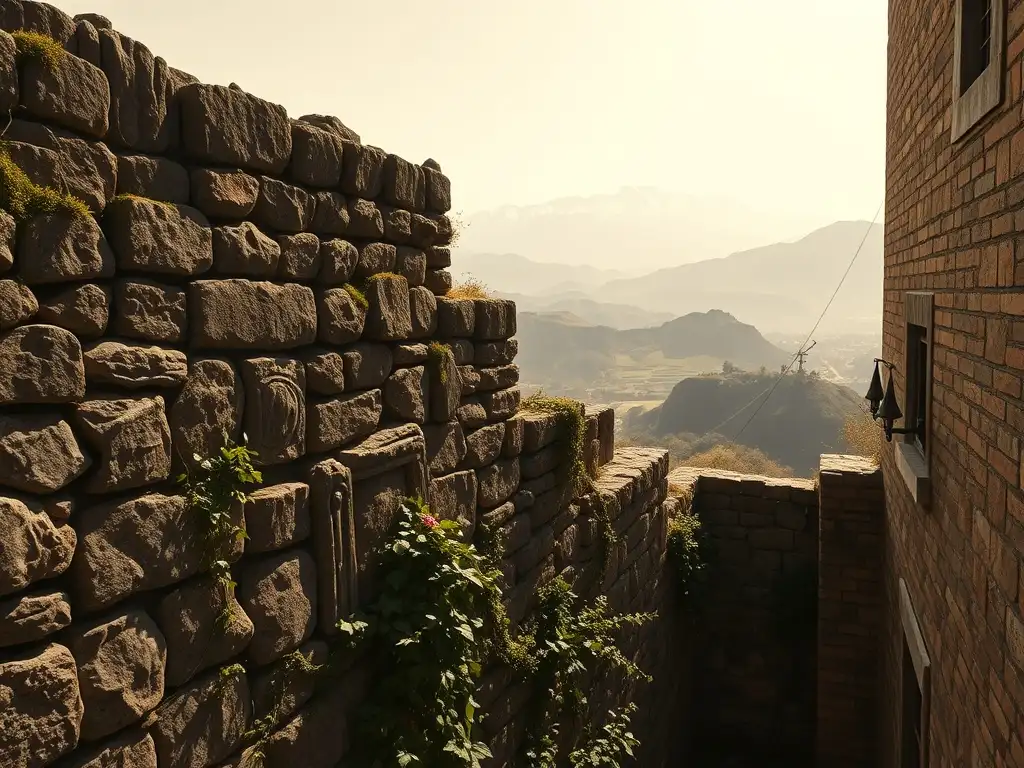
The Spanish conquest of the Inca Empire didn't simply result in a political upheaval; it profoundly impacted the utilization and adaptation of existing Inca infrastructure and technology. The repurposing of Inca engineering marvels by the Spanish had long-term consequences, shaping the Andean landscape and influencing societal structures for centuries to come. This section will explore the enduring legacy of this complex interaction, highlighting both the preservation and the transformation of Inca ingenuity.
The Spanish, while dismantling the Inca political system, found themselves surprisingly reliant on the sophisticated infrastructure already in place. Understanding this reliance is key to grasping the long-term effects of the conquest on the Andean region. The impact extended far beyond simple appropriation; it involved a complex interplay of adaptation, modification, and even destruction, all leaving an indelible mark on the region's development.
Inca Technological Knowledge: Preserved and Modified by the Spanish
The Spanish initially underestimated the depth of Inca technological knowledge. Their initial focus was on extracting wealth, primarily gold and silver. However, they quickly realized the practicality and efficiency of existing Inca systems, particularly in agriculture and transportation. Inca agricultural techniques, including terracing, irrigation canals, and sophisticated water management systems, were crucial for food production in the challenging Andean terrain. The Spanish, lacking the same level of understanding of Andean agricultural practices, largely adopted and continued using these pre-existing systems.
This wasn't a passive adoption; they often modified existing systems to suit their own needs and priorities. For instance, while retaining the basic structure of Inca irrigation canals, they sometimes redirected water flow to serve Spanish-owned haciendas, prioritizing their own agricultural enterprises. This demonstrates a pattern of selective appropriation, where Inca technology was preserved but its purpose and management were altered to serve the Spanish colonial project. The modifications, while seemingly minor, had significant long-term consequences for land ownership, water rights, and agricultural production in the region. The impact on local communities was profound, as access to resources and traditional farming practices shifted dramatically under Spanish rule.
The Spanish also adapted Inca road networks, utilizing the existing infrastructure for their own military and administrative purposes. The caminos reales (royal roads) built upon and expanded the existing Inca system, facilitating the movement of troops, goods, and administrators throughout the vast colonial territory. This highlights a pragmatic approach by the Spanish, recognizing the value of existing infrastructure and integrating it into their colonial administration. This integration, however, often came at the expense of indigenous communities, who were forced to contribute labor to maintain and expand these roads.
The Blending of Inca and Spanish Architectural Styles
The fusion of Inca and Spanish architectural styles is a prominent example of cultural exchange and adaptation following the conquest. The Spanish, known for their monumental architecture, initially attempted to impose their own aesthetic preferences on the Andean landscape. However, the practicality and resilience of Inca building techniques proved difficult to ignore. Many colonial structures incorporated elements of Inca masonry, utilizing techniques like precisely cut stone blocks and intricate fitting without mortar. This blend is evident in many churches and public buildings built during the colonial period.
The incorporation of Inca architectural elements wasn't simply a matter of practicality; it also reflected a degree of cultural accommodation. While the overall style might be Spanish baroque or colonial, the underlying construction techniques often retained a strong Inca influence. This blending of styles is not always a harmonious fusion. In some cases, the Spanish simply overlaid their structures onto existing Inca foundations, resulting in a somewhat incongruous aesthetic.
For example, the construction of churches on top of Inca ruins is a common sight, showcasing the overlay of two distinct architectural traditions. This approach highlights a pragmatic approach by the Spanish, utilizing existing structures to save time and resources, but also a disregard for the cultural significance of the pre-existing Inca buildings. The resulting architectural landscape, therefore, reflects a complex interaction between two distinct cultural traditions, a mix of dominance and adaptation. This blend is a testament to the lasting impact of Inca engineering and aesthetic principles on the architecture of the Andean region.
The Lasting Influence of Inca Infrastructure on Modern Andean Life
The legacy of Inca engineering continues to shape Andean life even today. Many aspects of modern infrastructure still rely on or are influenced by Inca designs and techniques. For example, the terracing systems developed by the Inca, adapted and modified over centuries, remain crucial for agriculture in many Andean communities. These terraces not only provide effective farming space on steep slopes but also help to prevent soil erosion.
The Inca road network, though significantly altered over time, continues to influence road layouts and transportation patterns in certain regions. Furthermore, the ingenuity of Inca water management systems serves as a model for contemporary water resource management strategies in areas facing water scarcity. Their sophisticated understanding of hydraulics and their ability to create efficient irrigation systems are still relevant today. The enduring legacy of Inca engineering isn't just about the physical structures that remain; it's also about the technological knowledge and principles that continue to inform modern approaches to sustainable development in the Andes.
The resilience of Inca engineering speaks to its inherent effectiveness in a challenging environment. Their ability to adapt to the specifics of the Andean landscape provides a valuable lesson for contemporary approaches to sustainable infrastructure development in mountainous regions worldwide. This lasting influence underscores the profound and enduring impact of Inca engineering on the Andean world, proving its timeless relevance.
Conclusion: The Enduring Legacy of Inca Engineering and its Spanish Exploitation
The Spanish conquest of the Inca Empire didn't just mark a political shift; it represented a profound transformation of Andean infrastructure and technology. The Inca's sophisticated engineering prowess, honed over centuries, provided the foundation upon which the Spanish built their colonial empire. This wasn't merely a case of adaptation; it was a systematic repurposing of existing resources, a testament to both Inca ingenuity and Spanish pragmatism.
Understanding this complex interplay is crucial to grasping the full scope of the colonial period and its lasting impact on the Andes. The Inca's legacy extends far beyond the ruins we see today; it's woven into the very fabric of the Andean landscape, a silent witness to centuries of change and adaptation.
The efficient road networks, intricate irrigation systems, and robust agricultural techniques—all testaments to Inca engineering—continued to serve the Spanish, albeit often in altered and sometimes exploitative ways. This section delves into the significance of this repurposing, exploring the complex relationship between Inca and Spanish engineering, and ultimately emphasizing the importance of recognizing the Inca contribution to Andean history.
The Significance of Inca Infrastructure for Spanish Colonial Success
The Spanish conquest would have been far more challenging, if not impossible, without the existing Inca infrastructure. The caminos reales (royal roads), a network of meticulously engineered pathways stretching thousands of miles across the Andes, became the backbone of the Spanish colonial administration. These roads, originally designed to facilitate communication and trade within the Inca Empire, were rapidly adapted to serve Spanish military and administrative needs.
The swift movement of troops and supplies along these pre-existing routes was instrumental in suppressing indigenous resistance and consolidating Spanish control. Furthermore, the Inca's mastery of hydraulic engineering, evidenced in their intricate irrigation systems, proved invaluable to the Spanish. These systems, which had sustained a large and densely populated empire, ensured agricultural production continued, providing the Spanish with a reliable source of food and resources.
Estimates suggest that the Spanish colonial economy relied heavily on the continued functionality of Inca-built irrigation canals and terraced fields for at least the first century of colonization. The efficient transport of goods, the reliable agricultural output, and the pre-established administrative centers all facilitated the Spanish colonization process, highlighting the crucial role of Inca engineering in their colonial success. Without this pre-existing infrastructure, the Spanish conquest and subsequent colonial administration would have faced significantly greater hurdles.
Understanding the Complex Relationship Between Inca Engineering and Spanish Engineering
The relationship between Inca and Spanish engineering wasn't simply one of appropriation. While the Spanish readily utilized existing Inca infrastructure, they also introduced their own engineering techniques and approaches. This led to a complex interplay, a blending of Andean and European knowledge. For example, while the Spanish initially relied on the Inca road system, they also embarked on the construction of new roads and bridges, often modifying existing Inca structures to suit their needs.
This sometimes involved reinforcing existing Inca constructions with Spanish materials and techniques, creating a hybrid system reflecting both cultures. However, the Spanish approach often lacked the sophistication and environmental sensitivity of Inca engineering. The Spanish focused on immediate practicality, often neglecting long-term sustainability. This contrasts sharply with the Inca's emphasis on harmonious integration with the environment.
The Spanish mining operations, for instance, caused significant environmental damage, contrasting with the Inca’s more sustainable mining practices. This difference in approach highlights the distinct engineering philosophies and priorities of the two empires, emphasizing the complexity and nuanced nature of their interaction. The Inca engineering legacy wasn't simply overwritten; it was adapted, modified, and sometimes exploited, resulting in a unique hybrid system reflecting both cultures' strengths and weaknesses.
The Importance of Recognizing the Inca Contribution to Andean History
Recognizing the Inca contribution to Andean history necessitates acknowledging the profound impact of their engineering achievements, even in the context of Spanish exploitation. To simply view the Inca as a conquered people whose legacy was erased ignores the enduring influence of their engineering on the subsequent colonial period and beyond. The Inca's sophisticated understanding of architecture, hydraulics, and road construction provided the foundation for the Spanish colonial enterprise. Their knowledge and skills were crucial to the economic and administrative success of the Spanish colony.
Ignoring this contribution is a form of historical erasure, diminishing the agency and ingenuity of the Inca people. A complete understanding of Andean history necessitates a nuanced appreciation of the intricate relationship between Inca and Spanish engineering, recognizing the Inca contributions, even amidst the context of colonial exploitation. This requires a move beyond simply documenting the destruction caused by the Spanish conquest to analyzing the complex ways in which Inca technologies and knowledge were adapted, modified, and ultimately repurposed to serve the needs of the colonial regime.
Only then can we fully appreciate the enduring legacy of Inca engineering and its profound impact on the Andean world. The continued functionality of Inca infrastructure underscores its resilience and provides a powerful testament to Inca ingenuity, even under the pressures of colonial rule. 🌎
Frequently Asked Questions
What is the main focus of this article?
This article explores how the Spanish repurposed the remarkable Inca engineering feats after their conquest of the Andes. It highlights the ingenuity of both the Inca builders and the Spanish adaptation of existing structures.
How did Inca engineering influence Spanish constructions?
The Spanish often integrated Inca infrastructure, such as stonework and irrigation systems, into their own buildings and cities. This saved them time and resources, and demonstrates a pragmatic adaptation of existing infrastructure.
What are some examples of Inca structures repurposed by the Spanish?
Examples include the use of Inca stonework in colonial buildings in Cusco and the adaptation of Inca roads and bridges for their own transportation needs. Many colonial structures were built atop or around pre-existing Inca foundations.
What impact did this repurposing have on the Inca legacy?
The Spanish repurposing of Inca structures demonstrates both the destruction of Inca culture and the enduring impact of Inca engineering. While much was destroyed, aspects of Inca technology continued to influence the landscape.
Where can I learn more about Inca engineering and Spanish adaptation?
This article provides an overview, but further research can be conducted through academic sources focusing on colonial architecture in the Andes, Inca technology, and the impact of Spanish conquest. Many museums and archaeological sites also offer insights.
Final Reflection: Echoes of Empire: Inca Ingenuity and Spanish Adaptation
The ingenious engineering of the Inca civilization continues to resonate today, not only in the breathtaking ruins that still stand but also in the ways their infrastructure was repurposed and ultimately reshaped by the Spanish conquest. This repurposing, far from being a simple act of appropriation, reveals a complex interplay of cultural forces, highlighting both the resilience of Inca design and the transformative power of colonial ambition. The very stones that once served the Inca empire now whisper tales of two vastly different worlds colliding.
The enduring legacy of Inca engineering is a powerful testament to human ingenuity and adaptability, a lesson both humbling and inspiring. The Inca's mastery of stonework, their sophisticated understanding of hydraulics, and their ability to construct intricate road networks across challenging terrain continue to amaze and inspire modern engineers. The Inca were not just builders; they were architects of a civilization, and their structures reflect a deep understanding of their environment and a profound respect for their land.
This quote encapsulates the essence of their achievements, achievements that were both admired and exploited by the Spanish. Their actions, while undeniably destructive in many ways, also inadvertently preserved aspects of Inca ingenuity for future generations to study and appreciate.
Consider, for a moment, the weight of history embedded in every stone, every aqueduct, every road. You, the reader, are now part of this ongoing conversation, a witness to the enduring legacy of the Inca and the complex relationship between their achievements and the subsequent colonial era. Take a moment to reflect on the power of adaptation, the resilience of culture, and the enduring impact of human ingenuity. Let the echoes of the Inca empire inspire you to appreciate the ingenuity of past civilizations and to consider the lasting impact of our own actions on the world around us.
Unveil the Legacy of Inca Engineering Today!
Thank you for exploring the remarkable achievements of Inca engineering and its fascinating evolution under Spanish rule. You've uncovered not only historical facts, but also the ingenuity that shaped entire civilizations. Now, let's put that knowledge to good use!
Here are some ways you can further engage with this incredible legacy:
- **Explore local examples of architecture** inspired by Inca designs. Visit museums or historical sites in your area that showcase this impressive engineering.
- **Share your newfound knowledge**! Discuss your discoveries with friends, or join our vibrant online community dedicated to ancient civilizations.
- **Get involved** by volunteering with organizations dedicated to archaeology and the preservation of ancient sites. Your contribution will help protect these invaluable historical treasures for future generations.
Which aspects of Inca engineering are most inspiring to you, and how could their innovative solutions inform modern infrastructure? We'd love to hear your thoughts!