
The Andean Art of Divination: Interpreting Signs and Omens

Step into a world lost to time, yet whispering secrets still… Journey with us to the heart of the Andes, where towering mountains held more than just breathtaking views. Discover the intricate tapestry of Andean civilizations, and unlock the mysteries surrounding their profound understanding of the cosmos. What ingenious methods did they use to interpret the world around them? Prepare to be captivated by the fascinating world of Andean divination methods, a practice that reveals a deeply spiritual connection to the land and its powerful forces. Unravel the enigma – explore the ancient art of seeing beyond the veil.
- Andean Divination Methods: Unveiling the Future in Ancient Civilizations
- Exploring Diverse Andean Divination Techniques
- Key Elements in Andean Divination Rituals
- Andean Divination in Specific Civilizations
- The Legacy of Andean Divination: Modern Relevance
- Frequently Asked Questions
- Final Reflection: Echoes of the Andes: A Legacy of Divination
- Embrace Your Journey: Discover the Power of Andean Divination!
Andean Divination Methods: Unveiling the Future in Ancient Civilizations
The Andes Mountains, a spine of towering peaks stretching along the western coast of South America, were not only a geographical marvel but also a cradle of complex and fascinating civilizations. For millennia, Andean cultures—including the Incas, Moche, Nazca, and Tiahuanaco—developed intricate belief systems deeply intertwined with the natural world. A crucial aspect of this worldview was divination, the practice of seeking knowledge of the future or the unknown through various methods.
This article delves into the diverse and sophisticated techniques employed by Andean peoples to interpret signs and omens, exploring their significance within the broader context of Andean religion and cosmology. Understanding these methods provides crucial insight into the Andean worldview and their relationship with the spiritual realm, revealing a profound connection between the human and the divine, the earthly and the celestial. We will examine the core principles underpinning these practices, their societal roles, and their enduring legacy.
By exploring the rich tapestry of Andean divination, we gain a deeper appreciation for the complexity and sophistication of these ancient civilizations and their enduring influence on modern Andean cultures. This exploration into "Andean divination methods" will illuminate the practices used to interpret signs and omens, revealing the intricate systems of belief that shaped Andean societies.
The Significance of Divination in Andean Cosmovision
Andean cosmovision, a holistic worldview encompassing the interconnectedness of all things, placed immense importance on divination. The Andean people believed that the future was not predetermined but rather influenced by a complex interplay of forces, both human and supernatural. Divination was not simply a means of predicting the future; it served as a vital tool for understanding the will of the gods, navigating challenges, and maintaining harmony within the community and with the natural world.
The act of divination itself was often considered a sacred ritual, requiring specialized knowledge, careful preparation, and a deep understanding of Andean cosmology. Success in divination was often linked to the practitioner's spiritual purity and their ability to interpret subtle signs and symbols. Failure, on the other hand, could be interpreted as a sign of imbalance or a lack of respect for the sacred.
The results of divination were not always straightforward prophecies, but often offered guidance and advice, helping individuals make informed decisions and navigate uncertain times. This practice was integral to all aspects of Andean life, from agricultural planning and warfare to personal decisions and healing rituals. The accuracy of a reading was often judged by its impact on the community rather than by a simple "true" or "false" assessment.
Understanding Andean Prophecy and its Role in Society
Andean prophecy was not a passive activity, but rather an active engagement with the spiritual realm. It played a pivotal role in shaping Andean societies, influencing decision-making at both individual and societal levels. Specialized individuals, often shamans or priests, held the responsibility of interpreting signs and omens, acting as intermediaries between the human and spiritual worlds.
Their pronouncements could significantly influence political strategies, agricultural practices, and even social structures. For example, the successful harvest of crops was often attributed to the accuracy of divinatory practices, while crop failure could lead to reassessments of societal practices and a renewed focus on appeasing the spirits. The role of the diviner was thus one of great responsibility and power, requiring not only skill in interpretation but also wisdom and sensitivity.
They were expected to provide guidance that was both accurate and beneficial to the community, balancing the need for honest predictions with the potential impact on social cohesion. The influence of prophecy extended beyond immediate practical concerns; it also played a crucial role in maintaining social order and reinforcing the existing power structures. The ability to predict the future was seen as a manifestation of divine favor, enhancing the authority and legitimacy of those in power.
Core Principles of Andean Divination Practices
Andean divination employed a wide array of methods, reflecting the rich diversity of Andean cultures. While the specific techniques varied across different regions and time periods, several core principles remained consistent. These include:
- Observation of Nature: Andean peoples paid close attention to the natural world, interpreting patterns in the weather, animal behavior, and celestial events as signs and omens. The flight of birds, the appearance of specific plants, and even the tremors of the earth were all considered potential sources of divine communication. This deep connection to nature underscores the holistic nature of Andean cosmovision.
- Interpretation of Dreams: Dreams were considered another significant avenue for communicating with the spiritual realm. Specialized dream interpreters would analyze the symbolism within dreams, offering insights into the dreamer's future or providing guidance on important decisions. The interpretation of dreams often involved detailed knowledge of Andean mythology and symbolism.
- Use of Divination Tools: Various tools were used to facilitate divination, including coca leaves, knotted strings (quipus), and intricately designed pottery. These tools were not merely instruments but rather sacred objects imbued with spiritual power. The process of using these tools often involved specific rituals and prayers, ensuring the accuracy and efficacy of the divination.
- Emphasis on Context: The interpretation of signs and omens was not done in isolation. Andean diviners considered the broader context of the situation, taking into account factors such as the time of year, the current social and political climate, and the individual's personal circumstances. This holistic approach ensured a more nuanced and accurate interpretation of the divine message.
The study of Andean divination reveals a sophisticated and nuanced understanding of the relationship between humanity and the supernatural. It highlights the importance of careful observation, insightful interpretation, and a deep connection to the natural world in shaping the lives and societies of ancient Andean cultures. Further research into specific Andean cultures and their unique divination practices will undoubtedly reveal even greater complexities and insights into this fascinating aspect of Andean civilization.
Exploring Diverse Andean Divination Techniques
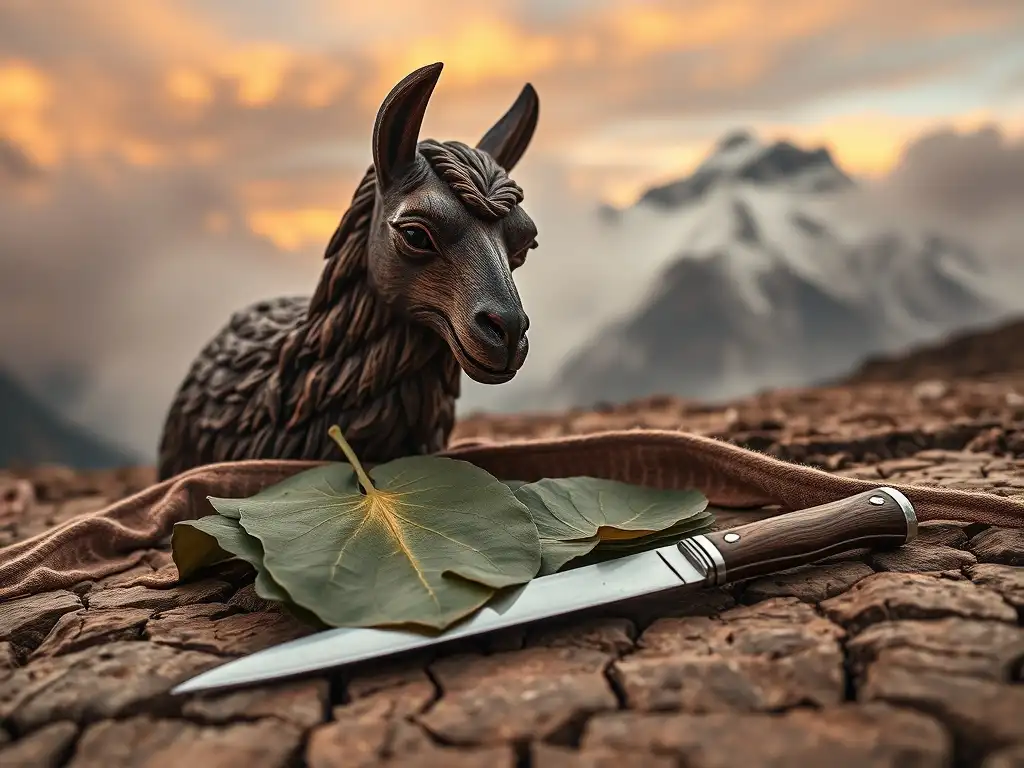
Andean divination methods, a fascinating aspect of Andean religious practices, encompassed a wide array of techniques employed to gain insight into the future, interpret omens, and communicate with the spirit world. These methods, deeply intertwined with the cosmological beliefs and daily lives of Andean peoples, reveal a sophisticated understanding of symbolism and the natural world. From the humble coca leaf to intricately carved oracle bones, the search for meaning permeated Andean society, influencing decisions ranging from agricultural practices to matters of state. The following sections will explore some of the most prevalent divination techniques employed across different Andean cultures.
Coca Leaf Reading: Interpreting the Sacred Leaf
Coca, Erythroxylum coca, holds immense cultural and religious significance in the Andes. Beyond its stimulant properties, the coca leaf served as a vital tool for divination, offering a direct line of communication with the spiritual realm. The practice of coca leaf reading, or la lectura de la coca, remains prevalent in many Andean communities today, demonstrating the enduring power of this ancient tradition.
The Process of Coca Leaf Divination
The process of coca leaf divination typically involves carefully spreading a small handful of leaves onto a flat surface. The practitioner, often a respected elder or shaman, then meticulously examines the arrangement of the leaves, considering their orientation, the presence of specific markings, and any unusual formations. The interpretation is not solely based on a fixed set of symbols but also relies heavily on the practitioner's intuition and understanding of the specific context of the query.
The act itself is a sacred ritual, requiring respect, focus, and a deep connection to the spiritual world. For instance, the way the leaves are spread might be influenced by the specific question asked, the direction of the wind, or even the time of day.
Common Symbols and Interpretations in Coca Readings
While the interpretations are highly nuanced and vary between practitioners and communities, some common symbolic associations exist. For example, a leaf pointing upwards might signify good fortune or positive developments, while a downward-pointing leaf could indicate challenges or obstacles. Leaves grouped together often represent unity or collaboration, whereas scattered leaves might suggest dispersion or uncertainty.
The presence of unusually shaped leaves or leaves with specific markings can also hold significant meaning, often interpreted within the broader context of the spread. Detailed records of specific interpretations are scarce, making further research crucial to fully understand the rich symbolism of coca leaf divination.
The subtle variations in leaf shape, color, and even the presence of small insects on the leaves can all contribute to the overall interpretation, highlighting the intricate nature of this divination method. Further research into specific regional variations in coca leaf readings would greatly enhance our understanding of this practice.
Oracle Bones and Animal Remains: Messages from the Ancestors
Beyond coca leaf readings, Andean cultures utilized a variety of other divination techniques. Oracle bones, often from camelids like llamas or alpacas, and animal remains played a significant role in accessing spiritual guidance and interpreting omens. The practice involved careful observation of cracks, markings, and other features on the bones, often interpreted in conjunction with other contextual clues.
The Use of Animal Bones in Andean Prophecy
The use of animal bones in Andean prophecy was not arbitrary. Specific bones, such as scapulae (shoulder blades), were favored due to their shape and the ease with which cracks could be induced. The bones were often ritually prepared before divination, perhaps through specific cleansing or offerings.
The act of interpreting the cracks and markings was a highly skilled practice, requiring years of training and experience. The meaning derived from the bones wasn't simply a matter of reading a predetermined set of symbols; instead, it involved a sophisticated understanding of the animal's role within the Andean cosmology and the broader context of the question being asked. For example, a specific crack pattern on a llama scapula might have different interpretations depending on the time of year or the nature of the query.
Deciphering Patterns and Markings on Oracle Bones
Deciphering the patterns and markings on oracle bones required a keen eye and a deep understanding of Andean symbolism. Experts would look for various features, including the direction and length of cracks, the presence of specific shapes within the cracks, and any unusual discolorations or textures on the bone surface.
These visual cues were then interpreted in conjunction with other contextual factors, such as the type of animal the bone came from, the ritual context in which the divination took place, and the specific question being posed. While a comprehensive catalog of all possible interpretations is lacking, research suggests that the process involved a complex interplay of observation, intuition, and knowledge of Andean cosmology.
Further investigation into preserved Andean oracle bones and associated ritual practices could provide valuable insights into this fascinating aspect of Andean divination. The potential for cross-cultural comparisons with other ancient divination traditions also offers exciting avenues for future research.
Observation of Natural Phenomena: Reading the Signs of Nature
Andean cultures developed sophisticated methods of divination deeply intertwined with their keen observation of the natural world. They believed that the cosmos communicated directly through natural events, offering glimpses into the future and guidance for their communities. This wasn't a passive observation; it was an active engagement, a constant search for meaning within the rhythms and patterns of nature. The Andean worldview saw the universe as a living, interconnected entity, and understanding its messages was crucial for survival and prosperity. Careful attention to seemingly insignificant details—the flight of a bird, the changing colors of a mountain, the flow of a river—could reveal vital information about upcoming harvests, potential dangers, or auspicious moments for important ceremonies. The accuracy of these interpretations was vital for the community's well-being. A misinterpretation could lead to missed opportunities or ill-preparedness for impending events. Therefore, considerable knowledge and experience were required to accurately translate these signs.
Analyzing Celestial Events for Prophetic Insights
The Andean peoples were meticulous observers of the night sky. The movements of the sun, moon, and stars were not merely astronomical occurrences; they were considered powerful indicators of future events. Specific constellations held symbolic significance, their positions and alignments interpreted as prophecies relating to weather patterns, agricultural cycles, and even political changes.
For example, the appearance of certain constellations at specific times of the year might have signaled the optimal time for planting or harvesting. Detailed records, possibly kept through knotted strings (quipus) or oral traditions passed down through generations of skilled diviners, preserved the knowledge of these celestial omens.
These weren't just simple predictions; the interpretation often involved complex calculations and a deep understanding of the cyclical nature of time, reflecting a sophisticated astronomical knowledge that rivaled that of many other ancient civilizations. The precision and accuracy required for such interpretations emphasize the importance of celestial divination in Andean societies.
Interpreting Animal Behavior as Omens
Animals played a significant role in Andean divination. Their behavior—their calls, their movements, even their physical appearance—was believed to carry messages from the spirit world. The flight patterns of birds, for instance, were carefully observed.
A hawk circling overhead might have been interpreted as a sign of good fortune, while a vulture circling could have foretold misfortune. Similarly, the behavior of other animals, such as llamas or snakes, was also scrutinized for clues about the future. A llama's unusual behavior might have been seen as a warning of impending danger.
This interpretation wasn't based on superstition alone; it was rooted in a deep understanding of animal behavior within their specific environment. This knowledge, accumulated over generations, provided valuable insights into potential threats or opportunities within their environment. The interpretation of animal behavior was an integral part of the Andean understanding of the natural world and its connection to the spiritual realm.
Reading the Land: Divination through Geographic Features
The landscape itself served as a source of divination for the Andean peoples. Mountains, rivers, and other prominent geographical features were not simply elements of the environment; they were considered sacred entities, embodying spiritual power and providing clues about the future. The flow of a river, for example, could be interpreted as a symbol of life's course, with its twists and turns reflecting the unpredictable nature of fate.
Unusual geological formations, such as caves or unusual rock formations, might have been considered sacred sites, where communication with the spirit world was more readily achieved. This practice was not limited to passive observation; it often involved rituals and offerings performed at these significant locations to seek guidance or appease the spirits associated with them. The interpretation of these geographical features required a deep understanding of the land and its symbolic meaning, passed down through generations of Andean communities.
The Role of Shamans and Diviners in Andean Society
Shamans and diviners occupied pivotal positions within Andean society. They were not simply religious figures; they were essential advisors and interpreters of the divine will. Their expertise in interpreting natural phenomena, celestial events, and other signs was crucial for making decisions affecting the entire community, from agricultural practices to warfare strategies.
They acted as intermediaries between the human world and the spirit world, possessing specialized knowledge and skills acquired through rigorous training and apprenticeship. These individuals were often highly respected and held considerable influence, their pronouncements shaping the course of events within their communities. Their role extended beyond simply predicting the future; they were also responsible for performing rituals and ceremonies aimed at influencing events, ensuring the wellbeing of the community, and maintaining harmony between the human and spiritual realms.
Their profound understanding of Andean cosmology and divination methods played a critical role in shaping the social, political, and religious life of Andean civilizations. The prestige and influence of these shamans and diviners underscore the central role of divination within Andean culture.
Key Elements in Andean Divination Rituals

Andean divination methods, a cornerstone of Andean religious practices, weren't haphazard guesses but deeply structured rituals requiring meticulous preparation and specific elements. Understanding these key elements is crucial to appreciating the sophistication and complexity of these ancient belief systems. The practices varied across different cultures – Inca, Moche, Nazca, and Tiahuanaco, each contributing unique nuances to the overall practice of interpreting signs and omens. However, common threads of reverence, preparation, and offering weave through them all. This section delves into the essential components that characterized Andean divination sessions.
Ritual Preparation for Divination Sessions
Preparation for Andean divination sessions was far from casual. It involved a period of purification and spiritual cleansing, essential for ensuring the accuracy of the divination and the receptiveness of the practitioner. This often included fasting, abstinence from certain foods and activities deemed impure, and ritual bathing using herbs and sacred waters. The practitioner, often a shaman or paqo, would also undertake personal rituals to ensure their own spiritual purity and connection to the Andean cosmos. The process aimed to establish a sacred space free from distracting energies, allowing for clear communication with the spiritual realm.
Consider the example of the Inca paqo. Before undertaking a divination, they might spend days in solitude, engaging in meditative practices and communicating with their ancestors through prayer and offerings. This rigorous preparation wasn't merely a formality; it was a crucial step in aligning themselves with the spiritual forces they sought to consult.
The level of preparation reflected the importance placed on the accuracy of the divination and its impact on the community. Detailed accounts of these preparatory rituals, unfortunately, remain scarce, leaving room for further research and interpretation of existing archaeological evidence. More research is needed to fully understand the regional variations in preparation techniques.
Offerings and Prayers in Andean Divination
Offerings played a pivotal role in Andean divination methods. They weren't merely gifts; they were acts of respect and appeasement, intended to honor the spirits and deities consulted during the divination process. Common offerings included coca leaves, maize, chicha (a fermented corn beverage), llama or alpaca fleece, and even precious metals like gold and silver. The selection of offerings was often specific to the deity or spirit being consulted and the nature of the question being asked. The act of offering itself was a ritualistic process, involving specific gestures, prayers, and incantations.
The prayers recited during these sessions were equally important. These weren't standardized prayers but rather spontaneous expressions of supplication and gratitude, tailored to the specific context of the divination. The paqo or shaman would often address the spirits directly, articulating the community's concerns and seeking guidance or clarification.
The language employed was often poetic and symbolic, reflecting the rich cosmology of the Andean world. The effectiveness of the divination was believed to be directly linked to the sincerity and reverence expressed through these offerings and prayers. Archaeological findings frequently uncover evidence of these offerings alongside divination tools, further emphasizing their importance in the ritual.
Sacred Spaces and Divination Practices
Andean divination rarely took place in random locations. Specific sacred spaces, imbued with spiritual significance, were chosen for these rituals. These could be natural sites, such as mountain tops, caves, or springs, or constructed spaces, such as temples or shrines. The location was often chosen based on its connection to specific deities or spirits, or its association with particular cosmological beliefs. The choice of location was crucial, as it was believed to influence the accuracy and effectiveness of the divination.
For instance, mountain tops, considered sacred dwelling places of powerful deities, were often preferred for divination related to weather patterns or agricultural cycles. Similarly, caves, often associated with the underworld and ancestral spirits, were used for divination concerning matters of life and death or ancestral guidance. The environment itself played an active role in the divination process, influencing the interpretation of signs and omens.
These sacred spaces weren't merely backdrops; they were active participants in the ritual, contributing to the overall atmosphere and fostering a heightened state of spiritual awareness. The careful selection of these spaces underscores the deep understanding and respect the Andean peoples held for the sacred landscape and its connection to the spiritual realm. Further research into the specific spatial arrangements within these sites could provide valuable insights into the dynamics of Andean divination practices.
Andean Divination in Specific Civilizations
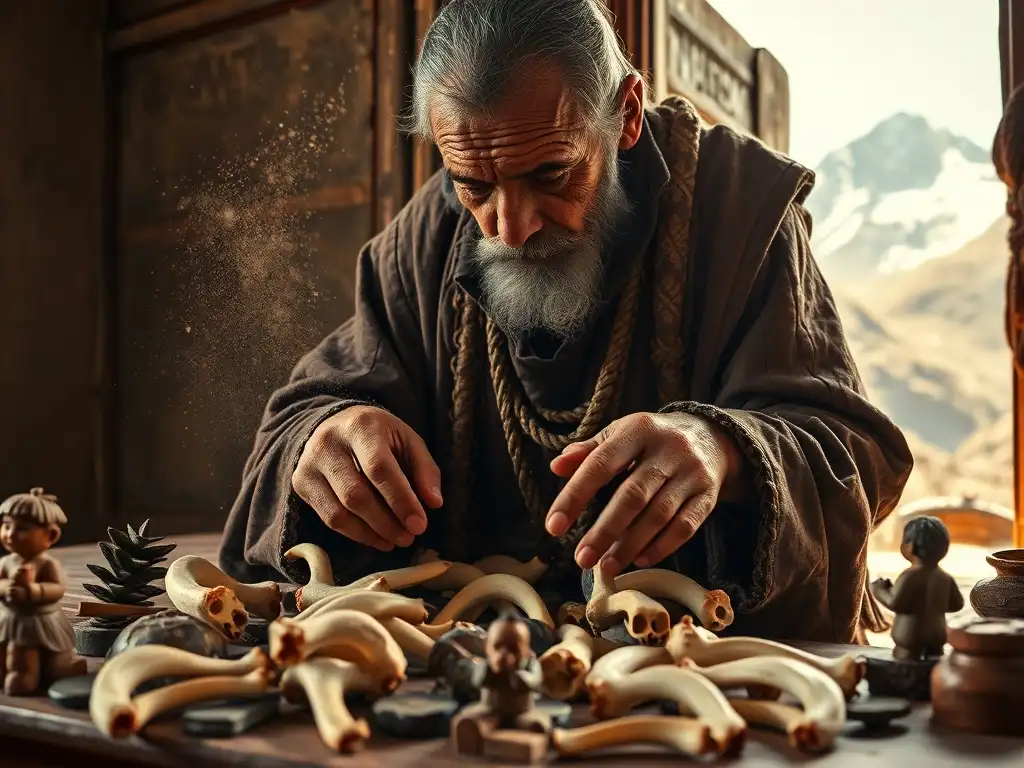
The Andean region boasts a rich tapestry of divination methods, varying across different cultures and time periods. While sharing some common threads—a deep connection to the natural world and a belief in the power of interpreting signs and omens—each civilization developed unique techniques reflecting their specific cosmologies and social structures. Understanding these variations provides a richer appreciation for the complexity of Andean religious practices and belief systems.
This section will explore the divination practices of two prominent Andean cultures: the Inca and the Moche. Analyzing their methods offers valuable insights into how these societies sought to understand the will of the gods, predict the future, and navigate the uncertainties of life. The study of Andean divination methods provides a fascinating glimpse into the sophisticated spiritual world of these ancient civilizations.
Divination Practices of the Inca Empire
The Inca Empire, known for its impressive administrative and engineering feats, also possessed a complex system of divination deeply intertwined with their religious beliefs. Their methods relied heavily on interpreting natural phenomena, utilizing both augury (observing natural events for omens) and sophisticated rituals involving llama sacrifices and divination using coca leaves. The Inca worldview was profoundly shaped by their understanding of the cosmos, and divination served as a crucial tool for maintaining balance and harmony between the human and spiritual realms. The accuracy and interpretation of these divinatory practices were vital to the Inca's political and social order.
Inca Methods of Augury and Prediction
Inca augury encompassed a broad spectrum of observations. The flight patterns of birds, the behavior of llamas, and even the patterns of cracks in the earth were meticulously scrutinized for signs. For example, the appearance of a condor soaring high above might have been interpreted as a favorable omen, while the unusual behavior of a llama could signify impending misfortune. This system was not arbitrary; specific signs held specific meanings, forming a complex body of knowledge passed down through generations of priests and diviners.
Furthermore, the Inca utilized sophisticated techniques involving coca leaves (cocaine). Specific patterns formed by the scattered leaves were interpreted to predict outcomes and offer guidance. [Specific coca leaf divination patterns and interpretations pending].
The Role of the Yachaq in Inca Divination
The yachaq, a type of shaman or priest, played a central role in Inca divination. These individuals were believed to possess special abilities to communicate with the spirit world and interpret divine messages. Their expertise was vital for understanding the meaning of omens and conducting complex divination rituals. The yachaq’s status within Inca society was high, reflecting the importance of divination in both political and personal life.
Their pronouncements could influence major decisions, from military campaigns to agricultural practices. The training and selection of yachaqs were rigorous, ensuring the preservation of their specialized knowledge and the continuity of divinatory practices across generations. The yachaq’s influence extended beyond interpretation; they also acted as intermediaries between the human and supernatural worlds, offering prayers and sacrifices to appease the gods and ensure favorable outcomes.
Divination Techniques in the Moche Culture
The Moche civilization, known for its remarkable artistry and sophisticated irrigation systems, also developed unique divination techniques. Unlike the Inca emphasis on augury, the Moche seem to have placed a stronger focus on interpreting symbolism within their art and ritual practices. Their elaborate iconography, often depicting scenes of warfare, ritual sacrifice, and supernatural beings, may have served a divinatory function, conveying messages and prophecies through visual representations. The combination of artistic expression and religious practice is a defining characteristic of Moche culture.
Moche Iconography and Divinatory Symbolism
Moche pottery, renowned for its intricate detail and realistic depictions, often portrays scenes that likely held symbolic significance related to divination. For example, depictions of specific animals or deities might have represented specific omens or predicted future events. The intricate patterns and symbols found on Moche textiles and ceramics likely also served as a form of coded communication, conveying hidden meanings only understood by those initiated into the secrets of Moche religion.
[Specific examples of Moche iconography and their associated divinatory meanings pending]. The analysis of these visual representations is crucial for understanding the Moche worldview and their approach to divination.
Moche Rituals Involving Human Sacrifice and Divination
Human sacrifice was a significant aspect of Moche religious practice, and it’s possible that these sacrifices were also linked to divination. The act of offering a human life might have been seen as a way to appease the gods and gain insight into the future. The positioning of the bodies, the accompanying grave goods, and the context of the sacrifice may all have held symbolic meaning, providing clues to the Moche understanding of the cosmos and their methods of divination.
The study of Moche burial sites offers valuable insights into these practices, but the interpretation of the available evidence remains a complex and ongoing area of research. [Further research on the correlation between Moche human sacrifice and divination is needed]. The ethical implications of studying this aspect of Moche culture must also be carefully considered.
Nazca Divination and the Interpretation of Geoglyphs
The Nazca culture, famed for its enigmatic geoglyphs etched into the Peruvian desert, also developed sophisticated divination practices deeply intertwined with these monumental earthworks. While the exact nature of Nazca divination remains a subject of ongoing scholarly debate, evidence suggests a strong connection between the geoglyphs and their cosmological beliefs.
The vast scale of the geoglyphs, their intricate designs, and their precise placement within the landscape all point to a deliberate and highly organized system of meaning-making, likely involving sophisticated astronomical observations and ritualistic practices. The sheer effort involved in creating these massive figures indicates their profound significance within Nazca society, solidifying their role in understanding the natural world and predicting the future.
The interpretation of these geoglyphs was likely not accessible to everyone, with specialized knowledge and training probably held by a select group of priests or shamans. This exclusivity further emphasizes the spiritual and ritual importance of the geoglyphs as tools of divination.
The Purpose of Nazca Lines in Divination
The purpose of the Nazca Lines in divination was likely multifaceted. Some scholars suggest the lines served as a giant calendar, aligning with specific celestial events and marking solstices and equinoxes. This alignment could have been used to predict agricultural cycles, important for a society heavily reliant on agriculture. Other interpretations propose that the lines functioned as pathways for ritual processions, connecting sacred sites and facilitating communication with the spirit world.
The geoglyphs themselves, with their diverse iconography, might have represented deities, animals, or abstract concepts with symbolic significance in Nazca cosmology, used for interpreting omens and predicting events. The sheer number and variety of geoglyphs suggest a complex system of divination, constantly evolving and adapting to the needs of the society. This system was not static; the meaning and interpretation of the geoglyphs could have changed over time, reflecting the dynamic nature of Nazca religious beliefs.
Nazca Practices of Divination Through Geoglyph Alignment
Nazca divination practices involving geoglyph alignment likely involved meticulous observation of the sun, moon, and stars. Priests or shamans may have tracked the movement of celestial bodies and correlated their positions with specific geoglyphs to interpret omens and predict future events. This process might have included observing shadows cast by the geoglyphs at different times of the year, noting changes in alignment with mountains or other geographical features.
The precision of the geoglyphs' construction suggests a deep understanding of astronomy and geometry, indicating a highly developed system of observation and interpretation. Detailed records of these observations, perhaps through knotted strings (quipus) or other forms of record-keeping, may have existed, but unfortunately, very little direct evidence survives to provide definitive proof of specific divination practices. Further research and archaeological discoveries are crucial to unravel the mysteries surrounding these intricate practices.
Tiahuanaco Divination and the Cosmic Order
The Tiahuanaco civilization, located on the shores of Lake Titicaca, developed a complex system of divination deeply rooted in their understanding of the cosmos. Their worldview emphasized the interconnectedness of the earthly and celestial realms, viewing the universe as an ordered and harmonious system governed by divine forces. This cosmological perspective heavily influenced their divination practices, which sought to interpret signs and omens from the natural world to understand the will of the gods and predict future events.
The elaborate architecture and monumental structures of Tiahuanaco, such as the Kalasasaya Temple, often incorporate astronomical alignments, suggesting a close relationship between their architectural design and their divination practices. The careful placement of buildings and the orientation of structures towards specific celestial events suggest that the city itself served as a vast observatory and a tool for divination.
Tiahuanaco Methods of Divination Using Astronomical Alignments
Tiahuanaco methods of divination extensively utilized astronomical alignments. The Kalasasaya Temple, for instance, is believed to have been designed to align with the solstices and equinoxes, marking crucial points in the agricultural cycle. Observations of the sun's position on these dates could have been used to predict crop yields and other important agricultural events. Furthermore, the alignment of the temple with specific constellations or stars might have held symbolic significance, offering insights into the divine will and predicting future events.
The priests may have employed sophisticated instruments, perhaps incorporating simple gnomons or other devices, to make precise astronomical observations and interpret the celestial movements. The interpretation of these astronomical alignments was likely complex and highly symbolic, requiring specialized knowledge and training within the priestly class. The precise methods used, however, remain speculative due to a lack of direct textual evidence.
The Role of the Priest in Tiahuanaco Divination
In Tiahuanaco society, priests played a central role in divination, acting as intermediaries between the human and divine worlds. They were responsible for interpreting signs and omens, communicating the will of the gods, and advising the ruling elite on important matters. Their expertise in astronomy, cosmology, and ritual practices allowed them to understand the complex symbolism embedded in astronomical alignments and other natural phenomena. The priests' authority stemmed from their access to specialized knowledge and their ability to connect with the divine realm.
They held considerable power and influence within Tiahuanaco society, shaping religious beliefs and influencing political decisions. Their role in divination was not merely predictive; it also served to maintain social order and reinforce the legitimacy of the ruling class by connecting their authority to the divine will. The precise training and hierarchy within the priestly class remain largely unknown, presenting opportunities for further research and exploration.
The Legacy of Andean Divination: Modern Relevance
Andean divination, a complex system of interpreting signs and omens to glean insights into the future and understand the will of the gods, holds a significant legacy that extends far beyond its ancient origins. While the specific practices and interpretations may have evolved over centuries, the fundamental belief in the interconnectedness of the natural and spiritual worlds, and the ability to decipher messages within them, persists in many Andean communities today. This enduring practice reflects the deep-rooted spiritual traditions of the Andes and the continuous search for meaning and guidance in the face of uncertainty.
The study of Andean divination methods reveals not only a fascinating aspect of ancient Andean cultures but also a living tradition that continues to shape the lives and beliefs of contemporary Andean communities. Understanding this legacy allows us to appreciate the rich tapestry of Andean spirituality and its enduring influence.
The Persistence of Traditional Divination Methods
Many traditional Andean divination methods continue to be practiced today, albeit often in adapted forms. These methods, passed down through generations, often involve interpreting natural phenomena, such as the flight patterns of birds (ornithomancy), the movement of stars (astromancy), or the patterns of coca leaves (foliomancy). The specific interpretations can vary widely depending on the region, the specific community, and the individual practitioner.
For example, the interpretation of coca leaf readings, a widely practiced form of divination across the Andes, relies on a complex system of symbols and associations, varying even between neighboring villages. The detailed analysis of these patterns, combined with the practitioner's intuition and knowledge of local traditions, provides a personalized reading and guidance for the individual seeking divination. This ongoing practice demonstrates the resilience and adaptability of ancient Andean traditions in the face of modernization and globalization.
The continued use of these methods underscores the importance of these practices within Andean communities. Further research into the nuances of these regional variations is crucial for a comprehensive understanding of Andean divination methods.
Andean Divination in Contemporary Andean Cultures
Andean divination is not merely a historical curiosity; it remains a vibrant and integral part of contemporary Andean cultures. While its role might have shifted over time, divination continues to play a significant role in decision-making, particularly in areas such as agriculture, health, and personal relationships. Farmers might consult with a diviner before planting or harvesting, seeking guidance on the optimal time and conditions for ensuring a successful crop.
Individuals facing health challenges may turn to divination for insights into the cause of their ailment and potential remedies. Even in urban settings, the practice persists, often adapted to incorporate elements of modern life while retaining its core principles. This adaptability highlights the enduring relevance of Andean divination methods in navigating the complexities of modern life.
The integration of traditional practices into contemporary contexts demonstrates the inherent flexibility and enduring significance of these beliefs. More research is needed to fully document the diverse ways in which Andean divination methods are employed across contemporary Andean communities.
Preserving and Understanding Ancient Andean Prophetic Arts
Preserving and understanding ancient Andean prophetic arts is crucial for safeguarding a vital part of the Andean cultural heritage. This involves not only documenting existing practices but also fostering respectful collaboration with Andean communities to ensure that these traditions are preserved authentically and ethically. Academic research plays a vital role in this endeavor, providing a framework for documenting and analyzing these complex systems of belief and practice.
However, it is equally important to recognize the limitations of academic approaches and prioritize the voices and perspectives of the Andean communities themselves. The preservation of these practices requires a sensitive and collaborative approach that respects the cultural significance of Andean divination and acknowledges its ongoing relevance in the lives of contemporary Andean peoples.
By promoting a deeper understanding and appreciation of Andean divination methods, we can contribute to the preservation of a rich and complex cultural legacy. Further efforts should focus on creating accessible resources and educational programs that promote intercultural dialogue and understanding.
Frequently Asked Questions
What were some common Andean divination methods?
Andean cultures employed various methods, including interpreting the flight of birds, reading coca leaves, and analyzing patterns in llama entrails. These practices were crucial for decision-making.
How did the Incas use divination?
The Inca utilized divination extensively for political decisions, agricultural planning, and assessing the health of their rulers. They often consulted priests and specialists for guidance.
What role did coca leaves play in Andean divination?
Coca leaf reading, or t'oqui, was a significant practice. Specialized priests would interpret the arrangement and appearance of the leaves to foretell the future or gain insights into various matters.
Were Andean divination methods only used by religious figures?
While priests and shamans were key practitioners, divination practices were also used by others. Common people might utilize simpler methods like observing natural phenomena for guidance in their daily lives.
How accurate were Andean divination methods believed to be?
The accuracy of these methods was deeply rooted in belief and faith. The interpretations were considered powerful indicators, though not necessarily infallible predictions of the future.
Final Reflection: Echoes of the Andes: A Legacy of Divination
The ancient Andean practice of interpreting signs and omens remains profoundly relevant today, a testament to humanity's enduring need to understand the unseen forces shaping our lives. While modern science offers explanations for many phenomena, the inherent uncertainty of existence persists, prompting a continued search for meaning and guidance, much like the Andean peoples sought centuries ago. The methods may have evolved, but the fundamental human desire to connect with something larger than ourselves remains constant.
The enduring power of Andean divination lies not just in its specific techniques, but in its underlying philosophy: a deep respect for the interconnectedness of all things and a recognition of the subtle ways in which the natural world communicates with us. The mountains speak, the rivers whisper, the wind carries secrets.
– This ancient wisdom, though expressed poetically, speaks to a truth that resonates across cultures and time. It reminds us to pay attention to the subtle signs around us, to listen to the whispers of intuition, and to find meaning in the seemingly mundane.
Consider the ways in which you seek guidance in your own life. Do you notice patterns, synchronicities, or recurring symbols? Embrace the spirit of Andean divination, not necessarily by mimicking its specific rituals, but by cultivating a heightened awareness of your surroundings and a deeper connection to the natural world. Open yourself to the possibility of hidden meanings and unexpected insights. The journey of self-discovery, much like the Andean quest for understanding, is a lifelong process of observation, interpretation, and ultimately, profound connection.
Embrace Your Journey: Discover the Power of Andean Divination!
Thank you for exploring the rich and mystical world of Andean divination with us! We hope you've gained valuable insights into this ancient art. Now, it's time to put your knowledge into practice and deepen your connection to these traditions.
Here are a few ways you can continue your journey:
- Dive Deeper: Practice a simple Andean divination technique, such as interpreting patterns in coca leaves or reading the flight of birds, and record your observations in a journal to gain personal insights. Reflect on any meaningful connections you discover.
- Share Your Wisdom: Introduce a friend or family member to the fascinating world of Andean divination! Share your experiences and discuss the significance of particular signs and omens. You could even connect with an online community of divination enthusiasts.
- Explore Further: Expand your understanding and appreciation of Andean culture by exploring books, documentaries, or online resources dedicated to their history, beliefs, and practices.
What signs or omens have you noticed lately? How might they offer guidance on your path forward? We'd love to hear your reflections!