
Andean Music & Dance: Online Lessons and Cultural Immersion

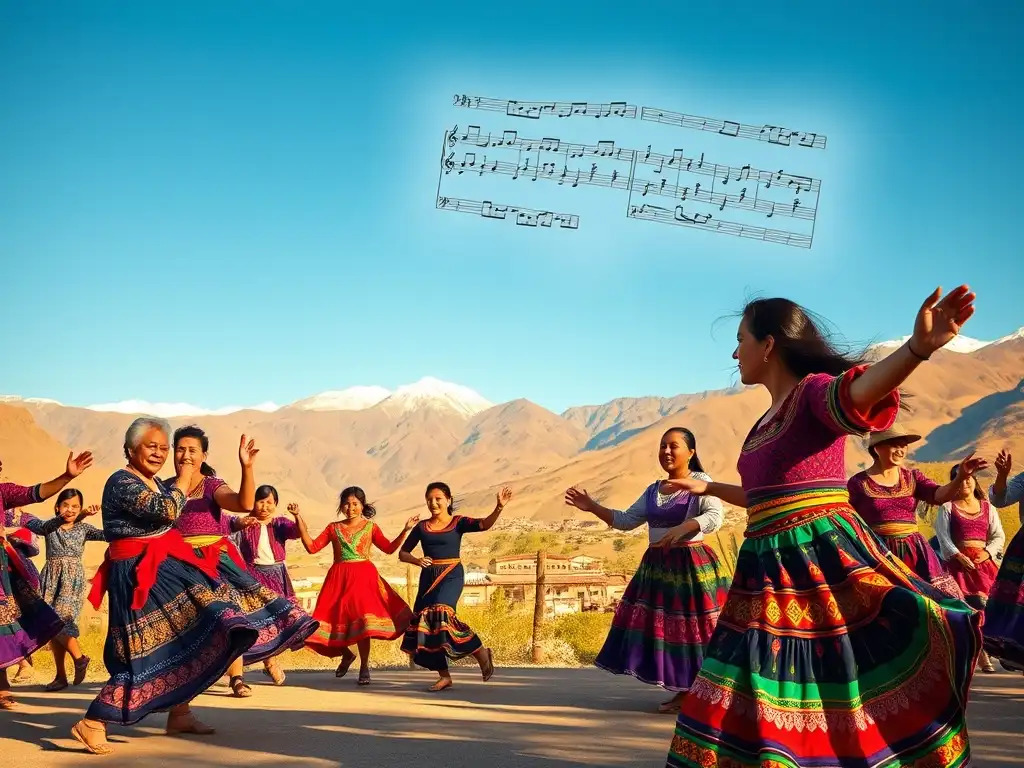
Unravel the mysteries of the Andes! Journey through millennia of vibrant culture, from the intricate artistry of the Nazca lines to the awe-inspiring engineering of Machu Picchu. But this is just the beginning... discover the pulse of the Andes with our exclusive Andean music and dance online courses. Prepare to be captivated by rhythms and movements that echo through time – a unique opportunity to experience the heart of these ancient civilizations firsthand. Dive in and unlock the secrets waiting within!
- Andean Music and Dance Online Courses: A Gateway to Cultural Immersion
-
How to Choose the Right Andean Music and Dance Online Course
- Identifying Your Learning Goals: Instrument Proficiency or Cultural Appreciation
- Exploring Different Course Formats: Live Interactive Sessions or Self-Paced Modules
- Evaluating Instructor Expertise: Seeking Experienced Andean Performers and Educators
- Understanding Course Curriculum: Focusing on Specific Rhythms like Huayno, Saya, or Tinku
-
Step-by-Step Guide to Starting Your Online Andean Music Journey
- Step 1: Selecting Your Instrument: Charango, Zampoña, or Quena and Their Unique Timbres
- Step 2: Finding the Perfect Online Platform: Specialized Andean Music Schools or Reputable Platforms
- Step 3: Preparing Your Learning Environment: Dedicated Practice Space, Instrument, and Tuning Tools
- Step 4: Mastering Basic Techniques: Learning Fundamental Scales, Rhythms, and Postures
- Step 5: Immersing Yourself in Andean Culture: Understanding the Context of the Music and Traditions
-
Monetizable Products and Resources: Enhance Your Andean Music and Dance Experience
- High-Quality Andean Instruments: Charango Crafted by Artisan Ramirez, Professional Zampoña Set by Luthier Vargas
- Recommended Online Learning Platforms: Link to Affiliate Partnership with Andean Music Academy Online
- Cultural Immersion Workshops: Link to a Virtual Workshop on Andean Textile Weaving
- Essential Learning Materials: Sheet Music for Popular Andean Pieces
- Andean Dance Attire: Traditional Polleras and Aguayos for Dance Practice
-
Deepening Your Andean Music and Dance Knowledge
- Exploring the History of Andean Music: Understanding the Cultural Significance of Each Genre
- Delving into the Stories Behind Andean Dances: The Meaning and Origin of Diablada, Morenada, and Caporales
- Joining an Online Andean Music Community: Connecting with Fellow Learners and Practitioners
- Practicing Regularly and Consistently: The Key to Mastering Andean Musical and Dance Forms
- Showcasing Your Progress: Sharing Your Performances and Cultural Explorations
-
The Benefits of Learning Andean Music and Dance Online
- Connecting with Andean Heritage: Deepening Your Understanding of Andean Culture and History
- Developing New Musical and Physical Skills: Improving Dexterity, Coordination, and Sense of Rhythm
- Experiencing Cultural Immersion from Anywhere: Bringing the Andean Spirit into Your Home
- Finding Joy and Fulfillment Through Music and Dance: Enriching Your Life Through Cultural Engagement
- Supporting Andean Artisans and Musicians: Contributing to the Preservation of Cultural Heritage
- Conclusion: Embrace the Journey of Andean Music and Dance
-
Frequently Asked Questions
- What types of Andean music and dance are covered in the online courses?
- Are these courses suitable for beginners with no prior experience?
- What materials or equipment will I need for the online courses?
- How much time commitment is involved in completing a course?
- How can I access the online courses and what is the cost?
- Final Reflection: The Enduring Rhythm of the Andes
- Dive Into the Rhythm: Start Your Andean Journey Today!
Andean Music and Dance Online Courses: A Gateway to Cultural Immersion
The vibrant tapestry of Andean civilization extends far beyond its impressive architecture and intricate textiles. At its heart beats a rich musical and dance tradition, a powerful expression of spirituality, community, and daily life that has endured for millennia.
This article explores the exciting world of online courses dedicated to Andean music and dance, offering a unique opportunity to delve into this captivating cultural heritage from the comfort of your own home. Whether you're a seasoned musician, a curious traveler, or simply someone fascinated by ancient cultures, these digital learning experiences provide an engaging and accessible path to understanding the rhythms, melodies, and movements that have shaped Andean societies for centuries.
We'll examine the various types of courses available, the benefits of online learning in this context, and how these resources contribute to a deeper appreciation of Andean cultural identity. Learning about Andean music and dance online offers a compelling way to connect with a legacy that continues to resonate today.
Discover the Rhythms of the Andes Through Online Learning
The digital age has revolutionized access to education, and Andean music and dance are no exception. Numerous online platforms now offer courses catering to diverse skill levels and interests. These courses typically incorporate a blend of instructional videos, audio recordings, and downloadable materials. Many emphasize practical application, guiding students through the steps of specific dances or the techniques of playing traditional instruments like the charango, panpipes, or zampoña.
The learning experience is often enhanced by the inclusion of cultural context, providing historical background and insights into the social significance of the music and dance within Andean communities. This holistic approach ensures that the learning process is not just technical but also deeply enriching. Some courses even feature live online sessions with instructors, creating an interactive learning environment and fostering a sense of community among participants.
Exploring Different Styles of Andean Music and Dance
The Andes boast a breathtaking diversity of musical and dance traditions, varying significantly across different regions and ethnic groups. Online courses often explore this variety, introducing students to styles such as:
- Inca music and dance: Often characterized by ceremonial rhythms and intricate steps reflecting Inca rituals and beliefs.
- Quechua music and dance: Reflecting the vibrant cultural heritage of the Quechua people, with diverse regional variations.
- Aymara music and dance: Showcasing the unique musical and dance expressions of the Aymara communities.
- Andean folk music and dance: Encompassing a broad range of styles, often incorporating elements of Spanish colonial influence.
Understanding these distinct styles is crucial for a comprehensive appreciation of Andean cultural heritage. Online courses provide a structured approach to exploring this diversity, offering insights into the historical and social contexts that shaped each tradition. They often include visual and audio examples to illustrate the differences and nuances between these styles.
Benefits of Learning Andean Music and Dance Online
Choosing online courses for learning Andean music and dance presents several key advantages:
| Benefit | Description |
|---|---|
| Flexibility | Learn at your own pace and schedule, fitting the course around your existing commitments. |
| Accessibility | Access courses from anywhere with an internet connection, breaking down geographical barriers. |
| Affordability | Online courses often offer a more affordable alternative to in-person classes. |
| Structured Learning | Courses provide a clear curriculum and learning path, ensuring a focused and progressive learning experience. |
| Diverse Resources | Access a wealth of supplementary materials, including videos, audio recordings, and historical information. |
The convenience, accessibility, and affordability of online courses make them an ideal option for individuals seeking to explore Andean music and dance, regardless of their location or prior experience. The structured learning approach ensures a comprehensive understanding of this rich cultural tradition. 1
1 Further research is needed to quantify the specific cost savings and accessibility improvements compared to in-person courses.
How to Choose the Right Andean Music and Dance Online Course
Choosing the right online course for Andean music and dance can significantly impact your learning experience. The abundance of options available requires careful consideration of several key factors to ensure you find a program that aligns with your goals and learning style. This section will guide you through the process, helping you navigate the world of Andean music and dance online courses and select the perfect fit. Remember, the best course is the one that best suits your individual needs and aspirations.
Identifying Your Learning Goals: Instrument Proficiency or Cultural Appreciation
Before embarking on your online learning journey, it's crucial to define your objectives. Are you aiming for instrument proficiency, perhaps mastering the zampoña or the charango? Or is your primary goal a deeper cultural appreciation of Andean musical traditions and dance forms? Your learning goals will significantly influence your course selection.
For example, if you dream of playing the panpipes (zampoña), look for courses that offer detailed instruction on fingering techniques, scales, and Andean musical notation. These courses might include video tutorials, downloadable sheet music, and potentially even opportunities for live feedback sessions with the instructor.
Conversely, if your interest lies primarily in cultural understanding, courses focusing on the history, social context, and ritual significance of Andean music and dance would be more suitable. These might incorporate elements of anthropology, ethnomusicology, and visual aids showcasing traditional Andean instruments and dance styles. Consider courses that offer insights into the diverse musical traditions across different Andean regions, from the vibrant rhythms of the coastal areas to the haunting melodies of the highlands.
Exploring Different Course Formats: Live Interactive Sessions or Self-Paced Modules
Online learning platforms offer a variety of course formats, each with its own advantages and disadvantages. Live interactive sessions, for instance, provide a dynamic learning environment with real-time interaction with the instructor and fellow students. This format is ideal for those who thrive in collaborative settings and benefit from immediate feedback. However, it requires a higher level of commitment due to scheduled session times.
Self-paced modules, on the other hand, offer flexibility and convenience, allowing you to learn at your own speed and on your own schedule. This asynchronous format is perfect for those with busy schedules or who prefer a more independent learning style. However, self-paced courses might require more self-discipline to stay on track and might lack the immediate feedback of live sessions. Look for courses that offer a blend of both formats, or choose the option that best suits your learning preferences and time constraints. Many courses offer downloadable materials, allowing for offline study and review.
Evaluating Instructor Expertise: Seeking Experienced Andean Performers and Educators
The expertise of your instructor is paramount to a successful learning experience. Look for instructors who are not only skilled musicians and dancers but also experienced educators with a proven track record of teaching Andean music and dance. Ideally, your instructor should possess a deep understanding of the cultural context of the music and dance they teach.
Consider the instructor's credentials and experience. Are they professional Andean performers? Do they hold relevant academic qualifications in ethnomusicology or related fields? Check for testimonials and reviews from past students to gauge their teaching style and effectiveness. A qualified instructor will be able to provide clear and concise instruction, personalized feedback, and a supportive learning environment. Look for instructors who are passionate about sharing their knowledge and preserving the rich traditions of Andean music and dance. This passion will translate into a more engaging and enriching learning experience for you.
Understanding Course Curriculum: Focusing on Specific Rhythms like Huayno, Saya, or Tinku
Choosing an Andean music and dance online course requires careful consideration of the curriculum. Not all courses are created equal, and the depth and breadth of their offerings can significantly impact your learning experience. A crucial aspect to examine is the specific rhythms covered. Andean music boasts a rich tapestry of styles, each with its unique characteristics and cultural significance. Focusing on specific rhythms like Huayno, Saya, or Tinku will significantly shape your learning journey.
For instance, a course heavily focused on Huayno, a popular Andean genre characterized by its lively melodies and often melancholic undertones, will equip you with a strong foundation in this specific style. You'll likely learn about its regional variations, the instruments commonly used (like the charango and quena), and the nuances of its rhythmic structure. Understanding the historical and social context of Huayno will also likely be a part of a comprehensive course. This knowledge goes beyond mere technical skill; it provides a deeper cultural understanding of the music.
Conversely, a course concentrating on Saya, a vibrant and energetic dance originating from the Bolivian Altiplano, will offer a completely different learning experience. This course will likely emphasize the dynamic movements, the intricate footwork, and the powerful expressions associated with this particular dance. You’ll likely learn about the costumes, the social contexts in which Saya is performed, and the cultural significance attached to specific movements.
Finally, a course dedicated to Tinku, a ritualistic combat dance from the Andes with a complex history and symbolism, will present a unique challenge. While it's less focused on musicality in the traditional sense, understanding the choreography and the cultural context of Tinku is paramount. The course will likely cover the historical significance of Tinku, its social function, and the symbolic meanings embedded within its movements. You might even learn about the role of Tinku in community building and conflict resolution.
Therefore, before enrolling, carefully examine the course description to identify the specific Andean rhythms covered. Prioritize courses that align with your interests and learning goals. Consider whether you're more interested in the melodic aspects of Huayno, the energetic movements of Saya, or the complex symbolism of Tinku. The right course will not only teach you the technical skills but also immerse you in the rich cultural heritage of Andean music and dance. Don't hesitate to look for courses that offer a balanced approach, incorporating multiple rhythms to offer a wider perspective on Andean musical traditions.
Step-by-Step Guide to Starting Your Online Andean Music Journey
This section provides a practical, step-by-step guide to begin your exploration of Andean music and dance through online courses. Whether you're a seasoned musician or a complete beginner, this structured approach will help you navigate the digital landscape and find the perfect learning experience to suit your needs and goals. We'll cover instrument selection, platform choices, and environment setup to ensure a successful and enjoyable learning journey. This guide is designed to help you find the best "Andean music and dance online courses" for your individual needs.
Step 1: Selecting Your Instrument: Charango, Zampoña, or Quena and Their Unique Timbres
Choosing your first Andean instrument is a crucial step. Three popular choices are the charango, zampoña, and quena. Each offers a unique sonic experience and playing style.
The charango, a small lute-like instrument, is known for its bright, twangy sound, often described as a miniature guitar with a distinctive Andean flair. Its high-pitched tones lend themselves well to both melodic and rhythmic passages. Learning the charango involves mastering a unique fingerpicking technique and understanding its specific tuning. Many online courses offer beginner-friendly charango tutorials, focusing on basic chords and simple melodies.
The zampoña, a panpipe instrument, produces a haunting, ethereal sound. Its multiple pipes create rich harmonies and layered textures. Learning the zampoña requires developing breath control and mastering the finger technique needed to produce clear notes across the various pipes. Online courses often focus on developing breath control exercises and practicing traditional Andean melodies on the zampoña.
Finally, the quena, a vertical flute, has a softer, more melancholic tone. Its simple fingering system makes it relatively easier to learn for beginners, although mastering advanced techniques requires practice and dedication. Online courses typically begin with basic scales and rhythms, gradually progressing to more complex melodies and traditional Andean songs.
| Instrument | Timbre Description | Difficulty (Beginner-Advanced) | Online Course Focus |
|---|---|---|---|
| Charango | Bright, twangy, high-pitched | Beginner - Advanced | Fingerpicking techniques, chords, melodies |
| Zampoña | Haunting, ethereal, layered harmonies | Intermediate - Advanced | Breath control, finger technique, traditional melodies |
| Quena | Soft, melancholic, clear tones | Beginner - Intermediate | Basic scales and rhythms, traditional Andean songs |
Step 2: Finding the Perfect Online Platform: Specialized Andean Music Schools or Reputable Platforms
Once you've chosen your instrument, selecting the right online platform is key. Several options exist, ranging from specialized Andean music schools offering comprehensive courses to broader online learning platforms offering individual Andean music lessons.
Consider factors like the instructor's credentials, the course structure (structured curriculum vs. individual lessons), the level of student support provided (forums, Q&A sessions), and the overall cost. Some platforms offer structured programs leading to certifications, while others provide more flexible, self-paced learning. Look for platforms with high user ratings and reviews, focusing on those that specifically mention Andean music instruction. A good platform will offer a variety of Andean music and dance online courses catering to different skill levels and interests. Don't hesitate to try out free introductory lessons before committing to a full course.
Step 3: Preparing Your Learning Environment: Dedicated Practice Space, Instrument, and Tuning Tools
Creating a conducive learning environment is vital for success. This involves dedicating a specific space for practice, ensuring you have the necessary equipment, and establishing a consistent practice schedule.
A dedicated practice space should be quiet, well-lit, and free from distractions. This allows for focused learning and minimizes interruptions. A comfortable chair and good posture are essential, especially for longer practice sessions. Having a comfortable and organized space can significantly enhance your learning experience and help you stay motivated.
Ensure you have the correct instrument and any necessary accessories. For the charango, this might include extra strings and picks. For the zampoña, ensuring all pipes are intact and properly aligned is crucial. For the quena, having cleaning supplies is important for maintaining its condition.
Finally, having tuning tools is essential. An electronic tuner is recommended for accuracy, especially when learning to tune your instrument correctly. Regular tuning is crucial for maintaining the correct pitch and ensuring you're playing in tune. Accurate tuning is a foundational element of learning Andean music. Without proper tuning, your learning progress will be significantly hindered.
Step 4: Mastering Basic Techniques: Learning Fundamental Scales, Rhythms, and Postures
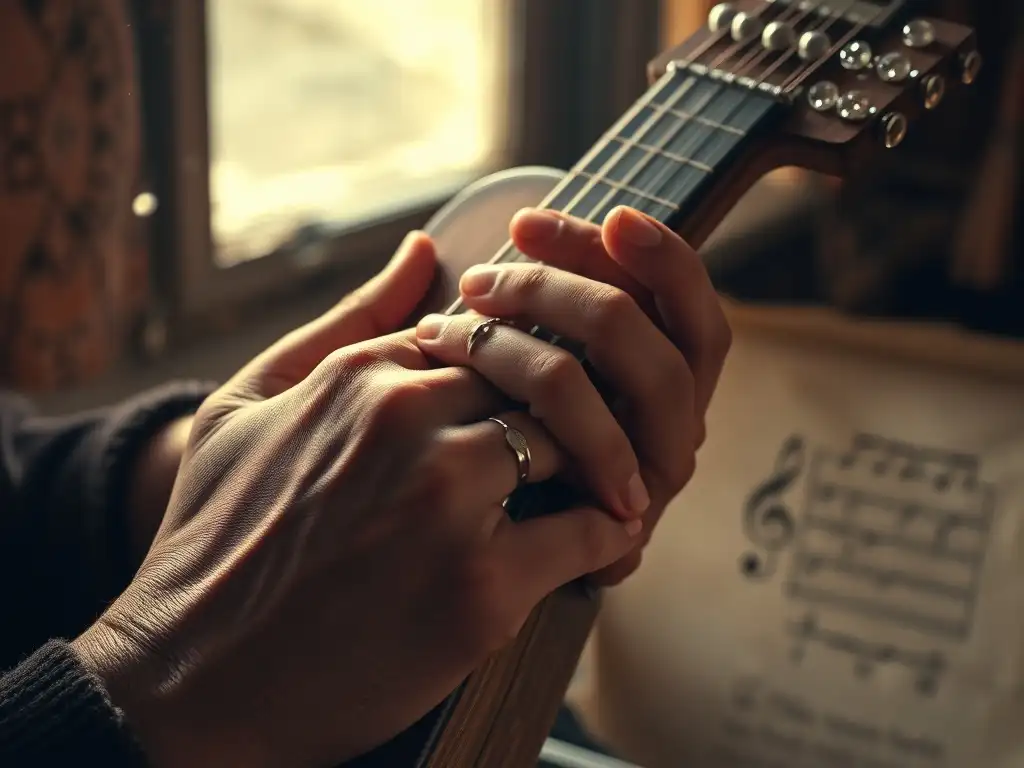
Learning Andean music involves more than just memorizing melodies; it requires understanding the foundational elements that give the music its unique character. This includes grasping the specific scales, rhythms, and postures crucial for authentic performance. Andean music often utilizes pentatonic scales, creating a distinctive sound quite different from Western music. For example, the huayno, a popular Andean genre, frequently employs a pentatonic scale that emphasizes a melancholic yet vibrant feel. Understanding this scale is essential to playing the charango, a small lute-like instrument, or the panpipes with proper intonation.
Beyond scales, rhythmic complexity is a hallmark of Andean music. Many rhythms are based on complex polyrhythms, where several rhythmic patterns overlap simultaneously. Learning to internalize these rhythmic intricacies is crucial for playing instruments like the zampoña (panpipes) or the bombo (bass drum) accurately and expressively. Practicing with a metronome and focusing on subdivisions within the beats can significantly improve rhythm accuracy. Many online courses break down these complex rhythms into manageable steps, making them accessible to beginners.
Finally, posture plays a significant role in Andean musical performance. Proper posture not only improves breath control (vital for wind instruments like the quena and antara) but also enhances the overall aesthetic of the performance. Many traditional Andean dances involve specific postures and movements, reflecting the cultural significance of the music.
Learning these postures from experienced instructors, either through online video tutorials or in-person workshops, is highly recommended for an authentic performance. The correct posture can significantly impact the sound produced on instruments like the charango, improving both tone and projection. Dedicated practice and attention to detail in these aspects will elevate your musical skills considerably.
Step 5: Immersing Yourself in Andean Culture: Understanding the Context of the Music and Traditions
While mastering the technical aspects of Andean music is important, truly appreciating it requires understanding its cultural context. Andean music isn't merely a collection of notes and rhythms; it's deeply interwoven with the history, beliefs, and social structures of the Andean peoples. To play Andean music authentically, you need to grasp its social significance. For instance, many songs are associated with specific ceremonies, rituals, or celebrations, reflecting the deep spiritual connection between music and daily life. Learning about these traditions provides a deeper understanding of the emotional weight behind the music.
Exploring the history of Andean music reveals its evolution through different eras and influences. From pre-Columbian traditions to the fusion of indigenous and European styles, the music reflects a rich tapestry of cultural exchanges. This historical perspective enriches your appreciation of the music's complexity and diversity. Understanding the role of music in different Andean communities highlights the regional variations in styles and instrumentation. The huayno, for instance, varies significantly across different Andean regions, showcasing the unique musical expressions of each community.
Furthermore, understanding the instruments themselves adds another layer of cultural immersion. Each instrument, from the charango to the quena, holds a specific cultural significance and often has a rich history associated with it. Learning about the materials used, the construction techniques, and the traditional methods of playing each instrument enhances your connection to the music.
This holistic approach, combining technical skills with cultural knowledge, transforms the learning process from a mere acquisition of musical techniques into a meaningful journey of cultural exploration. Ultimately, understanding the context elevates your performance and allows you to connect with the spirit of Andean music on a deeper level.
Monetizable Products and Resources: Enhance Your Andean Music and Dance Experience
This section explores high-quality products and resources to deepen your engagement with Andean music and dance, transforming your online learning experience into a truly immersive journey. We've curated options to cater to various learning styles and budgets, focusing on authenticity and quality. These resources are designed to complement your online Andean music and dance courses, providing tangible tools and enriching cultural experiences.
High-Quality Andean Instruments: Charango Crafted by Artisan Ramirez, Professional Zampoña Set by Luthier Vargas
Investing in authentic Andean instruments can significantly enhance your learning and appreciation. Playing these instruments firsthand provides a deeper understanding of the music's nuances and traditions. We highlight two exceptional examples:
- Charango Crafted by Artisan Ramirez: This meticulously handcrafted charango, made from carefully selected wood and featuring intricate detailing, offers superior sound quality and a unique connection to Andean craftsmanship. Artisan Ramirez, renowned for his dedication to traditional techniques, ensures each instrument is a masterpiece. The rich resonance of the charango will elevate your playing and deepen your understanding of its role in Andean musical ensembles. Expect a higher price point reflecting the quality and artistry involved.
- Professional Zampoña Set by Luthier Vargas: Luthier Vargas is a master craftsman specializing in zampoñas, the panpipes central to Andean music. This professional set, comprising multiple pipes precisely tuned, offers a broad tonal range and exceptional clarity. The meticulous craftsmanship ensures optimal playability and a resonant sound, perfect for both beginners and experienced musicians seeking to refine their technique. The set includes a detailed instructional booklet covering basic playing techniques and maintenance.
The investment in these high-quality instruments represents a commitment to the art form and provides a tangible link to the rich cultural heritage of the Andes. The superior quality ensures a rewarding and long-lasting experience.
Recommended Online Learning Platforms: Link to Affiliate Partnership with Andean Music Academy Online
While many online resources offer Andean music and dance lessons, we recommend the Andean Music Academy Online for its comprehensive curriculum, experienced instructors, and interactive learning environment. [Specific information pending: Replace this bracketed information with a short description of the Academy, focusing on its strengths and unique selling points. Include details about course offerings and any special features].
Our affiliate partnership with Andean Music Academy Online allows us to offer exclusive discounts to our readers. By enrolling through our link, you'll not only support our work but also gain access to high-quality instruction at a reduced price. This partnership ensures that you receive access to top-tier Andean music and dance instruction.
This platform offers a variety of courses, ranging from beginner-friendly introductions to advanced techniques, catering to all skill levels. The academy emphasizes a holistic approach, combining musical instruction with cultural context and historical background.
Cultural Immersion Workshops: Link to a Virtual Workshop on Andean Textile Weaving
Beyond music and dance, understanding the broader Andean cultural context enhances your appreciation. We recommend the Virtual Workshop on Andean Textile Weaving. [Specific information pending: Replace this bracketed information with a short description of the workshop, including the duration, instructor's credentials, and what participants will learn. Highlight the unique aspects of this virtual experience. ]
This workshop provides a unique opportunity to connect with Andean culture through a hands-on experience, even from a distance. Learning about textile weaving offers insights into the symbolism, techniques, and social significance of this crucial Andean art form. Participants will gain a deeper understanding of the intricate details and cultural significance embedded within Andean textiles, enriching their overall learning experience. The virtual format makes this enriching experience accessible to a global audience.
Essential Learning Materials: Sheet Music for Popular Andean Pieces

Finding reliable sheet music for Andean music can significantly enhance your learning journey. While readily available resources might be limited compared to Western classical music, dedicated searches online and in specialized music stores can yield rewarding results. Look for collections focusing on specific instruments like the charango, zampoña, or quena, as these often include transcriptions of popular traditional melodies. Many pieces are passed down orally, so the availability of sheet music might vary depending on the specific song or region.
Consider exploring digital platforms and online music libraries, which often feature a growing catalog of Andean music transcriptions. Remember to check the authenticity and accuracy of the transcriptions, as some versions might be simplified or adapted for beginners. Learning to play along with recordings of authentic Andean music can also be invaluable in improving your understanding of rhythm, phrasing, and ornamentation.
This approach is particularly helpful when dealing with music that lacks readily available sheet music. The experience of learning from both sheet music and recordings will provide a richer understanding of the nuances of Andean musical expression. Supplementing your learning with books that delve into the history and stylistic characteristics of Andean music also greatly aids in interpretation.
Instructional books focusing specifically on Andean music theory are less common than those dedicated to Western music theory. However, this scarcity shouldn't deter your pursuit of knowledge. Many music theory concepts are universal, and applying your understanding of Western music theory to Andean music can be very productive.
Look for books that explore the musical structures and scales common in Andean music, including the pentatonic scales often used in the region. Books on Latin American music in general can also be valuable, as they often cover Andean music as a subgenre. Online resources, such as academic papers and articles, can also provide insights into the theoretical underpinnings of Andean musical traditions.
Remember that the best approach is often a combination of practical experience, such as playing along with recordings and performing with other musicians, alongside theoretical study. Active participation and immersion in the cultural context of Andean music will significantly enhance your grasp of its theoretical aspects.
Andean Dance Attire: Traditional Polleras and Aguayos for Dance Practice
Investing in traditional Andean dance attire can significantly enhance your learning and appreciation of Andean dance. For women, the pollera, a colorful layered skirt, is a quintessential garment. The pollera’s vibrant colors and intricate designs are not merely decorative; they often reflect specific regional styles and traditions. When choosing a pollera for practice, prioritize comfort and ease of movement. While authentic polleras can be quite elaborate, simpler versions designed for dance practice are readily available, allowing for freedom of movement during rehearsals and performances.
For both men and women, the aguayos, woven shawls or blankets, add an important element to the dance attire. The aguayos not only provide warmth but also contribute to the aesthetic richness of the dance. They are often incorporated into the choreography, used as props, or draped in specific ways to accentuate movements. The material and patterns of the aguayos can vary depending on the region and the dance style.
Look for aguayos made from lightweight and breathable fabrics for comfortable practice. Remember that the attire is not just clothing; it's a crucial aspect of the cultural expression of Andean dance. Wearing traditional clothing helps dancers connect more deeply with the cultural roots of the dances they perform. The careful selection of your attire will aid in the authenticity of your performance and enhance your overall immersion in Andean culture.
Deepening Your Andean Music and Dance Knowledge
This section delves into the rich tapestry of Andean musical traditions and the vibrant expressions of Andean dance, providing a deeper understanding beyond the basic steps and melodies. We'll explore the historical context, cultural significance, and the powerful storytelling embedded within these art forms. Learning about Andean music and dance online courses often overlooks the nuanced cultural layers, so we aim to bridge that gap. Understanding the why behind the how elevates your appreciation and skill significantly.
Exploring the History of Andean Music: Understanding the Cultural Significance of Each Genre
Andean music boasts a diverse range of genres, each carrying its own unique history and cultural significance. The instruments themselves—from the panpipes ( siku) to the charango—tell stories of innovation and adaptation across centuries. For example, the yaraví, a genre characterized by its melancholic melodies and poetic lyrics, reflects the longing and resilience of the Andean people, particularly during periods of hardship and colonization.
Its origins can be traced back to pre-Columbian times, evolving through centuries of cultural exchange and adaptation. The huayno, on the other hand, is a more upbeat and celebratory genre, often associated with festivals and community gatherings. Its rhythmic complexity and vibrant instrumentation showcase the joy and vitality of Andean life.
Understanding the historical context of these genres—their evolution, their association with specific communities or events—is crucial to understanding their deeper meaning. Consider the impact of Spanish colonization: many instruments and musical forms were influenced by European traditions, creating a unique blend of indigenous and foreign elements. This fusion is a hallmark of Andean music's enduring appeal.
Delving into the Stories Behind Andean Dances: The Meaning and Origin of Diablada, Morenada, and Caporales
Andean dances are not merely physical movements; they are powerful narratives that express cultural identity, historical events, and spiritual beliefs. Let's examine three prominent examples:
- Diablada: This dramatic dance, often performed during religious festivals, depicts a battle between good and evil, with dancers costumed as devils, angels, and other mythological figures. Its origins are rooted in the syncretism of indigenous beliefs and Catholic traditions brought by Spanish colonizers. The intricate choreography and vibrant costumes tell a story of conflict and ultimate triumph, reflecting the cultural complexities of the Andean region.
- Morenada: Characterized by its stately rhythm and elegant movements, the Morenada tells a story of resistance and resilience. Historically associated with the struggles of enslaved African populations in Bolivia, the dance’s powerful energy symbolizes the strength and perseverance of marginalized communities. The elaborate costumes and synchronized steps illustrate the collective spirit and determination of a people overcoming adversity.
- Caporales: This energetic dance, known for its fast-paced movements and intricate footwork, is often associated with Bolivian folklore. While its precise origins are debated, many believe it evolved from the work songs and dances of rural communities, reflecting the hard work and communal spirit of the Andean people. The rhythmic precision and powerful movements highlight the strength and vitality of Andean culture.
| Dance | Origin/Meaning | Key Characteristics |
|---|---|---|
| Diablada | Syncretic blend of indigenous and Catholic traditions | Dramatic, battle between good and evil, elaborate costumes |
| Morenada | Resistance and resilience of enslaved African populations | Stateliness, elegance, powerful energy, symbolic of strength |
| Caporales | Evolved from rural work songs and dances | Energetic, fast-paced, intricate footwork, communal spirit |
Joining an Online Andean Music Community: Connecting with Fellow Learners and Practitioners
Learning Andean music and dance is an enriching experience, but connecting with a vibrant community can significantly enhance your journey. Online platforms offer a unique opportunity to interact with fellow enthusiasts, share knowledge, and receive support. These communities provide a space for collaborative learning, allowing you to exchange tips, ask questions, and even participate in virtual jam sessions or dance workshops.
Furthermore, engaging with experienced practitioners can provide valuable feedback and guidance, accelerating your learning process. The sense of community fosters a deeper appreciation for Andean culture, transforming the learning process from a solitary pursuit into a shared cultural experience. Finding such a community can be as simple as searching for relevant online forums or social media groups dedicated to Andean music and dance.
Actively participating, sharing your progress, and engaging with others will create a supportive and inspiring environment for your learning journey. The joy of sharing this passion with others will significantly enrich your understanding and appreciation of Andean music and dance. 🎵💃
Practicing Regularly and Consistently: The Key to Mastering Andean Musical and Dance Forms
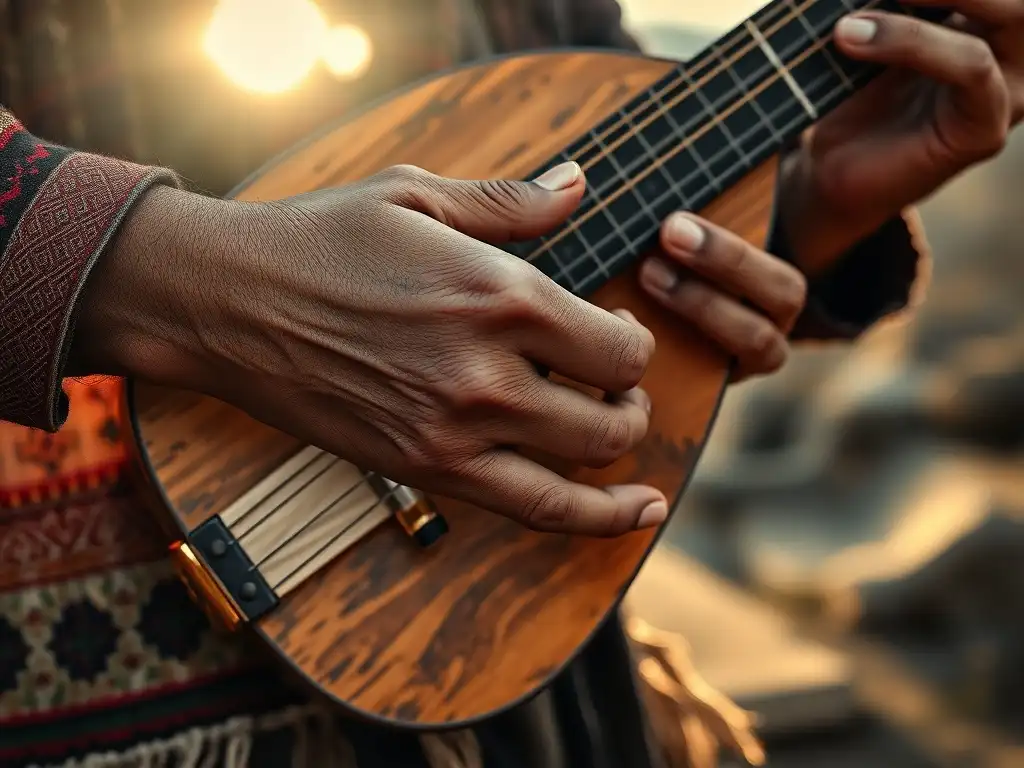
Mastering Andean music and dance, like any artistic discipline, requires dedicated and consistent practice. Think of it as a journey, not a sprint. Regular sessions, even if short, are far more effective than sporadic, intense bursts of activity. The rhythmic complexities of Andean music, from the intricate panpipes melodies to the driving beat of the bombo, demand repetition to build muscle memory and refine technique. Similarly, the graceful movements and powerful steps of Andean dances, like the huayno or marinera, require diligent practice to achieve fluidity and precision.
Beginners should aim for at least 30 minutes of practice three to four times a week. This could involve focusing on specific musical elements one day (e.g., mastering a particular rhythm on the charango), and dedicating another day to refining dance steps. As you progress, you can gradually increase the duration and intensity of your practice sessions.
Remember to break down complex sequences into smaller, manageable segments. Focus on accuracy and precision over speed, ensuring you understand the underlying principles before attempting more challenging variations. Record yourself practicing to identify areas for improvement – it’s a surprisingly effective way to pinpoint subtle inaccuracies in your technique.
Don't be afraid to slow down and repeat sections until you feel confident and comfortable. Consistent practice is the cornerstone of progress in Andean music and dance. Patience and perseverance are key; celebrating small victories along the way will maintain motivation and ensure a rewarding learning experience.
Showcasing Your Progress: Sharing Your Performances and Cultural Explorations
Once you've dedicated time to learning Andean music and dance, sharing your progress is a fulfilling and enriching aspect of the journey. This doesn't necessarily mean performing on a grand stage. There are many ways to showcase your skills and deepen your connection with the culture.
Consider performing for friends and family – the supportive environment allows you to gain confidence and receive valuable feedback. Participating in local cultural events or workshops provides opportunities to connect with other enthusiasts and learn from experienced performers. Many communities organize Andean music and dance festivals; these offer excellent platforms to share your skills with a wider audience.
Furthermore, the digital age offers numerous avenues for showcasing your progress. Creating videos of your performances and sharing them online (respecting copyright and cultural sensitivities, of course) allows you to connect with a global audience and receive constructive criticism. Joining online communities dedicated to Andean music and dance can foster collaboration and provide opportunities for virtual performances and exchanges.
Remember to document your learning journey – photos and videos of your practice sessions, notes on your progress, and reflections on your experience can create a valuable personal archive. Sharing this journey through blogs or social media can inspire others to explore this vibrant cultural heritage. Ultimately, sharing your progress is not just about showcasing your skills, but about connecting with others who share a passion for Andean music and dance, contributing to the preservation and appreciation of this rich cultural tradition.
The Benefits of Learning Andean Music and Dance Online
Learning Andean music and dance online offers a unique blend of cultural immersion and personal growth. It's more than just learning steps and melodies; it's about connecting with a vibrant heritage and developing valuable skills. This section delves into the multifaceted advantages of pursuing Andean music and dance studies through digital platforms, highlighting the enriching experiences available to students of all levels.
We'll explore how online courses provide unparalleled access to this captivating art form, regardless of geographical location or prior experience. The accessibility and convenience of online learning unlock opportunities for a deeper understanding of Andean culture and its rich musical traditions.
Connecting with Andean Heritage: Deepening Your Understanding of Andean Culture and History
Online courses in Andean music and dance provide a powerful pathway to understanding the historical and cultural context of this art form. By learning traditional instruments like the charango, zampoña, or quena, students gain insight into the materials, techniques, and symbolism inherent in their creation. The music itself often tells stories, reflecting historical events, spiritual beliefs, and daily life in Andean communities.
Many online courses incorporate historical information and cultural insights into their curriculum, enriching the learning experience. For example, learning the huayno, a popular Andean dance genre, provides a window into the social dynamics and celebrations of Andean communities. Understanding the rhythmic complexities and melodic structures of huayno reveals its deep-rooted connection to Andean identity and social life.
Furthermore, exploring the diverse regional variations in music and dance across the Andes – from the high plains to the coastal regions – broadens understanding of the incredible diversity within Andean culture. The online format allows for exploration of this diversity through access to various instructors and musical styles, fostering a more holistic appreciation of Andean heritage.
Developing New Musical and Physical Skills: Improving Dexterity, Coordination, and Sense of Rhythm
Beyond the cultural enrichment, learning Andean music and dance online offers significant benefits for physical and cognitive development. Mastering Andean musical instruments requires dexterity and precision, improving hand-eye coordination and fine motor skills. Learning the intricate steps and movements of Andean dances enhances overall physical coordination, balance, and flexibility. The rhythmic nature of Andean music and dance is particularly beneficial, improving a student's sense of rhythm and timing.
Studies have shown that learning music improves cognitive function, enhancing memory and attention span. Furthermore, the discipline and practice required in mastering these art forms cultivates patience, perseverance, and self-discipline – valuable life skills transferable beyond the realm of music and dance. Online courses often incorporate interactive exercises and personalized feedback mechanisms, allowing students to track their progress and refine their technique at their own pace. This tailored approach caters to individual learning styles and ensures effective skill development.
Experiencing Cultural Immersion from Anywhere: Bringing the Andean Spirit into Your Home
One of the most significant advantages of online Andean music and dance courses is their ability to bring the Andean spirit into your home, regardless of your location. Through video tutorials, interactive sessions, and online communities, students can engage with instructors and fellow learners from around the world, fostering a sense of global connection. This virtual immersion allows students to experience the energy and vibrancy of Andean culture without the need for expensive travel.
Moreover, the flexibility of online learning allows individuals to fit their studies into their existing schedules, making it accessible to a wider range of participants. Many online platforms offer a variety of course formats, including live sessions, pre-recorded videos, and interactive exercises, catering to different learning preferences and schedules.
This flexibility ensures that the enriching experience of learning Andean music and dance is available to anyone with an internet connection and a passion for Andean culture. The accessibility of these "Andean music and dance online courses" makes the rich cultural heritage of the Andes accessible globally, fostering appreciation and understanding across continents.
Finding Joy and Fulfillment Through Music and Dance: Enriching Your Life Through Cultural Engagement
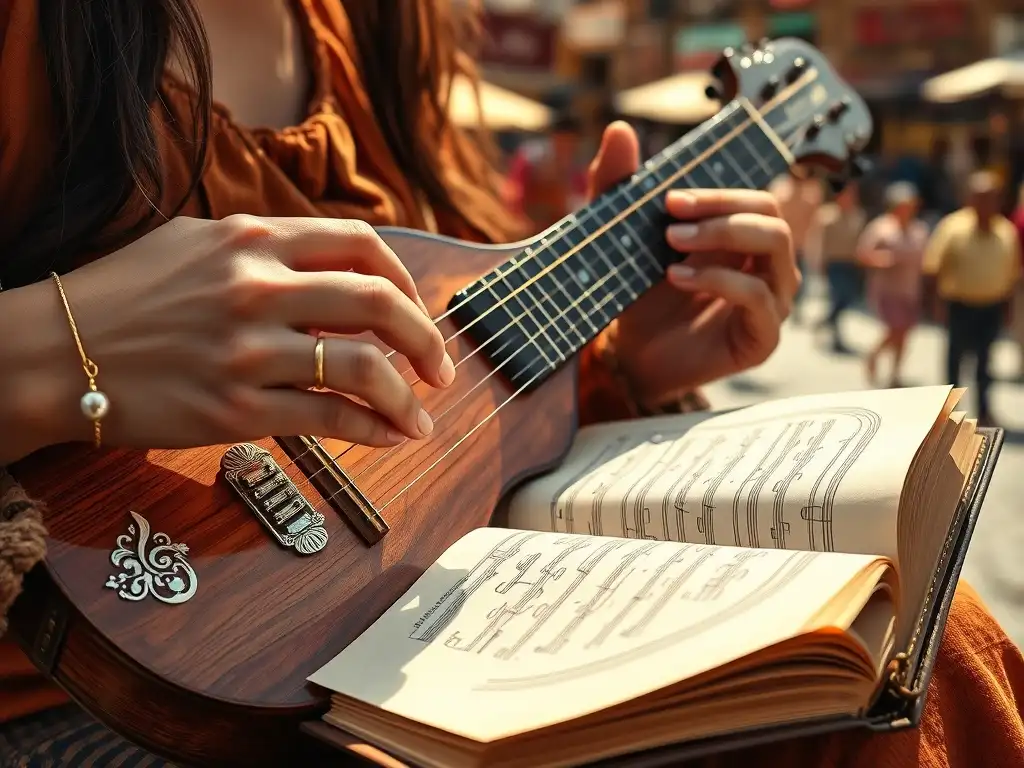
Learning Andean music and dance offers a profound path to personal enrichment. Beyond the technical skills acquired, the process fosters a deep connection with a vibrant culture, leading to unexpected personal growth. Engaging with the rhythmic complexities of Andean music, whether it's the haunting melodies of the panpipes or the lively beat of the cajas, cultivates focus and mindfulness. The intricate steps of Andean dances, like the huayno or yaraví, demand coordination and physical dexterity, improving balance, posture, and overall physical well-being.
But the benefits extend far beyond the physical. The emotional resonance of Andean music and dance taps into a wellspring of creativity and self-expression. Many students report a heightened sense of joy and fulfillment, a feeling of connection to something larger than themselves. This cultural immersion can lead to a greater appreciation for diversity and a deeper understanding of different worldviews.
The process of learning itself becomes a journey of self-discovery, fostering patience, perseverance, and a newfound appreciation for the beauty of cultural traditions. In essence, learning Andean music and dance is not merely acquiring skills; it's an enriching experience that nourishes the mind, body, and soul, offering a unique path towards personal fulfillment and a deeper connection with the world. The vibrant energy and emotional depth of these art forms provide a powerful antidote to the stresses of modern life, offering a sanctuary for creativity and self-expression.
Supporting Andean Artisans and Musicians: Contributing to the Preservation of Cultural Heritage
Choosing to learn Andean music and dance online isn't just a personal journey; it's a way to actively contribute to the preservation of a rich cultural heritage. By supporting online courses that partner with Andean artisans and musicians, you directly contribute to their livelihoods and the continuation of their traditions. Many online platforms prioritize ethical sourcing and fair compensation, ensuring that the instructors and creators of the educational materials receive fair payment for their expertise and artistry.
This contrasts with the often-exploitative practices found in other sectors of the cultural industry. Moreover, your participation in these courses helps sustain the demand for traditional instruments and musical styles, encouraging future generations to learn and carry on these vital traditions. By learning these ancient art forms, you become part of a larger community that values and supports the cultural heritage of the Andes.
This isn't just about passive consumption; it's about active participation in preserving a living culture, ensuring that the unique sounds and movements of the Andes continue to thrive for years to come. Consider it an investment in cultural preservation, a way to contribute positively to the global community, and a chance to support talented individuals who are passionate about sharing their culture with the world. The ripple effect of your participation is significant, extending beyond your personal enrichment to the broader community of Andean artisans and musicians.
Conclusion: Embrace the Journey of Andean Music and Dance
This exploration of Andean music and dance online courses has unveiled a vibrant world of rhythm, movement, and cultural heritage. We've journeyed through the diverse musical landscapes of the Andes, from the haunting melodies of the panpipes to the energetic beats of the sikuris. We've also touched upon the intricate steps and symbolic gestures of traditional Andean dances, highlighting their deep connection to the region's history and spirituality.
The availability of online courses offers unprecedented access to this rich tapestry of artistic expression, allowing individuals worldwide to engage with Andean culture in a meaningful and enriching way. Learning Andean music and dance is not simply acquiring a new skill; it's embarking on a journey of self-discovery, cultural appreciation, and connection to a captivating ancient civilization. The rhythms and movements will resonate within you, fostering a deeper understanding and appreciation for the artistry and legacy of the Andes.
The vibrancy of the culture is palpable, and the journey is well worth the effort. Embrace the opportunity to learn, to grow, and to connect with the soul of the Andes through the power of music and dance.
Start Your Online Andean Music and Dance Journey Today!
Ready to begin your exploration of Andean music and dance? The digital age provides unparalleled access to learning resources. Numerous online platforms offer courses catering to all skill levels, from beginner to advanced. Many courses incorporate interactive elements, such as video tutorials, downloadable sheet music, and opportunities for virtual interaction with instructors and fellow students.
This interactive learning environment fosters a sense of community and provides personalized feedback, enhancing the learning experience. Consider your learning style and goals when selecting a course. Some courses focus solely on musical instruction, while others integrate dance elements, providing a holistic immersion into Andean culture. Remember to check reviews and compare course offerings to find the best fit for your needs and budget.
Don't hesitate; the vibrant world of Andean music and dance awaits! Take the first step today and embark on this rewarding journey of cultural discovery. The benefits extend beyond acquiring technical skills; you'll gain a deeper appreciation for a rich cultural heritage and perhaps even discover a lifelong passion.
Discover the Magic of Andean Culture Through Music and Movement
Andean music and dance are not merely artistic expressions; they are powerful vehicles for cultural transmission. The rhythms, melodies, and movements are deeply intertwined with the history, beliefs, and social structures of Andean communities. Learning these traditions provides a window into the soul of these civilizations, offering insights into their worldview, social hierarchies, and spiritual practices.
For example, the intricate steps of a particular dance might reflect ancient agricultural rituals, while the melodies of a specific song could narrate historical events or express deep-seated emotions. By engaging with these art forms, you are not just learning steps and notes; you are actively participating in the preservation and celebration of a rich cultural legacy. The experience is immersive and transformative, allowing you to connect with the past while simultaneously celebrating the enduring power of Andean culture in the present.
This cultural immersion transcends the purely aesthetic; it fosters empathy, understanding, and a deeper appreciation for the diversity of human expression. It's a journey that enriches not only your artistic skills but also your understanding of the world and its diverse cultures. 🎼💃
Frequently Asked Questions
What types of Andean music and dance are covered in the online courses?
Our courses offer a diverse range of styles, including Inca, Moche, Nazca, and Tiahuanaco influences. We explore various instruments and dance forms, providing a comprehensive overview of Andean musical and dance traditions. You'll learn about diverse regional styles.
Are these courses suitable for beginners with no prior experience?
Absolutely! Our courses are designed for all skill levels, from complete beginners to those with some prior experience. We provide step-by-step instructions and focus on building a solid foundation.
What materials or equipment will I need for the online courses?
You will primarily need a computer or mobile device with internet access. Some courses may suggest optional items like percussion instruments, but these are not mandatory for participation.
How much time commitment is involved in completing a course?
The time commitment varies depending on the course length and your learning pace. We offer flexible learning options, allowing you to learn at your own speed and fit the course into your schedule. Expect a few hours per week.
How can I access the online courses and what is the cost?
You can access the courses through our website after registration and payment. Detailed pricing information and course descriptions are available on our website's dedicated course page. We offer various payment options.
Final Reflection: The Enduring Rhythm of the Andes
The vibrant sounds and graceful movements of Andean music and dance are not merely historical relics; they are a living, breathing testament to a rich cultural heritage that continues to resonate globally. The accessibility of online courses, as explored throughout this article, is democratizing access to this powerful art form, allowing individuals worldwide to connect with the Andes in a profound and meaningful way.
The impact of Andean music and dance extends far beyond mere entertainment; it's a powerful force for cultural preservation and cross-cultural understanding. It fosters a sense of community, both online and offline, connecting people through shared passion and artistic expression. Music is the universal language of mankind,
said Henry Wadsworth Longfellow, and this rings especially true for the unifying power of Andean traditions. The online platforms discussed here are not just teaching dance steps and musical scales; they are building bridges across continents, fostering empathy, and preserving a legacy for future generations.
Consider the rhythms and melodies you've encountered throughout this article. Let them inspire you to explore further, to delve deeper into the rich tapestry of Andean culture. Perhaps you'll find yourself drawn to enroll in an online course, to experience the joy of movement and the power of music firsthand. Or maybe you'll simply listen more attentively to the sounds of the Andes, allowing their beauty to enrich your life and broaden your understanding of the world. The journey of discovery begins with a single step – or a single note.
Dive Into the Rhythm: Start Your Andean Journey Today!
Thank you for exploring the vibrant world of Andean music and dance! Your interest in this rich cultural heritage is the first step towards a truly immersive and exciting experience. Now, let's turn that passion into action!
Here's how you can deepen your connection with Andean traditions:
- Learn to play a traditional Andean instrument or dance: Online lessons are a fantastic way to discover the joy of creating the rhythms and movements that are so central to Andean culture.
- Join our thriving online community: Connect with fellow enthusiasts, share your experiences, and exchange tips and stories. Our forums are a wonderful place to build relationships and deepen your understanding.
- Explore the wealth of Andean artistry: Seek out local cultural events or online showcases to discover the incredible creativity and talent within this vibrant culture.
As you begin this journey of discovery, we'd love to hear from you: What aspect of Andean music and dance most captivates you, and how will you integrate it into your daily life?