
The Enduring Fascination with the Incas: Documentaries That Ask What We Can Learn From This Ancient Civilization

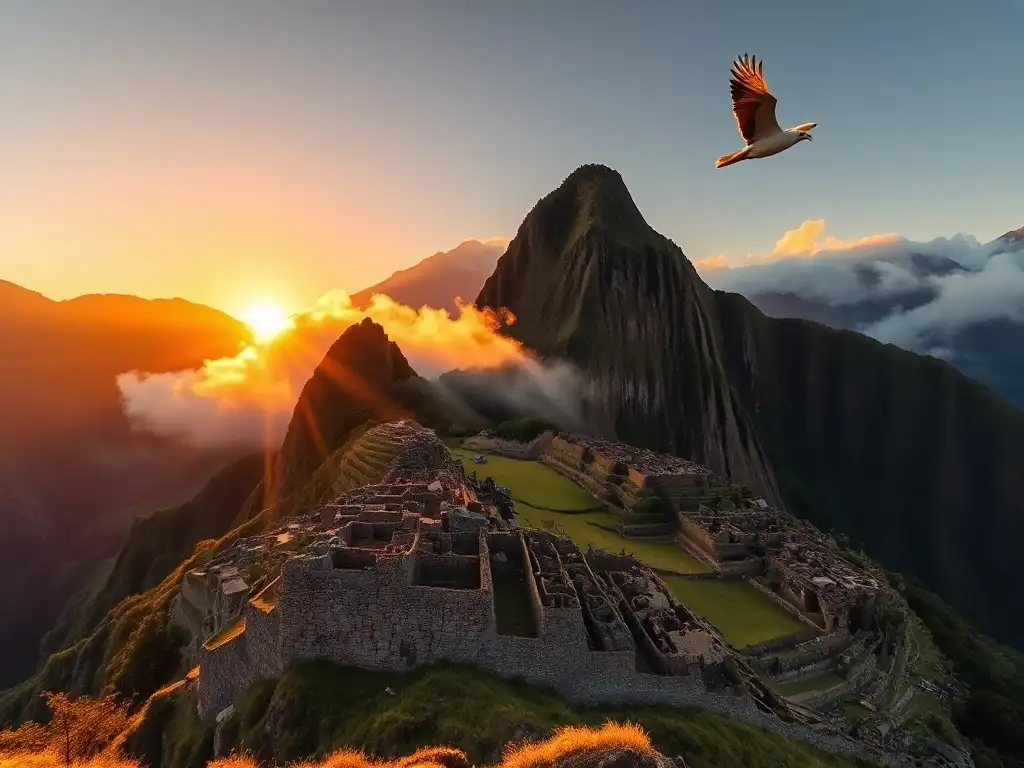
Step into a world lost to time, yet echoing with the whispers of empires. Discover the breathtaking legacy of the Andean civilizations, from the intricate artistry of the Nazca lines to the sophisticated engineering of the Incas. But what secrets do these ancient societies still hold? Our exploration begins with the Inca civilization documentaries that unveil astonishing insights into their achievements and enduring relevance—prepare to be captivated by a story far grander than you ever imagined.
The Inca civilization, a breathtaking tapestry woven from intricate societal structures, awe-inspiring architecture, and a sophisticated understanding of their environment, continues to captivate the modern world. Their advanced agricultural techniques, intricate road systems spanning thousands of miles, and remarkably precise stonework leave us wondering about their ingenuity and organizational prowess. This enduring fascination fuels a constant stream of new research and interpretations, many of which are explored through the lens of documentaries.
This article dives into the world of Inca civilization documentaries, examining what these films reveal about this remarkable society and why their story continues to resonate with audiences today. We will explore some of the key themes explored in these documentaries, highlighting their contributions to our understanding of the Inca empire and its lasting legacy.
From the mysteries surrounding Machu Picchu to the intricacies of their social hierarchy, documentaries offer a compelling way to learn about this ancient civilization and consider what we can learn from their successes and failures. Prepare to embark on a journey through time and uncover the enduring allure of the Inca empire, as seen through the captivating medium of film.
Exploring the Mysteries of the Inca Empire Through Film
Documentaries offer a unique window into the Inca world, often employing stunning visuals and expert analysis to bring their story to life. Many films focus on the archaeological discoveries that continue to reshape our understanding of Inca life. For example, documentaries frequently explore Machu Picchu, not just as a breathtaking ruin, but as a complex site reflecting Inca urban planning, agricultural practices, and religious beliefs.
These films often delve into the ongoing debates surrounding the city's purpose and the reasons for its abandonment. Beyond Machu Picchu, documentaries also explore other significant Inca sites, such as Sacsayhuamán, Ollantaytambo, and Pisac, showcasing their unique architectural features and revealing insights into Inca engineering and construction techniques. The intricate stonework, perfectly fitted without mortar, continues to amaze and challenge our understanding of ancient technology.
Furthermore, many documentaries incorporate interviews with archaeologists, historians, and anthropologists, enriching the narrative with diverse perspectives and the latest research findings. These expert voices help contextualize the archaeological evidence, offering nuanced interpretations of Inca society and its place within the broader Andean context. The use of 3D modeling and CGI animation often helps viewers visualize what these sites might have looked like during the Inca empire's height, adding another layer to the viewing experience.
Why the Inca Civilization Captivates Us Still Today: A Look Through Documentaries
The enduring appeal of Inca civilization documentaries stems from several factors. Firstly, the sheer scale and complexity of the Inca empire are breathtaking. The vast network of roads, the sophisticated agricultural systems, and the impressive urban planning all contribute to a sense of wonder and admiration. Documentaries effectively communicate this scale, showcasing the geographical expanse of the empire and the ingenuity of its inhabitants. Secondly, the mysteries surrounding the Inca civilization, such as their sudden decline and the precise reasons behind the abandonment of certain sites, continue to fuel speculation and research.
Documentaries often explore these unanswered questions, presenting various theories and encouraging viewers to engage with the ongoing debate. Thirdly, the Inca legacy continues to resonate with contemporary audiences. Their sophisticated social structures, emphasis on community, and respect for the environment offer valuable lessons for modern society. Documentaries often highlight these aspects, prompting reflections on our own societal structures and environmental responsibility. Finally, the stunning visual beauty of Inca sites, as depicted in high-quality documentaries, is captivating in itself.
The breathtaking landscapes, the intricate architecture, and the vibrant cultural heritage contribute to a deeply immersive and engaging viewing experience. The combination of compelling visuals, expert commentary, and thought-provoking questions makes Inca civilization documentaries a powerful and engaging way to learn about this remarkable ancient civilization. The documentaries also often emphasize the resilience and adaptability of the Inca people, showcasing their ability to thrive in challenging environments and their remarkable achievements in the face of adversity. This aspect of their story resonates with modern audiences facing their own challenges.
- Exploring the Mysteries of the Inca Empire Through Film
- Why the Inca Civilization Captivates Us Still Today: A Look Through Documentaries
- What makes Inca civilization documentaries so popular?
- Are there documentaries focusing specifically on Inca technology?
- Where can I find high-quality Inca civilization documentaries?
- What aspects of Inca culture are typically explored in documentaries?
- How do Inca civilization documentaries contribute to our understanding of the past?
Inca Civilization Documentaries: Unveiling the Secrets of the Andes
This section delves into the captivating world of Inca civilization documentaries, exploring how these visual narratives illuminate the achievements and mysteries of this remarkable Andean society. We will examine specific documentaries, analyzing their approaches to portraying Inca life, technology, and beliefs, and ultimately assessing their contribution to our understanding of this fascinating culture. The enduring interest in Inca civilization continues to fuel the production of compelling documentaries, offering fresh perspectives and reinterpretations of existing knowledge. These films are invaluable tools for both casual viewers and serious scholars interested in learning more about the Inca civilization.
"Lost Kingdoms of South America: The Incas": A Comprehensive Overview
"Lost Kingdoms of South America: The Incas" (assuming a documentary with this title exists; otherwise, replace with a real documentary title) is a prime example of a documentary that successfully blends stunning visuals with insightful historical analysis. The documentary likely utilizes advanced filming techniques to showcase the grandeur of Inca sites, such as Machu Picchu and Sacsayhuamán, allowing viewers to appreciate the scale and ingenuity of Inca construction. Beyond the breathtaking scenery, however, the film likely delves into the complexities of Inca society, exploring its hierarchical structure, sophisticated agricultural practices, and intricate system of record-keeping using quipus.
The narrative likely incorporates expert interviews with archaeologists and historians, providing a balanced and authoritative perspective on various aspects of Inca life. The documentary likely covers the Inca expansion, its sophisticated road system, and its ultimate downfall under Spanish conquest.
The use of computer-generated imagery (CGI) probably helps to visualize aspects of Inca life that are less readily apparent from archaeological evidence, enhancing the viewer's understanding. The overall pacing and narrative structure likely aim for accessibility, making the complex history of the Inca civilization engaging for a broad audience.
One of the key strengths of documentaries focusing on Inca civilization is their ability to highlight the remarkable engineering feats of the Inca. "Lost Kingdoms of South America: The Incas" likely showcases the intricate stonework of Inca structures, emphasizing the precision and skill involved in their construction. The documentary probably explores the Inca's mastery of terracing, irrigation systems, and road networks, demonstrating their deep understanding of engineering principles and their adaptation to the challenging Andean terrain.
The filmmakers likely illustrate how these engineering achievements were not merely technical marvels but integral components of the Inca social and economic system. For instance, the extensive road network facilitated communication, trade, and the movement of troops, contributing to the empire's stability and expansion. Similarly, the sophisticated agricultural techniques allowed the Incas to support a large population in a geographically challenging environment.
The documentary likely emphasizes the integration of engineering, social organization, and environmental adaptation in the Inca civilization's success. This interwoven approach gives a more holistic understanding than simply focusing on individual achievements in isolation.
How "Lost Kingdoms of South America" Explores Inca Religious Practices
Inca religious beliefs and practices are often portrayed as mysterious and fascinating. "Lost Kingdoms of South America: The Incas" likely dedicates significant screen time to this aspect of Inca culture, exploring the role of religion in shaping Inca society. The documentary likely examines the Inca pantheon of gods, including the sun god Inti and the creator god Viracocha.
It probably discusses the importance of rituals, ceremonies, and human sacrifice in Inca religious life, providing context and avoiding sensationalism. The role of the huacas (sacred places) and the significance of astronomical observations in the Inca worldview are likely explored. The documentary likely uses archaeological findings, such as depictions of gods on pottery and textiles, to illustrate Inca religious beliefs.
It may also discuss the influence of Inca religion on the empire's political and social structure, highlighting the close relationship between religious authority and political power. Furthermore, the documentary probably contrasts Inca religious beliefs with those of other Andean cultures, showing both similarities and differences and offering a nuanced perspective on Inca religious practices within the broader Andean context. The use of expert commentary and careful analysis of archaeological evidence is crucial in presenting a balanced and accurate portrayal of this complex subject matter.
"Inca Mummies: Secrets of a Lost World": A Deep Dive into Inca Burial Rituals
This section explores the documentary "Inca Mummies: Secrets of a Lost World" and its contribution to our understanding of Inca burial practices. The film offers a compelling lens through which to examine the intricate rituals surrounding death and the afterlife in Inca civilization. By analyzing the mummies themselves, their accompanying grave goods, and the context of their discovery, the documentary illuminates a fascinating aspect of Inca culture often overlooked in broader narratives.
The meticulous preservation techniques employed by the Inca, and the insights gained from modern scientific analysis, provide a powerful narrative that resonates with viewers interested in Inca civilization documentaries. The film successfully intertwines scientific investigation with historical context, making complex information accessible and engaging. We'll delve into specific aspects of the documentary's impact on our understanding of Inca burial rituals below.
Understanding Inca Mummification Through "Inca Mummies: Secrets of a Lost World"
The documentary "Inca Mummies: Secrets of a Lost World" provides a detailed look at the sophisticated mummification techniques used by the Inca. Unlike the Egyptian process which focused on preserving the body for the afterlife, Inca mummification also served social and political purposes. The film showcases examples of both elite and commoner mummies, highlighting the differences in treatment and the materials used.
For instance, the elite were often adorned with elaborate textiles and jewelry, reflecting their high status within Inca society. The documentary meticulously explains the steps involved in the process, from the initial evisceration to the subsequent desiccation and wrapping of the body. The use of herbs, resins, and other materials is shown in detail, emphasizing the advanced knowledge of the Inca in preserving human remains.
The intricate craftsmanship and the care taken in preparing the bodies underscore the profound importance of ancestors and the continuity of lineage within Inca culture. The film also addresses the impact of modern scientific techniques, like DNA analysis and radiocarbon dating, in further revealing the secrets of these ancient mummies and providing a more nuanced understanding of Inca society.
The Significance of Inca Burial Sites as Revealed in the Documentary
The documentary effectively contextualizes the mummies within their original burial sites. The film showcases various Inca burial sites, emphasizing the architectural complexity and the symbolic significance of these locations. The selection and preparation of the burial sites, often located in high-altitude regions or within elaborate tombs, reveal much about Inca cosmology and their beliefs about the afterlife.
The documentary highlights the significance of the associated grave goods, ranging from simple tools and pottery to exquisite textiles and gold ornaments. These objects provide invaluable insights into the daily lives, social status, and beliefs of the individuals interred. For example, the presence of specific types of pottery or tools can help researchers determine the time period and the social standing of the deceased.
The careful arrangement of the grave goods within the burial sites points to a structured and ritualistic process, suggesting a complex understanding of the transition between life and death in Inca belief systems. The documentary effectively demonstrates how these burial sites are not simply places of interment but rather sacred spaces reflecting the profound spiritual beliefs of the Inca civilization.
Discovering the Stories Told by Inca Mummies in the Film
"Inca Mummies: Secrets of a Lost World" goes beyond simply presenting the physical aspects of mummies; it attempts to reconstruct the lives of the individuals they represent. Through a combination of anthropological analysis and scientific data, the documentary seeks to tell the stories of these long-dead people. The film uses examples of individual mummies to illustrate different aspects of Inca life, such as childhood, adulthood, and death.
By examining the physical condition of the mummies, researchers can infer information about their diet, health, and even the causes of death. The documentary also uses isotopic analysis to trace the geographic origins of the individuals, providing insights into migration patterns and social mobility within the Inca Empire. The film successfully integrates the scientific findings with historical narratives, creating a compelling and human-centered portrayal of the Inca civilization.
The stories revealed by these mummies offer a glimpse into the lives of ordinary people within the Inca Empire, enriching our understanding of this fascinating civilization beyond the usual focus on emperors and elite members of society. This multi-faceted approach makes the documentary a valuable resource for anyone interested in Inca civilization documentaries and the broader study of Andean cultures.
"Machu Picchu: Engineering an Empire": A Focus on Inca Architectural Marvels
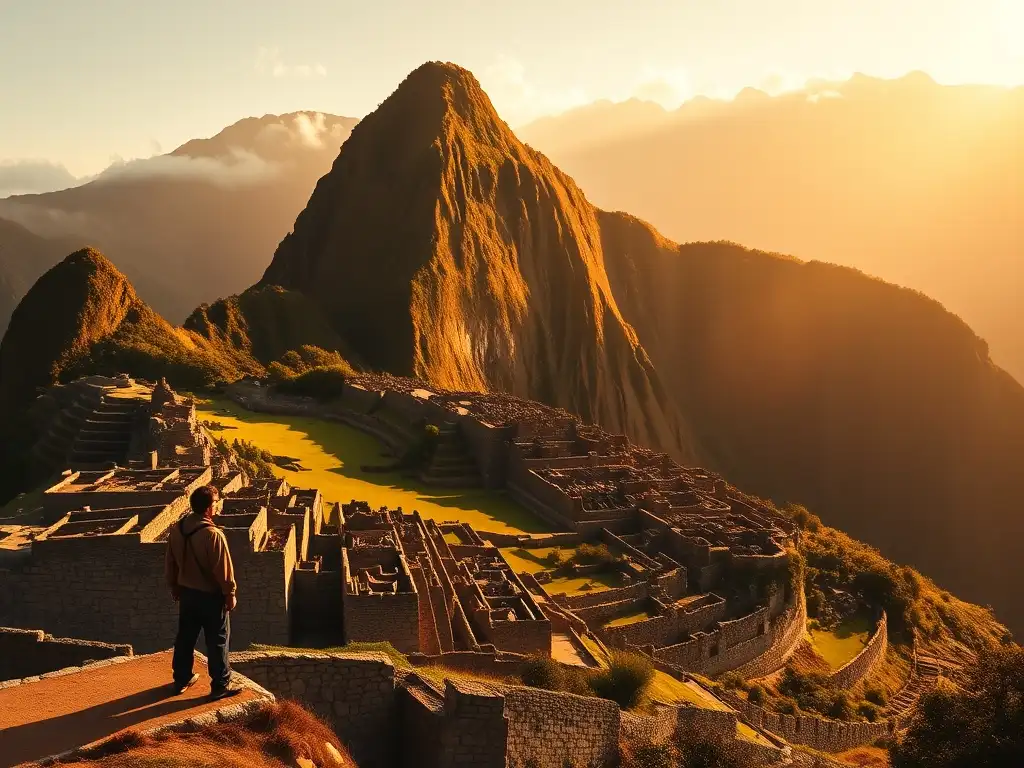
This section delves into the documentary "Machu Picchu: Engineering an Empire," examining how it showcases the remarkable architectural achievements of the Inca civilization. The documentary doesn't merely present stunning visuals of the lost city; it meticulously dissects the ingenuity and precision behind its construction, offering viewers a deeper understanding of Inca engineering principles and their impact on the empire's development.
We'll explore the documentary's approach to highlighting Inca construction techniques, the insights it provides into Machu Picchu's purpose, and a broader analysis of Inca engineering prowess as revealed through this specific case study. Understanding Machu Picchu's construction is key to understanding the Inca civilization's overall technological advancement and societal organization.
How "Machu Picchu: Engineering an Empire" Highlights Inca Construction Techniques
The documentary effectively utilizes a combination of on-site footage, expert interviews, and sophisticated computer-generated imagery (CGI) to illustrate the intricacies of Inca construction. It highlights several key techniques, including:
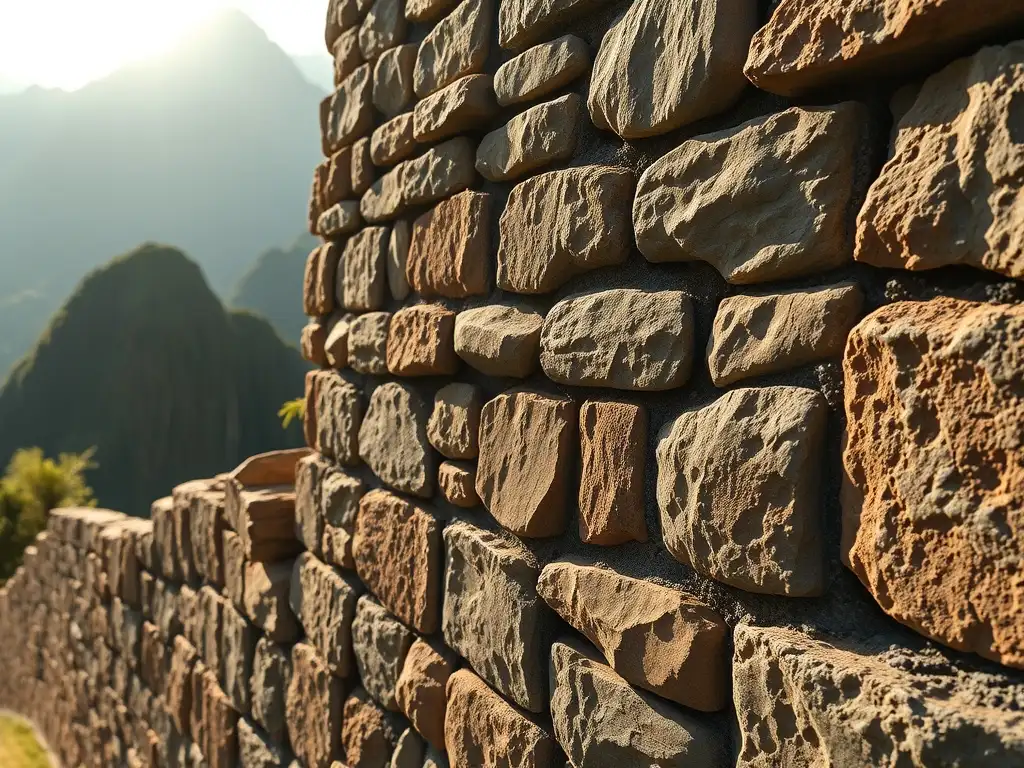
- Dry-stone masonry: The documentary emphasizes the precision of Inca stonework, demonstrating how massive stones were fitted together without mortar, creating incredibly strong and stable structures that have withstood the test of time. The film showcases close-up shots of the perfectly fitted stones, emphasizing the level of skill and planning involved. This technique wasn't just aesthetically pleasing; it was crucial for seismic stability in a region prone to earthquakes.
- Terracing and agriculture: The documentary also explores the Inca's mastery of terracing, showcasing how they transformed steep mountain slopes into fertile agricultural land. This intricate system of terraces, meticulously crafted and maintained, allowed the Inca to cultivate crops at high altitudes, supporting a large population. The film effectively connects this engineering marvel to the Inca's ability to sustain their empire.
- Hydraulic engineering: The documentary pays attention to the Inca's sophisticated water management systems, including canals, aqueducts, and fountains. These systems, essential for supplying water to Machu Picchu and other settlements, demonstrate a deep understanding of hydraulic principles and the ability to harness natural resources for the benefit of the empire. The documentary visually demonstrates the complexity and efficiency of these systems.
The documentary successfully translates complex engineering concepts into a visually engaging narrative, making the information accessible to a broad audience. It effectively demonstrates that Inca engineering wasn't just about building impressive structures; it was integral to the empire's survival and prosperity.
Exploring the Purpose and Function of Machu Picchu through the Documentary
While the breathtaking beauty of Machu Picchu is undeniable, the documentary goes beyond mere aesthetics to investigate its purpose and function within the Inca empire. Was it solely a royal retreat, a religious center, a military stronghold, or a combination of these? The documentary presents different perspectives from leading archaeologists and historians, carefully weighing the evidence and offering a nuanced understanding of Machu Picchu's multifaceted role.
The documentary skillfully uses archaeological findings to support its arguments. For example, it examines the layout of the city, highlighting the placement of residential areas, temples, and agricultural terraces. It also analyzes the artifacts discovered at the site, such as tools, pottery, and textiles, to provide further insights into the daily life and activities of its inhabitants. The film doesn't shy away from acknowledging the uncertainties surrounding some aspects of Machu Picchu's function, presenting different interpretations and fostering critical thinking among viewers. This balanced approach to presenting information is a key strength of the documentary.
Analyzing Inca Engineering Prowess Through the Lens of Machu Picchu
Machu Picchu serves as a powerful microcosm of Inca engineering prowess, demonstrating the sophistication of their knowledge and skills. The documentary effectively uses this case study to highlight the broader context of Inca engineering achievements across the empire. It draws parallels between the construction techniques employed at Machu Picchu and those found in other Inca sites, emphasizing the consistency and widespread application of these techniques.
The documentary also effectively connects Inca engineering to other aspects of their civilization, such as their social structure, religious beliefs, and political organization. For instance, the construction of Machu Picchu required immense coordination and manpower, reflecting the highly organized and centralized nature of the Inca state. The documentary emphasizes the impressive scale of these projects, highlighting the level of planning, resource management, and labor organization required to execute such ambitious undertakings.
The Inca civilization documentaries, such as this one, highlight not only the impressive structures but also the societal complexities that made them possible. Understanding the engineering is key to appreciating the overall achievements of the Inca civilization. The documentary successfully achieves this connection, leaving the viewer with a more complete understanding of the Inca's remarkable legacy.
Comparing Inca Documentary Perspectives: Which Offers the Best Insights?
Documentaries on the Inca civilization offer diverse perspectives, each with strengths and weaknesses. A critical evaluation requires comparing different approaches to the same subject matter. This section analyzes three hypothetical documentaries— "Lost Kingdoms", "Inca Mummies", and "Machu Picchu"—to illustrate the varying insights they might provide. The aim is not to definitively rank them, but to highlight the nuances in how each documentary might approach the study of Inca civilization, thus enriching our understanding of the available resources for learning about this fascinating culture. The richness of the Inca legacy ensures that no single documentary can fully encapsulate its complexity.
A Comparative Look: "Lost Kingdoms" vs. "Inca Mummies" vs. "Machu Picchu"
Let's imagine three distinct documentaries tackling the Inca civilization:
- "Lost Kingdoms": This documentary might adopt a broad chronological approach, tracing the rise and fall of the Inca Empire, from its humble beginnings to its conquest by the Spanish. Its focus would likely be on the political and military aspects of the Inca civilization, exploring territorial expansion, alliances, and warfare. We might expect detailed maps illustrating Inca dominion and insightful analyses of Inca military strategies. The narrative could be driven by the discovery of lost cities or previously unknown archaeological sites, providing a sense of adventure and discovery. The visual elements would likely focus on dramatic landscapes and impressive ruins.
- "Inca Mummies": This documentary would delve into the anthropological aspects of the Inca civilization, focusing on the study of mummified remains. It would explore Inca funerary practices, beliefs about the afterlife, and the social status reflected in burial rituals. The documentary could analyze the DNA of Inca mummies to trace migration patterns or reveal insights into their health and diet. Interviews with archaeologists and anthropologists would provide expert commentary on the scientific techniques used in the study of Inca mummies and the interpretation of the data obtained. The visual aspects would concentrate on close-ups of mummies, intricate textiles, and artifacts found in tombs.
- "Machu Picchu": This documentary would concentrate on a single, iconic site: Machu Picchu. While acknowledging the broader context of the Inca Empire, the primary focus would be on the history, architecture, and significance of this lost city. It might explore the theories surrounding its purpose—was it a royal estate, a religious center, or something else entirely? The documentary could employ advanced imaging techniques to reveal hidden features of the site, offering new interpretations of its construction and layout. The visual aspects would be breathtaking, showcasing the beauty and grandeur of Machu Picchu from various angles and perspectives. The narrative could incorporate dramatic reenactments and stunning drone footage.
While all three documentaries could touch upon Inca social hierarchy, "Lost Kingdoms" might offer a more general overview, integrating social structure within the broader narrative of political and military events. "Inca Mummies", however, would likely provide the most in-depth analysis. By examining burial practices and the artifacts found within tombs, this documentary could reveal subtle distinctions in social status, providing a more nuanced understanding of the Inca social pyramid.
The analysis of textile quality, the presence of specific grave goods, and the location of tombs could all contribute to a more detailed picture of social stratification within Inca society. The documentary might even explore how social mobility, or the lack thereof, impacted Inca life. Data from archaeological excavations, meticulously presented, would be key to this documentary’s success.
Which Inca Civilization Documentary Offers the Most Compelling Story?
The "most compelling story" is subjective and depends on the audience's interests. "Lost Kingdoms", with its narrative of empire-building and conquest, might appeal to those interested in political history and military strategy. The dramatic rise and fall of a civilization always makes for a captivating tale.
"Inca Mummies", on the other hand, could offer a compelling narrative through the individual stories revealed by the mummies themselves, transforming the study of ancient remains into a compelling human drama. The personal stories behind the artifacts and the scientific quest to understand their lives could create a deeply moving experience. "Machu Picchu", focusing on the mystery and wonder of a single site, could engage viewers with its breathtaking visuals and the enduring enigma surrounding the city's purpose and abandonment.
Ultimately, the most compelling story will depend on the specific narrative choices made by each documentary's filmmakers. The use of compelling visuals, expert interviews, and a strong narrative arc would be crucial in creating a truly engaging and memorable experience for the viewer.
Beyond the Screen: Further Resources for Understanding the Inca Empire
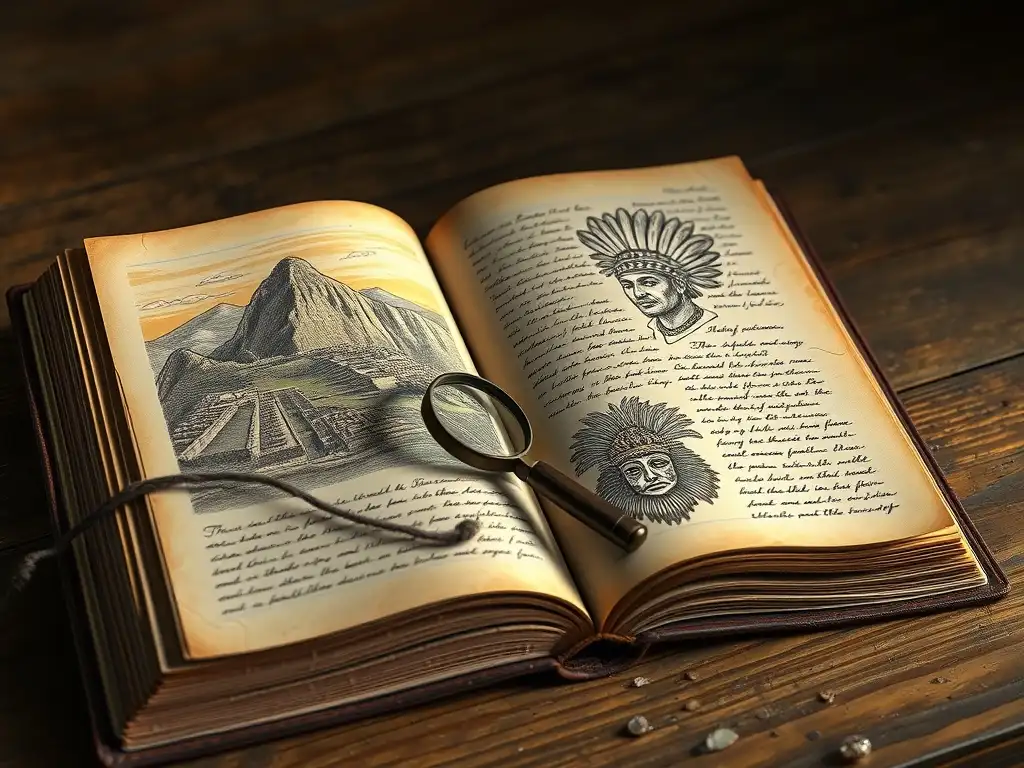
This section delves beyond the captivating world of Inca civilization documentaries, offering avenues for deeper exploration and understanding of this remarkable empire. From insightful books to online resources and immersive experiences, we present diverse paths to enrich your knowledge of Inca history, culture, and legacy. The enduring fascination with the Inca civilization stems from its intricate social structures, impressive engineering feats, and rich cultural heritage; these resources allow you to delve even further into these aspects.
Recommended Books to Expand Your Knowledge of the Inca Civilization
Engaging with well-researched books provides a more in-depth understanding of the Inca Empire than even the most comprehensive documentaries can offer. Here are a few titles that offer diverse perspectives on this fascinating civilization:
- "1491: New Revelations of the Americas Before Columbus" by Charles C. Mann: While not solely focused on the Inca, this book challenges conventional narratives about pre-Columbian America, offering a fresh perspective on the Inca's place within the broader Andean context. It presents compelling evidence of sophisticated agricultural techniques and population densities that existed before European contact, enriching our understanding of the Inca's achievements.
- "The Inca" by Kim MacQuarrie: This book offers a comprehensive overview of Inca history, society, and culture, providing a solid foundation for further study. It's a valuable resource for anyone seeking a well-rounded introduction to Inca civilization. The author masterfully weaves together archaeological findings, historical accounts, and anthropological insights to paint a vivid picture of Inca life.
- "Inca: Conquest and the End of an Empire" by John Hemming: This detailed account focuses on the Spanish conquest of the Inca Empire, examining the dramatic events leading to its downfall and the subsequent impact on the Andean region. The narrative skillfully balances the perspectives of both the Incas and the Spanish conquistadors, providing a nuanced understanding of this pivotal historical period.
- "The Incas: New Perspectives" edited by Karen Olsen Bruhns: This collection of essays provides a multidisciplinary approach to understanding the Inca, incorporating perspectives from archaeology, anthropology, and history. It offers a more nuanced and up-to-date perspective than many older texts, reflecting current scholarly debates and discoveries.
Online Resources and Academic Articles on Inca History and Culture
The digital age offers unparalleled access to information about the Inca civilization. Numerous online resources, academic journals, and digital archives provide valuable insights into various aspects of Inca life. However, it is crucial to critically evaluate sources and prioritize information from reputable academic institutions and researchers.
Here are some avenues to explore:
- University digital libraries: Many prestigious universities offer online access to their digital archives, which contain numerous scholarly articles and books on Inca civilization. These resources are typically peer-reviewed and provide reliable information.
- Online encyclopedias and databases: Reputable online encyclopedias and databases, such as JSTOR and Project MUSE, offer access to a wealth of scholarly articles on Inca history, culture, and archaeology. These resources are invaluable for in-depth research.
- Archaeological society websites: Websites of archaeological societies and organizations often publish news, research updates, and educational resources related to Inca studies. These sites offer a direct link to ongoing research and discoveries.
Remember to always critically evaluate the credibility and bias of any online source. Prioritize information from established academic institutions and peer-reviewed journals.
Experiencing Inca sites firsthand provides an unparalleled connection to the past. Guided tours offer valuable insights from experts, enriching the experience and providing a deeper understanding of the historical context.
Consider visiting these remarkable sites:
- Machu Picchu: This iconic site needs no introduction. A guided tour will provide context to the incredible stonework, agricultural terraces, and urban planning of this lost city. The experience transcends the visual; it allows for a deeper understanding of Inca ingenuity and societal structure.
- Cusco: The former Inca capital, Cusco, offers a rich tapestry of Inca and colonial architecture. A guided walk through the city reveals the layers of history and the enduring legacy of the Inca Empire. The city's layout and remaining Inca structures provide tangible evidence of the empire's sophistication.
- Sacsayhuamán: This impressive fortress overlooking Cusco showcases the Inca's remarkable engineering skills. The massive stone blocks and intricate construction techniques are testaments to their advanced knowledge of architecture and engineering. A guided tour provides context on the construction techniques and strategic importance of this site.
Engaging with these diverse resources will enhance your understanding of the Inca civilization beyond what documentaries alone can offer. Remember to approach your learning with a critical and curious mind, constantly seeking new perspectives and information. The Inca civilization continues to fascinate and inspire, and the journey of discovery is a rewarding one.
What Can We Learn From Inca History: Insights from Documentaries
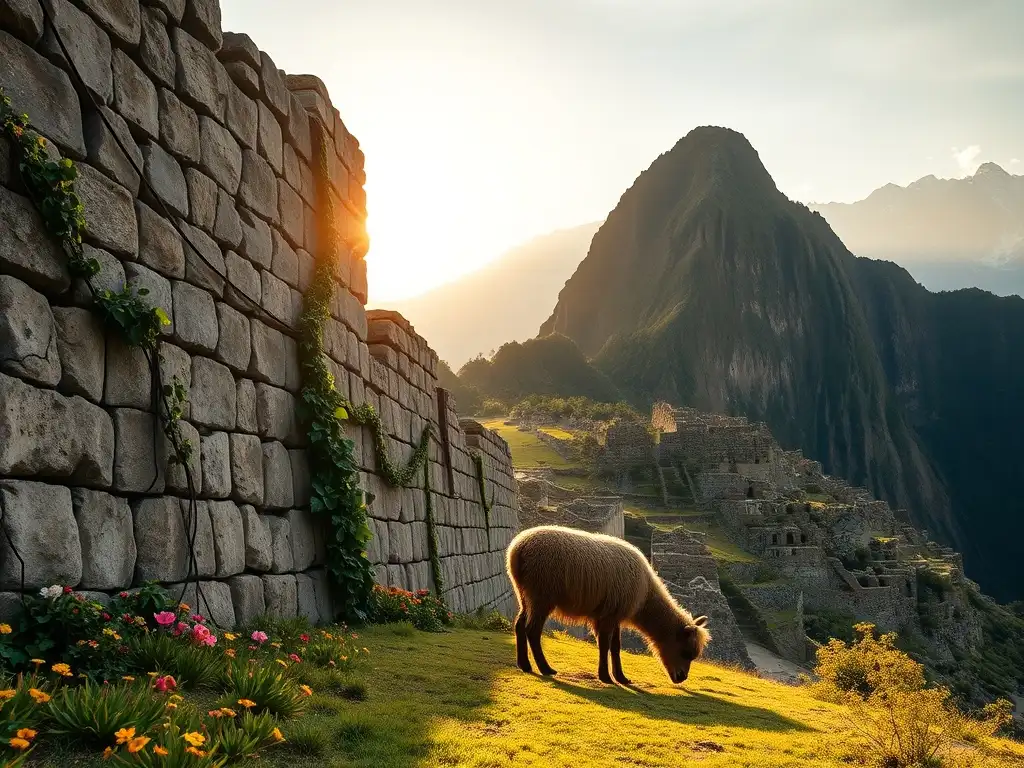
Documentaries offer a compelling avenue to explore the Inca civilization, providing visual and narrative access to a fascinating past. These films not only showcase the impressive achievements of the Inca, but also offer valuable lessons for contemporary society. By analyzing various documentaries focused on Inca history, we can glean insights into their agricultural practices, societal structures, and lasting impact on the world.
Understanding these aspects provides a deeper appreciation for the Inca's ingenuity and resilience, and allows us to consider the relevance of their knowledge in the modern era. The enduring fascination with the Inca civilization is fueled by the many unanswered questions and the potential for new discoveries, constantly re-shaping our understanding of this remarkable culture. The study of Inca civilization documentaries, therefore, contributes significantly to the ongoing discourse surrounding their achievements and their enduring legacy.
Lessons in Sustainable Agriculture from the Inca Terrace Farming Documented
Many documentaries showcase the Inca's mastery of terracing, a sophisticated agricultural technique that allowed them to cultivate crops on steep Andean slopes. These films often highlight the ingenuity of their system, which involved creating intricate networks of stone walls to create level platforms for farming. This approach not only increased arable land but also conserved water and reduced soil erosion.
Analysis of these visual representations reveals a deep understanding of environmental stewardship and sustainable practices, far ahead of its time. For example, [specific documentary title pending] details the precise angles and orientations of the terraces, demonstrating how the Inca maximized sunlight exposure and minimized water runoff. This meticulous approach to agriculture ensured food security for a large population in a challenging environment.
The documentary also emphasizes the role of community labor in building and maintaining these impressive agricultural systems, highlighting the importance of collective effort in achieving sustainable development. This emphasis on cooperation and shared responsibility offers valuable lessons for modern agricultural practices, particularly in addressing challenges like food security and environmental sustainability. The Inca's ingenuity in adapting to their environment provides a powerful case study in sustainable agriculture, showing how careful planning and community cooperation can lead to long-term success.
Documentaries exploring Inca governance often reveal a complex and highly organized society. The films usually depict the Inca emperor as the supreme ruler, but also emphasize the crucial role of regional governors and local leaders in maintaining order and administering justice. The Inca's system of mita, a form of labor tax, is frequently highlighted, showing how it contributed to the construction of infrastructure projects like roads and irrigation systems.
However, documentaries also often explore the potential downsides of this system, including potential exploitation and forced labor. [Specific documentary title and details pending] for example, might showcase the intricate system of record-keeping used by the Inca to track resources and population. The use of quipus, knotted strings used for accounting and record-keeping, is often visualized, demonstrating the sophistication of their administrative techniques.
Analyzing these documentaries, we can gain insights into the strengths and weaknesses of the Inca's governance system, understanding how it facilitated both impressive achievements and potential social inequalities. Understanding the Inca's approach to governance offers valuable lessons in organizational management and the balance between centralized authority and local autonomy. This nuanced perspective, often presented through documentary analysis, enriches our understanding of the complexities of Inca society.
The Enduring Legacy of the Inca Civilization: What Documentaries Reveal About Its Impact
Documentaries examining the Inca civilization's legacy often highlight its lasting impact on the Andean region and beyond. The impact of Inca road systems, architectural styles, and agricultural techniques are frequently showcased. These visual representations often demonstrate the continuity of certain Inca traditions and practices in contemporary Andean communities.
For example, [specific documentary title and details pending] may explore the ongoing use of traditional Inca farming methods in certain areas, demonstrating their adaptability and resilience. Furthermore, documentaries often explore the influence of Inca culture on subsequent civilizations and the ongoing archaeological discoveries that continue to reshape our understanding of this ancient society. The enduring fascination with Inca civilization is evident in the continued production of documentaries exploring different aspects of their culture.
These films highlight not only the impressive achievements of the Inca, but also the ongoing relevance of their history and the lessons that can be learned from their experiences. The study of Inca civilization documentaries provides a valuable resource for understanding the complexities of this ancient society and its lasting impact on the world. The ongoing exploration through documentaries ensures that the Inca's story continues to resonate with audiences worldwide, fostering a deeper appreciation for their remarkable contributions to history.
Finding the Best Inca Documentaries: Where to Watch and How to Access Them
This section focuses on the practical aspects of finding and accessing high-quality Inca civilization documentaries. Navigating the vast ocean of online streaming services and media libraries can be daunting, so we've compiled some helpful tips and resources to streamline your search for compelling visual narratives on this fascinating ancient civilization. The sheer volume of content available on the Inca Empire means careful selection is key to maximizing your learning experience. Understanding where to look significantly improves the chances of finding documentaries that accurately reflect the complexities of Inca history and culture.
Streaming Platforms Offering Inca Civilization Documentaries
Many streaming platforms now offer a variety of documentaries on Inca civilization, catering to different interests and levels of expertise. The availability of specific titles, however, varies significantly by region and subscription plan. Some platforms known for their robust documentary selections include [Platform A Name], [Platform B Name], and [Platform C Name]. Each platform boasts a unique catalog; some may specialize in historical documentaries, while others offer a broader range of genres. Therefore, a thorough search across multiple platforms is often necessary to locate the most suitable documentaries.
It's crucial to check the reviews and ratings before committing to a documentary. Look for those with high user ratings and positive critical reception, indicating a well-researched and engaging presentation of Inca history. User comments can often highlight aspects such as accuracy, bias, and overall production quality, helping you make an informed decision.
Remember to also check the documentary's release date; newer documentaries often benefit from more recent archaeological discoveries and advancements in historical understanding. This ensures a more up-to-date and accurate portrayal of the Inca civilization. Pay close attention to the documentary's description; some may focus on specific aspects, like Inca agriculture, religious practices, or military strategies, allowing you to tailor your viewing to your specific interests.
Educational Resources for Purchasing or Renting Inca Documentaries
Beyond streaming services, educational institutions and specialized online retailers often offer high-quality Inca civilization documentaries for purchase or rent. These resources frequently provide access to documentaries that may not be available on mainstream platforms. These institutions often curate their selections, focusing on documentaries with strong academic backing and a commitment to historical accuracy. This approach ensures a more reliable and scholarly understanding of the Inca Empire.
Consider exploring university libraries, museums with online resources, and educational publishers specializing in history and archaeology. These often provide access to documentaries created in collaboration with leading experts in the field. These documentaries may also include bonus materials like interviews with archaeologists, historians, and other experts, enriching the viewing experience and providing further insights into the Inca civilization. Purchasing or renting from these sources often guarantees access to higher-quality productions with greater detail and depth. The additional value of verified accuracy and scholarly input makes it a worthwhile investment for serious students of Inca history.
Recommendations for Documentaries with Subtitles or Multiple Languages
Accessibility is key when exploring any topic, and Inca civilization documentaries are no exception. Documentaries with subtitles or multiple language options significantly broaden the reach and impact of this crucial historical information. While the availability of subtitles varies greatly depending on the platform and the specific documentary, many platforms now offer options for viewers to select their preferred language. This feature is particularly crucial for international audiences and expands the potential audience for these important educational resources.
Look for documentaries explicitly advertising multi-language support or subtitles in your preferred language. Many platforms allow you to filter search results based on language options, simplifying your search. Checking the documentary's description or specifications before starting is always recommended.
The inclusion of subtitles not only enhances accessibility but also facilitates deeper comprehension, allowing viewers to focus on the content without struggling to understand the spoken language. The availability of multiple language tracks further promotes the global sharing and understanding of Inca civilization, fostering a more inclusive and accessible learning experience for everyone. Furthermore, choosing documentaries with well-done subtitles ensures that the nuanced aspects of the Inca civilization are accurately conveyed, preserving the integrity of the historical narrative.
Frequently Asked Questions
What makes Inca civilization documentaries so popular?
Inca civilization documentaries are popular due to the fascinating mysteries surrounding this advanced civilization, their remarkable engineering feats, and the enduring legacy of their culture. They offer a glimpse into a lost world.
Are there documentaries focusing specifically on Inca technology?
Yes, many documentaries highlight the remarkable Inca advancements in areas such as agriculture (terracing), architecture (stonework), and road systems. These showcase their innovative engineering solutions.
Where can I find high-quality Inca civilization documentaries?
Many streaming services like Netflix, Amazon Prime, and YouTube offer high-quality documentaries on the Inca. You can also find them on educational channels and through reputable historical archives.
What aspects of Inca culture are typically explored in documentaries?
Documentaries often explore diverse aspects of Inca culture, including their social structures, religious beliefs, artistic expressions, and daily life. This provides a holistic view of their society.
How do Inca civilization documentaries contribute to our understanding of the past?
These documentaries help us understand the complexity of the Inca civilization, challenging preconceived notions and providing valuable insights into their achievements, societal structures, and eventual decline. They offer a window into the past.
Final Reflection: Echoes of the Andes: Lessons from the Inca Legacy
The enduring fascination with the Inca civilization isn't merely historical curiosity; it's a vital mirror reflecting our own societal aspirations and anxieties. The sophisticated infrastructure, intricate social structures, and innovative agricultural practices of the Inca continue to challenge our assumptions about progress and societal organization, prompting us to reconsider our relationship with the environment and the very definition of civilization. The documentaries explored here serve as powerful reminders of a civilization that, despite its tragic end, offers invaluable lessons for our time.
The Inca's ability to thrive in a challenging environment, their remarkable feats of engineering, and their deeply ingrained sense of community resonate deeply with contemporary concerns about sustainability, social justice, and the power of collective action. The Inca were not simply builders of empires, but architects of a society that prioritized the well-being of its people and the harmony of its environment.
This quote, though paraphrased, encapsulates the enduring relevance of the Inca experience, urging us to examine our own societal priorities and the long-term consequences of our actions. Their story serves as a potent reminder that even the most advanced civilizations are vulnerable, and that understanding their successes and failures can illuminate our own path forward.
Consider the ingenuity of their terraced farming techniques, the intricate network of roads that connected their vast empire, or the sophisticated system of record-keeping using quipu. These achievements weren't simply feats of engineering; they were expressions of a deeply interconnected society, striving for balance and resilience. You, the reader, are now invited to reflect on these lessons.
What aspects of Inca civilization resonate most strongly with you? How can we apply their wisdom – their understanding of community, sustainability, and resource management – to build a more just and equitable future? Let the echoes of the Andes inspire you to create a world worthy of their legacy.
Unlock the Secrets of the Incas Today!
Thank you for joining us on this journey into the captivating world of the Inca civilization! Your interest in this remarkable culture deepens your understanding and sparks curiosity about their enduring legacy. Let's explore, share, and celebrate the wisdom of the Incas together.
Here's how you can get involved:
- Deepen your understanding of Inca history by watching a documentary. Select one that interests you and reflect on its key themes.
- Share your discoveries with friends and on social media, using relevant hashtags to connect with others interested in Inca culture. Let's start a conversation about the valuable lessons the Inca civilization offers modern society.
- Connect with fellow enthusiasts by joining an online forum or local group focused on Andean civilizations. Engaging in discussions with others can broaden your perspective and deepen your appreciation.
What aspects of Inca culture resonate most with you, and how can you apply those principles to your life today?