
The Concept of "Pacha" in Andean Thought: Time, Space, and Reality

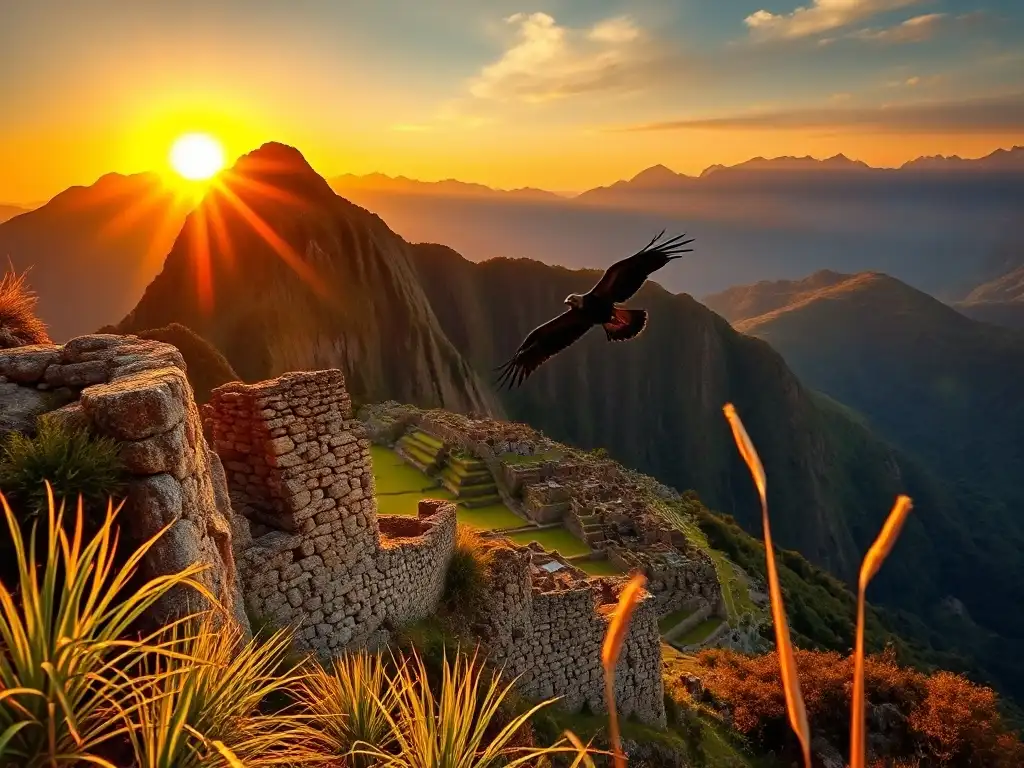
Step into a world lost in time, yet echoing through the ages. Uncover the mysteries of the Andes, where towering mountains held secrets older than history itself. Prepare to unravel the enigmatic Andean Pacha concept meaning, a key to understanding the intricate worldview of civilizations like the Inca, Moche, and Nazca. Dive into a realm of breathtaking artistry, innovative engineering, and a profound connection to the cosmos – a journey that will redefine your understanding of time, space, and reality. Are you ready to explore the heart of Andean cosmology?
- Understanding the Andean Pacha Concept: A Deep Dive into Time, Space, and Reality
- The Multi-Dimensional Nature of Pacha: Time and Space in Andean Thought
- Pacha and Reality: The Andean Understanding of Existence
- The Significance of Pacha in Andean Culture and Traditions
- Conclusion: The Enduring Relevance of the Andean Pacha Concept Meaning
- Frequently Asked Questions
- Final Reflection: Weaving the Threads of Pacha
- Unveil the Depths of Andean Thought!
Understanding the Andean Pacha Concept: A Deep Dive into Time, Space, and Reality
The Andean worldview, a complex tapestry woven from millennia of interaction with the Andes Mountains and their unique environment, offers a profound understanding of the cosmos and humanity's place within it. Unlike Western linear conceptions of time and space, Andean thought presents a holistic perspective encapsulated in the concept of Pacha.
This article delves into the multifaceted meaning of Pacha, exploring its significance in shaping Andean cosmology, spirituality, and social structures. We will unpack the intricate relationship between time, space, and reality as understood by the ancient Andean civilizations, enriching our comprehension of their sophisticated cultural achievements and providing a nuanced perspective on the meaning of "Andean Pacha concept meaning."
Understanding Pacha is key to unlocking the secrets of Andean societies and appreciating the depth of their philosophical and spiritual frameworks. This exploration will move beyond simple definitions, examining the concept's practical applications in daily life and its enduring influence on contemporary Andean cultures.
Introduction to the Andean Worldview and the Pacha
The Andean worldview is fundamentally animistic, recognizing a vibrant spiritual presence in all aspects of nature. Mountains, rivers, animals, and even inanimate objects are imbued with camac, a life force or spirit. This pervasive animism shapes the perception of time and space, creating a dynamic and interconnected reality.
The concept of Pacha is central to this worldview, serving as a unifying principle that encompasses the entire cosmos. It's not simply a physical space; it's an interwoven fabric of time, space, and energy, a holistic ecosystem where the sacred and the profane intertwine seamlessly. Understanding the Andean concept of Pacha requires acknowledging this holistic perspective, which differs significantly from the compartmentalized views of many modern Western societies.
The interconnectedness of all things—the living and the non-living, the physical and the spiritual—is a core tenet of Andean cosmology, and Pacha acts as the framework for this understanding. Think of it as a living, breathing entity, constantly in flux, rather than a static, unchanging concept.
What is Pacha? Exploring the Core Meaning of Andean Pacha Concept
The term Pacha itself resists a simple, singular definition. It encompasses a vast range of meanings, varying slightly depending on the specific Andean culture and time period. However, at its core, Pacha refers to the totality of existence—the universe, the world, and everything within it. It's often described as a layered system, with different levels of reality existing simultaneously.
These layers might include the Hanan Pacha (upper world, often associated with the celestial realm and deities), the Kay Pacha (here and now, the earthly realm where humans reside), and the Uku Pacha (underworld, associated with the ancestors and the spiritual realm below). However, these layers are not necessarily separated but rather interconnected, constantly interacting and influencing one another. The movement between these layers is not merely a spatial transition but also a temporal one, reflecting the cyclical and recursive nature of Andean time. This cyclical understanding of time is crucial: it's not a linear progression but a continuous flow, with past, present, and future existing simultaneously.
This holistic perspective is reflected in Andean rituals, agricultural practices, and social structures, highlighting the deep integration of Pacha into every aspect of Andean life. The concept is not merely an abstract philosophical idea but a living reality that guides their actions and beliefs. Understanding this dynamic interplay between the layers of Pacha is critical to grasping the full meaning of the term and its significance in Andean thought.
The Multi-Dimensional Nature of Pacha: Time and Space in Andean Thought
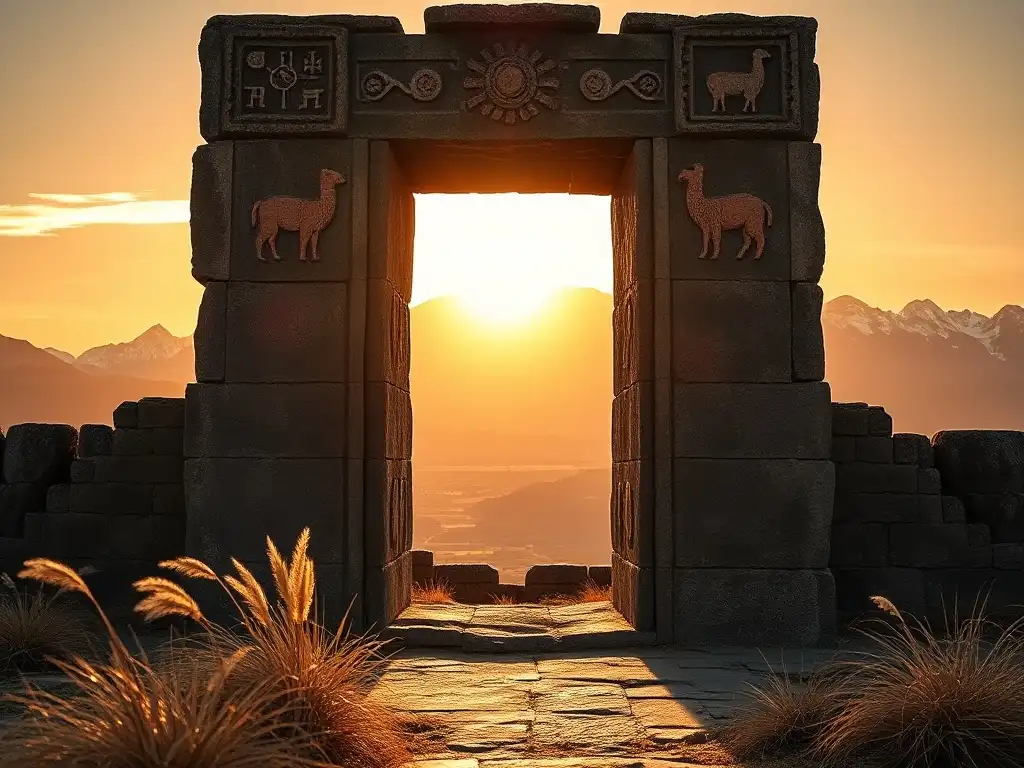
The Andean concept of Pacha transcends a simple definition of "world" or "universe." It represents a complex and interwoven understanding of time, space, and reality, a holistic worldview that permeates Andean cosmology and deeply influenced the social, political, and religious life of various Andean civilizations. Understanding Pacha requires appreciating its multi-dimensional nature, encompassing not only the physical environment but also the spiritual and temporal realms. This intricate concept is key to deciphering the Andean worldview and its enduring legacy. The term itself, "Andean Pacha concept meaning," encapsulates this multifaceted significance.
Pacha as Time: Cyclicality and the Flow of Existence
The Andean perception of time differs significantly from linear Western models. Instead of a unidirectional progression from past to future, Pacha embodies a cyclical understanding of time, emphasizing repetition, renewal, and the interconnectedness of past, present, and future. This cyclical perspective is reflected in agricultural practices, religious rituals, and artistic representations. The concept of Pacha as time is further divided into three distinct realms:
The Concept of Kay Pacha: The Present World and its Temporal Dimension
Kay Pacha, often translated as "here and now," represents the present world, the realm of human experience. This is not merely a static point in time but a dynamic, ever-changing space where life unfolds. It's the realm of daily activities, social interactions, and the immediate environment. The temporal dimension within Kay Pacha is characterized by a continuous flow, a cycle of birth, growth, decay, and renewal.
This cycle is deeply connected to the agricultural calendar and the natural rhythms of the Andes. For example, the planting and harvesting seasons marked not just agricultural events, but also crucial moments within the cyclical time of Kay Pacha. The understanding and respect for this cyclical nature were crucial for survival and prosperity in the Andean region.
Understanding Hanan Pacha: The World Above and its Timelessness
Hanan Pacha signifies the upper world, the realm of the gods, celestial beings, and ancestral spirits. Unlike Kay Pacha, Hanan Pacha is often described as possessing a timeless quality. It's a realm of spiritual power, where time operates differently, outside the constraints of the earthly cycle.
While not entirely static, the temporal flow in Hanan Pacha is perceived as slower, more enduring, and less subject to the changes experienced in the present world. This realm represents a source of spiritual guidance, wisdom, and protection for the inhabitants of Kay Pacha. The celestial bodies, the sun, moon, and stars, serve as powerful symbols and manifestations of Hanan Pacha's influence.
Ukhu Pacha: The World Below and its Connection to the Past
Ukhu Pacha refers to the underworld, the realm of the ancestors, spirits, and the origins of life. It's a place of mystery, power, and connection to the past. In contrast to the dynamic Kay Pacha, Ukhu Pacha embodies a sense of continuity and remembrance. It's where the ancestors reside, influencing the present through their continued presence and guidance.
The past, in the Andean worldview, is not simply something left behind, but an integral part of the present. Ukhu Pacha acts as a repository of knowledge, traditions, and the collective memory of the Andean communities. This connection to the past through Ukhu Pacha is crucial for understanding the cyclical nature of time within the Pacha concept.
Pacha as Space: The Interconnectedness of All Things
Beyond its temporal dimensions, Pacha also encompasses a spatial understanding that emphasizes the interconnectedness of all things. The Andean worldview didn't see the world as a collection of isolated elements but as a unified and interdependent system. This understanding is reflected in their spatial organization and their relationship with the environment.
The Concept of Suyu: Spatial Divisions and Their Significance
The Suyu system, a division of the Inca Empire into four quarters, reflects a spatial organization based on the cardinal directions and their associated elements. Each Suyu represented a distinct region with its own unique characteristics and resources, yet they were all considered integral parts of a larger, unified whole. This spatial division mirrored a cosmological understanding, emphasizing the interconnectedness of different regions and their contributions to the overall balance of Pacha. The Suyu system highlights the importance of spatial organization within the Andean conception of Pacha, illustrating how space and cosmology were intertwined.
Sacred Spaces: Huacas and the Connection to Pacha
Huacas, sacred places imbued with spiritual power, played a crucial role in the Andean understanding of space. These could be natural features like mountains, springs, or caves, or man-made structures like temples or burial grounds. Huacas served as focal points connecting Kay Pacha, Hanan Pacha, and Ukhu Pacha, acting as intermediaries between the human world and the spiritual realms.
They were not just geographic locations but powerful symbols representing the interconnectedness of all aspects of Pacha. The reverence shown to Huacas underscores the importance of sacred spaces in maintaining the harmony and balance within the Andean worldview. The careful preservation and veneration of Huacas demonstrate a deep respect for the sacredness of space and its vital role in the Andean concept of Pacha.
Pacha and Reality: The Andean Understanding of Existence
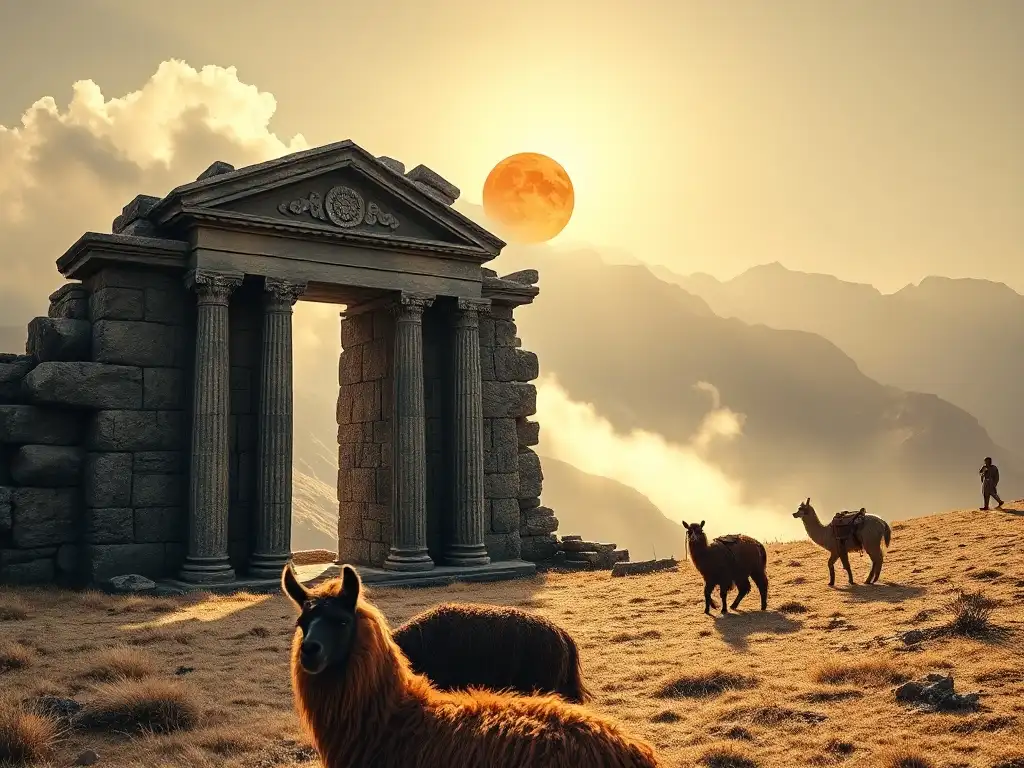
The Andean concept of Pacha transcends a simple definition of "world" or "universe." It's a complex, interwoven understanding of reality encompassing time, space, energy, and the interconnectedness of all things. It's not merely a physical location but a dynamic, vibrant force shaping Andean cosmology and worldview. Understanding Pacha is key to understanding the Andean civilizations' relationship with their environment and their spiritual beliefs.
The term itself carries a profound weight, representing not just the physical world, but also the spiritual realm and the cyclical nature of existence. This holistic perception of Pacha influenced every aspect of Andean life, from agriculture and architecture to social structures and religious practices. The Andean Pacha concept meaning is deeply rooted in this holistic, interconnected view of reality.
The Interrelation of Time and Space in the Andean Pacha Concept
The Andean perception of Pacha doesn't separate time and space as distinct entities. Instead, they are inextricably linked, forming a continuous flow. Time isn't linear, as in Western thought, but cyclical, reflecting the repetitive patterns observed in nature – the seasons, the sun's journey, the planting and harvesting cycles.
This cyclical understanding of time is reflected in Andean calendar systems, which emphasized the importance of agricultural rhythms and celestial events. Space, similarly, isn't a static backdrop but a dynamic field of energy and interaction. Sacred sites, mountains, and rivers were not merely geographical locations but integral parts of the Pacha, imbued with spiritual significance and acting as conduits between the different realms.
The careful observation of the cosmos and the precise alignment of structures like Machu Picchu demonstrate a sophisticated understanding of this spatial-temporal interconnectedness. This intricate relationship between time and space within the Pacha formed the foundation of Andean societal organization and spiritual practices.
The Role of Energy (Kamaq) within Pacha
Within the Andean Pacha, the concept of kamaq (energy or life force) plays a crucial role. Kamaq permeates all aspects of existence, animating both living beings and inanimate objects. Mountains, rivers, and even stones possess kamaq, connecting them to the broader Pacha and imbuing them with spiritual power. Maintaining a balance of kamaq was essential for the well-being of individuals and communities.
Rituals and ceremonies aimed to restore this balance when disrupted, ensuring the continued flow of kamaq through the Pacha. The Andean understanding of kamaq highlights a deep respect for nature and its inherent vitality, contrasting sharply with views that see nature as simply a resource to be exploited. Understanding the role of kamaq provides insight into the importance of reciprocity and harmonious coexistence within the Andean worldview, central to the Andean Pacha concept meaning.
Living in Harmony with Pacha: Practical Applications of the Andean Worldview
The Andean worldview, deeply rooted in the concept of Pacha, had practical implications for daily life. Agriculture, for example, was not merely a means of subsistence but a ritualistic act aimed at maintaining balance within the Pacha. Farmers understood the interconnectedness of the land, water, and celestial cycles, carefully observing natural rhythms to optimize their harvests.
This reciprocal relationship between humans and nature is evident in the sophisticated agricultural techniques employed by Andean civilizations, such as terracing and irrigation systems. Similarly, the construction of cities and settlements reflected a deep understanding of the Pacha. Cities were strategically located in relation to sacred sites and natural features, symbolizing their integration within the larger cosmic order.
This holistic approach to life, guided by the principle of living in harmony with the Pacha, offers valuable lessons for contemporary societies grappling with environmental challenges and the need for sustainable practices. The Andean Pacha concept meaning ultimately emphasizes a sustainable and respectful relationship with the natural world. The legacy of this worldview continues to resonate today, reminding us of the importance of ecological balance and mindful interaction with our surroundings.
The Significance of Pacha in Andean Culture and Traditions
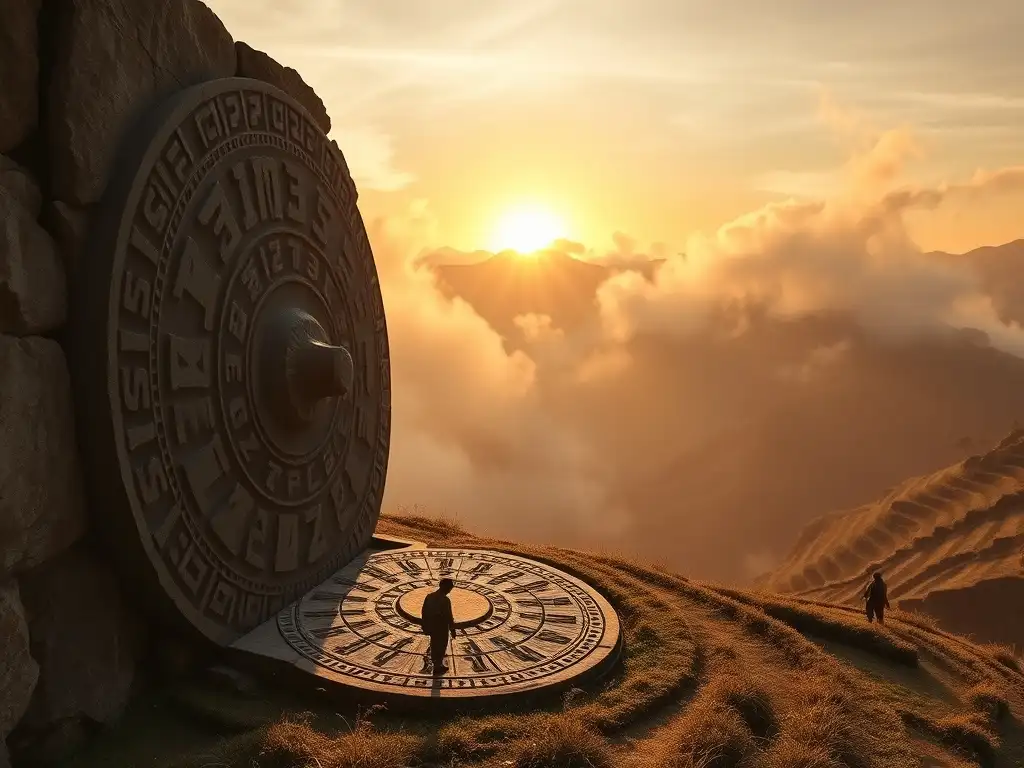
The Andean concept of Pacha transcends a simple definition of "world" or "universe." It represents a complex, interwoven understanding of time, space, and reality, deeply ingrained in the cosmology and worldview of various Andean cultures, including the Inca, Moche, Nazca, and Tiwanaku. Understanding Pacha is key to understanding the Andean relationship with the cosmos, their social structures, and their artistic expressions.
It's not merely a geographical location but a dynamic, living entity encompassing the past, present, and future, the physical and spiritual realms, and the interconnectedness of all things. The word itself, derived from Quechua, resonates with a profound sense of holistic existence, reflecting the Andean understanding of a vibrant, interconnected world. This holistic worldview significantly shaped their social organization, agricultural practices, and spiritual beliefs.
The pervasive influence of Pacha is evident in their art, architecture, rituals, and daily life, demonstrating its centrality in their cultural fabric. Analyzing the Andean Pacha concept meaning requires delving into its multifaceted nature and its profound influence on their lives.
Pacha in Andean Rituals and Ceremonies
Andean rituals and ceremonies were profoundly shaped by the concept of Pacha. These weren't simply religious observances but rather interactive engagements with the living entity of Pacha. For example, the Capacocha, a ritualistic sacrifice practiced by the Inca, was believed to maintain the balance and harmony within Pacha.
Offerings of precious objects, coca leaves, and even human sacrifices were presented to appease the deities and ensure the well-being of the community and the continuity of Pacha. The timing of these ceremonies was crucial, often aligned with agricultural cycles and astronomical events, demonstrating a deep understanding of the cyclical nature of Pacha. Furthermore, the location of these rituals was carefully selected, often at sacred sites holding significant cosmological importance within the Andean worldview of Pacha.
The intricate details of the rituals, from the specific offerings to the precise movements and chants, underscore the profound respect and reverence held for Pacha. These ceremonies weren't isolated events but integral aspects of maintaining the cosmic order and ensuring the prosperity of the Andean communities. The detailed records, albeit fragmented, of these rituals provide invaluable insights into the Andean understanding of Pacha and its importance in their societal fabric.
The Impact of Pacha on Andean Art and Architecture
The concept of Pacha profoundly influenced Andean art and architecture. Structures were not merely built for practical purposes but were designed to reflect and interact with the cosmic order. The precise alignment of many buildings with celestial bodies, such as the sun and stars, suggests a deliberate attempt to harmonize human constructions with the rhythms of Pacha.
For instance, the intricate stonework of Machu Picchu, with its precise fitting of stones and its integration into the mountain landscape, exemplifies this harmony. Moreover, Andean art often depicts scenes and symbols representing different layers of Pacha, showcasing the interconnectedness of the terrestrial and celestial realms. Textiles, ceramics, and metalwork frequently included motifs representing the mountains, the sky, and the underworld, reflecting the Andean understanding of Pacha as a multi-layered reality.
The vibrant colors and symbolic representations in these artifacts further emphasize the holistic and dynamic nature of Pacha as perceived by the Andean people. Studying these artistic expressions provides crucial clues in deciphering the Andean concept of Pacha and its significance in their cultural and spiritual life. The meticulous craftsmanship and symbolic richness embedded in Andean art and architecture serve as tangible representations of their profound connection with Pacha.
Pacha and the Andean Relationship with Nature
The Andean relationship with nature was deeply intertwined with their understanding of Pacha. Pacha wasn't a passive backdrop but an active participant in their lives, demanding respect and reciprocity. Andean agriculture, characterized by sophisticated techniques like terracing and irrigation, was not merely about food production but about actively engaging with and nurturing Pacha.
The careful management of water resources, the cultivation of diverse crops, and the integration of their farming practices with the natural environment demonstrate a profound understanding of the interconnectedness within Pacha. The concept of Ayni, reciprocal exchange and mutual support, extended beyond human relationships to encompass the entire ecosystem. This reciprocal relationship between humans and nature was vital for maintaining the balance and harmony within Pacha.
The Andean worldview, therefore, emphasized a sustainable and harmonious coexistence with nature, recognizing its intrinsic value and its crucial role in the overall well-being of Pacha. This sustainable approach to living within Pacha offers valuable lessons for contemporary societies grappling with environmental challenges. Their deep respect for nature and their understanding of its integral role within Pacha stands as a testament to their wisdom and their profound connection with the natural world.
Conclusion: The Enduring Relevance of the Andean Pacha Concept Meaning
The Andean Pacha concept, far from being a relic of the past, continues to resonate deeply within contemporary Andean societies and thought. Its holistic understanding of time, space, and the interconnectedness of all things offers a powerful framework for understanding the world and our place within it. The concept's enduring relevance stems from its capacity to address modern challenges while simultaneously grounding itself in ancient wisdom.
Understanding the multifaceted meaning of "Pacha" provides crucial insight into the Andean worldview and its continuing influence. This rich tapestry woven from threads of cosmology, spirituality, and social organization remains a vibrant and dynamic force, shaping perspectives and actions in the present day. The continued study and appreciation of the Pacha concept are essential for a comprehensive understanding of Andean civilizations and their lasting legacy.
The Pacha concept in contemporary indigenous movements
The Pacha concept remains a central pillar in many contemporary indigenous movements across the Andes. It serves as a powerful symbol of identity, resistance, and cultural revitalization. Indigenous communities utilize the concept to articulate their claims to land rights, environmental protection, and self-determination.
For example, the concept of ayni (reciprocity) within the Pacha framework is frequently invoked to advocate for equitable resource distribution and collaborative management of natural resources. The Pachamama (Mother Earth) aspect emphasizes the inherent interconnectedness between humans and nature, fueling environmental activism and sustainable practices. The revitalization of traditional Andean ceremonies and rituals, often deeply rooted in Pacha cosmology, serves as a means of strengthening community bonds and asserting cultural sovereignty.
These movements demonstrate the enduring power of the Pacha concept to inspire social and political action in the 21st century, showcasing its continued relevance in the face of globalization and modernization. The Pacha's enduring influence is evident in the ongoing struggle for indigenous rights and environmental justice, highlighting its capacity to mobilize communities and inspire collective action. This active engagement demonstrates that the Andean Pacha concept meaning is not merely historical, but actively shapes contemporary realities.
The enduring wisdom of Andean Cosmology and its lessons
Andean cosmology, with the Pacha concept at its heart, offers valuable lessons for the modern world. Its emphasis on balance, reciprocity, and the interconnectedness of all living things provides a counterpoint to anthropocentric worldviews that often prioritize individual gain over collective well-being and environmental sustainability. The understanding of time as cyclical rather than linear encourages a more holistic perspective, recognizing the past, present, and future as intrinsically linked.
This cyclical perspective promotes a deeper appreciation for ancestral knowledge and traditions, fostering a sense of continuity and responsibility towards future generations. The emphasis on community and reciprocity highlights the importance of social cohesion and cooperation in addressing global challenges. The Andean worldview's inherent respect for nature offers a valuable framework for sustainable practices and environmental stewardship.
By studying and understanding the Andean Pacha concept meaning, we can gain insights into alternative ways of interacting with the world, promoting a more balanced and harmonious relationship between humanity and the environment. The enduring wisdom embedded within Andean cosmology offers a powerful counter-narrative to prevailing dominant narratives, providing alternative pathways towards a more just and sustainable future. The lessons learned from the Andean Pacha concept can contribute to a more holistic and ecologically conscious approach to global challenges.
Frequently Asked Questions
What is the meaning of "Pacha" in Andean cultures?
The term "Pacha" in Andean cosmology refers to the integrated concept of space, time, and reality. It encompasses the entire universe, encompassing the physical world, the spiritual realm, and the interconnectedness of all things. It's not simply a location, but a holistic worldview.
How did the Incas understand Pacha?
The Inca worldview saw Pacha as a three-layered cosmos, consisting of the hanan pacha (upper world), kay pacha (present world), and ukhu pacha (underworld). These layers were interconnected and influenced each other, reflecting a cyclical view of time and existence.
What is the significance of Pacha in Andean spirituality?
Pacha represents the fundamental order and balance of the universe. Respecting Pacha and living in harmony with its rhythms was crucial for Andean spiritual practices and ensuring prosperity. Disrupting this balance could lead to misfortune.
How did the concept of Pacha influence Andean technology and agriculture?
Understanding Pacha’s rhythms informed their agricultural practices and engineering feats. For example, their sophisticated irrigation systems and terraced farming reflected a deep knowledge of the environment and its cycles, aiming to work in harmony with Pacha.
How does the Andean Pacha concept relate to modern environmentalism?
The holistic view of Pacha offers insights relevant to modern environmentalism. Its emphasis on interconnectedness and balance highlights the importance of respecting ecological systems and living sustainably, mirroring contemporary concerns about environmental stewardship.
Final Reflection: Weaving the Threads of Pacha
The concept of Pacha, far from being a relic of ancient Andean civilizations, remains a vibrant and relevant framework for understanding our relationship with time, space, and the interconnectedness of all things. Its wisdom offers a potent antidote to the fragmented and often unsustainable worldview that dominates contemporary society. The enduring power of Pacha lies in its holistic perspective, reminding us that we are not separate from, but deeply interwoven with, the natural world and the spiritual realm.
Understanding Pacha has profoundly shifted my own perspective, fostering a deeper appreciation for the cyclical nature of life and the importance of living in harmony with the environment. It challenges the linear, progress-driven narratives that often dominate Western thought. The earth is not something we inherit from our ancestors, it is something we borrow from our children.
This quote, while not directly Andean, perfectly encapsulates the inherent responsibility and interconnectedness emphasized by the Pacha concept. The ongoing influence of Pacha can be seen in contemporary Andean movements advocating for environmental protection and social justice, demonstrating its continued relevance in shaping a more sustainable and equitable future.
Consider, for a moment, how the principles of Pacha – balance, reciprocity, and respect for the interconnectedness of all beings – might inform your own life. How can you cultivate a more harmonious relationship with the natural world and the communities around you? By embracing the wisdom embedded within the concept of Pacha, we can begin to weave a more sustainable and meaningful existence, one that honors the past while shaping a brighter future for generations to come. Let the threads of Pacha guide you on this journey.
Unveil the Depths of Andean Thought!
Thank you for exploring the rich concept of Pacha in Andean thought. We hope this exploration has illuminated the profound interconnectedness of time, space, and reality within these fascinating cultures. Now, let's deepen your understanding.
Here are some inspiring next steps:
- Connect with a local Andean community or cultural center. Experiencing Pacha firsthand offers invaluable insights beyond those found in books.
- Explore Andean art, music, or literature. These creative expressions beautifully reflect the essence of Pacha. Visit a museum, gallery, or attend a performance to immerse yourself.
- Share your discoveries! Discuss Pacha with friends, family, or participate in online forums and groups dedicated to Andean civilizations. Your insights can spark engaging conversations.
How does Pacha resonate with you personally, and how might its principles influence your understanding of time and space?