
The Andean Legacy: How Their Concepts of Time and Space Still Resonate


Step into a world lost to time, yet echoing in the present. Prepare to unravel the mysteries of the Andean civilizations, where the very concept of time defied Western understanding. How did these remarkable societies, from the Incas to the Nazca, perceive the flow of existence? Discover the fascinating intricacies of Andean civilizations time perception and unlock the secrets of their enduring legacy within the realm of Andean Cosmology and Worldview. The journey begins now…
The Andes Mountains, a spine of rock and ice running down the western coast of South America, have witnessed millennia of human history. For centuries, thriving civilizations—the Incas, Moche, Nazca, Tiahuanaco, and many others—flourished in this challenging yet fertile landscape, developing unique worldviews that profoundly shaped their societies. This article delves into the fascinating and enduring legacy of Andean civilizations, specifically examining their conceptions of time and space.
Understanding their perspectives offers a compelling counterpoint to Western linear notions, revealing a complex and cyclical understanding of existence profoundly connected to the natural world. We'll explore how these ancient perceptions continue to resonate in contemporary Andean cultures and even influence our own understanding of time and space in the 21st century. This exploration will highlight the importance of studying Andean civilizations not just for their impressive engineering feats and artistic achievements, but also for their sophisticated cosmological beliefs which provide valuable insights into the human experience.
By understanding their unique approach to time and space, we gain a deeper appreciation for the diversity of human thought and the enduring power of cultural legacies. The keyword "Andean civilizations time perception" will be explored in detail throughout this article, offering a comprehensive overview of this critical aspect of Andean cosmology.
Understanding Andean Time Perception: A Cyclical View
Unlike the linear Western concept of time as a continuous progression from past to future, Andean civilizations viewed time cyclically. Their understanding was deeply intertwined with the natural world, particularly the agricultural cycle and the celestial movements. The cyclical nature of the seasons, the recurring patterns of planting and harvesting, and the predictable movements of the sun, moon, and stars informed their perception of time as a continuous, repeating process. This wasn't simply a matter of observing patterns; it was a fundamental part of their worldview, influencing their social structures, religious practices, and even their artistic expressions.
For example, many Andean societies celebrated cyclical festivals marking key agricultural events or astronomical occurrences. These celebrations weren't merely social gatherings; they were rituals designed to ensure the continuation of the cycle, to maintain balance within the cosmos, and to secure a bountiful harvest. The precise details varied across different cultures, but the underlying principle of cyclical time remained consistent.
Furthermore, archaeological evidence, such as the intricate calendar systems and astronomical observatories found at sites like Machu Picchu and Chankillo, provides strong evidence of their sophisticated understanding and meticulous tracking of celestial cycles. This detailed observation suggests a profound connection between the celestial realm and the earthly experience, shaping their understanding of time as an integrated part of a larger cosmic order. The cyclical nature of Andean time perception is a crucial element of understanding their cosmology and its enduring influence.
The Andean Understanding of Space: Beyond the Physical Realm
Andean civilizations didn't limit their understanding of space to the physical world. Their concept of space was multifaceted, encompassing the physical landscape, the celestial realm, and the spiritual world. Mountains, rivers, and other geographical features weren't simply geographical markers; they held immense spiritual significance, often considered sacred places or dwelling places of deities. This interconnectedness between the physical and spiritual realms is evident in their architecture, art, and religious practices.
The construction of monumental sites like Machu Picchu and Sacsayhuamán, for instance, wasn't merely a feat of engineering; it was a deliberate act of shaping the landscape to reflect their cosmological beliefs. The precise alignment of structures with celestial bodies, the use of specific materials and symbolic motifs, all point to a deep understanding of space as a complex, multi-layered reality.
Similarly, their art often depicted a fusion of the physical and spiritual worlds, with deities, mythical creatures, and ancestors integrated into representations of the landscape. This interconnected vision of space profoundly influenced their social organization, with communities often structured according to their relationship with specific geographical features and spiritual entities.
Their understanding of space extends far beyond a simple geographical map, offering a rich and complex perspective on the relationship between humanity and the cosmos. The integration of the physical and spiritual realms in their understanding of space is a key aspect of their worldview and a testament to the richness of Andean cosmology.
- Understanding Andean Time Perception: A Cyclical View
- The Andean Understanding of Space: Beyond the Physical Realm
- How did Andean civilizations perceive time differently than Western cultures?
- What role did astronomy play in Andean timekeeping?
- Did the Incas have a written calendar system like the Egyptians?
- How did the concept of Pachamama influence Andean time perception?
- How do Andean concepts of time still resonate today?
Pre-Inca Concepts of Time and Space
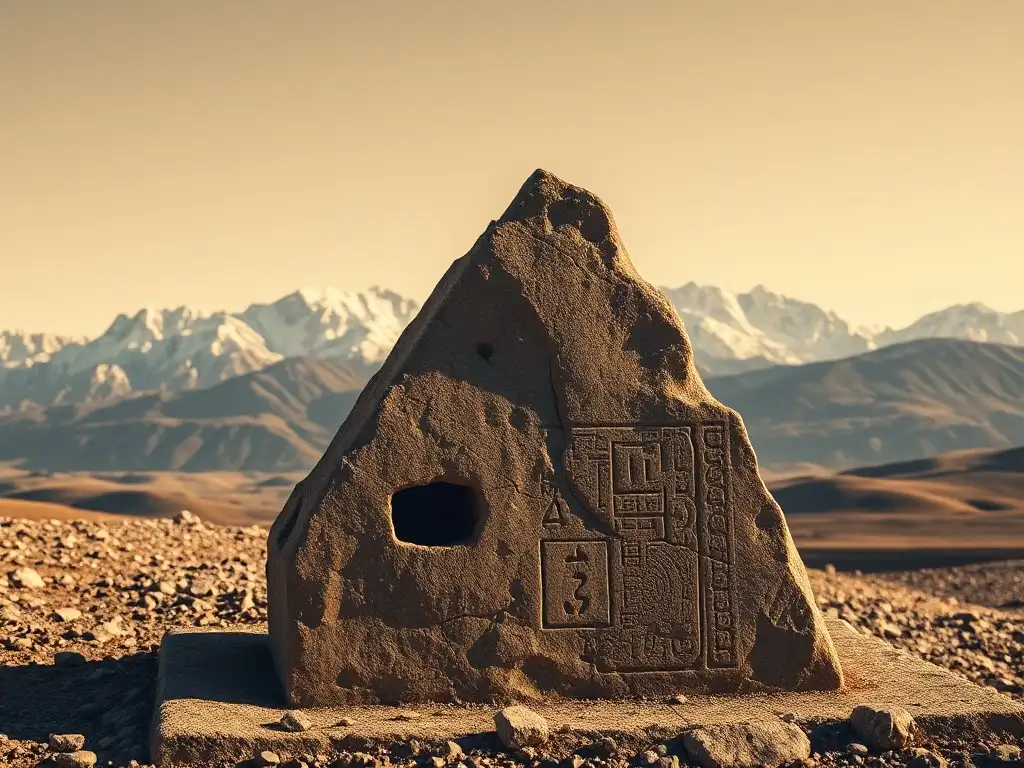
The Andean civilizations, renowned for their intricate societies and advanced technologies, possessed a unique understanding of time and space profoundly different from Western linear conceptions. Before the Inca Empire's rise, diverse cultures across the Andes developed their own sophisticated systems for perceiving and interacting with the cosmos. These systems weren't simply abstract philosophical notions; they were deeply embedded in daily life, influencing everything from agricultural practices and social structures to artistic expression and religious rituals.
Understanding these pre-Inca perspectives is crucial to grasping the full complexity of Andean cosmology and its enduring legacy. Their perception of time was often cyclical, interwoven with agricultural cycles, celestial events, and the rhythms of nature. Space, similarly, wasn't a static entity but a dynamic field of energy and power, populated by deities, ancestors, and potent natural forces.
This holistic view, where time and space were inextricably linked, contrasts sharply with the more compartmentalized Western worldview. The influence of this holistic perspective is evident in the surviving artifacts and monumental architecture of these early Andean cultures, which are discussed in further detail below. This unique Andean civilizations time perception continues to fascinate researchers and scholars to this day.
Moche Time and Space: Rituals and Cosmic Order
The Moche civilization (circa 100-800 CE), known for its exquisite pottery and elaborate metalwork, demonstrated a keen awareness of both cyclical time and sacred space. Their sophisticated irrigation systems, meticulously designed to harness the scarce water resources of the arid northern coast of Peru, reveal a deep understanding of seasonal changes and the importance of precise timing for agricultural success. Moche time wasn't merely a linear progression; it was a recurring cycle of planting, growth, harvest, and renewal, mirroring the cyclical nature of the cosmos.
This is vividly portrayed in their pottery, which frequently depicts scenes of agricultural activities alongside celestial imagery, such as the sun, moon, and stars. Furthermore, their elaborate burial rituals, often including lavish grave goods and the sacrifice of individuals, suggest a belief in a complex afterlife interconnected with the earthly realm.
The arrangement of tombs and the orientation of Moche settlements often aligned with significant astronomical points, highlighting the importance of celestial events in their understanding of time and space. These Moche rituals reflect a culture deeply connected to the rhythms of nature and a belief in the cyclical nature of existence, a core element of Andean civilizations time perception.
Nazca Lines: A Spatial Manifestation of Beliefs
The Nazca Lines, a series of massive geoglyphs etched into the desert plains of southern Peru, stand as a powerful testament to the Nazca civilization's (circa 100 BCE – 800 CE) unique spatial understanding. These enigmatic figures, ranging from simple lines to intricate representations of animals and plants, extend for miles across the landscape, defying easy explanation. While their precise purpose remains debated, the sheer scale and precision of the Nazca Lines suggest a profound connection between the Nazca people and their environment.
The lines, created by removing the dark surface stones to reveal the lighter subsoil, are best appreciated from the air, indicating a sophisticated understanding of spatial relationships and perspective. Some scholars believe they served as a celestial calendar, aligning with significant astronomical events. Others propose they were part of ritual practices related to water and fertility, reflecting the crucial role of water management in the arid Nazca environment.
Regardless of their exact function, the Nazca Lines are a powerful demonstration of the Nazca people's ability to manipulate space on a monumental scale, expressing their worldview and cosmological beliefs through a unique spatial arrangement. This is a remarkable example of how Andean civilizations time perception was expressed through large-scale spatial projects.
Tiahuanaco: Architectural Expressions of Time and Space
The Tiahuanaco civilization (circa 1500-1000 BCE), located on the shores of Lake Titicaca in the high Andes, left behind a remarkable architectural legacy that reflects a sophisticated understanding of both time and space. Their monumental structures, such as the Akapana pyramid and the Gate of the Sun, are characterized by precise stonework, intricate carvings, and a clear alignment with significant celestial events. The complex layout of Tiahuanaco, with its carefully planned plazas and monumental structures, suggests a highly organized society with a clear understanding of spatial planning.
The Gate of the Sun, for example, is adorned with intricate carvings depicting deities and cosmological symbols, further emphasizing the connection between the earthly realm and the celestial sphere. The scale and precision of Tiahuanaco's architecture suggest a society with advanced technological capabilities and a profound understanding of geometry and astronomy. The precision in the construction and alignment of buildings indicates a deep understanding of cyclical time, marked by the solstices and equinoxes.
This is exemplified by the precise positioning of structures to capture sunlight at specific times of the year, reflecting a sophisticated understanding of astronomical phenomena and their connection to agricultural cycles. The Tiahuanaco civilization’s legacy stands as a testament to the sophisticated systems of Andean civilizations time perception and spatial organization.
Inca Time and Space: A State-Organized System
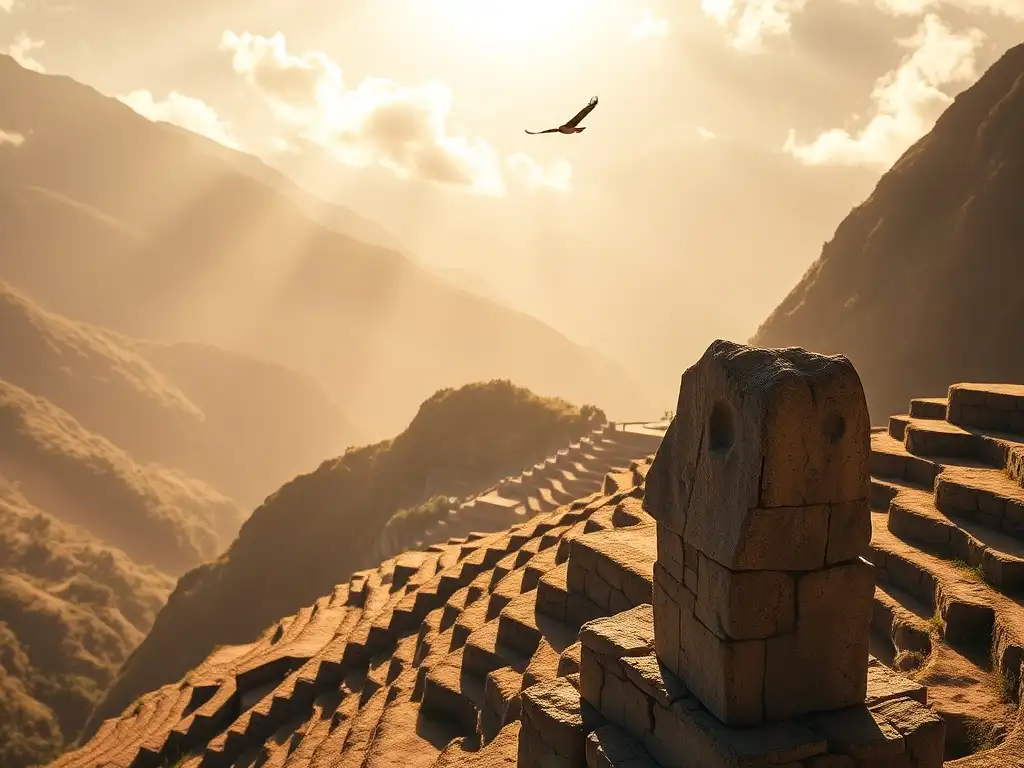
The Inca Empire, a marvel of Andean civilizations, possessed a sophisticated system for understanding and managing both time and space. Unlike many other ancient societies, the Inca's perception of time wasn't solely linear; it was intricately woven into their social structure, agricultural practices, and religious beliefs. Their worldview, deeply connected to the Andean landscape, shaped their unique approach to temporal and spatial organization.
This section will delve into the key components of their system, demonstrating how the Inca's understanding of time and space facilitated the impressive growth and organization of their vast empire. The concept of Andean civilizations time perception is best understood through examining the Inca's meticulous approach.
Inca Calendar: Aligning Time With Agriculture and Governance
The Inca calendar wasn't a single, monolithic structure but rather a complex interplay of different cycles. It wasn't based on a fixed number of days like the Gregorian calendar, but rather on meticulous observations of celestial events and agricultural cycles. The quipu, a system of knotted strings, played a crucial role in recording and transmitting temporal data.
These weren't simple counting devices; they encoded complex information about agricultural yields, population numbers, and even astronomical observations, all vital for effective governance and resource management. The Inca calendar was deeply intertwined with their agricultural practices; specific festivals and ceremonies marked planting and harvesting seasons, ensuring the timely execution of crucial agricultural tasks.
This agricultural timekeeping was not merely a practical matter but also a deeply spiritual one, reflecting the Inca's belief in the cyclical nature of life and the importance of maintaining harmony with the natural world. The precise details of the Inca calendar's structure remain debated among scholars, but it is clear that it was a highly sophisticated system reflecting a profound understanding of the environment and the cyclical processes of nature.
Inca Spatial Organization: The Ceque System and Sacred Landscapes
Inca spatial organization was as intricate as their temporal system. The ceque system, a network of imaginary lines radiating from the capital city of Cusco, divided the surrounding landscape into distinct sectors. Each ceque was associated with a specific deity, shrine, and agricultural zone.
This wasn't a random arrangement; it reflected a deeply symbolic understanding of space, linking the sacred and the profane, the urban and the rural. The huacas, sacred places often located along the ceques, served as focal points for religious rituals and community gatherings. This spatial organization wasn't just about physical geography; it was a powerful tool for social control and resource distribution.
By connecting the sacred sites with the agricultural lands, the Inca ensured the integration of religious beliefs into the daily lives of their subjects. The ceque system showcases how the Inca viewed space not simply as a physical entity but as a living, dynamic landscape imbued with spiritual significance, a clear example of how Andean civilizations time perception extended to their spatial organization. The precise locations and functions of all ceques are still being actively researched.
The Role of Astronomy in Inca Timekeeping
Astronomy was fundamental to the Inca's understanding of time. Their priests, known as amautas, were skilled astronomers who meticulously tracked the movements of the sun, moon, and stars. These observations were crucial for determining planting and harvesting times, predicting weather patterns, and organizing religious festivals.
The Inca's sophisticated knowledge of astronomy is evident in the precise alignment of many Inca structures, such as Machu Picchu, with celestial bodies. These astronomical alignments weren't accidental; they served both practical and symbolic purposes, demonstrating the Inca's deep understanding of the cosmos and their ability to integrate their astronomical knowledge into their architectural designs. The Inca's astronomical observations weren't limited to predicting agricultural cycles; they also played a crucial role in their religious beliefs and rituals.
The interplay between celestial events and earthly affairs reflects a holistic worldview where time, space, and the cosmos were deeply interconnected. Further research is needed to fully understand the complexities of Inca astronomy and its influence on their perception of time. The study of Inca astronomy offers invaluable insights into the sophisticated knowledge systems of Andean civilizations and how their understanding of the cosmos shaped their lives.
The Enduring Influence of Andean Time and Space Concepts
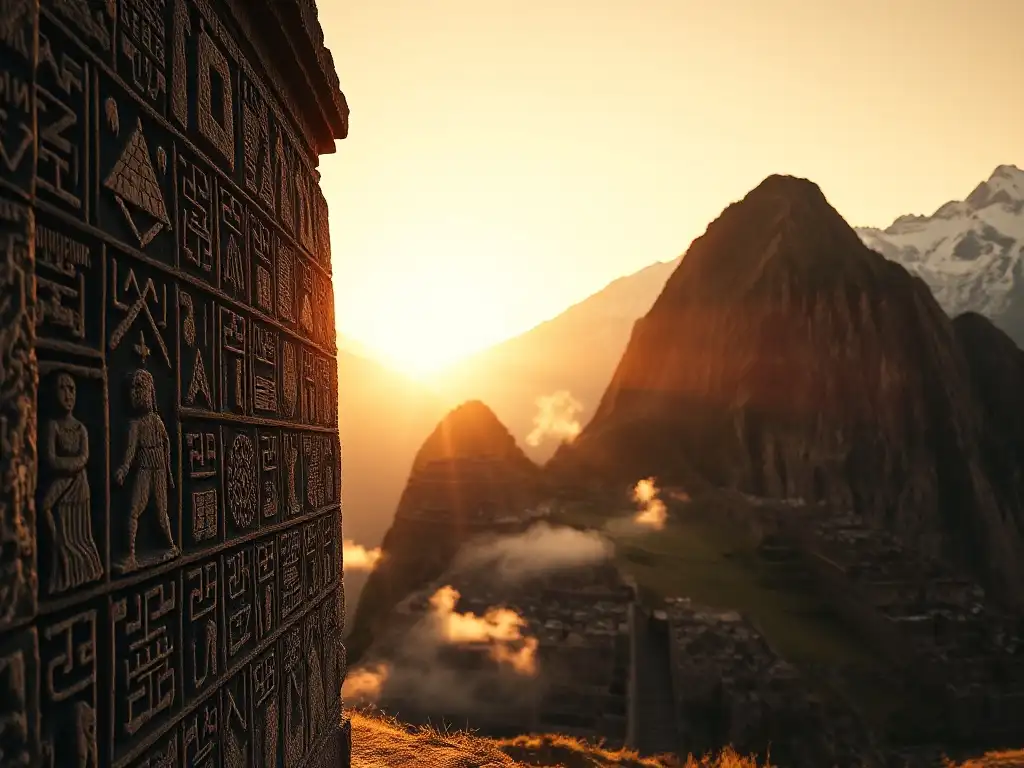
The Andean worldview, profoundly shaped by the unique geography and environment of the Andes Mountains, fostered a complex and nuanced understanding of time and space that differed significantly from Western linear conceptions. Instead of a unidirectional, progressive timeline, Andean civilizations viewed time as cyclical, interconnected, and deeply intertwined with the natural world. This cyclical understanding, often represented through agricultural cycles and celestial observations, emphasized the continuous renewal and regeneration of life.
Their perception of space wasn't merely geographical; it encompassed a layered, multidimensional reality, integrating the physical landscape with the spiritual and ancestral realms. This holistic perspective is reflected in their intricate urban planning, agricultural terraces, and monumental architecture, all meticulously aligned with astronomical events and imbued with symbolic meaning.
Understanding this legacy is crucial to appreciating the enduring influence of Andean thought on contemporary societies. The Andean concept of pacha, encompassing time, space, and the cosmos, continues to resonate in many aspects of modern life, albeit often implicitly.
Modern Interpretations of Andean Time Perception
Modern scholars and indigenous communities alike are increasingly recognizing and reinterpreting the Andean concept of cyclical time. While Western societies largely adhere to a linear model, emphasizing progress and future-oriented goals, the Andean cyclical view offers a valuable counterpoint. This perspective emphasizes the importance of living in harmony with natural rhythms, respecting ancestral knowledge, and recognizing the interconnectedness of all things.
For example, the Quechua people of the Andes still maintain strong ties to their ancestral agricultural practices, which are deeply rooted in their understanding of cyclical time and the seasonal variations of the pacha. These practices are not merely agricultural; they are spiritual and communal, reinforcing the cyclical nature of life, death, and rebirth. Furthermore, the resurgence of indigenous spirituality and activism in recent decades has led to a renewed appreciation for Andean cosmology, including their unique perception of time.
This renewed interest is reflected in academic research, artistic expressions, and community-based initiatives aimed at preserving and transmitting this vital cultural heritage. The enduring relevance of this understanding is particularly pertinent in today's rapidly changing world, where the pressures of globalization and technological advancements often overshadow the importance of interconnectedness and sustainability.
The Legacy of Andean Spatial Understanding in Contemporary Communities
The Andean understanding of space extended beyond mere geographical location. It involved a layered perception encompassing the physical world, the ancestral realm, and the spiritual dimensions. This is evident in the careful placement of settlements, the construction of intricate irrigation systems, and the creation of monumental structures meticulously aligned with celestial bodies.
For instance, the precise alignment of Machu Picchu with the solstices and equinoxes showcases the sophisticated astronomical knowledge and spatial understanding of the Inca. This holistic approach to spatial design continues to influence contemporary Andean communities. Traditional agricultural practices, for example, often involve the careful selection of planting locations based on microclimates, water availability, and spiritual significance.
Similarly, the design of contemporary Andean homes often incorporates traditional elements reflecting a layered understanding of space, connecting the physical dwelling with the spiritual and ancestral realms. While modernization has brought changes, many communities retain a strong connection to their ancestral spatial understanding, demonstrating the enduring legacy of Andean cosmological knowledge in shaping their daily lives and cultural practices. Studies on contemporary Andean communities show a strong correlation between spatial organization and social structure, highlighting the integral role of spatial understanding in maintaining community cohesion and cultural identity.
Preserving and Revitalizing Andean Cosmological Knowledge
The preservation and revitalization of Andean cosmological knowledge, including their unique concepts of time and space, are crucial for maintaining cultural identity and promoting sustainable development. This requires a multi-faceted approach involving collaboration between indigenous communities, scholars, and governmental institutions. Efforts to document and archive traditional knowledge, support community-based initiatives, and integrate Andean perspectives into educational curricula are essential steps.
Furthermore, fostering dialogue and exchange between different communities and disciplines can help ensure the long-term protection and transmission of this invaluable heritage. The ongoing challenges include the impact of globalization, environmental degradation, and the marginalization of indigenous voices. However, the growing recognition of the importance of indigenous knowledge systems offers a glimmer of hope.
By valuing and integrating Andean perspectives, we can learn valuable lessons about sustainable living, environmental stewardship, and the importance of interconnectedness in a rapidly changing world. The preservation of Andean cosmological knowledge is not merely an academic pursuit; it is a vital contribution to global understanding and a crucial step towards creating a more sustainable and equitable future. This requires a concerted, collaborative effort to ensure that the rich legacy of Andean civilizations continues to inspire and inform generations to come.
Frequently Asked Questions
How did Andean civilizations perceive time differently than Western cultures?
Andean cultures often viewed time as cyclical rather than linear, emphasizing the continuous renewal of life and the interconnectedness of past, present, and future. Unlike Western linear time, their concept was more holistic and integrated with the natural world.
What role did astronomy play in Andean timekeeping?
Astronomy was crucial; Andean civilizations used celestial observations to mark agricultural cycles, religious festivals, and important social events. Their understanding of the cosmos deeply influenced their perception of time's flow.
Did the Incas have a written calendar system like the Egyptians?
While the Incas didn't have a written calendar in the same way as some other cultures, they utilized sophisticated quipus (knotted cords) to record and transmit information, including temporal data related to agricultural cycles and historical events.
How did the concept of Pachamama influence Andean time perception?
The reverence for Pachamama (Mother Earth) was central. The cyclical nature of time mirrored the cycles of nature, with agricultural seasons and ecological rhythms reflecting the continuous regeneration of life and the planet.
How do Andean concepts of time still resonate today?
Andean perspectives on time continue to influence contemporary Andean communities through their agricultural practices, religious beliefs, and worldview. These cyclical and interconnected notions of time offer valuable insights for a more sustainable and holistic approach to life.
Final Reflection: Echoes of the Andes: Time, Space, and Our Modern World
The Andean understanding of time and space, far from being a relic of the past, offers a powerful lens through which to examine our own frenetic, location-obsessed present. Their cyclical view of time, interwoven with the rhythms of nature and community, stands in stark contrast to our linear, often individualistic approach, prompting us to reconsider our relationship with both the natural world and each other.
The enduring influence of Andean cosmology is undeniable; their sophisticated understanding of celestial cycles and their integration into social structures continues to inspire awe and provoke critical self-reflection. Their emphasis on reciprocity and interconnectedness, deeply rooted in their perception of time and space, resonates powerfully in today's discussions of sustainability and social justice. The earth is not something we inherit from our ancestors; it is something we borrow from our children.
This sentiment, though not directly Andean, encapsulates the profound respect for the cyclical nature of time and resources that characterized Andean civilizations.
Consider, for a moment, the pace of your own life. Are you caught in the relentless linearity of deadlines and schedules, or can you find moments to connect with the cyclical rhythms of nature and community? Embrace the wisdom of the Andes; find balance in the cyclical and the linear, and strive for a more harmonious relationship with the world around you. Let the echoes of their legacy inspire you to live a life richer in meaning and connection.
**Unveil the Timeless Wisdom of the Andes! **
Thank you for exploring the remarkable legacy of Andean civilizations and their profound understanding of time and space. The insights you've gained offer valuable perspectives that extend far beyond the Andes. Now, let's apply these lessons to your life and community.
- **Explore an Andean tradition:** Integrate elements of Andean cosmology into your daily life—consider how a different approach to perceiving time might shift your perspective.
- **Share your insights:** Discuss your newfound knowledge with friends and family—share the wisdom of the Andes and its contemporary relevance.
- **Join a local cultural group:** Find or create a group focused on Andean history or philosophy to cultivate deeper connections and understanding within your community.
Which Andean principle resonates most with you, and how do you envision it enriching your daily life?