
The Andean View of the Cosmos: A Spatial and Temporal Tapestry


Dive into a world lost in time, yet echoing with vibrant life. Journey through the breathtaking landscapes and enigmatic cultures of the Andes, where the very mountains whispered secrets to their inhabitants. Prepare to unravel the mysteries of Andean civilizations cosmology, a captivating tapestry woven from celestial observations, intricate rituals, and a profound connection to the earth and the cosmos. What celestial alignments shaped their beliefs? What stories did the stars themselves tell? Discover the answers and more within.
-
Andean Civilizations Cosmology: A Spatial and Temporal Tapestry
- Understanding the Andean Worldview
- The Significance of Astronomy in Andean Cultures
- Spatial Concepts in Andean Cosmology
- Temporal Concepts in Andean Cosmology
- Cosmological Representations in Andean Art
- Comparing Cosmological Beliefs Across Andean Cultures
- The Legacy of Andean Cosmology
- Conclusion: The Enduring Wisdom of the Andean Cosmos
- Frequently Asked Questions
- Final Reflection: Weaving the Andean Cosmos into Our Present
- Unveil the Mysteries of the Cosmos!
Andean Civilizations Cosmology: A Spatial and Temporal Tapestry
The Andes Mountains, a spine of earth stretching along the western edge of South America, were not merely a physical landscape for the ancient Andean civilizations; they were a living, breathing cosmology. This article delves into the fascinating worldview of these societies – including the Incas, Moche, Nazca, and Tiahuanaco – exploring their intricate understanding of space and time, woven together in a rich tapestry of astronomical observation, ritual practice, and agricultural innovation.
Understanding their cosmology provides crucial insight into their societal structures, religious beliefs, and remarkable achievements in engineering and agriculture, all deeply intertwined with their perception of the cosmos. We will explore how their observations of the celestial bodies influenced their daily lives, from planting and harvesting to elaborate religious ceremonies, revealing a profound connection between the earthly and the heavenly realms.
This exploration of Andean civilizations cosmology will illuminate the sophisticated systems of knowledge that shaped these remarkable cultures.
Understanding the Andean Worldview
The Andean worldview was profoundly different from those of many other ancient societies. Instead of a linear conception of time, as found in many Western traditions, Andean cultures perceived time as cyclical, mirroring the recurring cycles of nature – the seasons, the planting and harvesting, the rising and setting of the sun. This cyclical understanding was deeply embedded in their agricultural practices and religious beliefs.
Spatial understanding was similarly complex, with the mountains, rivers, and celestial bodies forming an interconnected whole. The axis mundi, a central point connecting the heavens and the earth, was often represented by sacred mountains or specific geographical features holding immense spiritual significance. This holistic perspective, where the human world was intrinsically linked to the natural and celestial worlds, shaped every aspect of Andean life.
Evidence suggests that this interconnectedness informed their sophisticated social structures, their intricate agricultural systems, and their complex religious rituals. Understanding this interconnectedness is key to deciphering the nuances of their cosmology.
The Significance of Astronomy in Andean Cultures
Astronomy played a pivotal role in the lives of Andean peoples, acting not merely as a scientific pursuit but as an integral part of their spiritual and agricultural practices. Unlike many other ancient civilizations that focused predominantly on specific celestial events, the Andean people exhibited a keen interest in observing the entire celestial sphere. Their observations were not merely passive; they actively engaged with the cosmos, using their understanding of celestial movements to guide their agricultural practices and organize their social and religious lives.
Their knowledge of astronomy allowed them to predict seasonal changes with remarkable accuracy, ensuring successful harvests and maintaining a sustainable relationship with their environment. The precise alignment of many Andean structures with astronomical events further underscores the importance of celestial observation in their culture. This meticulous attention to celestial cycles reflects a deep understanding of the cosmos and its influence on their world.
Andean Astronomy and Agricultural Cycles
Andean agriculture was inextricably linked to their astronomical observations. The precise timing of planting and harvesting was crucial for survival, and the Andean people developed sophisticated methods for tracking the movements of the sun, moon, and stars to optimize their agricultural practices. For example, the solstices and equinoxes were particularly significant events, marking the crucial turning points in the agricultural cycle. Specific constellations and stellar alignments were used to predict the onset of the rainy season and the best times for planting different crops.
The intricate knowledge of celestial cycles allowed them to maximize crop yields and ensure the sustenance of their communities. This demonstrates a remarkable integration of astronomical knowledge and practical agricultural expertise. Archaeological evidence, such as the precise orientation of agricultural terraces, provides compelling support for this intricate relationship between astronomy and agriculture.
The Role of Celestial Bodies in Andean Rituals
Celestial bodies held profound religious significance in Andean cultures. The sun, moon, and stars were often venerated as deities, and many rituals were timed to coincide with specific astronomical events. These rituals were not merely symbolic; they were believed to have the power to influence the natural world and ensure the well-being of the community. For example, the Inca celebrated Inti Raymi, the Festival of the Sun, annually to honor the sun god Inti, a celebration that involved elaborate ceremonies and offerings.
Similarly, other celestial bodies, such as the Pleiades star cluster, played important roles in various religious ceremonies and festivals. The precise timing of these rituals, based on meticulous astronomical observations, emphasizes the profound connection between the Andean worldview and their understanding of the cosmos. The integration of astronomy and religion highlights the holistic nature of Andean cosmology, where the spiritual and the physical were inextricably linked.
Spatial Concepts in Andean Cosmology
Andean cosmology wasn't simply a belief system; it was a lived experience deeply intertwined with the physical landscape. The Andes themselves, with their towering peaks, fertile valleys, and deep chasms, served as a tangible representation of the cosmos. This spatial understanding wasn't limited to a simple three-dimensional view but encompassed a complex interplay between the earthly realm and the supernatural worlds above and below. The Andean worldview organized the cosmos into three distinct, yet interconnected, realms: the Hanan Pacha, the Kay Pacha, and the Uku Pacha.
Understanding these realms is key to comprehending the Andean concept of space and its influence on their daily lives, from agriculture to social structures. The interconnectedness of these realms highlights the holistic nature of Andean thinking, where the spiritual and material were inextricably linked. This perspective contrasts sharply with many Western worldviews that often create a dichotomy between the spiritual and the physical.
The Hanan Pacha: The Upper World
The Hanan Pacha, meaning "upper world" in Quechua, represented the celestial realm, the home of the gods, spirits, and celestial bodies. It was associated with light, power, and the sun. The sun, a vital source of life and energy, held a central position in Hanan Pacha cosmology.
Many Andean cultures, including the Inca, venerated the sun god, Inti, as a supreme deity. The stars, moon, and other celestial bodies were also considered sacred entities, influencing earthly events and holding symbolic meaning. Observations of these celestial bodies were crucial for agricultural practices, defining planting and harvesting cycles.
The Hanan Pacha wasn't a static realm; it was believed to interact dynamically with the Kay Pacha, influencing weather patterns, harvests, and human affairs. In essence, the Hanan Pacha was a powerful, active force shaping life on Earth, a concept reflected in the many rituals and ceremonies aimed at appeasing and honoring the celestial beings. The Inca's intricate astronomical knowledge, evident in their sophisticated calendar system and temple alignments, speaks volumes about the importance of Hanan Pacha in their civilization.
The Kay Pacha: The Earthly Realm
The Kay Pacha, meaning "here and now" or "the world," is the earthly realm, the world of humans and the living. This is the plane of everyday existence, encompassing the physical environment, human society, and the natural world. It's the space where human activities unfold, where agriculture is practiced, and where communities are built.
However, Kay Pacha wasn't viewed in isolation; it was fundamentally connected to the other two realms, Hanan Pacha and Uku Pacha. The mountains, rivers, and other geographical features were not simply physical elements but also possessed spiritual significance, often housing spirits and deities. The careful balance between human activity and the natural world was crucial in maintaining harmony within the Kay Pacha, ensuring a successful harvest and overall well-being.
This harmonious relationship was often expressed through rituals and ceremonies aimed at honoring the spirits inhabiting the natural world. The Inca's sophisticated agricultural techniques, such as terracing, demonstrate their deep understanding and respect for the Kay Pacha.
The Uku Pacha: The Underworld
The Uku Pacha, or "underworld," represented the realm of the dead, ancestors, and the unseen forces that shape life. It was associated with darkness, death, and the earth's interior. This realm held immense significance, as ancestors were believed to possess significant power and influence over the living.
Communication with the ancestors was crucial, and rituals were performed to honor them and seek their guidance. The Uku Pacha wasn't a place of mere oblivion but a realm of continued existence and interaction with the living world. Consider the intricate burial practices of many Andean cultures, often involving elaborate tombs and offerings, which reveal the importance given to the deceased and their continued connection to the living.
The Uku Pacha, therefore, was not a separate, distant realm but an integral part of the Andean cosmic order, intimately linked to the cycles of life and death. Its mysteries and power were deeply respected and often feared, shaping beliefs and practices related to life, death, and the continuity of the Andean societies.
Temporal Concepts in Andean Cosmology
Andean conceptions of time differed significantly from Western linear models. Instead of perceiving time as a continuous progression from past to future, Andean civilizations viewed time as cyclical, characterized by recurring patterns and the constant interplay between different realms and forces. This cyclical understanding is deeply rooted in the natural world, mirroring the cycles of the sun, moon, seasons, and the life-death-rebirth process. This perspective profoundly influenced their social structures, agricultural practices, and spiritual beliefs.
Cyclical Time and the Pachakuti
The concept of Pachakuti is central to understanding Andean cyclical time. It refers to a radical transformation or upheaval that marks the end of one era and the beginning of another. This wasn't necessarily a catastrophic event but rather a period of profound change, often associated with shifts in power, societal structures, and worldviews.
The Pachakuti wasn't simply a historical event but also a cosmological concept reflecting the cyclical nature of time and the universe's constant transformation. The concept of Pachakuti highlights the Andean understanding of time as dynamic and ever-changing, a continuous process of creation and destruction, reflecting the natural world's cycles. Many Andean narratives depict Pachakuti events, demonstrating the cyclical nature of their history and cosmology.
The Importance of Ancestral Time
Ancestral time played a crucial role in Andean temporal concepts. The ancestors weren't viewed as simply figures from the past but as active participants in the present and future. They were considered powerful intermediaries between the living and the supernatural realms. Their wisdom and experiences were crucial sources of knowledge and guidance.
The connection to ancestors was maintained through rituals, ceremonies, and the preservation of ancestral traditions and stories. This emphasis on ancestral time highlights the Andean emphasis on continuity, the importance of honoring one's heritage, and the belief in a dynamic interplay between the past, present, and future. The deep reverence for ancestors is evident in the many Andean traditions, including the meticulous preservation of lineage and the performance of rituals to honor the deceased. This respect for ancestral time highlights the holistic nature of their cosmology, where the past, present, and future were inextricably linked.
Cosmological Representations in Andean Art
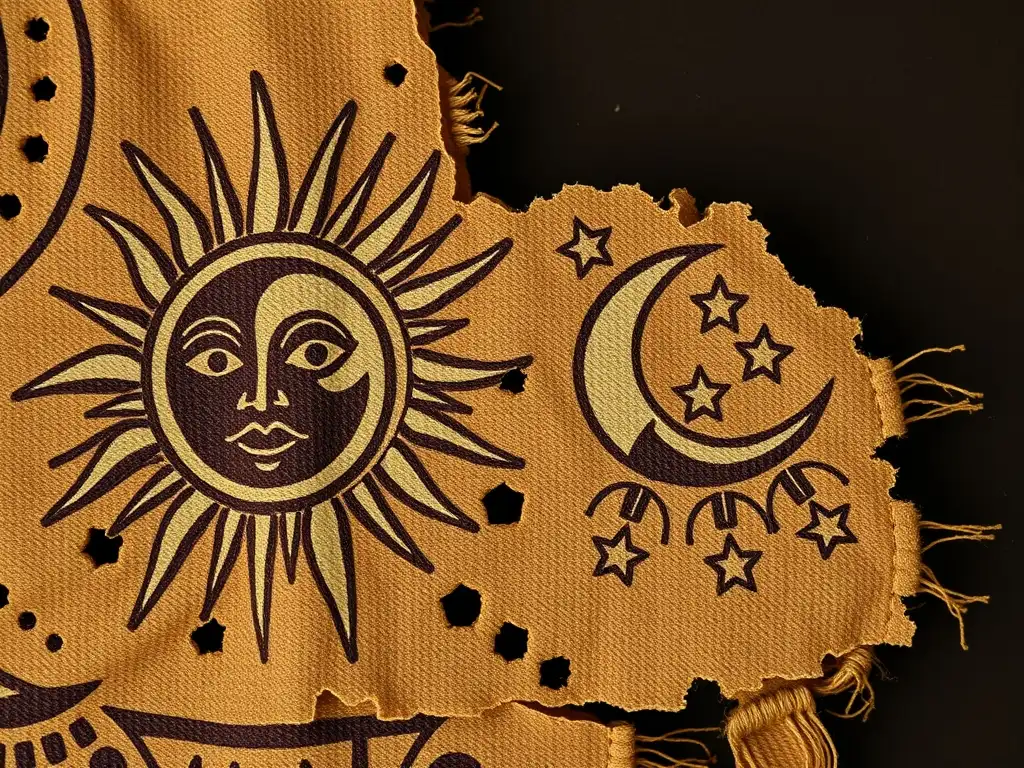
Andean art serves as a powerful window into the cosmological beliefs of these ancient societies. Through intricate textiles, ceramics, and monumental architecture, the Andean peoples visually encoded their understanding of the cosmos, its cyclical nature, and their place within it. The recurring motifs and symbolic imagery found across diverse artistic expressions highlight the pervasive influence of cosmology on daily life and cultural practices. These representations weren't merely decorative; they actively participated in shaping and reinforcing the Andean worldview.
The sophisticated techniques and materials employed further underscore the importance placed upon these artistic manifestations of their cosmology. The precision and detail evident in many pieces suggest a deep understanding of astronomical events and a desire to accurately capture the celestial order in tangible form. This is not simply art for art's sake; it's a powerful tool for transmitting knowledge across generations and solidifying cultural identity.
Textile Depictions of the Andean Cosmos
Textiles, particularly those from the Paracas and Inca periods, offer compelling insights into Andean cosmology. Intricate weavings often feature celestial bodies like the sun, moon, and stars, depicted alongside stylized representations of mountains, animals, and mythical beings. These elements are not randomly arranged but rather meticulously organized to represent a specific cosmological order. The use of different colors and materials adds another layer of meaning, with specific hues potentially associated with particular deities or celestial events.
For example, the vibrant reds and yellows might symbolize the sun's power, while darker colors could represent the underworld or night sky. The meticulous attention to detail in these textiles, often involving hundreds of hours of labor, demonstrates the profound significance placed upon these artistic representations of their cosmos. The careful arrangement of colors and symbols suggests a deep understanding of the interconnectedness of the earthly and celestial realms.
Ceramic Art and its Symbolic Meanings
Andean ceramic art, particularly that of the Moche and Nazca cultures, is richly imbued with cosmological symbolism. The Moche, renowned for their elaborate pottery depicting scenes of daily life, also created vessels illustrating mythological narratives and celestial events. These depictions often feature deities interacting with celestial bodies, highlighting the close relationship between the divine and the cosmos.
The Nazca, famous for their geoglyphs, also expressed their cosmological beliefs through their pottery. Their ceramics frequently feature stylized representations of celestial bodies, alongside mythical creatures and stylized landscapes. The use of vibrant colors and intricate designs in both Moche and Nazca pottery underscores the importance placed upon these artistic representations of their understanding of the cosmos.
The complexity and detail found in these pieces suggest a sophisticated understanding of astronomical phenomena and a desire to accurately capture the celestial order in a tangible form. Furthermore, the stylistic variations across different regions and time periods offer valuable insights into the diverse cosmological beliefs within the Andean region.
Architectural Alignments with Celestial Events
Andean architecture often displays a remarkable alignment with celestial events, suggesting a sophisticated understanding of astronomy and its integration into their worldview. The precise orientation of structures like Machu Picchu, for instance, suggests a deliberate connection to solstices and equinoxes. These alignments were not accidental; they reflect a deep understanding of the celestial cycles and their importance in regulating agricultural practices and religious rituals.
The careful planning and execution of these architectural feats highlight the advanced knowledge of astronomy possessed by Andean civilizations. It demonstrates the interconnectedness between their cosmological beliefs and their practical needs. The integration of astronomical knowledge into their architecture underscores the holistic nature of their worldview, where the celestial and terrestrial realms were deeply intertwined.
Comparing Cosmological Beliefs Across Andean Cultures
While Andean cultures shared some common cosmological themes, significant variations existed in their specific beliefs and practices. Understanding these differences provides a richer and more nuanced perspective on the complexities of Andean cosmology. A comparative analysis reveals both the unifying threads and the diverse expressions of Andean spiritualities. A thorough exploration of these differences highlights the dynamism and adaptability of Andean cosmological systems over time and across diverse geographical locations.
Variations in Cosmology among the Inca, Moche, and Nazca
The Inca, Moche, and Nazca cultures, while geographically proximate, held distinct cosmological beliefs. The Inca, with their highly centralized empire, developed a complex pantheon of deities and a well-defined cosmology centered around the sun god, Inti. The Moche, on the other hand, emphasized a more diverse range of deities, often depicted in their elaborate ceramics. Their cosmology seems to have been more localized and less unified than that of the Inca.
The Nazca, famous for their geoglyphs, had a cosmology deeply intertwined with the desert landscape, often featuring stylized representations of animals and celestial bodies in their art. Comparing these three cultures reveals the diversity of cosmological interpretations within the Andean region. The variations reflect the unique environmental and cultural contexts shaping individual worldviews. Further research into less-studied cultures is needed to fully grasp the spectrum of Andean cosmological beliefs.
Shared Cosmological Themes in the Andes
Despite the variations, certain cosmological themes were common across diverse Andean cultures. The cyclical nature of time, the importance of celestial bodies, and the concept of a three-tiered universe—a subterranean world, the earthly realm, and a celestial world—were widely shared beliefs. The reverence for mountains as sacred entities and the use of specific colors and symbols to represent different cosmological elements also unite different Andean societies.
These shared themes suggest a deeper underlying cultural unity, despite regional variations in specific beliefs and practices. Recognizing these shared themes is crucial for a comprehensive understanding of Andean cosmology, revealing the unifying principles that connected diverse cultures across the Andes. Further comparative studies are essential for a more complete picture of this shared heritage.
The Legacy of Andean Cosmology
The Andean worldview, profoundly shaped by its unique geography and environment, left an enduring legacy in its sophisticated cosmology. This wasn't a codified system like those found in some other ancient cultures, but rather a deeply interwoven tapestry of beliefs, practices, and understandings woven into the fabric of daily life. The celestial bodies—the sun, moon, stars, and constellations—were not merely distant objects but active participants in the earthly realm, influencing everything from agricultural cycles and social structures to individual destinies.
This intimate connection between the heavens and the earth fostered a profound respect for the natural world and a cyclical understanding of time, far removed from linear Western conceptions. The cyclical nature of Andean cosmology is reflected in their agricultural practices, their festivals, and even their artistic expressions.
Many Andean communities continue to maintain these traditions, demonstrating the remarkable resilience of this ancient worldview. The intricate astronomical knowledge embedded in their architecture, such as the precise alignment of structures with celestial events, further highlights the sophistication of their cosmological understanding.
Contemporary Practices and Beliefs
Even today, many Andean communities maintain vibrant cosmological practices. The veneration of mountains ( apus), considered sacred entities connecting the earthly and celestial realms, remains central to their spiritual lives. Celebrations and rituals, often tied to the agricultural calendar and celestial cycles, continue to be observed, ensuring the continuity of ancient traditions.
These practices frequently involve offerings to the apus and other deities, seeking blessings for harvests, health, and prosperity. Traditional Andean medicine, deeply rooted in cosmological beliefs, utilizes plants and herbs believed to possess specific energies connected to the cosmos. The intricate knowledge of medicinal plants and their properties reflects a deep understanding of the interconnectedness of all living things within the Andean cosmological framework.
While some elements have been influenced by external religious and cultural forces, the core essence of Andean cosmology persists, demonstrating its remarkable adaptability and enduring power. The continued practice of these traditions showcases the living legacy of Andean cosmology in the 21st century.
The Influence of Andean Cosmology on Contemporary Astronomy
The sophisticated astronomical knowledge of the Andean civilizations continues to fascinate and inspire contemporary astronomers. The meticulous observations and recordings of celestial events, often integrated into their architecture and artwork, provide valuable insights into their understanding of the cosmos. Researchers are actively studying the astronomical alignments of sites like Machu Picchu and Sacsayhuamán to gain a deeper understanding of their astronomical precision and the methods employed.
This research not only sheds light on the impressive astronomical skills of the Andean people but also contributes to our broader understanding of ancient astronomical practices worldwide. The study of Andean cosmology helps to broaden the scope of astronomical history, challenging Eurocentric perspectives and highlighting the diverse ways in which different cultures have interacted with and interpreted the cosmos. The legacy of Andean astronomy offers valuable lessons in observation, precision, and the deep interconnectedness between humanity and the universe.
Conclusion: The Enduring Wisdom of the Andean Cosmos
The Andean view of the cosmos, a rich tapestry woven from observation, ritual, and a deep connection with nature, offers a powerful counterpoint to Western cosmological perspectives. Its cyclical understanding of time, its intimate relationship between the earthly and celestial realms, and its profound respect for the natural world provide valuable insights into alternative ways of understanding our place in the universe.
The enduring legacy of Andean cosmology, evident in contemporary practices and its ongoing influence on astronomical research, demonstrates the remarkable resilience and enduring wisdom of this ancient worldview. By studying Andean cosmology, we gain a deeper appreciation for the diversity of human experience and the rich tapestry of human understanding of the cosmos.
The continued study and preservation of Andean cosmological traditions are crucial for enriching our understanding of the past and inspiring a more holistic and sustainable relationship with the world around us. The Andean cosmos offers a powerful reminder of the interconnectedness of all things and the enduring wisdom embedded within ancient cultures.
Frequently Asked Questions
What is the Andean view of cosmology?
Andean cosmology wasn't a single, unified system. Instead, it was a complex interplay of spatial and temporal relationships, varying across different cultures like the Inca, Moche, and Nazca. It emphasized the interconnectedness of the cosmos.
How did the Andes' geography influence their cosmology?
The rugged terrain of the Andes profoundly shaped Andean worldviews. Mountains, rivers, and celestial bodies were seen as powerful forces, impacting daily life and shaping their understanding of the cosmos. Sacred sites were often located in geographically significant areas.
What role did celestial bodies play in Andean cosmology?
Celestial bodies, such as the sun, moon, and stars, held immense significance. They were often deified and incorporated into rituals and agricultural practices. Their movements were carefully observed and interpreted to predict events and guide decision-making.
How did Andean cosmology influence their art and architecture?
Andean art and architecture frequently reflect their cosmological beliefs. Sites like Machu Picchu are not just practical structures, but also symbolic representations of the cosmos. Textiles and ceramics often depict celestial elements and mythical beings.
What are some key differences between Andean cosmology and other ancient cosmologies?
While sharing some similarities with other ancient cultures, Andean cosmology uniquely emphasized the interconnectedness of the earthly and celestial realms. Its focus on spatial relationships and the importance of mountains also distinguishes it from, for example, the Mesopotamian or Egyptian cosmologies.
Final Reflection: Weaving the Andean Cosmos into Our Present
The intricate cosmology of the Andean civilizations, far from being a relic of the past, offers a powerful lens through which to understand our own relationship with the cosmos and the environment. Its emphasis on reciprocity, cyclical time, and the interconnectedness of all living things resonates deeply with contemporary concerns about sustainability, social justice, and our place within the larger universe. The enduring wisdom of these ancient cultures holds invaluable lessons for navigating the challenges of the 21st century.
The Andean worldview, with its emphasis on Ayni (reciprocity) and the harmonious balance between the human and natural worlds, continues to inspire contemporary movements advocating for environmental stewardship and social equity. The mountains are not just mountains; they are living beings, and we are part of them.
This sentiment, echoing through generations, underscores the profound interconnectedness at the heart of Andean cosmology and challenges our anthropocentric worldview. Its enduring relevance is a testament to the timeless wisdom embedded within these ancient traditions, reminding us of the delicate balance we must strive to maintain.
Consider the cyclical nature of time, as understood by the Andean people, and how it contrasts with our often linear perception of progress. What if we embraced a more cyclical understanding of life, death, and renewal? How might this shift in perspective influence our actions, our relationships, and our understanding of our place in the ever-evolving tapestry of existence? I invite you to reflect on the profound wisdom embedded within the Andean view of the cosmos and to explore how its principles might enrich your own life and contribute to a more sustainable and harmonious future for all.
Unveil the Mysteries of the Cosmos!
Thank you for exploring the rich and fascinating cosmology of the Andean civilizations. We hope you've gained valuable insights into how these ancient cultures understood their place in the universe. Now, let's delve even deeper!
Here are some ways to further explore this captivating subject:
- Expand your knowledge: Discover more about Andean cosmology through the additional resources available on our site. You'll uncover fascinating details and lesser-known beliefs.
- Share your discoveries: Discuss your favorite aspects of Andean cosmology with friends, or join online communities dedicated to ancient cultures and share your insights.
- Stay connected: Subscribe to our newsletter for exclusive content, updates on new articles, and information about upcoming events related to Andean civilizations.
Consider this: What aspect of the Andean worldview resonates most with you, and how might you integrate that perspective into your own life?