
The Significance of Pachakuti: Cycles of Transformation and Renewal

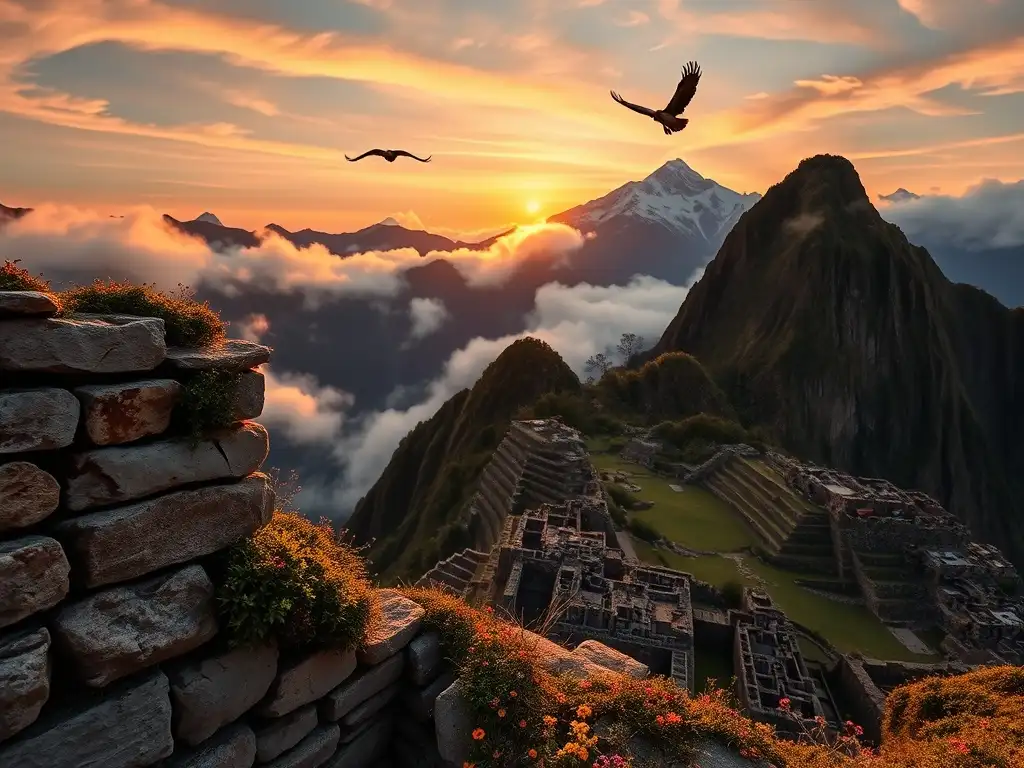
Step into a world lost to time, yet echoing with power and mystery. The Andean Civilizations website unveils the breathtaking tapestry of ancient cultures, from the intricate artistry of the Nazca lines to the sophisticated engineering of the Incas. But what truly shaped these empires, driving their rise and fall? Discover the pivotal role of Pachacuti Inca significance and unlock the secrets behind cycles of transformation and renewal in our exploration of Andean cosmology and worldview. Dare to delve deeper… your journey begins now.
- Pachacuti: Understanding Inca Cycles of Transformation and Renewal
- The Concept of Pachacuti in Andean Cosmology
- Pachacuti and Inca History: Pivotal Moments of Change
- The Significance of Pachacuti: Transformation and Renewal
- Pachacuti's Influence on Andean Culture and Traditions
- Pachacuti Inca Significance: A Summary of Key Concepts
- Pachacuti: Interpreting the Cycles of Change
- Frequently Asked Questions
- Final Reflection: Embracing the Pachakuti Within
- Unveil the Power of Pachakuti Today!
Pachacuti: Understanding Inca Cycles of Transformation and Renewal
The Inca worldview, deeply intertwined with their understanding of the cosmos and the natural world, revolved around cyclical concepts of time and space. Central to this cosmological understanding was the concept of Pachacuti, a transformative period marking a fundamental shift in the existing order, often associated with both destruction and renewal.
This article delves into the profound significance of Pachacuti within Inca society, exploring its multifaceted interpretations and its enduring influence on their social structures, political systems, and spiritual beliefs. Understanding Pachacuti provides crucial insights into the Inca's perception of time, their ability to adapt to change, and the enduring legacy of their civilization.
This exploration will reveal how the Pachacuti Inca significance extended far beyond a simple historical event, becoming a fundamental principle shaping their worldview and actions. We will examine both the literal and metaphorical interpretations of Pachacuti, drawing upon archaeological evidence, historical accounts, and anthropological studies to build a comprehensive understanding of this complex concept.
The Literal Pachacuti: Catastrophic Events and Societal Restructuring
The term "Pachacuti" literally translates to "inversion of the world" or "turning of the world." In its most literal sense, it refers to significant catastrophic events, such as earthquakes, floods, or widespread disease, that drastically altered the Inca landscape and social fabric. These events, often perceived as divine interventions, disrupted the existing social order, leading to periods of instability and upheaval.
However, these periods of chaos were not seen solely as negative; they were also understood as opportunities for renewal and transformation. The Inca believed that after a Pachacuti, a new order, often more just and prosperous, would emerge from the ashes of the old. Archaeological evidence suggests that many Inca settlements show signs of destruction and subsequent rebuilding, potentially reflecting this cyclical pattern of destruction and renewal.
The meticulous planning and rebuilding efforts following these catastrophic events demonstrate the Inca's resilience and capacity for adaptation. Specific examples of archaeological sites exhibiting such evidence, while requiring further research to confirm direct correlation to Pachacuti events, support this interpretation. More detailed analysis of these sites is needed to fully understand their significance in this context.
The Metaphorical Pachacuti: Political Upheavals and Dynastic Changes
Beyond the literal interpretation, Pachacuti also held a profound metaphorical significance within the Inca Empire. It was frequently associated with major political upheavals, such as dynastic changes or significant shifts in power.
The rise of the Inca Empire itself is often viewed as a Pachacuti, marking the transition from a fragmented landscape of smaller chiefdoms to a unified and powerful empire under the rule of Pachacuti Inca Yupanqui (from whom the term may derive). His reign, marked by military conquest, administrative reforms, and the construction of impressive infrastructure, is considered a quintessential example of a Pachacuti—a period of dramatic transformation that laid the foundation for a new era of prosperity and stability.
This interpretation highlights the dynamic nature of Inca society and its capacity for adaptation and innovation in the face of political change. The Inca's ability to successfully navigate these periods of upheaval underscores the resilience and adaptability inherent in their political system.
Pachacuti and the Inca Concept of Time: Cyclical vs. Linear
Unlike many Western societies that view time as linear and progressive, the Inca perceived time as cyclical, with recurring patterns of creation, destruction, and renewal. Pachacuti was central to this cyclical worldview, emphasizing the impermanence of all things and the inevitability of change. This understanding profoundly influenced their social structures, religious practices, and political strategies.
The cyclical nature of time, embodied in the Pachacuti concept, encouraged a sense of adaptation and resilience, allowing the Inca to navigate periods of both prosperity and adversity with a long-term perspective. This cyclical understanding of time is also reflected in their agricultural practices, religious ceremonies, and artistic expressions. Further research into Inca mythology and religious texts could reveal even more nuanced understandings of this complex interaction between Pachacuti and their perception of time.
The Enduring Legacy of Pachacuti: Relevance in Modern Interpretations
The concept of Pachacuti continues to resonate in modern interpretations of Inca history and culture. Its cyclical nature offers valuable insights into the Inca's ability to adapt to change, their resilience in the face of adversity, and the importance of balance and harmony within their society. Furthermore, the concept provides a framework for understanding the dynamic interplay between environmental factors, social structures, and political power within the Inca Empire.
The enduring relevance of Pachacuti lies in its capacity to transcend its historical context, offering a powerful metaphor for understanding processes of transformation and renewal in societies throughout history and even today. The concept serves as a reminder of the cyclical nature of change and the importance of adapting to the inevitable shifts that shape human societies. The ongoing study of Pachacuti continues to yield valuable insights into the complexity and resilience of the Inca civilization.
The Concept of Pachacuti in Andean Cosmology
This section delves into the profound significance of Pachacuti within the Andean worldview, exploring its multifaceted nature and its implications for understanding Andean cosmology. The term "Pachacuti Inca significance" frequently arises when discussing the Inca Empire's rise, but the concept transcends mere historical events; it represents a fundamental cosmological principle. We will explore how Pachacuti, far from being a singular event, embodies a cyclical process of transformation and renewal deeply embedded in Andean thought.
Defining Pachacuti: A Cosmic Shift
The term Pachacuti itself translates roughly as "to invert," "to transform," or "to turn the world upside down." However, a simplistic translation fails to capture its nuanced meaning within the Andean context. It's not merely about upheaval or chaos, but rather a cyclical process of destruction and regeneration, akin to the seasonal changes or the phases of the moon.
Think of it as a cosmic reset button, a fundamental shift in the order of things that leads to a new era. This process wasn't necessarily violent; it could be gradual, a slow shift in power dynamics or a change in societal norms.
The Inca's rise to power, often associated with the Pachacuti of the Inca Yupanqui, is presented as one such manifestation of this cosmic principle, but not the only one. Other Andean cultures likely experienced and interpreted their own Pachacuti moments throughout history, adapting the concept to their specific circumstances.
The concept of Pachacuti is inherently tied to the Andean understanding of Pacha, the cosmos itself, encompassing the entire universe, from the heavens to the underworld. A Pachacuti event, therefore, is a significant alteration within this cosmic structure, impacting all levels of existence. This understanding highlights the interconnectedness of all things in the Andean worldview, emphasizing that changes in one realm inevitably affect others.
Pachacuti and the Andean Understanding of Time
Unlike linear Western concepts of time, the Andean perspective is cyclical. Time isn't seen as a straight line progressing towards a single endpoint, but rather as a series of recurring cycles, constantly renewing themselves. Pachacuti is a key element within this cyclical understanding of time, marking the transition points between these cycles. These cycles aren't necessarily of equal duration; some might be longer than others, reflecting the dynamic and unpredictable nature of the cosmos. The Pachacuti events serve as markers, indicating the end of one cycle and the beginning of another, each with its own unique characteristics and challenges.
Consider the agricultural cycles as a metaphor. The planting, growth, harvest, and fallow periods represent a smaller-scale Pachacuti, mirroring the larger cosmic cycles. This cyclical perspective is crucial for understanding the Andean worldview, as it emphasizes adaptation and resilience in the face of constant change. The Pachacuti isn't feared as an end, but rather accepted as a necessary phase within the ongoing cycle of renewal.
The Role of Cycles in Andean Worldview
The Andean worldview is profoundly shaped by its understanding of cycles. Everything, from the daily and yearly cycles of nature to the longer cycles of societal change, is viewed as part of a larger, interconnected system. The emphasis on cyclical processes is reflected in various aspects of Andean life, including agriculture, ritual practices, and social organization. The cyclical nature of Pachacuti reinforces the importance of adaptation and balance within this system.
Understanding Pachacuti requires acknowledging its multifaceted nature. It's not solely a historical event; it's a fundamental cosmological principle reflecting the cyclical and interconnected nature of the Andean worldview. The Inca's rise to power under Pachacuti Inca Yupanqui serves as a potent example, but the concept's significance extends far beyond a single historical event, permeating various aspects of Andean culture and spirituality.
Further research into specific Andean cultures and their interpretations of Pachacuti is needed to fully grasp the complexity of this powerful concept. The detailed study of Andean textiles, ceramics, and oral traditions could unveil further insights into the diverse expressions of this transformative principle throughout Andean history.
Pachacuti and Inca History: Pivotal Moments of Change
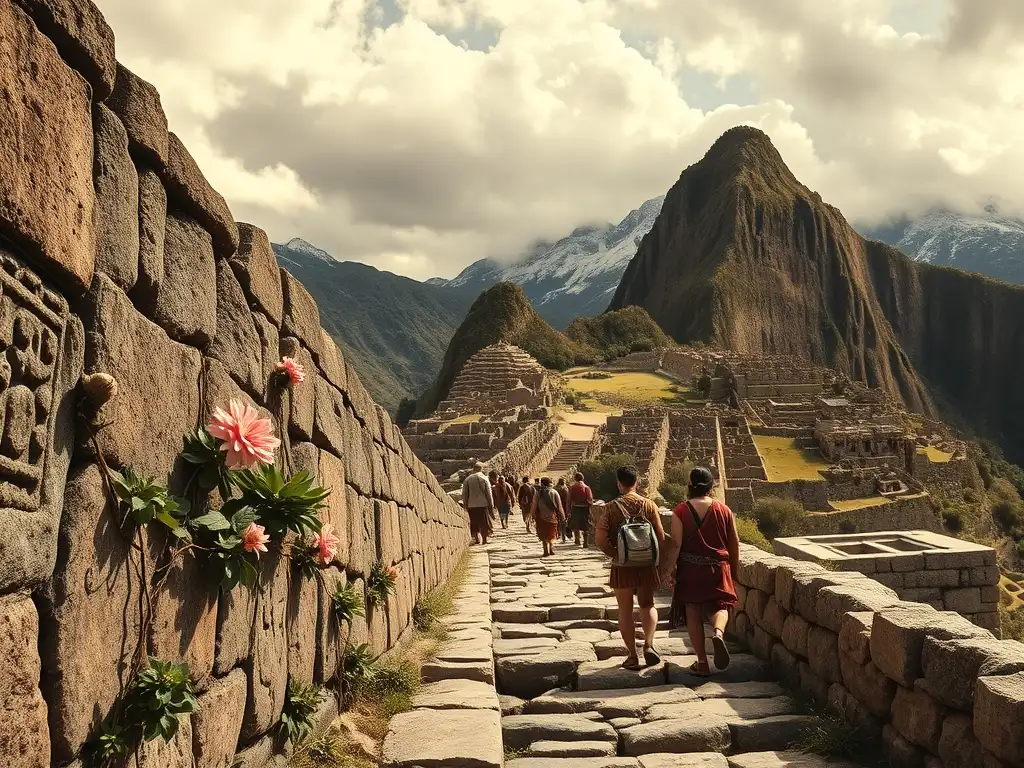
The term "Pachacuti," meaning "transformation" or "world-upheaval" in Quechua, resonates deeply within the Andean worldview. It signifies not merely a historical event, but a cyclical process of renewal and change inherent in the cosmos and reflected in the lives of Andean peoples. Understanding the significance of Pachacuti within Inca history requires examining specific instances where profound societal shifts occurred, reshaping the political landscape and cultural practices.
The concept of Pachacuti isn't confined to a single event; rather, it represents a recurring theme throughout Inca history, offering a lens through which to understand the dynamism of their civilization. Analyzing key moments labeled as Pachacuti events reveals valuable insights into Inca resilience, adaptation, and the enduring power of their cosmological beliefs. The keyword phrase "Pachacuti Inca significance" highlights the importance of this concept in understanding Inca history.
The Reign of Pachacuti Inca Yupanqui: A Turning Point
Pachacuti Inca Yupanqui's reign (circa 1438-1471) stands as a quintessential example of a Pachacuti event. Before his ascension, the Inca empire was a relatively small kingdom in the Cusco region. His military genius and shrewd political strategies led to the consolidation of power and the dramatic expansion of the Inca empire.
This wasn't merely territorial expansion; it involved the integration of diverse ethnic groups, the standardization of administrative systems, and the development of a sophisticated infrastructure encompassing roads, storage facilities, and irrigation systems. This period witnessed the creation of a unified, centralized state, transforming the Inca from a regional power into a dominant force in the Andes. The creation of the mita system, a form of mandatory labor, further solidified Inca control and facilitated large-scale public works projects.
The reign of Pachacuti fundamentally altered the political and social fabric of the Andean region, leaving an indelible mark on subsequent Inca history. This period solidified the "Pachacuti Inca significance" as a foundational moment of transformation.
Historical Examples of Pachacuti Events
While Pachacuti's reign represents a major Pachacuti, the concept extends beyond a single ruler's accomplishments. Several other pivotal moments in Inca history can be understood through this lens. These events, characterized by significant societal upheaval and subsequent reorganization, exemplify the cyclical nature of Pachacuti within the Inca worldview. Understanding these further examples enriches our comprehension of the "Pachacuti Inca significance" beyond a single ruler's reign.
The Inca Civil War
The Inca Civil War (1532-1533), following the death of Huayna Capac, presents a stark example of a negative Pachacuti. The struggle for succession between Huáscar and Atahualpa fractured the empire, weakening its defenses just as the Spanish conquistadors arrived. This internal conflict, a dramatic disruption of established order, ultimately led to the collapse of the Inca empire.
The devastating consequences highlight the fragility of even the most powerful empires when faced with internal strife, offering a cautionary tale about the cyclical nature of power and the potential for catastrophic change. This internal upheaval significantly impacted the "Pachacuti Inca significance" by demonstrating the vulnerability of the Inca to internal conflict.
The Spanish Conquest
The Spanish conquest of the Inca Empire (1532-1572) represents another profound Pachacuti event, although one imposed from outside. This event irrevocably altered the political, social, and cultural landscape of the Andes. The introduction of European diseases, the destruction of Inca infrastructure, and the imposition of a new colonial system constituted a complete transformation, marking the end of the Inca empire and the beginning of a new era.
The long-term consequences of this conquest continue to shape Andean societies today. The Spanish conquest's profound impact underscores the "Pachacuti Inca significance" as a marker of both internal and external forces that reshape civilizations. The arrival of the Spanish fundamentally altered the course of Inca history, representing a forceful and devastating Pachacuti.
The concept of Pachacuti provides a framework for understanding the cyclical nature of change and renewal within Inca history. From the transformative reign of Pachacuti Inca Yupanqui to the devastating consequences of the Inca Civil War and the Spanish conquest, these events highlight the enduring relevance of this concept in interpreting the rise and fall of empires and the resilience of Andean cultures. The multifaceted nature of the term "Pachacuti Inca significance" continues to inspire scholarly debate and offers a rich area for further research.
Pachacuti as a Catalyst for Societal Restructuring
Pachacuti's reign marked a profound shift in Inca societal organization. Before his ascension, the Inca were a relatively small group inhabiting the Cusco region. His military genius and strategic vision allowed him to conquer neighboring tribes and consolidate power, laying the foundation for the vast Inca Empire. This expansion wasn't simply a matter of territorial control; it involved a complete restructuring of society.
Pachacuti implemented a sophisticated system of administration, dividing the empire into provinces ( suyus) governed by loyal officials. This centralized structure ensured efficient resource management and facilitated the smooth functioning of the vast empire. The mit'a system, a form of mandatory labor service, was refined and extended under Pachacuti, contributing to the construction of impressive infrastructure projects like roads, irrigation systems, and monumental buildings. This system, while demanding, served as a powerful tool for social engineering, binding diverse groups together through shared labor and a sense of collective purpose.
The standardization of language (Quechua) and religious practices also played a crucial role in fostering a unified Inca identity, further solidifying Pachacuti's legacy as a transformative leader. His reforms extended beyond the purely administrative, influencing the very fabric of Inca social life, from kinship structures to economic systems. The impact of his societal restructuring continues to be felt in Andean cultures even today.
Pachacuti's Military Innovations and Expansion of the Inca Empire
Pachacuti’s military prowess was instrumental in his rise to power and the subsequent expansion of the Inca Empire. His innovations extended beyond mere battlefield tactics; he implemented significant organizational and logistical changes within the Inca army. He created a highly disciplined and well-equipped fighting force, utilizing advanced weaponry and sophisticated strategies. The Inca army was organized into units with clear hierarchies and responsibilities, enhancing coordination and effectiveness in battle.
Pachacuti's understanding of terrain and strategic positioning proved crucial in many victories. He skillfully employed ambushes and other tactical maneuvers to overcome numerically superior opponents. His conquests were not solely driven by military might; he strategically integrated conquered populations into the empire through diplomacy and the promise of protection and prosperity. This approach minimized resistance and facilitated the rapid expansion of Inca dominion.
The expansion under Pachacuti wasn't simply a matter of conquest; it was a calculated strategy to secure resources, consolidate power, and establish a unified empire. The strategic placement of garrisons and administrative centers ensured the long-term stability of newly acquired territories. His military achievements, therefore, were directly linked to his profound understanding of political strategy and his ability to manage diverse populations within a unified framework. The expansion of the Inca Empire under Pachacuti represents a significant chapter in Andean history, a testament to his military leadership and political acumen.
The Role of Religion and Ideology in Pachacuti's Reign
Pachacuti's reign was deeply intertwined with religious and ideological beliefs. He skillfully utilized religion to legitimize his rule and consolidate power. The Inca worldview, centered around the concept of Pachamama (Mother Earth) and the reciprocal relationship between humans and the natural world, provided the ideological framework for his actions. He presented himself as a divinely appointed leader, chosen to restore order and prosperity to the Inca world.
The construction of impressive temples and religious sites, such as the Coricancha in Cusco, served to reinforce this image. These monumental structures not only showcased Inca architectural mastery but also functioned as centers of religious and political power. By promoting specific religious practices and beliefs, Pachacuti fostered a sense of shared identity and loyalty amongst his subjects. Religious festivals and ceremonies played a vital role in reinforcing social cohesion and strengthening the authority of the Inca ruler.
The Inca religion, with its emphasis on ancestor veneration and the importance of maintaining harmony with the natural world, provided a powerful ideological basis for Pachacuti's policies and actions. His manipulation of religious beliefs and symbols was not merely a means of consolidating power; it was an integral part of his vision for a unified and prosperous Inca empire. The skillful integration of religion and politics remains a key aspect of understanding Pachacuti's lasting impact on Inca society.
The Significance of Pachacuti: Transformation and Renewal
This section delves into the multifaceted significance of Pachacuti, a pivotal concept within Inca cosmology and a critical period in Inca history. Understanding Pachacuti requires moving beyond a simplistic view of it as merely a historical event; it represents a profound cyclical process of destruction and rebirth, fundamentally shaping Inca social structures, political organization, and worldview. The term itself, often translated as "world upheaval" or "transformation of the world," encapsulates this profound shift.
The significance of Pachacuti for the Inca is deeply intertwined with their understanding of time and space, reflecting a cyclical, rather than linear, perception of history. This understanding of Pachacuti as a Pachacuti Inca significance is key to comprehending the Inca empire's rise and enduring legacy.
Pachacuti as a Period of Destruction and Rebirth
The Inca concept of Pachacuti wasn't solely about the reign of the Inca emperor of the same name. While his conquests and reforms undeniably marked a turning point, the term Pachacuti signifies a recurring pattern of destruction followed by renewal within the Andean worldview. It's a cosmological principle, reflecting the cyclical nature of life, death, and regeneration observed in the Andean environment. Think of the annual agricultural cycle: the destruction of the old harvest to make way for the new planting. This resonates deeply with the Inca understanding of Pachacuti as a necessary phase in a larger cosmic cycle.
The destruction associated with Pachacuti wasn't merely physical; it also encompassed the dismantling of existing power structures and social norms. The pre-Inca period, with its fragmented regional polities, was seen as a chaotic era ripe for transformation. The conquering of these groups, while violent, was viewed within the context of establishing a new, more unified order – a cosmic restoration.
This perspective underscores the importance of considering the Inca conquest not just as a military achievement, but as a pivotal moment in a larger cosmological cycle of destruction and renewal. The upheaval represented a necessary prelude to the construction of the Inca empire, a grand, unified state mirroring the desired cosmic harmony.
The Renewal Cycle: A New Beginning After Pachacuti
Following the period of destruction, the Inca worldview emphasized the importance of renewal. The Pachacuti period, therefore, initiated a new era marked by significant changes in social organization, political systems, and religious practices. This wasn't simply a return to the status quo ante, but a conscious creation of a new society based on Inca ideology and principles.
The emperor Pachacuti's reign is often cited as the prime example of this renewal. His military campaigns expanded Inca territory, but equally important were his administrative and infrastructural reforms. The construction of extensive road networks, sophisticated irrigation systems, and impressive urban centers like Cusco all symbolized the Inca's capacity for organized labor and their vision of a unified and prosperous empire.
This creation of a centralized state, with its complex bureaucracy and standardized practices, represented the material manifestation of the cosmic renewal following the Pachacuti. The Inca’s ability to create order from chaos, to build a thriving empire from the ruins of previous societies, embodied the very essence of this renewal cycle.
The Pachacuti period profoundly reshaped Inca social and political structures. The establishment of a centralized state under the Inca emperor marked a significant departure from the pre-existing decentralized political landscape. This transformation had far-reaching consequences, impacting every aspect of Inca life.
| Aspect of Society | Before Pachacuti | After Pachacuti |
|---|---|---|
| Political Organization | Fragmented regional polities | Centralized empire under the Inca emperor |
| Social Hierarchy | Varied social structures | Rigid hierarchical system with the emperor at the apex |
| Economic System | Localized economies | State-controlled economy with tribute system |
| Religious Practices | Diverse religious beliefs and practices | Standardized religious practices centered around the Inca state religion |
The Inca's ability to unify diverse populations and create a stable, centralized state is a testament to their sophisticated political and administrative skills. The implementation of a complex tribute system, the development of a standardized language (Quechua), and the construction of a vast road network all contributed to the empire's stability and prosperity. This organization, born from the chaos of the Pachacuti, reflects the Inca's successful navigation of this crucial cosmological cycle, ultimately shaping their enduring legacy.
The Pachacuti Inca significance lies not just in a single historical event, but in the lasting impact of this transformative period on the Inca empire and its enduring influence on Andean culture. The cyclical nature of Pachacuti continues to resonate, reminding us of the constant interplay between destruction and renewal inherent in the Andean worldview.
Pachacuti's Influence on Andean Culture and Traditions
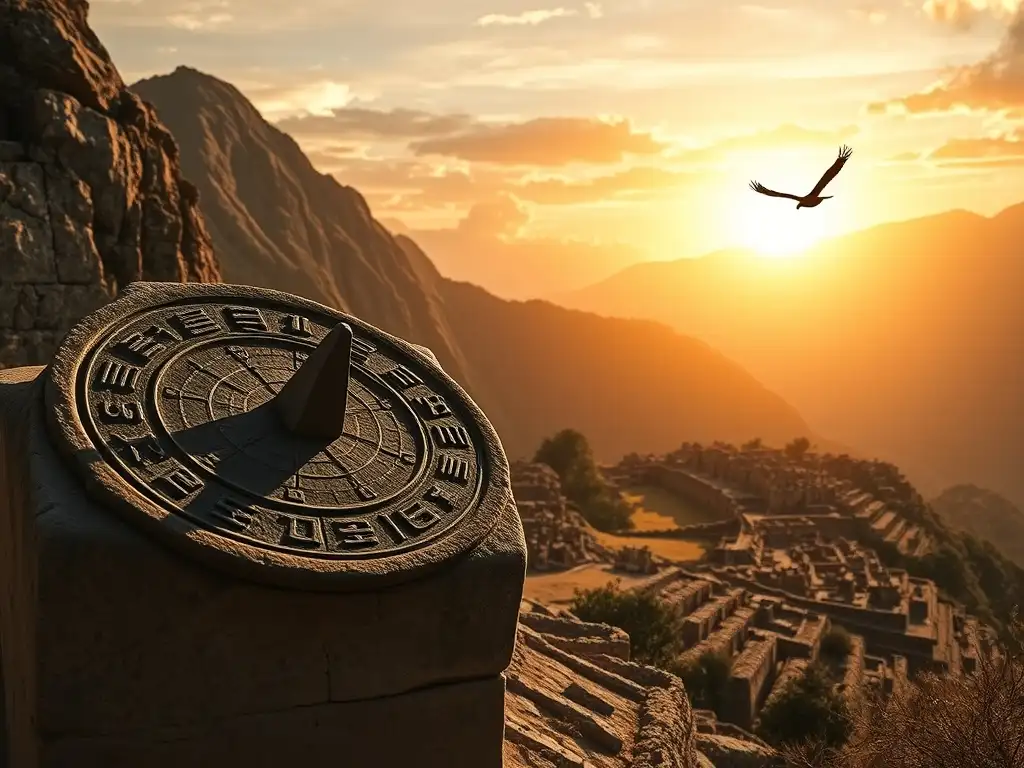
Pachacuti Inca Yupanqui's reign (c. 1438-1471) represents a pivotal moment in Andean history, marking a period of unprecedented expansion, consolidation, and cultural transformation for the Inca Empire. His influence extends far beyond military achievements; it profoundly reshaped Andean culture and traditions, leaving an enduring legacy that continues to resonate in modern Andean communities. Understanding Pachacuti's significance requires examining his impact on various aspects of Andean life, from religious practices to artistic expressions and social structures. The very concept of Pachacuti itself, meaning "he who overturns the world," encapsulates this transformative power.
His actions weren't merely conquests; they were deliberate acts of cultural engineering, designed to forge a unified and powerful empire. This involved the standardization of laws, language (Quechua), and religious practices, all contributing to a shared Andean identity under Inca rule. The keyword "Pachacuti Inca significance" highlights this multifaceted impact, encompassing political, religious, and cultural spheres.
Pachacuti in Andean Rituals and Ceremonies
Pachacuti's influence is deeply embedded within Andean rituals and ceremonies. He wasn't simply a historical figure; he became a pivotal element within the Inca religious cosmology. The Inca worldview emphasized the cyclical nature of time and the importance of maintaining balance within the pacha, the cosmos. Pachacuti's actions, viewed as divinely ordained, were incorporated into rituals designed to ensure the continuation of this cosmic harmony.
For example, the Capac Raymi, the most important Inca festival, likely incorporated elements commemorating Pachacuti's achievements and reinforcing his role as a divinely appointed leader. Specific details regarding the exact nature of these rituals remain elusive, requiring further archeological investigation. However, the surviving accounts from Spanish chroniclers, though biased, hint at the central role Pachacuti played in these sacred events.
The incorporation of his image or name in ritual objects, and the performance of specific ceremonies to honor his memory, would have served to solidify his status as a divine intermediary between the human and spiritual realms. This helped to legitimize Inca rule and solidify the empire's power structure. The enduring presence of Pachacuti in Andean religious practices underscores his lasting impact on the region's spiritual landscape.
Pachacuti's Symbolism in Art and Architecture
Pachacuti's reign is also reflected in the remarkable art and architecture of the Inca Empire. The monumental constructions, intricate textiles, and sophisticated metalwork of the period all bear the hallmarks of his transformative vision. While it's impossible to definitively attribute specific pieces directly to Pachacuti, the stylistic consistency and the sheer scale of architectural projects undertaken during his reign point to a deliberate and centralized artistic program.
The massive stonework of Sacsayhuamán, for instance, exemplifies the Inca mastery of engineering and reflects the imperial ambition that defined Pachacuti's rule. The precision and scale of these constructions transcend mere functionality; they served as powerful symbols of Inca dominance and divine authority. Furthermore, the standardization of artistic styles across the empire, facilitated by the centralized control under Pachacuti, resulted in a unique and identifiable Inca aesthetic.
The use of specific motifs, such as the chakana (Andean cross), likely became more widespread during this period, further reinforcing a unified cultural identity. The study of Inca art and architecture provides invaluable insights into the ideological underpinnings of Pachacuti's reign and its lasting impact on Andean artistic traditions. Analyzing iconography, architectural styles, and the distribution of artifacts across the empire provides a powerful lens through which to interpret Pachacuti's influence.
The Enduring Legacy of Pachacuti in Andean Communities
Even centuries after the fall of the Inca Empire, Pachacuti's legacy continues to resonate within Andean communities. While the details may be obscured by time and the overlay of colonial and modern influences, his name and the significance of his reign are still present in oral traditions, place names, and cultural practices. His figure often appears in local narratives, sometimes mythologized and imbued with supernatural qualities.
The enduring presence of Pachacuti in Andean memory speaks to the lasting impact of his reign on the region’s cultural identity and collective consciousness. The very word Pachacuti, which signifies a profound transformation, continues to be used to describe periods of significant change and renewal. This ongoing usage underscores the enduring relevance of Pachacuti’s legacy as a symbol of both imperial power and the cyclical nature of Andean time.
Further research into contemporary Andean communities is needed to fully explore the diverse ways in which Pachacuti's memory and influence are maintained and reinterpreted in the present day. This involves documenting oral histories, analyzing local festivals and rituals, and studying the ways in which Pachacuti is integrated into contemporary Andean worldviews. Understanding this contemporary legacy provides a crucial link between the past and present, enhancing our comprehension of the ongoing significance of Pachacuti in the Andean world.
Pachacuti Inca Significance: A Summary of Key Concepts
The concept of Pachacuti, far from being a singular event in Inca history, represents a fundamental principle within Andean cosmology. It signifies a profound transformation, a cyclical renewal, and a reordering of the world. Understanding its significance requires moving beyond a simple historical narrative and delving into the Andean worldview, where time and space are not linear but interwoven, cyclical, and intimately connected to the natural world.
The term itself, often translated as "transformation" or "inversion," encapsulates this powerful idea of a complete upheaval leading to regeneration. This section will explore the multifaceted meaning of Pachacuti within the context of Inca and broader Andean civilization, highlighting its enduring impact on their social structures, beliefs, and practices. This deep understanding of Pachacuti Inca significance allows us to appreciate the cyclical nature of their worldview and its profound influence on their civilization.
The Interconnectedness of Time, Space, and Change
The Andean understanding of Pachacuti is deeply rooted in the interconnectedness of time, space, and change. Unlike Western linear conceptions of time, the Andean worldview viewed time as cyclical, with periods of creation, destruction, and renewal constantly interacting. Space, too, wasn't a passive backdrop but an active participant in this dynamic process.
Sacred mountains, rivers, and other geographical features were considered vital nodes within this interconnected web, embodying the power of the Pachamama (Mother Earth) and reflecting the cyclical rhythms of the cosmos. A Pachacuti event, therefore, wasn't merely a historical occurrence; it was a manifestation of this cosmic dance, a rebalancing of the forces that shaped their world. The Inca saw themselves as active participants in this process, responsible for maintaining harmony and ensuring the continuous flow of Pachacuti.
Failure to do so could lead to disruption, imbalance, and ultimately, the need for a more radical transformation. The cyclical nature of Pachacuti is vividly illustrated in their agricultural practices, mirroring the cyclical patterns of planting, harvesting, and renewal observed in nature.
Understanding Pachacuti as a Continuous Process
It's crucial to understand that Pachacuti wasn't a singular, cataclysmic event but rather a continuous process. While major historical events, like the rise of the Inca Empire under the rule of the Inca Pachacuti (a historical figure whose name reflects this concept), are often associated with the term, the concept itself transcends specific historical moments. Smaller-scale Pachacutis occurred regularly, reflecting shifts in power dynamics, changes in climate, or other significant disruptions to the social order.
These transformations could be gradual or abrupt, but they always involved a reordering of the social and cosmic balance. These smaller Pachacutis demonstrated the Inca's capacity for adaptation and their understanding of the ever-changing nature of the world.
This continuous process underscores the importance of flexibility and adaptability within the Inca worldview, showcasing their ability to navigate periods of upheaval and emerge stronger and more resilient. Evidence suggests that ritual practices, such as capacocha (human sacrifice), were integral to maintaining cosmic balance and facilitating these cyclical transformations.
The Importance of Pachacuti for the Inca and Andean Civilization
The concept of Pachacuti played a central role in shaping Inca and broader Andean civilization. It provided a framework for understanding the world, navigating change, and legitimizing power. The Inca emperors, particularly Pachacuti himself, were often portrayed as agents of Pachacuti, responsible for restoring order and bringing about a new era of prosperity.
This ideology helped consolidate their power and maintain social cohesion. The construction of monumental architecture, such as Machu Picchu, can be interpreted as a physical manifestation of their understanding of Pachacuti, representing the creation of a new, harmonious world. Moreover, the Inca's sophisticated agricultural techniques and their intricate system of record-keeping were all informed by this cyclical worldview, reflecting their deep understanding of the need for continuous adaptation and renewal.
The enduring legacy of Pachacuti in Andean culture highlights its significance not just as a historical concept but as a fundamental principle that continues to shape Andean perspectives on time, space, and the human relationship with the natural world. The continued relevance of Pachacuti speaks volumes about its enduring power and its ability to resonate with Andean communities even today.
Pachacuti: Interpreting the Cycles of Change
The term "Pachacuti," crucial to understanding Inca significance and Andean cosmology, transcends a simple historical event. It represents a profound cosmological concept encompassing cyclical transformations, renewal, and the inherent dynamism of the world. Understanding Pachacuti requires moving beyond the narrow lens of a single historical figure and embracing a broader, more nuanced interpretation encompassing spiritual, social, and environmental dimensions.
The Inca worldview, deeply intertwined with the natural world, perceived time not as a linear progression but as a series of cyclical renewals, each marked by significant shifts in power, societal structures, and even the landscape itself. This cyclical perspective is central to grasping the multifaceted significance of Pachacuti. The "Pachacuti Inca significance" lies not just in the actions of a single ruler, but in the enduring cosmological principle he embodies.
The Spiritual Dimension of Pachacuti
The spiritual dimension of Pachacuti is inextricably linked to the Inca concept of pacha, encompassing the entire cosmos – the physical world, the spiritual realm, and the interplay between them. Pachacuti, therefore, wasn't merely a political upheaval; it was a spiritual reordering, a realignment of the cosmos. The Inca believed that the successful ruler, embodying the principle of Pachacuti, restored balance and harmony to the pacha, ensuring the continued flourishing of life and the prosperity of the empire.
This restoration involved rituals, ceremonies, and the careful observance of traditional practices designed to maintain equilibrium. The successful completion of such rituals signified the successful completion of a Pachacuti cycle, ushering in a new era of prosperity and stability.
This spiritual dimension is crucial for understanding the profound impact of Pachacuti on Inca society and its enduring legacy. The Inca's deep reverence for the natural world further reinforced this spiritual understanding of Pachacuti, viewing natural events like earthquakes or floods as manifestations of cosmic imbalance demanding corrective action.
Pachacuti and the concept of Ayni
The principle of Ayni, reciprocal exchange and mutual obligation, played a vital role in the Inca understanding of Pachacuti. Ayni wasn't simply a social contract; it was a cosmological principle reflecting the interconnectedness of all beings within the pacha. During a Pachacuti, the disruption of Ayni was perceived as a major symptom of cosmic imbalance. Restoration involved not just political reorganization but also a reaffirmation of the reciprocal obligations binding individuals and communities.
The redistribution of resources, the implementation of mita (labor obligations), and the strengthening of communal bonds were all integral parts of re-establishing Ayni during periods of Pachacuti. This ensured social cohesion and the continued functioning of the Inca empire, highlighting the intricate connection between cosmological principles and social structures. The successful implementation of Ayni served as a key indicator of a successful Pachacuti and the restoration of cosmic harmony.
Pachacuti and the cyclical nature of the world
The concept of Pachacuti is inherently tied to the cyclical nature of the Inca worldview. Unlike linear conceptions of time, the Inca understood time as a repeating cycle of creation, destruction, and renewal. Each Pachacuti marked the end of one cycle and the beginning of another, signifying a period of transformation and rebirth.
This cyclical understanding is reflected in Inca mythology, art, and agricultural practices. For example, the Inca calendar meticulously tracked agricultural cycles, reflecting the cyclical rhythms of nature and the importance of adapting to these cycles. The cyclical nature of Pachacuti also highlights the Inca's remarkable resilience and adaptability.
Rather than viewing change as inherently negative, the Inca embraced it as an integral part of the cosmic order, a necessary process for maintaining balance and ensuring the continuation of life. This understanding of cyclical change permeates the very fabric of Inca civilization, shaping their social structures, spiritual beliefs, and relationship with the natural world. The "Pachacuti Inca significance" thus extends beyond a specific historical event to encompass a fundamental cosmological principle that shaped their worldview and ensured their enduring legacy.
Frequently Asked Questions
Who was Pachacuti Inca Yupanqui?
Pachacuti Inca Yupanqui was the ninth Sapa Inca of the Inca Empire. He is considered the founder of the Inca Empire as we know it, dramatically expanding its power and influence. His reign marked a pivotal moment in Andean history.
What is the significance of Pachacuti's reign?
Pachacuti's reign ushered in a period of unprecedented military expansion, political centralization, and economic development for the Inca Empire. He implemented significant administrative and infrastructural reforms.
How did Pachacuti transform the Inca Empire?
Pachacuti transformed the Inca Empire from a relatively small kingdom into a vast and powerful empire through conquest, strategic alliances, and innovative administrative systems. His military strategies were highly effective.
What is the meaning of "Pachacuti"?
"Pachacuti" means "he who changes the world" or "world transformer" in Quechua, reflecting his profound impact on the Inca civilization and the Andean region as a whole. The name itself reflects his legacy.
What lasting impact did Pachacuti have on Andean culture?
Pachacuti's legacy includes the standardization of Inca culture, the construction of magnificent urban centers like Cusco, and the establishment of a highly organized and efficient bureaucracy. His influence shaped Andean society for centuries.
Final Reflection: Embracing the Pachakuti Within
The cyclical nature of Pachakuti, far from being a relic of Inca history, resonates deeply with the challenges and transformations our world faces today. We are witnessing unprecedented societal shifts, ecological crises, and technological advancements that demand a similar level of adaptation and renewal as the Inca experienced during their own periods of upheaval. Understanding the Inca's philosophy of embracing change, rather than resisting it, offers a powerful framework for navigating our own uncertain future.
The enduring legacy of Pachakuti lies not just in its historical context, but in its capacity to inspire a profound sense of hope and agency. The Inca's ability to rebuild and reinvent themselves in the face of adversity offers a potent antidote to feelings of helplessness and despair in the face of modern challenges. The only constant is change,
Heraclitus famously observed, and the cyclical nature of Pachakuti underscores this timeless truth, reminding us that even destruction can pave the way for something new and vibrant. This understanding profoundly impacted my own perspective, shifting my focus from fearing change to actively seeking opportunities for growth and transformation within its currents.
Consider the lessons of Pachakuti. Embrace the inevitable cycles of destruction and renewal in your own life. Identify the "old world" that needs to be shed to make way for something better, something more aligned with your values and aspirations. Don't fear the upheaval; instead, see it as an opportunity for profound personal growth and the creation of a more meaningful and fulfilling existence. The spirit of Pachakuti calls to you – answer its call with courage, resilience, and a commitment to building a brighter future.
Unveil the Power of Pachakuti Today!
Thank you for exploring the transformative power of Pachakuti with us! You've learned about the cyclical nature of renewal in our lives and the world around us, and now it's time to apply this knowledge. Embracing Pachakuti can be a catalyst for personal transformation and inspire positive change in others.
Here are some ways to integrate the spirit of Pachakuti into your life:
- **Reflect on your personal cycles of change:** Identify areas in your life that could benefit from renewal. Create a personal plan outlining how you'll implement these changes.
- **Connect with our community:** Join others interested in Andean philosophies! Share your insights and experiences on our forum at Andean Civilizations and learn from fellow enthusiasts.
- **Explore practices inspired by Pachakuti:** Engage in activities like meditation, mindful nature walks, or creative expression inspired by these themes. These practices can deepen your connection to the rhythms of life.
What changes will you embrace today to begin your own transformative journey? Share your thoughts below!