
From the Earth to the Table: Understanding Andean Food Systems

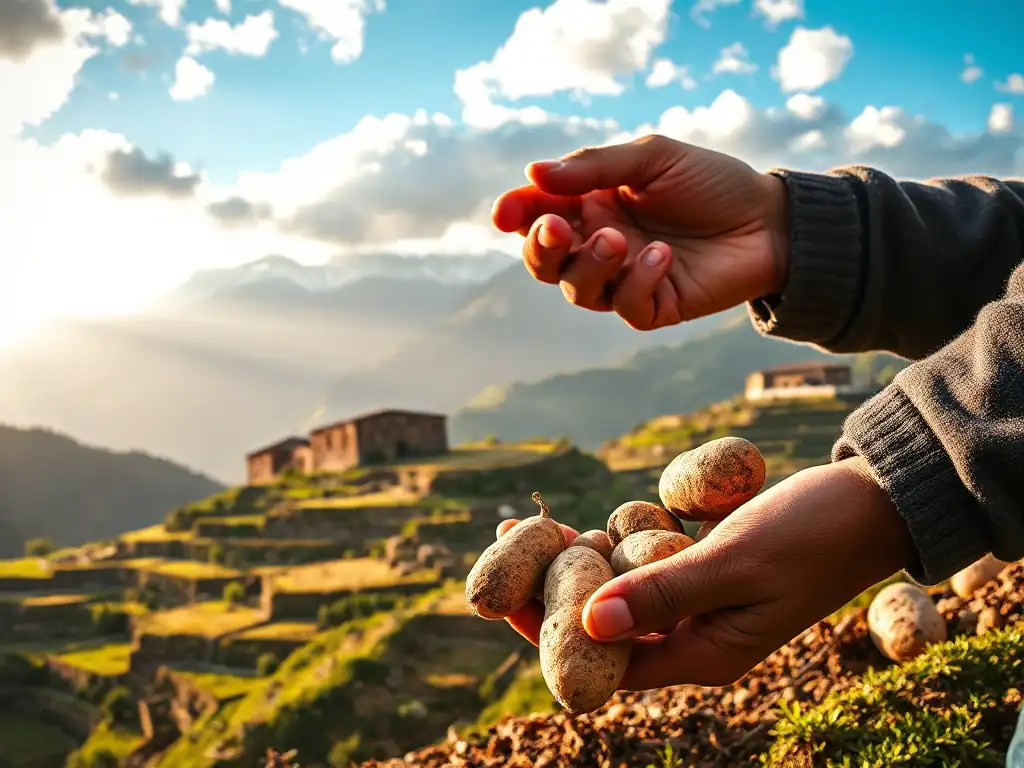
Step into a world lost to time, yet echoing with vibrant life. Imagine the ingenuity of the ancient Andean civilizations, their mastery not just of stone and metal, but of the very earth that sustained them. Uncover the secrets of their remarkable food systems, a legacy woven into the fabric of their societies and still influencing our plates today. Prepare to be amazed as we delve into the fascinating history of Andean food systems, a journey that reveals more than just sustenance – it unveils the heart of a civilization.
The Andes Mountains, a spine of towering peaks stretching along the western coast of South America, nurtured some of the world's most sophisticated and resilient agricultural systems. For millennia, Andean civilizations—from the Incas to the earlier Moche, Nazca, and Tiahuanaco cultures—developed intricate methods of food production, storage, and distribution, profoundly shaping their societies and leaving a lasting legacy on culinary traditions.
This article delves into the fascinating history of Andean food systems, exploring the ingenuity and adaptability of these ancient peoples in harnessing the diverse Andean environment to sustain their populations. Understanding their agricultural practices provides invaluable insight into their social structures, religious beliefs, and overall worldview, enriching our comprehension of "Andean food systems history".
We'll examine the crucial role of specific crops, like coca, and the complex interplay between agriculture and the Andean way of life. Prepare to be amazed by the ingenuity and resilience of these ancient cultures and their remarkable connection to the land.
The Foundation of Andean Agriculture: Terracing and Irrigation
Andean agriculture wasn't simply a matter of planting seeds; it was a monumental feat of engineering and environmental manipulation. The steep slopes of the Andes presented significant challenges, requiring innovative solutions to cultivate crops effectively. The ingenious development of terracing, a system of creating flat, level platforms on hillsides, dramatically increased arable land.
These terraces weren't just haphazardly carved; they were meticulously planned and constructed, often incorporating sophisticated water management systems. This involved channeling water from rivers and streams to irrigate the crops, ensuring consistent water supply even in arid regions. The precision and scale of some terrace systems, like those found in the Sacred Valley of the Incas, are truly awe-inspiring.
The construction of these terraces required immense community effort, highlighting the importance of cooperation and social organization within Andean societies. Moreover, the careful placement of terraces minimized soil erosion and maximized sunlight exposure, resulting in significantly increased crop yields.
The Importance of Coca and Other Staple Crops
The Andean diet was incredibly diverse, but certain crops held central importance. Potatoes, of course, stand out as a staple, boasting an astonishing variety of species uniquely adapted to different altitudes and climates. Quinoa, another nutritional powerhouse, provided essential protein and carbohydrates.
But beyond these well-known crops, the cultivation and use of coca leaves deserves special attention. Coca wasn't merely a recreational substance; it played a vital role in Andean religious ceremonies, medicinal practices, and daily life. Its leaves provided energy, suppressed hunger, and served as a form of currency in some regions.
The careful cultivation and management of coca plantations reveal much about Andean social structures and economic systems. The meticulous processing of coca leaves into products like mate de coca (coca tea) further underscores the sophisticated level of agricultural and technological expertise in the region. Other significant crops included maize (corn), beans, and various fruits and vegetables, all strategically cultivated to provide a balanced and nutritious diet.
Storage and Distribution Networks: Ensuring Food Security
The success of Andean food systems wasn't solely dependent on production; efficient storage and distribution were equally crucial. Andean civilizations developed sophisticated storage techniques, utilizing granaries and underground cellars to preserve harvested crops for extended periods. These storage facilities were often strategically located to minimize the risk of spoilage and to ensure accessibility during lean seasons.
Furthermore, intricate networks of roads and trails connected different regions, facilitating the transportation of food surpluses and the distribution of goods across the empire (in the case of the Inca). This efficient logistical system played a critical role in mitigating the effects of droughts or other natural disasters, contributing to the remarkable stability and longevity of Andean societies. The organization required for such a vast and complex system indicates a high degree of centralized planning and control, particularly during the Inca period.
The Legacy of Andean Food Systems
The ingenuity and resilience of Andean food systems continue to inspire and inform modern agricultural practices. Many of the crops cultivated by ancient Andean civilizations remain important food sources today, highlighting their remarkable adaptability and nutritional value. The principles of terracing and water management, though centuries old, still offer valuable lessons for sustainable agriculture in challenging environments.
Furthermore, understanding the interconnectedness between agriculture, culture, and spirituality in Andean societies provides a deeper appreciation for the complex relationship between humans and their environment. The enduring legacy of Andean food systems reminds us of the importance of preserving traditional knowledge and adapting sustainable practices to ensure food security for future generations. The story of Andean agriculture is not just a story of food; it's a story of human ingenuity, resilience, and profound connection to the land.
- The Foundation of Andean Agriculture: Terracing and Irrigation
- The Importance of Coca and Other Staple Crops
- Storage and Distribution Networks: Ensuring Food Security
- The Legacy of Andean Food Systems
- What role did agriculture play in the development of Andean civilizations?
- How did the diverse geography of the Andes influence food production?
- What were some key crops cultivated by Andean civilizations?
- How did Andean food systems change over time?
- What is the legacy of Andean food systems today?
A Historical Overview of Andean Agricultural Practices
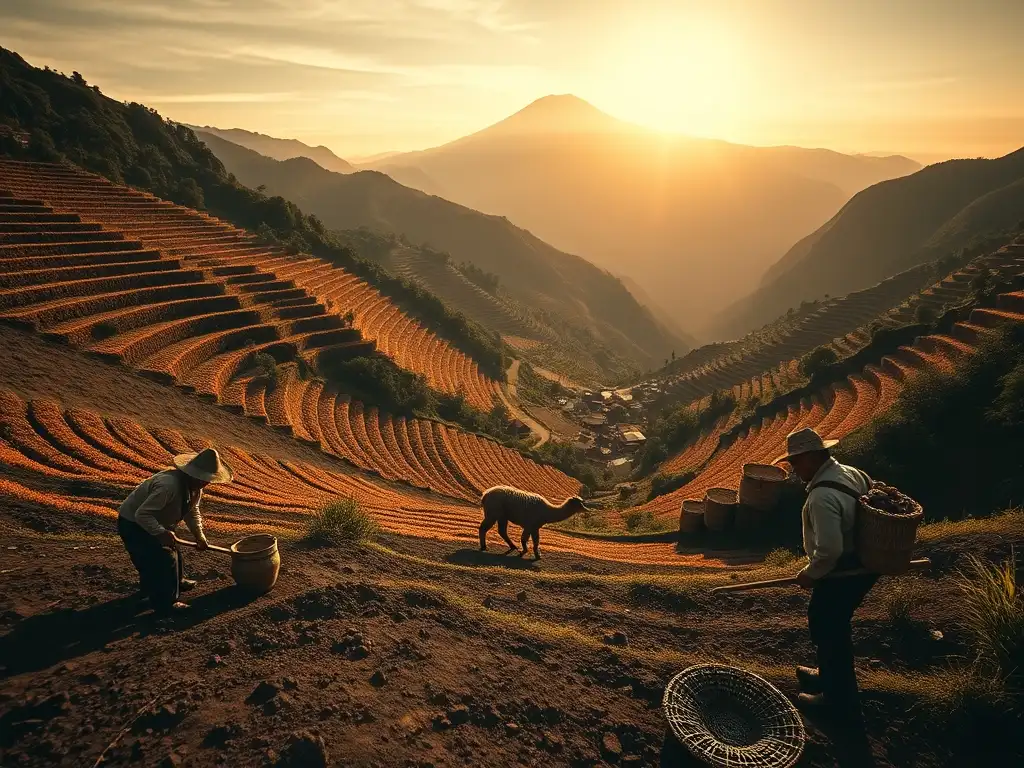
This section delves into the fascinating history of Andean agricultural practices, revealing the ingenuity and resilience of ancient Andean civilizations in harnessing their challenging environment to create thriving food systems. Understanding the evolution of these systems is crucial to appreciating the complexity and sophistication of Andean food systems history. We'll explore the origins, innovative techniques, and key crops that shaped these remarkable achievements.
Origins of Andean Food Systems: Early Cultivation
The origins of Andean food systems stretch back millennia, long before the rise of the Inca Empire. Archaeological evidence suggests that early cultivation practices began in the diverse ecological niches of the Andes, adapting to the varying altitudes, climates, and terrains. The earliest evidence points to the domestication of plants like squash, beans, and peppers as early as 8000 BCE in the Peruvian highlands.
These early farmers, utilizing basic tools and techniques, established the foundation for the more complex systems that would follow. Their understanding of plant cycles and soil conditions allowed them to create sustainable agricultural practices that ensured food security for their communities. This initial period laid the groundwork for the development of sophisticated irrigation systems and advanced agricultural techniques that characterized later Andean civilizations.
The ingenuity of these early cultivators significantly shaped the Andean food systems history, paving the way for future innovations. Further research is needed to fully understand the intricacies of these early systems, particularly concerning the specific techniques employed and the social structures that supported them. [Specific information pending: Detailed analysis of early agricultural tools and techniques].
The Development of Terraced Farming in the Andes
One of the most remarkable achievements of Andean agriculture was the development of terraced farming. This ingenious technique involved carving steps into the steep mountain slopes, creating flat platforms for cultivation. This was not merely a clever solution to limited arable land; it was a sophisticated system that addressed several crucial factors. Terraces reduced soil erosion by slowing the flow of water, preventing valuable topsoil from being washed away.
They also optimized sunlight exposure, improving crop yields in the often-shady mountain valleys. The construction of terraces was a monumental undertaking, requiring considerable labor and community coordination. Different Andean cultures, including the Incas, Moche, and Nazca, each developed their own variations of terraced farming, reflecting the unique adaptations necessary for their specific environments. The scale and precision of these terraces are a testament to the advanced engineering and societal organization of these ancient civilizations.
The legacy of terraced farming continues to this day, with many modern Andean communities still utilizing these ancient techniques. The impact of terraced farming on Andean food systems history cannot be overstated. It fundamentally altered the relationship between humans and their environment, allowing for the cultivation of crops on previously unusable land.
Key Crops of Ancient Andean Civilizations: Potatoes, Quinoa, and Maize
The Andean diet was, and continues to be, incredibly diverse. However, certain crops stand out as cornerstones of ancient Andean food systems: potatoes, quinoa, and maize. These "holy trinity" of Andean agriculture played crucial roles in sustaining large populations and supporting complex societies.
Potatoes, with their incredible diversity of varieties adapted to different altitudes and climates, were a staple food providing essential carbohydrates and nutrients. Quinoa, a highly nutritious grain, was another crucial element, providing protein and essential amino acids that complemented the potato. Maize, though not as widely cultivated at higher altitudes, provided additional carbohydrates and was utilized in various forms, including for brewing chicha (a fermented beverage).
The cultivation and processing of these crops were deeply intertwined with Andean culture and religion, reflected in their use in rituals and ceremonies. The sophisticated understanding of plant genetics and agricultural techniques allowed for the development of hundreds, if not thousands, of varieties of these crops, each adapted to specific ecological conditions. This biodiversity was a critical component of the resilience of Andean food systems, ensuring food security even in the face of environmental challenges.
The continuing significance of these crops in modern Andean cuisine underscores their enduring role in Andean food systems history. The meticulous cultivation and preservation of these crops remain vital to the region’s food security and cultural heritage.
The Role of Irrigation and Water Management in Andean Agriculture
Andean agriculture, renowned for its ingenuity and adaptation to challenging terrains, heavily relied on sophisticated irrigation and water management systems. The success of Andean food systems, particularly in the arid coastal regions and high-altitude valleys, was inextricably linked to the ability of these civilizations to harness and control water resources. This wasn't simply a matter of digging ditches; it involved a deep understanding of hydrology, topography, and the seasonal variations in water availability.
The development of sophisticated irrigation techniques varied across different Andean cultures and time periods. For instance, the Nazca culture, known for their enigmatic geoglyphs, also developed remarkable canal systems that channeled water from distant sources to their fields. These canals, often carved into the desert landscape, were incredibly intricate, demonstrating a profound knowledge of engineering and surveying.
The precision required to construct these channels, some stretching for miles, is a testament to their advanced understanding of hydraulics. Evidence suggests that the Nazca people used sophisticated methods to measure water flow and maintain the integrity of their canals, ensuring a consistent supply of water to their crops. Failure to maintain these systems would have had catastrophic consequences for their food production.
The Inca Empire further refined these techniques, implementing large-scale irrigation projects that supported their vast agricultural output. Their mastery of hydraulic engineering is evident in the extensive networks of canals, aqueducts, and reservoirs that they constructed throughout their empire. These systems not only provided water for irrigation but also facilitated the transport of water to urban centers and facilitated the distribution of water amongst various communities.
The Inca's understanding of water management was integral to their societal structure and their ability to sustain a large, complex empire. Their system wasn't solely about engineering prowess; it incorporated a complex social organization that ensured the equitable distribution of water and the maintenance of the infrastructure.
Beyond irrigation canals, Andean cultures employed a variety of other water management strategies. Terracing, for example, allowed farmers to cultivate steep slopes by creating level platforms that captured and retained water. This technique, widely used throughout the Andes, significantly increased arable land and improved water efficiency, particularly important in mountainous regions where flat land was scarce.
Furthermore, the construction of reservoirs and storage facilities allowed communities to conserve water during dry periods, ensuring a stable supply even during times of drought. These systems provided resilience against climate variability, a crucial factor for food security in a region characterized by unpredictable weather patterns.
The ingenuity and adaptability of these water management strategies are a remarkable demonstration of the Andean peoples' deep understanding of their environment and their capacity for innovation in the face of environmental challenges. The legacy of these practices continues to influence modern Andean agriculture, highlighting the enduring importance of sustainable water management in the region.
The Diversity of Andean Crops and Their Significance
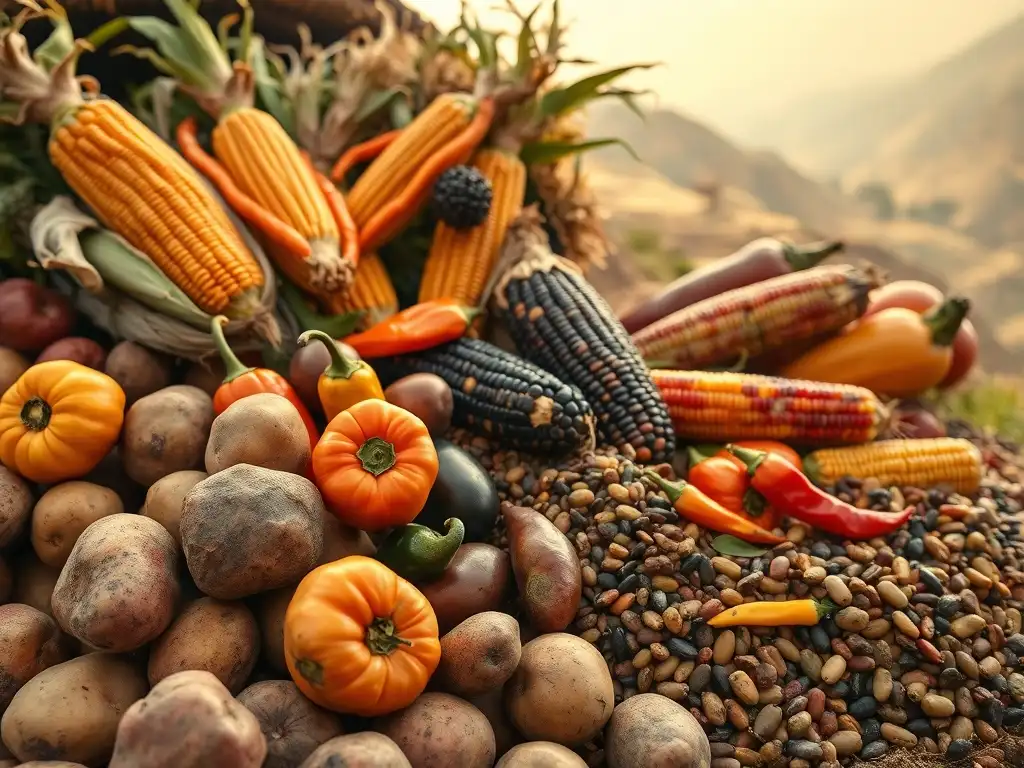
The Andean region, a geographically diverse area spanning the Andes Mountains, boasts an astonishing array of crops cultivated for millennia. Understanding Andean food systems history requires appreciating the sheer variety and ingenuity involved in adapting these plants to challenging terrains and climates. This biodiversity wasn't merely a matter of survival; it reflected a deep cultural and spiritual connection to the land, shaping social structures, religious practices, and artistic expressions.
The intricate interplay between humans and the environment resulted in a sophisticated agricultural system that supported thriving civilizations. This section will explore some key crops, highlighting their importance in Andean diets and culture. The resilience and adaptability of these crops, many of which are now gaining global recognition for their nutritional value, are a testament to the enduring legacy of Andean agricultural practices.
The Importance of Potatoes in Andean Diets and Culture
Potatoes ( Solanum tuberosum) are undeniably the cornerstone of Andean cuisine and culture. Far from being a single entity, the Andean region is home to thousands of potato varieties, each with unique characteristics in terms of size, shape, color, flavor, and nutritional content. These variations reflect centuries of meticulous selection and adaptation by Andean farmers to diverse ecological niches, from high-altitude páramos to warmer valleys.
Potatoes weren't just a source of sustenance; they were central to social rituals, religious ceremonies, and artistic representations. In many Andean cultures, specific potato varieties were associated with particular deities or events, illustrating the deep symbolic significance of this humble tuber.
The potato's centrality in the Andean diet is evident in the countless ways it's prepared – boiled, roasted, fried, mashed, and incorporated into stews and soups – showcasing its versatility and adaptability. The sheer number of potato dishes found across the Andean region speaks volumes about its enduring importance in the Andean food systems history.
Quinoa: The Andean Superfood and its Nutritional Value
Quinoa ( Chenopodium quinoa) is another Andean staple that has recently gained international acclaim as a "superfood." This gluten-free grain is remarkably nutritious, boasting a complete protein profile – meaning it contains all nine essential amino acids – along with high levels of fiber, iron, and other vital nutrients. Its adaptability to diverse climates, including high-altitude environments, made it a crucial component of Andean diets for centuries.
Unlike many other crops, quinoa thrived in the harsh conditions of the Andes, providing a reliable source of sustenance for generations. Its cultivation and consumption were intertwined with complex social and religious practices, reflecting its importance in Andean society.
Today, quinoa continues to be a vital part of Andean food systems, while its growing global popularity is helping to support Andean farmers and preserve traditional agricultural practices. The resurgence of quinoa’s popularity highlights the enduring value and potential of Andean crops in addressing global food security challenges.
Maize: A Staple Crop and Its Varieties in the Andes
Maize ( Zea mays), or corn, is another fundamental crop in Andean agriculture and plays a significant role in the Andean food systems history. Its arrival in the Andes from Mesoamerica marked a turning point in Andean agriculture, adding a crucial source of carbohydrates and calories to the diet. Over time, Andean farmers developed numerous varieties of maize, each adapted to specific ecological conditions and culinary uses.
From sweet corn to flint corn, the range of maize varieties found in the Andes reflects the ingenuity and adaptability of Andean agricultural practices. Maize wasn't just a food source; it was an integral part of religious ceremonies, rituals, and artistic expressions.
The diverse uses of maize, from making chicha (a fermented beverage) to creating arepas (corn cakes), demonstrate its versatility and its enduring importance in Andean cuisine and culture. The legacy of maize in the Andes continues to shape culinary traditions and agricultural practices, highlighting its lasting impact on Andean food systems.
Other Essential Andean Crops: Oca, Mashua, and Kiwicha
The Andean region boasts a remarkable biodiversity, and its food systems weren't solely reliant on potatoes, quinoa, and coca. Other crops played, and continue to play, crucial roles in sustaining Andean communities. Among these are oca, mashua, and kiwicha – three crops that offer unique nutritional benefits and adaptability to the challenging Andean terrain.
Understanding their significance reveals a deeper appreciation for the ingenuity and resilience of Andean agricultural practices throughout history. These crops, often overlooked in broader discussions of Andean food systems, are vital components of the historical and contemporary diets of the region, contributing significantly to food security and cultural identity. Their cultivation techniques, often passed down through generations, represent a remarkable legacy of traditional knowledge.
Oca ( Oxalis tuberosa) is a tuber crop with a remarkable range of colors, from white and yellow to red and purple. Its cultivation is particularly well-suited to the high altitudes and varied climates of the Andes. Historically, oca provided a crucial source of carbohydrates and vitamins, offering a dietary diversity that buffered against crop failures.
The different colored varieties often possess subtly different flavors and nutritional profiles, further enhancing their value in a traditional Andean diet. Moreover, oca's resilience to harsh conditions made it a reliable staple crop, crucial for ensuring food security in a region prone to unpredictable weather patterns. Its cultivation techniques, often involving sophisticated terracing and irrigation systems, reflect the advanced agricultural knowledge of Andean societies.
Mashua ( Tropaeolum tuberosum), another tuber crop, shares a similar history of cultivation and importance within Andean food systems. Its distinctive peppery flavor adds a unique dimension to Andean cuisine. While perhaps less widely known than potatoes or oca, mashua possesses significant nutritional value, providing carbohydrates and other essential nutrients. Its cultivation practices often involved intercropping with other plants, showcasing the sophisticated understanding of agroecology practiced by Andean farmers.
This intercropping not only boosted yields but also contributed to soil health and biodiversity. Like oca, mashua's adaptability to high altitudes and challenging conditions makes it a valuable asset in the Andean agricultural landscape, a testament to the ingenuity of traditional farming practices in the region. The "Andean food systems history" is incomplete without acknowledging the integral role of this unique tuber.
Kiwicha ( Amaranthus caudatus), also known as amaranth, is a pseudocereal that has gained recent popularity worldwide for its nutritional value, but its history in the Andes stretches back millennia. It was a staple crop for many Andean civilizations, providing a significant source of protein and essential amino acids. Ancient Andean communities recognized the nutritional benefits of kiwicha, integrating it into their diets in various forms, from porridges and breads to beverages.
Its cultivation methods were, and continue to be, highly sophisticated, demonstrating a deep understanding of soil management and plant needs. The resilience of kiwicha to various environmental stresses further contributed to its sustained importance in Andean agriculture, making it a vital component of their food security strategy throughout history.
The enduring presence of kiwicha in Andean diets stands as a testament to its nutritional value and the wisdom of traditional agricultural practices. The study of "Andean food systems history" necessitates a thorough investigation of this remarkable pseudocereal.
Understanding Andean Food Processing and Storage Techniques
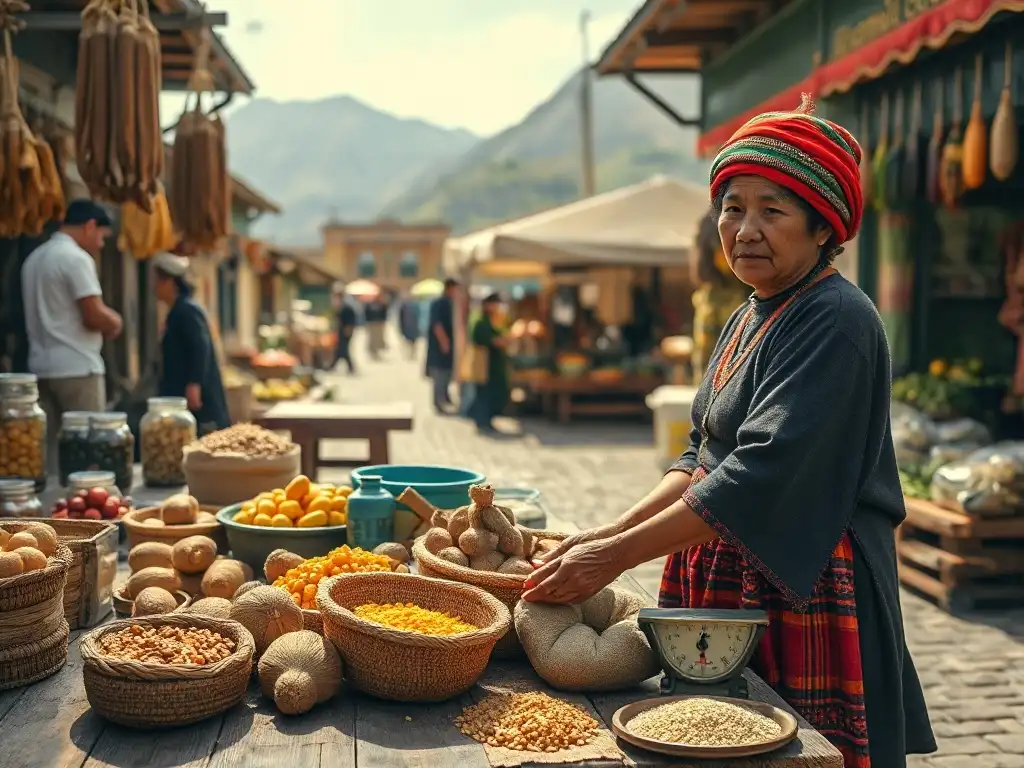
The ingenuity of Andean food systems is not solely defined by the diversity of cultivated plants but also by the sophisticated techniques employed to process and store these resources. Understanding these methods provides crucial insight into the resilience and adaptability of Andean civilizations, highlighting their intimate connection with the environment and their mastery of resource management. The challenges posed by the high altitude, varying climates, and unpredictable weather patterns necessitated the development of innovative solutions for preserving food throughout the year, ensuring community sustenance.
The history of Andean food systems is intricately woven with these preservation techniques, which continue to influence culinary practices today. The keyword "Andean food systems history" is intrinsically linked to the evolution and sophistication of these techniques.
Traditional Methods of Food Preservation in the Andes
Andean communities developed a diverse array of preservation methods, often employing a combination of techniques to maximize shelf life and nutritional value. One prevalent method was charki, a form of sun-dried meat, similar to jerky. This process, crucial for preserving meat in the absence of refrigeration, involved salting, drying, and often smoking the meat to prevent spoilage.
Llamas, alpacas, and vicuñas provided the primary source of meat for charki, their lean protein proving highly suitable for this method. Another common technique involved storing potatoes and other root vegetables in cool, dark cellars or qollqas – sophisticated underground storage structures designed to maintain a stable temperature and humidity. These qollqas showcase the advanced understanding of Andean communities regarding environmental control for food preservation.
The design and construction of these storage facilities varied across different regions, reflecting the adaptation to local environmental conditions. Furthermore, the use of huacas (sacred sites) sometimes played a role in preserving food, with certain areas believed to have naturally favorable conditions for storage. The effectiveness of these traditional methods is a testament to the deep understanding of Andean communities regarding their environment and the needs of their food systems.
Fermentation and its Role in Andean Cuisine
Fermentation played, and continues to play, a vital role in Andean cuisine, enhancing both the flavor and shelf life of various foods. Chicha, a fermented beverage made from maize, is a prime example. Different varieties of chicha exist, each with unique fermentation processes and resulting flavors.
The fermentation process not only adds a distinctive taste but also preserves the maize for longer periods, making it a valuable resource during lean times. Similarly, fermentation techniques were applied to other foods, such as various types of sauces and condiments. These fermented products added essential nutrients and probiotics to the diet, contributing to the overall health of the population.
The specific microbial communities involved in Andean fermentation processes are still being studied, highlighting the potential for further discoveries regarding the unique biodiversity associated with these traditional practices. The historical importance of fermentation in Andean food systems highlights their mastery of microbial processes and their understanding of the benefits of this preservation technique.
Drying and Curing Techniques for Long-Term Storage
Drying and curing were essential methods for preserving a wide array of Andean crops. Potatoes, maize, and beans were commonly dried in the sun, often spread out on mats or elevated platforms to ensure even drying. This method significantly extended their shelf life, allowing for storage throughout the year.
The effectiveness of sun drying depended greatly on weather conditions, requiring careful monitoring and sometimes the use of supplemental drying techniques, such as utilizing low-heat ovens. Additionally, curing techniques, often involving the use of salt or other natural preservatives, were employed to extend the shelf life of certain fruits and vegetables. These techniques not only preserved the food but also transformed their texture and flavor profile, creating unique culinary experiences.
The development of these drying and curing techniques reflects a deep understanding of the Andean environment and the ability to adapt food preservation strategies to suit the available resources and climatic conditions. The meticulous care taken in these processes underscores the importance of food security within Andean societies and the enduring legacy of these techniques in contemporary Andean cuisine.
Chuño and Moraya: Freeze-Dried Potato Preservation
The Andes Mountains, with their diverse altitudes and climates, presented unique challenges and opportunities for food preservation. One of the most ingenious solutions developed by Andean cultures was the freeze-drying of potatoes, resulting in two distinct products: chuño and moraya. These techniques allowed for the long-term storage of a staple crop, ensuring food security throughout the year, even in harsh conditions. The process, passed down through generations, showcases the remarkable adaptability and resourcefulness of Andean peoples in managing their food systems.
The creation of chuño and moraya begins with the selection of specific potato varieties, ideally those with high starch content and a resistant skin to withstand the rigorous process. After harvesting, the potatoes are carefully washed and left to freeze overnight under clear, cold skies at high altitudes. The freezing process causes the potatoes to expand and rupture their cell walls, releasing some moisture. Then, during the day, the potatoes are subjected to intense sunlight and thawing. This freeze-thaw cycle is repeated several times, gradually removing moisture through sublimation—a process where ice transitions directly to water vapor without melting.
The key difference between chuño and moraya lies in the intensity and duration of this freeze-drying process. Chuño, a harder, darker product, undergoes a more extensive freeze-thaw cycle, resulting in a longer shelf life and a slightly bitter taste. Moraya, on the other hand, is subjected to a shorter process, resulting in a lighter color, softer texture, and a milder flavor.
Both chuño and moraya are incredibly lightweight, making them easy to transport and store, a crucial factor in the challenging Andean terrain. Their remarkable durability allowed them to be stored for years, providing a vital food source during lean times or periods of scarcity, thus bolstering the resilience of Andean food systems. The development of these techniques was essential in mitigating the risks associated with unpredictable weather patterns and ensuring the survival and prosperity of Andean communities.
The ingenuity behind chuño and moraya exemplifies the deep understanding and mastery of Andean agricultural practices. The process is not merely a method of preservation; it is a testament to the sophisticated knowledge of Andean food systems and their intricate relationship with the environment.
The Cultural and Spiritual Dimensions of Andean Food Systems
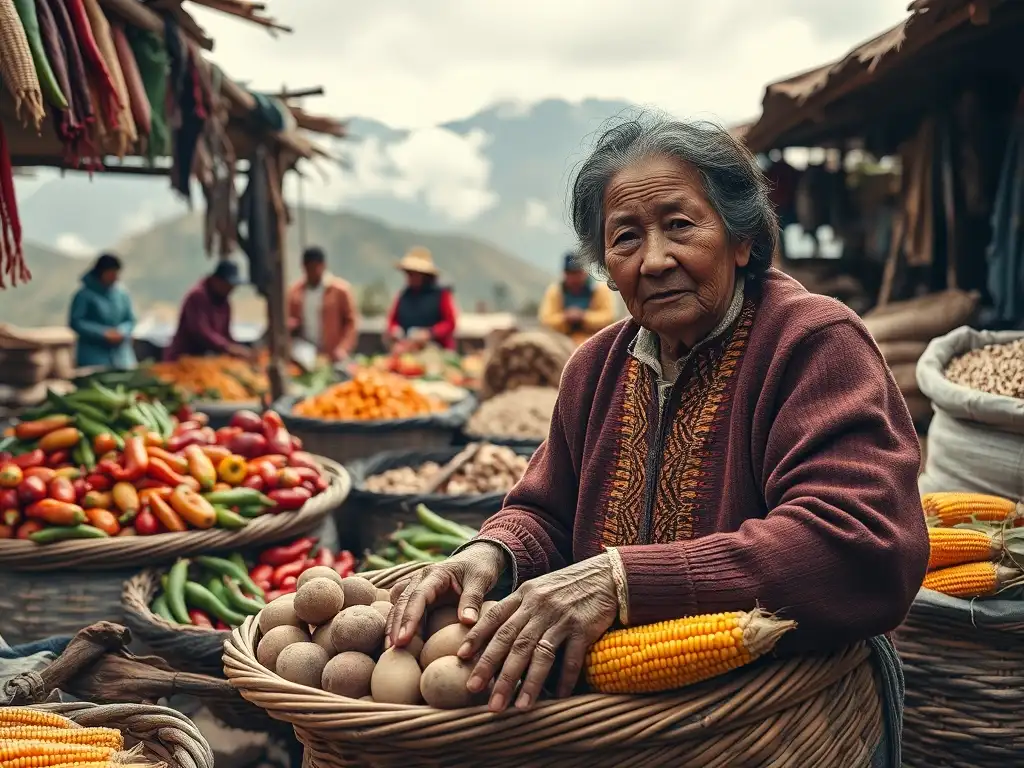
The Andean food system wasn't merely a means of sustenance; it was deeply intertwined with the cultural and spiritual beliefs of the people. Understanding this intricate relationship is crucial to appreciating the complexity and resilience of Andean civilizations. The cultivation, preparation, and consumption of food were imbued with profound meaning, reflecting a worldview that saw the natural world as a sacred entity.
This section explores the spiritual and cosmological underpinnings of Andean agriculture and foodways, highlighting the profound connection between the earth, its bounty, and the people who depended upon it for survival and spiritual well-being. The legacy of this deeply spiritual relationship with food continues to influence Andean cultures today, shaping culinary traditions and agricultural practices.
Analyzing the historical and contemporary aspects of this relationship reveals a fascinating interplay between practical needs and deeply held spiritual beliefs. This holistic approach allows us to better comprehend the Andean food systems history and its enduring impact.
The Connection Between Food and Andean Cosmology
Andean cosmology, a complex system of beliefs relating to the universe and humanity's place within it, profoundly influenced their food systems. The concept of Pachamama, the Earth Mother, was central to this worldview. Pachamama was seen as the provider of all life, and the act of cultivating and harvesting crops was understood as a sacred interaction with her.
Farmers performed rituals to appease Pachamama and ensure bountiful harvests, demonstrating a deep respect for the land and its resources. Different crops held specific symbolic meanings within this cosmology. For example, maize, a staple crop, was often associated with fertility and abundance, while potatoes represented the diversity and resilience of Andean agriculture.
This intricate web of symbolic associations shaped not only agricultural practices but also the social and religious life of Andean communities. The reverence for Pachamama extended beyond the simple act of farming; it shaped every aspect of food production, from planting to consumption, ensuring a sustainable and spiritually meaningful relationship with the natural world. This spiritual dimension is a crucial component of understanding Andean food systems history.
Numerous rituals and ceremonies marked the agricultural cycle in Andean societies. These weren't simply superstitious practices; they were integral components of a system designed to ensure the continuity of life and the well-being of the community. From the initial preparation of the land to the final harvest, specific rituals were performed to honor Pachamama and ensure her continued benevolence.
These rituals often involved offerings of food, drink, and other valuable items, demonstrating a reciprocal relationship between humans and the natural world. The Capac Raymi, a major Inca festival celebrating the harvest, provides a prime example of the elaborate ceremonies surrounding agriculture. This festival involved large-scale celebrations, sacrifices, and feasts, underscoring the importance of agriculture in Inca society.
Detailed records, though scarce, suggest a wide array of local variations on these themes, indicating a rich tapestry of ritual practices across different Andean communities. The meticulous timing of these ceremonies, often aligned with astronomical events, further highlights the sophisticated understanding of the natural world held by Andean peoples. The study of these rituals is essential for a comprehensive understanding of Andean food systems history, revealing the deep spiritual and social significance of food production.
Food sharing played a crucial role in the social fabric of Andean communities. It wasn't merely a practical matter of distributing resources; it was a powerful mechanism for reinforcing social bonds and expressing reciprocity. Sharing food symbolized trust, solidarity, and mutual dependence within the community. Ayni, a system of reciprocal labor and exchange, often involved the sharing of food as a form of payment or acknowledgment of mutual assistance.
This system ensured that resources were distributed equitably and that social harmony was maintained. Feasts and communal meals were common occurrences, providing opportunities for social interaction and the strengthening of community ties. These events were not simply occasions for consuming food; they were crucial moments for reinforcing social hierarchies, celebrating important events, and solidifying political alliances. The distribution of food, often based on social status and kinship ties, reveals a complex social structure and a sophisticated understanding of social dynamics.
Understanding the social significance of food sharing is key to understanding the broader context of Andean food systems history and their remarkable resilience. The intricate interplay between food production, distribution, and consumption highlights the deeply social nature of Andean food systems. The legacy of these practices is still visible in contemporary Andean communities.
Pachamama Celebrations and Ayni Practices
The Andean worldview deeply intertwines food production with spiritual beliefs and reciprocal relationships with nature. Pachamama, the Earth Mother, is central to this cosmology, and honoring her is integral to successful harvests and overall well-being. Celebrations dedicated to Pachamama are not merely festive occasions; they are vital rituals reaffirming the connection between humans and the natural world, a connection profoundly expressed through the cultivation and consumption of food.
These ceremonies often involve offerings of coca leaves, chicha (a fermented corn beverage), and other agricultural products, placed on the earth as a gesture of gratitude and a plea for continued abundance. The timing of these celebrations varies across different Andean communities, often coinciding with planting or harvesting seasons, further highlighting the agricultural cycle's importance.
The vibrant colors and sounds of these festivals, coupled with the shared meals and community participation, strengthen social bonds and reaffirm the collective dependence on Pachamama's bounty. The intensity of these celebrations underscores the profound respect and reverence held for the land and its capacity to provide sustenance.
Ayni, a Quechua term signifying reciprocity, is another fundamental principle shaping Andean food systems. Ayni emphasizes the importance of mutual exchange and collaboration within the community. It's a system of balanced giving and receiving, extending beyond simple bartering.
In the context of food, Ayni manifests in various ways, from sharing harvests to communal labor during planting and harvesting. Neighbors might assist each other in their fields, expecting help in return when needed, fostering a sense of collective responsibility for food production. This system promotes social cohesion and ensures that even in times of scarcity, everyone has access to the essentials.
Ayni's enduring legacy highlights the vital role of community support in the resilience of Andean agriculture and food security. The concept of Ayni transcends mere economic transactions, representing a profound social contract built on mutual trust and shared responsibility, deeply interwoven with the spiritual understanding of their relationship with Pachamama and the cyclical nature of life. The practice of Ayni demonstrates a sophisticated understanding of risk management in agriculture, as well as a powerful model of sustainable community development.
Contemporary Challenges and the Future of Andean Food Systems
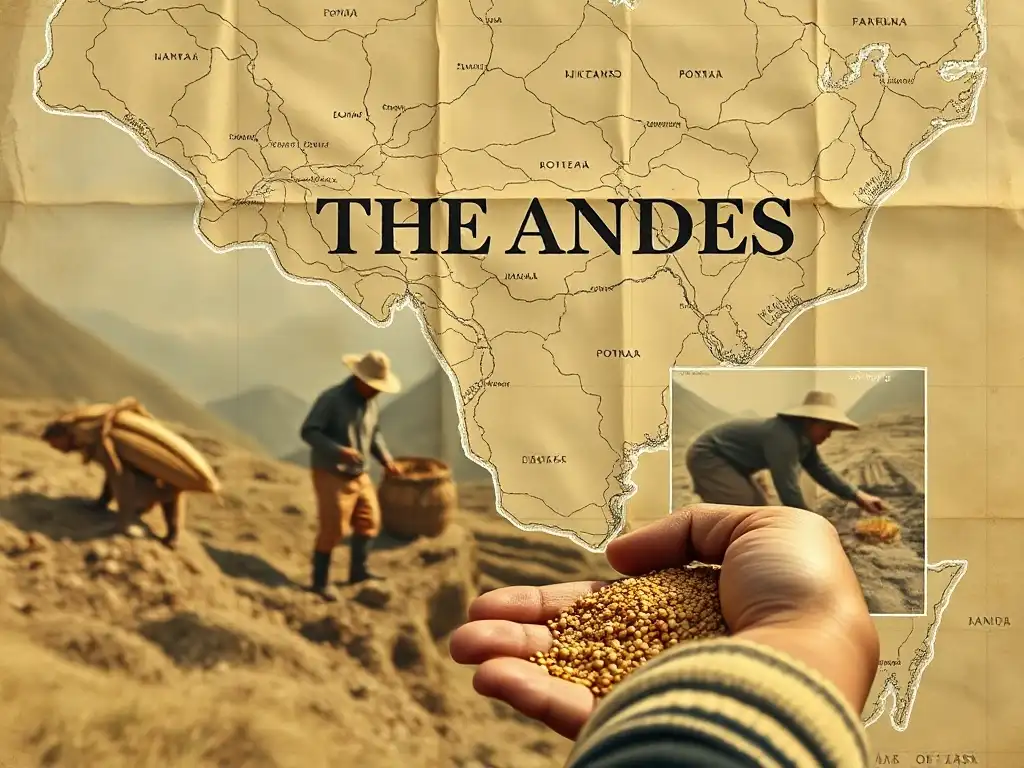
The historical resilience of Andean food systems, honed over millennia, now faces unprecedented challenges in the 21st century. Understanding these threats is crucial to preserving both the cultural heritage and the nutritional security of the region. The intricate balance between traditional practices and modern pressures is a defining feature of the ongoing story of Andean agriculture and food production. The interconnectedness of these challenges highlights the need for holistic and innovative solutions. Analyzing these issues through the lens of "Andean food systems history" reveals a complex interplay of factors impacting the future of food security in the Andes.
The Impact of Globalization on Traditional Andean Agriculture
Globalization, while offering access to new markets and technologies, has profoundly altered Andean agricultural landscapes. The influx of cheaper, often imported, foods has undermined the economic viability of traditional crops, leading to a decline in biodiversity and a shift towards monoculture farming. This simplification of agricultural practices reduces resilience to pests and diseases, threatening the long-term sustainability of food production.
For instance, the increased popularity of processed foods has diminished the demand for locally grown quinoa and potatoes, impacting the livelihoods of countless farmers reliant on these staple crops. This economic pressure often forces farmers to abandon traditional, sustainable methods in favor of high-yield, but environmentally damaging, practices. The loss of traditional knowledge associated with these practices represents an immeasurable cultural loss alongside the economic one.
The challenge lies in finding a balance—integrating global markets while preserving the unique characteristics of Andean agriculture and the cultural knowledge embedded within it. This requires supportive policies and market mechanisms that prioritize both economic profitability and environmental sustainability. The preservation of traditional varieties and farming techniques is paramount to maintaining the genetic diversity crucial for future food security.
Climate Change and its Effects on Andean Food Security
Climate change poses an existential threat to Andean food systems. The Andes are particularly vulnerable to its effects, experiencing more frequent and intense droughts, floods, and unpredictable weather patterns. These changes directly impact crop yields and livestock production. For example, glacial melt, a significant source of water for irrigation in many Andean communities, is accelerating at an alarming rate, threatening water scarcity for agriculture.
Increased temperatures also shorten growing seasons and alter the suitability of land for certain crops, forcing farmers to adapt or face significant losses. The impact extends beyond crop production; changes in rainfall patterns affect pastureland, impacting livestock productivity and the livelihoods of pastoral communities. The vulnerability of Andean food systems to climate change underscores the urgency of implementing climate-resilient agricultural practices.
This includes developing drought-resistant crop varieties, improving water management techniques, and diversifying agricultural production to reduce reliance on single crops. Furthermore, investing in early warning systems and disaster preparedness is crucial to mitigating the impact of extreme weather events on food security. The continued study of "Andean food systems history" shows that adaptability has always been a key to survival, and this historical perspective informs strategies for facing the challenges of a changing climate.
Sustainable Practices and the Revival of Traditional Techniques
The path towards a sustainable future for Andean food systems lies in a renewed focus on traditional practices combined with innovative approaches. Traditional Andean agricultural techniques, developed over centuries, often incorporated principles of biodiversity, water conservation, and soil fertility management. These practices, often overlooked in the face of modernization, offer valuable lessons for sustainable agriculture. For example, the ancient technique of waru waru agriculture, involving raised beds and irrigation channels, enhances water retention and soil fertility, making it highly effective in arid and semi-arid environments.
The revival and adaptation of such traditional techniques can contribute significantly to climate change adaptation and mitigation. Furthermore, promoting agroforestry systems, integrating trees into agricultural landscapes, can enhance biodiversity, improve soil health, and provide additional income sources for farmers. Supporting local seed banks and promoting the cultivation of native crop varieties is also crucial to preserving genetic diversity and adapting to changing environmental conditions.
The integration of these sustainable practices not only ensures food security but also contributes to the preservation of Andean cultural heritage and biodiversity. The future of "Andean food systems history" depends on a conscious effort to learn from the past and innovate for a resilient future. The emphasis must be on a balance between tradition and innovation, fostering a sustainable and equitable food system that benefits both people and the environment.
Agroecological Initiatives and Fair Trade Practices
The preservation of traditional Andean food systems faces numerous challenges in the 21st century. Globalization, climate change, and economic pressures threaten the biodiversity and sustainability of agricultural practices honed over millennia. However, a growing movement towards agroecology and fair trade offers a beacon of hope for the future. Agroecological initiatives focus on integrating traditional knowledge with modern ecological principles to create resilient and sustainable farming systems.
This involves practices like crop diversification, intercropping, and the use of natural pest control methods, all of which contribute to maintaining biodiversity and reducing reliance on external inputs. These methods not only enhance food security but also contribute to the preservation of unique Andean ecosystems. For example, the promotion of native potato varieties, often more resilient to climate change than commercially produced ones, is a key element of many agroecological projects.
Furthermore, fair trade practices play a crucial role in ensuring that farmers receive fair prices for their products and can invest back into their farms, fostering long-term sustainability. Fair trade certification schemes guarantee minimum prices, providing a safety net against market fluctuations and enabling farmers to improve their livelihoods. This, in turn, encourages the continuation of traditional farming methods and the preservation of the rich biodiversity associated with Andean agriculture.
The increased income also allows farmers to invest in better infrastructure, access better education and healthcare, and build stronger communities, all contributing to a more resilient and sustainable food system. The success of these initiatives depends on collaboration between producers, consumers, and governmental and non-governmental organizations, creating a network that supports equitable and sustainable practices.
The long-term goal is not simply to produce food, but to build a system that is environmentally sound, economically viable, and socially just. The integration of fair trade and agroecological principles is vital for securing the future of Andean food systems and preserving the invaluable heritage of Andean agriculture for generations to come.
Preserving the Legacy of Andean Food Systems
The study of Andean food systems history reveals a sophisticated and resilient relationship between humans and their environment, shaped over millennia. Understanding this history is crucial not only for appreciating the cultural richness of the Andes but also for ensuring the sustainability of these systems for future generations. The intricate interplay of agricultural techniques, biodiversity, and social structures created a remarkably productive and diverse food system, capable of supporting large populations in challenging high-altitude environments. This section delves into the key aspects of preserving this invaluable heritage.
The Importance of Indigenous Knowledge and Practices
Indigenous communities in the Andes hold a wealth of knowledge regarding sustainable agricultural practices, plant domestication, and food preparation techniques passed down through generations. This knowledge, often unwritten and embedded within cultural practices, is invaluable for understanding the historical development and future resilience of Andean food systems. For instance, the intricate system of waru waru agriculture, characterized by raised beds and irrigation channels, allowed for increased crop yields in arid and high-altitude regions.
This traditional method, along with others like the use of terraces and diverse crop rotation, minimized environmental impact and maximized resource utilization. The loss of this indigenous knowledge represents a significant threat to the long-term sustainability of Andean food systems. Preserving and promoting these practices is therefore paramount, not just for cultural reasons, but also for practical reasons of food security and environmental protection.
Efforts to document, share, and revitalize traditional farming techniques are essential to ensure the continuation of these invaluable practices. This includes supporting initiatives that train younger generations in these methods and ensuring the active participation of indigenous communities in shaping policies related to agriculture and food.
Supporting Local Farmers and Producers in the Andes
The sustainability of Andean food systems is intrinsically linked to the well-being of the farmers and producers who cultivate and process the food. Many small-scale farmers in the Andes face significant challenges, including limited access to markets, credit, and technology. These challenges threaten both their livelihoods and the diversity of crops grown in the region.
Supporting local farmers and producers requires a multifaceted approach. This includes fair trade initiatives that guarantee better prices for their products, access to credit and financial services, and investment in infrastructure to improve transportation and storage facilities. Furthermore, initiatives to promote sustainable agricultural practices, such as organic farming and the use of traditional techniques, can help to improve the quality of their products and enhance their market competitiveness.
Providing access to training and education on modern agricultural techniques, while respecting and integrating traditional knowledge, is equally important. The goal should be to empower local farmers, strengthen their resilience, and ensure the continued production of diverse and high-quality Andean food products. Data on the economic impact of supporting local producers, including job creation and increased income levels, is needed to fully understand the benefits of such initiatives.
Promoting Andean Cuisine and its Cultural Significance
Andean cuisine, rich in diverse ingredients and unique flavors, represents a significant aspect of the region's cultural heritage. Promoting Andean cuisine is not merely about culinary tourism; it is about raising awareness of the cultural and historical significance of the food systems that produce these ingredients. Highlighting the nutritional benefits of traditional Andean foods, such as quinoa, potatoes, and various grains, can encourage healthier eating habits and contribute to food security. The promotion of Andean cuisine can also support local farmers and producers by increasing the demand for their products.
This includes initiatives to document traditional recipes, support restaurants that specialize in Andean cuisine, and promote culinary tourism in the region. Festivals and events celebrating Andean food can help to raise awareness and foster appreciation for the cultural heritage embedded within the food. Documenting the history and cultural significance of specific dishes can also contribute to a deeper understanding of Andean food systems.
For example, a detailed analysis of the preparation and consumption of cuy (guinea pig) in different Andean communities could reveal fascinating insights into social structures and cultural beliefs. Moreover, integrating Andean cuisine into educational programs can help to instill a sense of pride and appreciation for the region's cultural heritage among younger generations. The preservation of traditional cooking methods and the use of local ingredients are essential for promoting the authenticity and cultural significance of Andean cuisine.
Educational Programs and Community-Based Conservation
Educational initiatives play a crucial role in preserving Andean food systems. These programs aren't just about disseminating information; they're about fostering a deep understanding and appreciation for the intricate relationship between Andean communities and their food sources. Successful programs often incorporate hands-on learning experiences, such as traditional farming techniques workshops, where participants learn about seed saving, crop rotation, and sustainable agricultural practices passed down through generations.
This active participation strengthens the connection between theory and practice, making the knowledge more impactful and memorable. Moreover, these workshops frequently involve the preparation and consumption of traditional Andean dishes, creating a sensory and cultural immersion that further reinforces the importance of preserving these culinary traditions. The goal is not simply to teach, but to inspire future generations to become active stewards of their agricultural heritage.
Beyond formal educational settings, community-based conservation efforts are equally vital. These grassroots initiatives often involve local farmers, indigenous communities, and NGOs working collaboratively to protect biodiversity and traditional farming methods. One effective strategy is the establishment of seed banks, which safeguard the genetic diversity of crucial Andean crops, ensuring their availability for future generations.
These banks act as living archives, preserving not just seeds, but also the invaluable knowledge associated with their cultivation and use. Furthermore, community-based conservation frequently incorporates sustainable tourism practices, allowing visitors to experience Andean food systems firsthand while contributing to their preservation. This model ensures economic benefits for local communities, encouraging their continued engagement in sustainable agriculture and the protection of their unique food heritage.
The success of these programs hinges on empowering local communities, recognizing their traditional knowledge as invaluable, and supporting their efforts to sustain their food systems for years to come. This collaborative approach ensures the long-term viability and resilience of Andean food systems in the face of modern challenges. The preservation of "Andean food systems history" is not merely an academic pursuit, but a crucial aspect of cultural survival and sustainable development.
Frequently Asked Questions
What role did agriculture play in the development of Andean civilizations?
Agriculture was fundamental to the rise of Andean civilizations. Sophisticated irrigation systems and the domestication of crops like potatoes and maize supported large, complex societies. This surplus allowed for specialization and urban growth.
How did the diverse geography of the Andes influence food production?
The varied altitudes and climates of the Andes led to a remarkable diversity of crops and agricultural techniques. Verticality was key, with different crops cultivated at different elevations. This agro-ecological strategy ensured food security.
What were some key crops cultivated by Andean civilizations?
Potatoes, maize (corn), quinoa, beans, and various squashes were staple crops. The Andes also saw the cultivation of coca, which had both nutritional and ritual significance. These crops formed the basis of their diet.
How did Andean food systems change over time?
Andean food systems evolved significantly over millennia. Early agricultural practices gave way to more complex irrigation and terracing techniques. Spanish colonization dramatically impacted traditional farming methods and introduced new crops.
What is the legacy of Andean food systems today?
Many traditional Andean crops and cooking methods persist today. The incredible biodiversity of Andean agriculture continues to inspire research and innovation in sustainable food systems. Indigenous knowledge remains crucial in understanding and preserving these traditions.
Final Reflection: Cultivating a Legacy: Andean Food Systems and Our Future
The intricate tapestry of Andean food systems, woven over millennia, remains profoundly relevant today. Our globalized food systems, often characterized by unsustainable practices and inequitable distribution, stand in stark contrast to the resilience and ingenuity demonstrated by Andean communities for centuries. Understanding their history offers vital lessons for building a more just and sustainable future for all.
The enduring legacy of Andean agriculture, its deep connection to biodiversity and community, continues to inspire and challenge us. These systems, far from being relics of the past, offer powerful models for addressing contemporary challenges like climate change and food security. The earth provides enough to satisfy every man's needs but not every man's greed.
- Mahatma Gandhi. This quote resonates deeply when considering the contrasting philosophies embedded in traditional Andean practices and our current, often exploitative, approaches to food production. The wisdom of respecting the land and its resources, inherent in Andean traditions, is a lesson we urgently need to relearn.
Consider the intricate balance, the deep respect for the environment, and the communal spirit that characterized these systems. Now, reflect on your own relationship with food. Where does your food come from? How can you contribute to a more sustainable and equitable food system, drawing inspiration from the enduring wisdom of the Andes? Let the legacy of Andean food systems inspire you to make conscious choices, support sustainable agriculture, and advocate for a future where food nourishes both people and planet.
Savor the Journey: Embrace Andean Culinary Heritage!
Thank you for exploring the rich tapestry of Andean food traditions with us! By learning about these time-honored practices, you've broadened your culinary horizons and gained a deeper understanding of the sustainable methods that have nourished Andean communities for centuries. Now, let's build on this knowledge and bring the vibrant flavors of the Andes into your own kitchen!
Here are some ways to continue your culinary adventure:
- Experiment with Andean ingredients in your cooking. Quinoa, diverse potato varieties, and unique herbs can add exciting new dimensions to your favorite recipes.
- Share your newfound passion with friends and family. Host a dinner party showcasing Andean cuisine and inspire others to appreciate its rich history and commitment to sustainability.
- Take a cooking class, either in person or online, focusing on Andean dishes. This is a wonderful way to deepen your skills and connection to these vibrant culinary traditions.
What Andean ingredient are you most excited to try, and why? Let's start a conversation!