
The Inca Textile Arts: How They Were Preserved Despite the Conquest

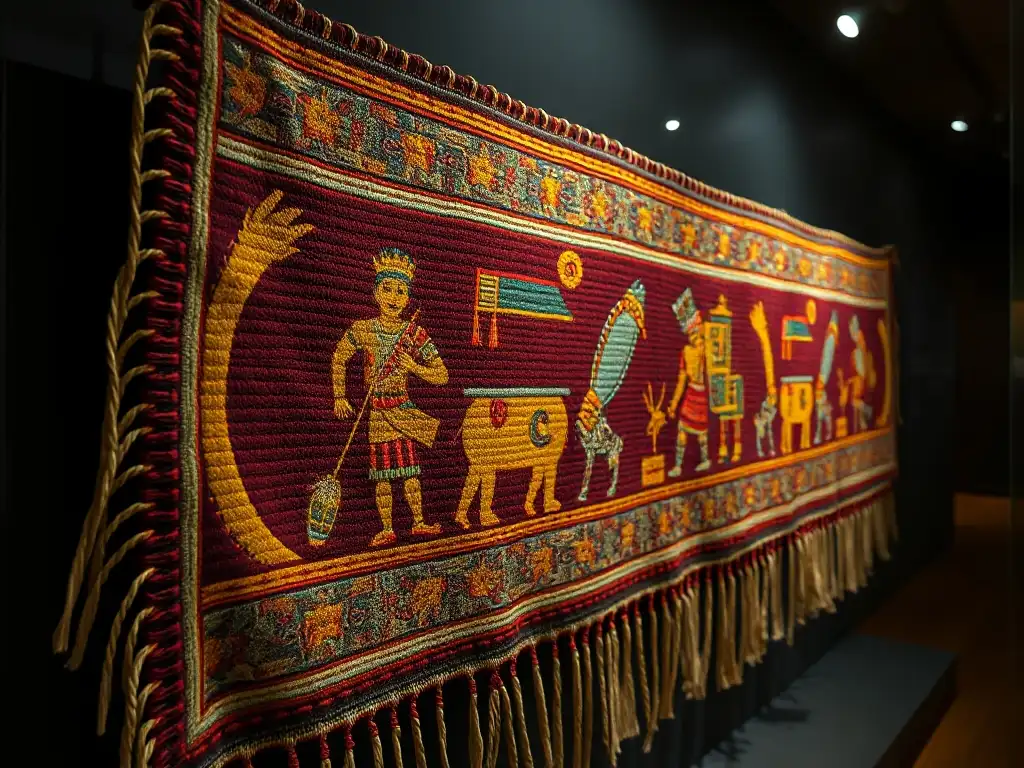
Step into a world lost to time, yet vividly preserved in thread. Imagine the intricate artistry of the Inca, a civilization whose mastery of textile creation rivaled their architectural prowess. But how did these breathtaking fabrics survive the brutal Spanish Conquest? Discover the ingenious Inca textile preservation methods and unlock the secrets behind their enduring legacy within the tumultuous context of The Spanish Conquest. Prepare to be amazed by the resilience of a culture that continues to speak to us through the vibrant hues and intricate designs of its textiles.
The Spanish conquest of the Inca Empire in the 16th century brought about a dramatic upheaval, drastically altering the landscape of Andean society and culture. While much was lost or destroyed during this tumultuous period, remarkably, many aspects of Inca textile arts survived. This article delves into the ingenious methods employed by the Inca, and subsequently by those who followed, to preserve this invaluable cultural heritage, despite the devastating impact of colonization.
We'll explore the intrinsic importance of textiles within Inca society and examine the strategies that ensured the continuation of this exquisite craft, highlighting its enduring legacy. Understanding these preservation methods offers a crucial lens through which to appreciate the resilience and ingenuity of the Inca people and the enduring power of their artistic traditions.
The survival of these textiles provides unparalleled insight into Inca life, beliefs, and artistic mastery, offering a vibrant testament to a civilization that continues to fascinate and inspire. This exploration will focus specifically on the strategies and techniques used to protect and maintain these textiles, examining both pre- and post-conquest methods.
Introduction to Inca Textile Heritage
Inca textiles represent a pinnacle of Andean artistry. Known for their vibrant colors, intricate designs, and exceptional quality, these textiles were far more than mere clothing or decoration. They were imbued with deep symbolic meaning, reflecting social status, religious beliefs, and even historical narratives. The Inca mastered a wide range of techniques, including spinning, dyeing, weaving, and embroidery, utilizing various fibers like alpaca, llama, vicuña, and cotton.
The production of textiles was a highly specialized and revered craft, with skilled artisans holding esteemed positions within Inca society. Their work wasn't solely functional; it was a powerful form of artistic expression, a visual language that conveyed complex messages and stories across generations. The intricate patterns and symbolic motifs woven into the textiles provided a visual record of Inca history, cosmology, and social structures. These textiles served a multitude of purposes, from everyday garments to elaborate ceremonial robes and tapestries adorning palaces and temples.
Understanding the techniques and materials involved is key to comprehending the remarkable artistry and the subsequent challenges of preservation. The sheer quality and complexity of Inca textiles are testaments to their advanced technological skills and artistic vision. The use of natural dyes, for example, demonstrates a profound understanding of botany and chemistry, resulting in colors that remain remarkably vibrant even after centuries.
The Significance of Textiles in Inca Society
Textiles held immense social and religious significance within Inca society. They were not simply utilitarian items; they served as powerful indicators of social status and identity. The type of fiber, the complexity of the weave, and the specific designs all conveyed information about the wearer's position within the social hierarchy. Elaborate textiles, often adorned with intricate gold and silver embellishments, were reserved for the Inca elite, while simpler garments were worn by the common people.
Furthermore, textiles played a crucial role in religious ceremonies and rituals. Ceremonial robes and tapestries were used to adorn temples and idols, and specific designs were associated with different deities and myths. The production of textiles was often linked to religious practices, with artisans believed to be guided by divine inspiration. This deep connection between textiles and religious beliefs contributed to their careful preservation, as they were considered sacred objects worthy of protection.
The Inca's meticulous attention to detail and their highly developed artistic skills resulted in textiles that were not only aesthetically pleasing but also deeply meaningful. This intrinsic value further fueled the efforts to preserve these artifacts across generations, even in the face of conquest and cultural upheaval. The survival of these textiles, therefore, provides invaluable insights into the religious beliefs and social structures of the Inca Empire.
Inca Textile Materials and Techniques
The remarkable preservation of Inca textiles, despite the upheaval of the Spanish conquest, is a testament to both the quality of the materials and the sophisticated techniques employed by Inca artisans. These textiles, vibrant and intricate even after centuries, offer invaluable insights into Inca society, beliefs, and artistry. The Inca's mastery of textile production was a source of both economic power and cultural identity, deeply interwoven with their worldview and social structure.
Their expertise in fiber preparation, dyeing, and weaving techniques resulted in textiles of exceptional durability and aesthetic beauty. The meticulous care taken in the creation of each piece speaks volumes about the high value placed on these objects within Inca society. This meticulousness contributed significantly to their surprising longevity, even in the face of dramatic historical change.
Andean Fibers: Cotton, Alpaca, and Vicuña
Inca textiles utilized a range of high-quality Andean fibers, each chosen for its specific properties. Cotton, grown in warmer coastal regions, provided a soft, absorbent material ideal for clothing worn in the lower altitudes. Alpaca, a domesticated camelid, yielded a luxurious, warm fiber, perfect for the colder Andean highlands. Vicuña, a wild camelid prized for its exceptionally fine and soft fleece, was reserved for the Inca elite, symbolizing status and power.
The careful selection and preparation of these fibers, along with the advanced spinning techniques used, contributed greatly to the durability and beauty of Inca textiles. The Inca understood the unique characteristics of each fiber and used them strategically to create textiles suitable for different purposes and climates. For example, blends of alpaca and cotton were often used to create garments that offered both warmth and breathability.
Natural Dyes and Color Symbolism
Inca dyers employed a sophisticated palette of natural dyes derived from plants, insects, and minerals. Cochineal, an insect, produced brilliant reds; various plants yielded yellows, browns, and greens; and minerals provided blacks and other earth tones. These dyes were not just functional; they held deep symbolic meaning within Inca culture. Different colors were associated with specific deities, social status, or ritual practices.
The use of color in Inca textiles, therefore, serves as a visual language, conveying intricate social and religious messages. This intentional use of color played a significant role in the preservation of cultural knowledge, even after the conquest, as the symbolism embedded within the textiles continued to hold meaning for later generations. The vibrant colors, even today, are a testament to the longevity and effectiveness of the Inca dyeing techniques.
Weaving Techniques: Backstrap Looms and Tapestry
Inca weavers were highly skilled in a variety of techniques, primarily using backstrap looms, portable and versatile tools allowing for intricate designs and patterns. These looms enabled the creation of finely woven fabrics, including complex tapestries that depicted scenes from Inca mythology, history, and daily life. The mastery of these weaving techniques was passed down through generations, preserving knowledge and cultural traditions.
The precision and intricacy of the weaving, along with the durability of the materials, allowed many of these textiles to survive the ravages of time and conquest. The backstrap loom, a seemingly simple tool, was the foundation for the creation of some of the most remarkable textiles ever produced.
The Impact of the Spanish Conquest on Inca Culture
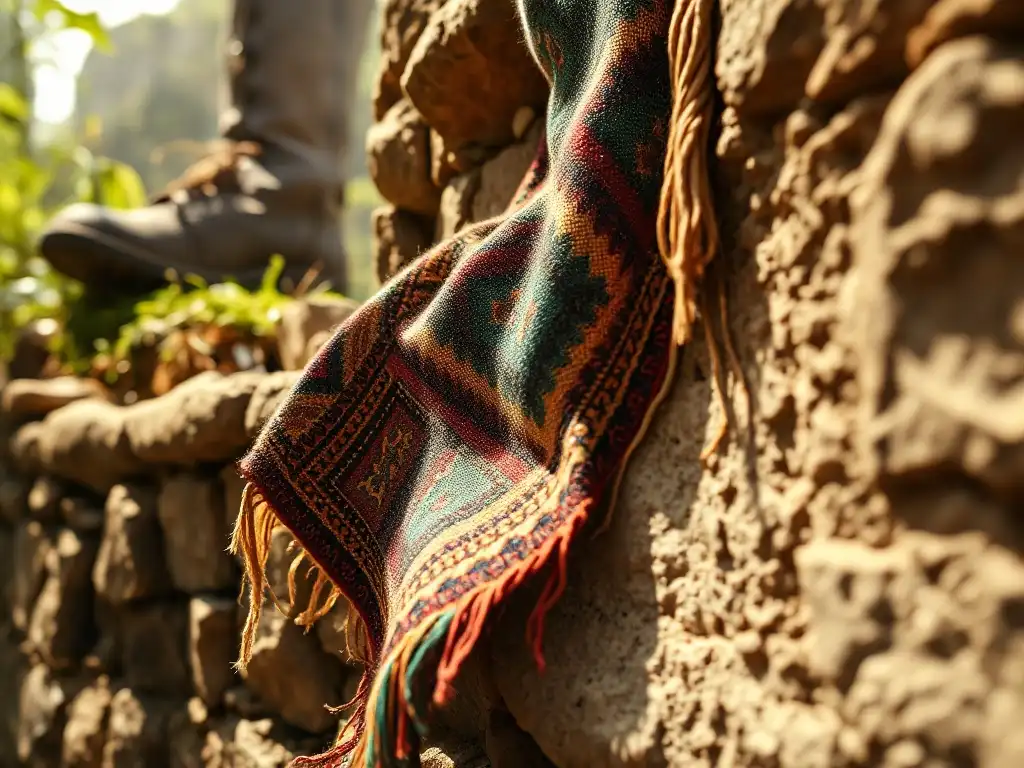
The Spanish conquest had a devastating impact on Inca culture, significantly affecting the production and preservation of Inca textiles. The sudden disruption of the Inca empire led to widespread social and economic upheaval, impacting every aspect of Inca life, including their artistic traditions. The destruction was not solely physical; it also involved the systematic dismantling of the Inca social and political structures that supported textile production.
Disruption of Traditional Inca Practices
The Spanish conquest brought about a dramatic disruption of traditional Inca practices, including textile production. The introduction of new economic systems, the forced labor of indigenous populations, and the suppression of traditional religious practices led to a decline in the production of high-quality Inca textiles. The demand for traditional Andean textiles decreased as Spanish styles and preferences took precedence. This shift in demand drastically reduced the incentives for maintaining traditional Inca textile production methods.
Loss of Cultural Knowledge and Artisans
The conquest also resulted in a significant loss of cultural knowledge and skilled artisans. The systematic suppression of Inca culture and the deaths of many Inca weavers and dyers led to a decline in the transmission of traditional textile-making techniques. This loss of expertise further contributed to the decline of Inca textile production, making the preservation of existing textiles all the more significant. The knowledge accumulated over generations was abruptly interrupted, leaving behind a fragmented legacy.
The Destruction of Inca Artifacts
The Spanish conquest involved the widespread destruction of Inca artifacts, including textiles. Many textiles were deliberately destroyed during the conquest, while others were lost or damaged due to neglect and the disruption of traditional storage and preservation practices. The plundering of Inca temples and palaces resulted in the loss of countless priceless textiles, further diminishing the existing record of Inca textile arts. The destruction of Inca artifacts represents a significant loss of cultural heritage, making the surviving textiles even more precious. The surviving examples are therefore vital in understanding the rich and complex history of Inca textile production.
Inca Textile Preservation Methods: Pre-Conquest
Storage Practices: Dry Environments and Sealed Tombs
The Incas, masters of engineering and meticulous record-keepers, employed various strategies to preserve their exquisite textiles. One key method involved strategic storage in naturally dry environments. High-altitude storage, particularly in areas like the Andes mountains, provided protection from humidity and insect infestations, two major threats to textile longevity. The arid climate significantly slowed down the degradation processes, allowing textiles to endure for centuries.
Furthermore, sealed tombs, often located in remote and inaccessible locations, served as exceptional preservation chambers. The lack of air circulation and the controlled environment within these tombs helped to protect the textiles from the elements and pests. Archaeological discoveries repeatedly demonstrate the effectiveness of these methods, with remarkably well-preserved textiles emerging from such sites.
The meticulous care in selecting storage locations underscores the Incas' deep understanding of the environmental factors affecting textile preservation. We can see evidence of this careful selection in the consistent placement of textiles within tombs and storage facilities in the most favorable microclimates. This deliberate approach highlights the value placed on these precious artifacts.
The Role of Climate and Geography in Preservation
The natural environment of the Andes played a crucial role in the preservation of Inca textiles. The high altitude, characterized by low humidity and intense UV radiation, created conditions less favorable to the growth of microorganisms that could damage the fibers. The dry air, thin atmosphere, and fluctuating temperatures acted as natural preservatives, slowing the decomposition process. The use of natural dyes, often derived from plants and minerals found locally, also contributed to the textiles' resilience.
These dyes, often fixed using natural mordants, proved remarkably stable under the prevailing climatic conditions. The geographic location of many Inca settlements, often nestled in valleys and sheltered from extreme weather patterns, further enhanced the preservation of textiles. The combination of these geographic and climatic factors provided a natural advantage in preserving the Inca's textile heritage. This natural preservation, combined with intentional storage practices, created a remarkable synergy in safeguarding these valuable artifacts.
Inca Textiles as Burial Offerings
Inca burial practices contributed significantly to the preservation of textiles. Textiles were frequently included as grave goods, representing status, wealth, and spiritual significance. The careful wrapping and placement of textiles within tombs, often accompanied by other precious artifacts, further aided preservation. The textiles were often tightly folded or wrapped in layers, minimizing exposure to the elements.
The tombs themselves, carefully constructed and sealed, created a microclimate that protected the textiles from damage. This practice, while rooted in religious beliefs, unintentionally resulted in the remarkable preservation of numerous examples of Inca textile art. The sheer number of well-preserved textiles found in burial sites underscores the importance of this practice in safeguarding Inca textile traditions for posterity. These discoveries continue to provide invaluable insights into the Inca's textile techniques, artistry, and worldview.
Post-Conquest Adaptations and Preservation Strategies
Indigenous Knowledge Adaptation in the Colonial Era
Despite the devastating impact of the Spanish conquest, Inca textile traditions persisted, albeit in modified forms. Indigenous weavers adapted their techniques and materials, incorporating new elements while retaining core elements of their ancestral craft. This process involved a careful balance between preserving traditional knowledge and accommodating the changes brought about by colonization.
The adaptation of existing knowledge, combined with the resilience of the Andean communities, allowed for the continuation of textile production and the preservation of many traditional designs. This adaptation was crucial in ensuring the survival of Inca textile traditions in the face of immense cultural upheaval. The continuous use and transmission of knowledge proved vital in safeguarding this significant part of Inca heritage.
The Influence of European Techniques on Textile Craft
The arrival of the Spanish introduced new textile techniques, tools, and materials to the Andean region. While some indigenous techniques were replaced or modified, others persisted, often blending with the newly introduced methods. The integration of European elements, such as certain dyes or weaving structures, resulted in a hybrid textile tradition, reflecting the complex interplay between indigenous and European cultures. This fusion created a unique evolution of Inca textile art, preserving its core identity while incorporating new influences.
The adaptation and innovation demonstrated the resilience and adaptability of Inca textile traditions. This process highlights how cultural exchange can affect traditional crafts, leading to both continuity and change. Examples of this fusion can be found in the surviving textiles from the colonial period.
How Inca Textile Designs Survived Through Weavers
The survival of Inca textile designs can largely be attributed to the dedication and skill of Andean weavers who transmitted their knowledge across generations. Oral traditions, coupled with practical demonstrations, played a vital role in maintaining the continuity of design patterns and weaving techniques. These weavers adapted and innovated, but they also preserved the essence of their ancestral craft. The passing down of knowledge from mother to daughter, and from master weaver to apprentice, ensured the survival of intricate designs and weaving styles.
This continuous transmission of knowledge, despite the challenges of colonization, demonstrated the strength and resilience of Inca cultural heritage. This process of oral transmission, combined with the practical application of weaving skills, is a testament to the perseverance of Inca textile traditions. The continued use of these designs in contemporary Andean weaving further demonstrates their enduring legacy.
The Role of Museums and Collections in Protecting Inca Textiles
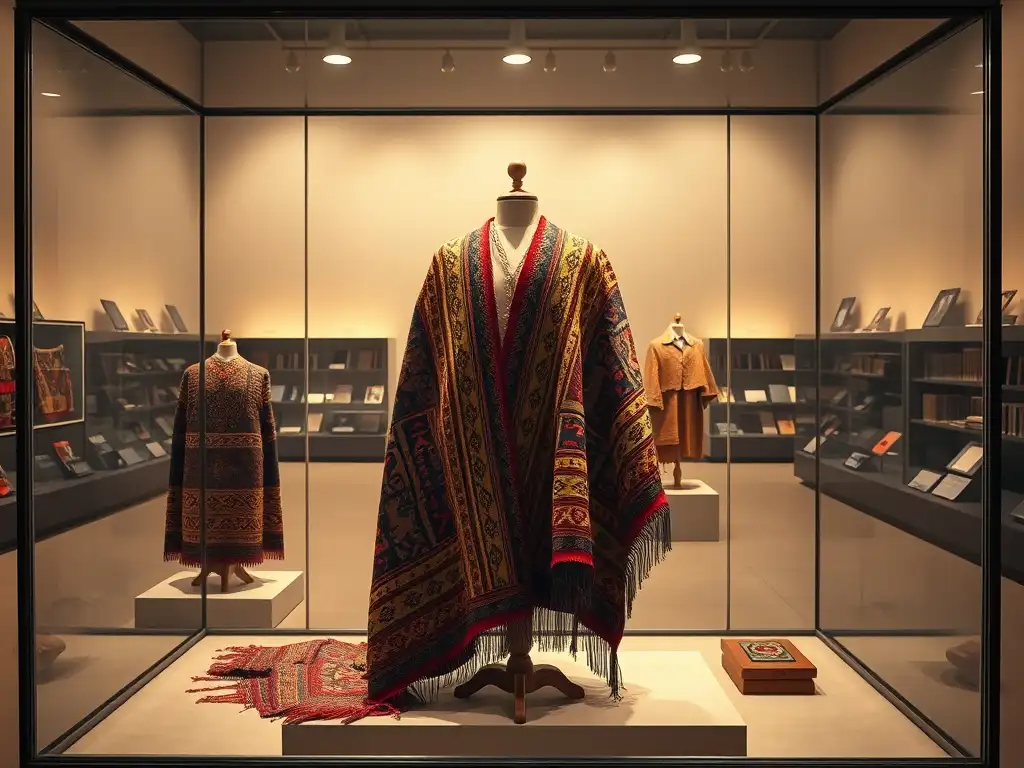
Museums play a crucial role in the preservation of Inca textiles. They provide controlled environments, safeguarding these delicate artifacts from the damaging effects of light, temperature fluctuations, and humidity. Many renowned museums, both in South America and internationally, house significant collections of Inca textiles.
These institutions not only exhibit these treasures but also dedicate considerable resources to their conservation and study. Curators and conservators meticulously monitor the condition of each piece, employing specialized techniques to prevent further deterioration. The meticulous cataloging and documentation of these textiles are also vital, ensuring accurate records of their provenance, materials, and techniques.
This detailed information forms the basis for future research and understanding of Inca textile production and artistry. Furthermore, museums serve as centers for research, attracting scholars from around the world to study these invaluable artifacts and contribute to our collective knowledge of Inca culture. The collaborative efforts of these institutions are instrumental in the long-term preservation of Inca textile heritage.
The Importance of Conservation and Restoration
Conservation and restoration are paramount for the long-term survival of Inca textiles. These processes involve careful cleaning, stabilization, and repair of damaged fibers. Conservators use specialized tools and techniques, such as micro-surgery, to mend tears and stabilize fragile areas. The choice of materials used in restoration is crucial; they must be compatible with the original textile fibers and reversible, allowing for future adjustments as our understanding of conservation evolves.
The process is meticulously documented, creating a detailed record of the interventions performed. This documentation is invaluable for future researchers and ensures the transparency and integrity of the conservation efforts. The goal is not to alter the historical integrity of the textiles, but rather to stabilize them and prevent further deterioration, ensuring their accessibility for future generations. This meticulous approach reflects a deep respect for the cultural significance of these artifacts.
Examples: The Paracas Mantles and the Coricancha Tapestries
The Paracas mantles, while predating the Inca empire, offer a fascinating glimpse into the sophisticated textile traditions that preceded the Inca. Their intricate designs and masterful weaving techniques demonstrate a high level of artistry and technical skill, setting the stage for the later Inca achievements. These mantles, often found in burial contexts, provide valuable insights into the cultural and religious beliefs of the Paracas people. Similarly, the tapestries from the Coricancha, the Inca's main temple in Cusco, represent the pinnacle of Inca textile artistry.
Although many were destroyed during the Spanish conquest, surviving fragments showcase the use of vibrant colors, intricate patterns, and high-quality materials. These fragments, carefully preserved and studied, offer valuable information about Inca iconography, cosmology, and social structure. The preservation of these examples showcases the enduring power of textile art to convey cultural meaning across centuries.
Archaeological Discoveries and Textile Recovery
Archaeological excavations continue to unearth significant Inca textiles, adding to our understanding of their production and use. These discoveries often involve delicate recovery processes, minimizing damage to the artifacts during their removal from the ground. Textiles found in burial sites, often well-preserved due to the arid conditions, provide invaluable insights into Inca funerary practices and social hierarchy.
The careful documentation of the context in which these textiles are found is essential, enriching our understanding of their cultural significance. The analysis of dyes, fibers, and weaving techniques employed in these textiles provides crucial information about Inca technology and artistic practices. Each new discovery offers opportunities to refine our understanding of Inca textile production and its place within the broader context of Andean civilization.
Challenges in Preserving Inca Textile Heritage Today
Despite significant efforts, preserving Inca textiles remains a significant challenge. The delicate nature of these artifacts makes them vulnerable to a variety of threats, requiring ongoing vigilance and proactive measures. The preservation of this valuable cultural heritage requires a multi-faceted approach, combining technological advancements with traditional techniques. Furthermore, the ongoing threat of illicit trafficking necessitates international collaboration and strict regulations to protect these irreplaceable artifacts. The long-term preservation of Inca textile heritage is a responsibility shared by governments, museums, researchers, and the public.
Environmental Factors and Degradation
Environmental factors such as light, temperature, and humidity pose a significant threat to Inca textile preservation. Exposure to ultraviolet (UV) light can cause fading and fiber degradation. Fluctuations in temperature and humidity can lead to shrinkage, warping, and embrittlement. Controlling these environmental factors within museums and storage facilities is crucial for slowing down the deterioration process. Modern climate-controlled storage facilities and the use of UV-filtering materials play a vital role in mitigating these environmental risks. Ongoing monitoring and adjustments to environmental conditions are necessary to ensure the long-term health of these delicate artifacts.
The Threat of Illicit Trafficking
The illegal trafficking of Inca textiles represents a major challenge to their preservation. Stolen artifacts often end up in private collections, where they lack the proper care and are vulnerable to damage or destruction. Combating this illicit trade requires international cooperation, strengthened laws, and increased public awareness.
The collaboration of law enforcement agencies, museums, and researchers is essential in tracking down stolen artifacts and preventing their sale. Educating the public about the importance of protecting cultural heritage can help reduce the demand for illicitly acquired artifacts. Stricter regulations and penalties for those involved in trafficking are also critical in deterring this illegal activity.
The Importance of Cultural Heritage Education
Educating the public about the importance of Inca textile heritage is crucial for its long-term preservation. By raising awareness of the fragility and cultural significance of these artifacts, we can encourage responsible stewardship and discourage actions that could lead to their damage or destruction. Educational programs in schools and museums can play a vital role in fostering a sense of appreciation and respect for this invaluable aspect of Andean cultural heritage.
The dissemination of information through various channels – including museums, online platforms, and publications – can help to engage a wider audience and foster a sense of collective responsibility in protecting these invaluable artifacts for future generations. This proactive approach is essential for ensuring that Inca textiles continue to inspire and educate for centuries to come.
Conclusion: The Enduring Legacy of Inca Textiles
The Spanish conquest of the Inca Empire brought about immense upheaval and destruction, yet the legacy of Inca textile art remarkably persevered. Despite the systematic dismantling of the Inca social structure and the suppression of their traditions, the intricate weaving techniques, vibrant colors, and symbolic designs continued to resonate through generations. This enduring legacy speaks volumes about the cultural significance of textiles within Inca society, their inherent artistry, and the resilience of the Andean people.
The survival of these textiles provides invaluable insights into Inca life, beliefs, and artistic capabilities, offering a tangible connection to a lost civilization. Their continued study and appreciation ensure that the creativity and skill of Inca artisans are not forgotten. The enduring power of these textiles serves as a testament to the profound impact of Inca culture and the enduring human spirit.
The Resilience of Inca Textile Art
The resilience of Inca textile art in the face of conquest can be attributed to several factors. Firstly, the inherent durability of the materials used—alpaca and llama wool, cotton—contributed to the survival of many textiles. These natural fibers, when expertly spun and woven, proved resistant to the ravages of time and the elements. Secondly, the practical importance of textiles in Andean life ensured their continued production even after the conquest.
Clothing, blankets, and other essential items remained indispensable, necessitating the transmission of weaving skills across generations. The incorporation of Spanish influences into textile designs highlights the adaptability and resilience of Inca artisans. Rather than a complete erasure of Inca traditions, we see a fascinating fusion of indigenous techniques and newly introduced elements, a testament to the creativity and resourcefulness of the Andean people. This blending of styles is reflected in the surviving textiles, creating a unique historical record.
The Ongoing Efforts to Preserve and Promote Inca Textiles
Today, the preservation and promotion of Inca textiles are ongoing endeavors, involving dedicated researchers, textile conservators, and museums worldwide. Sophisticated techniques are employed to carefully clean, repair, and store these delicate artifacts, ensuring their long-term survival. Digital documentation and advanced imaging technologies are used to meticulously record the intricate details of each textile, creating comprehensive digital archives accessible to researchers and the public.
Moreover, efforts are underway to revitalize traditional Inca weaving techniques, supporting contemporary Andean artisans who continue to practice these ancestral skills. Museums organize exhibitions and educational programs to increase public awareness of Inca textile art, highlighting its artistic and historical significance.
These combined efforts ensure that the legacy of Inca textile art continues to inspire and educate future generations, fostering a deeper understanding and appreciation of Andean culture and history. The ongoing work underscores the importance of preserving cultural heritage for its intrinsic value and its ability to connect us to our shared past.
- Introduction to Inca Textile Heritage
- The Significance of Textiles in Inca Society
- Inca Textile Materials and Techniques
- The Impact of the Spanish Conquest on Inca Culture
- Inca Textile Preservation Methods: Pre-Conquest
- Post-Conquest Adaptations and Preservation Strategies
- The Role of Museums and Collections in Protecting Inca Textiles
- Challenges in Preserving Inca Textile Heritage Today
- Conclusion: The Enduring Legacy of Inca Textiles
Frequently Asked Questions
What techniques did the Inca use to preserve their textiles?
The Inca employed several preservation methods, including natural dyes derived from plants and insects, meticulous weaving techniques resulting in durable fabrics, and storage in dry, dark places to prevent damage from light and moisture.
How did the Spanish conquest impact Inca textile preservation?
The conquest significantly disrupted traditional practices. Looting and destruction of artifacts were widespread, impacting the survival of many textiles. New European textiles also competed with and sometimes replaced indigenous materials.
What are some challenges in preserving Inca textiles today?
Modern challenges include environmental factors like humidity and light exposure, as well as biodegradation and the delicate nature of the materials themselves. Careful handling and climate control are crucial.
Where can I see preserved Inca textiles today?
Many museums worldwide house collections of Inca textiles, including those in Peru, the United States, and Europe. Check local museum websites for exhibitions and collections.
What modern methods are used to conserve Inca textiles?
Modern conservation involves specialized cleaning techniques, controlled environments, and advanced imaging technologies to assess the condition and guide treatment. Ethical considerations are paramount to minimize further damage.
Final Reflection: Weaving a Legacy Through Time
The ingenious preservation methods employed by the Inca to safeguard their textile arts remain a testament to their ingenuity and cultural resilience, a legacy that continues to inspire awe and inform contemporary conservation practices. The intricate techniques, the vibrant colors enduring across centuries, and the sheer artistry displayed in surviving textiles offer a powerful counterpoint to the destructive forces of conquest. Their survival speaks volumes about the enduring power of human creativity and the importance of cultural heritage.
The impact of Inca textile traditions extends far beyond the realm of historical artifacts; they continue to shape our understanding of Andean culture and inspire contemporary artists and designers. Their sophisticated techniques, the symbolic language woven into the fabrics, and the sheer artistry involved serve as a powerful reminder of the interconnectedness of past and present. The threads of the past are woven into the fabric of the future.
This sentiment perfectly encapsulates the ongoing influence of Inca textile arts, not only in the field of preservation but also in the broader cultural landscape. Their legacy reminds us of the importance of preserving cultural heritage for future generations.
Consider, for a moment, the intricate detail in each surviving textile. Imagine the hands that created them, the stories they tell, the knowledge passed down through generations. You too can be a part of this legacy. By supporting ethical sourcing of textiles, appreciating the artistry of handcrafted goods, and advocating for the preservation of cultural heritage, you actively participate in ensuring that the vibrant threads of the Inca textile tradition continue to inspire and enrich our world for centuries to come.
Embrace the Legacy of Inca Textile Arts!
Thank you for exploring the fascinating world of Inca textile arts! You've discovered not only the beauty of these ancient crafts but also the enduring strength of their cultural heritage. Now, you can actively participate in celebrating this rich legacy. Here are some meaningful ways to get involved:
- Join a local weaving workshop or online course to learn traditional techniques and help keep this ancient craft alive.
- Share your newfound knowledge by discussing the importance of Inca textile arts with friends, family, or on social media – let's spread the word!
- Learn more by exploring books and documentaries about Inca history to deepen your understanding and appreciation of their artistry.
What aspect of Inca textile arts inspires you most? Share your thoughts below!