
The Chavín Shaman: Bridging the Worlds of the Living and the Divine

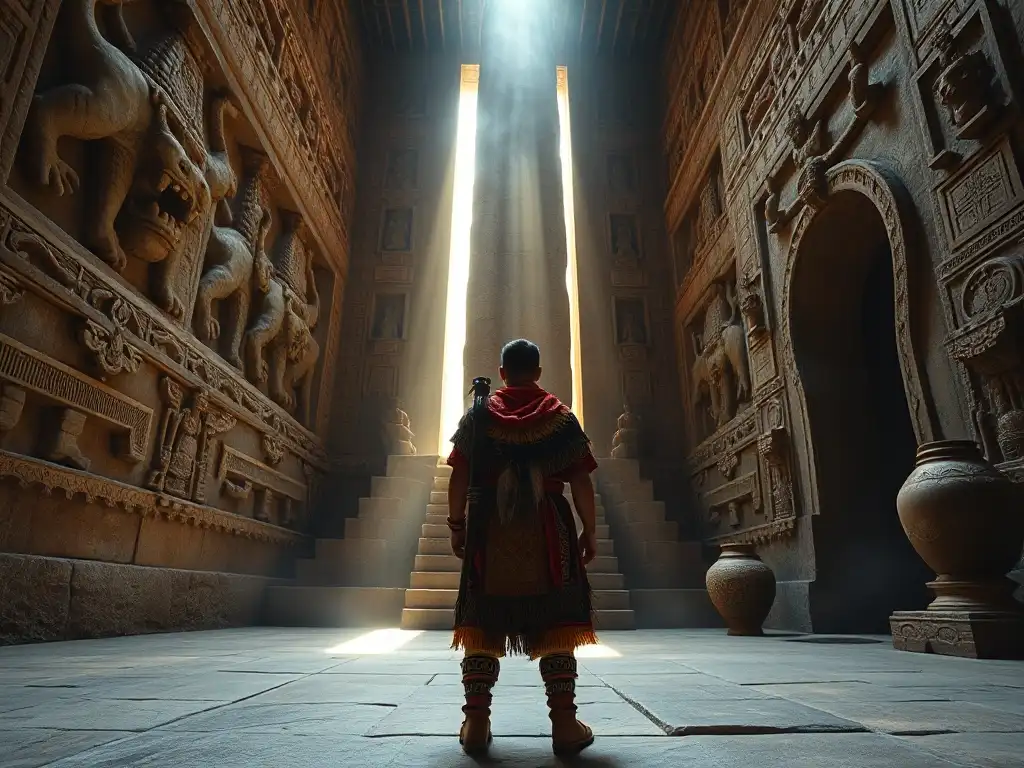
Step into a world lost to time, yet echoing with power and mystery. Dive into the captivating realm of the Andean civilizations, where ingenuity blossomed amidst breathtaking landscapes. But prepare to be truly enthralled by the Chavín culture shamanistic practices, a journey into the heart of pre-Incan spirituality. Uncover the secrets of these enigmatic rituals, and witness how these ancient Andean shamans bridged the worlds of the living and the divine. Dare to explore... the path awaits.
The Chavín culture, flourishing in the Andes Mountains of Peru from approximately 900 to 200 BCE, left behind a legacy of monumental architecture, intricate artistry, and a deeply complex religious system. Central to this system was the shaman, a powerful intermediary figure who navigated the realms of the living and the divine.
This article delves into the fascinating world of Chavín shamanistic practices, exploring their rituals, iconography, and the profound impact they had on the social and political landscape of the time. We will investigate how these practices shaped the beliefs and worldview of the Chavín people, providing a deeper understanding of their sophisticated culture and its lasting influence on subsequent Andean civilizations.
Understanding Chavín shamanism is key to unlocking the secrets of this enigmatic culture and its significant contribution to the tapestry of Andean history. The evidence suggests a highly developed spiritual system, where the shaman played a pivotal role in maintaining cosmic order and ensuring the well-being of the community.
The Role of the Chavín Shaman in Society
The Chavín shaman wasn't merely a religious leader; they were a powerful figurehead, often acting as advisors to the ruling elite. Their influence extended far beyond spiritual matters, impacting political decisions, agricultural practices, and even warfare. Archaeological evidence suggests that shamans held significant social standing, possibly inheriting their position through lineage or achieving it through rigorous training and demonstrated abilities.
Their expertise in ritual practices and their perceived connection to the supernatural world granted them considerable authority and respect within their communities. The elaborate ceremonies they conducted served not only to appease the gods but also to solidify their power and maintain social harmony. Furthermore, the shaman's knowledge of medicinal plants and healing techniques likely contributed to their elevated status within the society.
Ritual Practices and Iconography: Deciphering Chavín Spirituality
Chavín religious practices were highly symbolic and often involved the use of hallucinogenic substances, such as the San Pedro cactus, to induce altered states of consciousness. These rituals, facilitated by the shaman, were believed to allow communication with the spirit world and access to divine knowledge. The iconography associated with Chavín shamanism is equally fascinating, featuring intricate carvings and representations of supernatural beings, often depicted with feline, avian, and reptilian attributes.
These figures, frequently found in temples and ceremonial objects, likely represented powerful deities or spirits with whom the shaman interacted during rituals. The intricate carvings and motifs found on ceremonial objects, such as pottery and textiles, further illuminate the complexities of their religious beliefs and the shaman's role in interpreting them. The repetition of certain symbols across different artifacts suggests a standardized system of religious beliefs and practices, indicative of a highly organized and centralized religious structure.
Archaeological Evidence: Unveiling the Secrets of Chavín Shamanism
The impressive ruins of Chavín de Huántar stand as a testament to the power and influence of the Chavín culture. The temple complex, with its intricate network of tunnels, galleries, and plazas, served as a central hub for religious ceremonies and shamanistic practices.
Archaeologists have unearthed numerous artifacts within the site, including intricately carved stones, ceremonial objects, and human remains, all of which provide valuable insights into the lives and beliefs of the Chavín people. The discovery of specific artifacts, such as carved stones depicting shamanistic figures and paraphernalia associated with ritual practices, strengthens our understanding of the role of the shaman within the Chavín society.
Analysis of these artifacts, coupled with anthropological studies of other Andean cultures, helps to reconstruct the rituals and practices likely performed by Chavín shamans. Further research and excavation at Chavín de Huántar and other related sites are crucial to gaining a more complete picture of their shamanistic practices.
The Lasting Legacy of Chavín Shamanistic Practices
The influence of Chavín shamanism extended far beyond its geographical boundaries and temporal limits. Many of the iconographic motifs and religious themes associated with the Chavín culture reappear in subsequent Andean cultures, suggesting a powerful and enduring legacy. This cultural diffusion demonstrates the profound impact that Chavín shamanistic practices had on the development of religious beliefs and practices throughout the Andes region.
The stylistic elements and religious themes found in later cultures often echo the iconography and symbolism of the Chavín, suggesting a continuity of religious traditions and beliefs. Understanding the Chavín shamanistic practices is therefore essential for a complete understanding of the broader development of Andean religious thought and cultural practices. The legacy of the Chavín culture continues to resonate in the rich cultural tapestry of the Andes, highlighting the profound and lasting impact of their shamanistic traditions.
- The Role of the Chavín Shaman in Society
- Ritual Practices and Iconography: Deciphering Chavín Spirituality
- Archaeological Evidence: Unveiling the Secrets of Chavín Shamanism
- The Lasting Legacy of Chavín Shamanistic Practices
- What were the key features of Chavín culture shamanistic practices?
- How did Chavín shamans use hallucinogens in their rituals?
- What role did art play in Chavín shamanistic practices?
- What evidence exists to support the claims about Chavín shamanistic practices?
- How did Chavín shamanistic practices influence other Andean cultures?
Understanding the Role of the Shaman in Chavín Culture
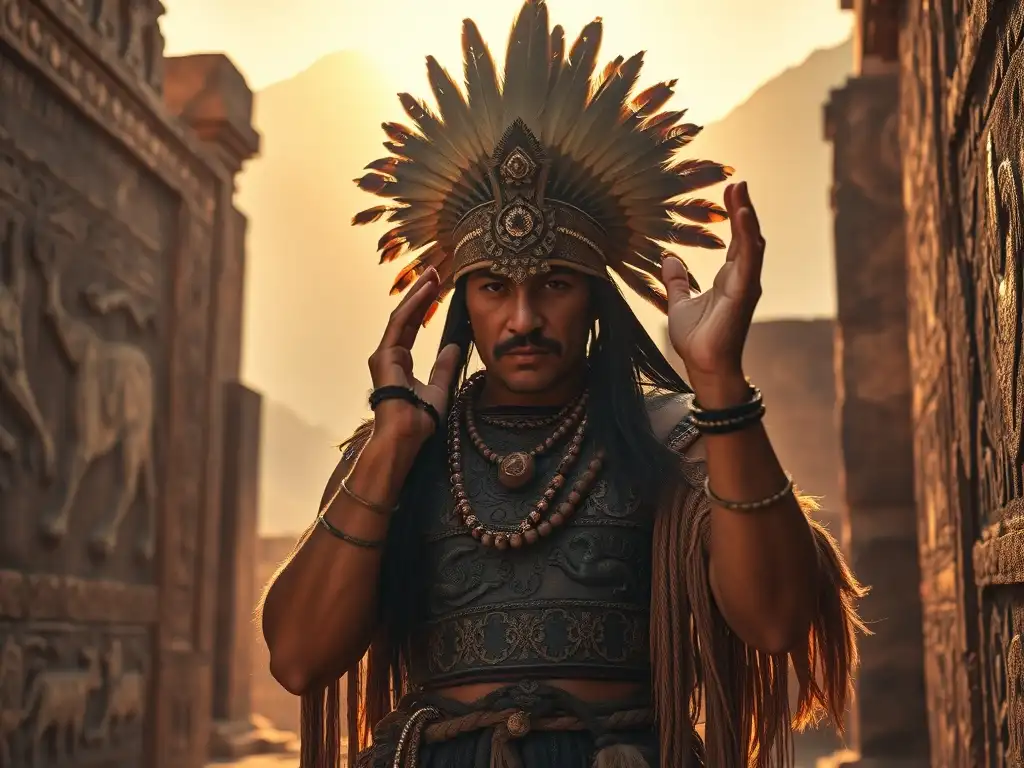
The Chavín culture, flourishing in the northern Andes from approximately 900 to 200 BCE, is renowned for its enigmatic religious beliefs and practices. Central to this complex religious system was the shaman, a figure who acted as a bridge between the mundane world and the supernatural realm. Understanding the role of the shaman is crucial to deciphering the intricacies of Chavín culture and its lasting impact on subsequent Andean societies.
The evidence suggests a highly stratified society, with the shaman occupying a position of immense power and prestige, wielding significant influence over the daily lives and spiritual well-being of the Chavín people. Their authority stemmed not only from their purported ability to communicate with the spirit world but also from their mastery of ritual practices and their deep understanding of the cosmos.
Archaeological findings, including intricate carvings on ceremonial objects and the layout of monumental architecture, provide glimpses into the complex rituals and beliefs surrounding these powerful figures. The power dynamics inherent in this religious system are still being actively researched and debated by scholars today, with new discoveries continuously enriching our understanding.
The Shaman as a Central Figure in Chavín Society
The shaman wasn't merely a religious leader; they were an integral part of the social fabric of Chavín society. Their influence extended far beyond spiritual matters, encompassing aspects of political leadership, economic control, and social organization. Evidence suggests that shamans played a crucial role in mediating conflicts, resolving disputes, and maintaining social harmony.
Their pronouncements were likely considered authoritative, shaping decisions related to agriculture, warfare, and trade. The construction of monumental structures like the Chavín de Huántar temple complex itself points towards a highly organized society capable of mobilizing significant resources, a feat likely orchestrated, at least in part, by the shaman's influence. Moreover, the depiction of shamans in Chavín art – often portrayed with elaborate headdresses, adorned with symbolic imagery representing both terrestrial and celestial forces – underscores their elevated social status and the reverence with which they were held.
Their role was not just spiritual; it was deeply intertwined with the political and economic realities of the Chavín world. Further research into the social organization of Chavín society is needed to fully understand the extent of the shaman's authority and influence. We can, however, confidently state that the shaman occupied a pivotal role, a keystone in the societal architecture of the Chavín civilization.
Chavín Shamanism: Connecting with the Supernatural Realm
Chavín shamanistic practices were primarily focused on accessing and manipulating the supernatural realm. This involved a range of techniques, including altered states of consciousness induced through ritualistic practices, possibly involving hallucinogenic substances like the San Pedro cactus. The iconography found throughout Chavín art provides compelling evidence of this connection to the spirit world. Depictions of hybrid creatures, supernatural beings, and complex mythological scenes suggest a rich cosmology involving a pantheon of deities and spirits.
These beings, often represented with feline, avian, or reptilian features, likely embodied various natural forces and spiritual powers. The shaman, through their rituals and trance states, acted as a conduit, communicating with these supernatural entities and influencing their actions. This communication was crucial for ensuring successful harvests, protection from natural disasters, and victory in warfare. The intricate carvings and designs adorning ceremonial objects – such as the Lanzón monolith – likely served as aids in these rituals, facilitating the shaman’s journey to the supernatural realm and their communication with the spirit world.
The shaman's ability to manipulate these forces determined their social standing and influence within the community. The very survival of the community was believed to be intricately tied to the shaman’s success in these interactions with the divine. The study of Chavín shamanism continues to reveal fascinating insights into the complex spiritual beliefs of this enigmatic civilization.
Chavín Culture Shamanistic Practices and Rituals
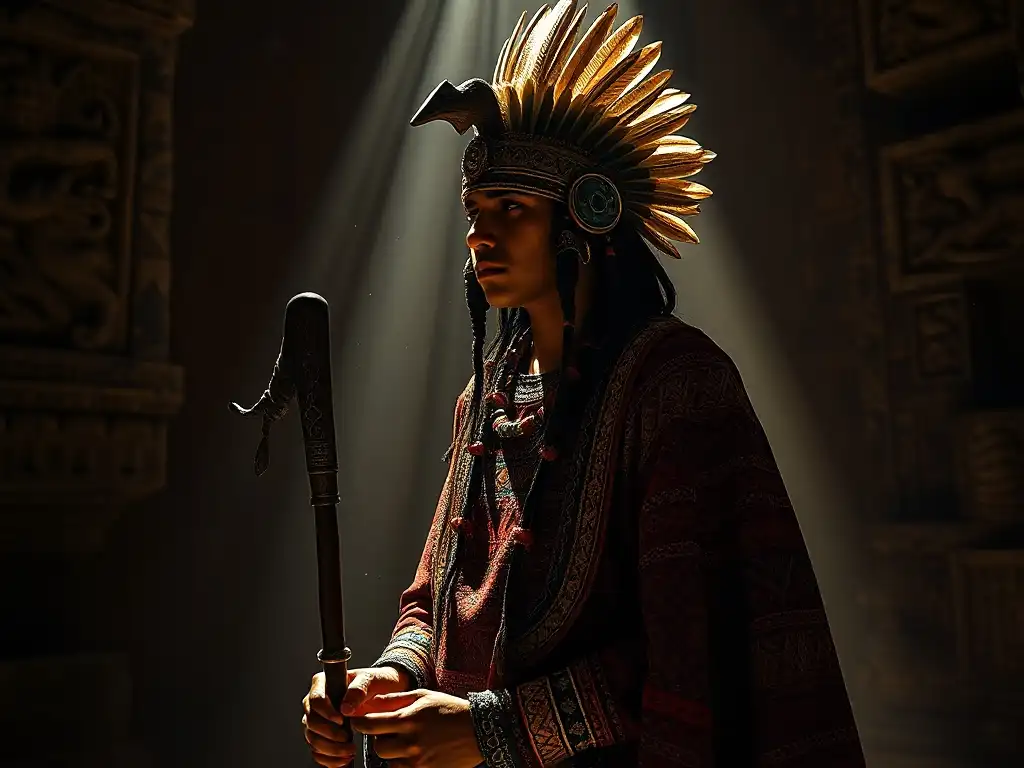
The Chavín culture, flourishing in the northern Andes from approximately 900 to 200 BCE, is renowned for its sophisticated religious beliefs and practices deeply intertwined with shamanism. Evidence suggests a complex system of rituals and ceremonies, meticulously orchestrated by highly specialized individuals—the Chavín shamans—to mediate between the human and supernatural realms. Understanding Chavín shamanistic practices provides crucial insight into the worldview and societal structure of this influential pre-Inca civilization.
The pervasive influence of Chavín religious iconography, found across a vast geographical area, underscores the power and reach of their shamanistic traditions and its impact on subsequent Andean cultures. These practices weren't merely spiritual exercises; they were integral to maintaining social order, ensuring agricultural prosperity, and interpreting the will of the divine. The study of Chavín shamanism offers a fascinating glimpse into a complex belief system that shaped the lives of Andean peoples for centuries.
Rituals and Ceremonies Led by Chavín Shamans
Chavín shamans presided over elaborate rituals and ceremonies, often held within the monumental temple complexes. These weren't spontaneous events; extensive preparation would have been necessary, involving the selection of specific dates, the gathering of offerings, and the careful arrangement of the ceremonial space. Archaeological evidence, such as the carefully carved stone sculptures and intricately designed pottery found in these temples, points to a highly structured and symbolic ritual process. The iconography, frequently depicting hybrid creatures and deities, likely represented the shaman's journey into the spirit world.
Many scholars believe that a significant aspect of these rituals involved trance states, induced through various means, allowing the shaman to access and interact with the supernatural realm. The shaman's role wasn't simply to perform the rituals; they were interpreters of the divine, providing guidance and prophecy for the community. Evidence suggests that these rituals were crucial for maintaining the social and political order, ensuring successful harvests, and resolving conflicts within the community.
The sheer scale and complexity of the Chavín temple complexes suggest the immense importance placed on these shamanistic practices within the society. The precise details of many rituals remain shrouded in mystery, but ongoing research continues to shed light on these fascinating aspects of Chavín culture.
The Use of Hallucinogenic Substances in Chavín Shamanism
The use of hallucinogenic substances, particularly those derived from plants like Brugmansia (angel's trumpets) and possibly Datura, is strongly suspected to have played a significant role in Chavín shamanistic practices. These substances, when ingested, could induce altered states of consciousness, allowing the shaman to experience visions and communicate with the spirit world. The intricate carvings and depictions on Chavín artifacts, often featuring fantastical creatures and distorted figures, might reflect these hallucinatory experiences. The shaman's ability to navigate and interpret these altered states would have been crucial to their role as intermediaries between the human and spiritual realms.
The potential use of these substances doesn't necessarily imply uncontrolled or recreational use. Instead, it suggests a highly ritualized and controlled context, where the ingestion of these substances was a carefully planned and sacred act, overseen by the shaman. The precise methods of preparation and administration remain unknown, but research into similar practices in other Andean cultures provides valuable clues.
The presence of specific plant remains in archaeological contexts associated with Chavín sites could offer further evidence, although definitive proof remains elusive. Further research focusing on chemical analysis of artifacts and contextual analysis of associated finds is needed to better understand the role of hallucinogens within the Chavín shamanistic system.
Chavín Ritual Artifacts: Tools of the Shaman
A range of artifacts found in Chavín sites serve as tangible evidence of their shamanistic practices. These objects, meticulously crafted from stone, bone, and precious metals, weren't merely decorative; they were tools of the shaman's trade, enhancing their power and facilitating their connection to the supernatural. Examples include intricately carved stone sculptures depicting deities and hybrid creatures, often with exaggerated features representing the shaman's visions and experiences in altered states of consciousness.
Other key artifacts include ceremonial vessels, likely used to prepare and administer hallucinogenic substances. These vessels often feature complex iconography, reflecting the shaman's journey into the spirit world. Additionally, specialized tools, such as obsidian blades and bone needles, might have been used in ritualistic practices. The presence of these artifacts in specific contexts within the temple complexes suggests their importance in the performance of rituals and ceremonies.
The craftsmanship and symbolic significance of these artifacts highlight the sophisticated nature of Chavín shamanism and its integral role within their society. Analyzing these artifacts provides valuable insights into the belief system, rituals, and social structure of this remarkable civilization. The analysis of these objects, combined with careful contextual archaeological study, continues to unveil the secrets of Chavín shamanistic practices.
The Chavín Shaman's Journey and Transformation
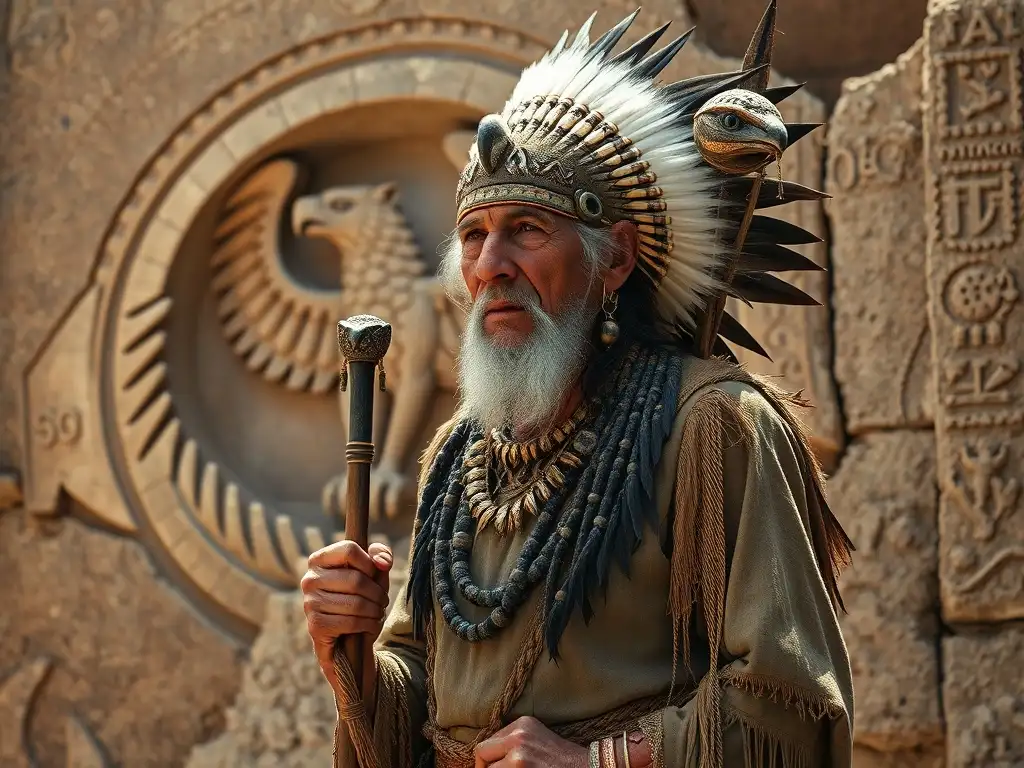
The Chavín culture, flourishing in the Andes from approximately 900 to 200 BCE, is renowned for its sophisticated religious beliefs and practices deeply intertwined with shamanism. Understanding the Chavín shamanistic practices requires delving into the arduous journey and transformative experiences these spiritual leaders underwent. Their role wasn't merely ritualistic; it was a vital link between the human and divine realms, impacting the very fabric of Chavín society.
The power and influence wielded by these shamans stemmed from their rigorous training and profound spiritual transformations. Evidence suggests a complex system of initiation and training, emphasizing both physical and mental discipline, to prepare individuals for their sacred duties. The Chavín shaman wasn't born into their role; they became it through a process of intense spiritual and physical trials.
This section explores the multifaceted aspects of their journey, focusing on the rigorous initiations, the transformative experiences, and their ultimate role in maintaining cosmic balance within the Chavín worldview. The understanding of these "Chavín culture shamanistic practices" provides crucial insight into the society's structure and beliefs.
Initiations and Training of Chavín Shamans
The path to becoming a Chavín shaman was undoubtedly challenging and selective. Archaeological evidence, while limited, suggests a rigorous initiation process. This likely involved years of intense training, encompassing physical endurance tests, dietary restrictions, and advanced knowledge of medicinal plants and hallucinogens.
The use of these substances, such as Anadenanthera peregrina (also known as yopo), was likely crucial in inducing altered states of consciousness, allowing for communication with the spirit world. These initiations weren't just physical; they were deeply spiritual, designed to test the candidate's resilience, commitment, and ability to withstand intense sensory and psychological experiences. We can infer from the intricate iconography found in Chavín art—depictions of supernatural beings, hybrid creatures, and complex rituals—that the training involved mastering symbolic language and interpreting the visions induced through altered states.
Furthermore, apprentices likely spent years studying under experienced shamans, learning the intricate details of ritual practices, medicinal knowledge, and the interpretation of omens and prophecies. The process was likely a combination of rigorous physical and mental discipline, aiming to forge individuals capable of bridging the gap between the human and supernatural worlds. The mastery of these "Chavín culture shamanistic practices" was not easily achieved.
The Shaman's Transformation into an Animal Spirit
A central aspect of Chavín shamanistic practices was the shaman's ability to transform into, or commune with, animal spirits. This transformation wasn't a mere symbolic act; it was believed to grant the shaman access to the powers and knowledge of the animal spirit. Chavín art is replete with representations of hybrid beings—creatures combining human and animal features—reflecting this belief.
The jaguar, a powerful symbol in Chavín iconography, frequently appears in these hybrid forms, suggesting its importance in shamanistic practices. The transformation might have involved intense rituals, possibly aided by hallucinogens, enabling the shaman to enter an altered state of consciousness where the boundaries between the human and animal realms blurred. This process likely involved intense spiritual preparation, allowing the shaman to access and embody the animal's essence, gaining access to its specific skills, instincts, and spiritual power.
The ability to assume such forms was not only a demonstration of spiritual prowess but also a crucial element in the shaman's ability to interact with the spirit world, influencing the natural order and mediating between the human and divine. This aspect of "Chavín culture shamanistic practices" points to a complex system of belief centered around animal spirits and their relationship to the human world.
The Chavín Shaman's Role in Maintaining Cosmic Balance
The Chavín shaman played a pivotal role in maintaining the cosmic balance within their society. This wasn't merely a religious function; it was integral to the well-being of the community. The shaman's ability to interact with the spirit world allowed them to influence events affecting the community, such as weather patterns, harvests, and the health of individuals.
Through rituals and ceremonies, they sought to appease the gods, ensure the fertility of the land, and protect the community from harm. The intricate designs found on Chavín artifacts, such as the Lanzón monolith, may represent the shaman's attempts to visually depict and control the cosmic forces they interacted with. The shaman's role extended beyond ritualistic practices; they were often involved in healing, divination, and conflict resolution, acting as mediators between individuals and the community, as well as between the human and spiritual realms.
Their understanding of the natural world, combined with their spiritual abilities, made them indispensable figures within Chavín society. The significance of these "Chavín culture shamanistic practices" lies in their critical role in maintaining social order and ensuring the community's prosperity. Their actions directly impacted the collective well-being of the Chavín people.
Visual Representations of the Chavín Shaman
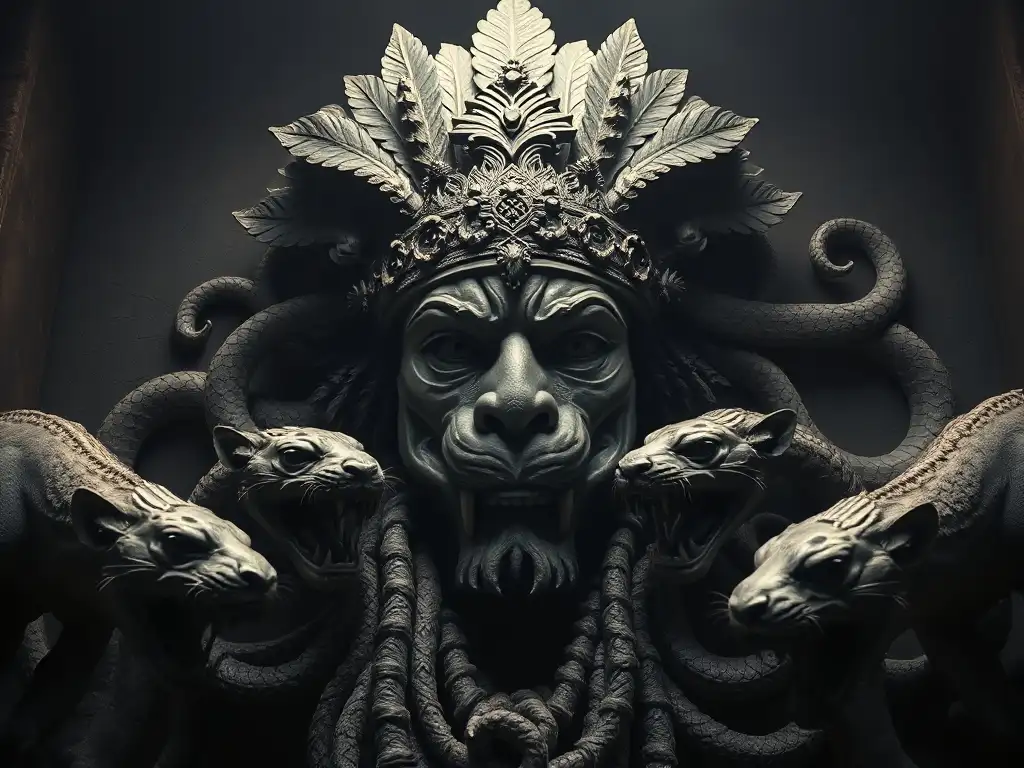
The Chavín culture, flourishing in the Andean highlands of Peru from approximately 900 to 200 BCE, left behind a rich legacy of art that offers invaluable insights into their complex shamanistic practices. Understanding the visual representations of the Chavín shaman is crucial to deciphering their religious beliefs and societal structure. These depictions, often found in intricate carvings on stone and ceramics, reveal a sophisticated understanding of symbolism and ritual, reflecting the central role of the shaman in Chavín society.
The stylistic choices and recurring motifs provide a window into the shaman's perceived power and connection to the supernatural realm. Analyzing these visual clues allows us to reconstruct a more complete picture of Chavín culture and its unique shamanistic traditions.
The prevalence of these images highlights their importance and the deep reverence held for the shaman within the community. Further research into the specific contexts of these artistic representations could potentially shed light on the various roles and functions of the Chavín shaman.
Iconography of the Shaman in Chavín Art
Chavín art frequently depicts shamans in highly stylized forms. They are often portrayed with exaggerated features, emphasizing their otherworldly nature. Common iconographic elements include:
- Feline features: Many depictions incorporate feline traits such as fangs, claws, and piercing eyes, suggesting a connection between the shaman and powerful feline deities or spirits. This zoomorphic representation likely symbolized the shaman's ability to transform into or communicate with these powerful beings.
- Serpentine motifs: Snakes and other serpentine forms frequently appear intertwined with or surrounding the shamanic figure, alluding to the shaman's control over the life force and the underworld. The serpent, a symbol of transformation and regeneration across many cultures, reinforces the shaman's role as a mediator between the living and the dead.
- Trance-like states: The shamans are often depicted in postures suggestive of altered states of consciousness, such as trance or ecstasy, further emphasizing their ability to access and manipulate spiritual forces. The stylized representations often lack realistic human proportions, emphasizing the shaman's supernatural capabilities.
- Staff and paraphernalia: The shamans are frequently shown holding staffs, ceremonial objects, and other paraphernalia, which likely played a significant role in their rituals. These objects may have been used to focus spiritual energy or enhance the shaman's connection with the divine. Detailed analyses of these artifacts could reveal further clues about Chavín shamanistic practices.
The consistent use of these motifs across various artistic mediums points to a standardized and deeply ingrained understanding of the shaman's role within Chavín society. The intentional exaggeration of features and the inclusion of symbolic elements underscore the shaman's importance as a spiritual leader and intermediary.
Chavín Art and the Depiction of Shamanic Transformation
A key aspect of Chavín shamanistic practices, as evidenced by their art, seems to have been the ability to undergo transformations. Depictions of shamans often show them in hybrid forms, blending human characteristics with those of animals, suggesting their capacity to shift between the human and spiritual realms. These transformations weren't merely symbolic; they were likely believed to be actual physical or spiritual metamorphoses achieved through ritual and altered states of consciousness.
For example, some carvings show shamans with the head of a jaguar, embodying the power and ferocity of that animal. Other examples depict human figures with intertwined serpentine elements, indicating a connection to the underworld and the power of transformation inherent in the serpent's symbolism. These depictions suggest the shaman's ability to access and embody the power of these animals, thereby gaining access to their attributes and spiritual energies.
The artistic representations of these transformations powerfully illustrate the essence of Chavín shamanism: a dynamic interplay between the human and the supernatural. Further research into the specific contexts of these transformations could illuminate their significance within the larger religious framework of the Chavín culture. This could possibly include analyzing the specific rituals involved in achieving these transformations, and the social implications of this practice.
The Shaman's Symbolic Attire and Ornaments
The attire and ornaments worn by Chavín shamans, as depicted in their art, hold significant symbolic meaning. These elements weren't simply decorative; they served to enhance the shaman's spiritual power and visually communicate their status and connection to the divine.
- Elaborate headdresses: Many depictions show shamans wearing elaborate headdresses adorned with feathers, animal skins, and other symbolic objects. These headdresses likely served to visually amplify the shaman's spiritual authority, representing their connection to the supernatural world. The specific components of these headdresses could hold individual symbolic meanings, requiring further investigation.
- Ceremonial clothing: The clothing worn by the shamans is often depicted as richly ornamented, with intricate patterns and symbolic designs. This clothing might have been made from rare or exotic materials, highlighting the shaman's privileged status and access to resources. The specific materials and designs used would have carried symbolic weight, requiring further research to decipher their meaning.
- Body paint and tattoos: Body paint and tattoos are also frequently depicted, possibly signifying ritualistic preparation or the shaman's direct connection to the spirit world. The specific patterns and colors used likely held symbolic meanings related to specific deities or rituals. Understanding these patterns would require further detailed analysis of preserved artifacts.
The careful observation of these visual details allows us to understand the carefully constructed image of the Chavín shaman—a figure of immense power and spiritual authority, visually distinct from ordinary members of society. The consistent use of symbolic attire and ornaments across various artistic representations reinforces their importance in the performance of shamanistic practices and the maintenance of Chavín cosmology. Further detailed analysis of these elements could reveal a deeper understanding of Chavín religious beliefs and their impact on their societal structure.
The Legacy of Chavín Shamanism
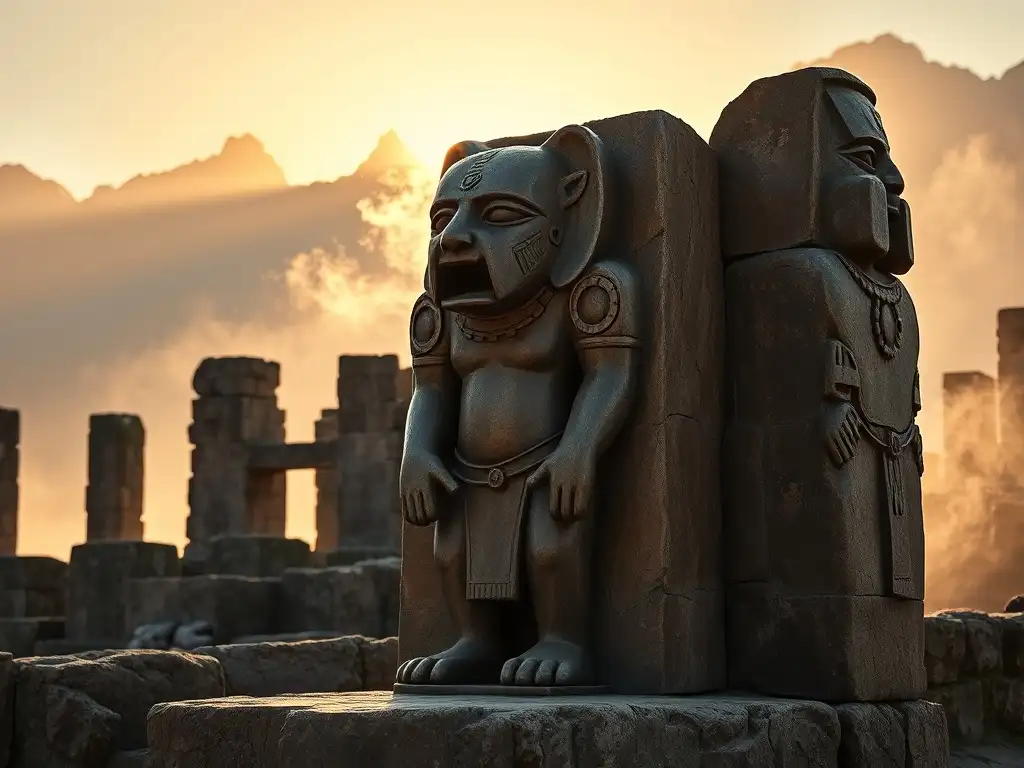
The Chavín culture, flourishing in the northern Andes from roughly 900 to 200 BCE, left an indelible mark on subsequent Andean civilizations. Central to this legacy is their sophisticated and complex shamanistic practices, a powerful force that shaped religious beliefs, artistic expression, and social structures for centuries to come.
Understanding the legacy of Chavín shamanism requires examining its influence on later Andean cultures, its enduring impact on Andean spirituality, and the diverse scholarly interpretations that attempt to unravel its mysteries. The pervasive nature of Chavín influence, evident in iconography, ritual practices, and architectural styles, points to a highly organized and influential religious system.
The spread of Chavín motifs across vast geographical areas suggests a network of interaction and exchange, perhaps facilitated by traveling shamans or the dissemination of religious ideas through trade routes. The enduring power of Chavín shamanistic practices is a testament to their effectiveness in unifying and inspiring diverse Andean communities.
Influence of Chavín Shamanistic Practices on Later Andean Cultures
The influence of Chavín shamanistic practices extended far beyond the geographical boundaries of the Chavín culture itself. Many subsequent Andean cultures, including the Moche, Nazca, and even the later Inca, incorporated elements of Chavín iconography and ritual practices into their own belief systems. This is clearly demonstrated through the recurring motifs found in their art, architecture, and religious objects.
For example, the iconic Chavín deity, often depicted as a feline-like figure with fangs and a menacing stare, appears in various forms throughout later Andean art. This suggests a continuity of religious ideas and practices, with Chavín shamanism acting as a foundational influence on the development of Andean spirituality. Furthermore, the use of hallucinogenic plants, a central aspect of Chavín shamanistic rituals, is documented in later cultures, suggesting a persistent tradition of altered states of consciousness in Andean religious practices.
The adoption and adaptation of Chavín shamanistic elements demonstrate the profound and lasting impact of this early Andean culture on the religious landscape of the region. The continuity of certain ritualistic practices and symbolic representations across centuries hints at a powerful cultural transmission, possibly through religious instruction, trade, or migration.
The Chavín Shaman's Enduring Influence on Andean Spirituality
The Chavín shaman's role extended far beyond simple healing or divination. They were likely key figures in maintaining social order, mediating between the human and supernatural realms, and interpreting the will of the gods. Their influence on Andean spirituality is profound and enduring, shaping the beliefs and practices of countless generations.
The emphasis on achieving altered states of consciousness through the use of hallucinogens, for example, points to a deep understanding of the human psyche and the power of spiritual experience. This practice, though interpreted differently across various Andean cultures, speaks to a fundamental Andean worldview that integrates the spiritual and physical worlds. The use of specific iconography, such as the aforementioned feline deity and other zoomorphic representations, continued to hold symbolic meaning in later cultures, suggesting a persistent connection to the core beliefs of Chavín shamanism.
The enduring presence of these symbols underscores the continuing power and relevance of Chavín spiritual concepts within the broader Andean context. The legacy of Chavín shamanism is not merely historical; it remains a vital part of the understanding of Andean spirituality. The intertwining of the physical and spiritual realms, a central theme in Chavín beliefs, continues to resonate with modern interpretations of Andean cosmology.
Scholarly Interpretations of Chavín Shamanism
Scholarly interpretations of Chavín shamanism are diverse and often debated. Some scholars emphasize the role of hallucinogenic plants in achieving altered states of consciousness and facilitating communication with the spirit world. This perspective highlights the sophisticated understanding of psychoactive substances and their ritualistic applications within Chavín society. Other researchers focus on the iconography and its symbolic meanings, attempting to decipher the complex religious narratives embedded in the art and architecture.
The interpretation of these symbols remains a complex and ongoing process, requiring careful consideration of cultural context and the potential for multiple layers of meaning. The recurring motifs, such as the stylized jaguars, snakes, and other creatures, are often seen as representations of supernatural forces and the shaman's ability to interact with them. Analyzing the spatial arrangement of Chavín temples and the placement of artifacts also provides valuable insights into ritual practices and the social organization of the society. The ongoing research and diverse interpretations reflect the complexity and richness of Chavín culture and its enduring impact on Andean civilization.
Further research, particularly interdisciplinary studies combining archaeology, anthropology, and ethnobotany, is crucial to further refine our understanding of Chavín shamanistic practices and their long-term significance. The ongoing debate among scholars underscores the complexity of the topic and the need for continued investigation. The mystery surrounding Chavín shamanism continues to intrigue and challenge researchers, making it a vibrant and evolving field of study.
Chavín Culture and the Shaman's Connection to Nature
The Chavín culture, flourishing in the Andes from approximately 900 to 200 BCE, developed a complex religious system deeply intertwined with the natural world. Their shamanistic practices, central to this system, weren't merely spiritual exercises; they were a vital link connecting the people to the land, its resources, and the forces of nature they believed governed their lives. Understanding the Chavín shaman's role requires appreciating this profound connection, a relationship reflected in their art, architecture, and ritualistic practices.
The very survival of the Chavín people was perceived as intrinsically linked to maintaining harmony with the natural order, a responsibility borne primarily by the shaman. This symbiotic relationship forms the bedrock of our understanding of Chavín culture shamanistic practices.
The Chavín Shaman's Relationship with the Natural World
The Chavín shaman wasn't merely a religious leader; they were a conduit between the earthly and spiritual realms, deeply versed in the rhythms and intricacies of the natural world. Their understanding of the environment extended beyond practical knowledge; it was imbued with spiritual significance. Mountains, rivers, and even specific plants and animals were believed to possess spiritual power, acting as intermediaries between the human and divine worlds.
Evidence suggests the shaman’s role involved interpreting natural phenomena – such as eclipses, earthquakes, and unusual weather patterns – as messages from the gods, guiding the community's actions accordingly. This intimate knowledge of the natural world informed their rituals, healing practices, and societal structures. The shaman's ability to interpret and interact with these natural forces was considered crucial for the well-being of the entire community.
For example, successful harvests were attributed to the shaman's ability to appease the spirits associated with fertility and growth. Conversely, natural disasters were often seen as a consequence of neglecting these spirits or disrupting the delicate balance of nature.
Sacred Landscapes and Places of Power in Chavín Culture
The Chavín people carefully selected locations for their ceremonial centers, prioritizing places with inherent spiritual significance. These weren't simply arbitrary choices; they were considered "places of power," imbued with a strong connection to the supernatural. The iconic Chavín de Huántar, for instance, is strategically situated near converging rivers and surrounded by imposing mountains, reflecting the culture's profound respect for the power of these geographical features.
These sacred landscapes served as focal points for rituals, often involving altered states of consciousness facilitated by the shaman. Specific features within these landscapes, such as caves, springs, or unusual rock formations, were often associated with specific deities or spirits, further emphasizing the interconnectedness of the physical and spiritual worlds.
Archaeological evidence, such as the intricate carvings found on stones and temple walls, vividly depict these sacred landscapes and the entities believed to inhabit them. The layout and design of Chavín sites themselves, with their maze-like passages and subterranean chambers, likely mirrored the shaman's journey into the underworld, a key aspect of their spiritual practices.
The Chavín Shaman as a Mediator between Humans and Nature
The Chavín shaman acted as a vital intermediary, ensuring the continued flow of energy and resources between the human community and the natural world. Their role encompassed a wide range of responsibilities, from predicting weather patterns and ensuring successful harvests to healing the sick and interpreting the will of the gods. This mediating role required a deep understanding of both the physical and spiritual dimensions of the environment.
The shaman’s influence extended beyond purely religious matters; they played a crucial part in the social and political fabric of Chavín society. Their pronouncements guided community decisions, influencing everything from agricultural practices to conflict resolution. The effectiveness of their mediation was seen as directly linked to the prosperity and well-being of the entire community.
Their expertise in herbal medicine, for instance, reflects a practical application of their knowledge of the natural world, demonstrating the seamless integration of spiritual and practical aspects within the shaman's role. The enduring legacy of Chavín culture, including its sophisticated art and architecture, is a testament to the power and influence of their shamanistic practices and their deep connection to the Andean landscape.
Frequently Asked Questions
What were the key features of Chavín culture shamanistic practices?
Chavín shamanistic practices revolved around hallucinogenic substances, like san pedro cactus, to induce altered states of consciousness and communicate with the spirit world. They also utilized elaborate rituals and iconography depicting supernatural beings.
How did Chavín shamans use hallucinogens in their rituals?
The ingestion of hallucinogens like san pedro was believed to allow shamans to journey to other realms, interact with deities, and gain access to knowledge beyond the ordinary. These experiences were then incorporated into their rituals and art.
What role did art play in Chavín shamanistic practices?
Chavín art, particularly the complex carvings and sculptures, served as powerful tools for communicating spiritual experiences and beliefs. These images acted as visual representations of the shaman's journeys and encounters with the divine.
What evidence exists to support the claims about Chavín shamanistic practices?
Archaeological discoveries of san pedro cactus remains at Chavín sites, alongside the iconography depicting supernatural beings and rituals, strongly suggest the importance of shamanism in their culture. The unique art style further supports this interpretation.
How did Chavín shamanistic practices influence other Andean cultures?
The influential nature of Chavín culture is evident in the art and religious practices of later Andean civilizations. The stylistic motifs and religious themes found in Chavín art are echoed in subsequent cultures, suggesting a widespread dissemination of their shamanistic beliefs.
Final Reflection: Echoes of the Chavín Shaman in the Modern World
The intricate iconography and ritualistic practices of the Chavín culture remain powerfully relevant today, offering a profound glimpse into the enduring human need to connect with the divine. Their sophisticated understanding of altered states of consciousness and the symbolic language used to bridge the worlds of the living and the dead continues to fascinate and inspire, reminding us of the timeless quest for spiritual meaning.
The Chavín shaman's influence extends far beyond the archaeological record; their legacy resonates in contemporary spiritual practices and artistic expressions. The power of ritual, the search for altered states, and the use of symbolism to understand the universe are all themes that continue to shape our understanding of ourselves and our place in the cosmos. The shaman is not a magician, but a bridge between worlds.
This simple statement encapsulates the essence of the Chavín shaman's role and its continuing relevance in a world still grappling with existential questions.
Consider the echoes of the Chavín shaman in your own life. What rituals or practices do you engage in to connect with something larger than yourself? How do you interpret the symbols and metaphors that shape your worldview? Take a moment to reflect on the enduring power of spiritual exploration and the timeless human desire to understand the mysteries of existence. Let the legacy of the Chavín shaman inspire you to explore your own spiritual path with curiosity, respect, and a deep appreciation for the enduring human quest for meaning.
Unveil the Mysteries of the Chavín Shaman!
Thank you for exploring the captivating world of the Chavín shaman with us! We hope you've gained valuable insights into how these ancient figures bridged the earthly and spiritual realms. Now, let's delve even deeper.
Here's how you can continue your exploration of this rich tapestry of Andean history and spirituality:
- Explore the symbolism and artifacts of the Chavín civilization in our curated online gallery—discover the fascinating stories behind these ancient relics!
- Join our community and subscribe to our newsletter for updates on upcoming articles and events, enriching your understanding of Andean cultures.
- Share your thoughts and perspectives! Engage with us on social media or in the comments below; let's discuss how ancient practices continue to influence modern spirituality.
What aspect of the Chavín shaman's life and beliefs most resonates with your own experiences? ✨