
Herbal Remedies: Plants Used in Inca Medicine

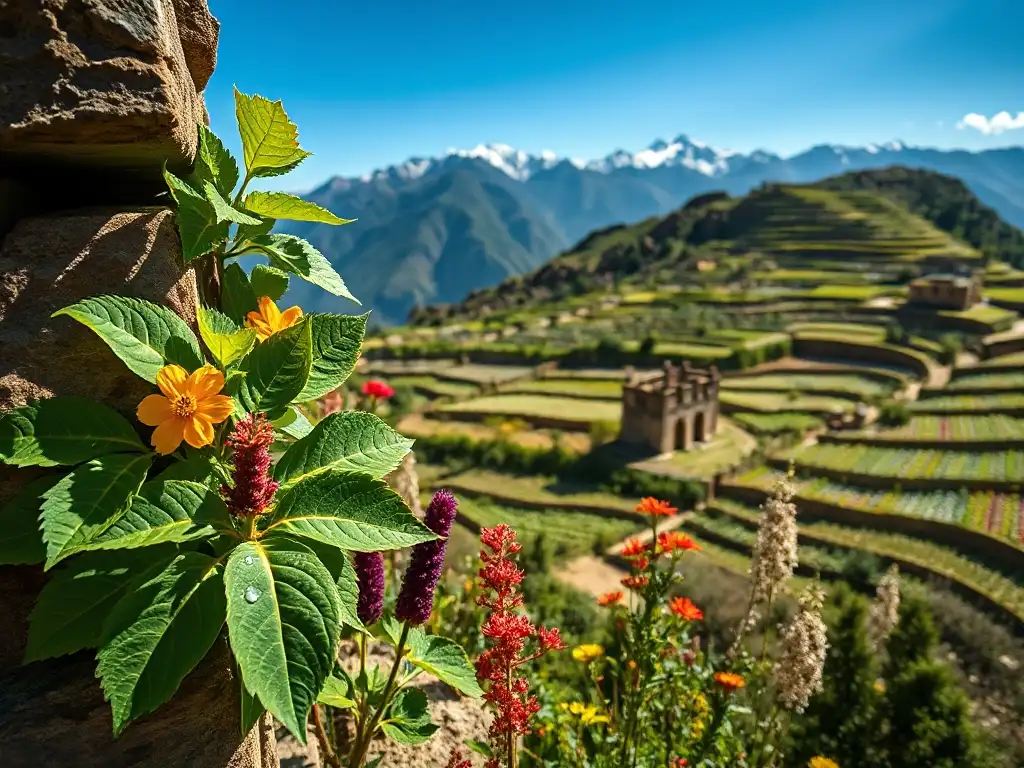
Unravel the mysteries of the Andes! Journey through time and discover a world of breathtaking artistry, sophisticated engineering, and profound wisdom. Did you know the Inca Empire possessed an intricate system of herbal remedies, harnessing the power of nature for healing? Prepare to be amazed as we delve into the fascinating world of Inca herbal medicine plants, revealing the secrets behind their potent properties and enduring legacy. Explore the vibrant tapestry of Andean civilization and uncover the remarkable story of their botanical knowledge.
- Inca Herbal Medicine Plants: A Legacy of Andean Healing
- Key Inca Herbal Remedies and their Uses
- Preparation and Application of Inca Medicinal Plants
- The Enduring Legacy of Inca Herbal Medicine
- Frequently Asked Questions
- Final Reflection: The Enduring Legacy of Inca Herbal Wisdom
- Unleash the Healing Power of Nature!
Inca Herbal Medicine Plants: A Legacy of Andean Healing
The Inca Empire, renowned for its sophisticated engineering and intricate social structures, also possessed a deep understanding of the medicinal properties of plants. This knowledge, passed down through generations, formed the backbone of their sophisticated healthcare system. Inca herbal medicine wasn't just about treating illness; it was deeply intertwined with their cosmology, spirituality, and understanding of the natural world.
This article delves into the fascinating world of Inca herbal medicine, exploring the key plants used and their significance within the broader context of Inca culture and the empire's expansion and consolidation. We'll uncover the legacy of Andean healing practices and how the knowledge of these plants contributed to the health and well-being of the Inca population, highlighting the vital role of these plants in the empire's success. Understanding Inca herbal medicine provides a crucial lens through which to appreciate the ingenuity and holistic approach to health prevalent in this remarkable civilization.
The utilization of these plants wasn't merely a matter of survival; it was a demonstration of their intimate connection with their environment and their profound respect for the healing power of nature. 🌱
The Importance of Plants in Inca Culture and Medicine
Plants played a central role in Inca life, extending far beyond their practical uses. They were integral to religious ceremonies, agricultural practices, and daily life. The Inca worldview saw the natural world as a source of both sustenance and healing. Shamans, or paqos, held a position of high esteem, acting as both religious leaders and healers.
Their knowledge of herbal remedies was crucial to the well-being of the community. They carefully studied the properties of various plants, developing complex systems of classification and understanding their interactions. This intricate knowledge was not written down but rather passed down orally through generations of paqos, ensuring the continuity of this vital tradition.
The use of these plants wasn't arbitrary; each plant held specific symbolic meaning and was associated with particular deities or spirits. This holistic approach, integrating spiritual and physical well-being, is a key characteristic of Inca herbal medicine. The effectiveness of these remedies was further enhanced by the Inca's profound understanding of the interconnectedness of the human body and the environment.
Many plants were used for a wide variety of ailments, from simple cuts and bruises to more serious illnesses. The Inca pharmacopoeia was incredibly diverse, reflecting the rich biodiversity of the Andean region. Detailed records of these practices are scarce, primarily due to the destruction of Inca records after the Spanish conquest.
However, ethnobotanical studies and accounts from early Spanish chroniclers provide valuable insights into the plants used and their applications. For example, coca leaves ( Erythroxylum coca) were not only a source of energy and sustenance but also possessed medicinal properties, used to alleviate pain, reduce altitude sickness, and stimulate the appetite. The careful selection and preparation of these medicinal plants demonstrate a sophisticated understanding of pharmacology and a deep respect for the power of nature.
Traditional Andean Medicine: An Overview
Andean medicine, encompassing the practices of various pre-Columbian cultures including the Inca, was characterized by a holistic approach that integrated physical and spiritual well-being. Disease was often attributed to an imbalance in the body or a disruption of the harmony between the individual and the natural world. Treatment strategies aimed to restore this balance through a combination of herbal remedies, rituals, and spiritual practices. The paqos played a central role in diagnosing illnesses and prescribing treatments.
Their diagnostic methods often involved observing symptoms, analyzing dreams, and interpreting signs from nature. Treatment frequently included herbal preparations, often administered orally, topically, or through inhalation. In addition to herbal remedies, other therapeutic methods were employed, including hydrotherapy, massage, and dietary adjustments. This holistic approach to healthcare emphasizes the interconnectedness of physical and spiritual health, reflecting a worldview that saw the human body as intrinsically linked to the cosmos.
The use of herbal remedies was not limited to the elite; access to these treatments was relatively widespread throughout the Inca population. The empire's extensive road network facilitated the transport of medicinal plants and allowed for the exchange of knowledge between different regions. This exchange, coupled with the meticulous cultivation and preservation of medicinal plants, ensured the continuity and widespread availability of these treatments.
This efficient system contributed significantly to the overall health and well-being of the Inca population, supporting their physical strength and resilience, which were essential for the empire's expansion and consolidation. The legacy of Andean medicine continues to inspire contemporary research into the medicinal properties of Andean plants, highlighting the enduring relevance of this ancient tradition.
Key Inca Herbal Remedies and their Uses
The Inca Empire, renowned for its sophisticated infrastructure and social organization, also possessed a deep understanding of herbal remedies. Inca herbal medicine plants played a crucial role in their healthcare system, addressing a wide range of ailments from common colds to more serious conditions. Their knowledge, passed down through generations, provides a fascinating glimpse into their intricate relationship with the natural world and their innovative approaches to medicine.
This section will explore some key plants and their medicinal applications within the Inca civilization, focusing on the efficacy and cultural significance of their use. The detailed understanding of these plants highlights the sophistication of Inca herbal medicine and its lasting impact.
Coca: The Sacred Leaf and its Medicinal Properties
Coca ( Erythroxylum coca) held a deeply sacred and multifaceted role within Inca society. Far beyond its recreational use, coca leaves were considered a vital medicinal resource, utilized for their various therapeutic properties. The leaves were not only chewed but also prepared as infusions and incorporated into other medicinal preparations.
Its significance extended beyond mere medicinal applications; it was deeply entwined with religious rituals and social interactions. The precise methods of preparation and application varied depending on the specific ailment and the shaman's expertise. The Inca's profound knowledge of coca's properties showcases their advanced understanding of pharmacology within their context.
Coca's Role in High Altitude Adaptation
At high altitudes, the challenges of hypoxia (lack of oxygen) are significant. Inca inhabitants, particularly those residing in the Andes mountains, relied heavily on coca to alleviate the symptoms of altitude sickness. The alkaloids within coca leaves, particularly cocaine, are believed to have acted as a stimulant, improving respiratory function and combating fatigue.
This is supported by anthropological studies that showcase the prevalence of coca chewing among Inca populations at high altitudes. Further research is needed to fully understand the physiological mechanisms by which coca aided in high-altitude adaptation, but its effectiveness was clearly recognized and utilized by the Inca.
Traditional Uses of Coca Beyond Chewing
Beyond its role in combating altitude sickness, coca leaves were employed for a variety of other medicinal purposes within Inca society. These included treatments for headaches, digestive issues, and even as a local anesthetic. Infused coca tea was a common remedy, its preparation varying according to the intended use.
For example, certain preparations emphasized the leaves' analgesic properties, while others focused on their digestive benefits. The versatility of coca and the Inca's sophisticated understanding of its different properties is a testament to their advanced knowledge of herbal medicine. Detailed records of these practices, while limited, point to a nuanced understanding of dosage and preparation methods crucial for optimal therapeutic effect.
Muña: The Andean Mint for Digestive Health
Muña ( Minthostachys sp.), a member of the mint family, was another crucial plant in Inca herbal medicine. Its aromatic leaves were widely used to alleviate digestive problems, making it a staple in Inca households. Its widespread use suggests its effectiveness in addressing common digestive complaints prevalent within the Andean population. The precise species of Minthostachys used varied across different regions of the empire, reflecting the diversity of both plant life and medicinal practices within the Inca realm.
Muña for Indigestion and Stomach Ailments
Muña's primary medicinal application within Inca society was its ability to relieve indigestion, bloating, and other stomach ailments. Infused as a tea, it was believed to soothe the digestive tract and promote proper digestion. The plant's volatile oils, rich in compounds like menthol and thymol, likely contributed to its antispasmodic and carminative properties, relieving gas and stomach cramps.
Oral histories and archaeological findings suggest that Muña tea was a common household remedy, readily accessible and widely used for its effectiveness in treating common digestive complaints. Further research into the precise chemical composition of the different Muña varieties used by the Inca could offer valuable insights into their medicinal efficacy.
Muña's Anti-inflammatory Benefits
Beyond its digestive benefits, Muña was also recognized for its anti-inflammatory properties. This knowledge likely led to its use in treating various inflammatory conditions, although the specific applications remain somewhat unclear due to limited documentation. Ethnobotanical studies suggest that Muña was applied topically to alleviate pain and inflammation associated with bruises and wounds. The anti-inflammatory effects of Muña are supported by modern phytochemical analyses, which have identified various compounds within the plant with anti-inflammatory properties. Further research is needed to fully document the extent of Muña's anti-inflammatory uses within Inca medicine and to assess the efficacy of traditional preparations.
Uña de Gato (Cat's Claw): The Powerful Immune Booster
Uña de Gato, meaning "cat's claw" in Spanish, refers to several climbing plants of the genus Uncaria native to the Amazon rainforest. The Inca people, recognizing its potent medicinal properties, extensively used this plant for a variety of ailments. Its powerful effects stem from a complex mix of phytochemicals, including alkaloids, glycosides, and tannins. These compounds work synergistically to boost the immune system, making it a valuable tool in fighting off infections and promoting overall health.
The vine's unique structure, with its sharp, claw-like thorns, mirrored its powerful effects in Inca eyes – a potent medicine that could effectively "grasp" and combat illness. This association further cemented its place in their pharmacopoeia. The vine itself, with its impressive climbing ability, symbolized its capacity to conquer disease, mirroring the Inca Empire's own ambitions of expansion and control.
Uña de Gato's Anti-inflammatory and Antioxidant Properties
Beyond its immune-boosting capabilities, Uña de Gato possesses significant anti-inflammatory and antioxidant properties. These properties are largely attributed to the presence of various phytochemicals, which neutralize free radicals and reduce inflammation throughout the body. This dual action makes it effective in managing a wide range of conditions, from arthritis and inflammatory bowel disease to various skin conditions.
Scientific studies have begun to validate the traditional uses of Uña de Gato, confirming its potent anti-inflammatory effects and its ability to modulate the immune response. This combination of properties makes it a versatile and valuable medicinal plant, explaining its continued use in modern herbal medicine and its prominent role in traditional Inca practices. The precise mechanisms of action are still being investigated, but the evidence strongly suggests a complex interplay of immune modulation and inflammation reduction.
Uña de Gato and its Role in Inca Medicine
In Inca medicine, Uña de Gato held a significant place, used not only for its immune-boosting properties but also for its ability to address a broader array of health concerns. Chronic infections, inflammatory conditions, and even wounds were treated with preparations derived from this potent plant. The Inca likely used it in various forms, including infusions, decoctions, and possibly even topical applications.
While precise formulations and preparation methods have been lost to time, archaeological evidence and ethnobotanical studies suggest its widespread use across the Inca Empire. It's likely that its effectiveness against a range of ailments contributed to its esteemed status within the Inca pharmacopoeia, cementing its place as a cornerstone of their medicinal system. The enduring legacy of Uña de Gato highlights the sophisticated knowledge and understanding of medicinal plants possessed by the Inca civilization.
Chuchuhuasi: The Amazonian Tree for Pain Relief

Chuchuhuasi, a large tree found in the Amazon rainforest, holds a prominent place in both traditional Amazonian and Inca medicine. This tree, whose name translates roughly to "strong bones," was highly valued for its potent analgesic properties. The bark of the Chuchuhuasi tree is the primary source of its medicinal compounds, containing a complex mixture of alkaloids, saponins, and other bioactive substances that contribute to its pain-relieving effects.
The Inca, recognizing its effectiveness, likely employed it to alleviate various types of pain, from headaches and muscle aches to more severe conditions. The tree's impressive size and strength likely contributed to its symbolic association with resilience and healing in Inca culture.
Chuchuhuasi's Traditional Uses as a Painkiller
Traditional uses of Chuchuhuasi as a painkiller are widespread across various Amazonian cultures, highlighting its long history of medicinal use. It was traditionally used to treat a broad spectrum of painful conditions, including rheumatism, arthritis, and neuralgia. The bark was typically boiled to create a tea or decoction, which was then consumed to alleviate pain and inflammation.
Some accounts also suggest its use in topical applications for localized pain relief. The specific mechanisms by which Chuchuhuasi exerts its analgesic effects are still under investigation, but evidence points to its interaction with the body's inflammatory pathways and its potential to modulate pain signals. Its enduring use across centuries points to its consistent effectiveness and its importance in traditional healing practices.
Chuchuhuasi and its Properties in Inca Herbalism
While detailed records of Inca herbalism are scarce, the use of Chuchuhuasi in the Inca Empire is strongly suggested by its continued use in neighboring cultures and the plant's prevalence in the Andes region. Its potent analgesic properties would have made it a highly valuable resource for treating the various injuries and ailments experienced by the Inca population. It is likely that Chuchuhuasi played a significant role in managing pain associated with strenuous physical activity, common among Inca laborers and soldiers.
The Inca likely integrated Chuchuhuasi into their broader medical system, alongside other herbal remedies, to provide comprehensive pain management and promote overall well-being. Further research is needed to fully elucidate its role in Inca herbalism, but its continued use and wide distribution support its importance in the Inca pharmacopoeia.
Maca: The Andean Superfood and its Health Benefits
Maca ( Lepidium meyenii), a cruciferous root vegetable cultivated in the high Andes of Peru, holds a prominent place in Inca herbal medicine and continues to be celebrated for its purported health benefits. For centuries, it has been a staple food and a valued medicinal plant among Andean communities. Its use extended beyond simple nutrition; the Incas recognized its potential to enhance energy levels, improve fertility, and bolster overall well-being. Modern scientific research is increasingly validating these traditional uses, exploring the complex phytochemical composition of maca and its impact on various physiological processes.
The root is typically consumed in powdered form, added to foods, or prepared as a beverage. Its slightly sweet and nutty flavor makes it a versatile ingredient. It's important to note that while many benefits are claimed, further research is needed to fully understand the mechanisms of action and establish definitive efficacy for all purported uses.
Maca's Role in Energy and Fertility
Inca healers valued maca for its ability to increase energy levels and stamina, a crucial aspect for a society deeply involved in agriculture and construction. This energy-boosting effect is often attributed to its nutrient density, containing vitamins, minerals, and antioxidants. However, maca's impact on fertility is perhaps its most widely known and studied benefit.
Traditional use suggested maca could improve both male and female fertility, potentially by influencing hormone levels and reproductive function. Studies have shown some positive effects on sperm count and motility in men, and some evidence suggests a potential role in regulating hormones in women, though more research is needed to confirm these findings conclusively.
The exact mechanisms by which maca influences fertility remain an area of ongoing investigation, but it's likely a complex interplay of its bioactive compounds. It's crucial to remember that maca is not a miracle cure and should not replace medical advice for infertility issues.
Maca's Adaptogenic Properties
Maca is increasingly recognized for its adaptogenic properties. Adaptogens are substances that help the body cope with stress. The Incas, facing the challenges of high-altitude living and demanding agricultural practices, likely benefited from maca's ability to support the body's natural stress response. Modern research is exploring maca's potential to help manage stress-related symptoms, such as fatigue, anxiety, and mood disturbances.
The adaptogenic effects are thought to be related to its influence on the hypothalamic-pituitary-adrenal (HPA) axis, a crucial system involved in regulating the body's response to stress. While promising, more rigorous clinical trials are necessary to fully characterize maca's adaptogenic effects and establish clear guidelines for its use in managing stress-related conditions. It's important to remember that while maca may offer support, it shouldn't replace conventional medical treatments for stress-related disorders.
Preparation and Application of Inca Medicinal Plants
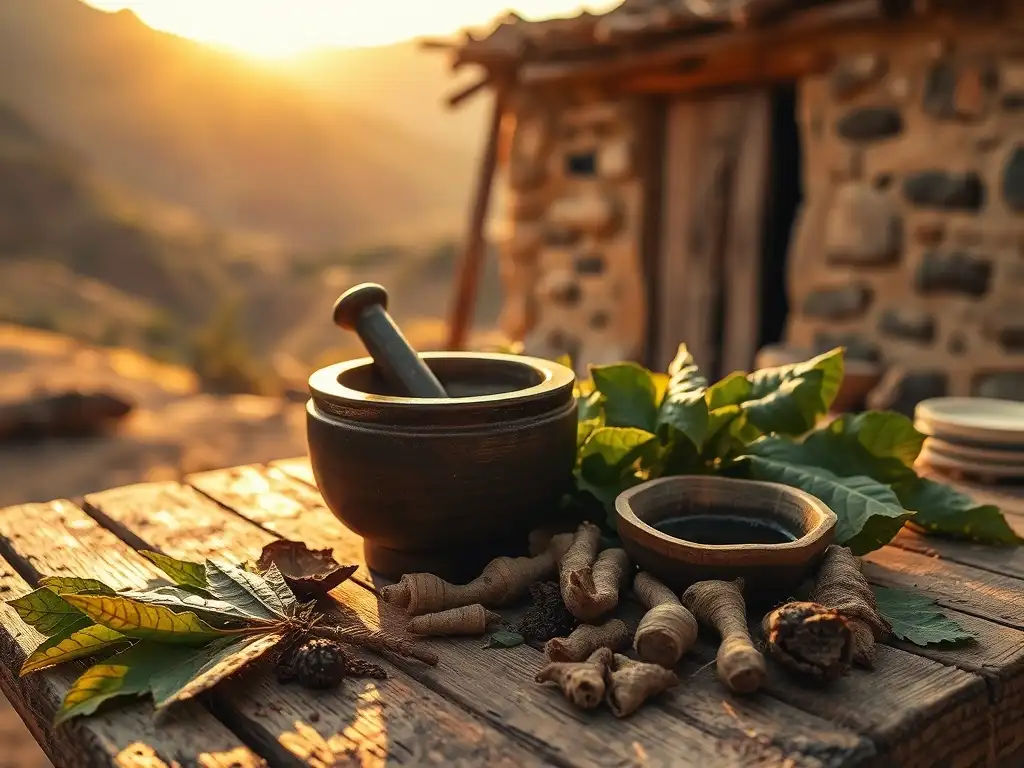
The Inca civilization, renowned for its sophisticated engineering and social structures, also possessed a deeply rooted understanding of herbal medicine. Their knowledge, passed down through generations, involved meticulous preparation and application techniques to maximize the therapeutic benefits of various plants. Understanding these methods offers a glimpse into the practical aspects of Inca herbal medicine plants and their profound impact on daily life.
The efficacy of these remedies often stemmed from a combination of the plant's inherent properties and the ritualistic practices surrounding their use, highlighting the interwoven nature of medicine and spirituality in Inca culture. This sophisticated system, utilizing readily available resources, reflects the ingenuity and resourcefulness of the Inca people in addressing health concerns within their environment. The careful selection and preparation of these plants are key elements in understanding the effectiveness of Inca herbal medicine.
Traditional Methods of Preparing Herbal Remedies
Inca healers employed a variety of methods to extract and utilize the medicinal properties of plants. These techniques, passed down orally, were refined over centuries and adapted to the specific needs of the patient and the available resources. The methods focused on preserving the active compounds of the plants while making them easily digestible or applicable to the affected area. The complexity of the preparation often mirrored the severity of the ailment being treated.
Infusions and Decoctions
Infusions, prepared by steeping plant materials in hot water, were a common method for creating herbal teas. These were used to treat a wide array of ailments, from digestive issues to respiratory problems. The choice of plant material varied depending on the illness, with some plants being known for their anti-inflammatory properties, while others possessed analgesic or expectorant qualities. For example, coca leaves were frequently infused to alleviate fatigue and altitude sickness, a common problem in the Andes.
The process involved carefully selecting the leaves, ensuring they were fresh and free from blemishes. Then, the leaves were added to boiling water and allowed to steep for a specific duration, often dictated by traditional knowledge. The resulting infusion was then strained and consumed, usually warm.
Decoctions, on the other hand, involved boiling the plant material in water for an extended period. This method was used for tougher plant parts, such as roots and barks, to extract their potent compounds. The decoction process often required careful monitoring of the heat and the timing of the boiling to avoid degrading the active ingredients. This method was commonly used to prepare remedies for more serious conditions.
Poultices and Topical Applications
Topical applications, such as poultices, were frequently employed for treating wounds, skin ailments, and muscle pain. These involved crushing or grinding plant materials into a paste, often combined with other ingredients like clay or water. The resulting paste was then applied directly to the affected area, sometimes covered with a bandage to maintain contact with the skin. The choice of plants for poultices depended on their specific therapeutic properties.
For instance, plants with antiseptic properties were used for wound healing, while those with anti-inflammatory properties were applied to reduce swelling and pain. The preparation of these poultices required a delicate balance between achieving the desired consistency and preserving the therapeutic value of the plant components. The application process itself was often accompanied by chants and rituals, further emphasizing the spiritual dimension of Inca healing practices.
The Role of Inca Healers and Shamans
The preparation and application of Inca herbal medicine plants were not solely based on empirical knowledge. Highly skilled healers and shamans played a crucial role, acting as intermediaries between the spiritual world and the physical realm. Their knowledge, passed down through generations, extended beyond simple botanical understanding. They possessed a deep understanding of the intricate relationship between plants, the human body, and the cosmos. Their expertise encompassed not just the preparation of remedies but also the diagnosis of illnesses and the performance of rituals to enhance the effectiveness of the treatment.
The Knowledge Keepers of Inca Herbal Medicine
Inca healers, often referred to as hampis, were highly respected members of their communities. They possessed an encyclopedic knowledge of the medicinal properties of hundreds of plants, including their optimal harvesting times, preparation methods, and dosage. Their training was rigorous, often involving years of apprenticeship under experienced practitioners.
Their knowledge wasn't simply memorized; it involved a deep understanding of the energetic properties of plants and their interactions with the human body. This knowledge was often passed down through family lineages, ensuring the continuity of Inca herbal medicine practices. The hampis also played a vital role in educating others about the use of medicinal plants, maintaining the health and well-being of their communities.
The Spiritual Dimension of Healing
Inca herbal medicine was deeply intertwined with spiritual beliefs and practices. The hampis weren’t just healers; they were spiritual leaders who believed that illness stemmed from an imbalance in the individual's relationship with the spiritual world. Therefore, the healing process often involved rituals, prayers, and offerings to appease the gods and restore harmony. The preparation and application of herbal remedies were integral parts of these rituals.
The selection of specific plants, the timing of the treatment, and the accompanying ceremonies were all carefully considered to ensure the efficacy of the healing process. This spiritual dimension underscores the holistic approach of Inca herbal medicine, acknowledging the interconnectedness of the physical and spiritual realms. The use of Inca herbal medicine plants was, therefore, not simply a medical practice but a deeply spiritual experience, demonstrating the Inca's profound respect for nature and the power of the spiritual world.
The Enduring Legacy of Inca Herbal Medicine
The Inca Empire, renowned for its sophisticated infrastructure and administrative prowess, also possessed a deep understanding of herbal medicine. Their pharmacopoeia, built upon centuries of observation and traditional knowledge, encompassed a vast array of plants used to treat a wide range of ailments. This wasn't simply folk medicine; the Inca's approach was systematic, with specialized healers, known as curanderos, responsible for diagnosing illnesses and administering treatments based on a complex understanding of plant properties.
Their knowledge wasn't confined to simple remedies; they understood concepts like dosage, preparation methods, and the synergistic effects of combining different herbs. This sophisticated system highlights the advanced level of their botanical knowledge and its crucial role in maintaining the health and well-being of the empire's population. The legacy of this intricate system of Inca herbal medicine plants continues to resonate today, influencing both modern medicine and contemporary herbal practices.
Understanding the depth and breadth of Inca herbal practices offers a fascinating glimpse into a sophisticated and surprisingly advanced medical system. The use of Inca herbal medicine plants was not merely a matter of survival; it was deeply interwoven with their spiritual beliefs, reflecting a holistic view of health and the natural world.
Modern Applications of Inca Herbal Knowledge
Many plants utilized in Inca herbal medicine continue to be studied and used in modern medicine and herbal remedies. For example, the coca leaf ( Erythroxylum coca), while controversial due to its association with cocaine, possesses medicinal properties that are still being researched. Traditional uses included alleviating altitude sickness, acting as a mild stimulant, and possessing anesthetic qualities.
Similarly, Uncaria tomentosa (cat's claw), a vine with anti-inflammatory and immune-boosting properties, has gained international recognition for its potential therapeutic applications. Its use by Inca healers for various inflammatory conditions is now supported by some modern scientific studies. Other plants, like the Matricaria chamomilla (chamomile) and various species of Solanum (nightshade family), are also finding new applications based on their traditional Inca uses.
The potential of these Inca herbal medicine plants holds significant promise for developing new drugs and treatments, underscoring the importance of preserving and researching this ancient knowledge. Further research into the chemical composition and pharmacological effects of these plants is crucial to unlocking their full therapeutic potential and ensuring their responsible use. The careful documentation and analysis of traditional Inca methods are essential for this process.
The Importance of Preserving Traditional Practices
Preserving traditional Inca herbal practices is not just about preserving history; it's about accessing a vast repository of potential medical breakthroughs. The loss of this knowledge would represent a significant setback for both scientific advancement and the cultural heritage of Andean communities. Many indigenous communities in the Andes still maintain traditional herbal practices, passing down knowledge through generations.
However, these practices are under threat from modernization, deforestation, and the encroachment of Western medicine. Active efforts are needed to document, preserve, and protect this invaluable knowledge. This includes supporting indigenous communities in maintaining their traditional practices, conducting rigorous scientific research into the efficacy and safety of Inca herbal remedies, and promoting sustainable harvesting practices to prevent the depletion of medicinal plants.
The ethical and sustainable use of these Inca herbal medicine plants is paramount, ensuring both the preservation of cultural heritage and the potential for future medical advancements. The integration of traditional knowledge with modern scientific methods presents a powerful approach to discovering new treatments and medicines. The preservation of this ancient knowledge is not just a historical endeavor; it's a vital step towards a healthier future.
Frequently Asked Questions
What types of plants were commonly used in Inca herbal medicine?
Inca healers utilized a wide variety of plants, including coca, quinine-yielding cinchona trees, and various herbs with anti-inflammatory and analgesic properties. Many were used for both medicinal and ritual purposes.
How did the Incas use coca leaves in their medicine?
Coca leaves held significant religious and medicinal importance. They were chewed to alleviate altitude sickness, hunger, and fatigue, and were also incorporated into various herbal remedies and ritualistic offerings.
Were Inca herbal remedies effective?
While many Inca remedies lacked a scientific basis as we understand it today, some proved remarkably effective. The use of quinine from cinchona bark, for example, is a testament to their empirical knowledge of medicinal plants.
What role did religion play in Inca herbal medicine?
Religion was intricately interwoven with Inca medicine. Many plants were considered sacred, and their use was often tied to religious ceremonies and spiritual beliefs. Shamans played a key role in preparing and administering these remedies.
Where can I learn more about Inca herbal medicine plants?
Further information can be found in academic journals focusing on ethnobotany and Andean history. Museums and archaeological sites dedicated to Inca culture often feature exhibits on their medicinal practices and the plants they used.
Final Reflection: The Enduring Legacy of Inca Herbal Wisdom
The knowledge of Inca herbal remedies, once confined to the Andes, now resonates globally as we grapple with the limitations of modern medicine and seek holistic approaches to wellness. The resurgence of interest in traditional plant-based healing highlights a crucial need to understand and appreciate the sophisticated systems of knowledge developed by ancient cultures. This understanding isn't merely historical; it offers valuable insights into sustainable healthcare practices for the future.
The enduring power of Inca herbal medicine lies not just in its efficacy, but in its deep connection to the land and its people. It represents a holistic approach to health, integrating spiritual beliefs, environmental awareness, and a profound respect for the natural world. This interconnectedness is something we, in our increasingly fragmented world, could greatly benefit from re-embracing. The earth provides all we need; we just need to learn how to receive it.
This simple truth, though perhaps not explicitly stated by the Inca, underpins their entire medicinal philosophy.
Consider the plants discussed in this article – their uses, their properties, and the intricate knowledge system that allowed the Inca to harness their power. Now, consider your own relationship with nature, with healing, and with the plants around you. What can you learn from the Inca's wisdom? How can you incorporate a greater appreciation for natural remedies and sustainable practices into your own life? The journey towards holistic well-being begins with a single step – a step towards understanding, appreciating, and respecting the enduring legacy of Inca herbal medicine.
Unleash the Healing Power of Nature!
Thank you for exploring the fascinating world of herbal remedies and Inca medicine with us! You've discovered the incredible ways these ancient plants contribute to health and well-being. Now, it's time to apply your newfound knowledge.
Here are a few practical steps to deepen your understanding of herbal healing:
- Cultivate your own herbal garden! Grow some traditional Inca medicinal plants, such as uña de gato or maca, at home.
- Experiment with herbal teas and tinctures. Create your own blends using the plants you've learned about and discover their unique benefits.
- Share your knowledge! Host a gathering with friends and family to discuss how Inca medicine can be integrated into modern wellness practices.
Which plant-based remedy are you most eager to try, and why? Share your thoughts in the comments!