
Sacsayhuamán: A Massive Inca Fortress

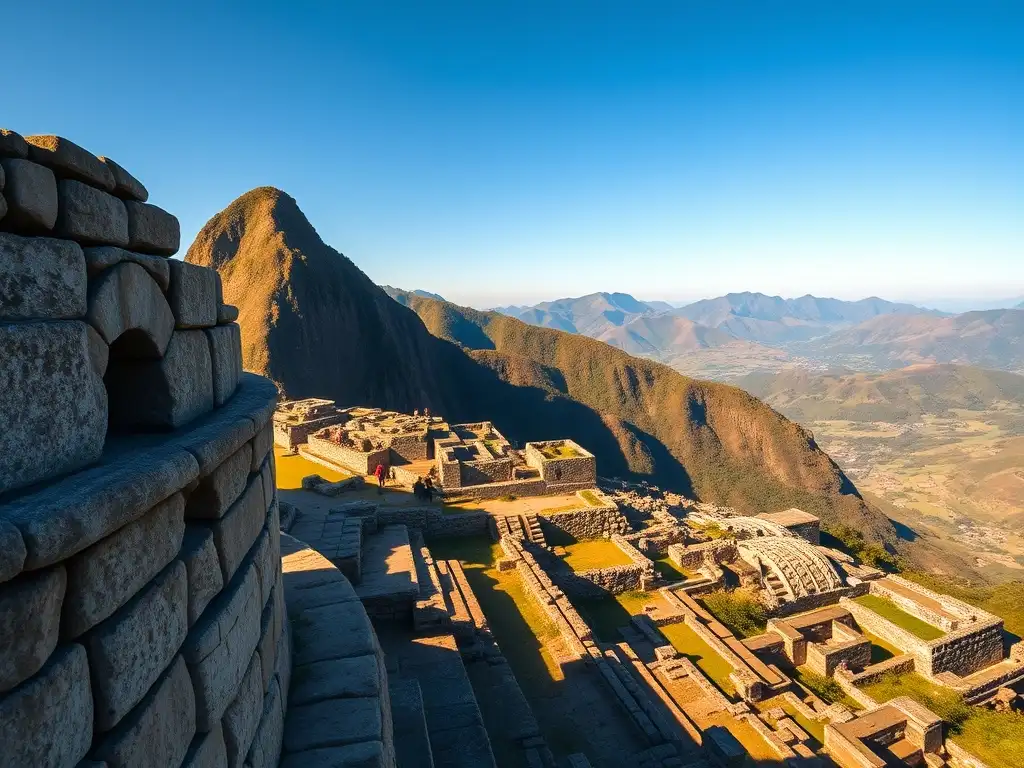
Step into a world lost to time, where colossal stones whisper tales of an empire's might. Prepare to be captivated by the enigmatic history of the Andean civilizations, a tapestry woven with threads of breathtaking artistry, innovative engineering, and enduring mystery. Discover the secrets held within the Inca Sacsayhuamán fortress, a testament to ingenuity that continues to challenge our understanding. Unravel the story behind this massive structure and delve into the fascinating world of the Inca Empire – your journey begins now.
- Sacsayhuamán: Unveiling the Secrets of the Inca Fortress
- Exploring the Historical Significance of Sacsayhuamán
- The Architectural Marvel of the Inca Sacsayhuamán Fortress
- Sacsayhuamán's History: From Construction to Present Day
- The Mysteries and Legends Surrounding Sacsayhuamán
- Sacsayhuamán: A Legacy of Inca Ingenuity
- Visiting Sacsayhuamán: What to Expect
- Frequently Asked Questions
- Final Reflection: Echoes of Empire at Sacsayhuamán
- **Unlock the Secrets of Sacsayhuamán! **
Sacsayhuamán: Unveiling the Secrets of the Inca Fortress
Sacsayhuamán, a name that evokes images of imposing stone structures and a rich Inca past, stands as a testament to the architectural prowess and military might of the Inca Empire. This colossal fortress, perched high above Cusco, Peru, is more than just a collection of stones; it's a window into the sophisticated engineering, intricate social organization, and enduring legacy of one of South America's most fascinating civilizations. This article delves into the history of Sacsayhuamán, exploring its construction, strategic importance, and enduring mysteries, offering a comprehensive look at this iconic symbol of Inca power and ingenuity.
Understanding Sacsayhuamán provides crucial insight into the Inca Empire's expansion and consolidation during its zenith, a period marked by ambitious construction projects and military campaigns that shaped the Andean landscape for centuries. We will explore its construction techniques, its role in Inca warfare, and its enduring significance as a cultural and historical landmark.
Construction Techniques: A Masterpiece of Inca Engineering
The sheer scale of Sacsayhuamán is breathtaking. Its cyclopean walls, constructed from massive, precisely fitted stones, defy easy explanation. These stones, some weighing over 100 tons, were transported from distant quarries using methods that remain partially shrouded in mystery. Inca engineers demonstrated an astonishing mastery of stone cutting and fitting, creating structures that have withstood earthquakes and the ravages of time for centuries. The precision with which these massive blocks were shaped and joined is remarkable; many stones fit together so tightly that a knife blade cannot be inserted between them. This intricate work showcases a deep understanding of engineering principles, far surpassing the capabilities of many contemporary societies. The absence of mortar in the construction further emphasizes the skill and precision involved, highlighting the Inca's profound knowledge of stonework and their ability to create incredibly strong and durable structures.
Further research is needed to fully understand the transportation methods employed, but evidence suggests the use of ramps, rollers, and possibly even human power, harnessed in impressive displays of collective effort.
Strategic Importance: A Fortress Protecting the Imperial Capital
Sacsayhuamán's strategic location overlooking Cusco, the Inca capital, was far from coincidental. Its imposing presence served as a powerful deterrent to potential invaders, and its formidable defenses provided crucial protection for the heart of the empire. The fortress's design, incorporating a series of ramparts, terraces, and strategically placed towers, allowed for a comprehensive defensive system. From its vantage point, Inca soldiers could effectively monitor the surrounding area and respond swiftly to any threats.
The sheer size and imposing nature of Sacsayhuamán also served a psychological purpose, projecting Inca power and intimidating potential enemies. The fortress wasn't merely a defensive structure; it was a symbol of the empire's strength and dominance. Its strategic importance extended beyond military defense, playing a significant role in the Inca's control and administration of their vast empire.
Enduring Mysteries and Ongoing Research: Unraveling the Secrets of Sacsayhuamán
Despite centuries of research, Sacsayhuamán continues to hold many mysteries. The exact methods used in its construction, the full extent of its function, and even the precise reasons behind its unique architectural features remain subjects of ongoing debate and investigation. Archaeologists and historians continue to uncover new insights, using advanced techniques to analyze the stones, the surrounding landscape, and the remaining artifacts. The sheer scale and complexity of Sacsayhuamán present a formidable challenge, requiring a multidisciplinary approach to fully understand its significance.
New discoveries are constantly being made, continually refining our understanding of this remarkable site and its place within the broader context of Inca civilization. The ongoing research underscores the enduring fascination surrounding Sacsayhuamán and its importance as a site of continuous historical inquiry. The mysteries surrounding its construction and purpose only add to its allure, making it a site of endless fascination for scholars and visitors alike.
Exploring the Historical Significance of Sacsayhuamán
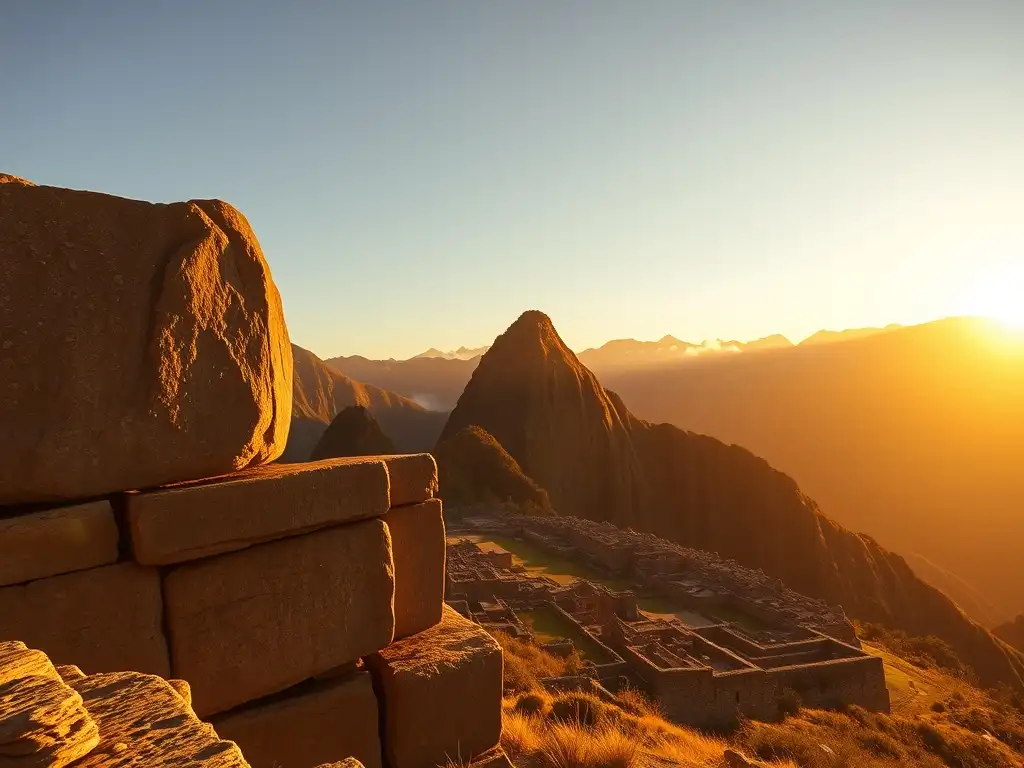
The Inca Sacsayhuamán fortress, a breathtaking testament to Inca ingenuity and power, holds immense historical significance. Its construction, spanning decades and employing thousands of workers, represents a pinnacle of Inca architectural and engineering prowess. More than just a military stronghold, Sacsayhuamán served as a crucial symbol of Inca authority, a powerful statement of their dominance over the conquered lands and a key element in their imperial strategy.
The sheer scale of the fortress, its meticulous construction, and its strategic location all contribute to its enduring historical importance. Understanding Sacsayhuamán requires examining its construction techniques, its role in Inca expansion, and its lasting cultural impact, allowing us to better appreciate the intricacies of the Inca Empire. Analyzing the Inca Sacsayhuamán fortress history reveals a sophisticated understanding of military strategy, resource management, and symbolic power projection.
The Strategic Importance of the Inca Fortress
Sacsayhuamán's strategic importance is undeniable. Perched high above Cusco, the Inca capital, the fortress commanded a panoramic view of the surrounding valley. This vantage point provided unparalleled strategic surveillance, allowing the Incas to detect and respond to potential threats swiftly.
The fortress's location also controlled access to crucial trade routes and water sources, further solidifying its pivotal role in the Inca military strategy. Its imposing walls, constructed from massive, precisely fitted stones, acted as an insurmountable barrier to potential invaders. Consider the sheer logistical challenge involved in transporting and precisely placing these enormous stones – a feat requiring meticulous planning, sophisticated engineering, and a highly organized workforce.
This speaks volumes about the Inca's advanced understanding of construction and their capacity for large-scale projects. The strategic placement of Sacsayhuamán exemplifies the Inca's mastery of terrain and their ability to leverage geographical advantages for military dominance. This aspect of the Inca Sacsayhuamán fortress history is often overlooked in favor of its architectural marvels, but it’s equally crucial to understanding its overall function.
Sacsayhuamán's Role in Inca Expansion
Sacsayhuamán played a vital role in the expansion and consolidation of the Inca Empire. Its imposing presence served as a powerful symbol of Inca might, deterring potential rebellion and reinforcing their authority over conquered territories. The fortress's construction itself was a demonstration of Inca power, showcasing their ability to mobilize vast resources and manpower to achieve ambitious projects. The sheer scale of the undertaking—the precise cutting and placement of massive stones, the intricate design of the walls, and the overall architectural grandeur—sent a clear message to neighboring populations.
The fortress also served as a military base, providing a strategic location for launching campaigns and defending against threats. Moreover, the presence of Sacsayhuamán likely facilitated the Inca's control over vital resources and trade routes within the region. This combination of military strength, symbolic power, and economic control was instrumental in the Inca Empire's expansion and enduring influence.
Historians studying the Inca Sacsayhuamán fortress history often highlight its role as a powerful tool for consolidating imperial power and maintaining control over a vast and diverse empire. The fortress served as a potent reminder of the Inca's strength and their commitment to maintaining their dominion. The construction and use of Sacsayhuamán, therefore, are integral to understanding the dynamics of Inca imperial growth.
The Architectural Marvel of the Inca Sacsayhuamán Fortress
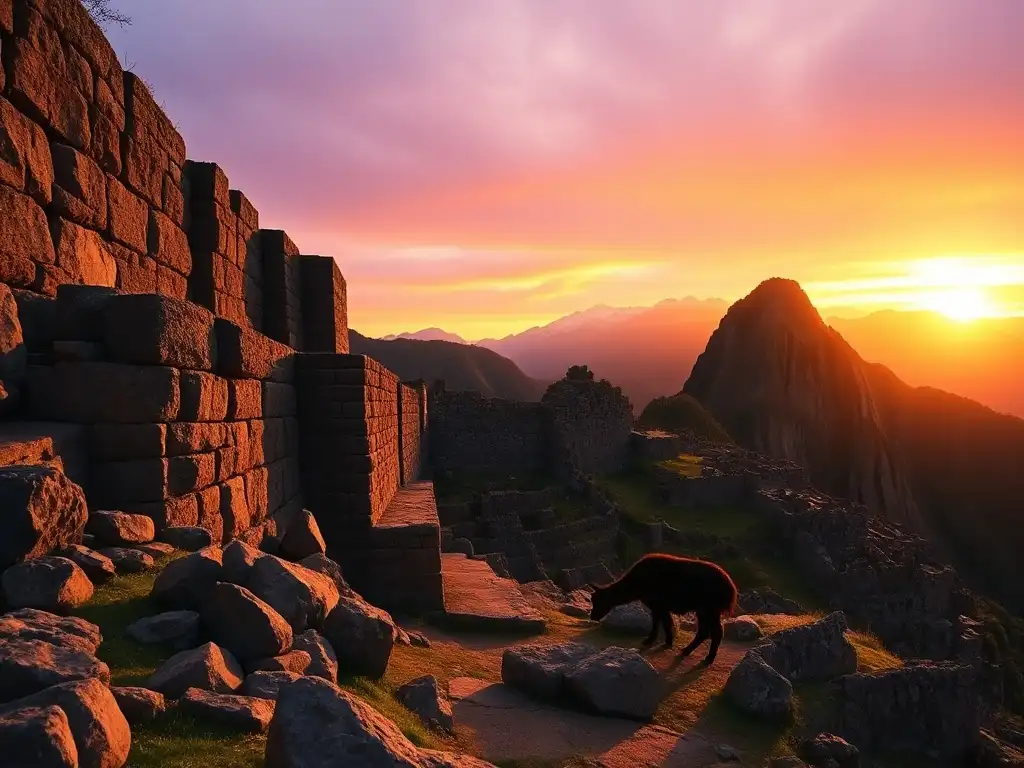
Sacsayhuamán, a breathtaking Inca fortress overlooking Cusco, Peru, stands as a testament to the ingenuity and architectural prowess of the Inca civilization. Its imposing presence, even in its partially ruined state, continues to inspire awe and wonder centuries after its construction. The Inca Sacsayhuamán fortress history is intricately woven with the empire's expansion and consolidation, representing a powerful symbol of Inca dominance and sophisticated engineering.
This section delves into the remarkable construction techniques, unique features, and the historical significance of this iconic site, enriching our understanding of Inca ingenuity and the scale of their empire. The sheer scale of the project, coupled with the precision of its execution, solidified Sacsayhuamán's place as a monumental achievement in Andean architecture. Understanding its construction offers valuable insights into Inca societal organization, resource management, and their advanced understanding of engineering principles.
Massive Stone Construction Techniques at Sacsayhuamán
The construction of Sacsayhuamán is a feat of engineering that continues to puzzle and amaze researchers. The sheer size of the stones used, some weighing over 100 tons, presents a significant challenge even with modern technology. Inca builders employed incredibly precise techniques to shape, transport, and interlock these massive blocks.
Evidence suggests that they utilized sophisticated tools, possibly including copper chisels and mallets, to achieve the remarkable level of precision observed in the stonework. The absence of mortar in many sections further highlights their mastery of dry-stone masonry, a technique that allowed for the creation of incredibly strong and stable structures capable of withstanding earthquakes.
The transportation of these colossal stones remains a subject of ongoing debate. Scholars propose various theories, including the use of ramps, rollers, and possibly even human power, leveraging the vast Inca workforce. The meticulous planning and organization required to manage such a massive undertaking underscores the advanced level of societal organization within the Inca Empire.
The precise fitting of the stones, with minimal gaps between them, demonstrates a deep understanding of geometry and engineering principles, far surpassing the capabilities of many contemporary societies. This meticulous craftsmanship is a hallmark of Inca architecture, and Sacsayhuamán serves as a prime example of their skill.
The Cyclopean Walls of the Inca Citadel
The cyclopean walls of Sacsayhuamán are arguably its most striking feature. The term "cyclopean," meaning "giant-like," aptly describes the massive scale of the stone blocks used in their construction. These walls are not simply stacked; they are intricately fitted together, creating a remarkably strong and durable structure. The precision of the joins is astonishing; in many places, a knife blade cannot be inserted between adjacent stones. This level of precision suggests a deep understanding of stone cutting and fitting techniques, and a high level of skill among the Inca masons.
The walls are not uniform; they incorporate a variety of architectural elements, including zigzags, curves, and strategically placed blocks. These design elements not only add to the aesthetic appeal of the fortress but also contribute to its structural integrity, enhancing its resistance to seismic activity. The strategic placement of the stones, taking into account their size and shape, demonstrates a sophisticated understanding of structural engineering principles.
Analysis of the walls reveals complex patterns and alignments, hinting at a possible astronomical or ritualistic significance beyond their purely defensive function. The cyclopean walls of Sacsayhuamán are not simply a defensive structure; they are a powerful symbol of Inca power and ingenuity. The sheer scale and precision of the construction continue to impress and inspire.
Unique Architectural Features of the Sacsayhuamán Fortress
Beyond its massive walls, Sacsayhuamán boasts several other unique architectural features. The three main terraces, for example, are arranged in a staggered pattern, creating a visually striking and strategically advantageous layout. This design likely served both defensive and ceremonial purposes. The terraces provided multiple levels of defense, allowing Inca soldiers to effectively repel attackers. At the same time, the terraces may have played a role in significant Inca ceremonies and rituals.
Furthermore, the fortress incorporates a series of strategically placed towers and ramparts, enhancing its defensive capabilities. These structures, carefully integrated into the overall design, provided excellent vantage points for observation and defense. The incorporation of natural features, such as the surrounding hills and cliffs, further strengthened the fortress's defensive position. The combination of natural and man-made defenses created a virtually impenetrable stronghold.
The Sacsayhuamán fortress showcases a remarkable integration of engineering and strategic planning, reflecting the sophisticated military strategies of the Inca Empire. The unique architectural features, coupled with the massive scale of the construction, make Sacsayhuamán a truly exceptional example of Inca engineering and architectural skill. The meticulous planning and execution demonstrate the profound understanding of both defensive strategies and ceremonial practices that underpinned Inca society.
Sacsayhuamán's History: From Construction to Present Day
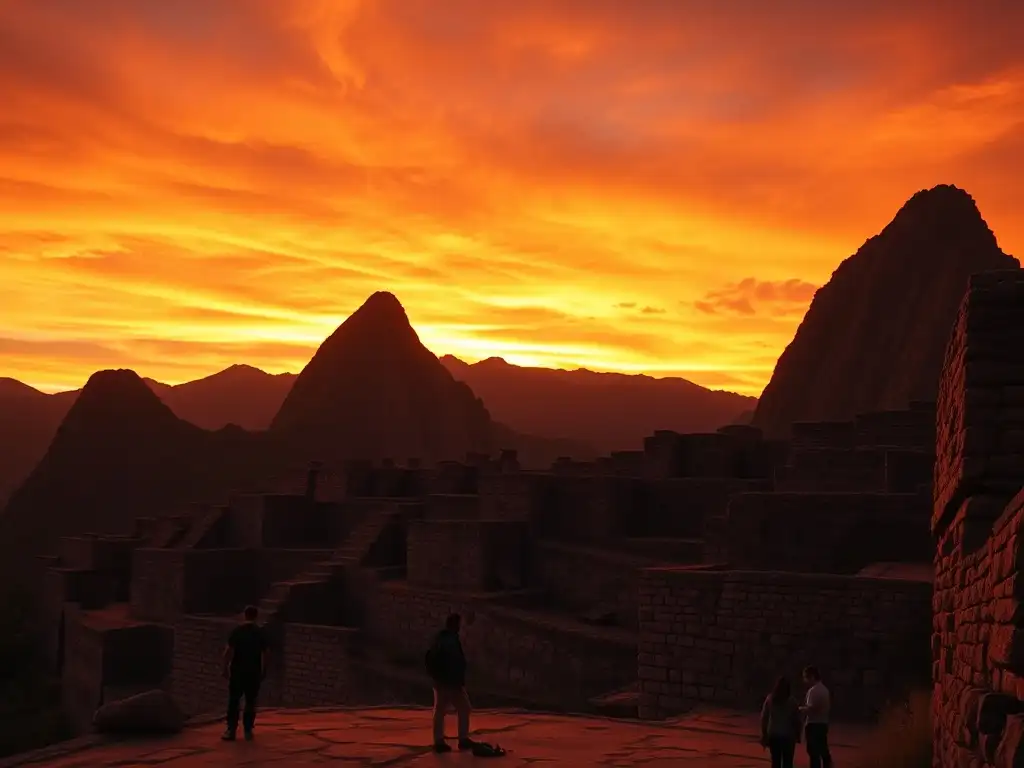
This section delves into the fascinating history of Sacsayhuamán, a monumental Inca fortress, exploring its construction, its role during the Inca Empire, and its legacy after the Spanish conquest. Understanding Sacsayhuamán's history is crucial to grasping the Inca Empire's power, ingenuity, and enduring cultural impact. The keyword phrase "Inca Sacsayhuamán fortress history" is central to understanding this incredible site.
The Construction Phase of the Inca Sacsayhuamán
The construction of Sacsayhuamán, a feat of Inca engineering, remains a source of wonder and debate. Precise dating is difficult, but archaeological evidence suggests construction began sometime during the reign of Pachacuti Inca Yupanqui (1438-1471), a period of significant Inca expansion and consolidation. The fortress's cyclopean masonry, characterized by massive, precisely fitted stones weighing many tons, is truly remarkable. These stones, some reaching over 9 meters in length, were transported from distant quarries using sophisticated techniques, likely involving ramps, rollers, and a large workforce.
The sheer scale of the undertaking suggests meticulous planning and a highly organized workforce. Evidence points to a phased construction, with different sections built over time. This phased approach might explain variations in stone size and construction techniques observed throughout the complex.
While the exact methods used remain partly mysterious, the finished product stands as a testament to Inca ingenuity and mastery of stonework. The precision of the stone fitting, with minimal mortar used, is a hallmark of Inca architecture, and Sacsayhuamán exemplifies this perfectly. It was not merely a fortress; it was a statement of imperial power and technological prowess.
Sacsayhuamán During the Inca Empire
During the Inca Empire's height, Sacsayhuamán served as a crucial military and ceremonial center. Its strategic location overlooking Cusco, the Inca capital, provided exceptional defensive capabilities. The fortress's imposing walls, strategically placed towers, and intricate network of passages were designed to withstand sieges and protect the city. However, Sacsayhuamán was more than just a military stronghold. It likely played a significant role in Inca religious and ceremonial life. Its imposing scale and commanding view of the surrounding landscape suggest a connection to Inca cosmology and beliefs.
Evidence suggests that Sacsayhuamán may have hosted important ceremonies and festivals, further solidifying its importance as a symbol of Inca power and legitimacy. The site likely housed elite soldiers and officials, reflecting its significance as a center of imperial authority. Its imposing presence would have served to impress visitors and reinforce the Inca's dominance. The Inca Sacsayhuamán fortress history during this period is one of strategic military importance and significant ceremonial function, interwoven into the fabric of the empire.
Sacsayhuamán After the Spanish Conquest
The Spanish conquest in 1533 marked a dramatic turning point in Sacsayhuamán's history. The Spanish forces, under Pizarro, used the fortress's stones to build their own structures in Cusco, significantly damaging the site. The Inca Sacsayhuamán fortress history took a devastating turn. This act of destruction reflects the Spanish intent to erase Inca culture and assert their dominance. The fortress, once a symbol of Inca power, was deliberately defaced and its stones repurposed. This destruction unfortunately obscured much of the original layout and design.
Despite the damage inflicted by the Spanish, Sacsayhuamán endured. Over the centuries, it has undergone various stages of neglect, preservation efforts, and archaeological investigation. Today, Sacsayhuamán stands as a testament to both Inca ingenuity and the destructive forces of conquest.
It serves as a powerful reminder of the Inca Empire's legacy and the importance of preserving cultural heritage. Ongoing research and conservation projects continue to unravel the mysteries of this magnificent Inca fortress, contributing to a richer understanding of the "Inca Sacsayhuamán fortress history." The site remains a major tourist attraction, attracting visitors from around the globe who come to marvel at its impressive scale and historical significance.
Preservation and Research of the Inca Sacsayhuamán
The preservation of Sacsayhuamán is a continuous and complex undertaking. The sheer scale of the site, coupled with the effects of centuries of weathering, earthquakes, and, unfortunately, human interference, presents significant challenges. Ongoing efforts focus on several key areas: stabilizing vulnerable structures, mitigating erosion, and controlling uncontrolled tourism.
Specialized teams of archaeologists, engineers, and conservators work tirelessly to implement sustainable preservation strategies. These strategies often involve meticulous stone-by-stone analysis to understand the original construction techniques, enabling more effective repair and reinforcement methods. For example, the careful removal of vegetation that can damage the stonework and the implementation of drainage systems to prevent water damage are crucial aspects of this ongoing work.
The use of traditional Inca techniques, where possible, is prioritized to ensure authenticity and minimize the impact of modern interventions. The overall goal is not just to preserve the physical structures but also to protect the site's historical integrity and cultural significance for future generations. This involves careful documentation and ongoing research to better understand the site’s history and function.
The research conducted at Sacsayhuamán is multifaceted. Archaeological excavations continue to uncover new information about the fortress's construction, use, and eventual abandonment. Researchers employ a variety of techniques, including geophysical surveys to map underground structures, meticulous analysis of stone tools and artifacts found on-site, and detailed studies of the architectural features themselves.
These investigations are crucial for deepening our understanding of Inca engineering prowess, their social structures, and their military strategies. For example, recent research has shed light on the complex logistics involved in transporting and precisely fitting the massive stones used in the construction, challenging previous assumptions about Inca capabilities. Furthermore, ongoing research into the site's astronomical alignments explores the potential role of Sacsayhuamán in Inca cosmology and religious practices.
The collaboration between international research teams and Peruvian authorities ensures the ethical and responsible conduct of research, preserving the site's cultural heritage while expanding our knowledge of this remarkable Inca achievement. The findings of this research are regularly published in academic journals and shared with the public through museums and educational initiatives, further enhancing appreciation for the Inca Sacsayhuamán fortress history.
The Mysteries and Legends Surrounding Sacsayhuamán
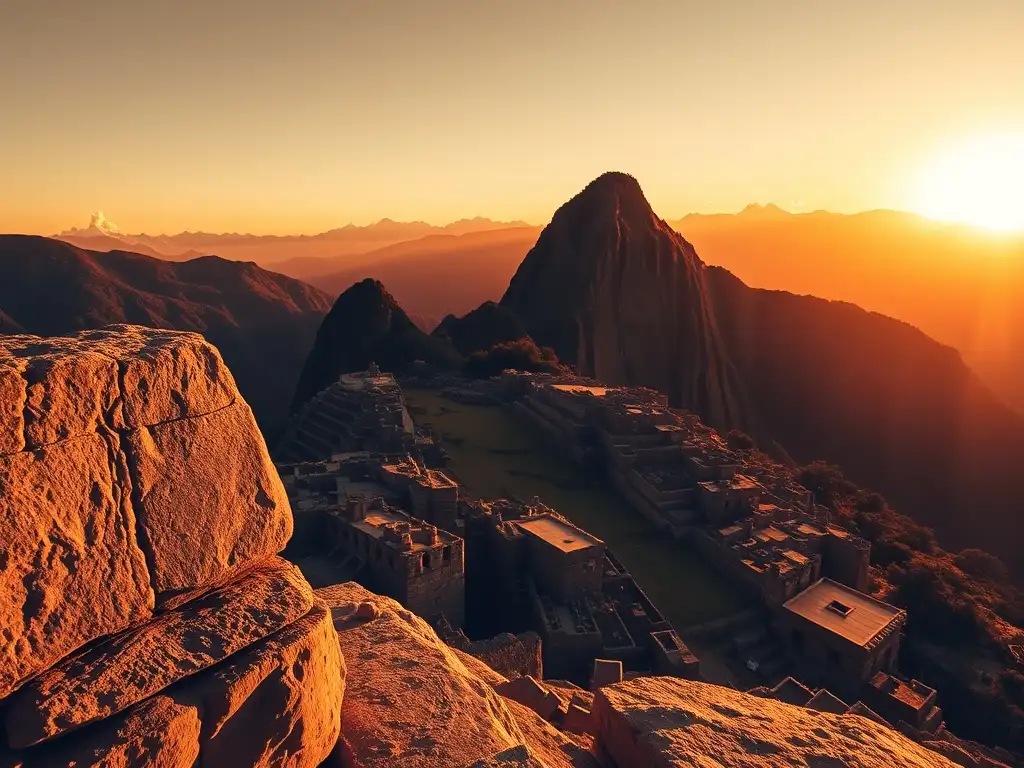
The Inca Sacsayhuamán fortress, a breathtaking testament to Inca ingenuity and power, is shrouded in more than just the mists of the Andes. Its sheer scale and the precision of its construction continue to inspire awe and fuel speculation even today. While much is known about its function as a military stronghold and ceremonial center, certain aspects remain enigmatic, sparking countless theories and legends. Understanding the Inca Sacsayhuamán fortress history requires grappling with these enduring mysteries.
The very why behind its construction, beyond its obvious strategic location, remains a point of debate amongst historians and archaeologists. Some suggest it served as a symbolic representation of the Inca Empire's strength and dominion, a tangible manifestation of their power projected onto the landscape. Others posit a more complex, multi-layered purpose, weaving together military defense, religious ceremonies, and astronomical alignments. The intricate interplay of these elements adds to the mystique of this incredible site and the intrigue of its Inca Sacsayhuamán fortress history.
Deciphering the complete narrative requires careful consideration of the available evidence and an openness to the unexplained. The lack of extensive written records from the Inca themselves forces us to rely on archaeological findings, interpretations of surviving oral traditions, and careful analysis of the fortress's architecture. This reliance on multiple forms of evidence, however, often leads to varying interpretations and the persistence of intriguing mysteries.
The Unexplained Aspects of the Inca Fortress
One of the most perplexing aspects of Sacsayhuamán is the precise method of stone transportation and placement. The enormous stones, some weighing over 100 tons, were transported from quarries several kilometers away. How the Inca achieved this feat without advanced technology remains largely unexplained. Theories abound, ranging from the use of sophisticated ramps and rollers to the harnessing of human and animal power on a scale almost unimaginable.
The precision with which these massive stones were fitted together, with minimal mortar, is equally astounding. Many stones interlock so perfectly that a knife blade cannot be inserted between them, a testament to the Inca's mastery of stonework and their advanced understanding of engineering principles. This remarkable precision, coupled with the sheer scale of the construction, contributes to the enduring mystery surrounding the Inca Sacsayhuamán fortress history.
Further research and analysis, perhaps involving advanced imaging techniques or innovative archaeological approaches, may yet reveal more about the construction techniques employed. The detailed study of tool marks on the stones, for example, could offer clues to the methods used. But for now, the exact methods remain a fascinating enigma, fueling the enduring legends surrounding this remarkable site.
The astronomical alignments within the fortress also contribute to its mysterious aura. Some researchers believe that certain structures within Sacsayhuamán were deliberately positioned to align with celestial events, such as solstices and equinoxes. This suggests a sophisticated understanding of astronomy and its integration into the fortress's design, adding a further layer of complexity to the Inca Sacsayhuamán fortress history.
However, further investigation is needed to confirm the extent and significance of these alignments, and their role in the overall functionality of the site. The potential connection between astronomy and the fortress's purpose adds to the intrigue and fuels ongoing research into the site’s design and meaning. The subtle shifts in the earth's axis over centuries also need to be factored into any such analysis.
Beyond the archaeological mysteries, numerous local myths and legends are intertwined with the Inca Sacsayhuamán fortress history. These stories, passed down through generations, often attribute supernatural powers or origins to the fortress. Some legends speak of hidden chambers containing Inca treasures or sacred objects, fueling countless treasure hunts over the centuries. These narratives, while not necessarily historically accurate, offer valuable insights into the cultural significance of Sacsayhuamán and its enduring impact on the collective imagination. They highlight the enduring power of oral traditions and the way in which history and myth become intertwined over time.
One common theme in these legends revolves around the giant stones themselves. Some stories attribute their construction to supernatural beings or mythical creatures, emphasizing the superhuman effort seemingly required to move and place such massive blocks. Other tales describe the fortress as a place of immense spiritual power, a site where ancient rituals were performed and where contact with the spirit world was possible.
These local myths and stories, while often fantastic and bordering on the supernatural, enrich our understanding of the Inca Sacsayhuamán fortress history by revealing the cultural significance of the site for generations of Andean people. They demonstrate how a physical structure can become imbued with symbolic meaning and cultural significance, far exceeding its original purpose. These stories, often passed down through families and communities, contribute to the rich tapestry of Inca Sacsayhuamán fortress history, adding a layer of cultural depth that cannot be found in archaeological records alone.
Documenting and analyzing these diverse narratives is crucial for a complete understanding of this significant historical site. The preservation of these oral traditions is therefore just as important as the preservation of the physical structure itself.
Sacsayhuamán: A Legacy of Inca Ingenuity
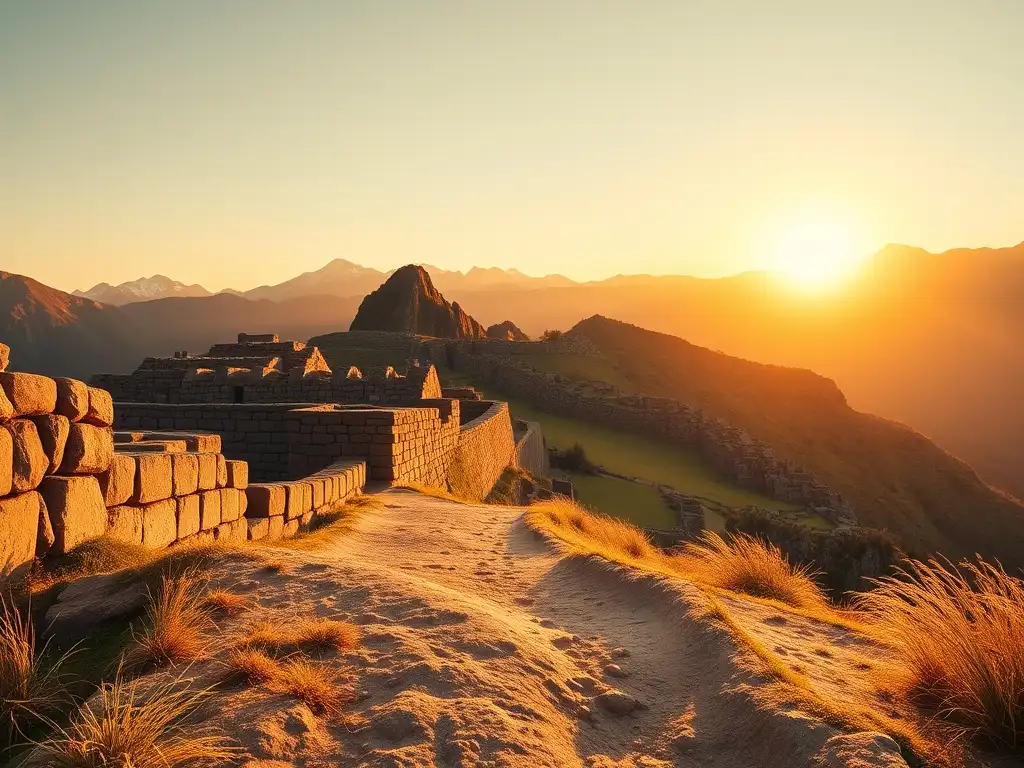
Sacsayhuamán, a breathtaking Inca fortress overlooking Cusco, Peru, stands as a powerful testament to the Inca Empire's advanced engineering and architectural prowess. Its construction, likely spanning several decades during the height of the Inca Empire (roughly 1438-1533 CE), presents a fascinating case study in Inca ingenuity, resourcefulness, and mastery of stonework. The very name, often translated as "satisfied falcon" or "place of the falcon," hints at its strategic importance and majestic presence.
The Inca Sacsayhuamán fortress history is deeply intertwined with the empire's expansion and consolidation, reflecting its military might and sophisticated societal structure. Understanding its construction and purpose provides invaluable insights into the Inca worldview and their remarkable achievements.
Sacsayhuamán as a Testament to Inca Engineering
The sheer scale of Sacsayhuamán is awe-inspiring. Massive, precisely cut stones, some weighing over 100 tons, were meticulously fitted together without mortar, showcasing an unparalleled understanding of stone manipulation and engineering. The cyclopean masonry, characterized by the perfectly joined, gigantic stones, remains a source of wonder and debate among scholars. How the Inca achieved such precision without advanced tools continues to fascinate archaeologists and engineers alike. Theories abound, ranging from sophisticated lever systems and ramps to a deeper understanding of stone properties and perhaps even advanced knowledge of physics that we are only now beginning to comprehend.
The construction process itself likely involved a massive mobilization of labor, highlighting the Inca's ability to organize and manage vast human resources. This intricate organization, coupled with their advanced knowledge of astronomy and geography, allowed them to strategically position the fortress to maximize its defensive capabilities. The complex arrangement of walls, towers, and terraces provided multiple layers of defense, offering protection from potential invaders.
We can analyze the impressive construction techniques by examining specific features:
| Feature | Description | Significance |
|---|---|---|
| Massive Stones | Some stones weigh over 100 tons, perfectly fitted without mortar. | Demonstrates advanced stone-cutting and fitting techniques, unparalleled precision. |
| Precise Joints | Stones interlock with remarkable accuracy, creating incredibly strong structures. | Shows mastery of geometry and engineering principles. |
| Strategic Layout | Walls, towers, and terraces create multiple defensive layers. | Reflects sophisticated military planning and understanding of terrain. |
| Water Management | Integrated water channels suggest sophisticated water management systems. | Highlights Inca understanding of hydraulic engineering. |
The Inca Sacsayhuamán fortress history is not solely about military strength; it also demonstrates the Inca's advanced understanding of engineering principles, resource management, and societal organization.
The Enduring Cultural Significance of Sacsayhuamán
Beyond its military significance, Sacsayhuamán holds profound cultural and spiritual importance for the Inca people and their descendants. It represents not only their power and resilience but also their connection to the Andean landscape and cosmology. The fortress's strategic location, overlooking Cusco, suggests its role as a symbolic center, a place of power and ritual.
Even today, Sacsayhuamán continues to evoke a sense of awe and wonder. 🏞️ Its majestic presence resonates with visitors from around the world, offering a tangible connection to a rich and complex past. The site's enduring cultural significance is evident in its continued use in various celebrations and ceremonies, reflecting its deep-rooted importance in Andean identity and cultural heritage.
The preservation and study of Sacsayhuamán are crucial for understanding not only the Inca Empire's history but also the ongoing cultural legacy of the Andean region. The Inca Sacsayhuamán fortress history is therefore not just a story of stone and conquest, but also a narrative of enduring cultural significance and spiritual connection.
Further research into the site's intricate details will undoubtedly uncover even more about the Inca's remarkable civilization. The ongoing archaeological investigations promise to reveal further insights into the intricacies of this magnificent site, enriching our understanding of the Inca Empire's achievements and enduring legacy.
Visiting Sacsayhuamán: What to Expect
This section delves into the practicalities of visiting the awe-inspiring Inca Sacsayhuamán fortress. Understanding what to expect before your trip will enhance your experience and allow you to fully appreciate this incredible site's history and architecture. From planning your journey to navigating the site itself, we'll cover everything you need to know for a memorable visit. The Inca Sacsayhuamán fortress history is rich and complex, and proper preparation is key to unlocking its secrets.
Planning Your Trip to the Inca Sacsayhuamán
Planning a trip to Sacsayhuamán requires considering several factors. First, location is key. The fortress is located just outside Cusco, Peru, making it easily accessible for those already exploring the city. However, altitude sickness can be a concern in Cusco (around 11,000 feet above sea level), so acclimatization is crucial. Plan to spend a few days in Cusco before venturing to Sacsayhuamán to allow your body to adjust.
Next, transportation options include taxis, buses, or guided tours. Taxis are readily available in Cusco, offering a convenient, albeit slightly more expensive, option. Buses are a more budget-friendly alternative, but may require more walking to reach the fortress entrance. Guided tours offer valuable insights into the Inca Sacsayhuamán fortress history and context, enriching your experience significantly.
Finally, time of year influences your visit. The dry season (May to September) offers the best weather for exploring the site, with clear skies and minimal rainfall. However, this is also peak tourist season, so expect larger crowds. The wet season (October to April) can present challenges with rain and mud, but offers a more tranquil atmosphere with fewer visitors. Consider these factors when booking your trip.
Exploring the Site of the Inca Fortress
Upon arrival at Sacsayhuamán, you'll be greeted by the imposing scale of the fortress. The sheer size and precision of the Inca stonework are breathtaking. The site itself is extensive, encompassing various structures and terraces. Allow ample time to fully explore the area; a minimum of 2-3 hours is recommended, though more time will allow for deeper appreciation of the Inca Sacsayhuamán fortress history and its intricacies.
Navigating the site is relatively straightforward, with well-marked paths and informative signage (though some may be in Spanish). However, the terrain is uneven and can be challenging in places. Wear comfortable shoes suitable for walking on uneven surfaces and potentially steep inclines. Remember to stay hydrated, especially during the warmer months. The altitude can also affect your energy levels, so pacing yourself is crucial. Taking breaks to absorb the views and reflect on the site's significance will enhance your experience.
Tips for Visiting and Respecting Sacsayhuamán
Respecting the historical and cultural significance of Sacsayhuamán is paramount. The site is not just a collection of stones; it's a testament to the ingenuity and cultural heritage of the Inca civilization. Therefore, adhere to the following guidelines:
- Stay on marked paths: This helps to protect the site's delicate structures and prevents damage.
- Refrain from climbing on or touching the stones: The stones are ancient and fragile. Your actions can contribute to their deterioration.
- Dispose of your trash responsibly: Help keep the site clean and pristine for future visitors.
- Be mindful of noise levels: Respect the solemnity of the location and avoid disruptive behavior.
- Learn about the Inca Sacsayhuamán fortress history before your visit: This will enhance your appreciation and understanding of the site's significance. Reading up beforehand will make your visit far more enriching.
- Consider hiring a local guide: A knowledgeable guide can provide valuable insights into the site's history, architecture, and cultural significance, adding another layer to your understanding of the Inca Sacsayhuamán fortress history. They can also answer any questions you may have and offer a more personal, immersive experience.
By following these guidelines, you can contribute to the preservation of this remarkable site and ensure that future generations can experience its wonder. Enjoy your exploration of this magnificent piece of Inca heritage! ⛰️
Frequently Asked Questions
What is Sacsayhuamán?
Sacsayhuamán is a massive Inca fortress located near Cusco, Peru. It's renowned for its impressive stonework, a testament to Inca engineering and architectural prowess. Its strategic location offered excellent defense.
When was Sacsayhuamán built?
While the exact dates are debated, construction likely began during the reign of Pachacuti Inca Yupanqui in the 15th century. It was expanded upon throughout the Inca Empire's existence. The precise timeline remains a subject of ongoing research.
What makes Sacsayhuamán's stonework so unique?
The precisely fitted stones, some weighing many tons, are a marvel of engineering. The lack of mortar between the stones and their interlocking design demonstrates sophisticated knowledge of construction techniques. This precision is unmatched in many other ancient structures.
Why was Sacsayhuamán built?
Sacsayhuamán served multiple purposes. It was primarily a military fortress, offering protection from invaders. It also likely held religious significance, potentially serving as a ceremonial center. Its strategic location near Cusco further reinforced its importance.
What is the current state of Sacsayhuamán?
Sacsayhuamán is a well-preserved archaeological site that is open to the public. While some sections are damaged due to age and historical events, significant portions remain intact, allowing visitors to appreciate the scale and grandeur of the fortress.
Final Reflection: Echoes of Empire at Sacsayhuamán
The enduring mystery of Sacsayhuamán's construction continues to fascinate and challenge us today, a testament to the ingenuity and power of the Inca civilization. Its massive stones, perfectly fitted together without mortar, stand as a powerful symbol of a sophisticated empire that once thrived in the Andes. The sheer scale of the fortress, coupled with its strategic location, speaks volumes about the Inca's advanced understanding of engineering, astronomy, and military strategy.
The impact of Sacsayhuamán extends far beyond its physical presence; it resonates deeply within Peruvian culture and identity. It serves as a potent reminder of a rich and complex past, a heritage that continues to shape the nation's identity. The very stones themselves whisper stories of a bygone era, stories of resilience, innovation, and a deep connection to the land. The past is never dead. It's not even past.
- William Faulkner. This quote perfectly encapsulates the enduring legacy of Sacsayhuamán and its continued relevance in modern Peru.
Consider the meticulous craftsmanship, the sheer scale of the undertaking, and the enduring mystery surrounding its construction. Now, consider your own life. What monumental tasks have you undertaken? What challenges have you overcome? Let the spirit of Sacsayhuamán inspire you to embrace your own potential, to build your own legacy, stone by stone, with the same dedication and perseverance that the Inca displayed centuries ago. Let the echoes of this magnificent fortress reverberate within you, a reminder of the human capacity for greatness.
**Unlock the Secrets of Sacsayhuamán! **
Thank you for exploring the fascinating history of Sacsayhuamán with us! We hope you've gained a deeper understanding of this remarkable Inca fortress and its cultural significance. Now, let's take your knowledge further!
Here are some suggestions for your next steps:
- **Plan your visit:** Begin organizing a trip to marvel at Sacsayhuamán's breathtaking architecture, or explore other fascinating ancient sites nestled within the Andes Mountains.
- **Share your newfound knowledge:** Document your discoveries and share this article with fellow history enthusiasts, sparking engaging conversations about Inca ingenuity and architectural marvels.
- **Connect with fellow history buffs:** Join online communities dedicated to Andean history or travel, connecting with others who share your passion for these captivating civilizations.
How will you integrate the wisdom and wonder of the Inca civilization into your next adventure?