
Paracas Body Modification Practices: Beyond Cranial Deformation

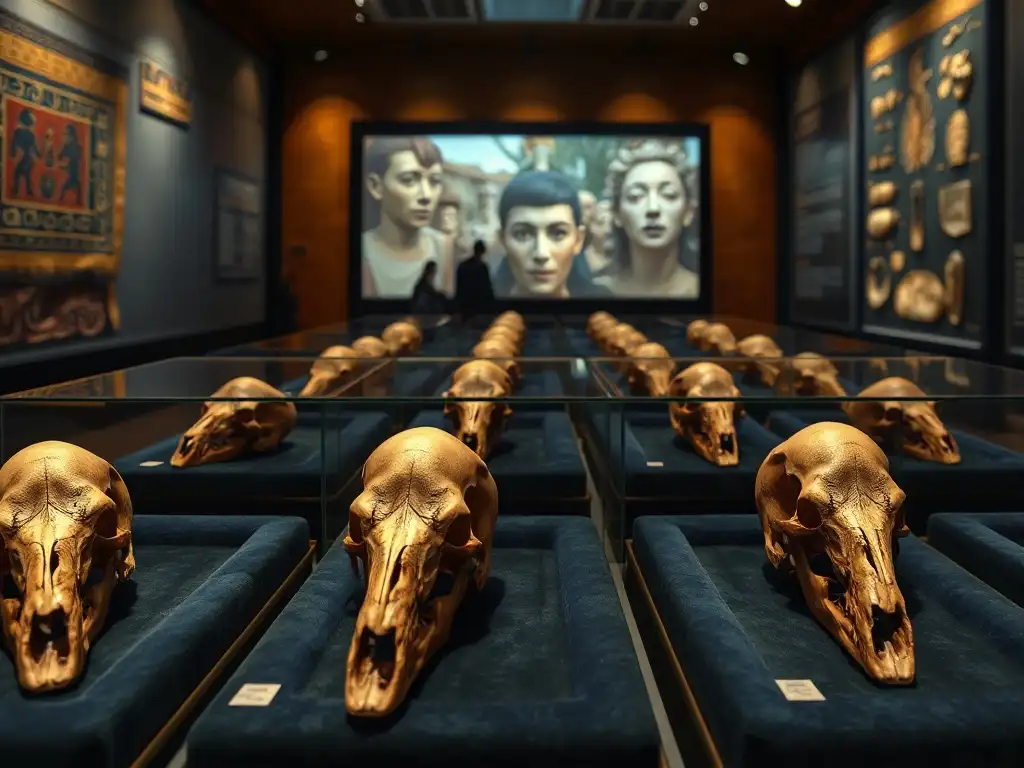
Step into a world lost to time, where the echoes of ancient Andean ingenuity still resonate. Discover the breathtaking artistry and complex societies that thrived in the shadow of the Andes Mountains, from the Incas to the lesser-known yet equally fascinating cultures. But prepare to be captivated by something truly extraordinary: Paracas cranial deformation techniques – a practice far more intricate and revealing than you might imagine.
Dive into the mysteries of Pre-Incan coastal societies and uncover the secrets behind these astonishing body modifications, a journey that will challenge your perceptions and redefine your understanding of ancient Andean history. Read on to explore the fascinating world of Paracas and beyond.
The Paracas culture, flourishing along Peru's southern coast between 700 BC and 200 AD, remains a captivating enigma in the tapestry of Andean prehistory. While renowned for their exquisite textiles and intricate burial practices, the Paracas people also engaged in a range of striking body modification techniques that extend far beyond the well-documented cranial deformation.
This article delves into the fascinating world of Paracas body modification, exploring the diverse practices, their potential significance, and the ongoing research that continues to unveil the secrets of this remarkable civilization. We'll move beyond the commonly discussed Paracas cranial deformation techniques to uncover a broader spectrum of alterations performed on the body, offering a more complete picture of Paracas culture and its unique relationship with the body.
Understanding these practices provides crucial insight into their social structures, beliefs, and worldview, enriching our comprehension of this pivotal Andean society. The study of Paracas body modification offers a compelling lens through which to examine the complex interplay of cultural identity, spiritual beliefs, and artistic expression in ancient Andean societies.
Understanding Paracas Culture and its Unique Practices
The Paracas culture thrived in a geographically diverse environment, exploiting the rich resources of the coastal desert and the adjacent highlands. Their mastery of textile production is legendary, with intricately woven fabrics displaying vibrant colors and complex iconography. Their elaborate burial rituals, involving mummification and the inclusion of numerous grave goods, provide invaluable clues to their social organization and beliefs.
However, these elaborate burial practices often included evidence of extensive body modification, hinting at a complex system of social signaling and spiritual significance. The Paracas people, unlike many other Andean cultures, did not solely rely on cranial deformation to express social status or religious affiliation. Instead, they employed a diverse array of techniques, reflecting a sophisticated understanding of the human body and its symbolic potential.
Archaeological evidence suggests a range of practices, from trepanation (surgical removal of sections of the skull) to tooth filing and other forms of body ornamentation. The precise reasons behind these practices are still debated, but they undeniably contributed to the unique visual identity of the Paracas people. Further research is needed to fully understand the social and cultural contexts in which these practices were performed.
The Paracas Culture: A Glimpse into Andean Prehistory
Situated in a harsh yet productive environment, the Paracas developed sophisticated agricultural techniques to sustain their population. Their mastery of irrigation systems allowed them to cultivate crops in the arid coastal regions, showcasing their ingenuity and adaptability. The Paracas also engaged in extensive fishing and maritime activities, further diversifying their subsistence strategies.
Their intricate knowledge of the natural world is reflected in their art and iconography, often depicting marine life, birds, and other elements of their environment. This close relationship with their surroundings is also reflected in their burial practices and the inclusion of various organic materials in their tombs. Moreover, the Paracas' distinctive artistic style, particularly in their textile production, showcases a high level of technical skill and aesthetic sophistication.
Their textiles, renowned for their vibrant colors and intricate designs, are considered among the finest examples of ancient Andean craftsmanship. The vibrant colors, complex patterns, and the use of unique techniques like tapestry weaving are all testaments to their advanced textile technology and artistic expression.
Body Modification: A Common Practice in Ancient Andean Societies
Body modification wasn't unique to the Paracas; it was a widespread phenomenon across various ancient Andean societies. However, the specific techniques and their social meanings often varied significantly between different cultures. While cranial deformation was practiced by several Andean groups, the Paracas employed a range of additional techniques, suggesting a unique cultural context.
For example, the frequency and methods of trepanation in Paracas remains stand out. While trepanation existed in other Andean groups, the Paracas' techniques and the high survival rates among those who underwent the procedure are particularly noteworthy and suggest a high level of surgical skill and understanding of post-operative care. The significance of tooth filing and other forms of dental modification also requires further investigation.
These practices might have served social and/or ritualistic purposes, potentially indicating status, affiliation, or participation in specific ceremonies. Further research, combining archaeological data with anthropological and historical perspectives, is crucial to fully understand the range and complexity of body modification practices in the ancient Andes and their specific implications within the Paracas culture. The study of Paracas body modification is an ongoing process, continually revealing new insights into this fascinating and complex civilization.
Beyond Cranial Shaping: Exploring Diverse Paracas Modifications
The Paracas culture, renowned for its mastery of cranial deformation, also practiced a range of other body modifications. While cranial deformation, achieved through various techniques discussed elsewhere in this article, remains their most striking feature, a deeper understanding reveals a complex system of body alteration likely imbued with significant social and spiritual meaning. These practices weren't merely cosmetic; they were integral to Paracas identity and societal structure, reflecting status, lineage, or religious affiliation.
Evidence suggests the use of trepanation, a surgical procedure involving drilling or scraping holes into the skull. While the exact reasons for this remain debated, theories include the treatment of head injuries, the release of pressure from intracranial hematomas, or even ritualistic practices. The survival rates of individuals undergoing trepanation in the Paracas culture, judging from the healed bone growth around the trepanation sites, suggest a surprisingly advanced understanding of surgical techniques and aftercare.
This points towards specialized individuals within the society, perhaps shamans or healers, possessing advanced medical knowledge for their time. Further research is needed to fully understand the extent and implications of trepanation within Paracas society.
Beyond trepanation, there's evidence suggesting other forms of body modification. While less extensively documented than cranial deformation, these practices might have included tattooing, piercing, and possibly even tooth filing or modification. The arid climate of the Paracas region has unfortunately hampered the preservation of organic materials like skin and hair, making it challenging to directly observe evidence of tattoos or piercings.
However, indirect evidence from textile art and iconography may offer clues, depicting individuals with stylized body markings that suggest the presence of these practices. Further investigation into these artistic depictions, coupled with ongoing archeological excavations, holds the potential to unlock further understanding of the full spectrum of Paracas body modification practices. The uncovering of additional mummies in better states of preservation could also provide more tangible evidence of such practices.
The significance of these diverse modifications remains a topic of ongoing research and scholarly debate. Anthropologists and archaeologists continue to analyze the available evidence, striving to piece together the complex social, religious, and cultural contexts within which these practices were performed. Understanding the complete picture of Paracas body modification goes beyond the merely aesthetic; it offers a profound glimpse into the beliefs, values, and social structures of this remarkable ancient civilization. The integration of advanced imaging techniques and interdisciplinary collaboration promises to shed further light on this fascinating aspect of Paracas culture in the years to come.
- Understanding Paracas Culture and its Unique Practices
- The Paracas Culture: A Glimpse into Andean Prehistory
- Body Modification: A Common Practice in Ancient Andean Societies
- Beyond Cranial Shaping: Exploring Diverse Paracas Modifications
Paracas Cranial Deformation Techniques: Methods and Motives
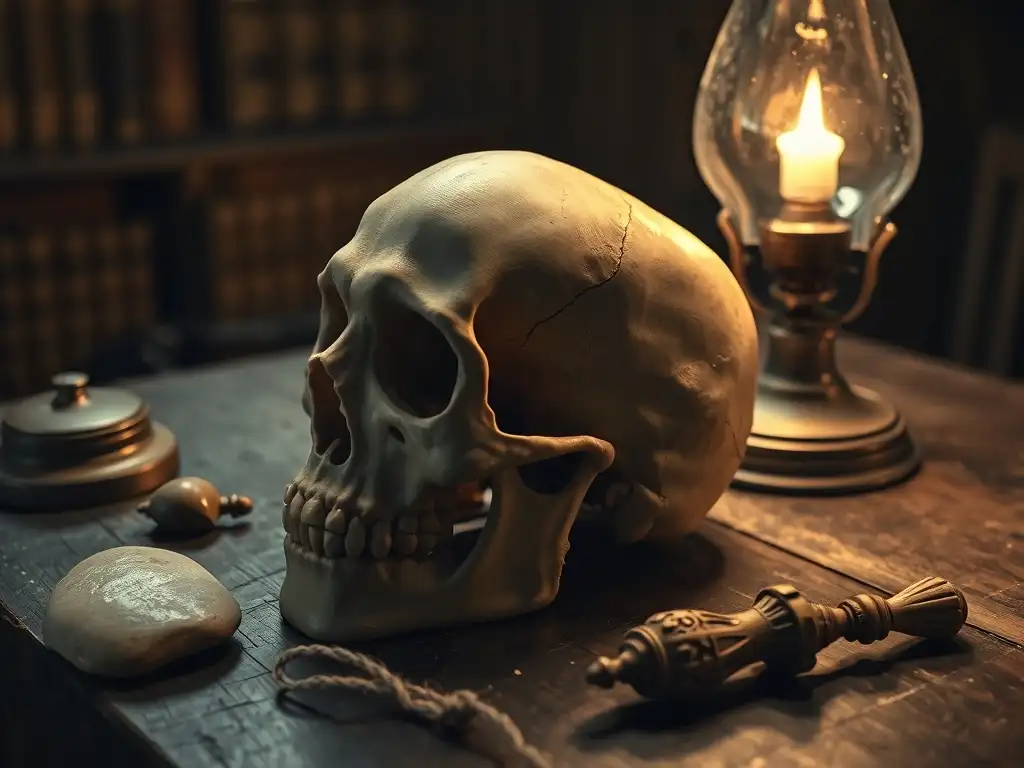
The Paracas culture, renowned for its intricate textiles and unique burial practices, also stands out for its deliberate cranial modification techniques. These practices, while seemingly extreme to modern eyes, were a significant aspect of Paracas social and cultural identity. Understanding the Paracas cranial deformation techniques requires examining the methods employed and the potential motivations behind them. The precise methods used remain a subject of ongoing research and debate, but several key techniques have been identified.
Techniques of Paracas Head Shaping: Boards, Bindings, and More
Several methods were likely used to achieve the characteristic elongated skulls observed in Paracas remains. The most commonly proposed techniques involve the use of cranial boards and tight bandages.
- Cranial Boards: Infants' heads were likely placed within specially shaped boards, often made of wood or other readily available materials. These boards would gently but persistently mold the skull's shape as the infant's bones were still pliable. The precise design of these boards varied, leading to different degrees of elongation. Some reconstructions suggest relatively flat boards, while others propose more complex shapes designed to create specific cranial profiles. Unfortunately, the scarcity of well-preserved examples makes definitive statements difficult.
- Bandaging: Another widely accepted technique involved tightly wrapping an infant's head with cloth bandages. This method, often used in conjunction with cranial boards, would apply consistent pressure, further shaping the skull's growth. The tightness of the bandages would have been carefully controlled to avoid injury, yet maintain sufficient pressure for effective modification. The material used for these bandages, likely cotton or other plant fibers, has not been definitively identified in all cases, requiring further investigation.
- Combination of Techniques: It's highly probable that a combination of these techniques, and perhaps others yet undiscovered, was employed. The variation in the degree and style of cranial deformation observed in Paracas remains suggests a level of flexibility and adaptation in their practices, potentially reflecting different social groups or aesthetic preferences. Further research into the correlation between cranial shape variations and other social markers is needed.
The Purpose of Cranial Modification: Status, Identity, and Aesthetics
The reasons behind Paracas cranial modification are complex and multifaceted. While we cannot definitively state the singular purpose, several theories offer compelling explanations:
- Social Status: Elongated skulls might have indicated high social standing or membership in a particular elite group. This theory is supported by the observation that cranial modification was not universally practiced within the Paracas population. The consistent presence of modified skulls in elite burials further strengthens this hypothesis.
- Identity and Belonging: Cranial deformation may have served as a powerful marker of group identity, distinguishing Paracas individuals from neighboring cultures. This visual identifier would have reinforced social cohesion and strengthened group affiliation. The uniformity of the practice within the Paracas culture suggests a strong symbolic significance.
- Aesthetic Preferences: It's also possible that cranial modification was driven by purely aesthetic considerations. The elongated skull may have been considered beautiful or desirable within Paracas society, reflecting specific cultural ideals of beauty and physical perfection. The deliberate nature of the practice and the relatively consistent results suggest a carefully cultivated aesthetic pursuit.
The interplay of these factors likely contributed to the widespread practice of cranial modification within the Paracas culture. Further research, particularly through interdisciplinary collaboration involving anthropologists, archaeologists, and historians, is vital to fully understand the complex social and cultural significance of this practice.
Analyzing Skeletal Remains: Evidence of Paracas Cranial Deformation
The study of Paracas skeletal remains provides direct evidence of cranial modification techniques. Analysis focuses on several key areas:
- Cranial Sutures: Examination of the cranial sutures—the joints where the skull bones meet—reveals the effects of the deformation process. Premature fusion or unusual patterns in suture development can indicate the application of external pressure during the skull's growth phase.
- Skull Shape and Size: Careful measurements of skull length, width, and other dimensions provide quantitative data on the degree and type of cranial modification. This data can be used to identify patterns and variations in the practice across different time periods and social groups.
- Bone Density and Structure: Analysis of bone density and microstructure may provide insights into the health and well-being of individuals who underwent cranial modification. While some studies have suggested potential negative health impacts, others have found minimal evidence of significant adverse effects. This area requires further research to reach conclusive findings.
- Associated Artifacts: Analysis of grave goods found alongside modified skulls provides contextual information about the social status and cultural significance of individuals who underwent this procedure. The presence of elaborate textiles, jewelry, or other luxury items in burials may suggest a link between cranial modification and social hierarchy.
The study of Paracas cranial deformation is an ongoing process. New techniques and discoveries continue to refine our understanding of these fascinating practices, offering valuable insights into the beliefs, values, and social structures of this ancient Andean civilization. The careful analysis of skeletal remains, combined with interdisciplinary research, promises to shed further light on the intricate world of the Paracas culture and their unique approach to body modification.
Paracas Body Modifications Beyond Head Shaping
The Paracas culture, renowned for its intricate textiles and impressive cranial deformation techniques, also practiced a range of other body modifications. While cranial deformation—the intentional reshaping of the skull—has garnered significant attention, a deeper exploration reveals a complex system of body alteration that reflects the society's beliefs, social structures, and aesthetic ideals. This section delves into the fascinating world of Paracas body modification practices beyond the well-known cranial deformation, focusing specifically on dental modifications. Understanding these practices provides crucial insight into the rich tapestry of Paracas culture and their unique worldview.
The meticulous nature of these modifications suggests a high level of skill and societal importance. Analyzing the techniques employed and the prevalence of these modifications across different social strata offers valuable clues to the intricate social dynamics within Paracas society. The study of Paracas cranial deformation techniques is only one piece of a much larger puzzle.
Dental Modifications: Filing and Inlays in Paracas Culture
Paracas individuals frequently underwent dental modification, a practice involving the filing and inlaying of teeth. This wasn't a simple cosmetic procedure; the precision and artistry involved suggest a deeply symbolic and ritualistic significance. Archaeological evidence reveals a variety of techniques. Teeth were filed down to create pointed or flat surfaces, sometimes in elaborate patterns.
Inlays, often made of materials like turquoise or shell, were meticulously fitted into prepared cavities in the teeth. The materials used for inlays varied, potentially reflecting social status or individual preference. The complexity of the work implies specialized artisans within the Paracas society, individuals with the skills and knowledge to perform these intricate procedures.
Further research is needed to determine the exact tools and techniques employed by these skilled artisans, but the results speak for themselves. The prevalence of this dental modification in Paracas remains suggests it was a widespread practice, integrated into the cultural fabric of the society. The careful application of these modifications indicates a high value placed on aesthetic ideals and potentially social status.
Evidence of Tooth Alterations in Paracas Remains
Numerous excavated Paracas mummies exhibit clear evidence of dental modifications. Detailed analyses of skeletal remains reveal a high percentage of individuals with filed or inlaid teeth. Studies have shown that the practice was not limited to a specific age group or gender, suggesting a widespread societal acceptance and participation. The consistency of techniques across different sites and burial contexts suggests a shared cultural understanding of the practice.
While more research is needed to definitively link specific modification patterns to social status or ritualistic significance, the sheer number of modified teeth found in Paracas burials underscores its importance within the culture. The careful preservation of these modifications in the arid climate of the Paracas region has allowed for detailed study, providing valuable insights into the techniques and materials used. The study of Paracas cranial deformation techniques should not overshadow the equally significant evidence of dental modification.
The Significance of Dental Work in Paracas Society
The significance of Paracas dental modifications remains a topic of ongoing discussion and research. Several theories have been proposed, suggesting that these alterations served various purposes, including:
- Aesthetic Enhancement: The modifications may have been performed to enhance beauty and attractiveness, aligning with societal ideals of physical perfection.
- Social Status Indication: The type and complexity of dental work might have signified an individual's social standing within the community, with elaborate modifications indicating higher status.
- Ritualistic Significance: The modifications could have been part of initiation rites or other significant life-cycle events, marking transitions and reinforcing social bonds.
- Identification Markers: The unique patterns of dental modifications may have served as identification markers within the community, particularly within extended family structures or clans.
While the exact meaning and purpose of these modifications may remain partially elusive, the evidence clearly indicates a significant role in Paracas culture and society. Further research, incorporating interdisciplinary approaches, is needed to fully unravel the mysteries surrounding Paracas dental modifications and their place within the broader context of Paracas worldview and social organization. The investigation of Paracas cranial deformation techniques should be viewed within the larger framework of their extensive body modification practices. The combination of these practices paints a vivid picture of a sophisticated and complex society.
Tattooing and Scarification: Skin Marking Practices of the Paracas
The Paracas culture, known for its elaborate textile artistry and unique cranial deformation techniques, also practiced a range of body modification techniques involving the skin. While cranial deformation has received significant scholarly attention, the significance of Paracas tattooing and scarification remains an area of ongoing research and fascinating speculation regarding the Paracas cranial deformation techniques. These practices, often intertwined, provided a powerful means of self-expression, social signaling, and potentially, even spiritual connection. Understanding these practices offers a deeper insight into the complexity and richness of Paracas society.
Examining Paracas Skin Modification Techniques
Evidence suggests that Paracas tattooing involved the use of needles and pigments derived from natural sources, likely minerals and plant-based dyes. The precise methods of application remain unknown, however, analysis of mummified remains reveals intricate designs, often geometric patterns and stylized representations of animals and possibly deities. The pigments were likely applied directly to the skin, potentially through pricking or superficial incisions. The longevity of these tattoos, as evidenced by their preservation on mummies, points to a sophisticated understanding of both pigment application and skin preparation.
Scarification, another form of body modification, involved the deliberate creation of raised scars through cutting or burning the skin. The resulting raised tissue would create a three-dimensional design on the body's surface. The techniques used for scarification among the Paracas are less well understood than tattooing, however, the presence of scarred tissue on some mummies suggests that this was a practiced form of body decoration, possibly combined with tattooing to create complex visual effects. Further research, particularly advanced imaging techniques on well-preserved mummies, could reveal more intricate details about the tools and techniques employed.
The social and symbolic meanings of Paracas tattoos and scarification are open to interpretation, but several hypotheses have emerged based on the available evidence. The designs themselves seem to have held symbolic weight. Recurring motifs like geometric patterns, stylized animals (such as birds and snakes), and potentially, representations of celestial bodies, suggest a connection to cosmology, shamanistic beliefs, or clan affiliations. The complexity and placement of these markings could indicate social status, age, or membership within specific groups.
Consider, for example, the potential relationship between tattooing/scarification and the Paracas cranial deformation techniques. Could certain designs have been specifically associated with individuals undergoing cranial modification, indicating membership in a particular social stratum or participation in a specific ritual? This remains a topic needing further research. Furthermore, the possibility of these markings being used for identification after death, much like identifying marks on ancient pottery, needs to be considered. The combination of cranial deformation and skin modification could have served to visually distinguish individuals or groups within Paracas society.
Traces of Skin Modification on Mummies and Preserved Skin
The primary evidence for Paracas tattooing and scarification comes from the examination of mummified remains. The arid climate of the Paracas region has contributed to the remarkable preservation of these ancient bodies, allowing researchers to observe the intricate details of these body modifications. While many mummies show evidence of tattooing, the extent of scarification is harder to definitively determine due to the degradation of some tissues. However, raised areas on the skin that are not consistent with natural scarring provide evidence of deliberate modification.
The study of these mummified remains is ongoing, with advancements in imaging technologies constantly revealing new details. Advanced techniques like multispectral imaging and 3D scanning provide non-invasive methods for studying these delicate artifacts, allowing for detailed documentation of the designs and their placement on the body. This research is crucial for understanding the full extent and significance of Paracas skin modification practices and its relationship to other aspects of Paracas culture, including, but not limited to, their unique Paracas cranial deformation techniques.
The careful analysis of preserved skin fragments, often found separate from the main mummy bundles, provides additional valuable data, sometimes revealing finer details obscured on the mummified body itself. The ongoing effort to study these delicate remains offers exciting possibilities for future discoveries related to Paracas body modification.
Piercings and Ornaments: Adornment in Paracas Society
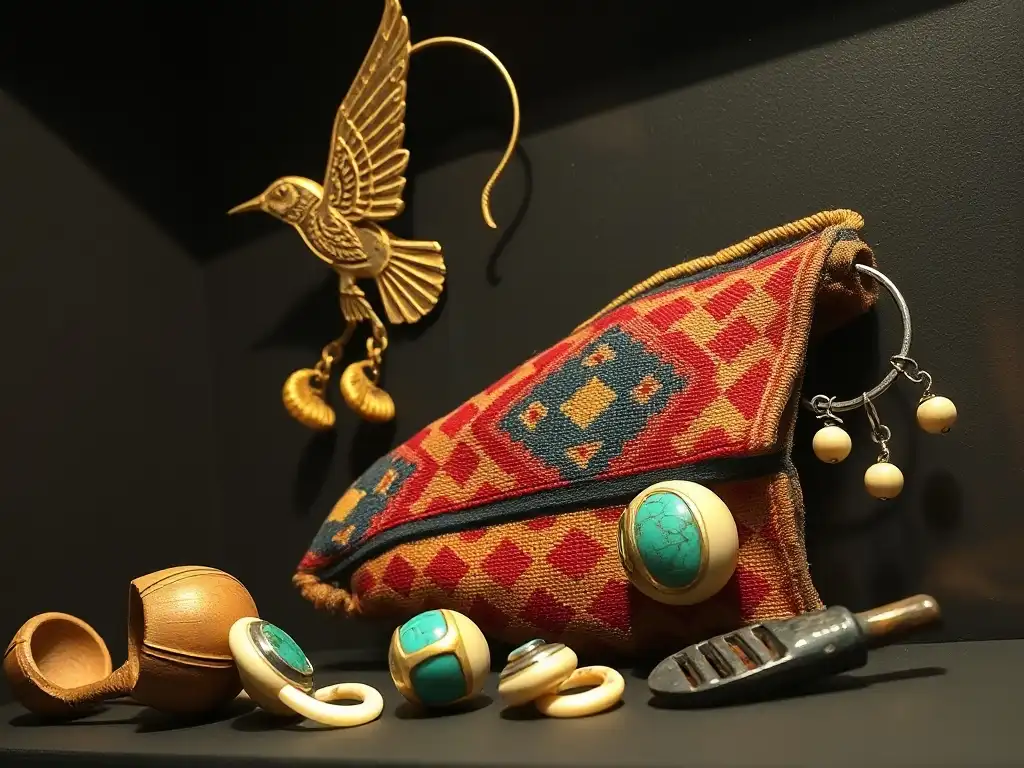
The Paracas culture, renowned for its mastery of cranial deformation techniques, also exhibited a sophisticated system of body modification through piercings and the use of elaborate ornaments. These practices weren't merely aesthetic; they held deep social and symbolic significance, reflecting the individual's status, role within the community, and perhaps even spiritual beliefs. Unlike the more widely discussed cranial deformation, the specifics of Paracas piercing and ornamentation practices remain relatively less documented, offering a fascinating area for ongoing research and interpretation. Understanding these practices provides a more complete picture of Paracas society and its complex worldview.
The Use of Piercings and Body Ornaments
Evidence suggests that Paracas individuals, both men and women, frequently pierced their ears, noses, and possibly other body parts. The precise locations and methods used for piercing remain unclear, with further research needed to clarify these aspects. However, the sheer number and variety of ornaments discovered in Paracas tombs strongly indicate the widespread nature of this practice. Ornaments weren't just casually worn; they were carefully selected and arranged, often complementing the elaborate textiles and other grave goods.
Archaeological findings reveal a preference for symmetrical placement of ear ornaments, suggesting a conscious effort to maintain balance and visual harmony. The size and weight of some ornaments might also suggest the use of supporting structures or techniques to prevent damage to the pierced areas. Further analysis of skeletal remains could shed light on the potential healing processes and long-term effects of these practices.
Materials Used in Paracas Body Decoration
The materials used in Paracas body decoration were as diverse as the ornaments themselves. Precious metals like gold and silver, though not as prevalent as in some other Andean cultures, were incorporated into certain ornaments, likely reserved for individuals of high social standing. More commonly used materials included:
- Spondylus shells: These vibrant red shells, sourced from the Ecuadorian coast, were highly valued and frequently used in the creation of beads, pendants, and other decorative elements. Their rarity and the distance they were transported highlight the extensive trade networks of the Paracas culture.
- Turquoise: This semi-precious stone was another popular material, often carved into intricate shapes or used to embellish other ornaments. The deep blue-green hue of turquoise likely held symbolic importance within Paracas society, possibly representing the sky or water.
- Seashells and bone: More readily available materials, such as various seashells and animal bones, were also incorporated into ornaments. These materials were often carved, polished, or painted to enhance their aesthetic appeal.
- Textiles: The Paracas were renowned for their intricate textiles, and these were also used extensively in body adornment. Textile strips were used to create elaborate headdresses, necklaces, and other ornaments, often incorporating vibrant colors and complex designs.
The social and symbolic meanings of Paracas ornaments are complex and multifaceted. The type and quantity of ornaments found in a burial can provide clues about the social status and role of the deceased. Elaborate ornaments made of precious materials, such as gold and spondylus shells, were likely indicative of high social rank or elite status.
Certain ornaments might have also been associated with specific roles or professions within Paracas society, perhaps indicating shamanistic powers or religious authority. Furthermore, the use of specific colors, designs, and materials could have held symbolic significance related to cosmology, religious beliefs, or social structures. The intricate iconography often found on Paracas textiles and ornaments suggests a rich system of symbolic representation that warrants further investigation.
The study of Paracas ornaments provides a window into the social hierarchy, religious beliefs, and cultural values of this fascinating civilization. Further research, including detailed analysis of burial contexts and the stylistic variations in ornaments, is needed to fully understand their complex meanings.
Paracas Body Modification in the Context of Andean Civilizations
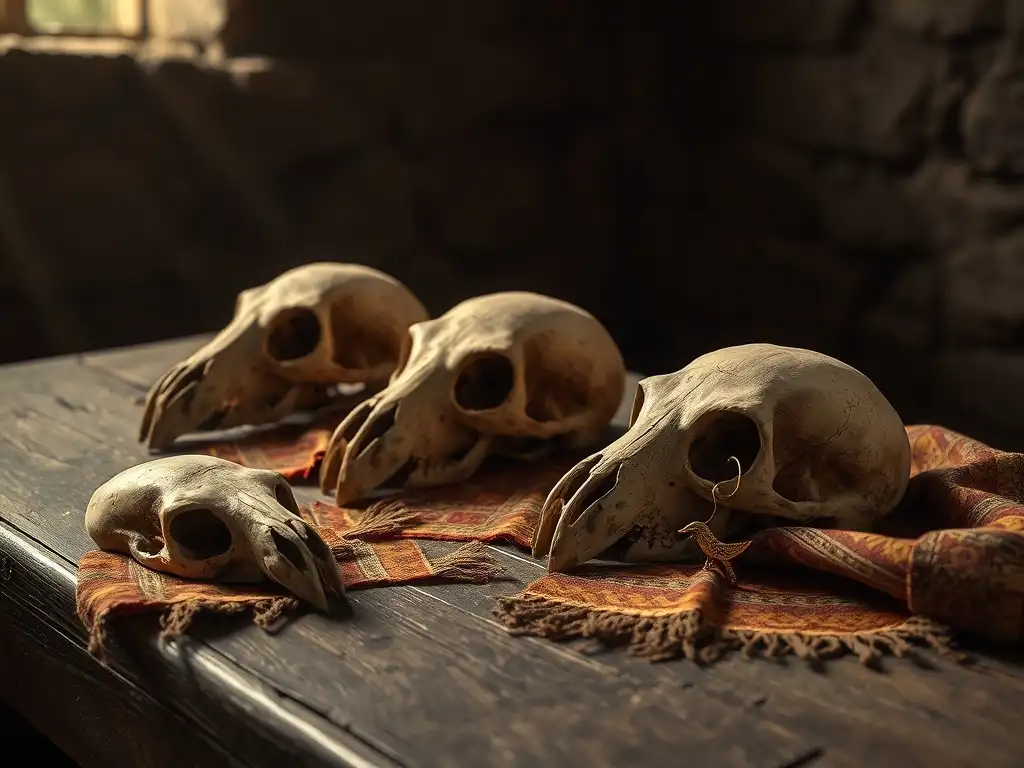
This section explores Paracas body modification practices within the broader spectrum of Andean traditions. While cranial deformation is a well-known aspect of Paracas culture, often used as a marker of social status or group affiliation, it's crucial to understand its place within the wider Andean context of body modification. Many Andean cultures practiced various forms of body alteration, reflecting a complex interplay of ritual, social hierarchy, and aesthetic ideals.
Understanding these similarities and differences provides a richer understanding of the significance of Paracas practices. The techniques used by the Paracas, while sharing some similarities with other cultures, also possessed unique characteristics that warrant further investigation. The prevalence and intensity of Paracas practices, especially cranial deformation, stand out even amongst their Andean neighbors.
Paracas Practices Compared to Other Andean Cultures
The practice of cranial deformation wasn't unique to the Paracas. Other Andean cultures, such as the Inca, Nazca, and even earlier groups, also engaged in this practice, albeit with variations in techniques and prevalence. For instance, the Inca employed different methods, often resulting in elongated skulls with a less extreme deformation than that seen in Paracas individuals. The Nazca, while exhibiting some cranial deformation, seemed to favor less pronounced alterations. However, the Paracas intensity of modification—the extreme elongation and the high percentage of the population affected—sets them apart.
| Culture | Cranial Deformation Style | Prevalence | Other Body Modifications |
|---|---|---|---|
| Paracas | Extreme elongation | Very High | Trepanation, tattooing |
| Inca | Moderate elongation | Moderate | Ear piercing, tooth filing |
| Nazca | Mild to moderate | Low | Tattooing, scarification |
| Tiahuanaco | Varied, less extreme | Moderate | [Specific information pending] |
The table above illustrates the differences in both the style and prevalence of cranial deformation across various Andean cultures. The Paracas stand out due to the extreme elongation and the high percentage of their population exhibiting this modification. Further research is needed to fully understand the specific social and ritual contexts for each culture's practices. Beyond cranial deformation, Paracas culture also incorporated trepanation (surgical removal of portions of the skull) and intricate tattooing, indicating a broader engagement with body modification than many of their contemporaries.
The Uniqueness of Paracas Body Modification
What truly distinguishes Paracas body modification is the combination of techniques and the sheer scale of its implementation. The extreme elongation of the skulls, achieved through tightly bound bandages applied to infants' heads, is unparalleled in its intensity within the Andean region. The precision and consistency of the Paracas cranial deformation techniques suggest a highly developed and possibly ritualized process, passed down through generations. This mastery and the consistent application across a large portion of the population point towards its significant cultural importance.
Furthermore, the combination of cranial deformation with other body modification practices, such as trepanation and tattooing, creates a unique profile for the Paracas. While other cultures may have practiced one or two of these techniques, the Paracas seem to have integrated them into a complex system of bodily alteration, possibly signifying social status, religious affiliation, or identity. The intricate artistry involved in Paracas tattooing, as evidenced by surviving textile fragments, further highlights their advanced skill and symbolic expression.
The high incidence of successful trepanations also suggests advanced medical knowledge and surgical expertise. The level of sophistication in these procedures is a testament to the advanced techniques and understanding of the human body possessed by the Paracas.
The Legacy of Paracas Practices in Later Andean Societies
While the Paracas civilization ultimately declined, the impact of their unique body modification practices can be traced in subsequent Andean societies. The legacy of Paracas cranial deformation, though not replicated with the same intensity, is evident in the practices of later cultures. The techniques and the symbolic significance of body alteration likely influenced the traditions of subsequent groups, demonstrating a cultural continuity across different Andean societies. The stylistic variations observed in later cranial deformation might be interpreted as adaptations or reinterpretations of Paracas techniques, reflecting a complex process of cultural exchange and transformation.
The influence of Paracas body modification practices extends beyond mere imitation. The advanced surgical techniques employed in trepanation, for example, might have influenced subsequent medical practices. The symbolic significance of body modification, as expressed through Paracas art and textiles, likely contributed to the development of similar symbolic systems in later cultures.
Understanding the Paracas legacy helps illuminate the long-term evolution of Andean cultural practices and beliefs. Further research focusing on comparative analysis of artifacts and skeletal remains is needed to fully elucidate the extent of Paracas influence on later Andean societies. The study of Paracas cranial deformation techniques provides a crucial lens through which to examine the broader cultural landscape of ancient Peru.
Conclusion: The Enduring Significance of Paracas Body Modifications
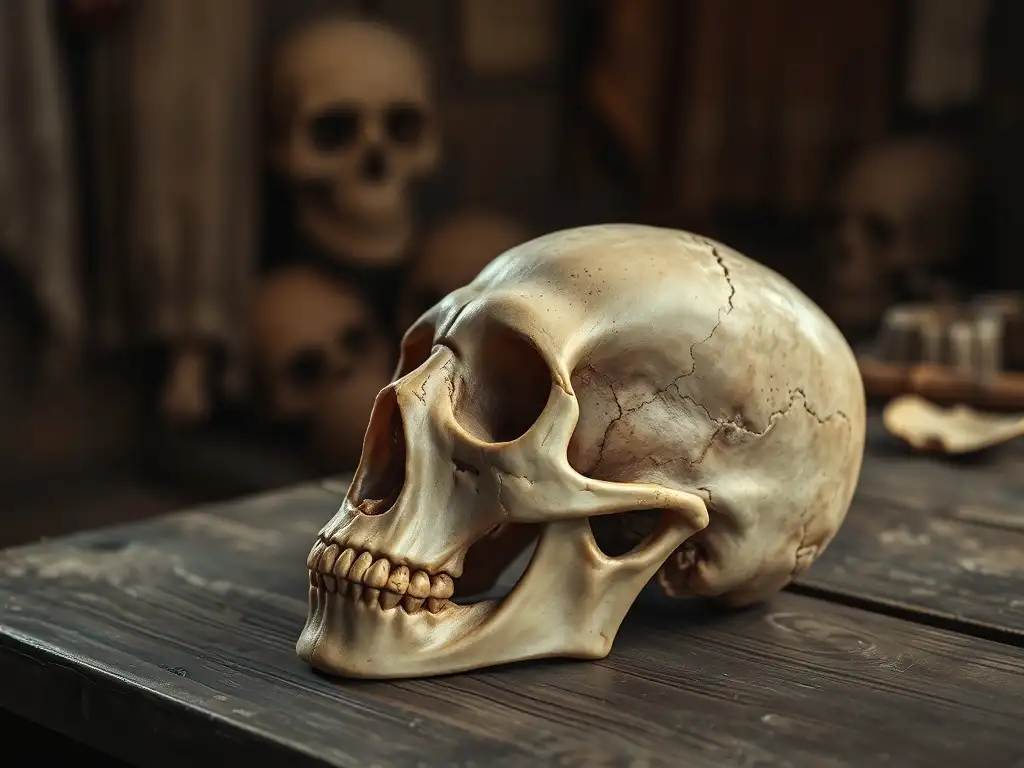
The study of Paracas body modification practices, particularly their renowned cranial deformation techniques, offers a captivating window into the complex social structures, beliefs, and aesthetic ideals of this remarkable pre-Columbian culture. Beyond the initial fascination with the elongated skulls, deeper analysis reveals a nuanced understanding of identity, status, and perhaps even spiritual significance.
The meticulous preservation of mummies and grave goods provides invaluable data, allowing researchers to piece together a richer narrative of Paracas life and beliefs. While many questions remain unanswered, the ongoing research into these practices continues to shed light on the ingenuity and cultural complexity of the Paracas people.
Understanding their techniques allows us to appreciate the profound artistry and dedication involved in these transformative practices, solidifying the Paracas culture's place as a significant contributor to the tapestry of Andean civilization. The unique methods employed in Paracas cranial deformation techniques remain a testament to their sophisticated understanding of human anatomy and their commitment to shaping their physical appearance to reflect their cultural identity.
Summarizing Paracas Body Modification Practices
Paracas cranial deformation, achieved through a variety of techniques including cradle boarding and more intense methods involving the application of external pressure to the skull during infancy, resulted in a range of head shapes. These varied from the distinctly elongated skulls, often associated with elite status, to those with less extreme modifications. The evidence suggests that cranial deformation was not a random practice, but rather a deliberate and culturally significant process.
Beyond cranial deformation, other body modifications such as tattooing and piercing were also common. Analysis of mummified remains indicates a high level of skill and understanding of the human body among Paracas practitioners. The precision and consistency observed in the cranial deformation techniques suggest a standardized approach, perhaps passed down through generations of skilled artisans.
Further investigation into the tools and materials used in these procedures is needed to fully understand the techniques and their impact on the individuals subjected to them. The meticulous nature of the process, coupled with the elaborate burial practices, underscores the importance of physical appearance in Paracas society.
The Importance of Studying Paracas Remains
The meticulous preservation of Paracas mummies offers a unique opportunity to study ancient Andean cultures. The exceptional state of preservation allows for detailed analysis of skeletal remains, revealing valuable insights into their health, diet, and lifestyle. This information, combined with the analysis of grave goods and other artifacts, paints a vibrant picture of Paracas society.
Studying Paracas cranial deformation techniques is crucial for understanding the cultural significance of body modification. The consistent application of these techniques across different social strata suggests a widespread cultural practice reflecting shared values and beliefs. Moreover, the analysis of the mummies provides crucial evidence regarding the health consequences of the procedures and the level of skill and expertise employed by the Paracas practitioners.
By studying these remains, we gain a deeper appreciation of the artistry, skill, and cultural values of this fascinating civilization. The information gathered from these studies helps us build a more comprehensive understanding of the Paracas people and their place within the broader context of Andean history.
Future Research and Insights into Paracas Body Modification
Future research into Paracas body modification should focus on several key areas. More detailed analysis of the tools and techniques used in cranial deformation is crucial for a complete understanding of the process. Further studies on the long-term health effects of these modifications are needed to assess the potential risks and challenges faced by individuals undergoing these procedures.
Genetic analysis of Paracas remains could reveal insights into population migration patterns and genetic relationships within the Paracas population. Comparative studies of Paracas body modification practices with those of other Andean cultures could illuminate the broader cultural context and diffusion of these practices. Furthermore, advanced imaging techniques could provide more detailed information on the structure and composition of the skulls, potentially providing insights into the specific methods employed.
By pursuing these research avenues, we can expect to gain a more comprehensive understanding of Paracas cranial deformation techniques and their significance within the broader context of Andean culture. The integration of multiple research methodologies will be crucial to achieving a more holistic understanding of this unique and fascinating aspect of Paracas civilization. This interdisciplinary approach will allow for a more nuanced and complete picture of their culture and society.
Frequently Asked Questions
What were the Paracas people known for?
The Paracas culture is renowned for its exceptional textile artistry and its unique mummification practices, including the controversial cranial deformation. They also created intricate ceramics and impressive monumental architecture.
What techniques did the Paracas use for cranial deformation?
The Paracas employed various methods of cranial deformation, likely starting shortly after birth. These involved applying pressure to the skull using boards or other devices to achieve the desired elongated shape. The exact techniques remain a subject of ongoing study.
Why did the Paracas practice cranial deformation?
The reasons behind Paracas cranial deformation are still debated. Leading theories suggest it may have been a status symbol, a rite of passage, or a way to distinguish different social groups. There's no single conclusive answer.
Was cranial deformation painful for the Paracas?
While it's impossible to know the exact experience, evidence suggests that with careful and gradual application, the process may not have caused significant pain. However, incorrect or forceful techniques could certainly have led to discomfort or injury.
How does Paracas cranial deformation compare to other Andean cultures?
While cranial deformation was practiced across various Andean cultures, the Paracas style is easily distinguished by its extreme elongation. Other groups, like the Inca, practiced cranial modification, but often to a lesser extent and with different techniques.
Final Reflection: Unraveling the Mysteries of Paracas: A Legacy of Body Modification
The intricate practices of Paracas body modification, far from being mere historical curiosities, offer a powerful lens through which to examine our own relationship with identity, beauty, and the human body. These ancient techniques, particularly the striking cranial deformation, continue to fascinate and challenge our understanding of cultural expression and the malleability of the human form. The enduring mystery surrounding these practices serves as a potent reminder of the diverse ways humans have shaped their physical selves throughout history.
The impact of Paracas culture, and its unique approach to body modification, resonates even today. We see echoes of this in contemporary body modification practices, albeit often stripped of their original cultural contexts. The drive to alter the body, to express individuality, or to conform to societal ideals, remains a powerful force. The body is a canvas on which we paint our identities.
This quote, though modern, speaks to the timeless human desire to shape and express oneself physically, a desire clearly demonstrated by the Paracas people centuries ago.
Consider the implications of this legacy. What does the Paracas story tell us about the relationship between culture and the body? How can we approach the study of ancient practices with respect and understanding, avoiding the pitfalls of romanticization or misinterpretation? You, the reader, are now part of this ongoing conversation. Reflect on the enduring power of cultural expression and the importance of understanding diverse perspectives on the human form. Let the mysteries of Paracas inspire you to explore the rich tapestry of human experience and to appreciate the diverse ways we shape our identities.
Unveil the Secrets of Ancient Body Modification!
Thank you for exploring the fascinating world of Paracas body modification with us! Your journey into the rich cultural history of Andean civilizations reveals the intricate and profound significance of these unique customs. Let's continue to explore this together!
Here are some ways you can deepen your understanding and share your newfound knowledge:
- Expand your knowledge by researching other ancient cultures and their body modification practices. Discover how these traditions shaped identities across diverse civilizations.
- Share your insights with friends, family, or on social media to spark a conversation about the role of body modification in shaping culture and identity. You might be surprised by who's interested!
- Connect with others by joining a local or online group focused on anthropology or the study of ancient cultures. This is a great way to connect with like-minded individuals and enhance your learning experience.
What can ancient body modification practices teach us about our own culture's perceptions of beauty and identity?