
From Cusco to the Andes: The Best Documentaries on Inca Life and Culture

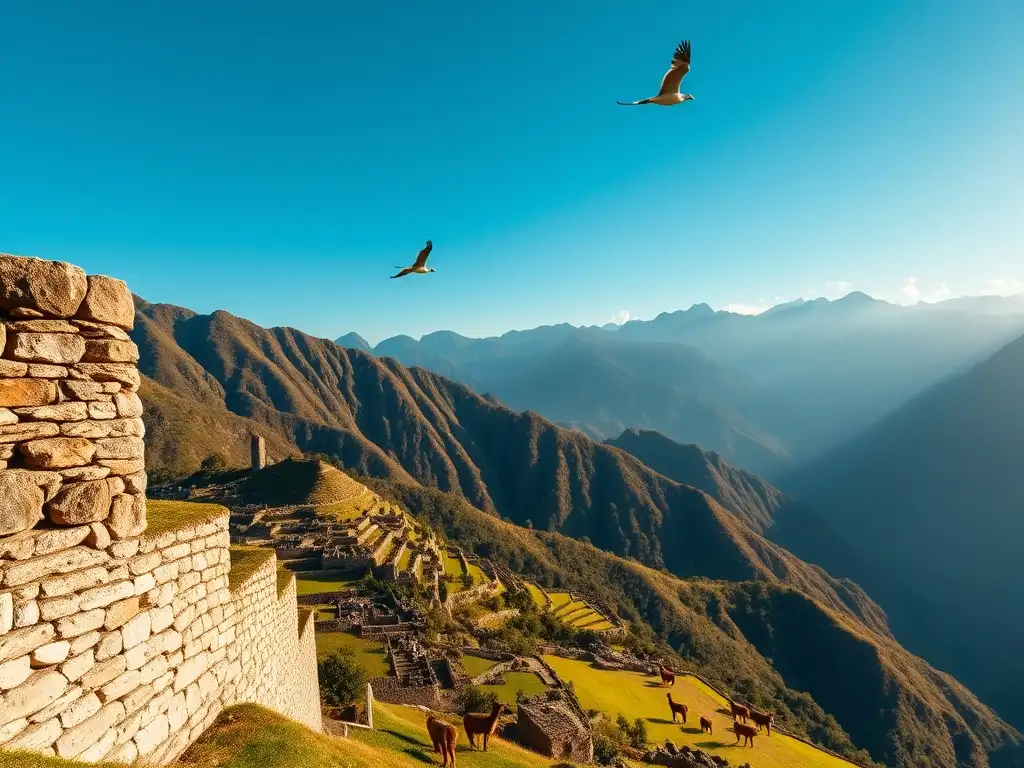
Unravel the mysteries of the Andes! Journey back in time to a world of breathtaking artistry, ingenious engineering, and captivating cultures. Are you ready to delve into the fascinating world of the Incas? We've curated the ultimate guide to Inca documentaries for beginners, offering an unparalleled gateway to understanding these remarkable ancient civilizations. Prepare to be amazed by what you discover—explore the rich tapestry of Andean history and culture, from the majestic heights of Cusco to the enigmatic Nazca Lines.
- Discovering Inca History Through Film: A Guide for Beginners
-
Top Inca Documentaries for Beginners: Exploring Ancient Worlds
- "Inca: Engineering an Empire" - A Look at Inca Technology and Architecture
- "Lost Kingdoms of South America: The Inca" - Unveiling the Mystery of Inca Origins
- "Machu Picchu: Secrets of the Stone" - Delving Deeper into the Lost City
- "The Inca: Masters of the Clouds" - Inca Culture and Society Revealed
- Beyond the Screen: Related Products to Enhance Your Inca Journey
- Choosing the Right Inca Documentary for You: A Quick Guide
- Frequently Asked Questions
- Final Reflection: Echoes of the Inca: A Legacy in Film and Life
- **Explore the Rich Tapestry of Inca Culture Today! **
Discovering Inca History Through Film: A Guide for Beginners
Embark on a captivating journey through time and explore the enigmatic world of the Inca civilization! This guide is designed specifically for those just beginning their exploration of this fascinating Andean culture. We'll navigate the vast landscape of Inca documentaries, highlighting the best films to provide a comprehensive and engaging introduction to Inca life, customs, and societal structures.
Whether you're a history enthusiast, an archaeology buff, or simply curious about one of the most remarkable civilizations in South America, this curated list will serve as your perfect starting point. We'll focus on documentaries that are both informative and accessible, making the rich tapestry of Inca history understandable and enjoyable for everyone. This article is your key to unlocking the mysteries of the Inca Empire through the power of film, answering the crucial question: what are the best Inca documentaries for beginners?
Why Explore Inca Civilization Through Documentaries?
Documentaries offer a unique and powerful way to learn about the Inca civilization. Unlike textbooks or static museum exhibits, documentaries bring the past to life through captivating visuals, compelling narratives, and expert interviews. They allow you to witness the breathtaking landscapes of the Andes Mountains, the intricate details of Inca architecture, and hear the stories of the people who built this remarkable empire.
A well-made documentary can transport you back in time, immersing you in the daily lives, beliefs, and challenges faced by the Inca people. They provide a visually rich and emotionally engaging experience, making the learning process far more dynamic and memorable than traditional methods. Moreover, many documentaries offer diverse perspectives, incorporating archaeological findings, historical interpretations, and even the perspectives of modern-day descendants of the Inca, providing a holistic understanding of this complex civilization.
For beginners, this multi-faceted approach is invaluable in grasping the nuances of Inca culture and history. The best documentaries carefully balance scientific accuracy with engaging storytelling, making complex topics accessible and interesting.
What Makes a Good Inca Documentary?
Choosing the right documentary is crucial for a successful introduction to Inca civilization. A good Inca documentary for beginners should possess several key characteristics. First and foremost, it should be accurate and factually sound, relying on credible historical sources and archaeological evidence. Avoid documentaries that rely heavily on speculation or present unsubstantiated claims.
Secondly, a good documentary should be accessible and engaging. Complex concepts should be explained clearly and concisely, using visuals and narratives that capture the viewer's attention. The use of dramatic reenactments, stunning visuals of Inca sites, and interviews with experts can significantly enhance the viewing experience. Thirdly, a good documentary should offer a balanced perspective, presenting different interpretations and acknowledging the complexities and controversies surrounding Inca history.
It shouldn't shy away from challenging traditional narratives or exploring alternative viewpoints. Finally, a high-quality documentary will present a compelling narrative that keeps the viewer interested from beginning to end. The story should be well-structured, with a clear beginning, middle, and end, and it should leave the viewer with a deeper understanding and appreciation of Inca civilization. Look for documentaries that use a mix of storytelling techniques to keep you engaged, including insightful interviews, compelling visuals, and a well-paced narrative.
Top Inca Documentaries for Beginners: Exploring Ancient Worlds
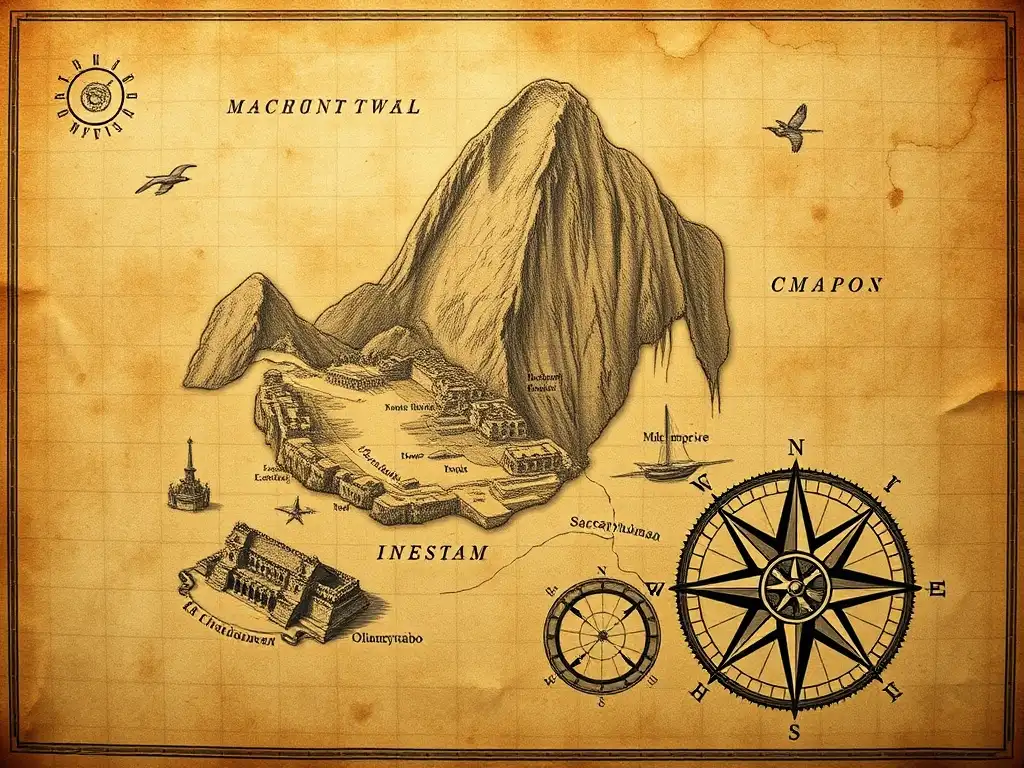
This section provides a curated list of documentaries ideal for those beginning their journey into the fascinating world of Inca civilization. These films offer a blend of accessibility and depth, making them perfect for newcomers eager to learn more about Inca life, culture, and achievements. We've carefully selected documentaries that balance captivating visuals with accurate historical information, ensuring a rewarding viewing experience for all levels of knowledge. The focus is on providing engaging introductions to complex topics, paving the way for further exploration of this incredible ancient society.
"Inca: Engineering an Empire" - A Look at Inca Technology and Architecture
This documentary excels at showcasing the impressive engineering feats of the Inca civilization. Forget simplistic narratives; "Inca: Engineering an Empire" delves into the specifics, examining the intricate techniques used in Inca construction. Viewers will be amazed by the precision and scale of Inca projects, from the iconic Machu Picchu to the extensive road network that connected the vast empire.
The film effectively utilizes stunning visuals, showcasing the grandeur of Inca architecture and the ingenuity of their building methods. Detailed analyses of stonework, irrigation systems, and urban planning highlight the sophisticated understanding of engineering principles possessed by the Inca. For example, the documentary meticulously explains the process of fitting stones together without mortar, a testament to the Inca's mastery of stone cutting and construction.
It's not just about seeing the impressive structures; it's about understanding how they were built, revealing the advanced knowledge and meticulous planning involved. The documentary also explores the social organization behind these massive undertakings, revealing the complex interplay of labor, resources, and societal structure that made such ambitious projects possible. It's a truly immersive experience that leaves the viewer with a deeper appreciation for the Inca's technological prowess.
"Lost Kingdoms of South America: The Inca" - Unveiling the Mystery of Inca Origins
Unlike many documentaries that focus solely on the Inca Empire at its height, "Lost Kingdoms of South America: The Inca" takes a broader approach, exploring the origins and pre-Inca cultures that shaped the empire. This documentary provides valuable context, helping viewers understand the historical trajectory leading to the rise of the Inca.
The film skillfully weaves together archaeological discoveries, anthropological insights, and captivating storytelling to paint a comprehensive picture of Inca origins. It doesn't shy away from the complexities and uncertainties surrounding Inca history, presenting various theories and interpretations with nuance and respect.
For instance, the documentary carefully examines the different hypotheses regarding the origins of Inca society, exploring the role of both environmental factors and social dynamics in their development. It also explores the fascinating pre-Inca cultures of the Andes, highlighting their contributions to the cultural and technological heritage that the Inca later inherited and expanded upon.
By examining the roots of the Inca civilization, this documentary enriches the understanding of their later achievements, offering a more complete and nuanced perspective on their remarkable story. The documentary also touches upon the impact of Inca expansion on neighboring cultures, offering a glimpse into the complex relationships and interactions that characterized the Andean region.
"Machu Picchu: Secrets of the Stone" - Delving Deeper into the Lost City
This documentary focuses specifically on Machu Picchu, the iconic lost city of the Inca, offering a detailed exploration of its history, architecture, and significance. It's more than just beautiful shots of the ruins; "Machu Picchu: Secrets of the Stone" delves into the mysteries surrounding the city, utilizing cutting-edge research and archaeological findings to reveal new insights into Inca life and culture.
The documentary expertly blends historical narratives with scientific analysis, presenting a compelling case for the multifaceted nature of Machu Picchu. It doesn't simply present the city as a picturesque ruin but explores its role as a royal estate, a religious center, and a vital component of the Inca's broader political and social system.
By incorporating interviews with leading experts in Inca studies, the documentary provides a well-rounded perspective, addressing various interpretations and debates surrounding the city's function and purpose. Furthermore, the documentary also explores the ongoing efforts to preserve and protect Machu Picchu, highlighting the importance of archaeological research and conservation in understanding and safeguarding this invaluable piece of world heritage.
The use of advanced imaging techniques and archaeological data provides a truly immersive experience, bringing the lost city to life and unveiling its many secrets. This documentary is a must-watch for anyone seeking a deeper understanding of this iconic site and its place within the broader context of Inca civilization.
"The Inca: Masters of the Clouds" - Inca Culture and Society Revealed
This documentary offers a captivating journey into the heart of Inca civilization, focusing on their remarkable achievements in adapting to the challenging Andean environment. The film masterfully weaves together stunning visuals of the mountainous terrain with insightful commentary from leading archaeologists and historians. Viewers gain a deep understanding of Inca ingenuity, from their sophisticated agricultural techniques—like terracing and irrigation systems—that allowed them to cultivate crops at high altitudes, to their impressive architectural feats, such as Machu Picchu, a testament to their advanced engineering skills and profound spiritual beliefs.
The documentary doesn't shy away from exploring the complexities of Inca society, including their hierarchical structure, their intricate religious practices centered around the worship of the sun god Inti, and their sophisticated system of record-keeping using quipus, knotted strings that encoded vast amounts of information. The film also touches upon the Inca's expansionist policies and their impact on the diverse populations they conquered, highlighting both the achievements and the darker aspects of their empire. The narrative is particularly effective in showing how the Incas successfully integrated conquered peoples into their vast empire, often adopting and adapting local customs and traditions while maintaining a strong central authority.
For beginners seeking a comprehensive introduction to Inca culture and society, this documentary provides an excellent starting point, offering a balanced perspective that avoids oversimplification. The use of clear and concise language, combined with breathtaking footage, makes this a truly engaging and informative watch.
The documentary effectively showcases the Inca's mastery of adapting to the extreme altitude and diverse climates of the Andes. It details how the Incas developed sophisticated agricultural techniques, such as terracing, to maximize arable land and prevent soil erosion. The intricate irrigation systems, meticulously designed to channel water to fields, are presented as a marvel of engineering, showcasing the Incas' understanding of hydrology and their capacity for large-scale collaborative projects.
Furthermore, the film explores the religious and symbolic significance of these agricultural practices, highlighting their integration into the Inca worldview. The Inca's deep connection to the land is portrayed not just as a pragmatic necessity for survival, but also as a fundamental aspect of their spiritual beliefs and social organization. This approach to understanding Inca civilization goes beyond a simple recounting of facts and figures; it delves into the cultural context and the underlying values that shaped their society.
The documentary successfully connects the Incas' practical achievements with their spiritual beliefs, providing a holistic view of their way of life. This nuanced approach is particularly valuable for beginners, as it fosters a deeper appreciation for the complexities of Inca society.
This section delves into resources beyond documentaries to further your exploration of Inca life and culture. Whether you're a seasoned Andean history buff or just beginning your journey into the fascinating world of the Inca Empire, these supplementary materials will enrich your understanding and inspire further investigation. Perfect for those searching for "Inca documentaries for beginners," these resources offer a multifaceted approach to learning.
Books on Inca History and Culture
For a deeper dive into Inca history and culture, consider supplementing your documentary viewing with carefully selected books. These aren't just dry academic texts; they offer engaging narratives and insightful analyses, bringing the Inca world to life.
Several excellent options cater to different levels of expertise. For beginners seeking an accessible introduction, books focusing on Inca daily life, social structures, and religious beliefs are ideal. These often employ vivid storytelling techniques, making complex topics easily digestible. Look for books with plentiful illustrations and maps to visualize the information presented.
More advanced readers might appreciate scholarly works that delve into specific aspects of Inca civilization, such as their agricultural techniques, architectural marvels, or sophisticated administrative systems. These often include detailed analyses of archaeological findings and offer a more nuanced understanding of the Inca worldview. Consider exploring books that incorporate perspectives from indigenous scholars and communities, providing a crucial counterpoint to traditional historical narratives.
Remember to check reviews and compare different authors' approaches before making a selection. A well-written book can significantly enhance your understanding and appreciation of Inca documentaries, providing context and additional details. The quality of writing, illustrations, and the author's approach to the subject matter are key factors to consider.
Maps of the Inca Empire and the Andes
Visual aids are crucial for understanding the vastness and complexity of the Inca Empire. Detailed maps of the Inca road system, Qhapaq Ñan, and the wider Andean region provide invaluable context to the documentaries you've watched. These maps can illustrate the strategic locations of Inca cities, agricultural terraces, and religious sites, giving you a clearer picture of the empire's geographical reach and its sophisticated infrastructure.
Look for maps that show not only the political boundaries of the Inca Empire but also the diverse ecological zones it encompassed, from the coastal deserts to the high-altitude Andes. Understanding the geographical context is essential to grasping the Inca's remarkable adaptability and ingenuity in harnessing the resources of such a varied landscape. Some maps even include information on Inca administrative divisions, further enhancing your understanding of their political organization. High-quality maps, whether physical or digital, are invaluable tools for anyone seriously interested in Inca studies.
Travel Guides to Inca Sites
For a truly immersive experience, consider planning a trip to visit Inca sites in person. Many travel guides are available, catering to various budgets and travel styles. These guides can help you plan your itinerary, providing practical information on transportation, accommodation, and site access.
Travel guides often include detailed descriptions of major Inca sites, such as Machu Picchu, Sacsayhuamán, and Ollantaytambo, along with historical context and cultural insights. These can complement your documentary viewing by providing a firsthand perspective on the scale and grandeur of Inca architecture and engineering. Choosing a guide that includes maps, photographs, and practical advice will ensure a smooth and enriching travel experience.
Furthermore, guides that highlight sustainable and responsible tourism practices help preserve these invaluable historical sites for future generations. Remember to check for updated information and reviews before making your travel arrangements. A well-planned trip can transform your understanding of Inca civilization from passive observation to active engagement.
Choosing the Right Inca Documentary for You: A Quick Guide
Finding the perfect Inca documentary can feel overwhelming, given the sheer volume of content available. This guide helps you navigate the options and select a film tailored to your interests and learning style. Whether you're a complete beginner looking for an engaging introduction to Inca civilization or a seasoned enthusiast seeking deeper insights, there's a documentary out there for you. This section focuses on helping you make an informed choice, enhancing your viewing experience and maximizing your learning. We'll explore different approaches to documentary filmmaking on this fascinating civilization, providing you with the tools to choose wisely.
Finding Inca documentaries based on your interests
Choosing the right Inca documentary hinges on understanding your specific interests. Are you captivated by the Inca's impressive architectural feats, such as Machu Picchu? Or are you more interested in their social structures, religious beliefs, or daily life? Perhaps you are fascinated by their sophisticated agricultural techniques or their intricate system of record-keeping using quipus?
The key is to identify your area of focus. For example:
- For architecture enthusiasts: Look for documentaries that showcase the grandeur of Inca cities, focusing on the construction techniques, urban planning, and the symbolic meaning behind the structures. Many films offer stunning aerial footage and detailed analyses of iconic sites.
- For those interested in Inca society: Seek out documentaries that delve into the social hierarchy, the role of the Sapa Inca, the organization of labor, and the daily lives of ordinary people. These films often incorporate insights from archaeological discoveries and anthropological studies.
- For those fascinated by Inca religion: Explore documentaries that examine the Inca pantheon, religious rituals, and the significance of sites like Sacsayhuamán. These films may explore the interplay between religion and political power, providing a richer understanding of Inca spirituality.
- For beginners: Choose documentaries with clear narratives, engaging visuals, and accessible language. Many introductory films offer simplified explanations of complex topics, making them ideal for those new to the subject.
Consider using keywords like "Inca daily life," "Inca agriculture," "Inca religion," or "Inca architecture" when searching for documentaries to refine your results and find the perfect fit for your specific interests. A well-made documentary should effectively blend historical accuracy with engaging storytelling, making the learning process enjoyable and rewarding. Remember to check reviews to gauge the accuracy and overall quality of the documentary before you start watching.
Understanding the historical context through film
A crucial aspect of appreciating any Inca documentary is understanding the historical context in which it was made. The interpretation of Inca civilization has evolved significantly over time, influenced by new archaeological discoveries, changing perspectives in anthropology, and advancements in historical research. Therefore, the historical accuracy and the biases present in a documentary can vary greatly depending on when it was produced.
Some documentaries may present a more romanticized or idealized view of Inca society, while others may focus on the darker aspects of their empire, such as conquest and human sacrifice. It's essential to be aware of these potential biases and to approach each documentary with a critical eye.
To gain a deeper understanding, consider the following:
- Production date: Older documentaries may reflect outdated interpretations of Inca history. Look for more recent productions that incorporate the latest archaeological findings and scholarly research.
- Narrator's perspective: Pay attention to the narrative voice and the framing of the information. Is the documentary presented in a neutral and objective manner, or does it promote a particular viewpoint?
- Source material: Reputable documentaries will cite their sources, providing evidence for the claims they make. Look for films that rely on credible archaeological evidence and expert opinions.
By critically evaluating the historical context and the potential biases present in a documentary, you can develop a more nuanced and informed understanding of Inca civilization. Remember that documentaries are interpretations of the past, and it's crucial to engage with them actively and critically. This approach will allow you to appreciate the richness and complexity of Inca history more fully and to develop your own informed perspective. Using multiple sources, including books and academic articles, can further enhance your understanding and allow for a more comprehensive view of this fascinating civilization.
Frequently Asked Questions
What makes these documentaries suitable for beginners?
These documentaries are designed for beginners by offering clear and concise explanations of complex topics. They avoid overly technical jargon and focus on visually engaging storytelling, making Inca history accessible to everyone. They also provide context, building a foundation of understanding.
Are these documentaries solely focused on the Incas?
While the focus is primarily on the Inca civilization, many documentaries also explore the influence of preceding Andean cultures, such as the Moche and Nazca, providing a broader understanding of the region's history. This gives a fuller picture of the Inca's place in time.
Where can I find these Inca documentaries?
Many streaming services like Netflix, Amazon Prime, and YouTube offer documentaries on Inca civilization. You can also find them on educational platforms and through searches using keywords like "Inca documentaries for beginners". Check your local library too!
What aspects of Inca life and culture are covered?
These documentaries typically cover a range of topics, including Inca social structure, agriculture, religion, art, architecture (like Machu Picchu!), and daily life. They offer a comprehensive overview of Inca society and achievements.
What is the overall tone and style of these documentaries?
The tone is generally informative and engaging, aiming to capture the viewer's interest through compelling visuals and storytelling. Many use dramatic recreations and expert interviews to bring Inca history to life.
Final Reflection: Echoes of the Inca: A Legacy in Film and Life
The captivating stories of the Inca Empire, once confined to dusty history books, are now readily accessible through the power of documentary filmmaking. These films offer not just a glimpse into a fascinating past, but a vital connection to the enduring cultural legacy that continues to shape modern Peru and beyond. The rich tapestry of Inca life, from their sophisticated agricultural techniques to their awe-inspiring architectural achievements, deserves to be understood and appreciated by all.
The documentaries explored in this article serve as more than just educational tools; they are windows into a world that continues to resonate in contemporary society. The ingenuity and resilience of the Inca people, their intricate social structures, and their profound connection to the Andes mountains offer valuable lessons for our own time. As the renowned anthropologist, Clifford Geertz, once wrote, Man is an animal suspended in webs of significance he himself has spun.
The Inca, in their intricate web of tradition and innovation, remind us of the enduring power of human creativity and adaptation.
Consider the impact of these films – not just on your understanding of Inca history, but on your perspective of human potential. Take the time to watch one of these documentaries, to engage with the stories, and to reflect on the enduring legacy of the Inca civilization. Let their achievements inspire you to explore your own cultural heritage, to appreciate the complexities of human history, and to connect with the rich tapestry of human experience. The echoes of the Inca await; will you listen?
**Explore the Rich Tapestry of Inca Culture Today! **
Thank you for exploring the fascinating world of Inca life and culture through our documentaries. We hope you've gained valuable insights and inspiration. Now, let's put that knowledge to use and deepen your understanding of this incredible civilization.
- **Start watching** one of our recommended documentaries today—immerse yourself in the vibrant history and traditions of the Andean people!
- Consider taking a local class or workshop focused on Andean crafts or cooking for a truly immersive cultural experience.
- **Share your favorite documentary** with friends and discuss what you've learned—it's a great way to spark curiosity and build community!
What aspect of Inca culture intrigues you most, and how will you explore it further?