
The Andean Food Storage System: A Model of Sustainability

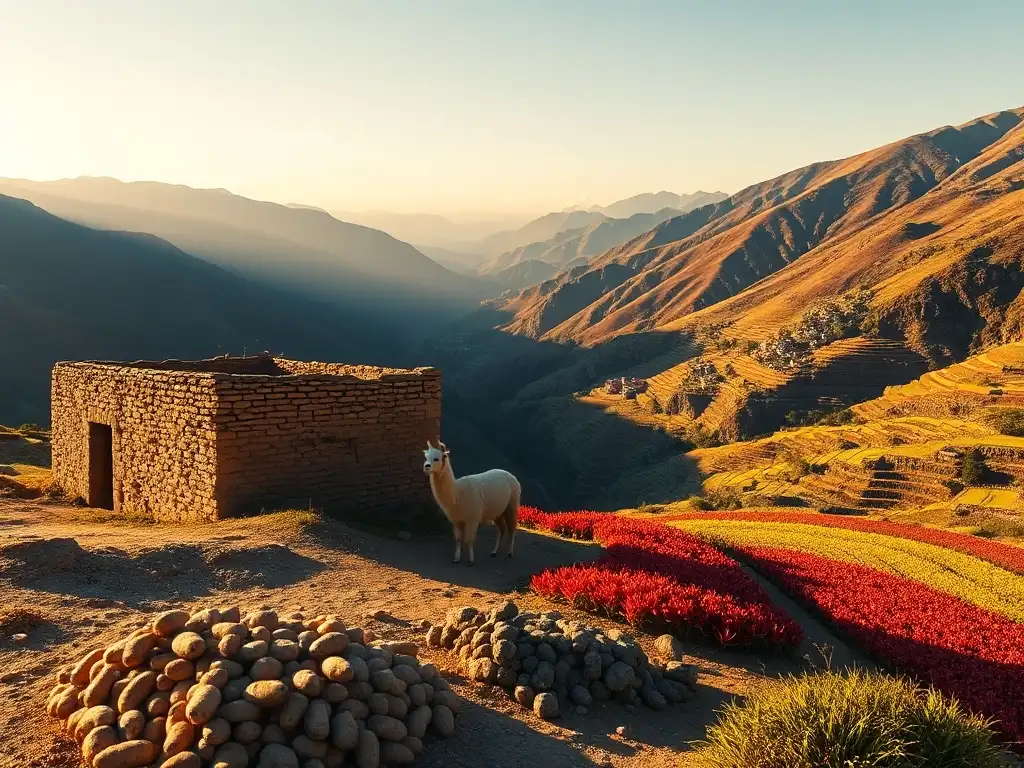
Uncover the secrets of a lost world where ingenuity thrived amidst towering peaks and arid valleys. For centuries, the Andean civilizations mastered the art of survival, leaving behind a legacy as fascinating as it is mysterious. But how did they conquer the challenges of their harsh environment? Discover the answer in our exploration of Andean civilization food preservation, a remarkable system of sustainability that will leave you wondering about the ingenuity of these ancient cultures. Prepare to be amazed by the innovative techniques they employed – a testament to their resilience and resourcefulness.
The Andes Mountains, a geographically challenging environment, fostered the development of ingenious agricultural and food preservation techniques amongst its ancient inhabitants. This article delves into the sophisticated Andean food storage system, exploring its remarkable sustainability and its crucial role in the survival and prosperity of civilizations like the Inca, Moche, Nazca, and Tiahuanaco. We will examine the diverse methods employed, the ingenuity behind their design, and the lasting impact of these practices on Andean culture and food security. Understanding these ancient techniques offers valuable insights into sustainable food systems, particularly relevant in the face of modern challenges to food production and distribution. This exploration of Andean civilization food preservation will reveal not only the practical aspects of their storage systems but also the profound connection between these societies and their environment. The ingenuity and effectiveness of these methods serve as a testament to the adaptability and resourcefulness of Andean peoples.
Introduction to Andean Civilization Food Preservation
Andean civilizations faced unique challenges in preserving food due to the high altitude, varied climates, and diverse terrains across the Andes region. Successful food preservation was vital for survival, particularly during harsh winters and periods of drought. Unlike many other cultures, the Andean approach wasn't solely focused on one or two methods. Instead, it embraced a multifaceted strategy, employing a range of techniques tailored to specific foods and environmental conditions. This included methods such as:
- Drying: Sun-drying and freeze-drying were widely used to preserve a variety of foods, including potatoes, corn, and meat. The dry, high-altitude air in many Andean regions provided ideal conditions for this process.
- Storage in Underground Cellars (Qollqas): The Incas, in particular, were renowned for their sophisticated network of underground storage facilities known as qollqas. These carefully constructed cellars maintained stable temperatures and humidity, preventing spoilage and extending the shelf life of stored goods. The design often incorporated ventilation systems to prevent mold and rot.
- Salting and Fermentation: These methods were employed to preserve meats and other perishable foods. The use of salt not only inhibited bacterial growth but also added flavor, making preserved foods more palatable. Fermentation, while less documented, likely played a role in preserving certain foods.
- Chulpas: These tower-shaped structures, found in various parts of the Andes, may have served as both tombs and storage facilities, providing further evidence of the importance placed on food preservation within Andean communities. The specific function of some chulpas remains a subject of ongoing research.
The effectiveness of these techniques is demonstrated by the ability of Andean societies to support large, complex populations despite the challenges of their environment. The integration of these preservation methods into their agricultural practices allowed for a more stable food supply, supporting social organization and cultural development. The ingenuity of these methods provides a fascinating case study in sustainable food management. Further research into specific techniques and their effectiveness is crucial to fully appreciate the sophistication of the Andean food preservation system.
- How did Andean civilizations preserve food without refrigeration?
- What foods were commonly preserved by Andean civilizations?
- What role did storage technology play in Andean societal structure?
- How did the environment influence Andean food preservation methods?
- What can modern societies learn from Andean food preservation techniques?
Ancient Andean Techniques for Food Storage
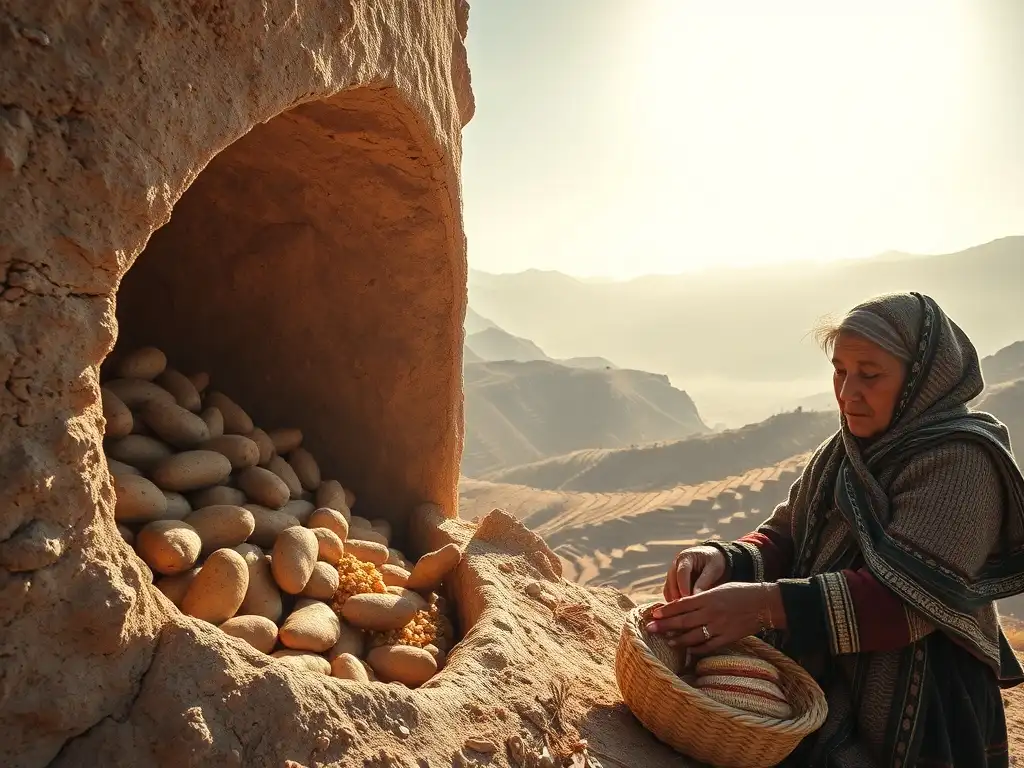
The Andean region, characterized by its diverse and challenging geography, presented unique hurdles for food preservation. High altitudes, fluctuating temperatures, and unpredictable weather patterns necessitated innovative strategies for ensuring year-round food security. Understanding these ancient Andean techniques for food preservation reveals a sophisticated system reflecting deep knowledge of their environment and remarkable ingenuity. The focus on "Andean civilization food preservation" reveals a complex interplay of agricultural practices, storage methods, and societal organization.
This wasn't merely about preventing spoilage; it was about maintaining social stability and economic resilience. The success of these methods allowed for the growth and prosperity of these remarkable civilizations. We'll explore some of the most significant techniques employed, highlighting their effectiveness and lasting impact.
Understanding the Challenges of Andean Food Preservation
The Andes posed significant challenges to food preservation. The high altitude meant shorter growing seasons and more fragile crops. Extreme temperature variations between day and night, coupled with unpredictable rainfall and frost, created a demanding environment for food storage. Furthermore, the terrain itself, with its steep slopes and limited arable land, required efficient storage solutions to prevent loss due to spoilage or pests.
The lack of refrigeration, of course, meant that preservation techniques had to rely on natural processes and ingenuity. This necessity spurred innovation, leading to a sophisticated system that combined various strategies for different food types and environmental conditions. Consider, for example, the challenges faced by communities storing potatoes at high altitudes, where freezing temperatures were a constant threat.
Their solutions were not only effective but also ecologically sound, demonstrating a deep understanding of sustainable practices. This careful consideration of the environment is a hallmark of Andean civilization food preservation techniques. The development of these techniques was critical to the success of Andean societies.
Key Elements of the Andean Food Storage System
The Andean food storage system wasn't a single method but a complex interplay of several techniques tailored to different foods and environments. Key elements included:
- Specialized Storage Structures: These varied significantly depending on the altitude and climate. At lower elevations, underground cellars ( qollqas) provided a stable temperature and humidity, ideal for storing potatoes, maize, and other staples. At higher altitudes, elevated platforms and storage structures protected food from rodents and moisture. The construction of these structures demonstrated advanced engineering skills and a deep understanding of environmental factors. The design incorporated elements to control temperature and humidity, further minimizing spoilage.
- Drying and Dehydration: This was a widespread technique, particularly for fruits, vegetables, and meat. Sun-drying, air-drying, and freeze-drying were used, depending on the climate and available resources. This process significantly extended the shelf life of these perishable foods, allowing for consumption throughout the year. The effectiveness of drying techniques is evident in the longevity of preserved goods.
- Salting and Fermentation: These methods were employed to preserve meat and fish. Salting removed moisture, inhibiting bacterial growth, while fermentation produced lactic acid, acting as a natural preservative. The precise techniques varied across different Andean cultures, reflecting regional differences and food preferences. The combined use of salting and fermentation was particularly effective in maintaining the quality and safety of preserved foods.
- Freezing: At higher altitudes, freezing temperatures were utilized as a natural preservation method, especially for potatoes. This simple yet effective technique relied on the natural environment to preserve food. The Andean people demonstrated a deep understanding of the interplay between altitude and temperature in their food preservation strategies.
- Community Organization: The success of the Andean food storage system was also dependent on community organization. The collective management of storage facilities, the equitable distribution of resources, and the sharing of preservation techniques ensured food security for the entire community. This cooperative approach was crucial to the resilience of Andean societies in the face of environmental challenges. The social structure played a vital role in the effectiveness of these methods.
The Andean food storage system offers a compelling model of sustainable food preservation. Its effectiveness stemmed from a deep understanding of the environment, innovative techniques, and strong community organization. By studying this system, we can gain valuable insights into sustainable practices for food preservation in challenging environments and appreciate the ingenuity of ancient Andean civilizations.
Types of Andean Storage Structures
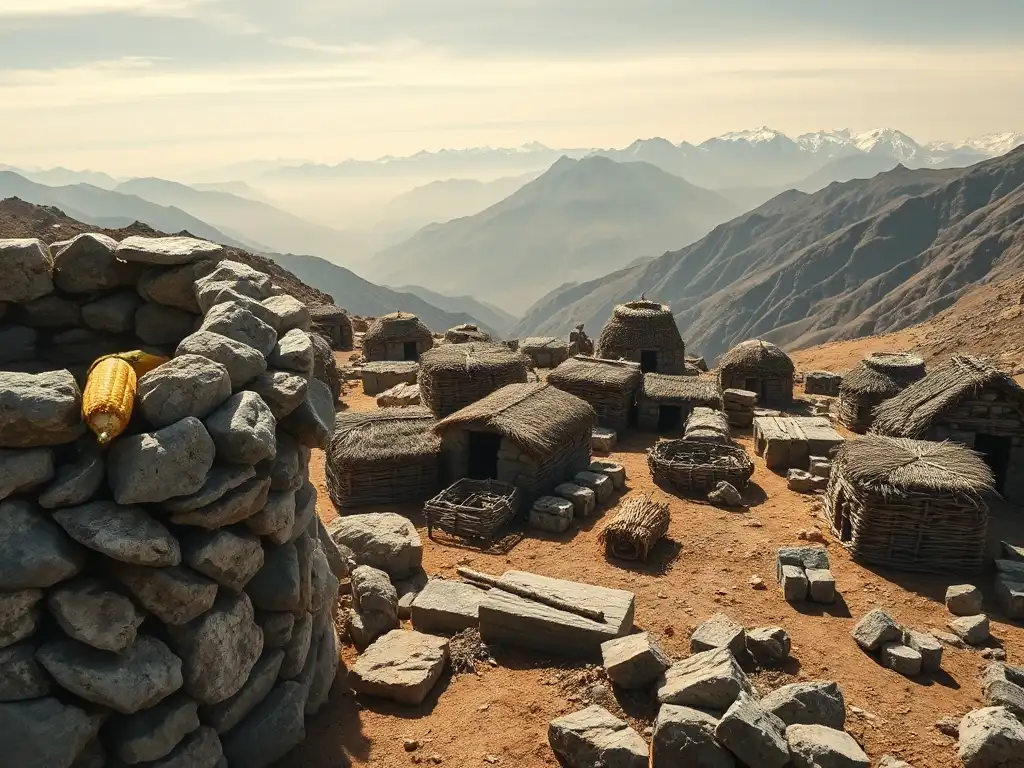
The Andean civilization's success hinged significantly on its sophisticated food preservation techniques and storage infrastructure. Understanding their methods reveals a remarkable understanding of sustainability and resource management, crucial for survival in diverse and sometimes harsh Andean environments. This section explores the various storage structures employed, highlighting their ingenuity and adaptation to the region's unique geographical challenges. The effective preservation of Andean civilization food was key to their societal stability and expansion.
Colcas: The Centralized Storage System of the Incas
The Inca Empire, renowned for its administrative prowess, developed a centralized food storage system primarily using colcas. These were not simply rudimentary structures; they were carefully designed stone buildings, often built into hillsides or cliffs for optimal temperature regulation. Their construction showcased Inca mastery of stonework, with precisely fitted blocks creating durable and weather-resistant structures. The colcas' design minimized exposure to the elements, preventing spoilage due to moisture or extreme temperatures.
The size and number of colcas varied depending on the region's agricultural productivity and population density. Larger, more populous areas boasted numerous colcas, forming a network for efficient food distribution. These structures weren't solely for grain storage; they also held dried meats, potatoes, and other preserved foods. The strategic placement of colcas near major settlements and along trade routes ensured easy access to vital resources during lean times.
Archaeological evidence suggests that some colcas incorporated sophisticated ventilation systems to maintain optimal humidity levels for long-term food preservation. This demonstrates a deep understanding of the principles of Andean civilization food preservation beyond simply keeping food dry. The meticulous organization of food within the colcas reflected the Inca's centralized administrative control and their ability to manage large-scale food surpluses.
Tambos: Storage Along Andean Roads and Trade Routes
Complementing the colca system were the tambos. These structures served a dual purpose: as waystations for travelers and as storage facilities along the extensive Inca road network. Their strategic placement along the Qhapaq Ñan (the Inca road system) facilitated the movement of goods and the efficient distribution of food throughout the empire. Unlike the typically larger and more permanent colcas, tambos were often smaller and more adaptable to the local terrain. Some were simple structures, while others were more elaborate, incorporating features for both travelers and food storage.
The tambos played a crucial role in maintaining food security during long journeys and ensuring the supply of essential provisions for officials, messengers, and the military. The ability to quickly resupply these waystations through the efficient road network was paramount to the Inca's logistical capabilities and their ability to maintain control over such a vast territory. The integration of storage and transportation infrastructure highlights the sophisticated planning and execution of the Inca's logistical system. This interconnectivity is a testament to the importance placed on ensuring consistent Andean civilization food preservation and distribution across the empire.
Localized Storage Methods in Andean Communities
While the Inca's centralized system was impressive, it coexisted with a range of localized storage methods employed by individual communities. These methods varied greatly depending on the specific environment and available resources. Many communities used simple pits dug into the ground, often lined with stone or other materials to protect stored food from moisture and pests. These underground storage solutions leveraged the naturally cooler temperatures of the earth to help preserve food.
Other communities utilized raised platforms or elevated storage structures to keep food away from rodents and damp ground. The types of containers used also varied, ranging from woven baskets and pottery jars to specialized containers made from animal hides or other readily available materials. These methods, though seemingly simple, demonstrated a deep understanding of local environmental conditions and the specific needs of the various crops and foods being stored.
The diversity of these techniques further underscores the adaptability and resilience of Andean food preservation strategies across the diverse ecological zones of the Andes. These localized approaches, alongside the larger-scale systems of the Inca, paint a comprehensive picture of Andean civilization food preservation techniques, showcasing both ingenuity and practicality.
The Science Behind Andean Food Preservation
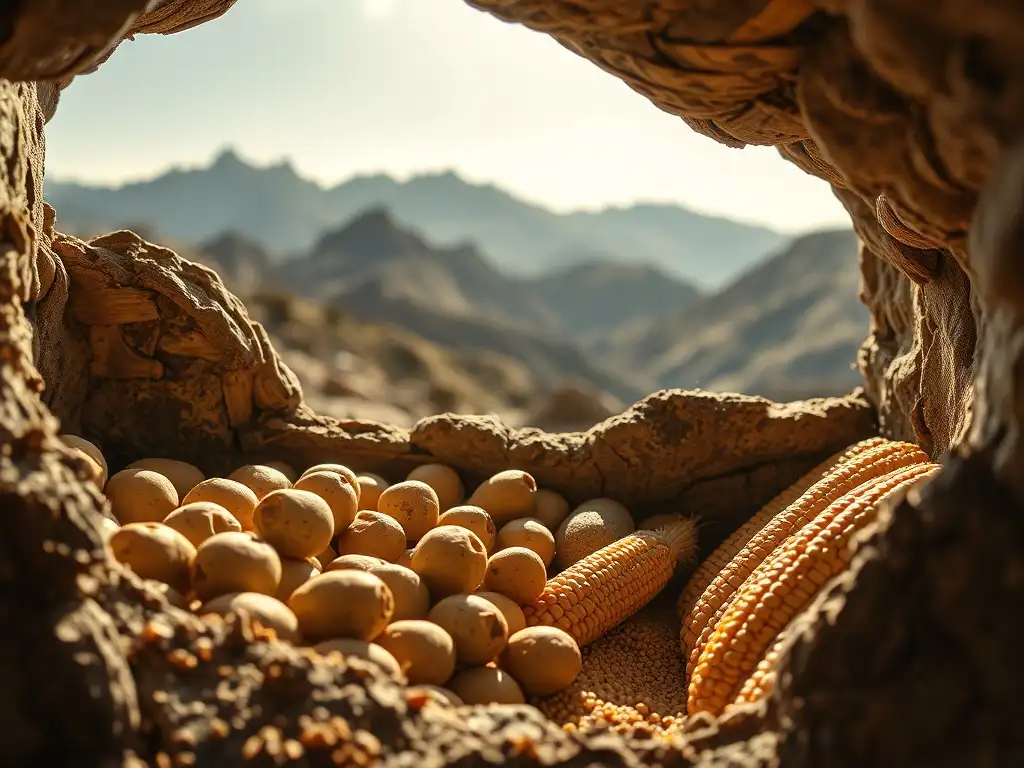
Andean civilization food preservation techniques weren't simply a matter of chance; they were rooted in a deep understanding of scientific principles, albeit without the formal framework of modern science. The success of these methods hinged on manipulating environmental factors and utilizing natural processes to inhibit microbial growth and enzymatic activity, thus extending the shelf life of vital crops. This involved a complex interplay of factors, including temperature control, humidity regulation, and the careful selection of storage locations.
The ingenuity of these methods is particularly impressive considering the limited technology available to these ancient cultures. Their mastery of these techniques allowed for the survival and prosperity of large populations amidst challenging geographical conditions. The effectiveness of these methods is evidenced by the enduring traditions of Andean food preservation that continue to this day, demonstrating their long-term viability and sustainability.
Natural Methods for Preserving Andean Crops
Andean civilizations employed a diverse range of natural methods to preserve their staple crops like potatoes, maize, quinoa, and beans. These methods, honed over centuries, focused on minimizing spoilage by controlling moisture, temperature, and exposure to oxygen. One prevalent technique was freeze-drying, achieved by utilizing the naturally low temperatures and low humidity at high altitudes. This process effectively removed moisture from the crops, inhibiting microbial growth.
Another common method was sun-drying, particularly effective for maize and beans. This process reduced water activity, making the food less hospitable to microorganisms. Furthermore, the use of storage cellars and underground pits provided a consistently cool and dark environment, slowing down the decomposition process. These cellars often incorporated ingenious ventilation systems to regulate humidity and prevent mold growth.
The Andean people’s deep understanding of their environment allowed them to select appropriate storage locations and methods based on the specific characteristics of each crop and the local climate. For example, potatoes were often stored in cool, dark cellars, while maize was frequently sun-dried before storage. The effectiveness of these methods is demonstrated by archaeological evidence revealing well-preserved food remains from ancient Andean sites.
The Role of Altitude and Climate in Andean Preservation
The high altitude and diverse climates of the Andes Mountains played a crucial role in the success of Andean food preservation techniques. The naturally low temperatures and low humidity at high altitudes acted as natural preservatives, slowing down microbial growth and enzymatic activity. The varying microclimates within different valleys and regions allowed the Andean people to select optimal conditions for preserving specific crops.
For instance, some areas provided ideal conditions for freeze-drying, while others were better suited for sun-drying or storage in cool, dry cellars. The unique Andean geography and its varied climates provided a natural advantage in food preservation, enabling the development of sophisticated techniques adapted to specific environmental conditions. Furthermore, the understanding of these environmental factors was integral to the selection of suitable storage locations and methods.
This intimate relationship between the environment and preservation techniques highlights the deep ecological knowledge of the Andean civilizations. Detailed studies on the correlation between altitude, temperature, humidity, and preservation success are still needed to fully quantify the impact of these environmental factors.
Minimal Processing for Maximum Nutrient Retention
A striking feature of Andean food preservation methods was the emphasis on minimal processing, aiming to retain the maximum nutritional value of the crops. Unlike modern methods that often involve extensive processing and the addition of preservatives, Andean techniques prioritized natural processes that preserved the inherent qualities of the food. This focus on minimal processing ensured that essential nutrients, vitamins, and minerals were retained, contributing to the overall health and well-being of the population.
This approach contrasts sharply with many modern preservation methods that may lead to nutrient loss. For example, the freeze-drying method, favored by Andean civilizations, is known for its ability to preserve nutrient content far better than many other techniques. This highlights the sustainability and health benefits of the Andean approach, offering a valuable lesson for modern food preservation practices.
Further research comparing the nutrient retention of traditional Andean methods with modern techniques could provide crucial insights into optimizing food preservation for both nutritional value and shelf life. The focus on sustainability and minimal processing in Andean food preservation techniques sets a valuable example for contemporary efforts to develop environmentally friendly and nutritionally sound food preservation strategies.
Sustainable Practices of Andean Food Storage
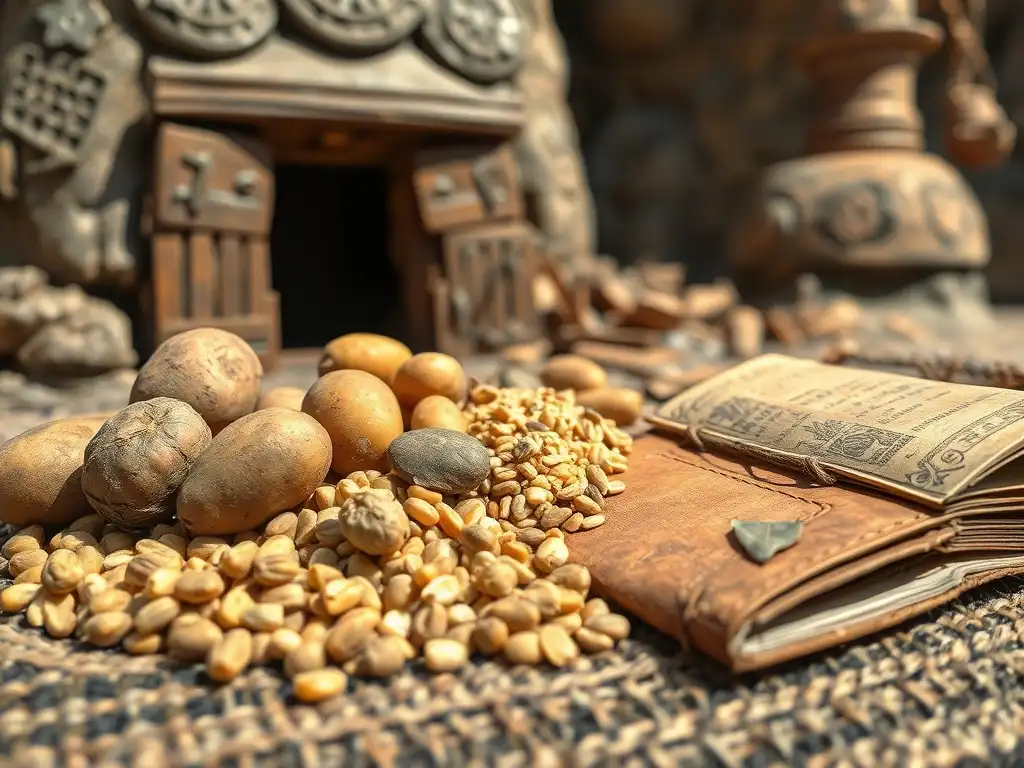
The Andean civilizations, renowned for their ingenuity and adaptation to challenging environments, developed sophisticated food storage systems that were remarkably sustainable. These weren't simply methods of preservation; they represented a holistic approach to resource management, deeply intertwined with their worldview and respect for the Pachamama (Mother Earth). Understanding these practices reveals a model of sustainability that remains relevant today, offering valuable insights into efficient resource utilization and waste reduction.
The keyword "Andean civilization food preservation" is central to understanding their success. Their techniques minimized environmental impact while ensuring food security for their communities, even in the face of unpredictable weather patterns and challenging terrains.
Minimizing Food Waste in Andean Cultures
Minimizing food waste was paramount in Andean societies, where resource scarcity was a constant reality. Their techniques demonstrate a profound understanding of food preservation's crucial role in community resilience. Several strategies were employed to achieve this:
- Careful Harvesting and Selection: Farmers meticulously harvested crops at their optimal ripeness, selecting only the highest-quality produce for storage. Damaged or substandard items were used immediately or repurposed for animal feed, compost, or other uses, minimizing direct waste.
- Diverse Storage Methods: Andean cultures utilized a variety of storage methods tailored to different crops and climates. These included underground cellars ( qollqas), raised granaries, and sun-dried storage areas, each designed to optimize preservation and minimize spoilage. This diversification reduced the risk of widespread loss due to unforeseen circumstances such as pests or extreme weather.
- Community-Based Practices: Food storage often involved community participation. Sharing resources and knowledge ensured that surplus from abundant harvests was distributed equitably, preventing spoilage in individual households and ensuring food security for the entire community. This collaborative approach served as a crucial safety net during lean times.
Energy Efficiency in Traditional Andean Storage
The energy efficiency of Andean food preservation techniques is striking. Their methods relied primarily on natural processes, minimizing reliance on energy-intensive technologies. This low-energy approach is particularly noteworthy in the context of modern concerns about sustainability and climate change.
- Natural Cooling and Ventilation: Underground storage structures like qollqas leveraged the earth's natural cooling properties to maintain stable temperatures and humidity levels, slowing down spoilage. Strategic ventilation systems further aided in temperature regulation and pest control.
- Sun Drying and Freezing: Sun drying was a common method for preserving fruits, vegetables, and meats, utilizing solar energy to dehydrate food and inhibit microbial growth. Similarly, high-altitude regions provided natural freezing conditions for preserving certain foods.
- Minimal Processing: Andean food preservation methods often involved minimal processing, further reducing energy consumption. Unlike modern industrial processes, the focus was on natural preservation techniques, reducing the need for energy-intensive machinery and equipment.
Environmental Impact of Andean Food Preservation
The environmental impact of Andean food preservation was remarkably low compared to modern industrial practices. Their methods prioritized resource efficiency and minimized waste generation, aligning with principles of sustainable development.
- Renewable Resources: The materials used in constructing storage facilities were primarily locally sourced and renewable, such as stone, wood, and thatch. This reduced reliance on non-renewable resources and minimized the carbon footprint associated with material extraction and transportation.
- Low Waste Generation: The emphasis on minimizing food waste directly translated into reduced environmental pollution. Organic waste was often composted, enriching the soil and contributing to sustainable agricultural practices.
- Sustainable Land Management: Andean agricultural practices, closely linked to their food storage systems, emphasized terracing, crop rotation, and other techniques that promoted soil health and biodiversity. This sustainable land management approach ensured the long-term viability of their food production systems. This holistic approach underscores the interconnectedness between food production, storage, and environmental stewardship within Andean civilization food preservation practices.
Andean Food Storage and Modern Applications
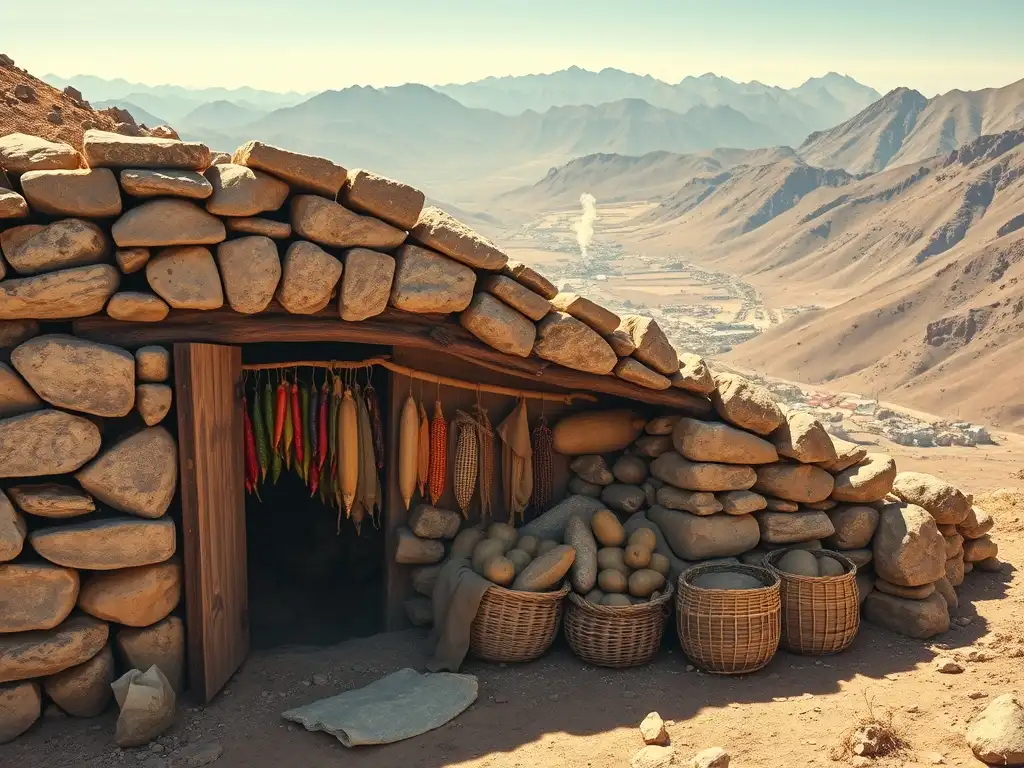
The ingenious food storage techniques employed by Andean civilizations offer valuable insights into sustainable practices relevant even today. Their mastery of preserving food, crucial for survival in challenging high-altitude environments, involved a sophisticated understanding of climate, materials, and preservation methods. This section explores how these ancient strategies can inform contemporary approaches to food security and sustainable agriculture.
Understanding the Andean civilization food preservation methods allows us to appreciate the ingenuity and foresight of these ancient cultures. We'll examine specific examples and their potential for adaptation in modern contexts. The efficient and environmentally conscious practices of the Andes provide a blueprint for a more sustainable future, particularly in regions facing similar climatic and geographical challenges.
Lessons from the Andes for Contemporary Food Security
Many Andean food preservation techniques focused on minimizing spoilage and maximizing shelf life. The qollqa, for example, were ingenious underground storage structures, often built into hillsides, that utilized natural temperature fluctuations and ventilation to maintain optimal conditions for storing potatoes, maize, and other staples. These structures demonstrate a deep understanding of microclimates and their impact on food preservation. The temperature stability within the qollqa significantly reduced spoilage and extended the storage life of perishable goods. This contrasts sharply with modern practices which often rely on energy-intensive refrigeration, contributing significantly to carbon emissions.
Furthermore, the Andeans employed various drying and freezing techniques. The freezing conditions at high altitudes provided a natural way to preserve certain foods, while sun-drying and air-drying were used to extend the shelf life of others. These methods, while simple, were incredibly effective in reducing post-harvest losses – a major concern in many parts of the world today.
Analyzing the success of these techniques allows us to identify efficient and sustainable alternatives to modern, energy-intensive preservation methods. Careful study of these ancient methods could lead to innovations that improve food security and reduce waste in developing nations. Data on the effectiveness of qollqa storage, for example, could be used to design more efficient and environmentally friendly storage solutions for modern agricultural practices.
Adapting Andean Techniques for Sustainable Agriculture
The principles underlying Andean food preservation methods can be adapted for modern sustainable agriculture. For instance, the use of natural ventilation and temperature regulation in qollqa can inspire the design of improved storage facilities for farmers in developing countries. This would reduce reliance on artificial refrigeration, lowering energy consumption and carbon footprints. Similarly, studying traditional drying techniques can lead to the development of more efficient solar dryers, promoting sustainable food preservation and reducing post-harvest losses.
The knowledge of Andean crop diversity and their specific preservation needs can also guide modern agricultural practices. Understanding how different crops react to various preservation methods allows for the optimization of storage strategies, reducing waste and maximizing yield. For example, the specific requirements for storing potatoes versus maize, both staples in the Andean diet, highlight the need for tailored preservation solutions.
The integration of traditional knowledge with modern technology could lead to innovative and sustainable agricultural practices. This integrated approach promises to enhance food security and reduce environmental impact. We need further research on the specific materials used in qollqa construction and their impact on food preservation to fully realize the potential of this ancient technology.
The Relevance of Andean Knowledge in the 21st Century
The Andean civilization’s approach to food preservation offers a compelling model of sustainability for the 21st century. Their methods, rooted in a deep understanding of their environment, provide valuable lessons for addressing contemporary challenges in food security and environmental sustainability. The focus on minimizing waste, utilizing natural resources, and adapting to local conditions is particularly relevant in an era of climate change and growing concerns about food scarcity. The rediscovery and application of these techniques can contribute to more resilient and sustainable food systems globally.
The importance of preserving and disseminating this ancient knowledge cannot be overstated. By studying and adapting these techniques, we can create more sustainable and resilient food systems that are better equipped to handle the challenges of the future. This involves not only replicating ancient structures but also understanding the underlying principles of environmental adaptation and resource management that underpinned them.
The Andean experience provides a powerful case study in the importance of traditional ecological knowledge and its relevance to modern-day challenges. The preservation of Andean civilization food preservation practices is not just a historical endeavor; it's a crucial step towards building a more sustainable future. Further research into the long-term effectiveness of these techniques, particularly in the context of climate change, is essential.
Conclusion: The Enduring Legacy of Andean Food Preservation
The sophisticated food storage and preservation techniques employed by Andean civilizations weren't merely practical solutions; they represented a deep understanding of their environment and a commitment to sustainable resource management. These methods, honed over millennia, allowed for the flourishing of complex societies in challenging terrains. Understanding these techniques offers valuable insights for modern-day challenges related to food security and environmental sustainability.
The ingenuity displayed in Andean civilization food preservation provides a powerful example of how human innovation can adapt to and thrive within diverse ecological contexts. The legacy of their practices continues to inspire research and innovation in food science and sustainable agriculture. By studying their achievements, we can gain a deeper appreciation for the interconnectedness of culture, technology, and the environment.
The Importance of Preserving Andean Food Wisdom
The knowledge surrounding Andean food preservation techniques is not just a historical curiosity; it holds immense practical value today. Many of these traditional methods, such as freeze-drying (naturally occurring in high-altitude environments) and the use of specific storage containers, are environmentally friendly and energy-efficient. In a world grappling with climate change and food insecurity, revisiting and adapting these ancient practices can contribute to more sustainable food systems.
Furthermore, preserving this knowledge helps protect cultural heritage and supports the livelihoods of indigenous communities who continue to utilize these techniques. The loss of this traditional knowledge would represent a significant loss not only for cultural preservation but also for potential advancements in sustainable agriculture and food science.
Efforts to document, preserve, and share this knowledge are crucial for ensuring its continued relevance and application in the 21st century and beyond. This includes supporting research focusing on Andean civilization food preservation techniques and partnering with indigenous communities to safeguard their traditional practices.
Andean Civilization Food Preservation: A Timeless Example
The Andean civilizations' mastery of food preservation stands as a testament to their adaptability and resourcefulness. Their methods, developed in response to the unique challenges of the Andes' diverse ecosystems, demonstrate a profound understanding of agricultural principles and a remarkable ability to innovate. From the ingenious use of subterranean storage (e.g., qollqas) to the skillful application of drying and fermentation techniques, their practices showcase a holistic approach to food management that prioritized both quantity and quality.
The success of their food preservation strategies allowed for population growth, sustained social structures, and the development of complex societies. Their legacy continues to resonate today, offering valuable lessons for modern-day efforts to address food security and environmental sustainability issues. The study of Andean civilization food preservation provides a compelling case study for sustainable practices, underscoring the importance of integrating traditional knowledge with contemporary scientific understanding.
Their achievements serve as a powerful reminder of the potential for human ingenuity to overcome environmental challenges and build resilient food systems. The enduring impact of their techniques on our understanding of food preservation is undeniable and warrants continued study and appreciation.
Frequently Asked Questions
How did Andean civilizations preserve food without refrigeration?
Andean cultures employed various ingenious techniques. These included sun-drying, freeze-drying at high altitudes, and storage in specially designed underground cellars to maintain ideal temperatures and humidity.
What foods were commonly preserved by Andean civilizations?
Potatoes, corn, quinoa, and dried meats were staples preserved using diverse methods. The specific techniques varied depending on the altitude and available resources of the region.
What role did storage technology play in Andean societal structure?
Efficient food preservation was crucial for supporting large populations and sustaining complex social hierarchies. The ability to store surplus food ensured stability during lean seasons and facilitated trade.
How did the environment influence Andean food preservation methods?
The high altitude and varied climates of the Andes dictated preservation techniques. Cold temperatures in mountainous regions facilitated freeze-drying, while lower altitudes benefited from sun-drying and other methods.
What can modern societies learn from Andean food preservation techniques?
Andean methods offer valuable lessons in sustainable food practices. Studying these techniques can inform modern approaches to reducing food waste and developing environmentally friendly preservation methods.
Final Reflection: Echoes of the Andes: A Legacy of Sustainable Food
The ingenious food storage systems developed by Andean civilizations offer a powerful counterpoint to our modern struggles with food security and waste. Their innovative techniques, honed over millennia, remain strikingly relevant in a world grappling with climate change and the urgent need for sustainable practices. The ingenuity displayed by these ancient cultures serves as a potent reminder of the interconnectedness between environment, culture, and survival.
The enduring impact of Andean food preservation techniques extends far beyond the archaeological record. Their methods, often utilizing natural resources and a deep understanding of local ecosystems, offer valuable lessons for contemporary agriculture and food systems. These practices, passed down through generations, represent a profound connection to the land and a commitment to long-term sustainability. The earth provides enough to satisfy every man's needs but not every man's greed.
– Mahatma Gandhi. This quote perfectly encapsulates the wisdom embedded within the Andean approach, highlighting the importance of mindful consumption and resource management.
Consider the ingenuity of the qollqa, the sophisticated storage structures built into the Andean landscape. Reflect on the meticulous knowledge of climate, terrain, and the specific needs of different crops that informed their design. You too can embrace a more sustainable approach to food. Start by reducing food waste in your own home, exploring local and seasonal produce, and appreciating the interconnectedness of our food systems. Let the wisdom of the Andes inspire you to build a more resilient and sustainable future, one mindful meal at a time.
Embrace Sustainability: Transform Your Food Practices Today!
Thank you for exploring the fascinating world of Andean food storage systems with us! Your commitment to sustainable practices is commendable and vital for our planet's future. Inspired by the innovative methods of ancient civilizations, let's put this knowledge into action.
Here are some impactful steps you can take immediately:
- Preserve food at home: Experiment with drying, fermenting, or canning seasonal produce to reduce waste and enhance flavor.
- Share your success: Post your food preservation achievements on social media using the hashtag #AndeanSustainability to inspire others.
- Connect with your community: Join or start a local group focused on sustainable food practices to share knowledge, techniques, and resources.
What food preservation techniques will you try first to live a more sustainable life?