
The Art of Andean Fermentation: Transforming Simple Ingredients into Complex Flavors

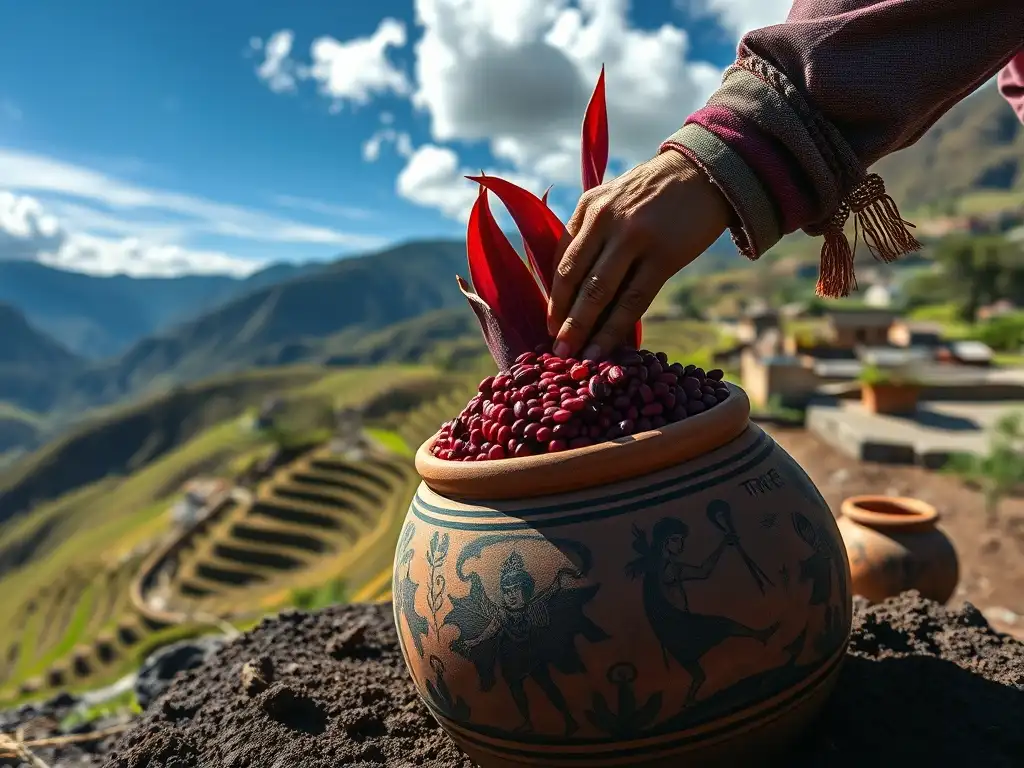
Uncover the secrets whispered on the wind across the Andes Mountains—a legacy of ingenuity and innovation that continues to astound. For centuries, the ancient Andean civilizations mastered techniques that transformed simple ingredients into complex flavors, a culinary alchemy that defined their societies. Prepare to be captivated by the intriguing world of Andean fermentation techniques, a story woven into the very fabric of their agriculture and survival. Journey with us as we delve into the processes and traditions that shaped their remarkable culinary heritage. What hidden knowledge will you uncover?
The Andes Mountains, a spine of towering peaks running down the western coast of South America, are not only a breathtaking landscape but also a cradle of sophisticated agricultural practices. For millennia, Andean civilizations, including the Incas, Moche, Nazca, and Tiahuanaco, developed ingenious methods for cultivating and preserving food in challenging high-altitude environments.
Among these techniques, fermentation stands out as a crucial process, transforming simple ingredients like maize, potatoes, and quinoa into complex and nutritious foods that sustained entire populations for centuries. This article delves into the fascinating world of Andean fermentation techniques, exploring their historical significance, diverse applications, and enduring legacy in modern Andean cuisine.
We will uncover the ingenuity of these ancient methods and their impact on the culinary landscape of the Andes, highlighting the remarkable ability of Andean people to harness natural processes for food preservation and enhancement. Understanding these techniques offers a deeper appreciation for the resilience and ingenuity of Andean cultures and their profound connection to their environment.
Introduction to Fermentation in the Andes
Fermentation, a metabolic process involving microorganisms like bacteria and yeasts, was not merely a preservation method for Andean peoples; it was a transformative culinary art. Unlike many other regions where fermentation might have been a later adaptation, evidence suggests that Andean communities employed fermentation techniques from very early stages of agricultural development. This is evidenced by archaeological findings [specific information pending] which point to early forms of fermented beverages and foods.
The process involved harnessing naturally occurring microorganisms, or sometimes cultivating specific strains, to break down complex carbohydrates and proteins, creating unique flavors, textures, and enhanced nutritional profiles. This wasn't a haphazard process; rather, it was a finely tuned skill passed down through generations, reflecting a deep understanding of both microbiology and the local ecosystem. The availability of diverse crops, coupled with varied climates across the Andes, led to a remarkable diversity in fermentation techniques and resulting products.
The specific microorganisms used varied depending on the climate and the desired outcome, reflecting a sophisticated understanding of microbial ecology. For example, higher altitude areas might have favored specific yeast strains adapted to colder temperatures.
Ancient Andean Food Preservation Methods
Andean fermentation techniques were essential for food preservation in a region characterized by dramatic variations in altitude and climate. The high Andes presented unique challenges for food storage, with limited access to refrigeration or other modern preservation methods. Fermentation provided a crucial solution, extending the shelf life of staple crops and preventing spoilage. Some key examples include:
- Chicha: A fermented beverage made from maize, chicha was (and remains) a cornerstone of Andean culture. Different variations existed, each with unique flavor profiles stemming from different maize varieties, fermentation techniques, and added ingredients. Chicha played a significant role in religious ceremonies and social gatherings.
- Aji Amarillo Paste: This staple ingredient in many Andean dishes is typically made from fermented peppers. The fermentation process not only preserves the peppers but also enhances their flavor complexity and reduces their pungency.
- Fermented Potatoes: Various types of potatoes were fermented, leading to different textures and flavors. This process often involved techniques like lactic acid fermentation, which not only extended the shelf life but also provided additional nutritional benefits.
- Muña Tea: While not strictly a fermented food, the muña plant, often used in infusions, was frequently treated with fermentation processes to enhance its medicinal properties and flavor.
The techniques employed were often highly localized, varying from community to community based on available resources and cultural traditions. This diversity highlights the adaptability and sophistication of Andean food preservation practices. The process often involved carefully controlled environments, specific vessels, and precise timing, showcasing a deep understanding of the delicate balance required for successful fermentation. The knowledge was carefully guarded and passed down through generations, contributing to the unique culinary identity of different Andean communities.
The Significance of Fermentation in Andean Cultures
Beyond its practical applications in food preservation, fermentation held profound cultural and religious significance in Andean societies. Fermented beverages like chicha were often central to religious ceremonies, social rituals, and celebrations. The process of fermentation itself was imbued with symbolic meaning, reflecting the cyclical nature of life and the transformative power of nature.
The expertise required to successfully ferment food was often associated with prestige and spiritual authority within the community. The mastery of fermentation techniques was not simply a culinary skill; it was a demonstration of knowledge and understanding of the natural world, highlighting a deep connection between Andean peoples and their environment. Furthermore, the nutritional benefits derived from fermented foods played a crucial role in maintaining the health and well-being of Andean populations, contributing to their resilience in challenging environments.
The legacy of these ancient practices continues to resonate in contemporary Andean cuisine, with many traditional fermented foods still consumed and celebrated today. The ongoing study of Andean fermentation techniques not only enriches our understanding of ancient cultures but also offers valuable insights into sustainable food production methods for the future. 🎉
- Introduction to Fermentation in the Andes
- Ancient Andean Food Preservation Methods
- The Significance of Fermentation in Andean Cultures
Key Andean Fermented Foods and Beverages
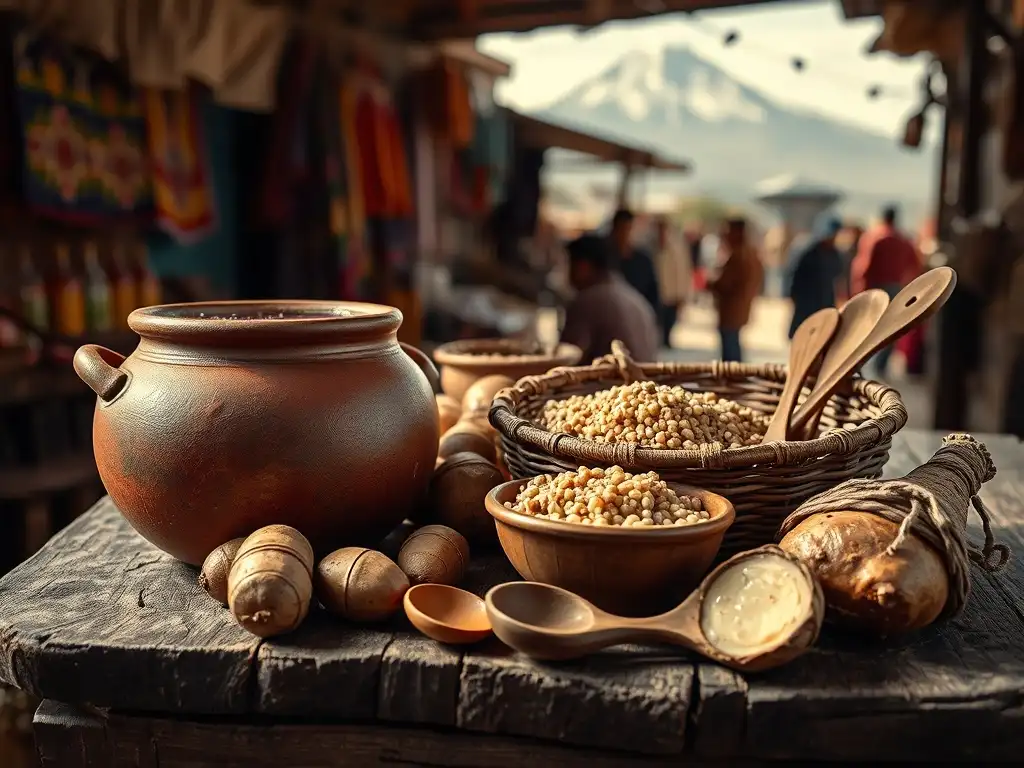
The Andes Mountains, a region renowned for its diverse ecosystems and ancient civilizations, also boast a rich history of fermentation. Andean fermentation techniques, passed down through generations, transformed humble ingredients into complex and flavorful foods and beverages integral to Andean culture and sustenance. These techniques, often relying on naturally occurring yeasts and bacteria, reflect an intimate understanding of local flora and a deep connection to the land. This section will explore some key examples of Andean fermented foods and beverages, highlighting their significance and unique characteristics.
Chicha: The Sacred Fermented Corn Drink
Chicha, a fermented corn beverage, holds immense cultural and historical significance across the Andes. More than just a drink, chicha played a central role in religious ceremonies, social gatherings, and daily life for various Andean cultures. Its production involved intricate processes that varied significantly across different regions and communities, reflecting the diverse agricultural practices and traditions of the Andes. The resulting drink, ranging in color, texture, and alcohol content, offers a fascinating glimpse into the ingenuity and resourcefulness of Andean peoples. The enduring popularity of chicha underscores its importance as a cornerstone of Andean culinary heritage.
Varieties of Chicha and their Regional Variations
The term "chicha" encompasses a wide array of fermented corn beverages, each with its own distinct characteristics. For example, chicha de jora, a widely known variety, uses germinated corn, resulting in a sweeter and less alcoholic drink compared to other varieties that may employ different corn types and fermentation methods. Regional variations are abundant.
In the high Andes, where agricultural conditions are challenging, chicha recipes might incorporate different types of corn adapted to higher altitudes. Coastal regions, with access to different resources, might incorporate fruits or other ingredients into their chicha. These variations highlight the adaptability of Andean fermentation techniques to diverse environmental conditions.
The Chicha Brewing Process: A Traditional Andean Practice
The production of chicha involves a multi-stage process, traditionally carried out using rudimentary tools and techniques. The process typically begins with the preparation of the corn, which may involve soaking, germination, and cooking. Once the corn is ready, it's mashed and mixed with water, initiating the fermentation process.
This process relies on naturally occurring yeasts and bacteria present in the environment, often facilitated by the use of specific vessels or techniques passed down through generations. The fermentation time varies depending on the desired alcohol content and flavor profile, resulting in a beverage that can range from mildly sweet and slightly alcoholic to stronger and more potent. Understanding these traditional practices is crucial for appreciating the sophistication and cultural depth of Andean fermentation.
Tojosh: Fermented Potato Delicacy
Tojosh represents another example of the ingenuity of Andean fermentation techniques, showcasing the transformation of potatoes into a unique and flavorful food. This fermented potato product, traditionally found in certain Andean regions, demonstrates the ability of Andean communities to utilize locally available resources to create nutrient-rich and culturally significant foods. The unique fermentation process involved in producing tojosh offers insights into the microbial ecology of the Andean highlands and the knowledge of local communities in harnessing these microorganisms for food production.
The Unique Fermentation of Potatoes in the Andes
The fermentation of potatoes in the Andes differs significantly from other fermentation processes. Unlike many fermented foods that rely on specific starter cultures, tojosh fermentation relies on naturally occurring microorganisms present on the potato's surface and in the surrounding environment. These microorganisms, adapted to the high-altitude Andean conditions, contribute to the unique flavor and texture of tojosh. The process is often influenced by environmental factors such as temperature and humidity, reflecting the close relationship between the fermentation process and the Andean ecosystem. This process requires a deep understanding of these environmental factors and the microbial communities involved.
Tojosh Preparation Techniques and Culinary Uses
The preparation of tojosh involves a sequence of steps, beginning with the selection and cleaning of potatoes. Specific potato varieties, often those adapted to high-altitude conditions, are preferred for tojosh production. The potatoes are then boiled or steamed before undergoing a fermentation process, usually in a specific type of container or vessel. The fermentation time can vary depending on factors such as temperature and the desired level of fermentation.
Once the fermentation process is complete, the resulting tojosh is ready for consumption. It can be eaten on its own or used as an ingredient in various dishes, adding a unique tangy and earthy flavor to Andean cuisine. The variability in preparation techniques highlights the diversity of Andean culinary traditions.
Other Fermented Andean Products: Uchú, Masato, and Api
Beyond chicha, the Andean world boasts a rich tapestry of fermented foods and beverages, each reflecting the ingenuity and adaptability of its creators. Understanding these diverse fermentation techniques provides a deeper appreciation for the sophisticated agricultural practices of these civilizations. Let's explore some notable examples: uchú, masato, and api.
Uchú, a fermented maize-based sauce, stands as a testament to the Andean people's ability to preserve and enhance the flavor of their staple crops. The preparation of uchú involves a meticulous process of cooking, grinding, and fermenting maize, often incorporating other ingredients like chili peppers for added complexity. This fermentation process not only preserves the maize but also develops a unique, tangy, and slightly sour flavor profile that is highly valued in Andean cuisine.
The resulting sauce serves as a versatile condiment, adding depth and character to a wide variety of dishes, reflecting its importance in the daily diet and cultural practices of various Andean communities. The specific ingredients and fermentation times can vary significantly depending on the region and the specific traditions of the community.
For example, some communities might add specific types of chili peppers or herbs, resulting in variations in the final product's flavor and texture. This regional diversity highlights the adaptability of uchú and its integration into the unique culinary landscapes of the Andes.
Masato, a fermented beverage made from yuca (cassava), showcases the Andean mastery of transforming a readily available carbohydrate source into a refreshing and subtly alcoholic drink. The fermentation process relies on naturally occurring yeasts and bacteria, converting the starch in the yuca into sugars, which are then converted into alcohol. This process not only produces an enjoyable beverage but also enhances the nutritional value of the yuca by breaking down some complex carbohydrates, making them easier for the body to digest.
The subtle sweetness and slightly tart flavor of masato make it a popular drink throughout the Andean region, especially during celebrations and social gatherings. Different communities may incorporate variations in the preparation techniques, resulting in a diversity of flavors and alcohol content, reflecting the unique cultural expressions within the region. The level of fermentation can also be controlled to achieve varying degrees of sweetness and alcoholic strength.
Api, a warm, slightly sweet beverage made from purple corn, is a unique example of Andean fermentation that goes beyond the realm of solely alcoholic products. While not strictly fermented in the same way as chicha or masato, the process involves a gentle fermentation that enhances the flavor and nutritional profile of the purple corn. The fermentation process is often facilitated by the addition of muña, an Andean herb with purported digestive benefits.
This combination results in a beverage that is both comforting and nutritious, often consumed as a traditional remedy for various ailments. The vibrant purple color of the api also holds cultural significance, symbolizing strength, vitality, and the rich biodiversity of the Andean highlands. The preparation of api often involves a slow simmering process, allowing the flavors of the corn and muña to fully develop.
The resulting beverage is a testament to the Andean understanding of the symbiotic relationship between ingredients and the transformative power of gentle fermentation. The specific recipe and preparation methods for api can vary significantly across different regions and communities, reflecting the rich diversity of Andean culinary traditions.
Andean Fermentation Techniques: A Closer Look
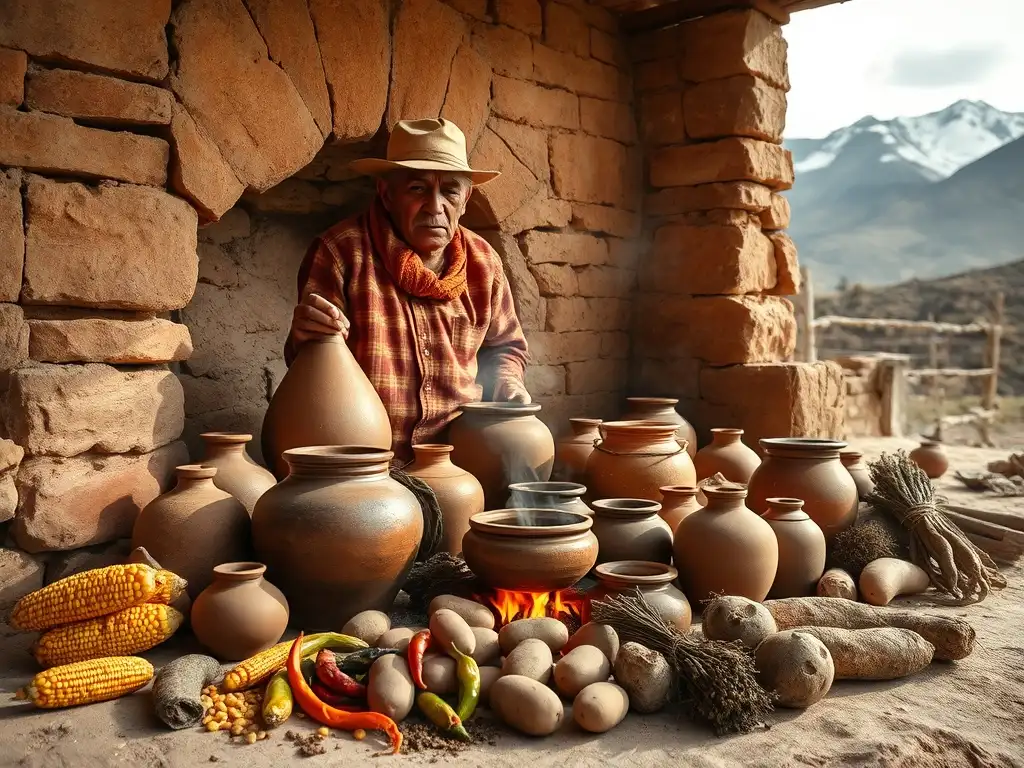
This section delves into the fascinating world of Andean fermentation techniques, exploring the intricate interplay of microorganisms, traditional tools, and environmental conditions that shaped the unique culinary landscape of the Andes. Understanding these techniques provides a deeper appreciation for the ingenuity and resourcefulness of Andean cultures in transforming simple ingredients into complex and flavorful foods. The preservation and enhancement of flavors through fermentation were—and continue to be—crucial for Andean communities. This sophisticated knowledge system, passed down through generations, represents a significant aspect of Andean agricultural heritage.
The Role of Indigenous Microorganisms
Andean fermentation relies heavily on naturally occurring indigenous microorganisms, predominantly yeasts and lactic acid bacteria. Unlike many modern fermentation processes that utilize commercially-produced starter cultures, Andean techniques harness the diverse microbial communities present in the environment and on the raw ingredients themselves.
These microorganisms, adapted to the specific Andean climate and ecosystems, contribute significantly to the unique organoleptic properties (taste, aroma, texture) of fermented Andean foods. The diversity of these microorganisms is still largely unexplored, representing a rich field of research for understanding both the historical development of Andean food processing and the potential for future applications.
For example, studies are ongoing to identify specific strains of Lactobacillus species found in chicha, a traditional fermented maize beverage, that contribute to its distinct flavor profile and probiotic properties. Further research is needed to fully catalog the microbial biodiversity involved in various Andean fermentation processes, including those used for cuy (guinea pig), humitas (corn tamales), and various types of fermented dairy products.
Traditional Fermentation Vessels and Tools
The vessels and tools used in Andean fermentation are as diverse as the foods themselves. Pottery played a central role, with various types of clay pots, jars, and gourds used for fermentation depending on the specific food and the desired outcome. The porosity and shape of these vessels influenced the fermentation process, affecting temperature regulation, oxygen exposure, and the overall microbial ecology.
For instance, the use of unglazed clay pots allowed for slow, controlled fermentation, while sealed vessels favored anaerobic conditions ideal for lactic acid fermentation. Beyond pottery, other materials like woven baskets, animal skins, and even hollowed-out tree trunks were employed. The tools used were equally simple yet effective.
Wooden paddles, mortars and pestles, and simple sieves were common instruments used for preparing ingredients and managing the fermentation process. The careful selection of materials, considering their properties and interactions with the fermenting foods, showcases the deep understanding of material science inherent in Andean fermentation practices. This traditional knowledge is invaluable for modern food scientists and provides a sustainable alternative to many contemporary food processing techniques.
Environmental Factors Affecting Andean Fermentation
The high altitude, variable temperatures, and unique climate of the Andes significantly influence the fermentation process. These environmental factors interact with the microorganisms and the raw ingredients to shape the final product. Understanding these interactions is essential for replicating traditional Andean fermentation techniques and appreciating the ingenuity of the methods employed.
Temperature and Altitude's Influence on Fermentation
Temperature is a crucial factor in Andean fermentation. The lower temperatures at higher altitudes slow down the fermentation process, leading to longer fermentation times compared to lower altitudes. This slower fermentation can result in the development of unique flavor compounds and enhanced textural qualities.
The diurnal temperature variations also play a role, influencing the activity of microorganisms and the production of various metabolites. Altitude itself affects not only temperature but also atmospheric pressure and oxygen availability, which further impact microbial growth and metabolic pathways. For example, the production of chicha at higher altitudes might result in a different flavor profile than at lower altitudes due to the altered microbial activity and slower fermentation rate.
Research into the specific effects of altitude and temperature on different Andean fermentation processes is ongoing and reveals a complex interplay between environmental factors and microbial ecology. This research is vital for preserving and understanding the nuances of this ancient food technology.
Specific Fermentation Methods: Anaerobic Fermentation and Lactic Acid Fermentation
Anaerobic fermentation, a cornerstone of Andean fermentation techniques, thrives in oxygen-deprived environments. This process, crucial for preserving food and enhancing its flavor profile, was employed across various Andean cultures for centuries. A prime example is the production of chicha, a fermented beverage made from maize, quinoa, or other grains.
The absence of oxygen encourages the growth of specific microorganisms, primarily yeasts and certain bacteria, which break down sugars into alcohol and carbon dioxide. The precise microbial communities involved varied depending on the specific ingredients and environmental conditions, contributing to the diverse flavors and alcoholic content found in different chicha varieties. The mastery of anaerobic fermentation required a deep understanding of environmental control, selecting appropriate vessels (often clay pots sealed to minimize oxygen exposure), and managing the fermentation temperature to achieve the desired outcome.
Variations in these factors resulted in a wide range of chicha types, each with its unique characteristics and cultural significance. The process wasn't simply about creating an alcoholic beverage; it was a sophisticated technology embedded within the social fabric of Andean communities.
Lactic acid fermentation, another prevalent method, played a vital role in preserving and transforming foods, particularly dairy products and vegetables. While less common than anaerobic fermentation for beverages, it featured prominently in the production of various dairy-based foods, especially in regions with a strong tradition of livestock herding. The conversion of lactose (milk sugar) into lactic acid through the action of lactic acid bacteria not only preserved the food by lowering its pH, inhibiting the growth of spoilage microorganisms, but also imparted distinctive flavors and textures.
This process was particularly important in regions with limited access to refrigeration, where lactic acid fermentation provided a reliable means of extending the shelf life of perishable foods. The specific types of lactic acid bacteria involved likely varied depending on the geographic location and the type of milk used (e.g., llama, alpaca, or cow milk), contributing to the regional diversity in fermented dairy products across the Andes.
Furthermore, lactic acid fermentation was applied to certain vegetables, contributing to their preservation and flavor enhancement, although specific examples and detailed processes require further research. The understanding and application of lactic acid fermentation showcased the advanced knowledge of Andean communities in harnessing microbial processes for food preservation and enhancement.
The Cultural and Nutritional Value of Andean Fermented Foods
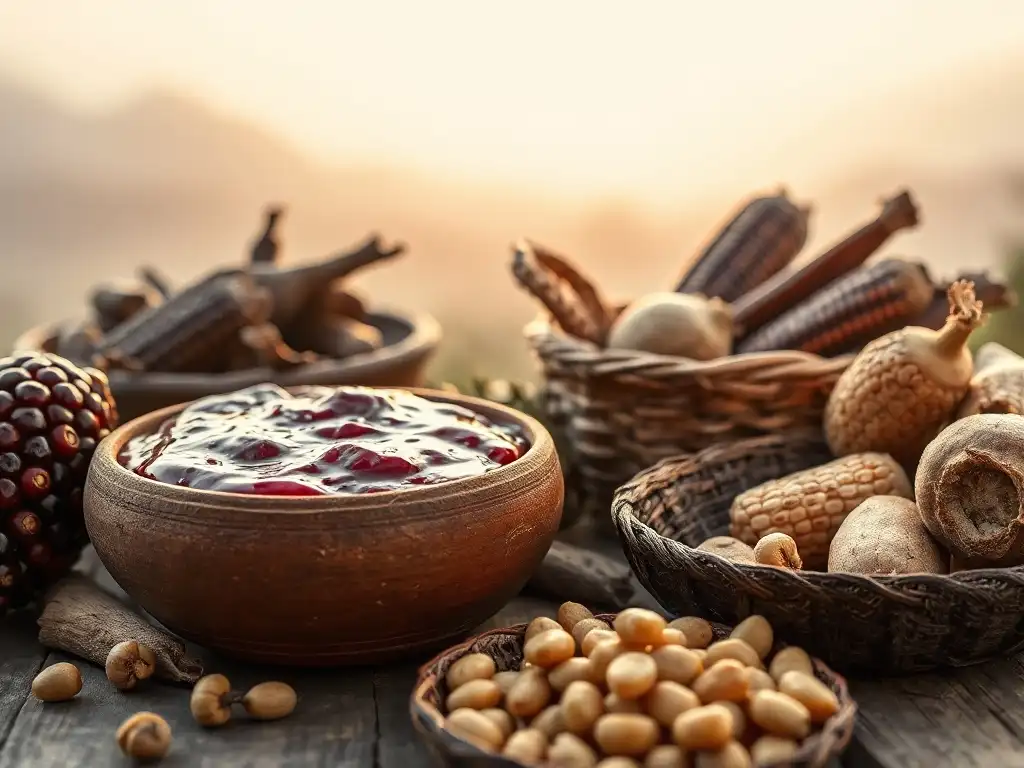
Andean fermentation techniques, passed down through generations, are not merely methods of food preservation; they represent a profound connection between culture, nutrition, and the environment. The process significantly enhances the nutritional value of staple crops like maize, potatoes, and quinoa, transforming simple ingredients into complex and flavorful foods that sustained Andean societies for millennia. These techniques are integral to understanding the resilience and ingenuity of these civilizations.
Fermentation as a Source of Probiotics and Nutrients
Fermentation dramatically improves the digestibility and bioavailability of nutrients in Andean foods. The process, often involving lactic acid bacteria, increases the levels of essential vitamins, particularly B vitamins (like B12, often lacking in vegetarian diets), and enhances the absorption of minerals. For example, chicha, a fermented maize beverage, provides a significant source of probiotics, beneficial bacteria that support gut health and boost the immune system.
Similarly, fermented potatoes, a staple in many Andean diets, offer improved protein content and enhanced digestibility compared to their unfermented counterparts. The increase in beneficial microbial populations through fermentation also contributes to a reduction in antinutrients, substances that can interfere with nutrient absorption. This is particularly relevant for crops like quinoa, which naturally contains saponins that can cause digestive discomfort if not properly processed – fermentation helps mitigate this effect.
Studies comparing the nutritional profiles of fermented and unfermented Andean foods consistently demonstrate the significant nutritional benefits of these traditional methods. Further research is needed to fully quantify the impact of specific fermentation techniques on the nutrient content of different Andean crops, but the existing evidence strongly suggests a positive correlation between fermentation and improved nutritional value. The precise bacterial communities involved in these fermentations also warrant further investigation, as this understanding could lead to enhanced food production and improved public health outcomes.
Beyond nutritional benefits, fermented foods played, and continue to play, a central role in Andean social structures and rituals. Chicha, for instance, was not simply a beverage; it held deep symbolic meaning, integral to ceremonies, celebrations, and social gatherings. Different types of chicha, fermented using various techniques and ingredients, signified different occasions and social hierarchies.
The preparation and sharing of fermented foods often served as a means of strengthening community bonds and reinforcing social identities. This social dimension of Andean fermentation is crucial to understanding its enduring cultural significance. The knowledge and techniques associated with fermentation were, and often still are, passed down through generations within families and communities, solidifying their role as custodians of this valuable cultural heritage.
The preparation of certain fermented foods was often the responsibility of specific individuals or groups, highlighting their social standing and expertise within the community. In essence, the fermentation process transcends mere food preparation; it becomes a vital element in the social fabric of Andean societies, a powerful symbol of community, tradition, and shared identity. The precise rituals and social functions associated with various fermented foods vary across different Andean communities and require further ethnographic study to fully appreciate the rich tapestry of their cultural significance.
Preserving Andean Food Heritage through Fermentation
The preservation of traditional Andean fermentation techniques is crucial for maintaining both biodiversity and cultural heritage. Many of these techniques are facing threats from modernization and the adoption of industrial food processing methods. However, there is a growing interest in reviving and promoting these traditional practices, recognizing their nutritional, economic, and cultural value.
Efforts to document and preserve these techniques, through ethnobotanical studies and community-based projects, are essential for safeguarding this invaluable knowledge. Promoting the consumption and production of traditionally fermented Andean foods can also contribute to food security and sustainable livelihoods in Andean communities. Furthermore, the unique microbial diversity associated with these traditional fermentation processes holds significant potential for biotechnology and the development of new functional foods.
By supporting initiatives that document, preserve, and promote Andean fermentation techniques, we can help ensure that this rich culinary and cultural legacy continues to thrive for generations to come. Preserving this heritage is not only about protecting traditional recipes; it's about safeguarding the knowledge, practices, and cultural values that have shaped Andean societies for centuries, fostering resilience and adaptability in the face of a changing world. The continued study and application of Andean fermentation techniques offer a valuable path toward sustainable food systems and the preservation of a unique cultural heritage.
Challenges and Future of Andean Fermentation
The preservation and promotion of Andean fermentation techniques face a complex interplay of challenges and opportunities. Understanding these is crucial for ensuring the continued relevance and sustainability of these ancient practices. The delicate balance between tradition and modernization is a key factor influencing the future of Andean fermentation.
Modernization vs. Traditional Practices
The encroachment of industrial food production presents a significant hurdle. Mass-produced, processed foods often overshadow the unique flavors and nutritional benefits of traditionally fermented Andean products. This shift threatens the livelihoods of farmers and artisans who rely on these techniques, leading to a decline in knowledge transmission across generations.
Moreover, the introduction of foreign ingredients and techniques can dilute the authenticity and cultural significance of Andean fermentation. For example, the increasing use of commercial yeasts in chicha production, a traditionally carefully cultivated and managed process, diminishes the unique microbial diversity and resulting flavor profiles inherent to the traditional method. This highlights the need for a balanced approach: embracing modern technology where appropriate (e.g., improved sanitation practices) while safeguarding traditional methods and knowledge.
A critical aspect is documenting and preserving traditional recipes and processes before they are lost. This could involve detailed ethnobotanical studies and community-based participatory research projects. The development of quality control standards, adapted to the specificities of each fermented product, is also essential to ensure product safety and market acceptance.
Promoting Andean Fermented Foods for Sustainable Development
Andean fermentation techniques offer significant potential for sustainable development. These methods often utilize locally sourced ingredients, minimizing transportation costs and environmental impact. The preservation of food through fermentation reduces waste and enhances food security, particularly in regions with limited access to refrigeration. Furthermore, fermented foods are often rich in probiotics, contributing to improved gut health and overall well-being.
Promoting these foods can empower local communities economically by creating new markets for traditional products. This could involve developing value-added products, such as fermented sauces, condiments, and beverages, targeting both local and international markets. Educational programs and awareness campaigns are also crucial for highlighting the nutritional and cultural value of these foods.
Support for small-scale producers, including access to credit, training, and marketing assistance, is essential for their success. Tourism can also play a significant role, with culinary tours and workshops showcasing the artistry and tradition of Andean fermentation. The creation of cooperatives and associations can strengthen the bargaining power of producers and ensure fair prices for their products.
The Potential of Andean Fermentation in Modern Cuisine
Andean fermentation techniques are increasingly gaining recognition in the global culinary landscape. The unique flavor profiles and nutritional properties of fermented Andean foods offer exciting possibilities for innovative culinary creations. Chefs are incorporating traditional ingredients and techniques into contemporary dishes, creating a fusion of flavors and traditions. For example, the use of fermented maize in modern gastronomy offers a unique textural and flavor dimension.
The incorporation of traditional Andean fermentation methods into modern food processing techniques could lead to the development of new and exciting products, such as novel fermented beverages or functional foods. However, careful consideration must be given to maintaining the authenticity and cultural integrity of these techniques. Collaboration between chefs, researchers, and local communities is crucial for ensuring that the adaptation of these methods is respectful and sustainable.
The potential for cross-cultural exchange and innovation is vast, creating opportunities for both culinary creativity and economic development. This requires careful consideration of intellectual property rights and the fair sharing of benefits derived from the commercialization of traditional knowledge. The future of Andean fermentation lies in its ability to bridge the gap between tradition and innovation, creating a sustainable and vibrant culinary heritage.
Frequently Asked Questions
What are some examples of Andean fermentation techniques?
Andean cultures employed various techniques, including chicha fermentation using maize, quinoa, or other grains, and the fermentation of various fruits and vegetables to create unique flavors and preserve food. These methods varied across different cultures and regions.
How did Andean fermentation impact their diets?
Fermentation significantly expanded the Andean diet, providing access to nutritious foods throughout the year, particularly during lean seasons. It also enhanced the digestibility and nutritional value of certain foods.
What role did fermentation play in Andean religious practices?
Fermented beverages like chicha were central to many religious ceremonies and rituals, symbolizing community, spirituality, and offerings to deities. Its consumption was often integral to important social events.
Were Andean fermentation techniques sophisticated?
Yes, the Andean civilizations developed highly sophisticated fermentation techniques, demonstrating a deep understanding of microbiology and its application to food production. Their methods were often adapted to specific environments and resources.
How has Andean fermentation influenced modern cuisine?
Many traditional Andean fermentation techniques are still practiced today, influencing modern culinary practices in the Andes and inspiring new innovations in food production. The legacy of these techniques is evident in contemporary dishes and beverages.
Final Reflection: A Legacy of Flavor: Preserving Andean Fermentation Traditions
The art of Andean fermentation, far from being a relic of the past, is a vibrant and crucial practice with profound implications for food security and cultural preservation in the face of climate change. These ancient techniques, honed over millennia, offer sustainable and resilient approaches to food production that are increasingly relevant in our modern world. The ingenuity and wisdom embedded in these processes deserve not only our admiration but also our active support and dissemination.
The enduring power of Andean fermentation lies not just in its ability to transform simple ingredients into complex and delicious flavors, but in its profound connection to the land and its people. It represents a deep understanding of ecological balance and a sustainable relationship with nature. These techniques are a testament to the ingenuity of Andean communities and their ability to adapt to challenging environments. Food is more than just sustenance; it is a cultural expression, a link to our history, and a reflection of our relationship with the natural world.
This quote encapsulates the essence of what Andean fermentation represents – a living legacy passed down through generations.
Consider the impact of these techniques on your own life. Perhaps you'll be inspired to experiment with fermentation yourself, to explore the rich tapestry of flavors that await. Or maybe you'll simply appreciate the food you consume with a newfound awareness of the history and cultural significance embedded within it. Let the legacy of Andean fermentation inspire you to explore the possibilities of sustainable food systems and to appreciate the profound connection between culture, nature, and the simple act of eating. Embrace the transformative power of fermentation, and discover the rich flavors of tradition.
Unleash Your Inner Brew Master Today!
Thank you for exploring the fascinating world of Andean fermentation with us! We hope you've gained valuable insights into how simple ingredients can transform into vibrant and complex flavors, bringing a taste of tradition to your table. Now it's time to put your new knowledge into practice!
Here are some exciting ways to continue your fermentation journey:
- Start your own fermentation project: Gather some local, seasonal ingredients and experiment with a simple recipe. The process is incredibly rewarding as you watch your creation come to life!
- Join a community: Connect with fellow fermentation enthusiasts online or in your local area. Sharing your experiences and learning from others makes this craft even more rewarding.
- Share your journey: Document your fermentation experiments on social media or start a blog! Inspire others to explore the rich and diverse flavors of Andean culture.
What unique ingredient are you excited to ferment next? Let us know in the comments!