
The Andean Farmer's Calendar: Understanding the Rhythm of the Seasons

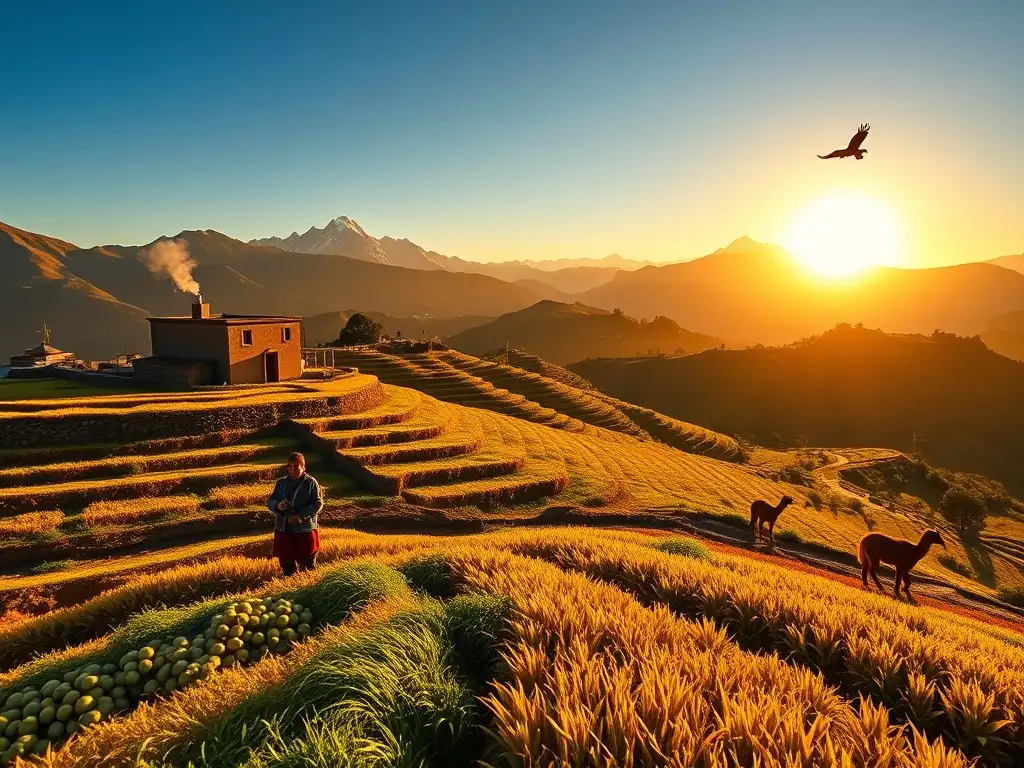
Unravel the mysteries of a world sculpted by ingenuity and shaped by the rhythms of nature. Step into the heart of the Andes, where towering peaks and fertile valleys witnessed the rise and fall of magnificent civilizations. Discover how the Andean agricultural calendar – a testament to their profound understanding of the land – dictated life, shaping their art, technology, and spiritual beliefs. Prepare to be amazed by the intricate tapestry of Andean culture, as we delve into the secrets of their agricultural prowess and the enduring legacy they left behind.
The Andes Mountains, a spine of towering peaks running down the western coast of South America, presented unique challenges and opportunities for ancient civilizations. Their ingenuity in adapting to these harsh environments is perhaps best exemplified in their sophisticated agricultural practices. This article delves into the fascinating world of the Andean farmer's calendar, a system of knowledge deeply intertwined with the observation of celestial events and the meticulous understanding of their environment. We will explore how this intricate calendar dictated planting, harvesting, and other crucial agricultural activities, allowing these civilizations to thrive in often unforgiving conditions. Understanding the Andean agricultural calendar provides invaluable insight into the resilience, innovation, and deep connection to nature that characterized Andean societies. This knowledge, far from being a relic of the past, offers valuable lessons for sustainable agriculture today. We'll examine the importance of this calendar, the techniques employed, and the remarkable adaptability it demonstrates.
Introduction to the Andean Agricultural Calendar
The Andean agricultural calendar wasn't a single, unified system. Instead, it varied across different regions and cultures, reflecting the diverse climates and agricultural practices. However, common threads connect these seemingly disparate systems. These calendars relied heavily on astronomical observations, particularly the movements of the sun and stars.
Farmers meticulously tracked the solstices and equinoxes, using these celestial markers to predict the changing seasons and the optimal times for planting and harvesting. This wasn't simply a matter of observing the sun's position; it involved a complex understanding of microclimates, altitude, and the specific needs of various crops. The calendar also incorporated knowledge of local weather patterns, water availability, and the behavior of animals. For example, the migration patterns of certain birds might signal the beginning of the rainy season, influencing planting decisions.
This intricate interplay of astronomical observation and empirical knowledge ensured agricultural success for generations. The accuracy and sophistication of these calendars are testament to the deep understanding of their environment possessed by Andean farmers. Moreover, the calendar's integration into the social and religious life of the communities highlights the profound significance of agriculture in Andean societies.
The Importance of the Andean Calendar in Agriculture
The Andean calendar was far more than a simple planting guide; it was the cornerstone of Andean agricultural success. Its accurate predictions minimized risks associated with unpredictable weather patterns and ensured optimal yields. This precision was crucial, particularly in environments characterized by challenging terrains and varying microclimates. The calendar's influence extended beyond simply planting and harvesting; it also guided other essential agricultural tasks, such as irrigation management, fertilization, and pest control.
The timing of these activities was often dictated by specific celestial events, reflecting a deep understanding of the interconnectedness of natural processes. Furthermore, the calendar played a critical role in social organization. Agricultural cycles dictated communal work patterns, festivals, and religious ceremonies, strengthening social bonds and ensuring community cooperation. The success of Andean agriculture depended not only on individual skill but also on the collective knowledge and coordinated efforts of the entire community, all guided by the rhythms of the Andean calendar.
The meticulous record-keeping and transmission of this knowledge across generations highlight the enduring importance of the calendar in shaping Andean societies and their relationship with the land. The legacy of this sophisticated system continues to inspire contemporary approaches to sustainable agriculture. 📅
- Introduction to the Andean Agricultural Calendar
- The Importance of the Andean Calendar in Agriculture
Key Elements of the Andean Farming Calendar
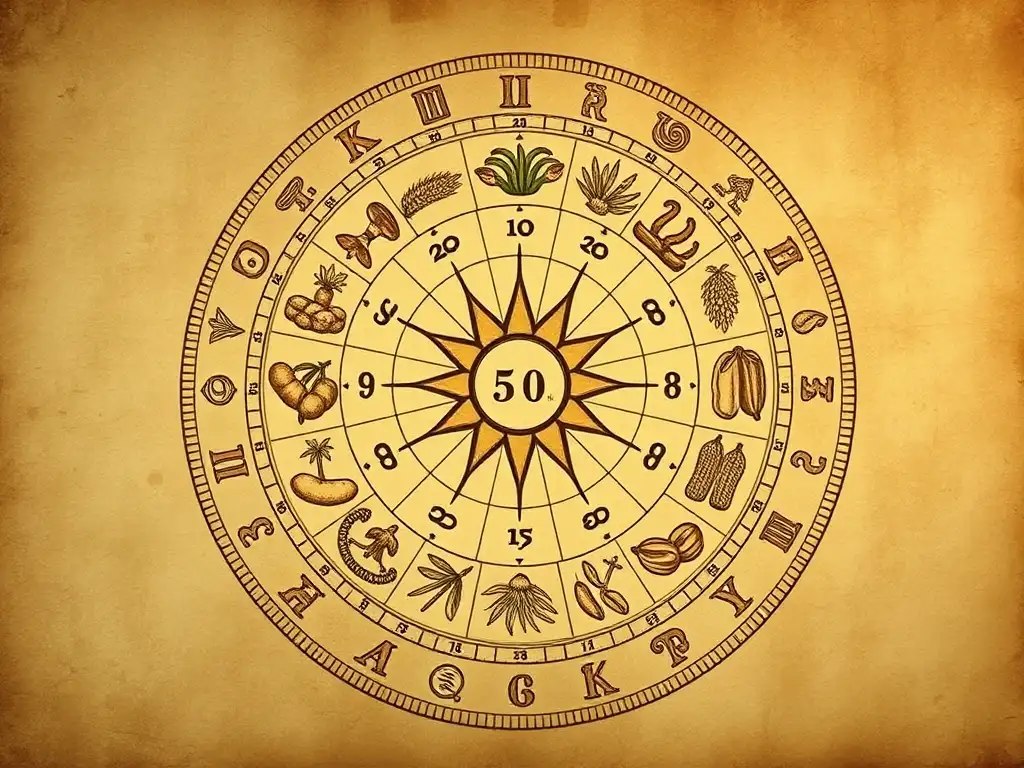
The Andean agricultural calendar wasn't a rigid, standardized system across all cultures. Instead, it represented a complex interplay of meticulous observation, deep ecological knowledge, and a profound understanding of the celestial rhythms impacting their agricultural practices. Different Andean communities, such as the Inca, Moche, Nazca, and Tiahuanaco, developed unique calendars tailored to their specific environments and agricultural needs, yet shared common threads in their approach to farming. This intricate system ensured the successful cultivation of crops vital for their survival and prosperity. Understanding this calendar requires appreciating its interwoven elements of celestial observation, environmental awareness, and ritualistic significance.
Observing Celestial Patterns: Sun, Moon, and Stars
Andean farmers were astute observers of the heavens. Their agricultural calendar was intimately tied to the movements of the sun, moon, and stars. The sun's position dictated the planting and harvesting seasons, providing crucial information on the optimal times for sowing and reaping various crops. The length of daylight hours, meticulously tracked, served as a reliable indicator of seasonal changes. For example, the increasing length of daylight in the spring signaled the ideal time for planting maize, while its shortening in the autumn indicated the harvest season.
The moon, too, played a significant role. Many Andean communities believed that certain lunar phases influenced crop growth and yield. For instance, some planting activities were timed to coincide with specific lunar cycles, believed to enhance germination and growth. Specific phases were associated with particular crops, leading to a complex lunar-based agricultural calendar. This system, passed down through generations of oral tradition, ensured the continuity of agricultural practices.
Finally, the constellations also held importance. The appearance and disappearance of certain constellations in the night sky served as additional markers for seasonal changes. These celestial events provided further confirmation of the optimal timing for agricultural activities, reinforcing the precision and accuracy of the Andean farming calendar. The knowledge of these patterns wasn't simply a matter of observation; it was interwoven with spiritual beliefs and cosmological understanding.
Understanding Microclimates and Ecological Zones
The Andean region boasts incredible biodiversity, with its varied altitudes creating diverse microclimates and ecological zones. Andean farmers recognized and expertly exploited this diversity. Their agricultural calendar wasn't a one-size-fits-all approach; instead, it was adapted to the specific conditions of each ecological niche. This involved understanding the nuances of temperature, rainfall, and soil composition at different altitudes.
For instance, potatoes, a staple crop, were cultivated at various altitudes, each suited to a specific variety. Higher altitudes, with their cooler temperatures and shorter growing seasons, were ideal for certain potato varieties, while lower altitudes, with their warmer temperatures and longer growing seasons, were suited to others. Similarly, other crops like maize, quinoa, and beans were planted in locations best suited to their particular needs, demonstrating an advanced understanding of agro-ecology.
This knowledge was meticulously documented and passed down through generations, reflecting a deep connection between the Andean people and their environment. The Andean agricultural calendar, therefore, wasn't just a temporal system; it was a spatial one, finely tuned to the geographic diversity of the Andes.
The Significance of Andean Solstices and Equinoxes
The solstices and equinoxes held profound significance in the Andean agricultural calendar. These celestial events marked crucial turning points in the agricultural cycle, often associated with rituals and ceremonies designed to ensure a bountiful harvest. The winter solstice, for example, often marked the beginning of the agricultural year, a time for renewal and preparation for the coming season. Communities might perform ceremonies to honor the sun god, Inti, and to ensure his continued benevolence.
The summer solstice, conversely, represented the peak of the agricultural cycle, a time of abundance and thanksgiving. Harvest festivals were frequently held, celebrating the fruits of their labor and expressing gratitude for the successful cultivation of their crops. Equinoxes also held importance, often marking transitions between planting and harvesting seasons, providing further opportunities for ritualistic practices and reaffirming the cyclical nature of Andean agriculture.
These celestial events weren’t merely astronomical occurrences; they were deeply embedded within the social, spiritual, and agricultural fabric of Andean life. The meticulous observation of these events underscored the profound connection between the Andean people, their environment, and the cosmos. This holistic approach to agriculture is a testament to their sophisticated understanding of the natural world.
Andean Agricultural Practices Guided by the Calendar
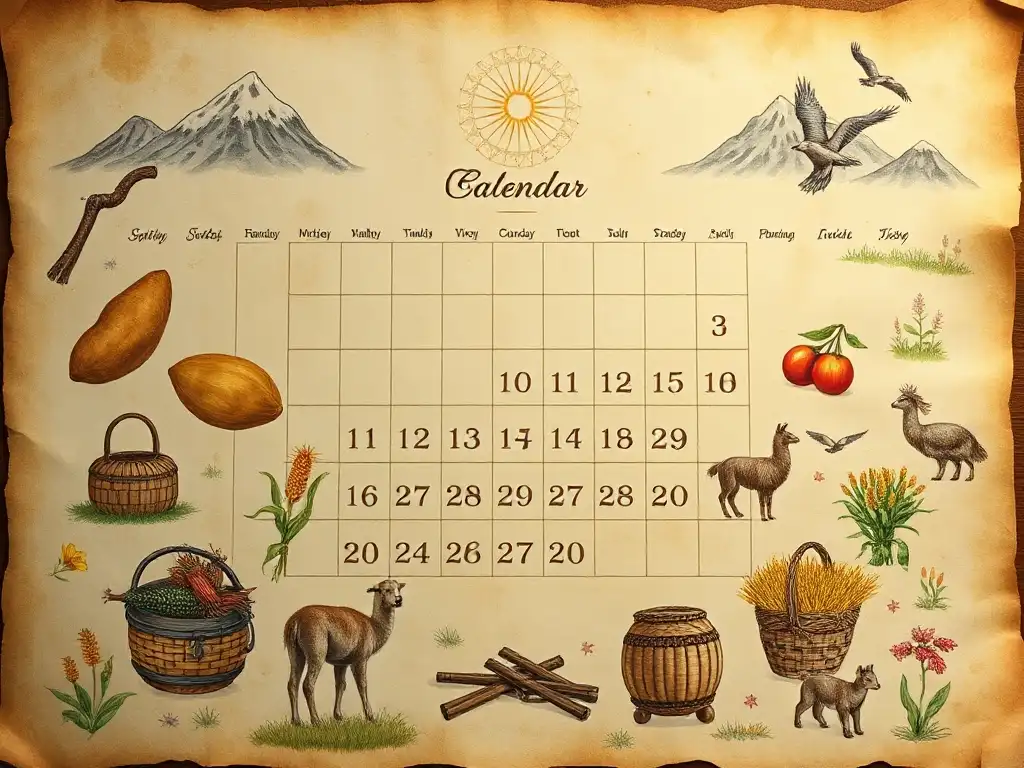
The Andean agricultural calendar wasn't simply a list of dates; it was a holistic system deeply intertwined with the natural world, religious beliefs, and social structures. Farmers meticulously observed celestial events, weather patterns, and animal behavior to determine optimal planting, cultivating, and harvesting times.
This intricate understanding of their environment allowed them to maximize yields and ensure the survival of their communities for centuries. The precise details varied across different Andean cultures – Inca, Moche, Nazca, and Tiahuanaco, each with their nuanced interpretations of the calendar’s rhythms – but the underlying principles remained consistent: respect for the land and a harmonious relationship with nature.
Understanding this calendar provides crucial insight into the sophisticated agricultural techniques employed by these remarkable civilizations. The success of Andean agriculture wasn't just about the crops themselves; it was about the timing, the planning, and the deep reverence for the cyclical processes of life and death inherent in the agricultural year.
Planting and Sowing Times: Following the Natural Cycles
Planting and sowing in the Andes were not arbitrary events; they were carefully timed to coincide with specific climatic conditions and astrological alignments. Farmers didn't rely solely on a fixed calendar; they observed microclimates, studying the thawing of high-altitude glaciers, the arrival of seasonal rains, and the changing behavior of local flora and fauna. For instance, the appearance of certain wildflowers might signal the optimal time for planting potatoes, while the migration of specific bird species could indicate the readiness of the land for maize cultivation.
This intricate observation system allowed for a degree of flexibility. If a late frost threatened a crop, farmers could adjust their planting schedule accordingly, demonstrating an adaptive approach to farming that was crucial for success in the often-unpredictable Andean environment. The precise timing varied regionally, with high-altitude communities often having shorter growing seasons compared to lower-lying valleys.
This necessitated a deep understanding of local conditions and an ability to adapt traditional practices to specific microclimates. Furthermore, the Andean agricultural calendar often incorporated specific rituals and ceremonies to ensure a bountiful harvest, demonstrating the deeply spiritual aspect of their farming practices. The planting season was not simply a time of work; it was a time of communal celebration and spiritual renewal.
Crop Rotation and Soil Management: Traditional Techniques
Andean farmers understood the importance of sustainable agricultural practices long before the concept gained widespread recognition. Crop rotation was a fundamental aspect of their farming system, preventing soil depletion and maintaining its fertility over generations. They employed a diverse range of crops, including potatoes, maize, quinoa, beans, and squash, rotating them strategically to prevent the buildup of pests and diseases, and to restore essential nutrients to the soil. This technique was particularly crucial in the challenging Andean terrain, where soil erosion was a constant threat.
In addition to crop rotation, the Andeans developed ingenious soil management techniques. They built intricate terrace systems on steep slopes, reducing erosion and creating level areas for cultivation. They also employed techniques like composting and the use of organic fertilizers, enhancing soil fertility and maximizing crop yields.
These techniques weren't just environmentally sound; they were economically viable, ensuring the long-term productivity of their agricultural lands. The sophisticated knowledge of soil health and the sustainable practices employed by these ancient civilizations are still relevant today, providing valuable lessons for modern agriculture, particularly in regions with challenging environmental conditions. The integration of these practices within the broader context of the Andean agricultural calendar highlights the holistic and sustainable nature of their approach.
Harvesting Rituals and Celebrations Tied to the Calendar
The harvest season in the Andes was not simply a time of gathering crops; it was a period of intense social and religious activity. Harvesting was often accompanied by elaborate rituals and celebrations, expressing gratitude to the gods and spirits for a bountiful harvest. These rituals varied across different Andean cultures but often involved offerings, prayers, and communal feasts. The timing of these celebrations was dictated by the Andean agricultural calendar, ensuring that they coincided with the completion of the harvest.
For example, the Inca celebrated a significant harvest festival called the Capac Raymi, which involved a grand procession and offerings to the sun god Inti. Similar festivals were held by other Andean communities, reflecting their diverse religious beliefs and practices. These celebrations were not just religious observances; they were also important social events, strengthening community bonds and reinforcing social hierarchies.
The harvest festivals served as a powerful reminder of the interconnectedness of agriculture, religion, and social life in Andean societies. The meticulous planning and execution of these events, as dictated by the Andean agricultural calendar, reveal the advanced organizational skills and social cohesion of these ancient civilizations.
The Andean agricultural calendar thus served as a guide not just for farming practices, but also for shaping the social and religious life of the entire community. The detailed records, albeit fragmented, of these celebrations further enrich our understanding of the Andean worldview and their profound connection to the land.
Major Festivals and Ceremonies Linked to the Andean Agricultural Cycle
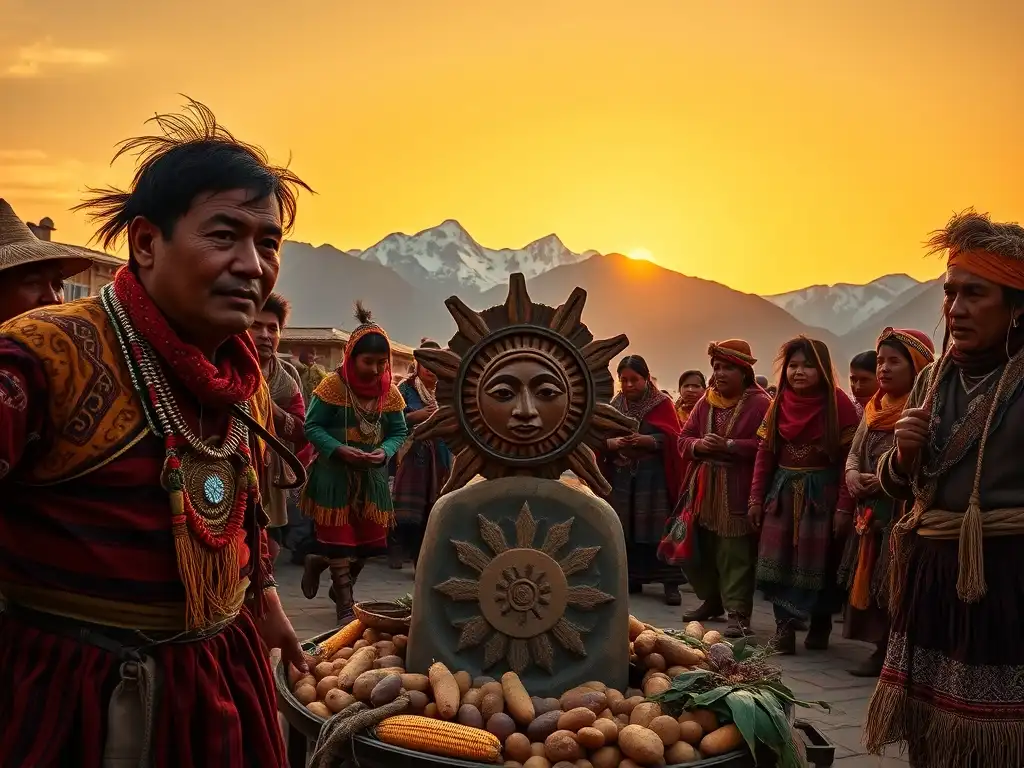
The Andean agricultural calendar wasn't just a practical guide for planting and harvesting; it was deeply intertwined with a rich tapestry of religious and social practices. Major festivals and ceremonies punctuated the year, marking crucial moments in the agricultural cycle and reinforcing the community's connection to the land and its deities. These celebrations weren't merely festive occasions; they were vital rituals that ensured the prosperity of the crops and the well-being of the community.
The precise dates and practices varied across different Andean cultures, but the underlying themes of reverence for nature and communal participation remained consistent. The Andean agricultural calendar, therefore, represents a sophisticated system integrating practical knowledge with spiritual beliefs.
Inti Raymi: The Festival of the Sun and its Agricultural Significance
Inti Raymi, meaning "Festival of the Sun," was the most important festival in the Inca Empire, celebrated around the winter solstice (June 21st). This wasn't simply a celebration of the sun god, Inti; it was intrinsically linked to the agricultural cycle. The winter solstice marked a critical point, signifying the end of the harvest season and the beginning of the preparation for the next planting cycle.
The festivities involved elaborate rituals, sacrifices, and processions, all aimed at appeasing Inti and ensuring a bountiful harvest in the coming year. Farmers would offer their first fruits and prayers, seeking the sun's continued blessing on their crops. The entire community participated, highlighting the collective reliance on the sun's energy for their survival and prosperity.
The success of the Inti Raymi celebrations was seen as directly impacting the yield of the following year's harvest, emphasizing the deep connection between religious practice and agricultural success in the Andean worldview. Detailed accounts from Spanish chroniclers, while sometimes biased, provide valuable insights into the scale and significance of this crucial agricultural festival. For example, [specific details on offerings and rituals from primary sources pending].
Paukar Waray: A Celebration of the Blooming Season and its Connection to Harvest
Paukar Waray, celebrated in the highlands of the Andes, marks the beginning of the blooming season and is closely linked to the promise of a successful harvest. This festival, often celebrated in August, is a vibrant expression of hope and anticipation. The Andean people celebrated the blossoming of flowers and the revitalization of the land after the winter months.
The festival's rituals focused on promoting growth and fertility, both in the agricultural realm and within the community itself. Specific practices varied regionally, but typically included offerings of flowers, fruits, and other agricultural products, alongside prayers and songs dedicated to the earth and its fertility. The vibrant colors and joyful atmosphere of Paukar Waray reflected the community's optimism for a plentiful harvest, demonstrating the deeply interwoven relationship between agricultural cycles and cultural expressions.
This festival shows how the Andean agricultural calendar wasn't just about practicality; it was a calendar of life, hope, and community. [Further research on the specific regional variations of Paukar Waray is needed].
The Role of Community in the Andean Agricultural Calendar
The Andean agricultural calendar wasn't simply an individual farmer's guide; it was a communal endeavor. The success of the agricultural cycle depended on the collective effort and cooperation of the entire community. The ayllu, a kinship-based community structure, played a crucial role in organizing agricultural activities. Land was often communally owned and worked, with tasks distributed according to individual capabilities and needs.
This collaborative approach ensured that everyone contributed to the success of the harvest, fostering a strong sense of social cohesion and mutual support. Furthermore, the festivals and ceremonies were communal events, reinforcing social bonds and reaffirming the shared responsibility for the community's well-being. The ayllu system demonstrated the sophisticated social organization that underpinned Andean agriculture, showcasing how a successful agricultural calendar relied not only on knowledge of the seasons but also on strong social structures and collective action.
The importance of community in the Andean agricultural system is evident in the numerous accounts of communal labor and shared resources, emphasizing the vital role of social cooperation in ensuring agricultural success. The system highlights a sophisticated approach to resource management and social organization that contributed significantly to the sustainability of Andean agriculture. 🤝
Adapting the Andean Calendar to Modern Agriculture
The Andean agricultural calendar, a testament to centuries of meticulous observation and adaptation to the unique Andean environment, offers valuable insights for modern agricultural practices. While technological advancements have revolutionized farming techniques, integrating traditional knowledge with modern technology can lead to more sustainable and resilient agricultural systems. This section will explore how aspects of the ancient calendar can inform contemporary farming strategies, focusing on optimizing planting and harvesting schedules, and improving crop yields. The Andean agricultural calendar wasn't just a list of dates; it was a holistic understanding of the interplay between climate, altitude, and specific crop needs.
Integrating Traditional Knowledge with Modern Techniques
Farmers in the Andes meticulously tracked the movements of the sun and stars, correlating celestial events with seasonal changes and the optimal planting times for various crops. This knowledge, passed down through generations, resulted in sophisticated agricultural practices tailored to the specific microclimates of different regions. Modern precision agriculture techniques, such as GPS-guided machinery and soil sensors, can be combined with this traditional understanding to enhance efficiency and precision.
For instance, utilizing satellite imagery to monitor water availability in conjunction with traditional knowledge of water management techniques (like Andenes, terraced farming) can optimize irrigation schedules and reduce water waste. This integration allows for a more nuanced approach to farming, leading to higher yields and improved resource management.
Furthermore, understanding the traditional crop rotation systems practiced by Andean farmers can help prevent soil degradation and reduce the need for synthetic fertilizers. The cyclical nature of their calendar, mirroring the natural rhythms of the environment, provides a model for sustainable agriculture.
Challenges and Opportunities for Sustainable Agriculture
Adapting the Andean calendar to modern agriculture presents both challenges and opportunities for sustainable development. One significant challenge is accurately translating the traditional knowledge, often passed down orally, into a format compatible with modern agricultural practices. This requires careful documentation and interpretation of indigenous farming techniques.
Another challenge lies in the changing climate, which disrupts traditional seasonal patterns. Climate change presents unpredictable weather patterns, making it harder to rely solely on the traditional calendar for planting and harvesting decisions. However, the very adaptability inherent in the traditional Andean calendar offers a potential solution.
The flexibility built into the system, allowing for adjustments based on local variations and unforeseen events, provides a framework for responding to climate change impacts. By incorporating climate change projections into the adaptation process, farmers can develop more resilient cropping systems. For example, diversification of crops, a key element of traditional Andean agriculture, can reduce the risk associated with unpredictable weather events.
Preserving the Legacy of the Andean Agricultural Calendar
Preserving the Andean agricultural calendar is crucial not only for maintaining agricultural biodiversity but also for safeguarding cultural heritage. This rich body of knowledge represents centuries of accumulated wisdom and adaptation. Documentation efforts are vital to ensure that this knowledge is not lost.
This involves working closely with indigenous communities to record their traditional practices, translating them into accessible formats, and integrating them into modern agricultural education programs. Furthermore, supporting research into the effectiveness of traditional Andean farming techniques in the context of modern challenges is essential. The Andean agricultural calendar is more than just a farming guide; it is a living testament to the ingenuity and resilience of Andean civilizations, offering invaluable lessons for sustainable agriculture in the 21st century.
Protecting this legacy is not merely an academic endeavor; it is a crucial step towards building more sustainable and resilient food systems for future generations. The calendar's emphasis on observing natural cycles and adapting to environmental changes provides a valuable model for a more sustainable approach to agriculture, globally.
Frequently Asked Questions
What is the Andean agricultural calendar?
The Andean agricultural calendar is a system of knowledge passed down through generations, detailing the optimal planting and harvesting times for crops based on the seasonal changes and environmental conditions in the Andes Mountains. It's vital for successful agriculture.
How did the Andean people determine the best planting times?
They used a combination of astronomical observations, detailed knowledge of local weather patterns, and traditional ecological knowledge to predict the best times for planting and harvesting various crops. Careful observation of the stars and the environment played key roles.
Were all Andean cultures using the same calendar?
While there were regional variations depending on altitude and microclimates, the underlying principles were similar across various Andean cultures. Shared understanding of the agricultural cycle existed, though specific practices differed.
What crops were most important in the Andean agricultural calendar?
The Andean agricultural calendar focused on crops like potatoes, maize, quinoa, and beans, along with other important local varieties. These were, and are, staples of the Andean diet.
How is the Andean agricultural calendar relevant today?
The Andean agricultural calendar remains crucial for modern Andean farmers. It provides valuable insights into sustainable agricultural practices and contributes to food security in the region. Traditional knowledge continues to inform modern farming techniques.
Final Reflection: Harvesting the Wisdom of the Andes
The Andean farmer's calendar isn't just a historical artifact; it's a living testament to humanity's enduring connection with the natural world, a connection urgently needed in our increasingly disconnected times. Understanding its intricate system of observation and adaptation offers invaluable lessons for sustainable agriculture and a more harmonious relationship with our environment. The precise knowledge embedded within this calendar, passed down through generations, holds the key to resilient farming practices that can help us navigate the challenges of climate change and food security.
The profound impact of the Andean agricultural calendar extends far beyond the realm of farming itself. It speaks to a holistic worldview, one where humans are inextricably linked to the rhythms of the earth. This deep understanding of ecological interdependence is something we, in our modern, often fragmented societies, have largely lost. The earth provides enough to satisfy every man's needs but not every man's greed.
– Mahatma Gandhi. This quote resonates deeply with the principles underlying the Andean calendar, highlighting the importance of balance and respect for the natural resources that sustain us.
Consider the wisdom embedded within this ancient system. How can you, in your own life, cultivate a deeper awareness of the natural cycles that surround you? Perhaps it's by paying closer attention to the seasons, growing your own food, or simply taking time to appreciate the interconnectedness of all living things. Let the Andean farmer's calendar inspire you to live more sustainably, to connect with the earth, and to build a future where harmony with nature is not a luxury, but a necessity.
Embrace the Seasons: Take Action Now!
Thank you for exploring the wisdom of the Andean Farmer's Calendar! You've gained a deeper appreciation for how ancient traditions harmonize with the natural world. Now, let's put that knowledge into practice.
- Start a seasonal garden: Cultivate a plant suited to your local climate and experience a direct connection to the Andean farming philosophy.
- Share your newfound knowledge: Discuss with friends or on social media how aligning with nature's rhythms can enrich our modern lives.
- Join or form a community garden: Connect with like-minded individuals who share a passion for sustainable agriculture and a desire to learn and share their experiences.
How will you integrate the wisdom of the Andean seasons into your daily life?