
The Allure of Gold: Unearthing the Ritual Significance in Andean Culture

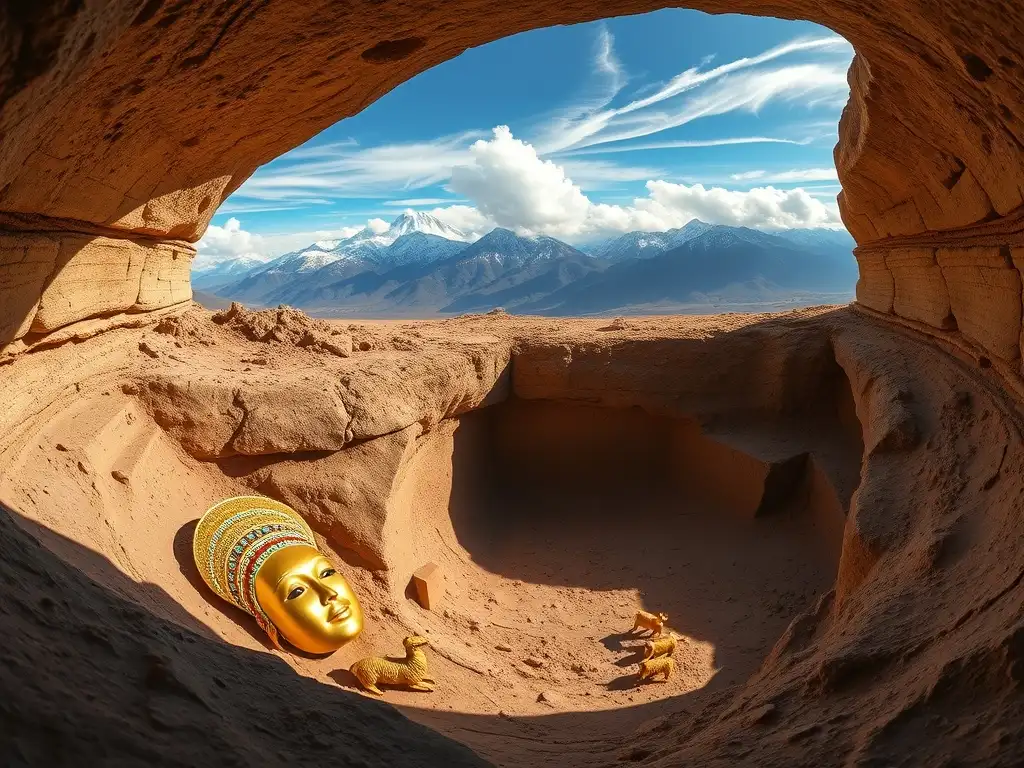
Step into a world lost to time, yet echoing with the whispers of ancient power. Imagine shimmering gold, not merely as treasure, but as a sacred conduit to the divine. Within the heart of the Andes, a captivating narrative unfolds – one of intricate rituals, celestial beliefs, and the profound Andean gold ritual significance that shaped entire civilizations. Prepare to unearth the secrets of the Incas, Moche, Nazca, and Tiahuanaco as we delve into their breathtaking artistry and complex cosmovision. Dare to explore the allure of gold and uncover its hidden meaning.
The shimmering allure of gold has captivated humanity for millennia, and nowhere is this more evident than in the Andes Mountains of South America. For the ancient Andean civilizations—the Incas, Moche, Nazca, and Tiahuanaco, among others—gold held far more than mere monetary value; it was a potent symbol imbued with deep religious and cosmological significance.
This article delves into the fascinating world of Andean gold, exploring its multifaceted role in rituals, ceremonies, and offerings, revealing the intricate connection between this precious metal and the Andean worldview. We will examine the symbolic value of gold, its place within the Andean cosmovision, and how its use in ritual practices reflected a complex understanding of the cosmos, the divine, and the human condition.
Understanding the ritual significance of Andean gold provides a crucial key to unlocking the rich tapestry of Andean religious beliefs and practices. We will explore specific examples from different Andean cultures to illustrate the diverse ways in which gold was employed in their sacred rituals, providing a comprehensive overview of this captivating aspect of Andean history.
Introduction to Andean Gold and its Symbolic Value
Gold, in Andean cultures, wasn't simply a rare and valuable metal; it was considered a divine substance, inextricably linked to the sun, the creator god, and the power of the cosmos. Its brilliant, enduring nature mirrored the eternal qualities attributed to the divine. The malleability of gold allowed Andean artisans to create intricate and elaborate objects, further enhancing its symbolic power.
These weren't just decorative pieces; they were imbued with spiritual energy, acting as conduits between the human and divine realms. The sheer craftsmanship involved in creating these objects, often employing techniques lost to time, speaks volumes about the reverence and respect afforded to the material and the rituals it served. Consider, for example, the intricate goldwork of the Moche culture, showcasing their mastery of metalworking and their profound connection to the spiritual world.
Their gold artifacts, often depicting deities and mythical creatures, were not merely aesthetic creations but powerful symbols used in religious ceremonies and offerings. The use of gold varied across different Andean cultures, reflecting nuances in their beliefs and practices, but the underlying principle of its sacred nature remained consistent. The sheer quantity of gold found in royal tombs and ceremonial sites underscores its importance in Andean society, highlighting its central role in their religious and political life.
Gold's Role in Andean Cosmovision
The Andean cosmovision, a complex system of beliefs encompassing a layered universe and a profound relationship between humanity and the supernatural, deeply influenced the use of gold in rituals. Gold's association with the sun, a central figure in Andean mythology, is readily apparent in many artifacts. The sun, often depicted as a powerful deity, was believed to be the source of life and energy, and gold, with its radiant glow, served as a powerful earthly representation of this celestial body.
Furthermore, the use of gold in funerary practices reflects Andean beliefs about the afterlife and the journey of the soul. Elaborate gold ornaments and vessels were often included in burials, providing the deceased with the necessary provisions for their journey to the otherworld and ensuring their continued existence in the spiritual realm. The meticulous craftsmanship and the symbolic imagery found on these gold artifacts offer invaluable insights into Andean beliefs about death, the afterlife, and the continuity of life beyond the physical realm.
Many objects were crafted in the shape of animals or deities, further demonstrating the integration of the spiritual world into everyday life and the symbolic weight of gold as a mediator between these realms. The use of gold in royal regalia further solidified its connection to power and divinity, reinforcing the ruler's authority as a divine intermediary.
- What was the significance of gold in Andean cultures?
- How did the Incas use gold in their rituals?
- Did other Andean cultures besides the Incas value gold similarly?
- What types of gold objects were commonly used in Andean rituals?
- Where can I learn more about the ritual use of gold in Andean civilizations?
The Sacred Nature of Gold in Andean Rituals
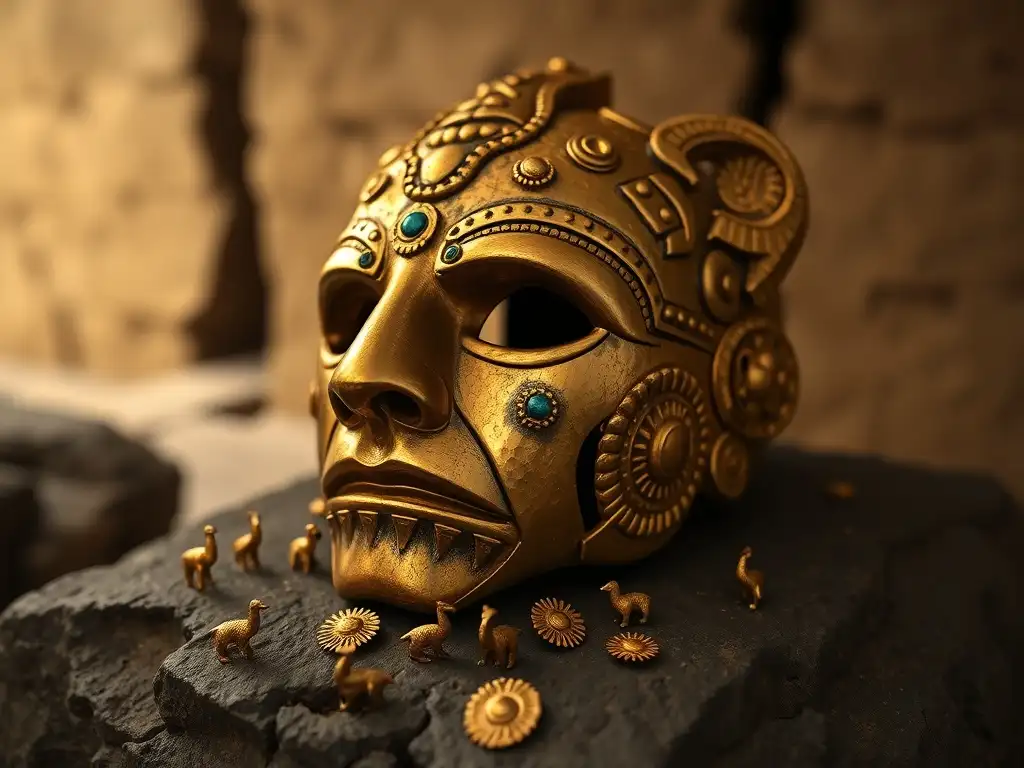
Gold held a profoundly sacred position within Andean cultures, far exceeding its mere material value. Its lustrous brilliance, malleability, and resistance to corrosion mirrored the perceived qualities of the sun, the celestial bodies, and the powerful forces of nature. This inherent symbolism imbued gold objects with spiritual potency, making them central to a wide range of religious rituals and ceremonies.
The Andean gold ritual significance extended beyond mere adornment; gold artifacts served as conduits to the supernatural realm, mediating between the human world and the gods. Understanding this deeply embedded belief system is crucial to interpreting the archaeological record and the rich tapestry of Andean religious practices.
The meticulous craftsmanship evident in many gold objects underscores the immense spiritual value placed upon this precious metal. The use of gold in Andean rituals wasn't arbitrary; it was a deliberate and carefully considered act that reflected a sophisticated understanding of cosmology and the supernatural.
Gold as a Representation of the Sun God Inti
Inti, the sun god, was the supreme deity in the Inca pantheon and held a similarly elevated position in preceding Andean cultures. Gold, with its radiant glow reminiscent of the sun, naturally became a primary medium for representing Inti in religious iconography and ritual objects. Many gold artifacts depict the sun god directly, often in anthropomorphic form, adorned with elaborate headdresses and symbolic regalia.
These representations served not merely as artistic depictions but as potent symbols of Inti's power and influence. The Inca, for example, used gold to create intricate masks, representing Inti’s face, which were used in ceremonies and displayed in temples. These weren't simply decorative pieces; they were considered sacred embodiments of the sun god himself, imbued with his divine energy.
Smaller gold figurines, often found in tombs or associated with sacred sites, likely functioned as miniature representations of Inti, facilitating communication with the deity. The sheer quantity of gold dedicated to Inti in the form of these objects underscores its central role in the Andean worldview. The meticulous detail and craftsmanship further emphasize the sacred nature of these offerings.
Andean Gold Offerings to the Apus (Mountain Spirits)
The Apus, or mountain spirits, were revered as powerful deities in the Andean worldview. They were seen as protectors and providers, influencing the weather patterns, agricultural cycles, and the overall well-being of the communities. Gold, as a symbol of power and divinity, played a significant role in appeasing and honoring these mountain spirits.
Archaeological evidence reveals numerous instances of gold objects being deposited in mountain caves, high-altitude shrines, and other sacred locations associated with the Apus. These offerings, often comprising intricate gold figurines, ornaments, and vessels, served as expressions of respect and gratitude. The placement of gold in these remote and challenging locations further underscores the importance and reverence associated with these rituals.
The act of offering gold to the Apus wasn't simply a symbolic gesture; it was a tangible demonstration of faith and a plea for continued blessings from these powerful entities. The diversity in the form and style of gold offerings to the Apus suggests a nuanced understanding of the unique characteristics and powers associated with individual mountains. Detailed analysis of these offerings could reveal more specific information on the relationship between specific mountain spirits and the communities that venerated them.
Gold and its Connection to Fertility and Agricultural Rites
Beyond its association with celestial deities, gold also held significant symbolic value related to fertility and agricultural practices. The Andean civilizations relied heavily on agriculture, and their prosperity was intimately linked to the success of their crops. Gold, with its inherent connection to the sun's life-giving energy, became associated with the fecundity of the earth and the abundance of harvests. Many gold artifacts depict agricultural themes, including stylized representations of maize, llamas, and other elements crucial to Andean agriculture.
These objects were likely used in rituals aimed at ensuring bountiful harvests and promoting the fertility of the land. The use of gold in these contexts highlights the profound interconnectedness between the spiritual and material realms in the Andean worldview. Gold wasn't merely a decorative element; it was a powerful symbol that mediated between the human world and the forces that governed the natural world.
Further research into the specific contexts in which these agricultural-themed gold artifacts were found could provide invaluable insights into the practices and beliefs surrounding agricultural rites in Andean cultures. The intricate details often found on these pieces suggest a complex system of beliefs and practices surrounding the ritual significance of gold in ensuring agricultural success. Moreover, the varying styles of gold artifacts across different Andean cultures might point to unique regional variations in agricultural rituals and beliefs.
Specific Examples of Gold Use in Andean Ceremonies
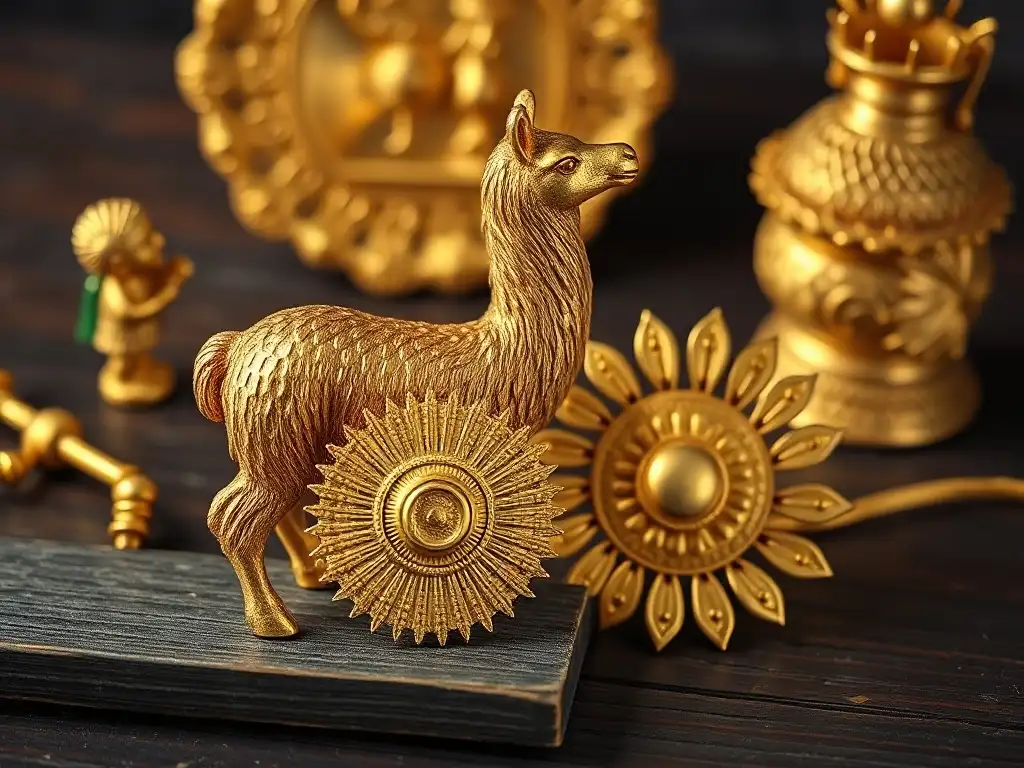
This section delves into specific examples of gold's ritual significance across different Andean cultures, highlighting the unique ways in which this precious metal was employed in their ceremonies and religious practices. The use of gold wasn't merely decorative; it held profound symbolic meaning, reflecting cosmological beliefs and power structures. Understanding these nuances reveals a deeper appreciation for the Andean worldview and their intricate relationship with the material world. The sheer artistry and craftsmanship involved in creating these gold artifacts further underscores their importance within Andean ritual significance.
Gold Artifacts and Their Function in Inca Rituals
Inca goldwork represents the pinnacle of Andean metallurgical achievement. The Inca Empire, known for its sophisticated organization and vast territory, utilized gold extensively in religious ceremonies. Gold's association with the sun god, Inti, is well-documented. Many artifacts unearthed from Inca sites, such as tampus (temples) and royal tombs, demonstrate this connection.
For example, llautas (gold and silver ceremonial vessels) were frequently used in religious libations, pouring offerings of chicha (fermented corn beverage) to appease the gods. The intricate designs on these vessels, often depicting deities or mythological scenes, further emphasize their ritual function. These weren't simply containers; they were active participants in the sacred act, channeling the offerings to the divine realm. The process of creating these llautas, involving complex casting and hammering techniques, highlights the immense skill and dedication of Inca artisans. Their creation was itself a ritualistic act, imbued with spiritual significance.
Beyond llautas, Inca rituals also involved the use of gold ornaments, such as earrings, necklaces, and nose rings, often worn by priests and elites during ceremonies. These objects served to visually distinguish individuals of high status and reinforce their connection to the divine. The weight and richness of these ornaments likely symbolized the wearer's power and authority, reflecting their closeness to the Inca's sun god, Inti. Further research is needed to fully understand the specific symbolic meaning of the various designs and motifs employed on these ornaments. [Specific information pending on the symbolism of Inca gold ornaments].
Moche Gold Masks and Their Ritualistic Meaning
The Moche civilization (100-800 CE), renowned for its sophisticated metalworking techniques, produced stunning gold masks that played a crucial role in their rituals. Unlike the Inca emphasis on the sun god, Moche goldwork often depicted deities associated with fertility, warfare, and the supernatural. The masks were not merely funerary objects; they were integral components of elaborate ceremonies, potentially representing the deceased's transformation into a deity or ancestor.
These masks, often intricately crafted with detailed features and adorned with precious stones, served as powerful visual representations of Moche cosmology and religious beliefs. Analysis of Moche burial sites reveals that these masks were frequently placed on the faces of high-ranking individuals, suggesting their importance in the afterlife. The use of gold, a material associated with the sun and divine power, further reinforced the ritual significance of these masks.
The precise rituals surrounding the use of these masks remain somewhat elusive, but their presence in elite burials undeniably points to their significance within Moche religious practices. [Further research is needed to definitively establish the exact rituals surrounding Moche gold masks].
The Use of Gold in Tiahuanaco Ceremonial Practices
The Tiahuanaco culture (c. 500-1000 CE), located on the shores of Lake Titicaca, also incorporated gold into its ceremonial practices, though to a lesser extent than the Inca or Moche. While gold wasn't as prevalent as in other Andean cultures, the artifacts that have been discovered reveal a unique style and iconography. The limited amount of gold found in Tiahuanaco sites suggests that it may have held a more exclusive or sacred status within their society.
Tiahuanaco gold artifacts often feature geometric designs and stylized representations of deities, reflecting their distinct artistic style. These artifacts, though fewer in number compared to those of other Andean cultures, still played a significant role in their religious ceremonies. The precise nature of these ceremonies and the function of the gold artifacts within them require further investigation.
[Additional research is required to fully understand the role of gold in Tiahuanaco religious rituals]. However, the presence of gold in elite burials and ceremonial contexts indicates its importance in their social and religious hierarchy. The scarcity of Tiahuanaco gold artifacts, in contrast to the abundance found in other Andean cultures, might reflect a different understanding of the metal's value within their unique cosmological system.
Nazca Gold Ornaments and their Significance
The Nazca culture, famed for their enigmatic geoglyphs etched into the desert plains of southern Peru, also possessed a sophisticated understanding of goldsmithing. While not as prolific in their goldwork as the later Inca, the Nazca produced exquisite ornaments that held profound ritual significance. These artifacts, often discovered in elite tombs and ceremonial contexts, reveal insights into their cosmology and social hierarchy.
Unlike the Inca, who favored large, solid gold objects, Nazca artisans excelled in creating delicate, intricate pieces. Their mastery of techniques like repoussé (hammering from the back to create relief) and filigree (delicate wirework) allowed them to craft incredibly detailed ornaments. Common motifs include stylized birds, feline figures, and geometric patterns, all deeply interwoven with their religious beliefs.
The precise iconography often varied based on the social status of the deceased or the specific ritual context. For example, a high-ranking individual might be adorned with a headdress featuring a large, intricately worked hummingbird—a symbol of power and connection to the supernatural realm—while a lesser individual might have simpler, geometric ear spools.
The use of gold itself was clearly symbolic. In the Nazca worldview, gold, with its inherent brilliance and malleability, represented the sun's power and the transformative potential of nature. Therefore, gold ornaments were not merely decorative; they were potent symbols that connected the wearer to the cosmic forces and validated their social standing. The careful craftsmanship and the selection of specific motifs suggest a deep understanding of the power inherent in the materials and their symbolic representation.
The creation of these ornaments was likely a highly specialized ritual in itself, performed by skilled artisans who held a privileged position within the community. Further research into the metallurgical techniques employed and the specific locations where these artifacts are found could shed more light on the precise ritual contexts surrounding their creation and use. The scarcity of gold itself would further underscore its ritual importance.
The Craftsmanship Behind Andean Gold Artifacts
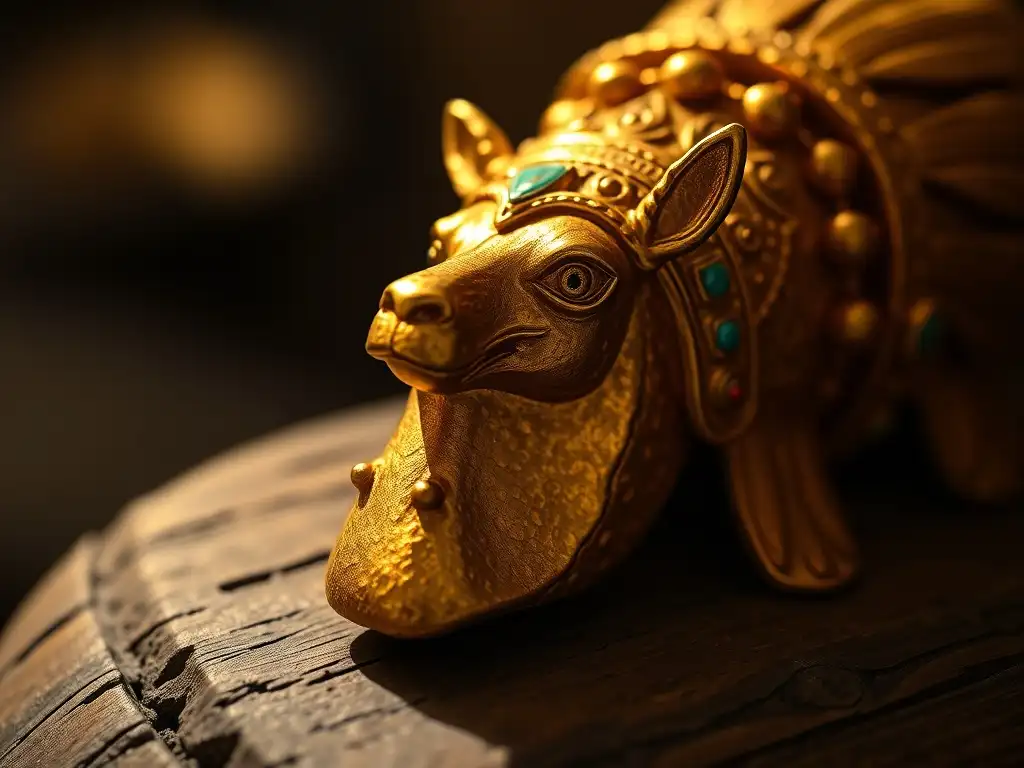
The allure of Andean gold lies not only in its inherent beauty and value but also in the exceptional craftsmanship employed in its transformation into intricate artifacts. Understanding the techniques used reveals a deep understanding of metallurgy far exceeding what was previously assumed for the time period, showcasing the advanced technological capabilities of Andean civilizations.
The sophisticated processes involved reflect the high value placed upon gold within their religious and social structures, reinforcing its ritual significance. The sheer artistry displayed in these pieces, from delicate adornments to imposing ceremonial objects, speaks volumes about the skill and dedication of the artisans.
Analyzing the techniques allows us to better appreciate the immense cultural and spiritual investment in the creation of these golden objects, firmly establishing their role within Andean religious practices. The artistry is not merely decorative; it's a potent symbol imbued with deep spiritual meaning, a tangible representation of their cosmology and worldview.
Techniques in Andean Gold Metallurgy
Andean goldsmiths were masters of several metallurgical techniques. They employed a combination of hammering, annealing (heating and cooling), soldering, and casting to create their stunning works. The process often involved several steps, requiring meticulous precision and a deep understanding of the metal's properties.
For example, the creation of a large, intricate golden mask might begin with casting a basic form, followed by hammering to refine its shape, soldering smaller details onto the surface, and finally, polishing to achieve a brilliant shine. Evidence suggests that they used crucibles made of clay or stone to melt the gold, with the addition of various alloys to adjust the hardness and malleability.
The precise composition of these alloys varies based on the artifact and the desired outcome, indicating a level of experimentation and expertise that is truly remarkable. This mastery over metallurgy wasn't limited to one civilization; techniques evolved and were shared across various Andean cultures, highlighting a broader network of knowledge exchange and craftsmanship.
The Significance of Andean Goldworking Skills
The advanced goldworking skills exhibited by Andean civilizations were not merely a display of technical prowess; they held profound ritual significance. The ability to transform raw gold into complex and meaningful objects reinforced the power and prestige of the elite, who often commissioned these items. The intricate designs, often depicting deities, mythical creatures, or symbolic motifs, served as powerful conduits between the earthly and spiritual realms.
The very act of creating these objects was a ritual in itself, a process imbued with spiritual intent. The artisans were not simply craftsmen; they were considered skilled intermediaries, capable of channeling spiritual energies into the tangible form of gold artifacts.
This connection between the artisan, the object, and the spiritual world elevates the role of gold beyond mere material wealth, solidifying its importance in Andean religious practices. The skill involved in creating these pieces also acted as a marker of social standing, with the most skilled artisans holding positions of high regard within their communities.
Repoussé and Gilding Techniques in Andean Goldwork
Two particularly noteworthy techniques employed by Andean goldsmiths were repoussé and gilding. Repoussé, a metalworking technique where the metal is shaped from the back, allowed for the creation of three-dimensional forms with incredible detail. By hammering the gold from the reverse side, artisans could create intricate reliefs and textures, transforming flat sheets of gold into complex and lifelike representations.
This technique was particularly prevalent in the creation of ceremonial objects and adornments, showcasing the skill and artistry of the Andean goldsmiths. Gilding, the application of a thin layer of gold to another material, allowed for the embellishment of other artifacts, such as pottery or textiles. This process further enhanced the ritual significance of these objects, imbuing them with the spiritual potency associated with gold.
The combination of repoussé and gilding, often found in the same artifact, demonstrates a sophisticated understanding of both material properties and artistic expression, underscoring the high level of skill and artistry achieved by Andean artisans in their manipulation of gold. The meticulous detail and precision evident in these techniques reinforce the deeply rooted ritual significance placed upon gold within Andean culture.
Andean Gold: Beyond Material Value
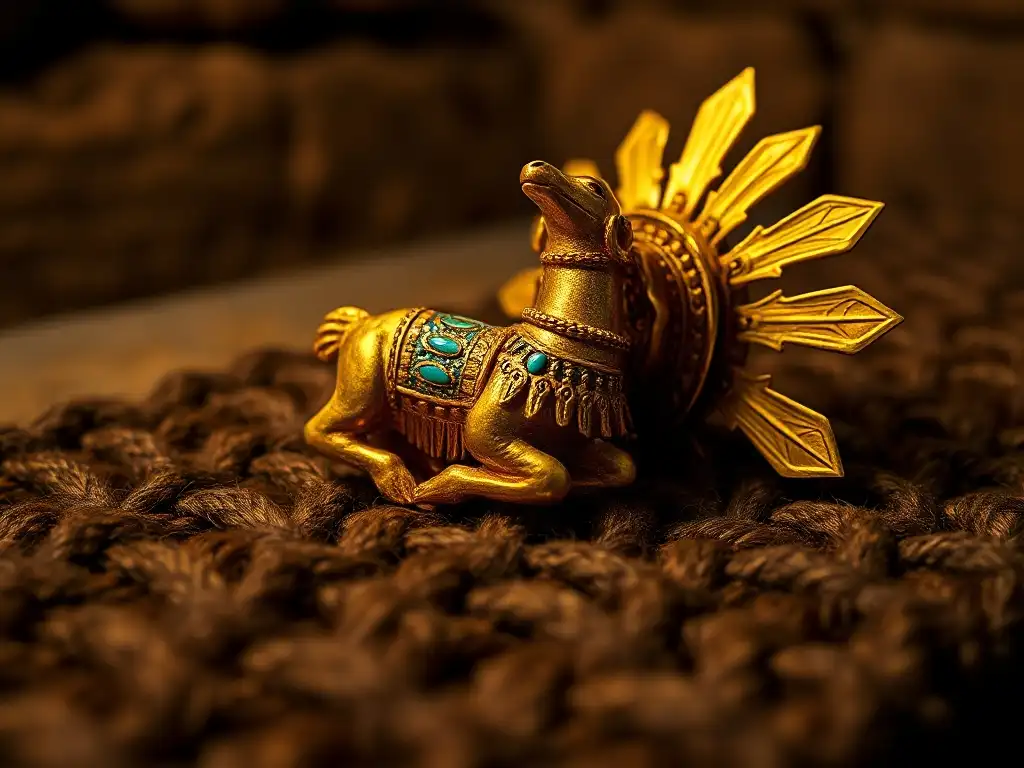
The allure of gold in Andean civilizations transcended its inherent material value. For the Incas, Moche, Nazca, and other Andean cultures, gold held profound spiritual and symbolic weight, deeply interwoven with their religious beliefs and social structures. Understanding this significance requires moving beyond a purely economic perspective and delving into the complex cosmological worldview that shaped their interactions with this precious metal.
This section will explore the multifaceted roles of gold, examining its use as a symbol of power, its connection to the spiritual realm, and the enduring myths that continue to captivate imaginations centuries later. The analysis will focus on archaeological evidence and anthropological interpretations to shed light on the true "Andean gold ritual significance."
Gold as a Symbol of Power and Status in Andean Society
Gold's association with power and high social standing within Andean societies is undeniable. Elaborately crafted gold objects, such as intricately designed crowns, scepters, and ceremonial masks, were reserved for the elite—rulers, priests, and high-ranking officials. These artifacts weren't merely decorative; they served as potent symbols of authority and legitimacy, visually reinforcing the social hierarchy.
The sheer quantity of gold utilized in these objects further emphasized the power and prestige of their owners. For example, the discovery of the Tomb of the Lord of Sipán, a Moche ruler, revealed a wealth of gold artifacts, including a magnificent headdress and numerous ornaments, showcasing the lavish display of power associated with gold in Moche society.
The craftsmanship itself, often incorporating techniques like hammering, repoussé, and soldering, demanded considerable skill and time, further increasing the value and prestige of these pieces. The use of gold in weaponry, though less common than ceremonial objects, also highlighted its symbolic association with military might and control.
The Spiritual and Metaphysical Significance of Andean Gold
Beyond its worldly representations of power, Andean gold held profound spiritual meaning. The Incas, for instance, believed that gold represented the sun god, Inti, its brilliance mirroring the sun's radiant energy. Gold's malleability and its ability to be shaped into intricate forms likely contributed to its association with the sun's transformative power.
The sun's life-giving properties were directly linked to the abundance and prosperity of the empire, making gold a tangible representation of this divine force. Other Andean cultures may have held different specific beliefs, but the pervasive presence of gold in funerary contexts strongly suggests a belief in its significance in the afterlife. The offering of gold objects to the deceased indicates a belief in its continued power and relevance beyond the earthly realm, perhaps acting as a conduit to the spiritual world or providing sustenance for the deceased in their journey to the afterlife.
Further research is needed to fully understand the nuanced variations in belief systems across different Andean cultures regarding the spiritual properties of gold. [Specific information pending on regional variations in Andean beliefs regarding gold's spiritual significance].
The Myth of El Dorado and its Connection to Andean Gold
The legendary city of El Dorado, a mythical place of immense wealth and gold, became deeply entwined with the popular imagination of Andean gold. While the concept of a single, unified city of gold is largely a European fabrication, born from exaggerated accounts of Spanish conquistadors, the myth reflects a broader fascination with the abundance of gold found in Andean regions. The myth's persistence underscores the enduring legacy of Andean gold and its continued association with wealth and power, even centuries after the collapse of the Andean empires.
The search for El Dorado, while ultimately unsuccessful in its literal sense, fueled further exploration and the plundering of Andean gold, leaving a lasting impact on the historical and cultural narrative surrounding this precious metal. The myth, therefore, serves as a reminder of the powerful allure of Andean gold and its continued influence on global perceptions of Andean civilizations.
The enduring power of the myth points to the lasting impact of Andean gold on the collective consciousness and highlights the ongoing need to approach the study of Andean gold with sensitivity to both its historical and cultural significance. 👑
Conclusion: The Enduring Legacy of Gold in Andean Culture
The shimmering allure of gold in Andean cultures transcends mere material value; it represents a profound connection to the cosmos, a powerful symbol interwoven into the very fabric of their religious beliefs and social structures. From the intricate artistry of the Moche's gold artifacts to the monumental gold objects discovered in Inca tombs, gold served as a conduit between the earthly and spiritual realms, reflecting the Andean worldview's complex relationship with the supernatural.
The meticulous craftsmanship and symbolic representations embedded within these objects speak volumes about the sophisticated understanding of metallurgy and the deep spiritual significance attributed to this precious metal. Analyzing Andean gold artifacts provides invaluable insight into their cosmology, social hierarchy, and ritual practices, offering a captivating glimpse into the rich tapestry of their civilization.
The enduring legacy of Andean gold is not merely aesthetic; it's a testament to the enduring power of belief and the enduring mystery of their spiritual world.
The Continuing Relevance of Gold's Ritual Meaning
The ritual significance of gold in Andean cultures continues to resonate even today. While the specific practices have faded, the underlying symbolism persists, influencing interpretations of archaeological discoveries and inspiring contemporary artistic expressions. Museums worldwide showcase Andean gold artifacts, sparking curiosity and facilitating a deeper understanding of this ancient civilization's beliefs.
The continued study of these objects helps us to better understand not only Andean history, but also the broader human fascination with gold as a symbol of power, divinity, and immortality. The enduring presence of gold in modern Andean societies, often incorporated into contemporary crafts and jewelry, serves as a subtle yet powerful reminder of the deep-rooted cultural heritage associated with this precious metal.
This enduring legacy highlights the importance of preserving and interpreting these artifacts responsibly, ensuring that future generations can appreciate and learn from the rich spiritual and cultural context of Andean gold. Further research into the socio-economic factors influencing the production and distribution of gold in different Andean societies would enrich our understanding of this fascinating aspect of their culture.
Understanding Andean Gold's Cultural Heritage
Understanding the cultural heritage of Andean gold requires a multifaceted approach, combining archaeological findings with anthropological interpretations and a sensitivity to the enduring cultural legacy in contemporary Andean communities. The sheer variety of goldwork—from delicate jewelry to massive ceremonial objects—reflects the diversity of Andean cultures and their unique cosmologies. Each piece tells a story, revealing details about social status, ritual practices, and beliefs about the afterlife.
For example, the intricate depictions of deities and mythical creatures found on many gold artifacts offer valuable clues to the Andean pantheon and their complex religious beliefs. Similarly, the use of specific alloys and techniques in goldsmithing reveals insights into technological advancements and the sophisticated knowledge of metallurgy possessed by Andean artisans. Furthermore, analyzing the geographical distribution of gold artifacts helps us understand trade routes, economic interactions, and the potential influence of different Andean cultures on each other.
Preserving and interpreting this cultural heritage responsibly is crucial, not just for historical accuracy, but also for respecting the ongoing cultural significance of gold within contemporary Andean communities. The ethical implications of archaeological research and the repatriation of artifacts to their places of origin are critical considerations in this ongoing endeavor. The study of Andean gold is an ongoing journey of discovery, continually revealing new insights into the beliefs, practices, and artistic achievements of these remarkable civilizations.
Frequently Asked Questions
What was the significance of gold in Andean cultures?
Gold held immense ritual significance in Andean cultures. It was associated with the sun, divinity, and the spiritual realm, often used in offerings and adornments for elite members of society. Its rarity and beauty amplified its sacred status.
How did the Incas use gold in their rituals?
The Inca Empire utilized gold extensively in religious ceremonies and to decorate temples and royal objects. They believed gold represented the sun's power and used it in offerings to appease the gods and ensure a bountiful harvest.
Did other Andean cultures besides the Incas value gold similarly?
Yes, many Andean cultures, including the Moche, Nazca, and Tiahuanaco, valued gold for its symbolic and religious importance. While styles differed, the association of gold with power, divinity, and the afterlife was widespread.
What types of gold objects were commonly used in Andean rituals?
Common gold ritual objects included masks, figurines, jewelry, and vessels. These items were often intricately crafted and decorated, reflecting the high skill of Andean metalworkers and the importance of the rituals they served.
Where can I learn more about the ritual use of gold in Andean civilizations?
To delve deeper, explore museum collections featuring Andean artifacts, research scholarly articles and books on Andean archaeology and anthropology, and visit sites dedicated to Andean history and culture. Many online resources are available.
Final Reflection: The Enduring Legacy of Andean Gold
The allure of Andean gold remains potent today, not merely as a precious metal, but as a powerful testament to a civilization's enduring spiritual beliefs and sophisticated artistry. Its intricate designs and symbolic weight continue to fascinate and inspire, reminding us of the profound connection between humanity and the natural world. The meticulous craftsmanship and the sheer artistry involved speak volumes about the deep reverence held for the divine and the cosmos within Andean cultures.
The impact of Andean gold's ritual significance extends far beyond the archaeological record; it resonates deeply within contemporary discussions of cultural heritage and identity. The enduring fascination with these artifacts underscores the importance of understanding and preserving indigenous knowledge systems. The past is never dead. It's not even past.
– William Faulkner. This quote perfectly encapsulates the ongoing relevance of Andean gold, its stories whispering across millennia, challenging us to appreciate the richness of pre-Columbian cultures and their enduring legacy. The careful study and preservation of these artifacts are crucial not only for historical accuracy but also for fostering a deeper appreciation for the diverse tapestry of human experience.
Consider, for a moment, the intricate detail in each piece, the painstaking effort invested in its creation. Reflect on the stories these objects whisper – stories of cosmology, of power, of life and death. You, the reader, are now a part of this ongoing conversation.
Let the allure of Andean gold inspire you to delve deeper into the rich tapestry of human history, to appreciate the diverse expressions of spirituality, and to champion the preservation of cultural heritage for generations to come. Let the legacy of these magnificent artifacts ignite a passion for understanding and respecting the wisdom of cultures past.
Unearth Your Connection to Andean Culture Today!
Thank you for exploring the fascinating world of Andean civilizations and their profound relationship with gold. We hope you gained valuable insights into the ritual significance of this precious metal. Now, let's deepen your connection with this remarkable heritage.
Here are some ways to continue your exploration:
- Discover Local Exhibitions: Visit a museum or gallery showcasing Andean culture and artifacts near you to experience the beauty of their traditions firsthand.
- Join the Conversation: Connect with fellow enthusiasts of Andean history by joining online forums or social media groups dedicated to the topic. Share your thoughts and learn from others' perspectives.
- Share Your Discoveries: Reflect on the significance of gold in Andean rituals and share your insights on social media to inspire others.
What aspects of gold's significance in Andean culture resonate most with you? Let's discuss!