
Valdivia's Shamanic Practices: Insights into Ritual and Belief

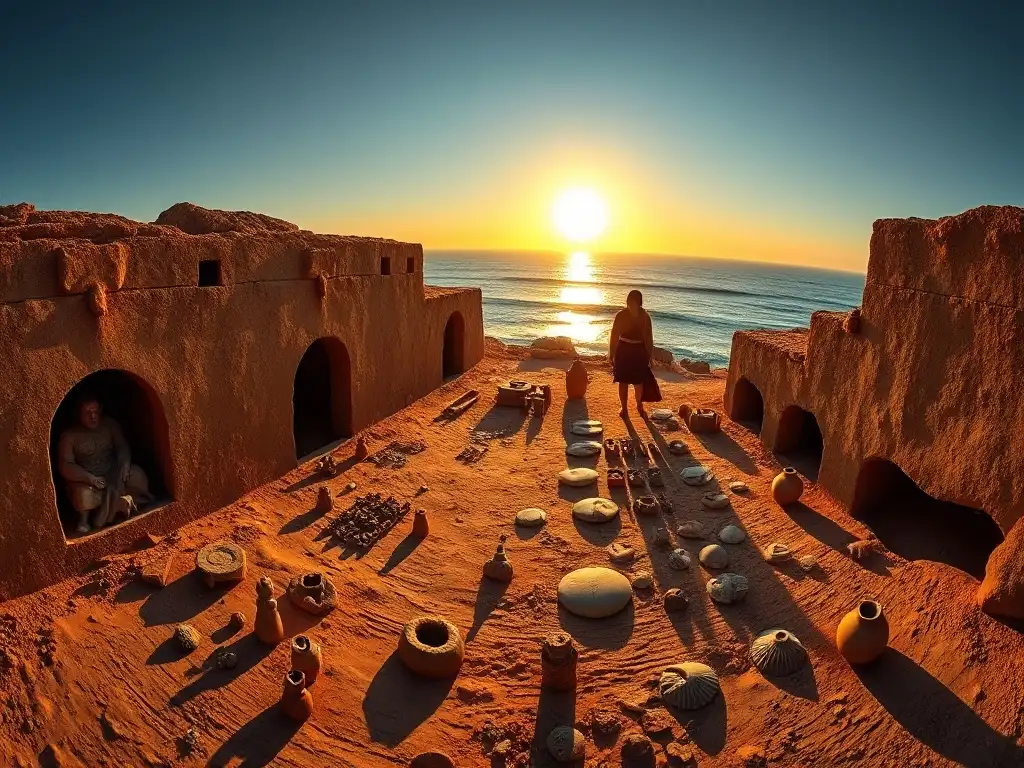
Step into a world lost to time, yet echoing with the whispers of ancient power. Journey with us to the coast of Ecuador, where the enigmatic Valdivia civilization flourished. Their legacy, shrouded in mystery, reveals astonishing insights into their spiritual world. Prepare to be captivated by Valdivia shamanic rituals and beliefs, a glimpse into a complex society that shaped the very fabric of Andean culture. Uncover the secrets held within their intricate practices—a story waiting to be unearthed.
- Valdivia Shamanic Practices: Insights into Ritual and Belief
- Understanding Valdivia Culture and Spirituality
- Core Elements of Valdivia Shamanism
- Valdivia Shamanic Rituals and Beliefs: Key Aspects
- The Significance of Valdivia Shamanism
- Analyzing Valdivia Ritual Practices
- Conclusions: The Legacy of Valdivia Shamanic Traditions
- Frequently Asked Questions
- Final Reflection: Echoes of the Valdivia Shaman: A Legacy of Ritual and Belief
- Unleash Your Inner Explorer of Shamanic Wisdom!
Valdivia Shamanic Practices: Insights into Ritual and Belief
The Valdivia culture, flourishing along the coast of present-day Ecuador from approximately 3500 to 1800 BCE, represents one of the earliest known complex societies in South America. While renowned for its sophisticated pottery, particularly its iconic female figurines, the Valdivia people also possessed a rich spiritual life reflected in their unique shamanic practices.
This article delves into the fascinating world of Valdivia shamanism, exploring the evidence uncovered by archaeologists and offering insights into their rituals, beliefs, and the role of the shaman within their society. Understanding these practices provides a crucial window into the worldview and social structures of this pivotal pre-Columbian civilization, enriching our comprehension of Andean cultural development long before the rise of the Inca Empire.
We will examine the archaeological evidence, interpret the symbolism found in artifacts, and consider the potential social implications of these rituals. This exploration will illuminate the complex tapestry of Valdivia belief, highlighting the sophistication and originality of their spiritual landscape.
Archaeological Evidence of Shamanic Practices
Archaeological excavations at Valdivia sites have unearthed compelling evidence suggesting the presence of sophisticated shamanic practices. The discovery of specific artifacts, such as intricately carved stone objects and unusually decorated pottery, points towards ritualistic activities. For example, the presence of certain minerals in burial contexts, like [specific mineral type pending] may indicate the use of psychoactive substances during ceremonies.
Furthermore, the frequent depiction of stylized figures in pottery, often interpreted as shamans, in positions suggestive of trance or ritualistic actions adds further weight to this hypothesis. The careful arrangement of grave goods, including elaborate pottery vessels and ornaments, also suggests a belief in an afterlife and rituals aimed at ensuring a successful transition.
Detailed analysis of these grave goods, including [details of specific grave goods and their interpretation pending], provides invaluable clues to the nature of Valdivia beliefs. Further research into the spatial distribution of these artifacts within settlements may reveal dedicated ritual spaces or areas of spiritual significance.
Symbolism and Iconography in Valdivia Art
Valdivia art, particularly its ceramics, is rich in symbolism, offering valuable insights into their shamanic beliefs. The ubiquitous female figurines, often depicted with exaggerated features, are believed to represent fertility goddesses or shamanic figures. The stylistic variations in these figurines, such as [specific examples of stylistic variations and their possible interpretations pending], may represent different roles within the shamanic tradition or perhaps different deities associated with specific rituals.
The presence of recurring motifs, such as [specific examples of recurring motifs and their possible interpretations pending], on pottery and other artifacts further supports the notion of a structured belief system underpinning their shamanic practices. Understanding the symbolism embedded in these artistic expressions is crucial to deciphering the meaning and function of Valdivia shamanic rituals. A comprehensive iconographic analysis, comparing similar motifs across different sites and time periods, could reveal the evolution of their beliefs and practices over time.
The Role of the Shaman in Valdivia Society
While the precise role of the shaman in Valdivia society remains a subject of ongoing research, it is likely that they held a position of significant influence. Their perceived ability to interact with the spirit world would have made them essential intermediaries between the living and the supernatural. This intermediary role likely extended to healing, divination, and conducting rituals related to fertility, agriculture, and other aspects of daily life.
The careful craftsmanship evident in many artifacts, particularly those found in burials, suggests a specialized division of labor, with shamans potentially playing a key role in the production of ritual objects. The social status of shamans can be inferred from [Evidence for social status of shamans pending, e.g., burial location, grave goods, etc.].
Further research into social structures and power dynamics within Valdivia communities could illuminate the precise position and influence of these spiritual leaders. The detailed study of social organization and stratification is crucial to fully understanding the role of the shaman in Valdivia society.
Valdivia Shamanic Rituals and Beliefs: Future Research
While significant progress has been made in understanding Valdivia shamanic practices, much remains unknown. Further research is needed to clarify several aspects of their spiritual life. This includes a more detailed analysis of the chemical composition of artifacts to identify potential psychoactive substances used in rituals. [Further research suggestions pending, e.g., more detailed analysis of grave goods, excavation of new sites, etc.].
Moreover, interdisciplinary approaches, incorporating insights from anthropology, ethnobotany, and other related fields, could shed light on the social and ecological context of Valdivia shamanism. A comprehensive study focusing on the interaction between Valdivia shamanic practices and their environment could reveal valuable insights into their world view and their relationship with the natural world. The continued investigation of Valdivia sites promises further revelations about this fascinating and influential early Andean culture.
Understanding Valdivia Culture and Spirituality
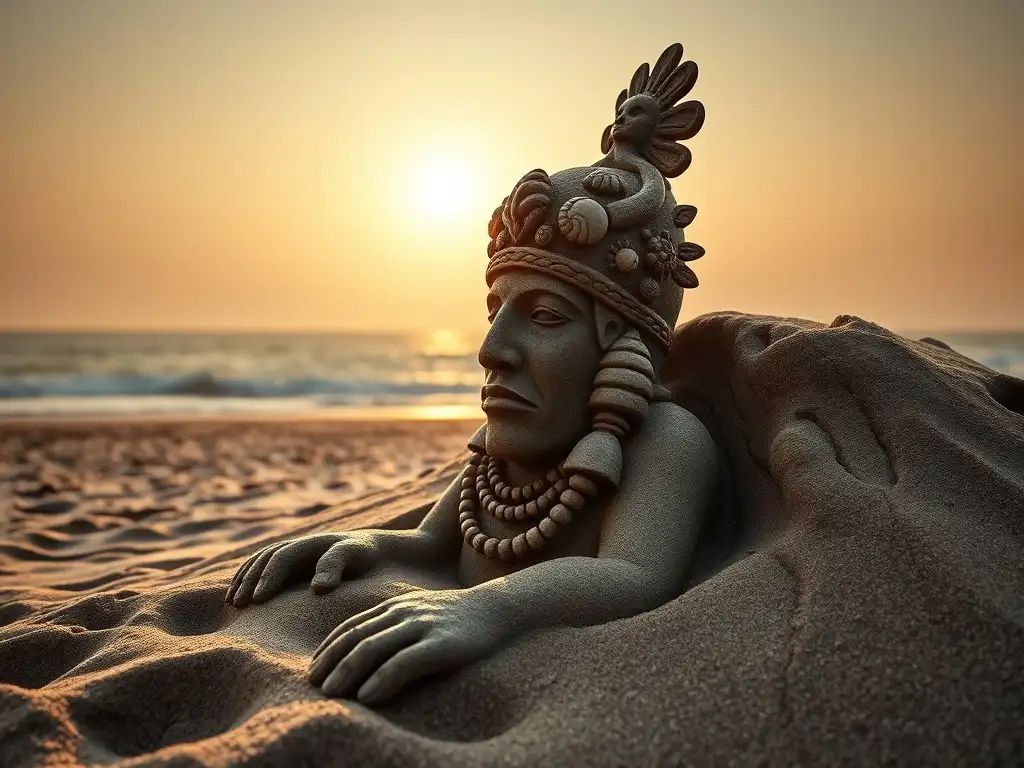
This section delves into the fascinating world of Valdivia shamanic rituals and beliefs, exploring the spiritual life of this enigmatic pre-Incan coastal culture. We'll examine archaeological evidence and anthropological interpretations to paint a picture of their complex religious practices. Understanding the Valdivia worldview offers invaluable insights into the development of Andean spirituality and its lasting impact on subsequent civilizations. The unique characteristics of Valdivia culture, particularly its sophisticated artistic expressions and apparent reverence for nature, provide a compelling case study in early Andean religious thought.
The Valdivia Culture: A Pre-Incan Coastal Society
The Valdivia culture flourished along the coast of present-day Ecuador from approximately 3500 to 1800 BCE. Considered one of the earliest complex societies in South America, the Valdivia people developed a sophisticated understanding of agriculture, pottery, and social organization. Their coastal location significantly influenced their lifestyle and beliefs, with the sea likely playing a central role in their mythology and rituals. Archaeological evidence suggests a well-established social hierarchy, indicated by variations in burial practices and the quality of grave goods.
Furthermore, the intricate detail and stylistic consistency of their pottery demonstrate a high level of artistic skill and cultural cohesion. This level of societal development forms the foundation upon which their complex spiritual practices were built. The Valdivia's mastery of ceramic production, in particular, allowed for the creation of ritual objects and vessels that provide crucial clues to their beliefs.
Spiritual Dimensions of Early Andean Life
The spiritual life of the Valdivia people is largely inferred from their material culture, primarily their distinctive pottery. Figurines, often depicting stylized human forms and animals, are frequently interpreted as representations of deities or shamanic figures. These figurines, sometimes found in burials, suggest a belief in an afterlife and the importance of ritual offerings. The prevalence of female figurines, often depicted with exaggerated breasts and hips, has led to interpretations suggesting a matriarchal or at least a strong female presence within their spiritual system.
However, further research is needed to fully understand the nuances of gender roles within their religious practices. The use of specific colors and motifs on pottery also hints at symbolic meanings related to fertility, the sea, and possibly celestial bodies. For instance, the frequent use of red ochre might signify blood, life force, or connection to the earth. The discovery of elaborate burial sites containing multiple individuals and rich grave goods further supports the idea of complex rituals and beliefs surrounding death and the afterlife.
The exact nature of these rituals and beliefs remains a topic of ongoing research and debate, but the available archaeological data provides a fascinating glimpse into the spiritual world of this early Andean culture. Further investigation into the chemical composition of pigments used in Valdivia pottery could reveal additional insights into their symbolic meanings and ritual practices. The study of Valdivia shamanic rituals and beliefs continues to be a vibrant field of research, constantly evolving as new evidence comes to light.
Core Elements of Valdivia Shamanism
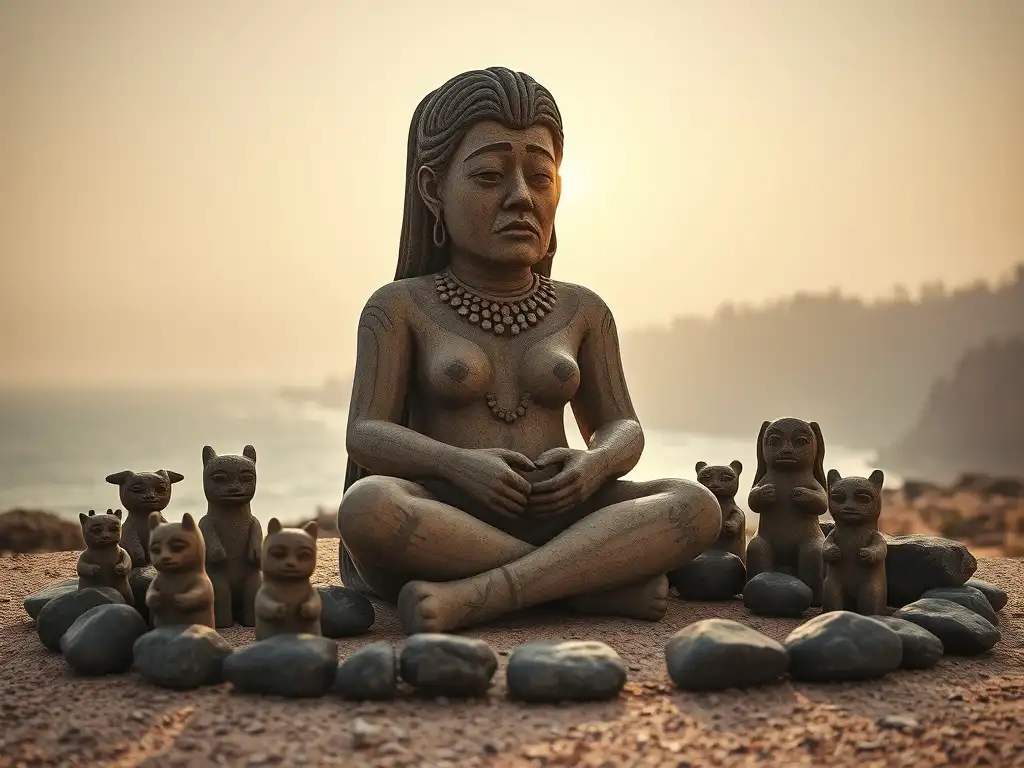
This section delves into the core tenets of Valdivia shamanism, exploring the evidence and interpretations that illuminate the spiritual world of this early Andean culture. Understanding Valdivia shamanic rituals and beliefs requires careful analysis of archaeological findings, particularly ceramic artifacts and burial practices. While direct textual evidence is absent, the rich material culture provides compelling clues into their complex belief systems.
The Valdivia people, inhabiting the coastal region of present-day Ecuador between 3500 and 1800 BCE, developed a sophisticated understanding of the natural world, reflected in their ritual practices and artistic expressions. Their shamanic traditions likely played a central role in their social organization and daily life, mediating between the human and spiritual realms. The following sections will explore key aspects of these practices.
The Role of the Shaman in Valdivia Society
The Valdivia shaman likely held a position of significant authority within their society. While we cannot definitively state the extent of their power, the intricate ceramic figurines depicting individuals in ritualistic attire strongly suggest a specialized spiritual role. These figures, often adorned with elaborate headdresses and symbolic markings, may represent shamans engaged in various rituals.
The shaman's role likely encompassed healing, divination, and communication with the spirit world. They might have been responsible for conducting ceremonies related to fertility, agriculture, and ensuring the well-being of the community. The presence of elaborate grave goods in some burials further supports the idea of a hierarchical social structure, with shamans possibly occupying a privileged position.
Analysis of skeletal remains, while limited, might eventually reveal insights into the health and lifestyle of these individuals, potentially providing further evidence of their specialized roles. Further research focusing on settlement patterns and social organization could shed more light on the influence and social standing of Valdivia shamans. The complexity of Valdivia society, as evidenced by their advanced ceramic technology and sophisticated social structures, suggests a highly developed spiritual system with the shaman at its heart.
Evidence of Ritual Practices in Valdivia Archaeological Sites
Archaeological excavations at Valdivia sites have unearthed compelling evidence of ritual practices. The careful placement of artifacts within burials, the presence of offerings, and the construction of specific structures suggest deliberate ritual activity. For example, the discovery of specific types of ceramics in association with burials might indicate offerings made to the deceased or to ancestral spirits.
The use of pigments, such as red ochre, in burials and on artifacts also suggests ritual significance. The potential presence of ceremonial centers, though still under investigation, could offer further evidence of structured ritual practices. Detailed analysis of spatial arrangements within settlements might reveal areas specifically dedicated to ritual activities, further illuminating the importance of shamanic practices in daily Valdivia life.
Moreover, the consistent stylistic elements found in ceramic artifacts across different sites suggest a degree of standardization in ritual practices, possibly indicating a shared belief system and organized religious activity across the Valdivia culture. The continued excavation and analysis of Valdivia sites are crucial for a more complete understanding of their ritual practices and their relationship to their social and spiritual world.
Ceramic Figurines and Their Shamanic Significance
The Valdivia culture is renowned for its exquisite ceramic figurines, many of which are interpreted as representing shamans or figures involved in ritualistic practices. These figurines, often depicted with stylized features, elaborate headdresses, and sometimes holding ritual objects, provide invaluable insights into Valdivia beliefs and practices. The recurring motifs found on these figurines – such as stylized eyes, serpents, and other symbolic imagery – suggest a rich symbolic language reflecting their spiritual world.
The careful craftsmanship and the consistent stylistic elements across different figurines indicate the importance of these objects in Valdivia society. Some scholars suggest that these figurines served as aids in shamanic practices, perhaps used in divination or in ceremonies designed to influence the natural world. The detailed analysis of the iconography on these figurines, coupled with comparative studies of similar artifacts from other Andean cultures, could further illuminate the specific meanings and functions of these objects.
The figurines, therefore, serve not only as artistic expressions but also as crucial primary sources for understanding Valdivia shamanic rituals and beliefs. Their study remains a vital aspect of deciphering the spiritual landscape of this fascinating early Andean culture. The variety and complexity of these figurines hint at a nuanced and multifaceted spiritual system, worthy of further investigation.
Valdivia Shamanic Rituals and Beliefs: Key Aspects
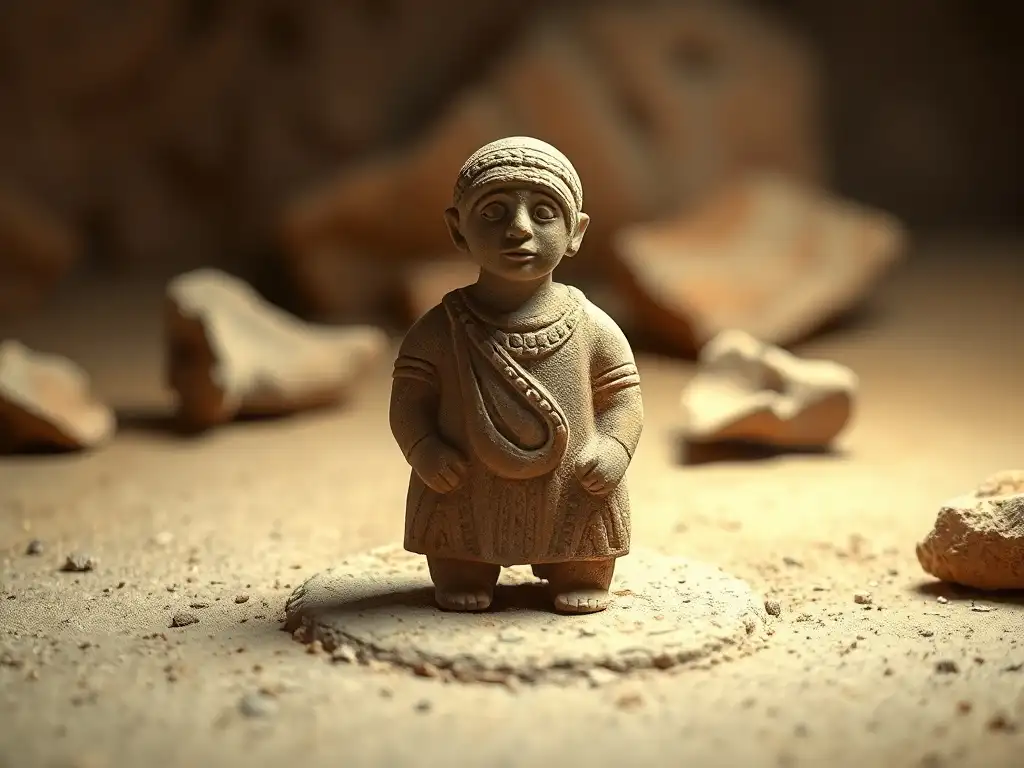
This section delves into the fascinating world of Valdivia shamanic rituals and beliefs, exploring the spiritual landscape of this early South American culture. While evidence is limited due to the nature of archaeological findings, careful analysis of artifacts and settlement patterns provides intriguing glimpses into their complex belief systems and ritual practices. Understanding these aspects is crucial to appreciating the sophisticated social organization and worldview of the Valdivia people.
The interpretation of these practices relies heavily on comparative analysis with other contemporaneous Andean cultures and careful consideration of the context of discovered artifacts. This analysis offers a nuanced perspective on the role of shamanism in Valdivia society, challenging simplistic interpretations and highlighting the subtleties of their spiritual lives.
Valdivia Beliefs About the Supernatural World
The Valdivia people, inhabiting the coastal regions of present-day Ecuador from approximately 3500 to 1800 BCE, likely held a complex cosmology centered around the interplay of the natural and supernatural worlds. Archaeological evidence suggests a deep reverence for fertility and the power of nature.
The abundance of Venus figurines, often depicted with exaggerated female features, strongly points towards a belief system that emphasized female deities associated with reproduction and the bounty of the land and sea. These figurines were not merely decorative items; their careful craftsmanship and frequent discovery in burial contexts suggests they held significant ritualistic importance, perhaps representing powerful spiritual entities or embodying generative forces.
Further supporting this interpretation are the discoveries of shell ornaments and artifacts adorned with intricate designs, possibly representing symbolic representations of celestial bodies or mythical creatures. The prevalence of these items in elite burials suggests a connection between shamanic practices, social status, and access to the supernatural realm.
While we cannot definitively state the specifics of their beliefs, the available evidence strongly suggests a sophisticated understanding of the world beyond the tangible, with a deep respect for the cyclical nature of life, death, and rebirth. The careful placement of offerings in burials further reinforces the idea of a belief in an afterlife and the continuation of spiritual existence.
Rituals for Healing and Well-being
The role of Valdivia shamans in healing and promoting well-being was likely paramount. While direct evidence of healing rituals is scarce, the presence of certain artifacts suggests practices aimed at addressing illness and promoting health. For instance, the discovery of carefully crafted bone tools and needles in some contexts suggests potential surgical interventions or ritualistic practices involving body modification. These tools, often made from meticulously shaped bone, imply a level of skill and knowledge surpassing simple craftsmanship. Their presence alongside other ritual objects implies a connection between these practices and the shamanic realm.
The use of medicinal plants is also a plausible aspect of Valdivia healing practices. Although direct evidence of specific plant use is limited, the presence of plant remains in some archaeological contexts hints at the possible use of herbal remedies. Ethnographic parallels with later Andean cultures suggest that shamans played a crucial role in identifying and preparing these remedies, acting as both healers and spiritual guides. This would have been particularly important in a society lacking advanced medical technology. The integration of spiritual and practical aspects of healing likely characterized Valdivia shamanic rituals.
Ceremonial Practices and the Use of Psychoactive Substances
The possibility of Valdivia shamans utilizing psychoactive substances to induce altered states of consciousness during ceremonies deserves consideration. While no direct evidence exists to confirm this, the widespread use of such substances in later Andean cultures suggests it is a strong possibility. The use of psychoactive plants could have facilitated communication with the spirit world, enhanced ritual experiences, or promoted visionary states crucial to shamanic practices.
The potential role of these substances in Valdivia society requires further investigation. However, considering the prevalence of such practices in neighboring cultures and the importance of altered states of consciousness in many shamanic traditions worldwide, it seems plausible that similar practices existed within the Valdivia culture. Further research, including detailed analysis of plant remains and careful examination of burial contexts for any evidence of psychoactive substances, is needed to confirm or refute this hypothesis.
The discovery of new archaeological sites and advanced analytical techniques could significantly advance our understanding of Valdivia shamanic practices and their use of potentially psychoactive substances. The careful study of Valdivia artifacts and the comparison with other Andean cultures will continue to shed light on this fascinating aspect of their unique cultural heritage.
The Significance of Valdivia Shamanism
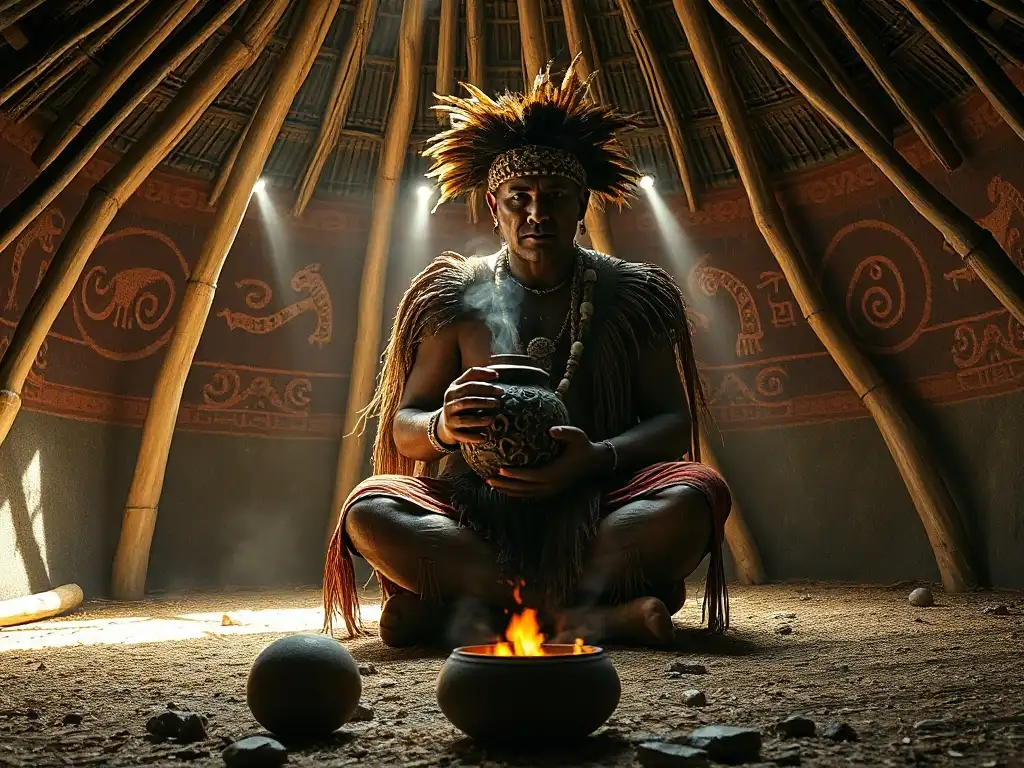
The Valdivia culture, flourishing along the coast of present-day Ecuador from approximately 3500 to 1800 BCE, stands out not only for its remarkable ceramic artistry but also for its sophisticated spiritual practices. While direct textual evidence is absent, archaeological findings strongly suggest the presence of a complex shamanic system deeply interwoven with the daily lives and beliefs of the Valdivian people. Understanding Valdivia shamanism offers crucial insights into the worldview, social organization, and spiritual evolution of this formative Andean civilization, providing a foundational understanding of the development of later Andean spiritual traditions.
The intricate designs on Valdivia pottery, often depicting stylized figures and symbolic motifs, are key to deciphering their shamanic beliefs and rituals. These aren't mere decorative elements; they are visual narratives that reflect a profound connection to the natural world and the spiritual realm.
The prevalence of these motifs in burial contexts further emphasizes their significance in death rituals and the afterlife beliefs of the Valdivia people. Studying these artifacts is like piecing together a fragmented puzzle, slowly revealing a rich tapestry of beliefs and practices.
Valdivia Shamanism and its Connection to Nature
The Valdivia people's shamanic practices were inextricably linked to the natural world. Their coastal environment, with its abundant marine life and fertile river valleys, profoundly shaped their spiritual understanding. Archaeological evidence suggests a strong reverence for both marine and terrestrial resources. The abundant depictions of marine animals—such as fish, birds, and cetaceans—on Valdivia pottery highlight the importance of these creatures in their cosmology.
These weren't merely food sources; they were integral parts of a vibrant ecosystem, imbued with spiritual significance. Furthermore, the discovery of shell ornaments and tools in burial sites points to the use of marine resources in ritualistic practices. 🌊 The presence of agricultural motifs on pottery also indicates a deep connection to the land and its bounty. The careful cultivation of crops, particularly maize, demonstrates a sophisticated understanding of agriculture and its role in sustaining their society.
This symbiotic relationship between the Valdivia people and their environment underscores the holistic nature of their shamanic worldview – a belief system that saw the sacred in every aspect of their existence. The intertwining of the natural and spiritual realms is a recurring theme in Valdivian artifacts, suggesting a profound respect for the interconnectedness of all living things. This holistic approach to nature is a hallmark of Valdivian shamanism and a significant influence on subsequent Andean cultures.
The role of Valdivian shamans within the social structure remains a subject of ongoing research. However, the distribution and style of certain artifacts suggest a hierarchical system. The presence of elaborate burial sites with rich grave goods, including finely crafted pottery and ornaments, indicates a stratified society with individuals holding significant social standing.
It is plausible that these individuals were shamans or leaders who held a privileged position within the community, mediating between the human and spiritual worlds. The complex designs and iconography on the elite burial pottery could represent the shaman's power and influence. These artifacts may have served as symbols of authority and spiritual legitimacy, enhancing their social standing.
Furthermore, the consistent presence of certain motifs across multiple sites hints at a degree of social cohesion and shared beliefs, suggesting that shamanic practices played a critical role in maintaining social order and fostering communal identity. The use of specific shamanic tools, possibly made of stone or bone, could have been reserved for those with specialized knowledge and skills, further reinforcing the shaman's authority. While further research is needed to fully elucidate the social dynamics of Valdivian society, the available evidence strongly suggests that shamanic practices were integral to its structure and functioning.
Valdivia Shamanism and its Influence on Later Andean Cultures
The legacy of Valdivia shamanism extends far beyond its temporal boundaries. While the direct influence is difficult to definitively trace, the stylistic elements and underlying spiritual concepts found in Valdivian artifacts echo in later Andean cultures. For example, the emphasis on nature worship, the use of symbolic imagery, and the reverence for specific animals and plants show parallels in the beliefs and practices of subsequent Andean civilizations.
The stylistic conventions in pottery, particularly the use of anthropomorphic and zoomorphic figures, demonstrate a continuity in artistic expression that transcends cultural boundaries. This artistic continuity suggests a cultural transmission, possibly through migration patterns or trade networks, which disseminated Valdivian beliefs and practices across the Andean region. The prominence of shamanic figures and rituals in later Andean cultures, such as the Moche and Nazca, suggests a possible inheritance of Valdivian spiritual traditions.
While the exact nature and extent of this influence require further investigation, the presence of similar motifs and iconography in subsequent cultures indicates a clear link to the Valdivia's early shamanic practices. The continuity of certain spiritual themes and artistic styles across millennia highlights the enduring impact of Valdivian culture on the development of Andean spirituality. The study of Valdivia shamanism, therefore, is crucial for understanding the broader trajectory of Andean religious belief systems.
Analyzing Valdivia Ritual Practices
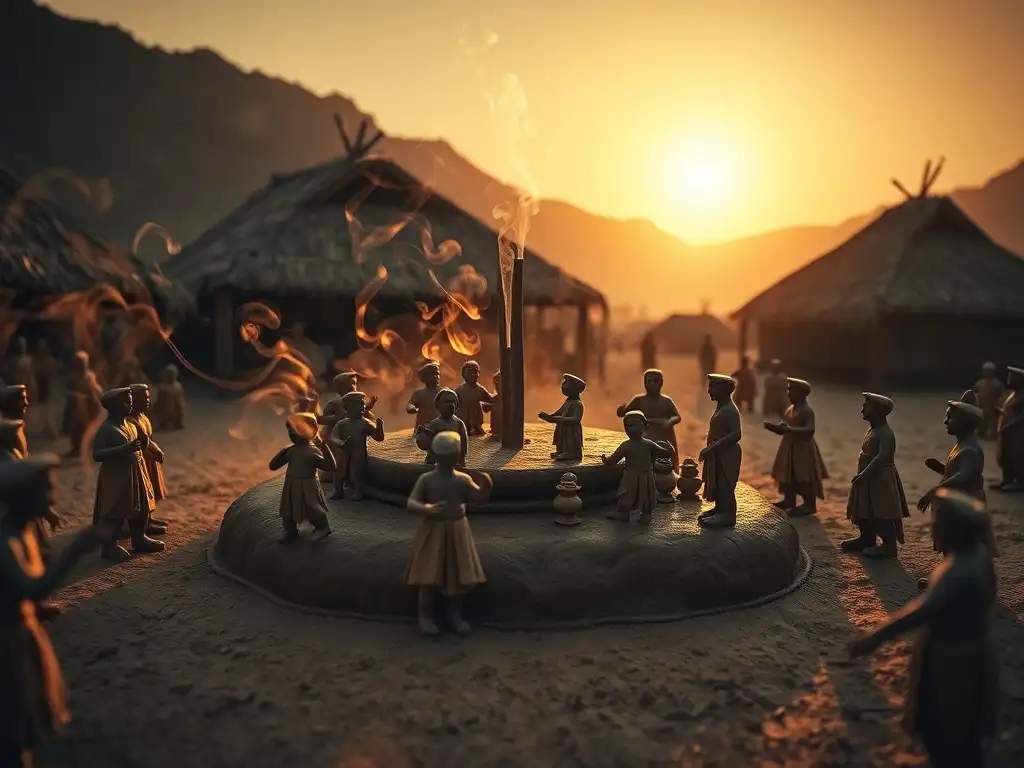
The Valdivia culture, flourishing along the Ecuadorian coast from approximately 3500 to 1800 BCE, presents a fascinating glimpse into early Andean spiritual life. While direct evidence of elaborate rituals is scarce compared to later Andean civilizations, careful analysis of archaeological findings, particularly burial practices and artistic representations, offers compelling insights into Valdivia shamanic rituals and beliefs. These practices, though not fully understood, reveal a complex system of beliefs surrounding life, death, and the supernatural. The limited evidence necessitates careful interpretation, but the available data suggests a sophisticated worldview deeply intertwined with the natural world and possibly ancestor veneration.
Mortuary Rituals and Burial Practices
Valdivia burial practices provide crucial clues to understanding their spiritual beliefs. Archaeological excavations have unearthed numerous burials, often containing grave goods. These goods, ranging from simple pottery vessels to intricately carved figurines, are not uniformly distributed across graves. Some individuals were interred with rich offerings, suggesting a social hierarchy and possibly different levels of spiritual status. This variation in grave goods hints at a belief system that recognized distinctions within the community, potentially reflecting varying degrees of shamanic influence or social standing.
The positioning of bodies within the graves also offers interesting insights. Some individuals were found in a flexed position, while others were extended. This variation might indicate different rituals or beliefs associated with death and the afterlife. Further research is needed to determine whether these variations correlate with age, sex, or social status.
The lack of widespread monumental architecture dedicated to funerary practices, unlike later Andean cultures, suggests that Valdivia funerary rites might have been more localized and less formalized. However, the presence of carefully curated grave goods certainly indicates a belief in an afterlife or a desire to honor the deceased in a meaningful way. Detailed analysis of skeletal remains could reveal further information about diet, health, and potential signs of ritualistic practices performed on the deceased. Unfortunately, [specific information pending] regarding isotopic analysis of skeletal remains to understand mobility and diet patterns within the Valdivia population.
Valdivia art, particularly its ceramic figurines, offers another window into their shamanic practices. Many figurines depict stylized human figures with exaggerated features, such as large heads, prominent eyes, and elongated limbs. These characteristics are often interpreted as representing shamans or individuals with supernatural abilities. The figurines frequently exhibit unique iconography, including geometric patterns and stylized animals, potentially symbolizing spiritual forces or deities. Further analysis of these symbols could reveal a deeper understanding of their cosmology and mythology.
The presence of female figurines is particularly noteworthy. Many scholars believe these figures represent female shamans or priestesses, highlighting the potential role of women in Valdivia religious life. This contrasts with some later Andean cultures where male shamans were more prominently featured in religious iconography.
The prevalence of female figurines suggests a matriarchal or at least egalitarian societal structure where women held significant spiritual power. However, it is important to note that [specific information pending] regarding the social roles and power dynamics within Valdivia society, and further research is needed to confirm these interpretations. The production of these figurines, often highly skilled and demonstrating a degree of artistic sophistication, suggests a dedicated group of artisans, possibly connected to religious institutions or shamanic practices.
The consistent stylistic features across different figurines suggest a codified system of beliefs and a shared understanding of religious iconography within the Valdivia culture. The discovery of more figurines and their careful analysis are crucial for expanding our understanding of Valdivia shamanic rituals and beliefs.
Conclusions: The Legacy of Valdivia Shamanic Traditions
The Valdivia culture, despite its relative antiquity and the fragmentary nature of the archaeological record, offers a fascinating glimpse into the development of shamanic practices in the Andean region. Their sophisticated ceramic art, featuring stylized figures and seemingly ritualistic objects, provides invaluable clues to their spiritual beliefs and ritualistic practices.
While much remains unknown, the evidence suggests a complex system of beliefs centered around fertility, the natural world, and potentially ancestor veneration. The enduring influence of these early shamanic traditions on subsequent Andean cultures remains a subject of ongoing research and debate, but the unique artistic expressions and ritualistic artifacts of the Valdivia people offer a compelling foundation for further investigation.
Understanding their cosmology and ritual practices enriches our broader understanding of the evolution of Andean spirituality and its enduring impact on the region's cultural landscape. The discovery of new archaeological sites and the application of advanced analytical techniques continue to shed light on this enigmatic culture, promising further insights into the rich tapestry of Valdivia shamanic rituals and beliefs.
Key Takeaways on Valdivia Shamanic Rituals and Beliefs
Several key takeaways emerge from the analysis of Valdivia archaeological finds related to shamanic practices. Firstly, the prevalence of female figurines in the ceramic art suggests a powerful role for women in religious life, potentially as shamans or priestesses. This contrasts with some later Andean cultures where male shamans were more prominent. Secondly, the frequent depiction of stylized figures engaged in apparent ritualistic activities, often involving ceremonial objects, points to a well-established ritual system.
These rituals may have been associated with fertility rites, given the frequent depiction of pregnant women and other fertility symbols. Thirdly, the sophisticated craftsmanship of the ceramic artifacts themselves suggests a dedicated and skilled artisan class, likely deeply involved in the production of ritual objects. The meticulous detail and artistic skill evident in these pieces highlights the significant importance placed on ritual practices within Valdivia society.
Finally, the limited but existing evidence suggests a potential connection between the natural world and the spiritual realm, with rituals possibly aimed at ensuring successful harvests and maintaining harmony with the environment. Further research is needed to fully unravel the complexities of Valdivia shamanic rituals and beliefs, but the available evidence already paints a compelling picture of a rich and sophisticated spiritual tradition. The unique aspects of Valdivia spirituality, particularly the prominent role of women and the connection with the natural world, offer valuable insights into the diverse expressions of shamanism across the Andean region.
The Importance of Studying Valdivia Spirituality
The study of Valdivia spirituality is crucial for several reasons. Firstly, it provides a foundational understanding of the earliest known complex societies in the Andean region. By examining their beliefs and practices, we can trace the evolution of Andean spiritual traditions and identify continuities and discontinuities across millennia. Secondly, the unique characteristics of Valdivia shamanism, particularly the apparent prominence of female shamans, challenge existing narratives about Andean religious history and offer a more nuanced perspective on gender roles in ancient societies.
Thirdly, exploring Valdivia’s relationship with the natural world offers insights into early human-environment interactions and the development of sustainable practices in a coastal ecosystem. Understanding how Valdivia societies perceived and interacted with their environment can inform contemporary ecological awareness and resource management strategies. Fourthly, the study of Valdivia art provides valuable insights into early artistic expressions and the development of symbolic language in the Andes. The intricate designs and stylistic choices on their ceramics offer a window into their worldview and their methods of communication.
Finally, the ongoing research into Valdivia shamanic practices contributes to a more comprehensive understanding of the diverse and complex cultural landscape of pre-Columbian South America. The investigation of Valdivia spirituality offers a compelling case study in the study of early Andean societies, furthering our knowledge of their rich cultural heritage and its lasting legacy. The information gleaned from studying Valdivia’s spiritual life significantly contributes to a more complete and accurate reconstruction of Andean history, challenging assumptions and enriching our understanding of this fascinating region.
Frequently Asked Questions
What were the Valdivia people's primary beliefs?
The Valdivia civilization held complex spiritual beliefs, likely centered around fertility, ancestor veneration, and the ocean's power. Evidence suggests a strong connection to the natural world and its cycles.
What evidence suggests shamanic practices among the Valdivia?
Archaeological findings, such as figurines depicting individuals in ritualistic poses and the presence of specific artifacts possibly used in ceremonies, strongly indicate the presence of shamanic practices. Figurines with altered states also support this theory.
How did Valdivia shamanic rituals relate to daily life?
Valdivia shamanic rituals likely played a crucial role in daily life, influencing decisions related to agriculture, fishing, and community well-being. They may have sought shamanic guidance for various aspects of life.
What role did the ocean play in Valdivia shamanic beliefs?
The ocean held immense significance in Valdivia culture, likely viewed as a source of life and spiritual power. Shamanic rituals may have involved interactions with the sea, seeking its blessings or communicating with spiritual entities associated with it.
How do we know about Valdivia shamanic rituals today?
Our understanding of Valdivia shamanic rituals comes primarily from archaeological discoveries, including figurines, ceremonial objects, and settlement patterns. Interpretations of these findings provide insights into their beliefs and practices.
Final Reflection: Echoes of the Valdivia Shaman: A Legacy of Ritual and Belief
The intricate world of Valdivia shamanic practices continues to resonate today, offering a powerful lens through which to examine the enduring human need for spiritual connection and the profound impact of ritual on shaping societal structures. Understanding these ancient practices isn't merely an academic exercise; it's a vital key to unlocking a deeper understanding of our own spiritual journeys and the complex tapestry of human experience across time.
The influence of Valdivia shamanism extends far beyond the archaeological record. Its echoes can be heard in contemporary spiritual practices, reminding us of the universality of the human search for meaning and connection with the divine. The enduring power of ritual, as demonstrated by the Valdivia culture, speaks to a fundamental aspect of the human condition. Ritual is a powerful way of making the invisible visible, the intangible tangible.
This quote encapsulates the essence of the Valdivia shamanic experience and its lasting relevance to our understanding of ritual's role in shaping belief systems and social cohesion.
Consider the implications of this ancient wisdom. How can we, in our modern world, reconnect with the power of ritual and ceremony to foster a stronger sense of community and spiritual grounding? What aspects of the Valdivia shamanic practices resonate most deeply with you, and how might you integrate those insights into your own life? Let the legacy of the Valdivia shamans inspire you to explore your own spiritual path and to appreciate the enduring power of ritual in shaping human experience.
Unleash Your Inner Explorer of Shamanic Wisdom!
Thank you for exploring the fascinating world of Valdivia's shamanic practices! You've discovered valuable insights into the rituals and beliefs that have shaped Andean culture for centuries. Now, let's build upon this knowledge and integrate it into your personal journey of spiritual exploration.
Here are some simple yet powerful steps you can take:
- Immerse Yourself in Nature: Connect with the natural world by visiting a local park, mountain, or river. Reflect on the profound relationship between nature and spirituality, mirroring the deep connection held by the Valdivian people.
- Explore Shamanic Practices: Research and experiment with shamanic rituals or meditation techniques that resonate with you. Consider attending workshops led by a local practitioner to deepen your understanding and practice.
- Share and Engage: Discuss your thoughts and discoveries with friends, family, or in online communities dedicated to spiritual exploration. Sharing your experiences fosters a greater understanding and connection with others on a similar path.
How have these shamanic practices influenced your perspective on spirituality and the natural world? We'd love to hear your reflections!