
Inca Succession: Navigating the Complexities of Imperial Transfers


Step into a world lost to time, yet echoing with the power of the Andes. Imagine a civilization that stretched across a vast and unforgiving landscape, its intricate web of power woven through ingenious strategies of imperial succession. This is the story of the Inca, a people whose mastery of engineering, art, and governance continues to fascinate and inspire. Unravel the mysteries behind Inca imperial succession strategies and discover how this complex system shaped the fate of an empire. Prepare to be captivated as we delve into the heart of the Andean world.
The Inca Empire, a marvel of pre-Columbian South America, thrived for centuries thanks to a sophisticated system of governance. Understanding its success requires delving into the intricacies of its imperial succession strategies, a process far more complex than simple hereditary rule. This article explores the challenges and mechanisms employed by the Inca to ensure the smooth transfer of power, examining the interplay between bloodlines, political maneuvering, and religious legitimacy.
We will investigate how the Inca balanced the demands of kinship with the necessities of maintaining imperial stability and expansion, ultimately revealing the sophisticated strategies that underpinned their remarkable longevity and vast territorial control. This exploration of Inca imperial succession strategies will unveil the nuanced processes that shaped the empire's trajectory and its lasting legacy. The sophisticated systems employed weren't merely about who inherited the throne; they were integral to the empire's political, social, and religious fabric.
Understanding Inca Imperial Power and its Transmission
The Inca concept of power wasn't solely vested in a single individual but rather resided within a complex web of relationships. The Sapa Inca, the emperor, held supreme authority, but his power was legitimized by a combination of factors: divine descent (considered a descendant of the sun god Inti), military prowess, and skillful political maneuvering. The transmission of this multifaceted power wasn't a straightforward process.
While hereditary succession was certainly a significant element, it wasn't absolute. The Sapa Inca’s authority extended far beyond military might; it encompassed religious leadership, economic control, and the administration of justice. This meant the selection of a successor needed to consider not only lineage but also the candidate's ability to effectively manage these diverse aspects of imperial rule.
The Inca system, therefore, involved a delicate balance between hereditary claims and the pragmatic assessment of a potential ruler’s capabilities. The chosen successor had to be perceived as both divinely appointed and politically astute to maintain the empire's stability and continue its expansion. This careful selection process was essential for preventing internal conflict and ensuring the continuation of Inca dominance.
The Challenge of Inca Succession: More Than Just Bloodlines
While royal blood was undoubtedly a crucial factor, the Inca succession wasn't simply a matter of primogeniture. The Sapa Inca often had multiple sons, each with their own supporters and potential claims to the throne. This inherent potential for conflict necessitated a system that could manage competing claims and select a successor capable of maintaining unity and order.
Evidence suggests that the process involved a complex interplay of factors, including the Sapa Inca's own preferences, the influence of powerful nobles (the curacas), and even religious pronouncements. The selection wasn't always a smooth or predictable process; power struggles and rivalries were not uncommon, leading to periods of instability. The Inca system, therefore, wasn't a rigid, predetermined mechanism but a dynamic process adapted to the specific circumstances and political landscape of each succession.
The involvement of religious figures and the emphasis on fulfilling prophecies further complicated the situation, adding a layer of spiritual legitimacy to the often-political process. The selection of a successor, therefore, was a high-stakes game involving multiple players and factors, influencing the trajectory of the entire empire. The success or failure of a succession often determined the empire’s stability and its ability to continue its expansion and influence.
- Understanding Inca Imperial Power and its Transmission
- The Challenge of Inca Succession: More Than Just Bloodlines
Traditional Inca Succession Practices: A Closer Look
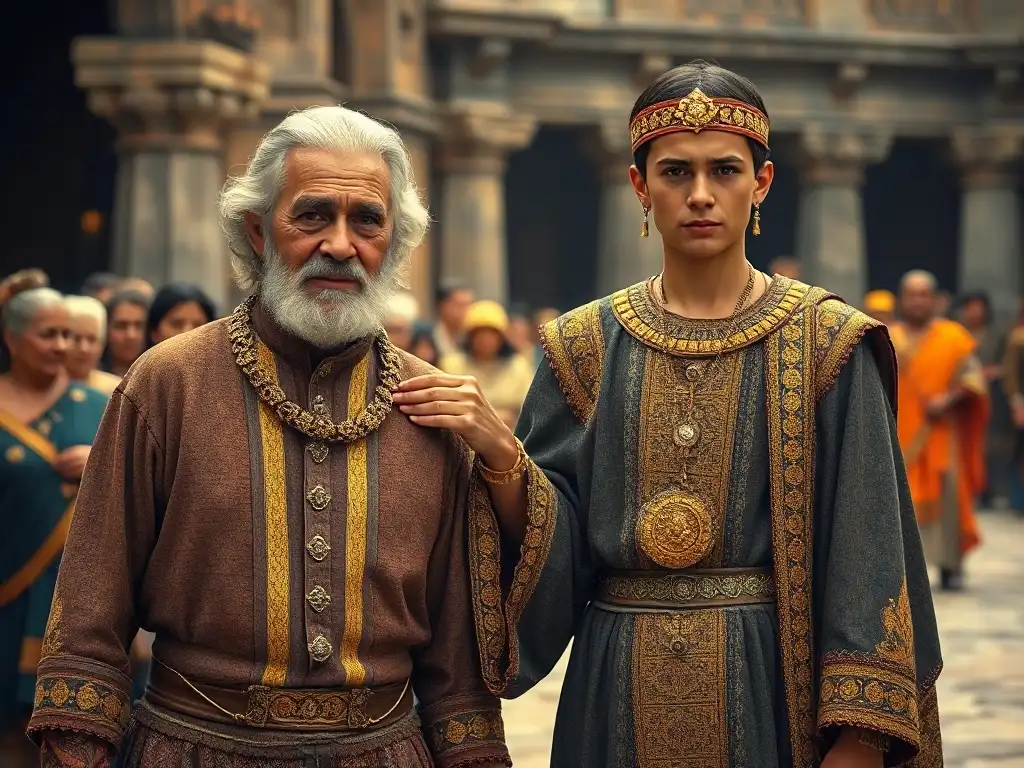
The Inca imperial succession strategies were far from simple, relying on a complex interplay of tradition, political maneuvering, and religious legitimacy. While often presented as a hereditary system, the reality was nuanced, involving careful consideration of various factors to ensure the stability and continuity of the empire. The selection of a new Sapa Inca wasn't merely a matter of birthright; it was a crucial state event with significant ramifications for the vast Inca realm.
Understanding these intricacies provides a deeper appreciation for the sophistication of Inca governance and the power dynamics at play within the imperial court. The system aimed to balance the need for a strong, capable leader with the preservation of the sacred lineage that connected the Sapa Inca to the divine. This delicate balance was often tested, leading to periods of instability and even civil war.
The Role of the Sapa Inca in Designating an Heir
The Sapa Inca, the emperor, held ultimate authority in determining his successor. However, this wasn't an arbitrary decision. While primogeniture (inheritance by the eldest son) was often a factor, it wasn't absolute. The Sapa Inca would carefully assess potential heirs, considering their abilities, character, and perceived suitability to rule.
This assessment was not conducted in isolation; it involved consultations with high-ranking officials, priests, and members of the royal family. The chosen heir would often undergo a period of training and preparation, learning the intricacies of governing the empire. This process could span several years, allowing the designated heir to gain experience and demonstrate his capacity for leadership. The Sapa Inca’s choice was influenced by many factors, including the candidate's proven military prowess, administrative skills, and even their perceived connection to the gods.
Evidence suggests that the Sapa Inca might even stage trials or challenges to test the mettle of potential successors. Ultimately, the decision rested with the emperor, reflecting the highly centralized nature of Inca power. The selected heir, however, still needed to gain acceptance from the powerful elites to fully consolidate his claim.
Inca Royal Lineage and the Concept of Legitimacy
The concept of legitimacy was central to Inca imperial succession strategies. An heir's claim to the throne wasn't solely based on biological descent; it was also deeply intertwined with their perceived connection to the sun god, Inti, and the royal lineage. Maintaining this divine connection was crucial for upholding the emperor's authority and the stability of the empire.
The Inca believed that the Sapa Inca was a direct descendant of the sun god, and this divine ancestry was fundamental to their legitimacy. Therefore, the selection of a successor often involved considerations of maintaining this unbroken line of descent. The lineage was meticulously documented, with genealogies tracing back generations to solidify the claim of the chosen heir.
Deviations from the established lineage could lead to challenges and disputes over succession, highlighting the crucial role of maintaining the narrative of divine right. The importance of lineage is highlighted by the fact that potential heirs were often kept close to the Sapa Inca, ensuring their upbringing reflected the necessary values and beliefs for a future ruler. Maintaining a pure and unbroken line of descent to Inti was paramount.
The Importance of the Coya and Royal Wives in Succession
The Coya, the Sapa Inca's principal wife, played a significant, albeit often understated, role in Inca succession. While not directly involved in the selection process, her influence on the Sapa Inca's decisions, and her family's standing, could significantly impact the choice of heir. Her sons, particularly, held a prominent position in the line of succession. The Coya was not just a consort; she held considerable power and influence within the imperial court.
Her family's status and alliances could sway the Sapa Inca's decision in favour of particular candidates. Furthermore, other royal wives and their offspring also played a role, although often less prominent than the Coya's. The complex web of relationships within the royal family and the broader Inca elite shaped the dynamics of succession, creating a system where power wasn't solely determined by birth order but also by political alliances and the influence of key figures like the Coya.
The influence of the royal women underscores the complexity of the Inca imperial succession, demonstrating that it was far from a purely patriarchal system. 👑 Further research is needed to fully understand the extent of their influence. [Specific information pending on the documented cases of Coya influence in succession disputes].
The Problem of Inca Civil War and Disputed Claims
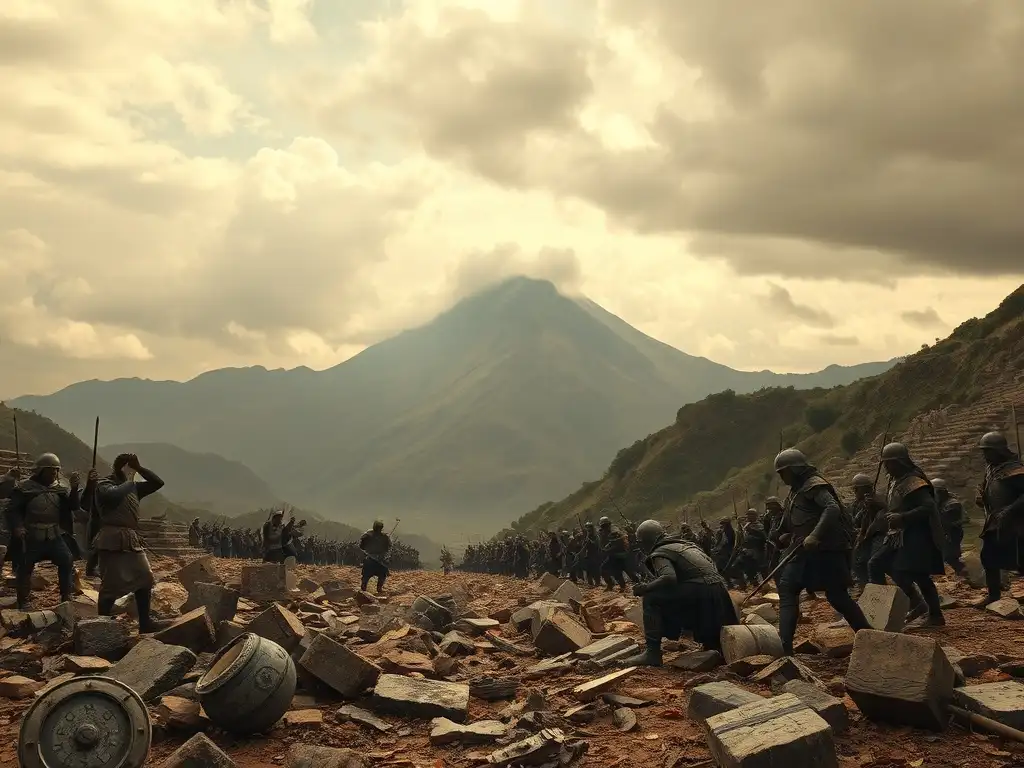
The seemingly robust Inca Empire, famed for its intricate road system and sophisticated agricultural practices, was surprisingly vulnerable to internal strife. A significant challenge to the empire's longevity stemmed from its complex system of imperial succession, often leading to power struggles and devastating civil wars. The Inca imperial succession strategies, while seemingly well-defined, were frequently manipulated or circumvented, resulting in contested claims to the Sapa Inca throne and subsequent periods of instability.
This instability wasn't simply a matter of palace intrigue; it had profound consequences for the empire's stability and ultimately contributed to its vulnerability to Spanish conquest. The lack of a clearly defined and consistently applied system of inheritance, coupled with the high stakes involved in controlling the vast empire, created a fertile ground for conflict. Understanding these internal dynamics is crucial to grasping the true nature of Inca power and its eventual downfall.
The Impact of Multiple Heirs and Factions
The Inca system of succession, while favoring primogeniture in principle (the eldest son inheriting), often faced complications due to the presence of multiple heirs, particularly in cases of polygamy or the Sapa Inca having many sons. This situation frequently led to the formation of powerful factions vying for control, each rallying behind a different potential successor.
These factions were not simply composed of royal family members; they often included powerful regional governors ( kurakas), military commanders, and even influential priests, all of whom wielded significant influence and resources. The resulting power struggles were often brutal and protracted, draining the empire's resources and diverting attention from crucial matters of governance and defense.
The competition for the throne frequently involved strategic alliances, manipulation of religious beliefs, and the mobilization of military forces, transforming the internal political landscape into a volatile arena of conflict. For example, the presence of multiple capable heirs often resulted in a prolonged period of uncertainty before a clear successor emerged, leaving the empire vulnerable to internal rebellion and external threats.
Case Study: The War of the Two Brothers - Huascar and Atahualpa
The most well-known example of a succession crisis leading to civil war is the conflict between Huáscar and Atahualpa, sons of Huayna Capac. Huayna Capac's unexpected death created a power vacuum, triggering a brutal struggle for control. Huáscar, initially designated heir, faced strong opposition from his half-brother Atahualpa, who commanded significant support in the northern provinces.
This conflict, lasting several years (circa 1527-1533), devastated the Inca Empire, weakening its military, depleting its resources, and fracturing its political unity. The war involved massive troop deployments, extensive campaigns, and significant loss of life. The internal divisions created by this succession crisis significantly hampered the Inca's ability to effectively resist the Spanish conquistadors, who ultimately capitalized on the empire's weakened state.
The War of the Two Brothers serves as a stark illustration of how Inca imperial succession strategies, when disrupted, could lead to catastrophic consequences. The meticulous planning and resources dedicated to the conflict ultimately left the empire vulnerable and exposed.
How Inca Internal Conflicts Weakened the Empire
The recurring nature of Inca civil wars significantly weakened the empire's capacity for governance and defense. These conflicts drained the imperial treasury, diverting resources from infrastructure projects, agricultural initiatives, and military preparedness. The prolonged periods of instability and uncertainty hindered economic development and disrupted the intricate administrative system that had been the cornerstone of Inca power.
Furthermore, the internal fighting eroded the loyalty of regional governors and local populations, creating an environment of mistrust and resentment. This internal fracturing made it significantly easier for the Spanish conquistadors to exploit divisions within the Inca Empire, paving the way for their eventual conquest. The consequences of these conflicts extended far beyond the immediate battlefield, leaving a lasting impact on the social, political, and economic fabric of the empire.
The devastating effects of these internal struggles underscore the fragility of Inca power despite its outward appearance of strength and stability. The Inca’s sophisticated administrative system, while effective in times of peace, proved inadequate to manage the challenges posed by prolonged and violent succession crises.
Inca Imperial Succession Strategies: Mechanisms and Adaptations
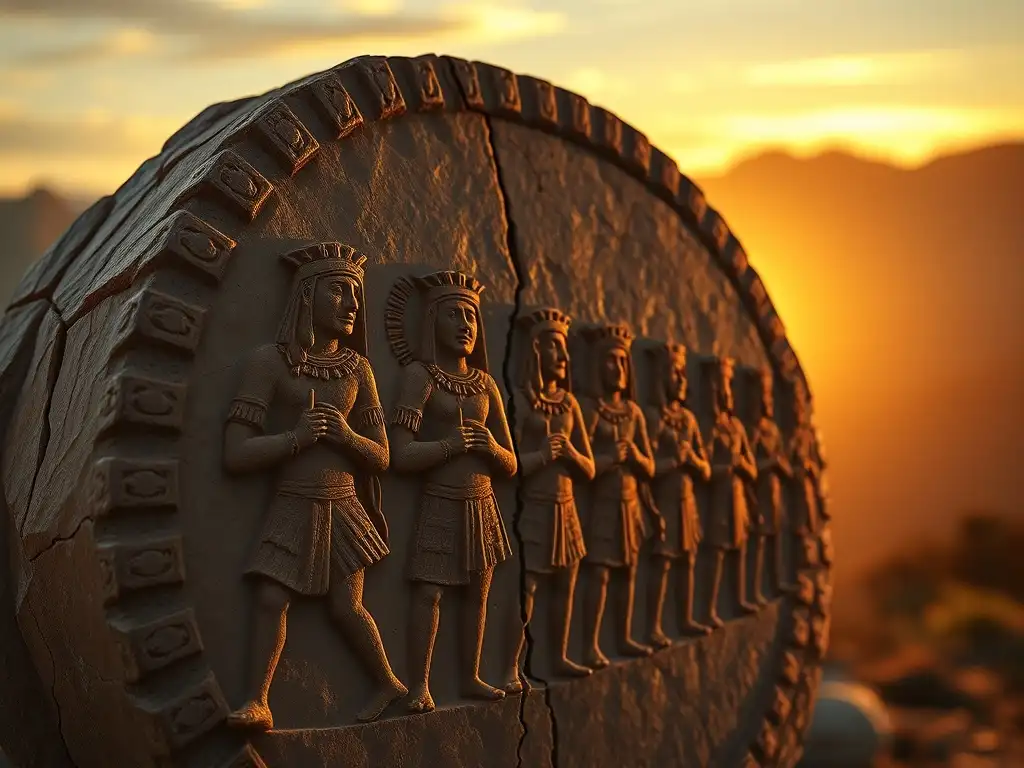
The Inca Empire, renowned for its sophisticated administrative system and vast territorial control, employed intricate strategies to manage the critical process of imperial succession. The stability and continuity of the empire hinged on the seamless transfer of power, a challenge met through a combination of carefully planned appointments, strategic marriages, and proactive measures to suppress potential dissent.
Understanding these "Inca imperial succession strategies" offers crucial insight into the empire's enduring strength and reveals the complex political dynamics at play. The system wasn't always smooth, however; power struggles and challenges to the designated heir were not uncommon, highlighting the inherent fragility even within a seemingly robust system.
The Appointment of the Auqui: A Designated Successor
The most formalized aspect of Inca imperial succession involved the designation of an auqui. This wasn't simply a matter of primogeniture; while bloodline was important, the Sapa Inca (emperor) considered various factors in selecting his successor. The auqui, often a son but not necessarily the eldest, was chosen for his perceived leadership qualities, administrative skills, and potential to maintain the empire's unity and expansion.
This selection process involved a degree of secrecy, likely to prevent premature challenges to the designated heir. The auqui received rigorous training, learning the intricacies of governance, military strategy, and religious rituals, preparing him for the immense responsibilities of his future role. Interestingly, the auqui's training often included periods of governing specific provinces, offering valuable practical experience before assuming the imperial mantle.
This system aimed to ensure a smooth transition, minimizing the risk of power vacuums and internal conflict following the Sapa Inca's death. However, the very act of choosing a successor inevitably created potential rivals, especially among other royal family members who might see themselves as more deserving. This inherent tension underscores the need for additional strategies to maintain stability.
The Practice of Royal Marriage and Political Alliances
Royal marriages played a crucial role in Inca imperial succession strategies, extending beyond simple dynastic concerns. Marriages to women from powerful regional lineages—often the daughters of conquered rulers—served to consolidate power and forge political alliances. These unions cemented loyalty, diffused potential rebellions, and integrated conquered territories into the imperial structure. The offspring of these marriages became key players in the succession game, strengthening the ties between the imperial core and the periphery.
The selection of a wife for the auqui, therefore, was a highly political decision, carefully considered to enhance the empire's stability and expand its influence. This strategy, while effective in many instances, also presented challenges. Conflicts could arise between different factions within the royal family, each vying for influence and a preferred successor. The power dynamics within these alliances could become incredibly complex, with familial ties often intertwined with political ambitions.
Strategies for Managing Potential Rivals and Rebellions
Even with carefully planned succession and strategic alliances, the Inca Empire faced the constant threat of internal rivalry and rebellion. The vast size of the empire and the inherent power struggles within the royal family created fertile ground for dissent. To mitigate these risks, the Inca employed several strategies. These included:
- Careful placement of loyal relatives and officials: Key administrative positions were filled with individuals loyal to the Sapa Inca and the designated heir, ensuring the smooth functioning of the empire even during a transition of power.
- Maintaining a strong military presence: A powerful army was essential to quell any potential uprisings or challenges to the imperial authority. The military served not only as a deterrent but also as a tool for swiftly suppressing rebellions.
- Use of religious authority: The Inca religion played a significant role in legitimizing imperial rule. Religious rituals and ceremonies helped to solidify the Sapa Inca's authority and reinforce the legitimacy of the succession process. The priests acted as crucial advisors, and their support was vital in maintaining order and acceptance of the new ruler.
- Economic control and redistribution: The Inca controlled the empire's resources and implemented a sophisticated system of redistribution. This economic power helped to maintain loyalty among various groups and prevent widespread discontent that could lead to rebellion.
The Inca imperial succession strategies, therefore, were multifaceted, combining formal appointments, strategic alliances, and proactive measures to maintain stability. While the system wasn't foolproof—there were instances of conflict and rebellion—its effectiveness in ensuring a relatively seamless transfer of power for centuries is a testament to its sophistication and adaptability. The interplay between political maneuvering, familial relationships, and religious authority shaped the destiny of the Inca Empire, and understanding these dynamics provides invaluable insights into the complexities of this remarkable civilization.
The Role of Inca Military Power in Succession Disputes
The Inca Empire, renowned for its sophisticated administrative system, also relied heavily on military might to resolve succession disputes. The army wasn't merely a tool for external conquest; it played a crucial role in maintaining internal order and enforcing the emperor's will, particularly during periods of transition. Control of the army, therefore, often became a critical factor in determining the outcome of succession struggles.
A potential heir's ability to command loyalty among the curacas (provincial governors) and the various military units significantly influenced their chances of securing the throne. This wasn't solely about brute force; skillful manipulation of military alliances and the strategic deployment of troops could be just as effective in achieving dominance.
The Sapa Inca's personal guard, a highly trained and elite force, represented a particularly potent instrument of power. Their loyalty could shift the balance of power dramatically, and securing their allegiance was a primary objective for aspiring successors. We see evidence of this in historical accounts of contested successions, where factions vying for control attempted to win over these elite warriors through promises, bribes, or even intimidation.
The strategic importance of the Sapa Inca's guard underscores the deeply intertwined nature of military power and imperial succession within the Inca political system. The ability to mobilize and control this powerful force often proved decisive in resolving succession crises.
Furthermore, the Inca military infrastructure itself provided a framework for resolving succession disputes. The extensive road network, for example, facilitated rapid troop movements, allowing a potential heir to quickly consolidate power across the vast empire. Similarly, the system of mit'a, the labor service obligation, could be utilized to mobilize manpower for military campaigns, providing a crucial resource during succession conflicts.
Those who could effectively harness this infrastructure gained a significant advantage in securing their claim to the throne. The control and effective utilization of the military and its supporting infrastructure were integral to the success of any aspiring Sapa Inca. The empire's military strength wasn't simply a deterrent to external threats; it was a central element in the internal political dynamics that shaped the succession process.
Adapting to Change: Succession During the Expansion of the Inca Empire
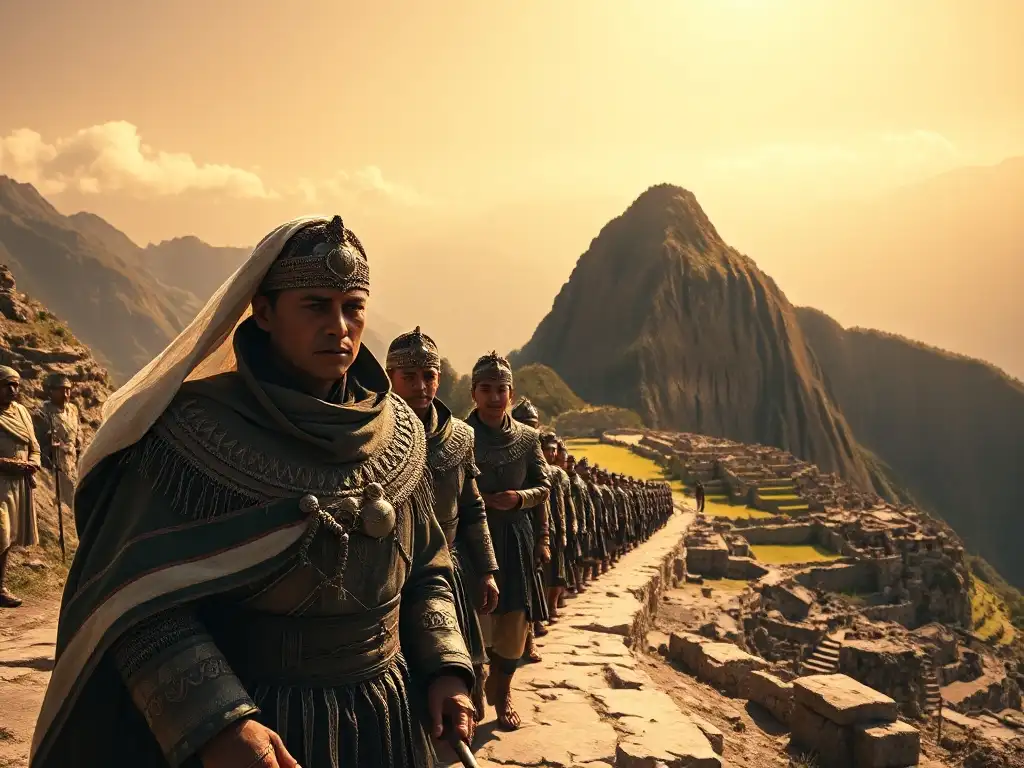
The Inca imperial succession strategies were not static; they evolved significantly as the empire expanded and encountered new challenges. Early successions, during the formation of the empire, likely involved a combination of hereditary principles and the demonstration of military prowess and political acumen. However, as the Inca controlled vast territories and diverse populations, the system adapted to accommodate the complexities of governing a sprawling multi-ethnic state.
The sheer scale of the empire, encompassing vastly different geographical regions and cultural groups, necessitated a more sophisticated and flexible approach to succession than that which might have sufficed during the early stages of imperial growth. This shift is evident in the increasing importance of political maneuvering and the involvement of powerful elites in selecting and supporting the next Sapa Inca. The need for a leader who could effectively manage the diverse needs and potential conflicts within the empire became paramount.
This increased complexity, coupled with the growing power of regional governors ( tukuy rikuq ), significantly influenced the dynamics of imperial succession. The later Inca emperors faced a far more intricate political landscape than their predecessors, demanding a nuanced approach to securing and maintaining power.
How Inca Succession Changed After the Conquest of New Territories
The expansion of the Inca Empire dramatically reshaped the landscape of imperial succession. Prior to significant territorial acquisitions, the system likely focused more on direct lineage and the capabilities of the heir apparent. However, the incorporation of conquered territories introduced new variables. The need to maintain the loyalty of conquered populations and to integrate them into the imperial system became critical.
This led to a shift in emphasis. While lineage remained important, the ability of a potential successor to manage relations with diverse ethnic groups and to effectively govern newly acquired territories became increasingly crucial. Evidence suggests that the Inca leadership recognized the need for a more inclusive approach, at least superficially, to prevent rebellion and maintain stability. This might have involved strategic marriages or alliances with powerful families from conquered regions, thereby bolstering the legitimacy of the new Sapa Inca and strengthening the empire’s internal cohesion.
The integration of conquered elites into the imperial power structure could have acted as a buffer against potential uprisings, but also presented new challenges in terms of managing competing interests and power dynamics within the court. This period also saw the rise of more formalized rituals and ceremonies surrounding succession, potentially serving to reinforce the legitimacy of the new ruler and to solidify their authority across the vast and diverse empire. Detailed records of these changes remain scarce, however, further research is required to fully understand the intricate processes involved.
The Challenges of Governing a Multi-Ethnic Empire
Governing a multi-ethnic empire like the Inca presented unique challenges to imperial succession. The diverse cultures, languages, and political structures within the empire required a leader capable of navigating complex relationships and preventing internal conflict. A Sapa Inca needed to balance the needs of various ethnic groups, ensuring that none felt marginalized or oppressed. This was an exceedingly delicate task, as the very foundation of the Inca system relied on the tribute and labor of conquered populations.
Any perception of unfair treatment could easily spark rebellion. The Inca employed various strategies to mitigate these risks. This included the resettlement of populations, the appointment of loyal governors from various ethnic backgrounds, and the implementation of a sophisticated system of administration that allowed for some degree of local autonomy while maintaining imperial control. However, despite these efforts, tensions frequently arose, and the succession process itself often became a focal point for these tensions.
The selection of a successor who could effectively manage these internal divisions was therefore critical to the stability and longevity of the empire. Failure to do so could lead to civil war, as seen in some instances during the later phases of Inca rule. The balancing act between maintaining imperial power and ensuring the peaceful integration of diverse populations posed a significant, and ultimately, often insurmountable challenge to the Inca imperial succession strategies. The later collapse of the empire, in part, underscores the profound difficulties inherent in governing such a vast and heterogeneous realm.
The Legacy of Inca Succession: Lessons for Understanding Andean Politics
Inca imperial succession strategies weren't simply about transferring power; they were deeply intertwined with the fabric of Andean society, shaping political structures, economic policies, and even religious beliefs for centuries. Understanding these strategies provides crucial insights into the dynamics of power, the complexities of Andean governance, and the lasting impact of the Inca Empire.
The system, while appearing hereditary, was far from straightforward, involving intricate negotiations, religious rituals, and often, intense competition among potential heirs. This resulted in a political landscape characterized by both stability and periods of significant upheaval, directly impacting the trajectory of the empire and its subsequent interactions with other Andean groups.
Analyzing the successes and failures of various succession processes allows us to understand how the Inca state managed to consolidate its authority across vast territories and, conversely, how internal conflicts occasionally threatened its stability. The intricacies of Inca imperial succession offer a lens through which to examine the broader Andean political landscape, revealing crucial aspects of its social organization and its capacity for both resilience and fragility.
The Influence of Inca Succession on Later Andean Societies
The impact of Inca succession practices extended far beyond the lifetime of individual emperors. The established mechanisms, whether successful or not, served as precedents for subsequent Andean societies. The complex interplay of lineage, ritual, and political maneuvering established during the Inca period continued to influence the power dynamics within successor states and even resistance movements.
For example, [Specific examples of how Inca succession practices influenced later Andean societies pending]. The emphasis on legitimacy, often manifested through elaborate ceremonies and symbolic displays of power, became a recurring theme in Andean political life. The very concept of imperial authority and the rituals surrounding its transfer were adapted and reinterpreted by later groups, reflecting both continuity and transformation in Andean political culture.
Even in the face of Spanish conquest, certain aspects of the Inca succession system persisted, subtly shaping resistance strategies and the organization of indigenous communities. The enduring legacy of Inca succession highlights the remarkable resilience of Andean political traditions and their adaptation to changing circumstances.
The Enduring Debate on Inca Legitimacy and Power
The question of Inca legitimacy remains a central point of scholarly debate. While the Sapa Inca held supreme authority, the precise mechanisms by which that authority was validated and maintained are still being investigated. The interplay between hereditary claims, religious sanction, and military prowess is a complex and fascinating area of study.
Some scholars emphasize the role of religious institutions in legitimizing the Inca ruler, highlighting the importance of divine descent and elaborate rituals. Others focus on the military might of the Inca state, arguing that power ultimately rested on the ability to control resources and suppress dissent. The debate is further complicated by the limited surviving primary sources, which often present a biased or incomplete picture of the succession process.
The lack of detailed, unbiased accounts leaves room for interpretation and ongoing scholarly discussion. Analyzing the different interpretations of existing evidence allows us to understand the multi-faceted nature of power in the Inca Empire and the difficulties inherent in reconstructing past political systems. [Specific examples of scholarly debates on Inca legitimacy pending].
Inca Succession: A Complex Legacy of Power and Conflict
Inca imperial succession strategies were not always smooth or predictable. While the ideal aimed for a peaceful transfer of power, the reality often involved intense competition, political maneuvering, and even violent conflict among potential heirs. The death of an emperor often triggered a period of uncertainty and instability, as various factions vied for control.
[Specific examples of contested Inca successions and their consequences pending]. These power struggles highlight the inherent tensions between hereditary claims, political alliances, and the need to maintain the stability of the empire. The system was ultimately a dynamic interplay of tradition, ambition, and strategic calculation, reflecting the human element at the heart of even the most powerful empires.
The study of Inca succession, therefore, offers a valuable case study in the complexities of imperial power, demonstrating how even carefully constructed systems can be susceptible to internal pressures and conflict. The legacy of Inca succession is one of both impressive stability and occasional dramatic upheaval, offering a nuanced understanding of the dynamics of power in a remarkable ancient civilization.
Frequently Asked Questions
How did the Inca Empire determine its successor?
The Inca succession wasn't strictly hereditary. While the Sapa Inca's sons were often contenders, the ultimate decision rested on a council of powerful nobles who considered the candidate's ability to rule and maintain stability. Strategic alliances also played a significant role.
What role did religion play in Inca succession?
Religion played a crucial role. The chosen successor needed the approval of the priests and was seen as divinely appointed. Religious ceremonies legitimized the transfer of power and ensured the continuity of the empire's sacred order.
Were there ever power struggles over Inca succession?
Yes, power struggles were common. Contenders often fought for the throne, leading to civil wars that sometimes weakened the empire. These conflicts often involved rival factions vying for influence and control.
How did Inca succession impact the empire's expansion and stability?
A smooth succession generally led to continued imperial expansion and stability. However, contested successions often resulted in internal strife, diverting resources and weakening the empire's ability to defend its borders or manage its vast territories.
What were some key strategies employed to ensure a smooth Inca succession?
The Inca employed several strategies, including carefully selecting a capable heir, propaganda to build support for the chosen successor, and the use of religion to legitimize the transition. They also tried to prevent or suppress potential rivals.
Final Reflection: The Enduring Legacy of Inca Succession
The intricate web of Inca imperial succession, far from being a relic of the past, offers crucial insights into the enduring challenges of power transitions, both in ancient societies and in our modern world. The strategies employed by the Inca, from carefully orchestrated inheritances to the sometimes brutal realities of power struggles, resonate deeply with contemporary issues of leadership, stability, and the delicate balance between tradition and innovation.
The Inca's attempts to create a system of orderly succession, while often fraught with internal conflict, underscore the fundamental human desire for stability and predictability in leadership. Their methods, a complex interplay of kinship, religious legitimacy, and political maneuvering, continue to shape our understanding of imperial dynamics. The empire's survival depended not only on military might but also on the smooth transfer of power,
a perspective that holds true for any large-scale organization, even today. The echoes of their struggles – the tensions between established order and ambitious contenders – are still heard in the corridors of power across the globe.
Consider the implications of the Inca's experience. How can we, in our own lives and communities, learn from their successes and failures? How can we foster more effective transitions of leadership, ensuring both stability and the opportunity for progress? Reflect on the importance of clear processes, the need for inclusivity, and the crucial role of communication in navigating the complexities of change. Let the legacy of Inca succession inspire you to build a more equitable and sustainable future, one where the transfer of power is not a source of chaos, but a catalyst for growth and positive transformation.
**Embark on Your Journey Through Inca History! **
Thank you for exploring the intricacies of Inca succession with us! We hope you've gained valuable insights into the complexities of imperial power transitions and the rich tapestry of Andean civilization. To further your understanding, we encourage you to continue your exploration in the following ways:
Here are a few suggestions to deepen your knowledge:
- **Expand Your Knowledge:** Explore additional resources on Andean civilizations to uncover lesser-known facts and stories that shaped the empire. Many excellent articles and books are available.
- **Join the Discussion:** Share your thoughts and insights with our community! We welcome your comments and questions about any aspect of Inca history.
- **Experience History First-Hand:** Visit a local museum or explore online exhibits showcasing ancient Andean artifacts for a truly immersive experience.
What fascinating detail or newly discovered perspective on Inca succession will you share with us today? Let's discuss the remarkable legacies of this incredible civilization!