
The Legacy of the Wari: Exploring the City of Pikillaqta

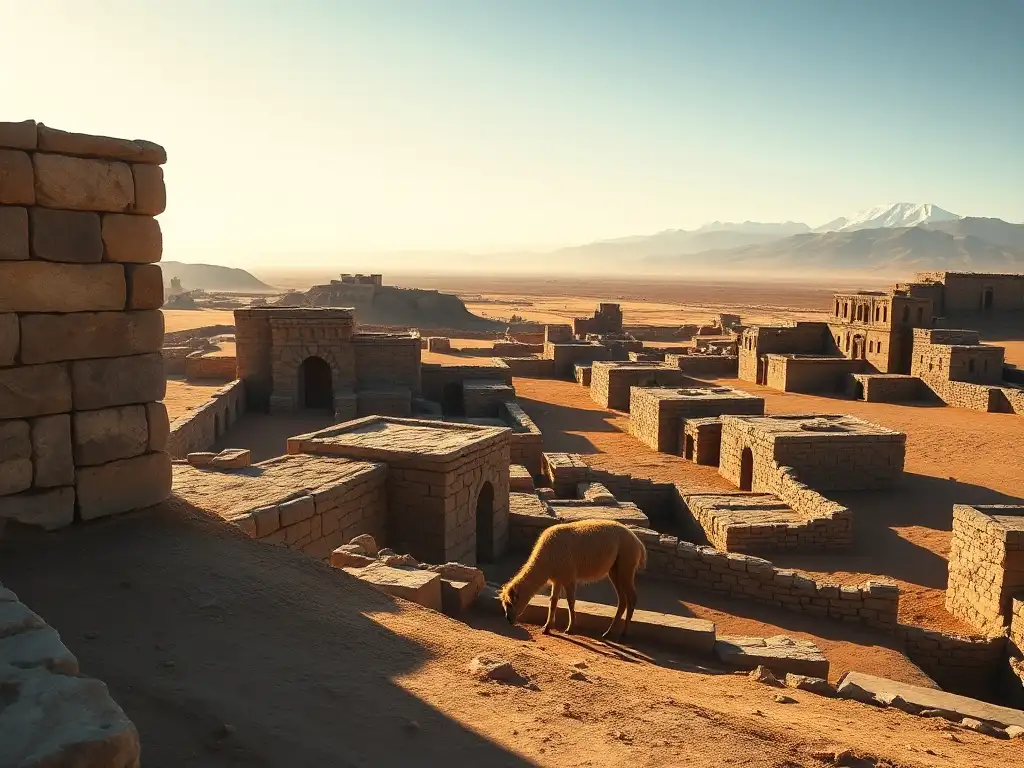
Welcome, explorer! Prepare to be captivated by the enigmatic world of the Andean civilizations. Journey with us through millennia of breathtaking artistry, innovative engineering, and complex social structures. But first, let's unravel the mysteries surrounding the Wari civilization and its remarkable city, Pikillaqta. Discover a history steeped in intrigue and power – a legacy that continues to whisper secrets from the Andes. Are you ready to uncover its hidden stories?
The Wari civilization, a powerful pre-Inca empire flourishing in the Andes from roughly 700 to 1000 CE, left an indelible mark on the region's history and culture. Their influence extended across a vast territory, encompassing modern-day Peru and parts of Bolivia, Ecuador, and Chile. This article delves into the fascinating legacy of the Wari, focusing specifically on Pikillaqta, a remarkably well-preserved city that offers invaluable insights into their urban planning, social structures, and daily life.
Understanding Pikillaqta is key to comprehending the complexity and sophistication of the Wari civilization and its lasting impact on subsequent Andean cultures, particularly the Inca. This exploration will uncover the mysteries surrounding this intriguing archaeological site, revealing the remarkable achievements of the Wari and their enduring contribution to the rich tapestry of Andean history.
We will analyze its unique architectural features, explore its potential functions, and consider its significance within the broader context of the Wari empire. Prepare to journey back in time and uncover the secrets held within the ancient stones of Pikillaqta!
Understanding the Wari Civilization and Its Influence
The Wari, unlike the Inca who followed, did not build a capital city in the traditional sense. Instead, they established a vast network of administrative centers and strategically located settlements across their expansive empire. Their influence was felt through a complex system of control, likely involving a combination of military might, economic leverage, and ideological imposition.
Archaeological evidence suggests a highly organized society with sophisticated agricultural techniques, including extensive terracing and irrigation systems, enabling them to support a large population. Their mastery of ceramics, textiles, and metallurgy is also well-documented, with distinctive styles and techniques that helped to unify their diverse territories. The Wari also played a crucial role in shaping the religious beliefs and practices of later Andean cultures, with certain iconographic motifs and ritualistic elements persisting long after their empire's decline.
Their impact on the Inca is particularly significant, with some scholars suggesting that the Inca state may have adopted certain administrative and organizational principles from the Wari. Understanding the Wari is essential for fully grasping the development of Andean civilization.
Pikillaqta: A Unique Wari Urban Center
Pikillaqta, meaning "flea city" in Quechua, is a sprawling archaeological site located near Cusco, Peru. Unlike many other Wari sites characterized by monumental architecture, Pikillaqta presents a unique urban layout. It consists of a vast complex of interconnected rectangular structures built from adobe bricks, arranged in a grid-like pattern. This seemingly simple design belies a sophisticated understanding of urban planning, suggesting a carefully considered approach to organization and functionality. The city's layout is notable for its uniformity and efficiency, hinting at a centralized administrative system.
Further research is needed to fully understand the city's social structure and the roles of its different sections. The absence of large monumental structures, unlike other Wari sites, raises questions about its function within the broader empire. Was it primarily an administrative center, a military outpost, or perhaps a combination of both? The answers remain a subject of ongoing research and debate among archaeologists.
Architectural Features and Construction Techniques
The architecture of Pikillaqta demonstrates the Wari's advanced construction techniques and their understanding of engineering principles. The use of adobe bricks, a sun-dried mud brick, was widespread throughout the Wari empire. The precise methods employed in their construction, along with the remarkable preservation of many structures, are testament to the Wari's skill and knowledge.
The uniformity of the buildings, their consistent dimensions, and the precise alignment of the streets suggest meticulous planning and skilled labor. The structures themselves are relatively modest in size, but their arrangement and organization are key to understanding the city's overall function. Further studies of the building materials and construction techniques could reveal additional insights into the Wari's technological capabilities and social organization.
Detailed analysis of the surviving structures can provide valuable information about the city’s layout, its population density, and the daily lives of its inhabitants. The intricate details of the architecture, while often subtle, speak volumes about the sophistication of the Wari civilization.
The Significance of Pikillaqta in Wari History
The role of Pikillaqta within the broader context of the Wari empire is still being investigated. Some scholars suggest it served as a crucial administrative center, managing resources and controlling surrounding regions. Others propose it played a more strategic military role, given its location near important trade routes and potential defensive capabilities.
The lack of monumental architecture, unlike other Wari sites, remains a significant point of discussion. Was it a deliberate choice reflecting a different administrative or social function? The ongoing research at Pikillaqta continues to yield new insights, challenging existing assumptions and enriching our understanding of the Wari civilization.
The city's relatively well-preserved state provides a unique opportunity to study Wari urban planning, social structures, and daily life in greater detail. Further excavation and analysis are crucial to unraveling the mysteries of Pikillaqta and its place in Wari history. The site continues to provide valuable information, challenging existing narratives and shaping our understanding of this remarkable civilization.
- Understanding the Wari Civilization and Its Influence
- Pikillaqta: A Unique Wari Urban Center
- Architectural Features and Construction Techniques
- The Significance of Pikillaqta in Wari History
Pikillaqta: A Window into Wari Urban Planning
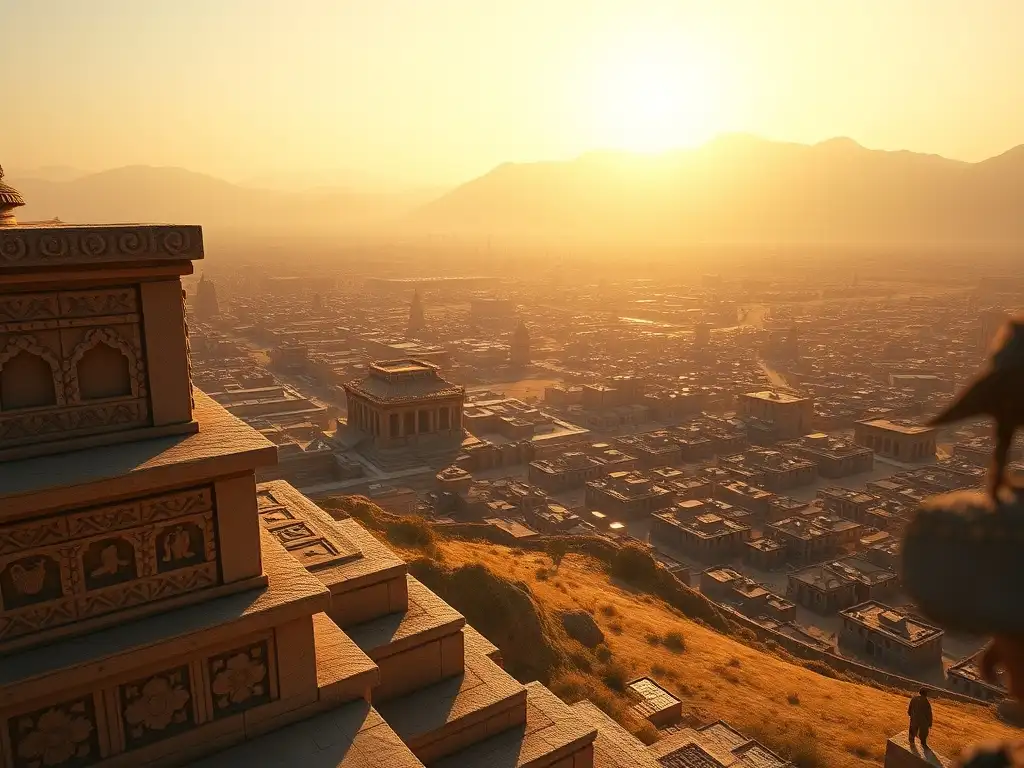
The Wari civilization, flourishing in the Andes from roughly 700 to 1000 CE, left behind a remarkable legacy, and a crucial part of understanding their societal structure and advanced urban planning is found in Pikillaqta. This impressive archaeological site, located near Cusco, Peru, offers unparalleled insights into the Wari's sophisticated approach to urban design and societal organization. Unlike many other Wari sites characterized by dispersed settlements, Pikillaqta presents a concentrated urban center, showcasing a level of planning and execution rarely seen in pre-Columbian Andean societies.
The strategic location of Pikillaqta, high in the Andes with commanding views of the surrounding valleys, suggests a deliberate choice for administrative and possibly military control. This strategic placement, coupled with the city's sophisticated infrastructure, underscores the Wari's mastery of logistics and resource management. Studying Pikillaqta allows us to unravel the complexities of the Wari civilization's administrative capabilities and their impact on the broader Andean region.
The meticulous arrangement of buildings, the intricate water management systems, and the overall layout of the city all speak to a highly organized and centralized society. Understanding Pikillaqta is key to comprehending the Wari civilization's influence and its lasting impact on subsequent Andean cultures. The sheer scale of the site, combined with the sophistication of its construction, continues to fascinate archaeologists and historians alike, offering a wealth of information about the Wari's engineering prowess and urban planning expertise.
The Architectural Marvel of Pikillaqta: Wari City Planning
Pikillaqta's architecture is a testament to the Wari's advanced understanding of engineering and urban design. The city is characterized by a grid-like layout, a feature uncommon in pre-Columbian Andean urban planning. This grid system, with its precise alignment of streets and buildings, facilitated efficient movement and resource distribution throughout the city. The buildings themselves, primarily constructed from adobe brick, were remarkably uniform in size and design, suggesting a degree of standardization and centralized control over construction processes.
Furthermore, the use of sophisticated techniques, such as the incorporation of drainage systems within the walls, showcases the Wari's understanding of hydraulic engineering and their commitment to creating a functional and sustainable urban environment. Researchers have identified various types of structures within Pikillaqta, indicating a differentiated social hierarchy. Some buildings were clearly larger and more elaborately constructed than others, suggesting different levels of social status and power within the Wari society.
The city's layout and architectural features provide compelling evidence for a centralized administration responsible for coordinating construction, resource allocation, and overall urban management. The scale and complexity of Pikillaqta stand in stark contrast to earlier Andean settlements, highlighting the Wari's significant contribution to urban development in the region. Analysis of the construction techniques and materials used in Pikillaqta further reveals the Wari's mastery of local resources and their ability to adapt to the challenging Andean environment.
Decoding the Function of Pikillaqta: What Did the Wari Use it For?
While the precise function of Pikillaqta remains a subject of ongoing research and debate among specialists in Wari civilization Pikillaqta history, several hypotheses have emerged. The most prominent theory suggests that Pikillaqta served as an administrative center, a hub for managing the Wari empire's vast resources and controlling its extensive network of conquered territories. The city's strategic location and its well-organized infrastructure support this hypothesis. The uniformity of the buildings and the presence of what appear to be storage facilities suggest a system for collecting and distributing goods from throughout the empire. Another theory proposes that Pikillaqta may have served a military function, possibly acting as a strategic garrison or a training center for the Wari army.
Its elevated position and defensible location certainly lend credence to this idea. However, the lack of obvious defensive fortifications suggests that its primary purpose was not solely military. A third hypothesis suggests that Pikillaqta could have been a ceremonial center, a place for religious rituals and important state events. Further research, including more detailed analysis of the artifacts recovered from the site, is needed to determine the exact nature and extent of the site's religious significance. It's also possible that Pikillaqta fulfilled multiple functions simultaneously, serving as an administrative, military, and ceremonial center.
The complex interplay of these different roles likely shaped the city's development and its overall significance within the Wari empire. The ongoing archaeological investigations at Pikillaqta continue to shed light on this fascinating site and its role within the broader context of Wari civilization. Uncovering more data will be vital to understanding the true purpose of this remarkable city. The mystery surrounding Pikillaqta's function only adds to its allure and underscores the importance of continued research into this remarkable window into Wari civilization.
Exploring Pikillaqta: A Visitor's Guide
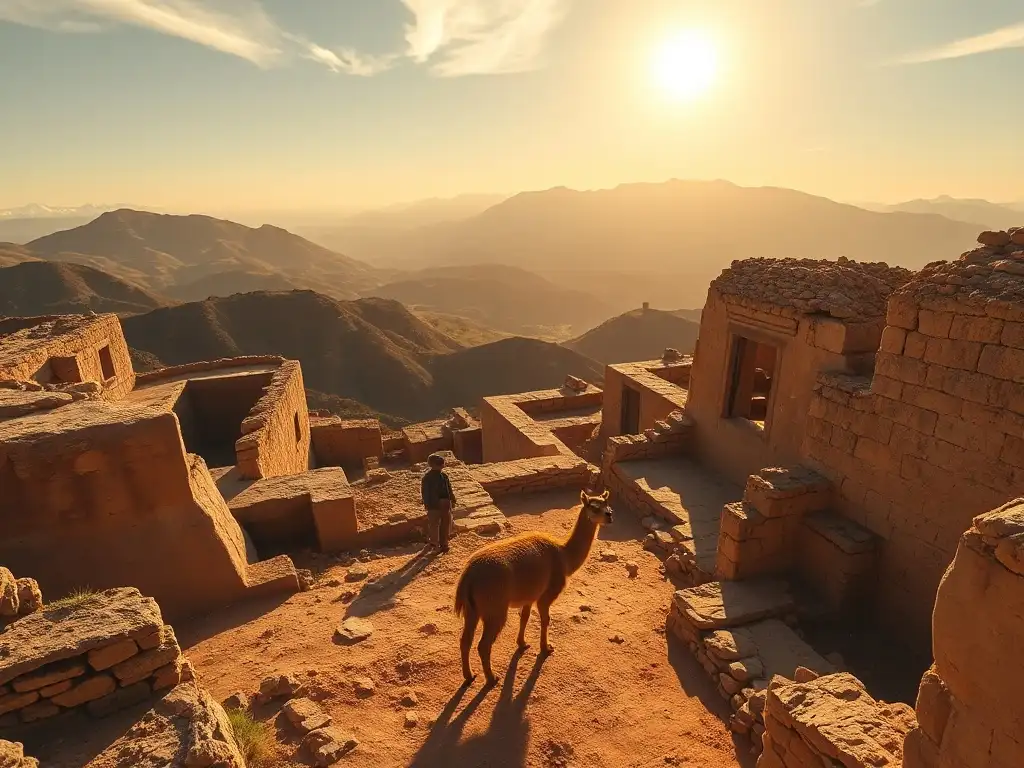
This section provides essential information for planning a visit to Pikillaqta, the remarkable Wari civilization site near Cusco, Peru. Understanding the logistics beforehand will significantly enhance your experience exploring this fascinating archaeological marvel. We aim to equip you with the knowledge necessary to fully appreciate the history and significance of this important Wari civilization site, contributing to your understanding of Wari civilization Pikillaqta history.
Planning Your Visit to Pikillaqta: Essential Information
Before embarking on your journey to Pikillaqta, careful planning is crucial. Consider these key factors:
- Accessibility: Pikillaqta is located approximately 30 kilometers southeast of Cusco. While accessible by car, consider hiring a taxi or joining a guided tour, especially if you're unfamiliar with the area. Public transportation options may be limited and less convenient. The journey itself offers stunning views of the Andean landscape, adding to the overall experience.
- Timing: The best time to visit is during the dry season (May to September), when the weather is generally clear and sunny. However, even during the dry season, be prepared for potential rain showers, especially in the afternoons. Remember to check the weather forecast before you go.
- Entrance Fees: There's an entrance fee to access the site. The exact cost may vary, so it's advisable to check with local tourism authorities or your tour operator well in advance to avoid surprises.
- Duration of Visit: Allow at least 2-3 hours to explore Pikillaqta thoroughly. This allows ample time to appreciate the layout, the architectural features, and the panoramic views. More time can be allocated if you opt for a guided tour, which is highly recommended for a deeper understanding of the site's history and significance within the broader context of Wari civilization Pikillaqta history.
- What to Bring: Essential items include comfortable walking shoes (the terrain can be uneven), sunscreen, a hat, sunglasses, water, and a light jacket or sweater, as temperatures can fluctuate throughout the day. A camera is a must to capture the breathtaking scenery and the intricate details of the archaeological remains.
What to See at Pikillaqta: Key Archaeological Features
Pikillaqta, meaning "flea's town" in Quechua, reveals a sophisticated urban planning system characteristic of the Wari civilization. Key features to look out for include:
- Residential Areas: Explore the well-preserved residential sectors, observing the uniformity in the construction of the buildings, which suggests a highly organized society. Notice the intricate arrangement of the structures, reflecting a planned urban design. The precise function of some structures remains a subject of ongoing research, adding to the mystery and allure of the site.
- Administrative Buildings: Identify the larger, more imposing structures believed to have served administrative purposes. These buildings often feature more elaborate architectural details and may have housed important officials or elite members of the Wari society. Their size and placement within the city highlight the hierarchical nature of Wari society.
- Canals and Irrigation Systems: Observe the remnants of the sophisticated irrigation system that supported the city's population. The ingenious network of canals demonstrates the Wari's advanced engineering skills and their ability to manage water resources effectively in the challenging Andean environment. This aspect is crucial in understanding their agricultural practices and their capacity for sustaining a large urban population.
- Defensive Structures: Examine the defensive features, such as walls and strategic placement of buildings, showcasing the Wari's concern for security and protection. These structures provide insights into the potential threats faced by the city and the measures taken to ensure its safety. The study of these features contributes significantly to our understanding of Wari civilization Pikillaqta history.
| Feature | Description | Significance |
|---|---|---|
| Residential Areas | Uniformly constructed buildings suggesting organized society. | Reflects social organization and urban planning. |
| Administrative Buildings | Larger structures with elaborate details, likely housing elites. | Highlights the hierarchical structure of Wari society. |
| Canals & Irrigation | Sophisticated water management system. | Demonstrates advanced engineering and agricultural practices. |
| Defensive Structures | Walls and strategic building placement for security. | Shows concern for protection and potential threats faced by the city. |
Experiencing Pikillaqta: Tips for an Immersive Visit
To fully appreciate your visit to Pikillaqta, consider these tips:
- Hire a Guide: A knowledgeable guide can significantly enhance your understanding of the site's history, architecture, and significance within the broader context of Wari civilization. They can bring the past to life, providing valuable insights and answering your questions.
- Engage Your Senses: Take the time to absorb the atmosphere of the site. Feel the texture of the ancient stones, imagine the sounds of daily life in this bustling city, and visualize the people who once inhabited this place.
- Respect the Site: Remember that Pikillaqta is a precious historical site. Refrain from touching or damaging any structures or artifacts. Help preserve this invaluable piece of Andean heritage for future generations. This respect is essential in appreciating the significance of Wari civilization Pikillaqta history.
- Reflect on the Legacy: As you explore Pikillaqta, take a moment to reflect on the remarkable achievements of the Wari civilization and their lasting impact on Andean culture. This reflection will enrich your understanding of the site and its place within the broader narrative of Andean history. Understanding this legacy contributes significantly to appreciating Wari civilization Pikillaqta history.
Enjoy your exploration of Pikillaqta! 🗺️
The Significance of the Wari Pikillaqta History: Why It Matters Today
The Wari civilization, flourishing between the 6th and 10th centuries CE, left an indelible mark on the Andean landscape. Pikillaqta, one of their most impressive urban centers, stands as a testament to their sophisticated urban planning and administrative capabilities. Understanding the Wari civilization's history, particularly through the lens of Pikillaqta, offers valuable insights into pre-Columbian Andean societies and their remarkable achievements. The site's significance extends beyond its archaeological value; it provides crucial context for understanding the development of later Andean empires, such as the Inca.
The careful study of Pikillaqta's architecture, infrastructure, and even the distribution of artifacts within the city sheds light on the Wari's social structure, economic organization, and political power. This knowledge helps us to better appreciate the complexity and ingenuity of this remarkable civilization. The meticulous planning evident in Pikillaqta's layout, with its organized residential sectors and administrative buildings, suggests a highly centralized and efficient system of governance. This advanced level of urban planning was unprecedented in the Andes at the time, showcasing the Wari's remarkable organizational skills and their ability to manage a vast and diverse population.
The sheer scale of Pikillaqta, encompassing a sprawling complex of structures, also speaks volumes about the Wari's capacity for large-scale construction projects and their ability to mobilize significant human and material resources. In essence, studying Pikillaqta helps us understand not only the Wari civilization but also the broader trajectory of Andean urban development and the evolution of state-level societies in the region. Further investigation into the Wari's sophisticated irrigation systems and agricultural practices, clearly visible in the surrounding landscape, reveals the intricate relationship between urban centers and their hinterlands.
The Lasting Impact of the Wari: Lessons for the Modern World
The Wari civilization's legacy extends far beyond its physical remains. The sophisticated urban planning of Pikillaqta, for instance, demonstrates the importance of strategic resource management and efficient infrastructure in supporting a large population. This is a lesson relevant even today, as cities worldwide grapple with issues of sustainability and resource allocation. The Wari's ability to integrate diverse populations within a unified political system offers valuable insights into successful multiculturalism and the challenges of maintaining social cohesion within a large empire.
Their advanced agricultural techniques, which allowed them to support a dense urban population, highlight the crucial role of innovation in ensuring food security. These aspects of Wari society are particularly relevant in the context of contemporary concerns regarding climate change, population growth, and sustainable development. The Wari’s achievements underscore the importance of investing in infrastructure, promoting innovation, and fostering inclusive governance structures to ensure the long-term viability of societies. Studying the rise and fall of the Wari empire also offers valuable historical perspective on the factors that contribute to both societal success and decline.
Analyzing the political and economic factors that led to the Wari's eventual collapse allows us to identify potential pitfalls and develop strategies for building more resilient and sustainable societies in the future. By understanding the challenges faced by the Wari, we can gain a deeper appreciation for the complexities of empire building and the importance of adapting to changing circumstances. The Wari's story serves as a powerful reminder that even the most advanced civilizations are not immune to the forces of change and that careful planning and adaptation are crucial for long-term survival.
Further Research on the Wari Civilization: Expanding Your Knowledge
Further research into the Wari civilization and Pikillaqta can follow several promising avenues. Detailed analysis of the ceramic artifacts unearthed at Pikillaqta could provide further insights into the Wari's social structure, trade networks, and religious beliefs. Comparative studies with other contemporary Andean societies can help contextualize the Wari's achievements and identify unique aspects of their culture. Advanced techniques like GIS mapping and 3D modeling can be employed to create more accurate and comprehensive representations of Pikillaqta's layout and infrastructure, revealing further details about its urban organization.
Investigating the surrounding agricultural landscapes and irrigation systems can offer a more complete picture of the Wari's economic strategies and their relationship with the environment. Moreover, exploring the potential connections between the Wari and later Andean civilizations, such as the Inca, can help illuminate the continuity and change in Andean cultural traditions. The study of Wari textiles, metalwork, and other craft traditions can shed light on their artistic achievements and their interactions with neighboring societies.
Finally, a deeper understanding of the Wari writing system, if one existed, could unlock a wealth of new information about their history, beliefs, and societal organization. The potential for new discoveries and interpretations makes the study of the Wari civilization a vibrant and ongoing field of research, constantly enriching our understanding of Andean history and culture. The meticulous study of Pikillaqta, in particular, remains crucial for unlocking the secrets of this fascinating and influential civilization.
Frequently Asked Questions
What is Pikillaqta?
Pikillaqta is a remarkable archaeological site located near Cusco, Peru. It's considered a key administrative center of the Wari Empire, showcasing their impressive urban planning and engineering skills. It offers valuable insights into Wari society and its influence.
How significant was the Wari civilization?
The Wari civilization was extremely influential in the Andes, predating the Inca. They established a vast empire through military might and sophisticated administrative systems, leaving a lasting impact on subsequent Andean cultures. Their urban planning was particularly advanced for its time.
What makes Pikillaqta unique?
Pikillaqta's unique features include its grid-like urban layout, uniform rectangular structures, and sophisticated water management systems. Unlike other Wari sites, it shows evidence of planned urban development, demonstrating a high level of state control.
What is the current state of Pikillaqta?
Pikillaqta is currently an active archaeological site, undergoing ongoing research and preservation efforts. While much remains to be discovered, excavations continue to reveal more about the city's layout, function, and the lives of its inhabitants.
How can I learn more about Pikillaqta and the Wari civilization?
You can explore museums with Wari artifacts, visit the site of Pikillaqta itself, and consult academic publications and documentaries focusing on the Wari Empire and its urban centers. Numerous books and online resources are available.
Final Reflection: Echoes of Pikillaqta: A Legacy That Still Speaks
The meticulous urban planning and sophisticated irrigation systems of the Wari civilization, as exemplified by Pikillaqta, offer a powerful counterpoint to modern urban challenges. Their ingenuity in resource management and community organization remains a testament to the enduring human capacity for innovation and adaptation, even in the face of environmental pressures and societal shifts. The lessons learned from their successes and failures are strikingly relevant today.
The enduring mystery surrounding the Wari's ultimate decline only serves to amplify the significance of their achievements. Their legacy extends beyond the impressive ruins of Pikillaqta; it resonates in the very fabric of Andean culture, influencing subsequent civilizations and shaping the landscape itself. The past is never dead. It's not even past.
– William Faulkner. This quote perfectly encapsulates the ongoing relevance of the Wari, whose influence continues to shape our understanding of Andean history and the resilience of human societies. The echoes of their civilization reverberate through the mountains, reminding us of the interconnectedness of past and present.
Consider, for a moment, the ingenuity of the Wari's architectural feats and their sophisticated understanding of water management. How can we apply their lessons in our own approach to sustainable urban development and resource allocation? Let the legacy of Pikillaqta inspire you to seek innovative solutions to the challenges facing our world today. Embrace the spirit of ingenuity and collaboration that characterized the Wari, and let their story ignite a passion for preserving and learning from the rich tapestry of human history.
**Unveil the Mysteries of Pikillaqta! **
Thank you for exploring the fascinating world of the Wari civilization with us! Discovering the city of Pikillaqta offers invaluable insights into this ancient Andean culture, significantly enriching our understanding of the region's history. Now, let's deepen your connection to this remarkable heritage.
Here are some ways to further explore the legacy of Pikillaqta:
- **Take a guided tour** of Pikillaqta or a similar archaeological site to experience the Wari's remarkable achievements firsthand.
- **Share your discoveries** with friends and family, or on social media, inspiring others to learn about the rich history of Andean civilizations.
- **Attend local events or workshops** focused on Wari history and culture to connect with fellow enthusiasts and expand your knowledge.
Reflecting on the wonders of Pikillaqta, what aspect of Wari culture most captivates you, and how will you integrate this newfound knowledge into your own life?