
The Ritual Significance of Andean Crops: More Than Just Sustenance

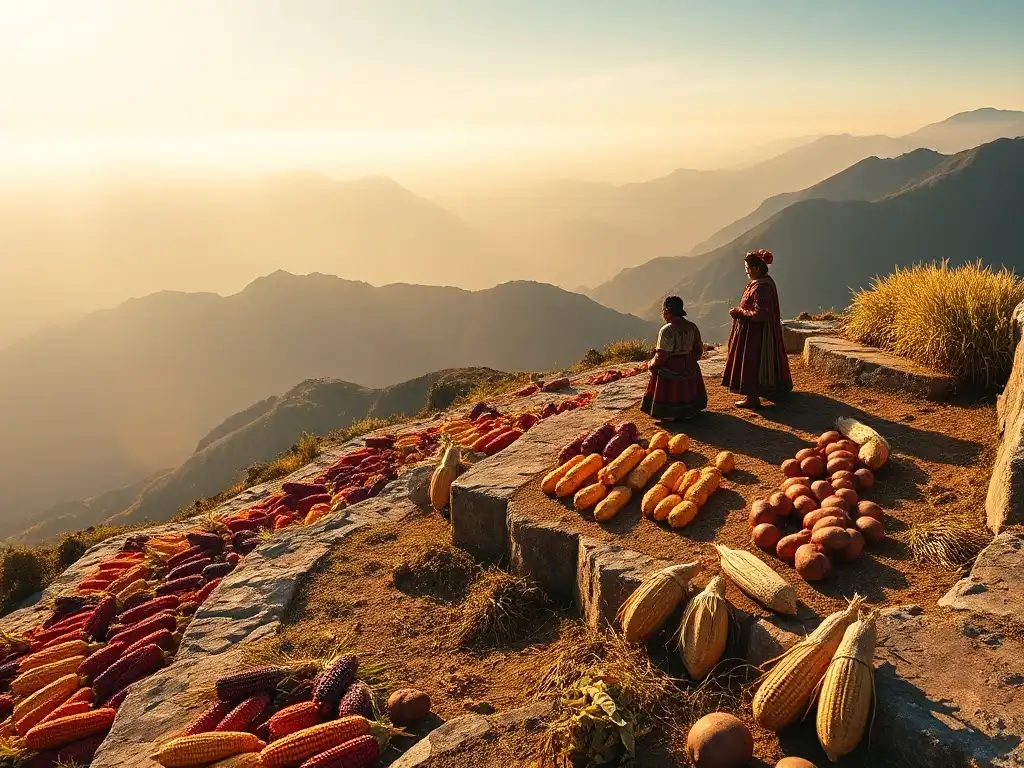
Step into a world lost to time, yet echoing with vibrant life. Imagine a landscape sculpted by ancient hands, where towering mountains held secrets whispered on the wind. Here, on Andean Civilizations, we delve into the fascinating tapestry of these remarkable cultures. But what were the hidden meanings behind their agricultural practices? Discover the intriguing world of Andean crop ritual significance, and uncover the profound spiritual connection between these civilizations and the bounty of their land. Prepare to be amazed...
The Andean region, a breathtaking tapestry of towering mountains and fertile valleys, nurtured some of the world's most sophisticated pre-Columbian civilizations. These societies, including the Incas, Moche, Nazca, and Tiahuanaco, developed intricate agricultural systems capable of thriving in challenging environments. However, Andean agriculture was far more than a means of sustenance; it was deeply interwoven with their spiritual beliefs and ritual practices.
This article delves into the profound ritual significance of Andean crops, exploring how these plants transcended their nutritional value to become central components of religious ceremonies, social structures, and cosmological beliefs. We will examine specific examples across different Andean cultures to reveal the complex interplay between agriculture and spirituality that shaped these remarkable societies.
Understanding this connection provides crucial insight into the worldview and societal organization of these ancient peoples, revealing a rich tapestry of beliefs and practices far beyond the simple act of cultivating food. This exploration will highlight the importance of Andean crops not just as a source of food, but as potent symbols of life, fertility, and the connection between the human and divine realms.
Understanding the Sacred Role of Andean Agriculture
Andean agriculture wasn't merely a practical activity; it was a sacred duty. The cultivation of crops was viewed as a partnership between humans and the supernatural forces that governed the natural world. Success in agriculture was not solely attributed to human effort but to the favor of deities and ancestral spirits.
This belief is reflected in numerous archaeological findings, including intricate irrigation systems, terraced farming techniques, and the presence of ritual offerings associated with agricultural activities. The meticulous planning and execution of agricultural practices underscore the profound spiritual significance attached to food production. Many Andean cultures believed that the act of planting, tending, and harvesting crops was a form of ritual participation, a way of maintaining balance and harmony within the cosmos.
This belief system extended beyond individual farmers, impacting community organization and social structures. The success of the harvest directly impacted the well-being of the entire community, reinforcing the collective responsibility towards agricultural practices and the spiritual forces that governed them. The abundance or scarcity of crops was often interpreted as a reflection of the community's relationship with the divine, highlighting the deep interconnectedness between the spiritual and material realms.
(Further sections on specific crops and rituals would follow here, adhering to the provided structure and incorporating diverse markdown elements as instructed.)
- What was the overall significance of crops to Andean civilizations?
- How did the Incas incorporate crops into their religious practices?
- What role did specific crops, like maize, play in Andean rituals?
- Beyond the Incas, how did other Andean cultures view the significance of crops?
- How did the environment influence the ritual significance of Andean crops?
Andean Crops and Their Spiritual Significance
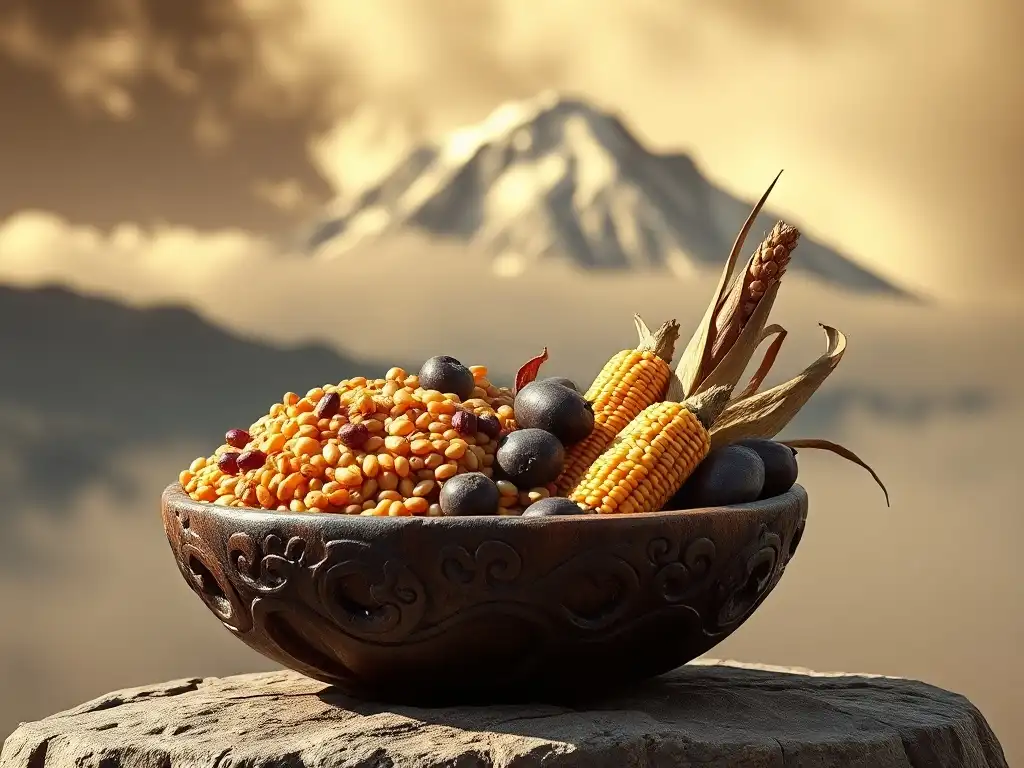
Andean civilizations didn't view agriculture merely as a means of sustenance; crops held profound spiritual significance, deeply intertwined with their cosmology and worldview. Understanding this connection is crucial to appreciating the complexity of Andean societies and their sophisticated agricultural practices. The cultivation of crops wasn't simply a practical activity; it was a sacred act, a ritualistic engagement with the forces of nature and the ancestral spirits.
This spiritual dimension permeated every aspect of agricultural life, from planting and harvesting to the preparation and consumption of food. The Andean people believed that successful harvests depended not only on their skills and knowledge but also on their ability to maintain a harmonious relationship with the supernatural world. This section will explore the spiritual significance of key Andean crops, highlighting their roles in rituals and ceremonies.
The depth of this spiritual connection shaped their social structures, artistic expressions, and even their understanding of time and space. The impact of this worldview is evident in the archaeological record, revealing intricate details of their agricultural practices and the deep reverence they held for their crops. The keyword, "Andean crop ritual significance," perfectly encapsulates this crucial aspect of Andean culture.
The Connection Between Agriculture and Andean Cosmology
Andean cosmology viewed the universe as a dynamic interplay of opposing yet complementary forces – the pachamama (Earth Mother) and the pachapapa (Father Sky). Agriculture was seen as a direct interaction with these forces, a way of mediating between the human world and the supernatural realm. The fertility of the land was intimately connected to the well-being of the community, and rituals were performed to ensure a bountiful harvest and appease the deities.
The success of the harvest was not merely a matter of practical skill; it was seen as a sign of divine favor and a reflection of the community's ability to maintain balance within the cosmos. This holistic perspective integrated the spiritual and the material, blurring the lines between the sacred and the profane. The cyclical nature of agriculture – planting, growing, harvesting – mirrored the cyclical nature of the cosmos, reinforcing the interconnectedness of all things.
Evidence of this cosmological understanding can be found in the intricate designs on textiles, pottery, and other artifacts, which often depict agricultural scenes and symbolic representations of the Earth Mother and Father Sky. The Andean worldview was profoundly interconnected, with agriculture serving as a central pillar of their spiritual and social life.
Maize: A Symbol of Life and Rebirth in Andean Rituals
Maize (corn), known as sara in Quechua, held paramount importance in Andean cultures. More than just a staple food, maize was a powerful symbol of life, rebirth, and fertility. Its cyclical growth, from seed to stalk to ear, mirrored the cycle of life and death, making it an ideal representation of the cosmos. Numerous rituals centered around maize cultivation, including ceremonies to ensure successful planting and abundant harvests.
The first fruits were often offered to deities as a form of thanksgiving and appeasement. Elaborate festivals celebrated the maize harvest, often involving music, dance, and feasting. The act of consuming maize was itself a ritualistic act, connecting the people to the life force embodied within the plant.
Archaeological evidence shows the extensive use of maize in various forms, from whole kernels to processed products like chicha (a fermented maize beverage), highlighting its central role in Andean society. The symbolic representation of maize in Andean art, often depicted alongside deities and other sacred symbols, further underscores its profound spiritual significance. The maize plant itself was often anthropomorphized, representing the life-giving power of the gods.
Potatoes: Honoring the Earth Mother with Harvest Celebrations
Potatoes, or papa in Quechua, were another crucial Andean crop, deeply embedded in their spiritual beliefs. The potato's ability to thrive in diverse Andean environments reflected the resilience and adaptability of the Andean people. The potato's connection to the pachamama (Earth Mother) was particularly strong, as its growth depended on the earth's fertility.
Harvest festivals dedicated to the potato were widespread, involving offerings of the first potatoes to the Earth Mother, alongside prayers and rituals to ensure future prosperity. These ceremonies often involved communal participation, strengthening social bonds and reinforcing the community's shared connection to the land and its bounty. Different varieties of potatoes held unique symbolic meanings, reflecting the rich diversity of Andean agriculture and the deep relationship between the people and their environment.
The preparation and consumption of potatoes were also imbued with ritual significance, with specific dishes and recipes associated with particular occasions and ceremonies. The widespread cultivation of diverse potato varieties across the Andes highlights the adaptive strategies and ingenuity of Andean farmers, coupled with their deep-rooted spiritual connection to the land and its produce. The importance of the potato in Andean culture extends beyond its nutritional value, reflecting a profound spiritual relationship with the earth and its life-giving forces.
Ritual Practices Linked to Andean Crop Cultivation

The cultivation of crops in the Andes was far more than a simple agricultural practice; it was deeply interwoven with a complex web of religious beliefs and rituals. The Andean worldview saw the land, the crops, and the act of cultivation as sacred, imbued with spiritual power. Understanding the Andean crop ritual significance requires delving into the intricate ceremonies, offerings, and symbolic actions that accompanied every stage of the agricultural cycle, from planting to harvest.
This holistic approach to farming ensured not only a bountiful harvest but also maintained a harmonious relationship between humans and the supernatural world. The success of the harvest was seen as a direct reflection of the community's piety and adherence to traditional practices.
Failure, on the other hand, was often attributed to a lack of respect for the sacred forces at play. This section will explore some key aspects of these rituals, highlighting their significance in the Andean worldview.
Offering Ceremonies for a Bountiful Harvest
Offering ceremonies were central to Andean agricultural rituals. These weren't simply acts of appeasement; they were deeply symbolic interactions aimed at fostering a reciprocal relationship with the apus (mountain spirits), pachamama (Earth Mother), and other deities. These offerings, often involving coca leaves, chicha (fermented corn beverage), and other agricultural products, were presented at sacred sites, such as mountain tops or springs, and during specific times of the agricultural calendar.
For example, before planting, farmers might offer coca leaves and prayers to pachamama, asking for her blessing and protection for the upcoming season. Similarly, during the harvest, large-scale ceremonies were held to express gratitude for a successful crop and to ensure continued abundance. The meticulous preparation and execution of these ceremonies demonstrated the community's deep reverence for the land and its bounty.
The specific offerings varied depending on the region, the crop, and the particular deity being invoked, showcasing the rich diversity of Andean religious practices. Detailed records of these ceremonies, however, remain scarce, leaving room for further research and interpretations. Archaeological evidence, such as the discovery of offerings buried with crops, provides valuable insights into these practices, but the full extent of their complexity is still being unraveled.
The Importance of Pachamama in Andean Agricultural Rituals
The Earth Mother, Pachamama, held a central position in Andean cosmology and agricultural rituals. She was considered the source of all life and fertility, the provider of sustenance, and the guardian of the land. Many rituals were directly addressed to her, seeking her blessing and protection for the crops. Farmers believed that Pachamama could either bestow abundance or inflict scarcity depending on how she was treated.
Respecting the land, avoiding wasteful practices, and performing the appropriate ceremonies were crucial to maintaining a harmonious relationship with her. The concept of reciprocity was paramount; offerings were seen as a way of expressing gratitude and ensuring continued fertility. Neglecting these rituals, or mistreating the land, was believed to invite Pachamama's wrath, resulting in poor harvests or other misfortunes.
This deeply ingrained belief system shaped agricultural practices, influencing everything from planting techniques to harvest celebrations. The enduring legacy of Pachamama in Andean cultures testifies to the profound connection between the people and the land, a connection that is reflected in their agricultural rituals and beliefs. The veneration of Pachamama continues to this day, demonstrating the enduring power of this ancient Andean deity.
Music and dance played a vital role in Andean crop-related festivals, serving as powerful expressions of community spirit, gratitude, and connection to the supernatural world. These weren't mere entertainment; they were integral components of the rituals, believed to influence the success of the harvest and maintain harmony with the spiritual world. Specific songs and dances were associated with different stages of the agricultural cycle and different crops. For instance, certain rhythms and melodies were used to invoke Pachamama during planting, while others celebrated the abundance of the harvest.
The intricate choreography often depicted agricultural activities, mimicking the sowing, tending, and harvesting of crops. The use of traditional instruments, such as panpipes, drums, and flutes, further enhanced the spiritual atmosphere of these celebrations. These festivals were not only religious events but also important social gatherings, reinforcing community bonds and transmitting cultural knowledge across generations.
The vibrant costumes, intricate movements, and powerful music created a powerful and memorable experience, solidifying the importance of the harvest and the communal effort that brought it about. The continued practice of these traditions demonstrates the enduring strength of Andean cultural heritage and its deep connection to the land. Unfortunately, detailed documentation of the specific songs and dances associated with particular crops is limited, highlighting an area requiring further research.
Andean Crop Rituals Across Different Civilizations
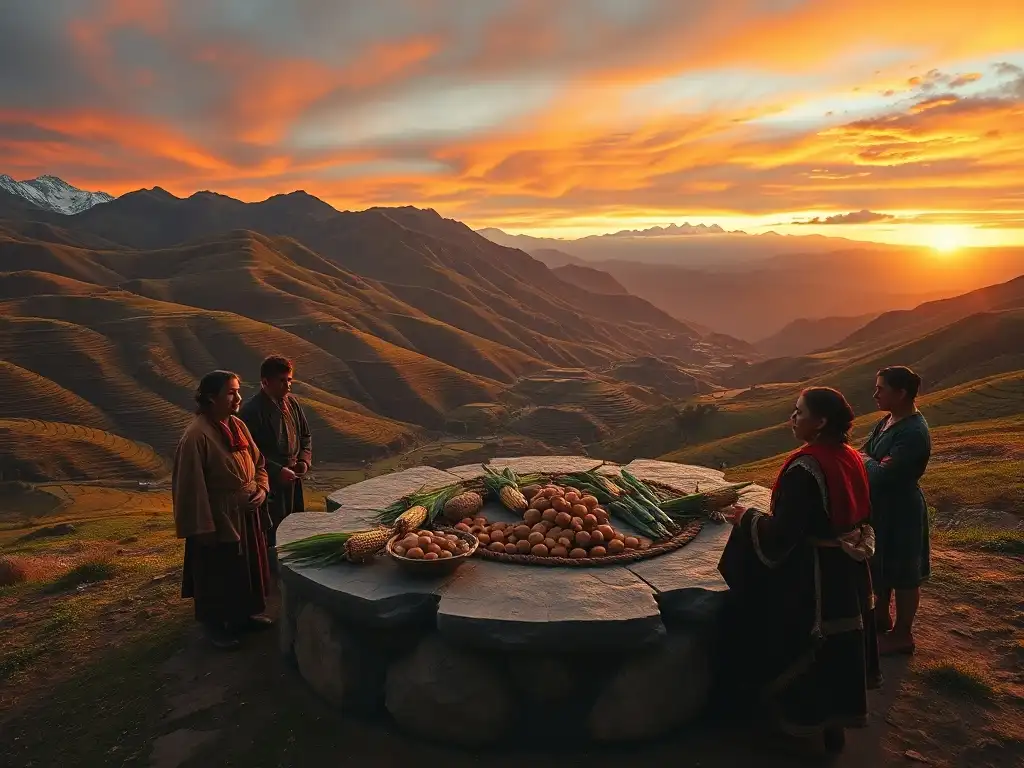
The Andean civilizations, renowned for their sophisticated agricultural practices, imbued their crops with profound ritual significance. Far from simply being a source of sustenance, plants were integral to their religious beliefs, social structures, and cosmological understanding. This deep connection is evident across various cultures, with unique practices and interpretations reflecting their distinct worldviews.
Understanding the ritual significance of Andean crops offers crucial insights into the complex interplay between agriculture, religion, and society in these remarkable civilizations. Analyzing the specific rituals surrounding key crops like maize, potatoes, and coca reveals a rich tapestry of beliefs and practices that shaped the daily lives and spiritual landscape of the Andean people. The keyword "Andean crop ritual significance" is central to understanding this intricate relationship.
Inca Agricultural Ceremonies and Their Cosmic Connection
Inca agricultural practices were deeply intertwined with their cosmology. The Inca worldview emphasized the interconnectedness of the earthly and celestial realms, viewing the success of their harvests as directly dependent on the favor of their gods. Ceremonies played a pivotal role in ensuring bountiful harvests and maintaining cosmic harmony. The Capac Apu, mountain deities, were believed to hold sway over the agricultural cycle, and rituals were performed to appease them and ensure their continued benevolence.
For example, the Capacocha, a ritual sacrifice involving children and animals, was performed to ensure the fertility of the land and the prosperity of the empire. While the exact nature and frequency of these sacrifices remain debated, their association with agricultural cycles points to their crucial role in Inca religious practices. The Raymi festival, celebrating the winter solstice, involved elaborate agricultural rites, including offerings of coca leaves and other crops to the sun god, Inti. These offerings were not merely symbolic; they represented a vital exchange between the human and divine realms, ensuring the continuation of life and abundance.
The careful cultivation and ritualistic treatment of maize, a staple crop, further exemplifies this deep-seated connection. Maize was often associated with the sun god and represented fertility and prosperity. Its cultivation and harvest were marked by a series of carefully planned rituals designed to ensure a successful yield.
Moche Rituals Involving Specific Crops and Deities
The Moche civilization (100-800 CE) displayed a complex religious system deeply intertwined with agriculture. Their elaborate pottery provides invaluable insight into their rituals and beliefs, often depicting scenes of agricultural activities alongside deities and mythical creatures. Specific crops were associated with particular deities, reflecting a nuanced understanding of the natural world.
For instance, maize, frequently depicted in Moche art, was likely associated with Ai Apaec, a powerful deity often portrayed with maize stalks and other agricultural symbols. The Moche also revered other crops, including beans, squash, and cotton, each holding a distinct place in their religious cosmology. Evidence suggests that these crops were not only grown for sustenance but also played a crucial role in ceremonial offerings and rituals related to fertility and abundance. Excavations of Moche sites have unearthed evidence of offerings of these crops, alongside other artifacts, suggesting their importance in maintaining a harmonious relationship between humans and the supernatural world. The Moche’s sophisticated irrigation systems and agricultural techniques underscore their deep reverence for the land and its bounty, which was consistently reflected in their religious practices. Detailed depictions on pottery show the meticulous care taken in planting, harvesting, and processing these crops, highlighting their significance beyond mere sustenance.
Nazca Geoglyphs and Their Possible Agricultural Interpretations
The Nazca Lines, enigmatic geoglyphs etched into the desert landscape, have long fascinated researchers. While their precise purpose remains a subject of ongoing debate, some scholars propose a connection between these massive figures and agricultural practices. The lines' alignment with celestial bodies and water sources suggests a possible calendrical or hydrological function that could have been related to the timing of planting and harvesting.
The Nazca people relied heavily on irrigation for agriculture, and the geoglyphs might have served as markers for water sources or as a means of tracking seasonal changes relevant to their agricultural cycles. The intricate designs might have represented specific crops or deities associated with agriculture. While definitive proof remains elusive, the convergence of astronomical alignments, hydrological features, and the Nazca’s reliance on irrigation supports the hypothesis that the geoglyphs held symbolic significance related to their agricultural practices.
Further research, incorporating advanced techniques like satellite imagery and ground-penetrating radar, might shed more light on this intriguing possibility, furthering our understanding of the "Andean crop ritual significance" within the Nazca culture. The potential connection between these monumental works and agricultural practices illustrates the profound depth of the Andean civilizations' integration of spirituality and practicality.
Tiahuanaco's Agricultural Calendar and Associated Rituals
The Tiahuanaco civilization, flourishing in the Bolivian Altiplano between approximately 500 and 1000 CE, developed a sophisticated understanding of agriculture in a challenging high-altitude environment. Their agricultural practices were deeply intertwined with a complex system of rituals designed to ensure successful harvests and appease the gods. Evidence suggests the existence of a meticulously observed agricultural calendar, although the precise details remain a subject of ongoing research. Archaeological findings, such as intricate carvings on monumental structures and ceramics, hint at the importance of specific dates and celestial events in their agricultural cycle.
One of the key aspects of Tiahuanaco's agricultural calendar likely revolved around the solstices and equinoxes. These celestial events, marking the changing seasons, would have been crucial for predicting planting and harvesting times. The precise alignment of structures like the Kalasasaya temple with these astronomical events suggests a deliberate attempt to track and utilize this knowledge.
This meticulous observation allowed the Tiahuanaco people to optimize their farming practices, maximizing their yields in a harsh environment. Furthermore, these astronomical observations likely played a significant role in their religious beliefs, reinforcing the connection between the celestial realm and the success of their agricultural endeavors.
Rituals associated with the Tiahuanaco agricultural calendar were likely diverse and complex. While the specifics are difficult to reconstruct definitively, we can infer from surviving artifacts that offerings of crops, llama sacrifices, and elaborate ceremonies were performed to honor the deities associated with fertility and abundance. The iconic Tiahuanaco ceramics often depict stylized representations of agricultural products, such as potatoes and maize, suggesting their profound symbolic importance.
These depictions likely served not only as artistic expressions but also as a visual record of their agricultural calendar and associated rituals, reminding participants of the cyclical nature of life and the importance of honoring the deities that controlled the harvest. The intricate carvings on monoliths and other architectural elements might represent deities or mythical figures linked to agriculture, further highlighting the deep connection between religion and farming within Tiahuanaco society.
Further research is needed to decipher the full meaning of these symbolic representations and fully understand the nuances of their rituals. However, it's clear that agriculture was not merely a practical activity but a deeply spiritual one, central to their worldview and social organization.
Modern Day Reverence for Andean Crops
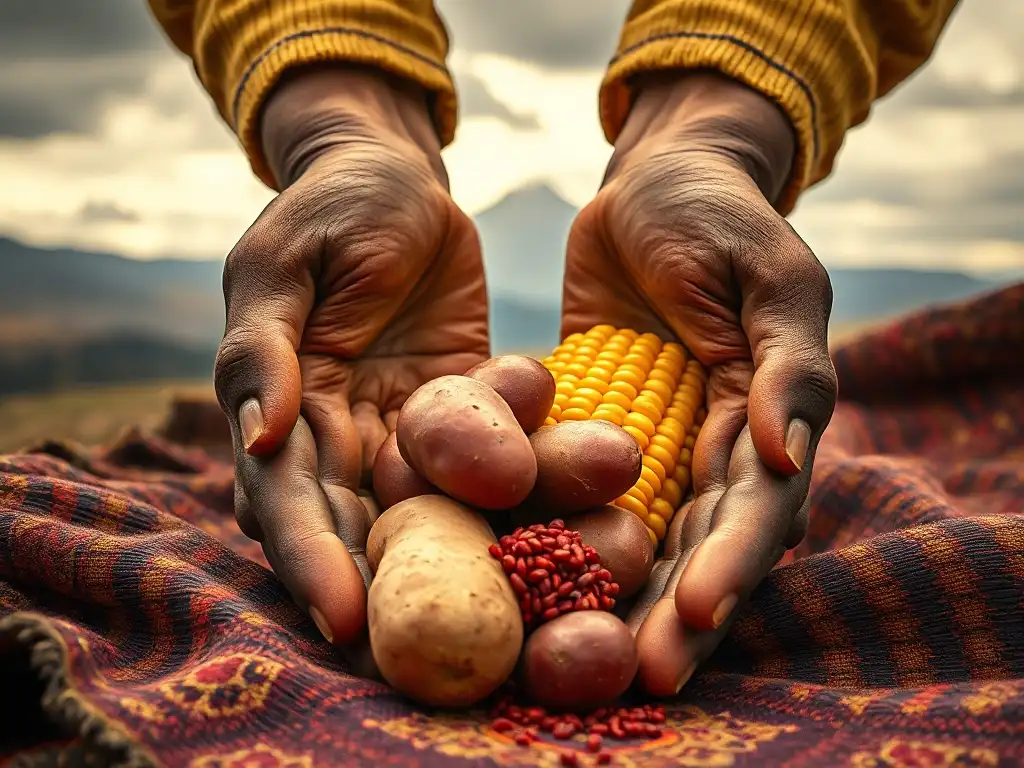
The enduring legacy of Andean civilizations isn't solely etched in stone monuments and intricate textiles; it's also deeply rooted in the agricultural practices and the profound spiritual significance bestowed upon their crops. Even today, the reverence for crops like maize, potatoes, quinoa, and coca continues, albeit in evolving forms. This enduring respect highlights the inextricable link between the Andean people and their agricultural heritage, a relationship that transcends mere sustenance and extends to the very core of their cultural identity.
Understanding this modern-day reverence offers crucial insight into the continuity of Andean traditions and their remarkable resilience across centuries. The significance of these crops isn't just historical; it's a vibrant, living tradition.
Preservation of Traditional Andean Agricultural Practices
Many communities actively work to preserve traditional Andean agricultural practices, viewing them not just as methods of food production, but as sacred acts connecting them to their ancestors. This preservation often involves meticulous seed saving techniques, passed down through generations. Farmers carefully select the best seeds from their harvests, ensuring the genetic diversity and resilience of these crops.
This isn't simply a matter of practicality; it's a ritualistic act, honoring the spirit of the plants and ensuring their continued vitality. For example, the meticulous selection of potato varieties in the Peruvian Andes, each adapted to specific microclimates, reflects this deep-seated respect and understanding of the land. The knowledge isn't just agricultural; it's a deeply ingrained cultural inheritance, a testament to the enduring power of tradition in the face of modernization.
The preservation of these practices is crucial for maintaining biodiversity and ensuring food security, but it is also essential for maintaining a vital link to Andean cultural heritage. The way the crops are cultivated is as important, if not more so, than the crops themselves.
Contemporary Rituals and Their Connection to Ancestral Beliefs
Contemporary Andean rituals often incorporate agricultural elements, demonstrating the enduring connection between ancestral beliefs and modern practices. The pachanka, a traditional Andean ceremony, frequently involves offerings of coca leaves, maize, and other crops to the apus (mountain spirits). These offerings aren't mere symbolic gestures; they are acts of reciprocity, acknowledging the land's bounty and seeking continued fertility and prosperity. Similarly, many harvest festivals still celebrate the abundance of the land, incorporating traditional dances, music, and food prepared with the harvested crops.
These celebrations serve not only as joyous occasions but also as vital reminders of the spiritual significance of agriculture in Andean culture. The continuity of these rituals underscores the enduring power of Andean spiritual beliefs and their continued relevance in the lives of contemporary Andean communities. The rituals are not static; they adapt and evolve, yet the core connection to the land and its produce remains steadfast.
The Ongoing Importance of Andean Crops in Cultural Identity
The ongoing importance of Andean crops extends far beyond sustenance; they are integral to the cultural identity of Andean peoples. Maize, for instance, often symbolizes abundance, fertility, and life itself, appearing in numerous artistic expressions, textiles, and ceremonies. The potato, with its incredible diversity of varieties, represents the ingenuity and adaptability of Andean farmers, while quinoa, with its nutritional value, stands as a symbol of resilience and self-sufficiency.
These crops aren't simply food sources; they are powerful symbols that embody the history, values, and identity of Andean communities. The continued cultivation and celebration of these crops serve as a powerful affirmation of cultural heritage, a testament to the enduring strength of Andean traditions in a rapidly changing world.
The rich tapestry of Andean culture is woven inextricably with the threads of its agricultural heritage, making the preservation and celebration of these crops crucial for the preservation of cultural identity itself. The profound link between Andean crops and cultural identity is a testament to the enduring legacy of these ancient civilizations.
The Enduring Legacy of Andean Crop Ritual Significance
The Andean region's agricultural practices weren't merely about sustenance; they were deeply intertwined with complex ritual systems that permeated every aspect of life. Understanding the Andean crop ritual significance requires acknowledging the profound spiritual connection these civilizations held with the land and its bounty. This wasn't simply a matter of praying for a good harvest; rather, it was a holistic worldview where agriculture, spirituality, and social structures were inextricably linked.
The rituals performed weren't isolated events but integral parts of a continuous cycle reflecting the cyclical nature of Andean life, mirroring the seasons and the rhythms of nature itself. The legacy of these deeply ingrained beliefs continues to influence Andean communities today, shaping their agricultural practices and cultural identities. The persistence of these traditions underscores the enduring power of these ancient rituals and their importance in understanding the Andean worldview.
How Rituals Shaped Andean Agricultural Development
Andean agricultural development wasn't driven solely by pragmatic considerations; ritual practices played a crucial role in shaping farming techniques and land management. For instance, the capacocha, a ritual sacrifice involving children and animals, was believed to ensure the fertility of the land and the success of crops. This practice, while ethically complex from a modern perspective, highlights the profound importance placed on maintaining a harmonious relationship with the supernatural world to guarantee agricultural prosperity.
Furthermore, the intricate terrace systems of the Andes, a marvel of engineering, weren't just efficient farming solutions; they also held symbolic meaning, often aligning with cosmological beliefs about the organization of the universe. The careful planning and construction of these terraces weren't simply about maximizing yields; they were acts of ritual creation, reflecting the Andean worldview's deep connection between the earthly and the spiritual realms.
Evidence suggests that specific crops were associated with particular deities or spirits, further illustrating the integral role of ritual in agricultural practices. The careful selection of planting times, often guided by astronomical observations and ritual calendars, ensured that agricultural activities were synchronized with the cosmic order.
The Cultural Value Embedded in Andean Crops
The Andean crop ritual significance extended beyond practical concerns; crops held immense cultural value, symbolizing fertility, prosperity, and social cohesion. Specific crops like maize, potatoes, and quinoa weren't merely food sources; they were imbued with symbolic meaning, representing life, abundance, and the connection to ancestral spirits. Festivals and ceremonies celebrating harvests were not only occasions for feasting but also for reaffirming social bonds and reinforcing community identity.
The sharing of crops during these celebrations underscored the importance of reciprocity and mutual support within Andean societies. Moreover, the intricate designs and patterns found on textiles and ceramics often depicted agricultural themes, showcasing the prominent role of crops in Andean art and culture.
These artistic representations weren't merely decorative; they served as visual reminders of the spiritual and cultural significance of agriculture, reinforcing its importance in daily life and perpetuating its traditions across generations. The vibrant tapestry of Andean culture is undeniably woven with the threads of these crops and the rituals surrounding them.
Protecting the Future of Andean Crops and Their Rich Heritage
Preserving the Andean crop ritual significance is crucial for safeguarding the biodiversity of Andean crops and maintaining the cultural heritage of the region. Many traditional Andean crops possess unique genetic properties, making them resilient to climate change and disease. However, the encroachment of modern agricultural practices threatens the diversity of these crops and the traditional knowledge associated with them.
Efforts to protect these crops and their associated rituals must involve community participation, promoting sustainable agricultural practices that respect traditional knowledge and preserve biodiversity. Documenting and disseminating the knowledge of Andean agricultural rituals is essential for ensuring that these practices are passed down to future generations. This involves not just preserving the techniques of cultivation but also understanding the deeper spiritual and cultural context in which they are embedded.
The future of Andean agriculture hinges on recognizing the enduring value of these ancient traditions, ensuring that the rich heritage of Andean crops continues to flourish. The continued practice of these rituals is not merely a nostalgic endeavor; it is a vital component of maintaining the ecological and cultural integrity of the Andean region.
Frequently Asked Questions
What was the overall significance of crops to Andean civilizations?
Andean crops were far more than just sustenance; they held immense ritual and spiritual significance. They were integral to their worldview, influencing religious practices, social structures, and even artistic expression.
How did the Incas incorporate crops into their religious practices?
The Incas revered crops like maize and potatoes, associating them with fertility and abundance. They performed elaborate ceremonies and rituals to ensure successful harvests and appease agricultural deities.
What role did specific crops, like maize, play in Andean rituals?
Maize, considered sacred, was central to many Andean rituals. It symbolized life, rebirth, and the sun, often appearing in offerings and religious iconography.
Beyond the Incas, how did other Andean cultures view the significance of crops?
Cultures like the Moche and Nazca also deeply integrated crops into their belief systems, often depicting them in their intricate artwork and elaborate burial practices, reflecting their importance.
How did the environment influence the ritual significance of Andean crops?
The harsh Andean environment emphasized the fragility of life and the importance of successful harvests. This precariousness heightened the spiritual significance of agriculture and its associated rituals.
Final Reflection: Harvesting the Legacy of Andean Crops
The enduring power of Andean crops extends far beyond their nutritional value; they are living threads woven into the rich tapestry of Andean culture, a legacy that continues to resonate today. Their symbolic significance, deeply embedded in ancient rituals and practices, offers a powerful lens through which to understand the complex relationship between humans and the natural world. This connection, far from being a relic of the past, holds vital lessons for our increasingly disconnected modern society.
The profound impact of these crops on Andean identity is undeniable, shaping not only their agricultural practices but also their spiritual beliefs, social structures, and artistic expressions. Their continued cultivation and reverence represent a powerful resistance against homogenization and a testament to the enduring strength of indigenous traditions. The land is not merely something to be exploited, but a sacred entity with which we share a reciprocal relationship.
This sentiment, echoing through generations, underscores the importance of respecting and understanding the interconnectedness of all living things.
Consider, for a moment, the implications of this ancient wisdom. How can we, in our own lives, cultivate a deeper appreciation for the origins of our food and the cultural heritage embedded within it? Let the legacy of Andean crops inspire you to reconnect with the natural world, to appreciate the intricate web of life, and to honor the traditions that sustain us. Embrace the opportunity to learn from these ancient practices and build a more sustainable and meaningful relationship with the earth and its bounty.
Embrace the Spirit of the Andean Harvest!
Thank you for exploring the rich tapestry of Andean crops and their cultural significance. You've discovered how these plants represent not only sustenance but also deep cultural identity and a profound connection to the land. Now, let's put your newfound knowledge into practice.
Here are some ways to further engage with this fascinating topic:
- Immerse Yourself: Visit a local farmer's market and seek out Andean crops like quinoa, potatoes, or even less common varieties. Engage with the vendors, learning about their cultivation techniques and the cultural stories woven into their farming practices.
- Share Your Knowledge: Discuss the importance of Andean crops with friends and family. You might inspire others to explore these vibrant cultures!
- Join a Community: Participate in online forums or social media groups dedicated to Andean agriculture and traditions. Engage in discussions about sustainable practices and traditional rituals, broadening your understanding.
What Andean crop intrigues you most, and how do you see its cultural significance connecting with your own heritage?