
The Andean Food Map: Where Did the Ancient Civilizations Store Their Bounty?

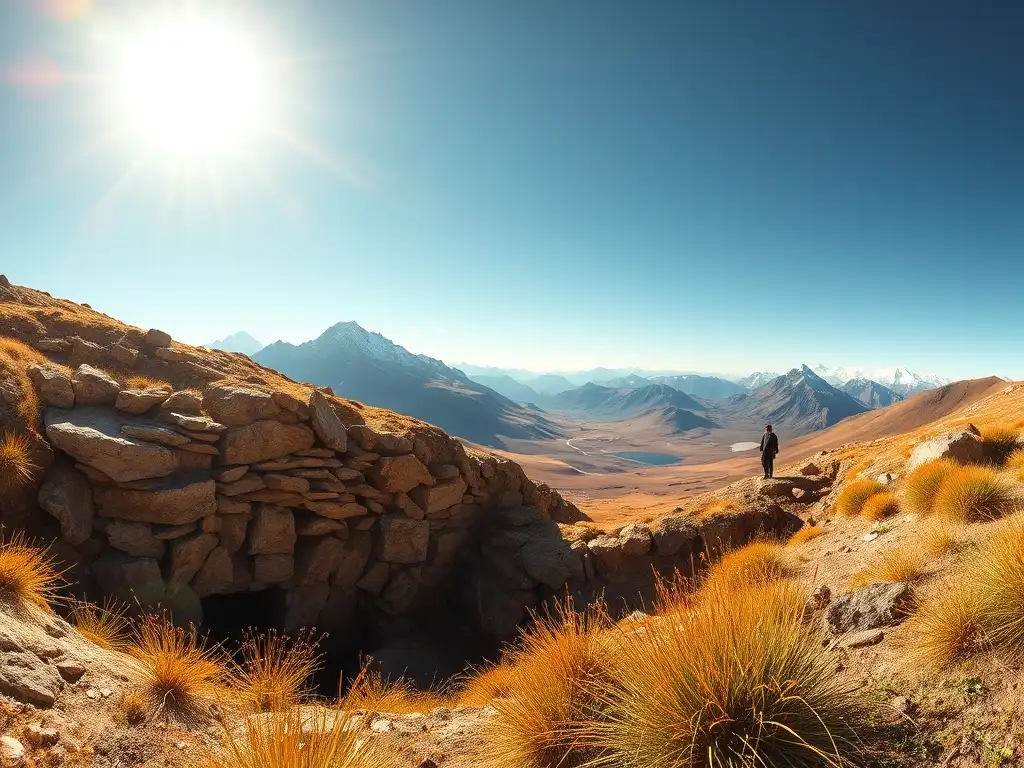
Uncover the secrets of a lost world! Journey with us through the breathtaking landscapes of the Andes, where ingenious civilizations thrived for millennia. But how did they feed their vast populations? This is more than just a history lesson; it's a thrilling exploration into the ingenious ancient Andean food storage methods that sustained empires. Prepare to be amazed by the innovative techniques that ensured survival in the challenging Andean environment – a story waiting to be unveiled.
- The Andean Food Map: How Ancient Civilizations Preserved Their Bounty
- Understanding Ancient Andean Food Storage
- Key Methods of Ancient Andean Food Preservation
- Regional Variations in Andean Food Storage Practices
- The Impact of Effective Food Storage on Andean Societies
- Conclusion: The Ingenuity of Ancient Andean Food Storage
- Frequently Asked Questions
- Final Reflection: Echoes of the Andes: A Legacy in Storage
- Unveil the Rich Tapestry of Andean Culinary Heritage!
The Andean Food Map: How Ancient Civilizations Preserved Their Bounty
The Andes Mountains, a spine of towering peaks stretching along the western coast of South America, presented unique challenges and opportunities for the ancient civilizations that thrived there. The dramatic altitude changes, diverse microclimates, and unpredictable weather patterns necessitated ingenious solutions for food production and, crucially, food storage.
This article delves into the fascinating world of ancient Andean food storage methods, exploring the diverse techniques employed by cultures like the Incas, Moche, Nazca, and Tiahuanaco to preserve their harvests and ensure survival through lean times. We will examine the ingenuity of their strategies, considering the geographical factors that shaped their approaches, and highlighting the remarkable adaptability of these societies in the face of environmental adversity.
Understanding their methods offers valuable insights into the resilience and sophistication of ancient Andean agriculture and provides a compelling narrative of human adaptation and innovation. The study of ancient Andean food storage isn't just about archaeology; it's about understanding the sustainable practices of a people deeply connected to their environment.
Inca Storage Techniques: A System of Granaries and Warehouses
The Inca Empire, renowned for its sophisticated organization and infrastructure, developed a complex system for storing food. Their ingenuity extended beyond simple storage; it involved a network of strategically located granaries and warehouses, often built into the landscape itself. These structures, constructed from stone and adobe, were designed to protect stored goods from the elements and pests.
The size and location of these facilities varied depending on the local climate and the type of food being stored. For example, higher-altitude sites might focus on freeze-drying techniques for potatoes and grains, while lower-altitude locations might utilize different preservation methods. The Inca also implemented a sophisticated system of record-keeping, meticulously tracking the amount and location of stored food to ensure efficient distribution throughout the empire.
This meticulous organization allowed them to effectively manage resources and mitigate the risks associated with unpredictable harvests. The remains of these granaries, scattered across the Andean landscape, stand as testaments to the Inca’s remarkable logistical capabilities and their commitment to food security.
Moche and Nazca Storage: Utilizing Diverse Microclimates
The Moche and Nazca cultures, flourishing centuries before the Inca, also developed effective food storage strategies, though their approaches differed slightly. Their methods were heavily influenced by the arid coastal environment and the availability of diverse microclimates. The Moche, known for their intricate irrigation systems, likely stored surplus produce in underground cellars or pits, leveraging the cooler, more stable temperatures of the subsurface to extend the shelf life of their crops. The Nazca, renowned for their geoglyphs, may have utilized similar methods, potentially supplementing them with techniques like sun-drying and fermentation for certain foods. Archaeological evidence suggests the use of pottery vessels for storing smaller quantities of food, highlighting the adaptability of their storage techniques to the scale of production and consumption. Further research is needed to fully understand the nuances of their storage practices, but it's clear that both cultures skillfully adapted to their environment to ensure food security.
Tiahuanaco and Beyond: A Legacy of Andean Storage Innovation
The Tiahuanaco culture, known for its monumental architecture and sophisticated agricultural practices, contributed significantly to the development of Andean food storage techniques. While specific methods remain under investigation, their mastery of irrigation and terracing suggests an understanding of preserving surpluses. The ability to cultivate crops at high altitudes and in challenging environments implies the existence of effective storage solutions to safeguard the harvests.
The legacy of Tiahuanaco, and other pre-Inca cultures, significantly influenced later Andean societies, contributing to the evolution of increasingly sophisticated storage methods. The collective knowledge and innovation of these cultures underscore the profound importance of food security in the development of Andean civilizations.
The development of these techniques wasn't isolated; it represents a continuous evolution of methods refined over generations, reflecting the deep-seated understanding of their environment and a commitment to long-term sustainability. The study of these methods continues to reveal new insights into the ingenuity and resilience of these ancient peoples.
The study of ancient Andean food storage methods reveals not only practical techniques but also a deep understanding of the environment and a sophisticated social organization. These methods, developed over millennia, represent a remarkable example of human adaptation and ingenuity in the face of environmental challenges. The legacy of these techniques continues to inspire sustainable practices today.
Understanding Ancient Andean Food Storage
The Vital Role of Food Preservation in Andean Societies
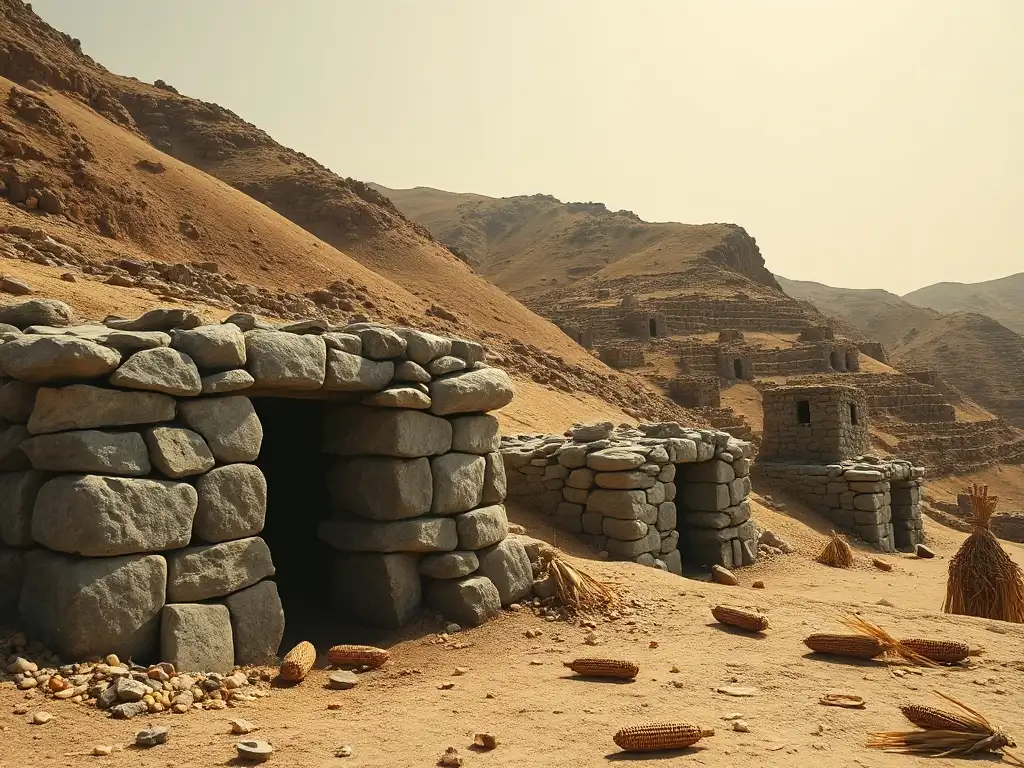
Food preservation wasn't merely a practical matter for ancient Andean civilizations; it was fundamental to their survival and societal structure. The challenging Andean terrain, with its diverse altitudes and unpredictable weather patterns, necessitated sophisticated techniques to ensure year-round food security. Successful food storage directly impacted population density, social organization, and even political power. Communities that mastered preservation methods enjoyed greater stability, allowing for specialization of labor and the development of complex social hierarchies.
The ability to store surplus food also played a crucial role in mitigating the risks associated with crop failures due to droughts, frost, or pests, preventing widespread famine and social unrest. The importance of these ancient Andean food storage methods cannot be overstated in understanding the longevity and success of these remarkable cultures. Consider the Inca Empire, for example; their intricate system of qollqas (storehouses) was integral to their ability to support a vast population and maintain control over a large territory.
These weren't just simple storage spaces; they were strategically located, carefully constructed, and managed by specialized personnel, highlighting the central role of food preservation in their imperial administration. The efficient storage and distribution of surplus food allowed the Inca to maintain armies, fund public works projects, and support a complex bureaucracy. Without effective preservation techniques, the Inca empire, and indeed many other Andean societies, would have been significantly less stable and potentially unsustainable.
Environmental Challenges to Food Storage in the Andes
The Andes present a formidable challenge to long-term food storage. The high altitude, characterized by intense UV radiation, fluctuating temperatures, and low humidity, accelerates food spoilage. At lower altitudes, the humid climate contributes to mold growth and pest infestations. Furthermore, the varied topography—from arid coastal deserts to lush cloud forests—necessitates region-specific storage strategies.
For instance, potatoes, a staple crop, require different preservation techniques depending on the altitude and climate. In higher, colder regions, the natural freezing temperatures aided preservation, while in warmer, lower areas, techniques like sun-drying and storage in subterranean cellars were crucial. These environmental obstacles demanded ingenuity and innovation from Andean farmers, leading to the development of a diverse range of preservation methods adapted to the specific conditions of each ecological niche.
The diversity of ancient Andean food storage methods reflects the diversity of the Andean environment itself, showcasing a deep understanding of their surroundings and a remarkable ability to adapt their practices to it. The sheer variety of preservation techniques employed across different Andean communities underscores the complexity of the challenge and the sophistication of their solutions. Lacking refrigeration, Andean communities relied heavily on natural processes and traditional techniques to preserve their harvests.
Climate's Impact on Storage Strategies
The climate's influence on ancient Andean food storage methods is undeniable. The availability of water, temperature fluctuations, and the length of the growing season all directly affected preservation techniques. In arid regions, where water scarcity was a constant concern, sun-drying and freeze-drying were common methods. These techniques not only preserved food but also reduced its weight and volume, making transportation and storage more efficient.
In contrast, in humid regions, storage structures needed to be designed to prevent moisture damage and pest infestation. The use of subterranean storage, for example, provided a stable, cool environment that protected food from extreme temperature fluctuations and humidity. Furthermore, the timing of harvests and the length of the growing season dictated the scale of storage needed. In areas with short growing seasons, larger stores were required to ensure food security throughout the year.
This interplay between climate, harvest, and storage capacity shaped the social and economic life of Andean communities. For example, the timing of the harvest influenced the timing of communal labor, religious festivals, and even social hierarchies. The relationship between climate and storage strategies in ancient Andean civilizations was thus a complex and multifaceted one, impacting every aspect of their lives. The strategic placement of qollqas and other storage facilities, often in sheltered locations with stable temperatures and low humidity, further illustrates this deep understanding and adaptation to the climatic conditions of the Andes.
Key Methods of Ancient Andean Food Preservation
The ingenuity of ancient Andean civilizations extended beyond their impressive architectural feats and intricate social structures. Their mastery of agriculture was deeply intertwined with sophisticated food preservation and storage techniques, vital for surviving the challenging Andean climate and ensuring year-round sustenance. Understanding these ancient Andean food storage methods reveals a remarkable adaptation to their environment and a testament to their advanced knowledge of food science and engineering.
These methods weren't simply about preventing spoilage; they were integral to their economic and social systems, influencing trade, resource allocation, and community organization. The strategies employed varied depending on the specific crop, geographic location, and the scale of the operation – ranging from small-scale household practices to large-scale centralized storage systems managed by elites.
Granaries and Colcas: Centralized Storage Systems
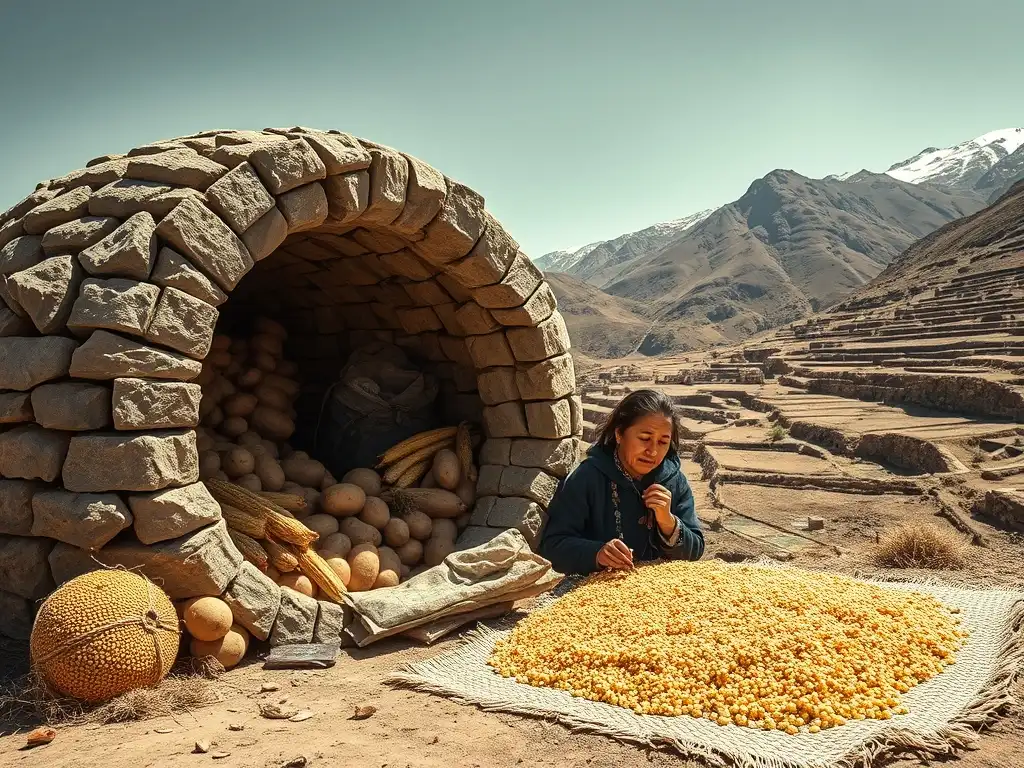
The most prominent examples of ancient Andean food storage are the granaries and colcas. These structures, often built on a monumental scale, served as centralized repositories for surplus agricultural produce. Their design and construction reflected a deep understanding of environmental factors influencing food preservation, such as temperature, humidity, and pest control.
The strategic placement of these structures, often in elevated or well-ventilated locations, minimized the risk of spoilage and protected stored goods from flooding and unwanted animal access. The scale of these storage facilities reflects the sophistication of Andean agricultural practices and the importance of food security in their society.
The construction itself required considerable labor and organizational skill, highlighting the collective effort and social organization involved in food production and distribution. The sheer volume of food stored in these facilities indicates a degree of surplus production that supported not only the immediate community but also likely contributed to trade and tribute systems within the larger Andean empires.
Types of Colcas: Circular and Rectangular Structures
Colcas, the most renowned type of Andean granary, display remarkable architectural diversity. While the specific design varied across different cultures and regions, two primary shapes stand out: circular and rectangular structures. Circular colcas, often made of stone, were common in the highlands, their rounded shape potentially offering better resistance to seismic activity. Rectangular colcas, frequently constructed from adobe brick or stone, were prevalent in other areas, sometimes integrated into larger complexes.
The size and number of colcas within a specific region also varied, reflecting differences in population density, agricultural output, and the overall level of social organization. Larger structures, capable of holding significant quantities of food, were often associated with administrative centers or elite residences, suggesting control over food resources by ruling classes. Smaller, more modest colcas were likely used by individual households or smaller communities.
Construction Materials: Stone, Adobe, and Woven Fibers
The materials used in the construction of colcas and granaries were carefully chosen based on local availability and their properties. Stone, a durable and readily available material in many Andean regions, was frequently used for the construction of more permanent structures, especially in areas with a high risk of flooding or seismic activity. Adobe bricks, sun-dried mud bricks, were another common construction material, particularly in drier areas.
The use of adobe allowed for more flexible construction techniques, permitting the creation of larger structures. In addition to stone and adobe, woven fibers, such as reeds or grass, were often incorporated into the construction, serving as insulation or as a lining to protect the stored food from pests and moisture.
The combination of these materials showcases the ingenuity of Andean builders in adapting their construction techniques to the specific environmental and resource constraints of their region. The preservation of these structures, even after centuries, is a testament to the quality of their construction and the effectiveness of the materials used.
Underground Storage: Utilizing the Earth's Insulation
Beyond above-ground structures, the ancient Andean people also cleverly utilized the earth itself for food preservation. Underground storage techniques, such as pits and cellars, offered significant advantages in terms of temperature regulation and protection from the elements. The stable temperature of the earth provided a natural form of insulation, helping to maintain optimal conditions for preserving food over extended periods. This method was particularly effective for preserving perishable goods that were susceptible to temperature fluctuations and spoilage. The depth and design of these subterranean storage facilities varied depending on the climate and the type of food being stored.
Pits and Cellars for Temperature Control
Simple pits dug into the ground served as basic underground storage solutions for many Andean communities. These pits, often lined with woven materials or stones, offered protection from extreme temperatures and provided a relatively stable environment for preserving food. More elaborate structures, such as cellars, were often incorporated into homes or larger communal buildings.
These cellars were generally more complex in their design, featuring ventilation systems and access points that minimized the risk of contamination and facilitated easy retrieval of stored goods. The design and construction of these pits and cellars reflects a careful consideration of environmental factors and a deep understanding of the principles of food preservation.
Benefits of Subterranean Storage for Preservation
The benefits of subterranean storage for preserving ancient Andean food are numerous. The consistent temperature and humidity levels within the earth helped to slow down the decomposition process, preventing spoilage and extending the shelf life of stored goods. The protection from sunlight and extreme weather conditions further enhanced the effectiveness of this method. Underground storage also provided an effective barrier against pests and rodents, minimizing the risk of infestation and loss of stored food.
This combination of factors made subterranean storage a highly effective and reliable method for preserving food in the challenging Andean environment. The integration of these methods within broader agricultural strategies highlights the sophisticated understanding of food preservation amongst ancient Andean civilizations. Further research into the specific designs and materials used in different regions could reveal even more about the nuances of these techniques and their impact on the sustainability of Andean societies.
Freeze-Drying Techniques: Leveraging High-Altitude Conditions
The Andes Mountains, with their extreme altitudes and fluctuating temperatures, provided a naturally occurring environment ideal for freeze-drying, a preservation technique employed extensively by ancient Andean civilizations. This method, while seemingly simple, allowed for the long-term storage of vital food sources, ensuring sustenance throughout the year and mitigating the impact of unpredictable harvests. The process capitalized on the naturally low temperatures and low humidity at high altitudes, effectively removing moisture from food products without the need for sophisticated technology.
This natural refrigeration system was crucial for the survival and prosperity of these communities. The efficiency of this method significantly impacted their ability to maintain stable food supplies, especially in regions with harsh climates and challenging terrains. Understanding the nuances of this technique is key to appreciating the ingenuity of Andean food preservation strategies.
The Natural Freeze-Drying Process in the Andes
The natural freeze-drying process in the Andes involved exposing food items to the elements at high altitudes. The freezing temperatures and low humidity gradually removed water from the food through sublimation – a process where ice transitions directly into water vapor without melting. This slow, natural process preserved the food's nutritional value and texture, resulting in a product that could be stored for extended periods. The duration of this process varied depending on factors such as altitude, temperature, humidity, and the food's water content.
For instance, potatoes left at high altitudes during the cold season might take several weeks to fully freeze-dry, whereas thinner cuts of meat might require less time. The precise timing was likely determined through generations of accumulated knowledge and careful observation of environmental conditions. This intuitive understanding of the natural environment allowed Andean communities to effectively utilize the climate for food preservation.
Chuno and Charqui: Freeze-Dried Potato and Meat
Two prime examples of freeze-dried Andean foods are chuno (freeze-dried potato) and charqui (freeze-dried meat). Chuno, a staple in the Andean diet, involved harvesting potatoes, freezing them, and then exposing them to the sun and wind to remove moisture. The process resulted in a lightweight, easily stored food source that could withstand harsh conditions and last for months, even years. Similarly, charqui, often made from llama or alpaca meat, was prepared through a similar freeze-drying process.
The meat was sliced thinly, frozen, and then exposed to the elements, resulting in a tough, jerky-like product. Both chuno and charqui played crucial roles in sustaining Andean populations during lean seasons and facilitating trade between different communities. The longevity and portability of these foods transformed the Andean food landscape. Their production and consumption continue to this day, demonstrating the enduring legacy of these ancient food preservation techniques.
Fermentation Techniques: Extending Food Durability
Fermentation, another ingenious method employed by ancient Andean civilizations, significantly extended the shelf life of various food products. This biological process involved using microorganisms to break down food components, creating an environment that inhibited the growth of spoilage organisms. This process not only preserved food but also transformed its flavor profile and nutritional content in some cases.
The diverse range of fermented foods produced by ancient Andean communities highlights their advanced understanding of microbiology and food technology. The specific techniques varied depending on the food and the desired outcome. The knowledge of fermentation was likely passed down through generations, refined over centuries of practice and observation.
Production of Chicha and Other Fermented Goods
Chicha, a fermented beverage made from maize (corn), was a central element of Andean culture and an important example of fermentation's role in food preservation. The maize was chewed, or sometimes ground, to release starches and then allowed to ferment, resulting in an alcoholic drink that could be stored for a considerable period. Besides chicha, other fermented foods included various fruits and vegetables, often preserved in earthenware pots or other containers.
These fermented products not only offered a longer shelf life but also provided additional sources of nutrients and probiotics. The exact methods and ingredients used varied across different Andean regions, reflecting the diversity of local resources and culinary traditions. The production of chicha and other fermented foods was often intertwined with ritual and social practices, highlighting its cultural significance.
Preservation by Altering the Food's Chemistry
Fermentation's impact on food preservation extended beyond simply inhibiting spoilage. The process also altered the food's chemical composition, further contributing to its durability. The production of acids during fermentation, for example, created an environment hostile to many microorganisms. This chemical change, coupled with the removal of water, significantly extended the shelf life of the preserved food.
This understanding of the chemical changes involved in fermentation demonstrates a sophisticated grasp of food science. Ancient Andean communities understood intuitively how to manipulate the natural processes of fermentation to their advantage, ensuring food security in a challenging environment. This knowledge is a testament to their close observation of nature and their ingenious adaptation of natural processes.
Regional Variations in Andean Food Storage Practices
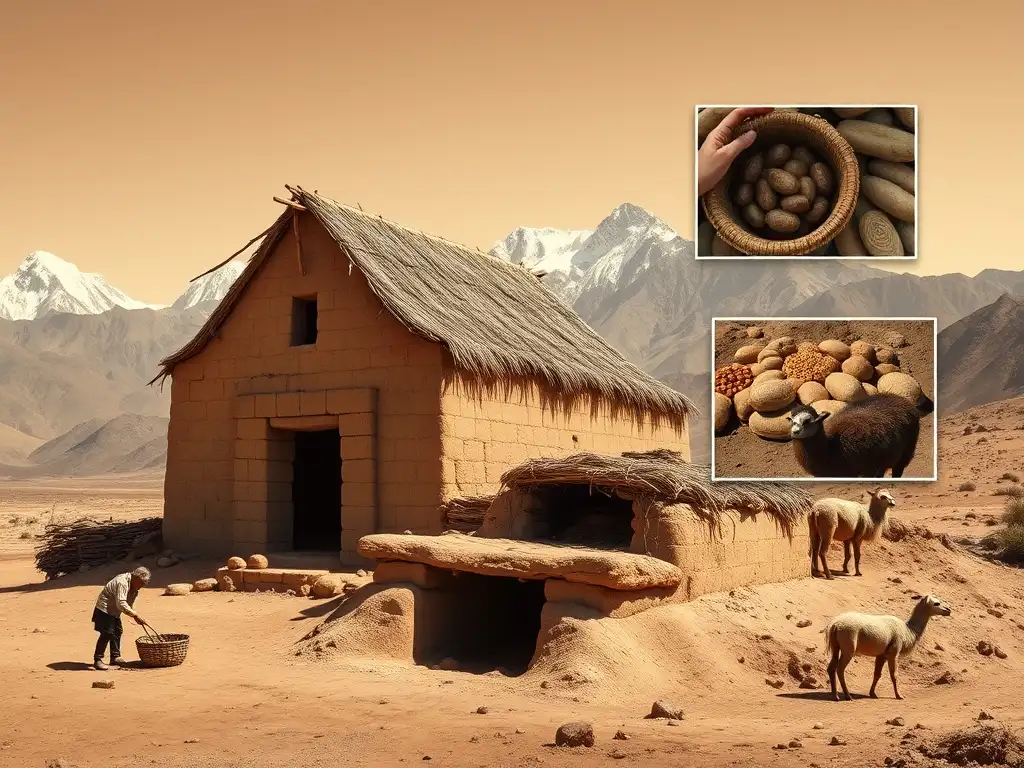
The diverse geography of the Andes Mountains profoundly impacted the ancient Andean civilizations' food storage methods. From the arid coastal deserts to the high-altitude plains and valleys, each region necessitated unique approaches to preserving and storing agricultural surpluses and other food sources. Understanding these regional variations is key to appreciating the ingenuity and adaptability of these ancient cultures in managing their food supply. Analyzing these techniques reveals a sophisticated understanding of environmental factors and their impact on food preservation, highlighting the crucial role of "ancient Andean food storage methods" in their survival and prosperity.
Coastal Storage Methods
The coastal regions of the Andes presented a unique set of challenges for food storage. The arid climate, characterized by low rainfall and high temperatures, required innovative solutions to prevent spoilage and preserve food for extended periods. These methods, often intertwined with a deep understanding of marine resources, ensured the survival of coastal communities.
Adapting to the Arid Coastal Climate
The lack of rainfall along the Andean coast meant that traditional methods relying on moisture control, like underground cellars common in wetter regions, were not practical. Instead, coastal communities relied heavily on techniques that minimized exposure to moisture and extreme temperatures. One common method involved the construction of elevated storage structures made from materials like sun-baked bricks or reeds. These structures provided ventilation, helping to regulate temperature and humidity, preventing the growth of mold and insects.
The use of tightly woven baskets and pottery, often sealed with clay or resin, further minimized moisture penetration. These practices, though seemingly simple, demonstrate a deep understanding of the principles of food preservation in an arid environment. Evidence suggests that food was often stored in smaller quantities in multiple locations to mitigate the risk of total loss from unforeseen events like raids or natural disasters.
Utilizing Marine Resources for Storage
Coastal Andean civilizations skillfully integrated marine resources into their storage strategies. Dried fish, shellfish, and seaweed were essential components of their diet and were easily preserved due to the arid climate. These resources provided a valuable supplement to agricultural produce and played a significant role in ensuring food security during lean times.
The process of sun-drying was crucial, reducing moisture content and inhibiting microbial growth. Further preservation techniques may have included smoking or salting, although the specifics of these techniques require further archaeological investigation. The successful integration of marine and agricultural food storage highlights the resourcefulness of these ancient communities in utilizing all available resources to ensure food security.
Highland Storage Methods
The Andean highlands, with their fluctuating temperatures and unpredictable weather patterns, presented different challenges to food storage. The high altitude, often accompanied by freezing temperatures, necessitated the development of methods that protected food from both extreme cold and potential damage from rodents and other pests.
The Influence of Altitude and Temperature Fluctuations
Altitude significantly impacted the types of food stored and the storage methods employed. At higher elevations, where growing seasons are shorter, the focus was on storing durable crops like potatoes, quinoa, and beans. These crops, naturally resistant to spoilage, could be stored for extended periods with relatively simple methods. However, temperature fluctuations remained a challenge.
The use of underground storage pits, lined with straw or other insulating materials, became common. These pits helped to moderate temperature fluctuations, protecting the stored food from freezing or excessive warming. The precise construction techniques varied depending on the local geology and available materials, demonstrating a remarkable adaptation to the specific environmental conditions.
Storage Practices in Mountainous Areas
The mountainous terrain of the Andes further complicated storage solutions. Accessibility was a critical factor, influencing the size and location of storage facilities. Smaller, dispersed storage units were often preferred, minimizing the risk of total loss in case of landslides or other natural disasters.
The use of elevated platforms or granaries, often constructed of stone or wood, became common in mountainous areas. These structures protected food from ground moisture and pests, while their elevated position provided better ventilation. The design and construction of these granaries often reflected local architectural styles and building materials, indicating a strong connection between storage practices and the local environment.
The effectiveness of these storage methods, coupled with sophisticated agricultural practices, allowed Andean highland communities to thrive despite the harsh environmental conditions. Further research into the specific construction methods and materials used in different highland regions would enrich our understanding of "ancient Andean food storage methods" in this challenging environment.
Amazonian Storage Methods
The Amazon basin, with its unique climate and abundant resources, presented distinct challenges and opportunities for ancient Andean civilizations concerning food storage. Unlike the drier climates of the Andes highlands, the Amazonian lowlands are characterized by high humidity, heavy rainfall, and intense heat, all of which significantly impacted the preservation of food. Understanding these environmental factors is crucial to appreciating the ingenuity of the storage techniques employed by these communities.
The sheer biodiversity of the Amazon also influenced storage strategies, as the range of crops and foodstuffs available differed considerably from those found in other Andean regions. This necessitated the development of specialized methods tailored to specific products, ranging from root vegetables to fruits and even fish. The ingenuity of these methods, often passed down through generations of oral tradition, highlights the deep connection between these cultures and their environment.
Adapting to the Humid Tropical Environment
The high humidity of the Amazonian rainforest posed a significant hurdle to food preservation. Unlike the arid regions where desiccation was a viable preservation method, the constant moisture in the Amazon promoted the rapid growth of mold and bacteria, leading to spoilage. Therefore, Amazonian communities had to develop strategies that countered this constant threat. This often involved careful selection of storage locations, prioritizing well-ventilated areas with minimal exposure to direct sunlight and rainfall.
Elevated platforms, constructed using readily available materials like wood and bamboo, were commonly used to keep food off the ground and improve air circulation. These platforms also helped to deter pests and animals that could raid food stores. Furthermore, sophisticated understanding of the local flora and fauna led to the use of natural insecticides and repellents, further enhancing preservation efforts. [Specific examples of natural insecticides used pending].
Unique Storage Practices in the Rainforest
The unique biodiversity of the Amazon rainforest led to the development of specialized storage practices for diverse food items. For example, the storage of root crops like manioc (cassava) required different techniques than the preservation of fruits or fish. Manioc, a staple crop, was often processed into flour or fermented to extend its shelf life. These processing methods not only reduced spoilage but also altered its taste and nutritional profile, offering a wider range of dietary options.
Similarly, the storage of fruits, which were highly susceptible to decay, often involved techniques such as smoking or drying, which reduced moisture content and inhibited microbial growth. For fish, preservation methods varied depending on the availability of resources. Smoking and salting were common techniques, while some communities might have utilized natural refrigeration methods using cool, underground cellars or caves.
The diversity of these practices underscores the adaptive capacity of Amazonian cultures and their profound understanding of their environment. The development of these techniques was crucial to ensuring food security throughout the year, especially during periods of scarcity. Further research is needed to fully document the range and specifics of these highly localized food storage techniques.
The Impact of Effective Food Storage on Andean Societies
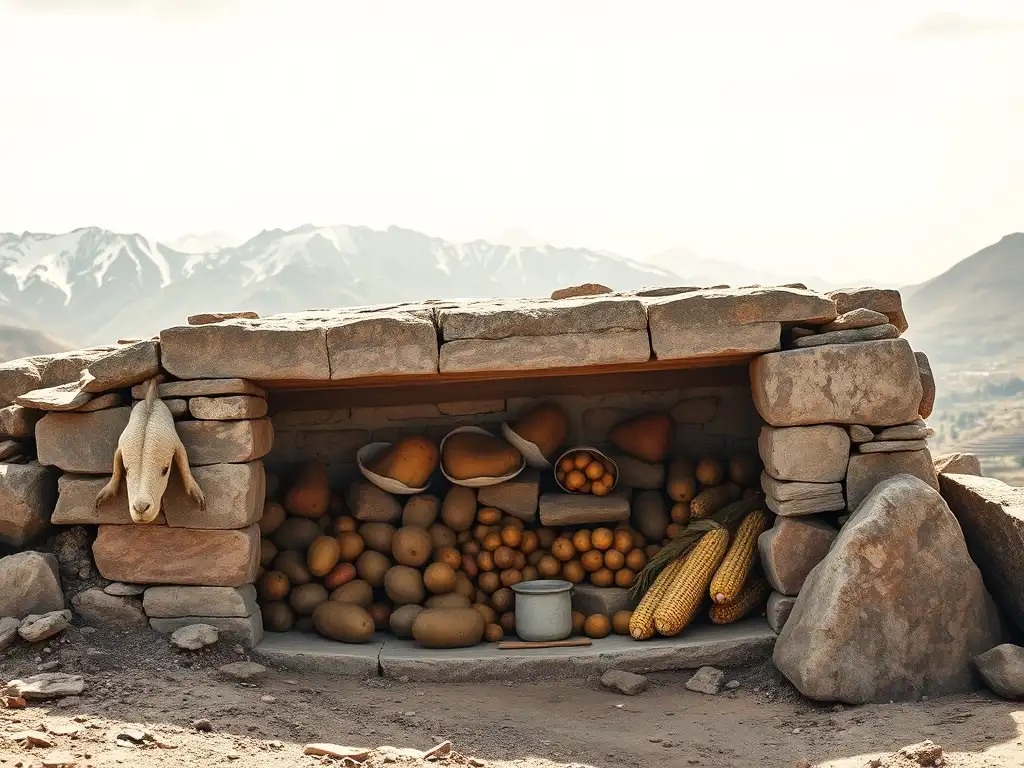
Effective food storage techniques were paramount to the success and longevity of ancient Andean civilizations. Without reliable methods to preserve agricultural surpluses, these societies would have been vulnerable to famine and societal collapse. The ingenuity displayed in developing and implementing these methods directly impacted population growth, trade networks, and the distribution of political power.
Understanding these storage strategies provides crucial insight into the remarkable achievements of these cultures and their sophisticated understanding of agriculture and resource management. The ingenuity behind ancient Andean food storage methods allowed for the development of complex societies and resilient communities capable of withstanding periods of scarcity. This section will explore the profound impact of these methods on various aspects of Andean life.
Supporting Population Growth Through Reliable Storage
Reliable food storage directly contributed to population growth in the Andes. By preventing significant post-harvest losses, Andean societies could ensure a consistent food supply, even during lean seasons. This stability fostered population growth and allowed for the development of larger, more complex settlements.
For example, the Incas, renowned for their extensive agricultural terraces and sophisticated irrigation systems, also employed advanced storage techniques, such as qollqas, which were underground storehouses built into the landscape. These structures, often located in dry, elevated areas, maintained a stable temperature and humidity, protecting stored food from pests and spoilage. Estimates suggest that a single qollqa could store enough food to feed a family for an entire year, providing a crucial buffer against crop failure.
The ability to reliably store surpluses allowed for population densities far exceeding those of contemporaneous societies in other regions with less developed storage technologies. The impact on population growth was significant, enabling the construction of large urban centers like Cusco and the expansion of the Inca empire.
Facilitating Trade and Economic Development
Efficient food storage was intrinsically linked to the development of trade and economic systems in the Andes. Surplus food, safely preserved in qollqas and other storage facilities, could be used as a form of currency or traded for other goods and services. This facilitated the growth of specialized labor and the development of complex economic relationships between different communities.
The Nazca civilization, for instance, is known for its elaborate irrigation systems and its mastery of textile production. Their ability to store surplus food, likely using a combination of techniques including sun-drying and storage in woven containers, enabled them to invest resources in developing their textile industry and engaging in extensive trade networks, extending their influence throughout the region.
The exchange of preserved foods, along with textiles and other goods, contributed significantly to the economic prosperity and cultural exchange within the Andean region. Analysis of archaeological findings reveals evidence of long-distance trade routes, suggesting a well-established system of food distribution supported by sophisticated storage techniques.
Food Security and Political Power
Access to and control over food resources were directly tied to political power in ancient Andean societies. The ability to store and distribute food strategically allowed rulers and elites to maintain control and influence over their populations. The Inca empire, with its vast network of qollqas strategically located throughout the empire, used food storage as a tool to consolidate power.
The state controlled the production and distribution of food, ensuring the loyalty of its subjects and effectively mitigating the risk of rebellion during times of scarcity. The impressive scale of Inca qollqas highlights not only their technological prowess but also their sophisticated understanding of the importance of food security in maintaining political stability. Furthermore, the ability to provide food relief during times of crisis cemented the authority of the ruling class, reinforcing their legitimacy and strengthening their control over the population.
The control of food storage, therefore, played a vital role in shaping the political landscape of the ancient Andes. Understanding this dynamic provides critical context for interpreting the power structures and social organization of these complex societies.
Enduring Legacy of Andean Food Preservation
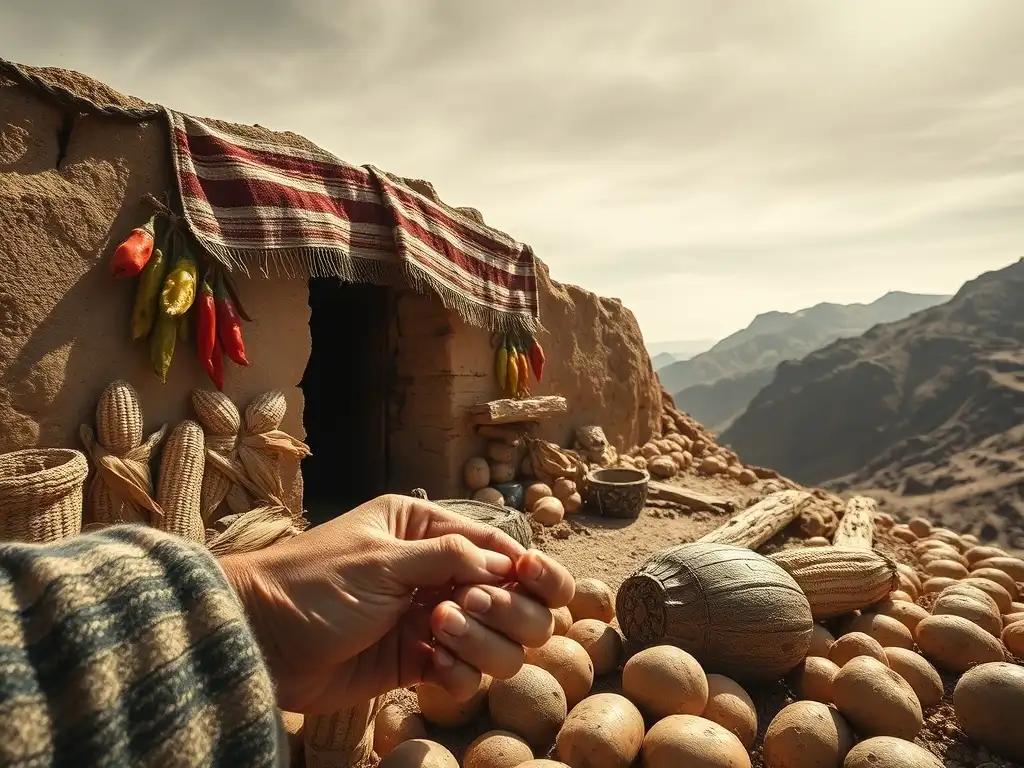
The ingenious food storage methods employed by ancient Andean civilizations weren't merely practical; they were fundamental to the very survival and flourishing of their societies. These techniques, honed over millennia, allowed for the sustained growth of complex social structures, intricate religious practices, and remarkable artistic achievements. The ability to store surplus food provided a buffer against the unpredictable Andean climate, mitigating the risks of crop failure and ensuring community stability even during lean times.
This reliability fostered social cohesion, allowing for specialized labor and the development of sophisticated societal hierarchies. Without effective food preservation, the impressive architectural feats of the Incas, the intricate textiles of the Nazca, and the advanced astronomical knowledge of various Andean cultures would have been significantly hampered, if not impossible. The legacy of these preservation techniques extends beyond mere historical curiosity.
They represent a deep understanding of ecological principles and resource management that continues to inspire modern approaches to sustainable food systems. The careful selection of storage locations, the utilization of natural materials, and the understanding of environmental factors all contributed to the long-term success of these ancient food storage systems. These methods offer valuable lessons for contemporary societies grappling with issues of food security and environmental sustainability.
Inspiration for Modern Sustainable Practices
The ancient Andean food storage methods offer a wealth of inspiration for modern sustainable practices. Their emphasis on natural preservation techniques, minimizing waste, and adapting to local environmental conditions resonates powerfully with contemporary concerns about environmental sustainability and food security. For example, the use of qollqas (Andean storage structures) showcases the effectiveness of passive cooling and ventilation, principles that can be applied in designing modern, energy-efficient storage facilities.
Similarly, the traditional methods of drying and sun-curing foods, still practiced in many Andean communities, offer eco-friendly alternatives to energy-intensive industrial preservation methods. The selection of appropriate storage containers, often made from locally sourced materials, demonstrates a commitment to reducing environmental impact and supporting local economies—a stark contrast to the reliance on mass-produced, often non-biodegradable packaging prevalent today. Furthermore, the understanding and respect for the environment displayed by ancient Andean societies in their food storage practices serves as a crucial reminder of the interconnectedness between food production, storage, and environmental health.
By examining and emulating these time-tested techniques, we can develop more sustainable and resilient food systems capable of meeting the challenges of a changing climate and a growing global population. The wisdom embedded within these ancient practices offers a powerful pathway toward a more ecologically responsible and food-secure future. Modern agricultural practices can learn much from the ingenuity and foresight demonstrated by the ancient Andean civilizations.
Conclusion: The Ingenuity of Ancient Andean Food Storage
A Reflection of Andean Innovation and Knowledge
The sophisticated food storage methods employed by ancient Andean civilizations weren't merely practical solutions; they represented a deep understanding of their environment and a remarkable capacity for innovation. Their success wasn't accidental; it stemmed from centuries of observation, experimentation, and adaptation to the challenging Andean terrain. The integration of diverse techniques—from underground storage to sophisticated drying and preservation methods—demonstrates a holistic approach to food security. This wasn't simply about putting food away; it was about managing resources strategically to ensure survival and societal stability throughout the year, even across multiple years in the face of unpredictable weather patterns.
The ingenuity displayed in their approaches to preserving ancient Andean food speaks volumes about their advanced knowledge of botany, engineering, and community organization. Consider, for example, the meticulous construction of qollqas, which weren't just simple pits; they were carefully designed structures, often incorporating ventilation and insulation to maintain optimal conditions for storage. This level of planning and execution underscores the importance placed on food security within these societies.
The effectiveness of these methods is evident in the archaeological record, which consistently reveals evidence of well-preserved food remains, testament to the efficacy of their techniques. Understanding these practices allows us to appreciate the depth of knowledge and the resilience of these ancient cultures in the face of environmental challenges. The legacy of their ingenuity continues to inspire and inform modern approaches to food preservation and resource management.
Valuable Lessons for Contemporary Food Preservation
The ancient Andean food storage methods offer valuable insights for contemporary food preservation practices. In an era marked by increasing concerns about food waste and the sustainability of food systems, studying these ancient techniques offers a wealth of knowledge. Their emphasis on natural preservation methods, minimizing waste, and maximizing the shelf life of food resources provides a stark contrast to many modern practices. For instance, the Andean focus on drying, a method that requires minimal energy input and produces a long-lasting product, stands in contrast to energy-intensive modern preservation techniques.
The principles of controlled temperature and humidity, so crucial in Andean qollqas, are equally relevant in modern cold storage solutions, albeit with more technologically advanced equipment. Moreover, the community-based approach to food storage and distribution found in Andean societies offers a valuable lesson in food security strategies. The shared responsibility for preserving and distributing food resources ensured equitable access and minimized waste, a model that could be adapted to address modern food insecurity issues.
Further research into the specific techniques and materials used by these ancient civilizations could lead to new and sustainable solutions for food preservation, particularly in regions with limited access to modern technology. By studying the successes and failures of these ancient methods, we can refine contemporary techniques and develop more sustainable and efficient ways to preserve our food resources. The ingenuity of the ancient Andean civilizations in addressing the challenges of food storage serves as a powerful reminder of the importance of resource management and the valuable lessons that can be learned from the past.
Frequently Asked Questions
How did ancient Andean civilizations preserve their food?
Ancient Andean civilizations used a variety of preservation techniques, including sun-drying, freeze-drying, and fermentation. They also stored food in airtight containers and cool, dry places to extend its shelf life.
What types of storage structures did they use?
They employed diverse structures like qollqas (stone storehouses), often built into hillsides for climate control, and underground cellars for protection from the elements and temperature fluctuations. Simple woven baskets and pottery were also used for smaller-scale storage.
What kinds of food did the Andean civilizations store?
Stored foods varied across regions and cultures, but commonly included potatoes, maize, quinoa, beans, dried meats, and fruits. The specific items depended on local agricultural practices and availability.
Where were these storage facilities typically located?
Storage facilities were strategically positioned considering altitude, climate, and proximity to agricultural lands. Many were built in relatively dry and elevated locations to minimize spoilage and pest infestations.
How did the effectiveness of these methods contribute to their success?
Effective food storage techniques were crucial to the survival and success of ancient Andean civilizations. These methods allowed them to survive harsh climates, support larger populations, and build complex societies.
Final Reflection: Echoes of the Andes: A Legacy in Storage
The ingenious food storage techniques of the ancient Andean civilizations remain a powerful testament to their ingenuity and resourcefulness, a legacy that continues to resonate in our modern world grappling with food security. Their sophisticated understanding of preservation, mirroring our current concerns about sustainable food systems, offers valuable lessons for the future. We can learn much from their innovative approaches to ensuring community survival.
The enduring impact of these ancient practices is undeniable; they shaped not only the dietary landscape of the Andes but also the very fabric of Andean society. Their methods, passed down through generations, fostered community resilience and social cohesion. The storage of food was not merely a practical matter; it was a social and spiritual act, reflecting the deep connection between the people and their environment.
This quote encapsulates the profound significance of these practices, extending beyond mere sustenance to encompass cultural identity and spiritual beliefs. The echoes of these practices can still be heard in the modern Andean culinary traditions and agricultural practices.
Consider the ingenuity of these ancient peoples, their intimate knowledge of their environment, and their commitment to community well-being. You too can cultivate a deeper appreciation for sustainable practices by reflecting on the resourcefulness of the ancient Andeans. Explore ways to reduce food waste in your own life, learn about local preservation techniques, and support sustainable agriculture. Let the echoes of their wisdom inspire you to build a more resilient and food-secure future.
Unveil the Rich Tapestry of Andean Culinary Heritage!
Thank you for exploring the fascinating world of Andean civilizations and their ingenious food storage techniques! We hope you gained valuable insights into the culinary practices that shaped their culture and traditions. Now, let's delve even deeper into this rich heritage.
Here's how you can continue your exploration:
- **Try recreating a traditional Andean recipe at home! ** Share your culinary adventure with friends and family – the experience is as rewarding as the meal itself.
- Explore local farmers' markets and specialty stores to **discover unique, indigenous ingredients** that have been part of Andean cuisine for centuries. You might be surprised by the flavors you find!
- Connect with other enthusiasts by joining a community group or online forum dedicated to Andean culture. Sharing recipes, stories, and discoveries with like-minded individuals will enrich your understanding.
Which Andean food storage method most captivated you, and how might its principles inform your own approach to cooking and food preservation? We'd love to hear your thoughts in the comments!